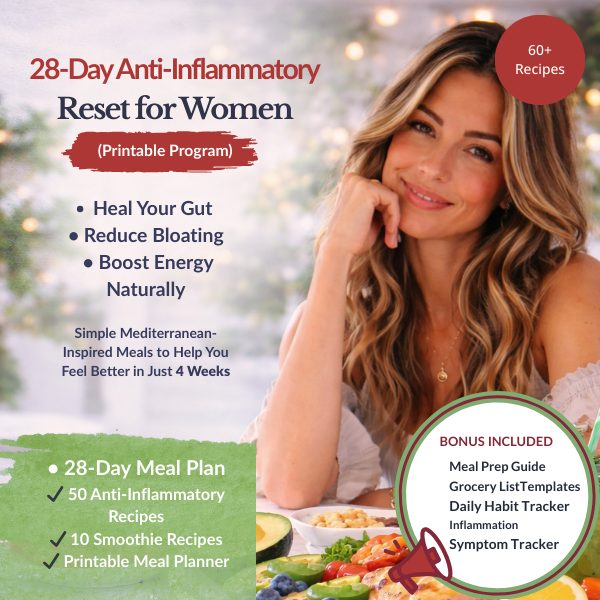

30-Day Anti-Inflammatory Challenge Meal Plan (Free PDF)
30-Day Anti-Inflammatory Challenge Meal Plan (Free PDF)

Let’s be real — you didn’t wake up one morning feeling stiff, bloated, and exhausted just because you’re “getting older.” Chronic inflammation is sneaky, and it messes with everything from your joints to your skin to your energy levels. The good news? Food is one of the most powerful tools you have to fight back. And a solid 30-day anti-inflammatory meal plan is exactly the kind of structured reset your body has probably been begging for.
I’ve been down this road myself. After months of eating whatever was convenient (guilty as charged), I noticed my energy tanking and my digestion staging a full-blown protest. Committing to a 30-day anti-inflammatory eating challenge genuinely changed how I felt — and I want to walk you through exactly how to do it too.
What Is Inflammation (And Why Should You Care)?
Before we talk food, let’s quickly cover why this matters. Inflammation isn’t inherently evil — it’s your body’s natural defense response. The problem starts when inflammation becomes chronic, meaning your immune system stays in a constant low-grade “alarm” state even when there’s no real threat.
Chronic inflammation has been linked to fatigue, weight gain, brain fog, skin issues, and even long-term conditions like heart disease and type 2 diabetes. So yeah, it’s kind of a big deal. The encouraging part is that the foods you eat every single day either fan those flames or help calm them down.
How the 30-Day Challenge Works
This challenge isn’t a crash diet. It’s not about starving yourself or surviving on sad salads for a month. The goal is to consistently eat anti-inflammatory foods while cutting out the main triggers — processed sugar, refined carbs, seed oils, and excess alcohol.
Here’s the basic framework:
- Weeks 1–2: Focus on building the habit. Swap out inflammatory staples and load up on colorful produce, healthy fats, and quality proteins.
- Weeks 3–4: Deepen the practice. Introduce more variety, experiment with new recipes, and start noticing how your body responds.
You don’t need to be a professional chef. You need about 30 minutes, a decent grocery list, and the willingness to try. FYI, the free PDF at the end of this article has everything mapped out day by day — no guesswork required.
The Core Anti-Inflammatory Foods to Eat
Want to know the real MVPs of this challenge? Here are the foods you’ll be eating a lot of — and loving every bite.
Fatty Fish and Omega-3s
Salmon, sardines, mackerel, and tuna are loaded with omega-3 fatty acids, which directly reduce inflammatory markers in the body. Aim for at least two to three servings per week. If you’re looking for easy ways to cook fish, these Mediterranean fish and seafood recipes packed with omega-3 goodness are a great starting point.
Leafy Greens and Colorful Vegetables
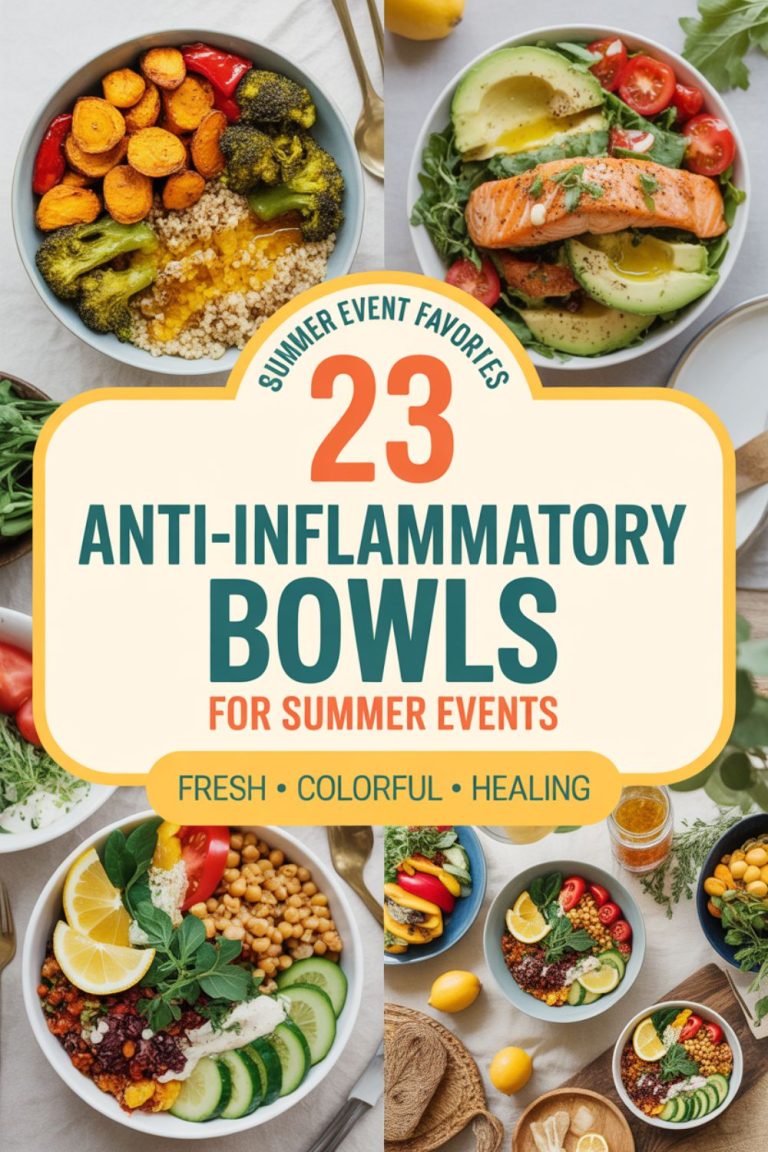
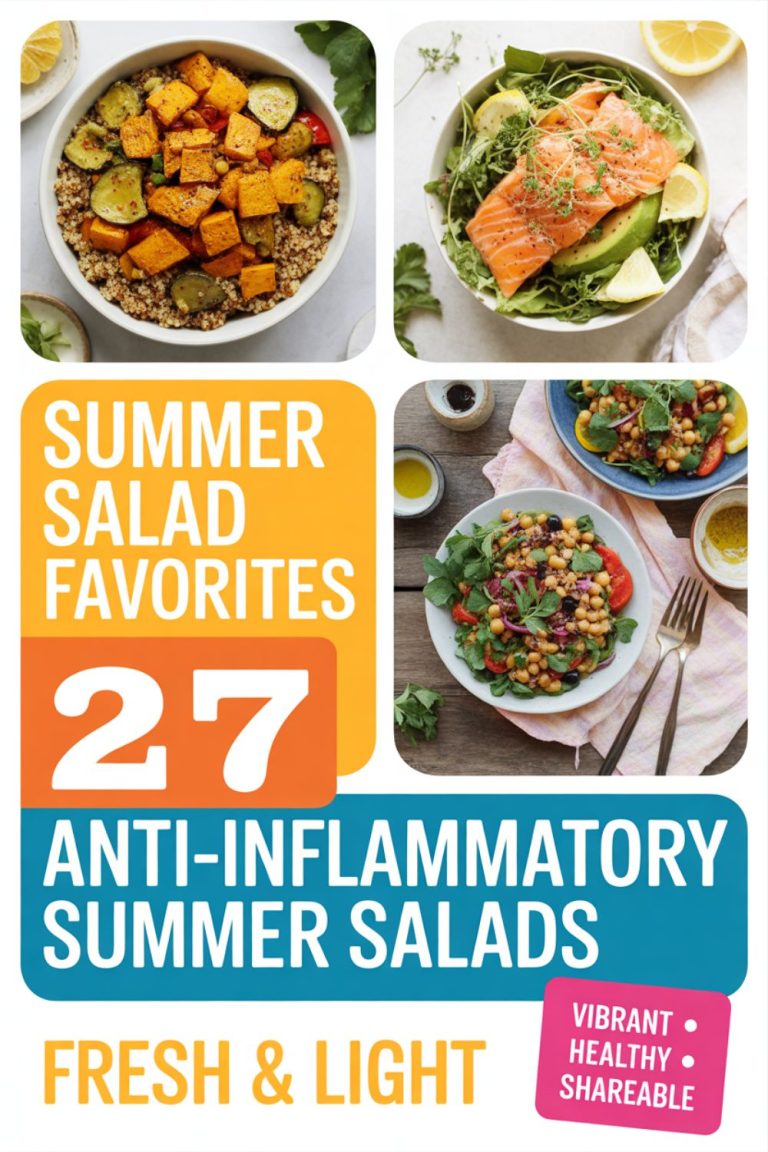
Spinach, kale, arugula, broccoli, and bell peppers are rich in antioxidants that neutralize free radicals — the little troublemakers that contribute to cellular inflammation. The more color on your plate, the better.
Olive Oil
Extra virgin olive oil contains oleocanthal, a compound with effects similar to ibuprofen (no, really). It’s your new best friend for cooking and dressings. These olive oil recipes inspired by the Mediterranean coast show you just how versatile it can be.
Berries, Cherries, and Citrus
Blueberries, strawberries, raspberries — all packed with polyphenols and vitamin C that actively dial down inflammation. Toss them in smoothies, yogurt, or just eat them straight from the bowl.
Legumes and Fiber-Rich Foods
Lentils, chickpeas, and beans provide both fiber and plant protein, supporting gut health and reducing inflammatory cytokines. If chickpeas are new to your rotation, these Mediterranean chickpea recipes will absolutely convert you.
Herbs and Spices
Turmeric, ginger, garlic, and rosemary aren’t just for flavor — they’re potent anti-inflammatory agents. Turmeric especially, with its active compound curcumin, has mountains of research backing it up. Add it to everything.
Foods to Cut (At Least for 30 Days)
Here’s where people sometimes give me the side-eye. But yes, some foods genuinely feed inflammation, and cutting them for 30 days makes a noticeable difference.
- Refined sugar and high-fructose corn syrup — cookies, sodas, candy, pastries
- Refined carbs — white bread, white pasta, most packaged crackers
- Processed and fast food — anything with a laundry list of unpronounceable ingredients
- Industrial seed oils — soybean oil, sunflower oil, corn oil (often in packaged snacks)
- Excess alcohol — occasional red wine is debated, but daily heavy drinking? Definitely inflammatory
I’m not going to pretend this part is easy. Cutting sugar especially can trigger headaches and cravings in the first few days. That’s normal. Push through week one, and it genuinely gets easier 🙂
Your Week-by-Week Breakdown
Week 1: The Clean Slate
The first week is about eliminating the obvious triggers and building new grocery habits. Your pantry needs a mini audit — swap vegetable oils for olive oil, ditch the sugary cereals, and stock up on whole foods.
Sample daily structure:
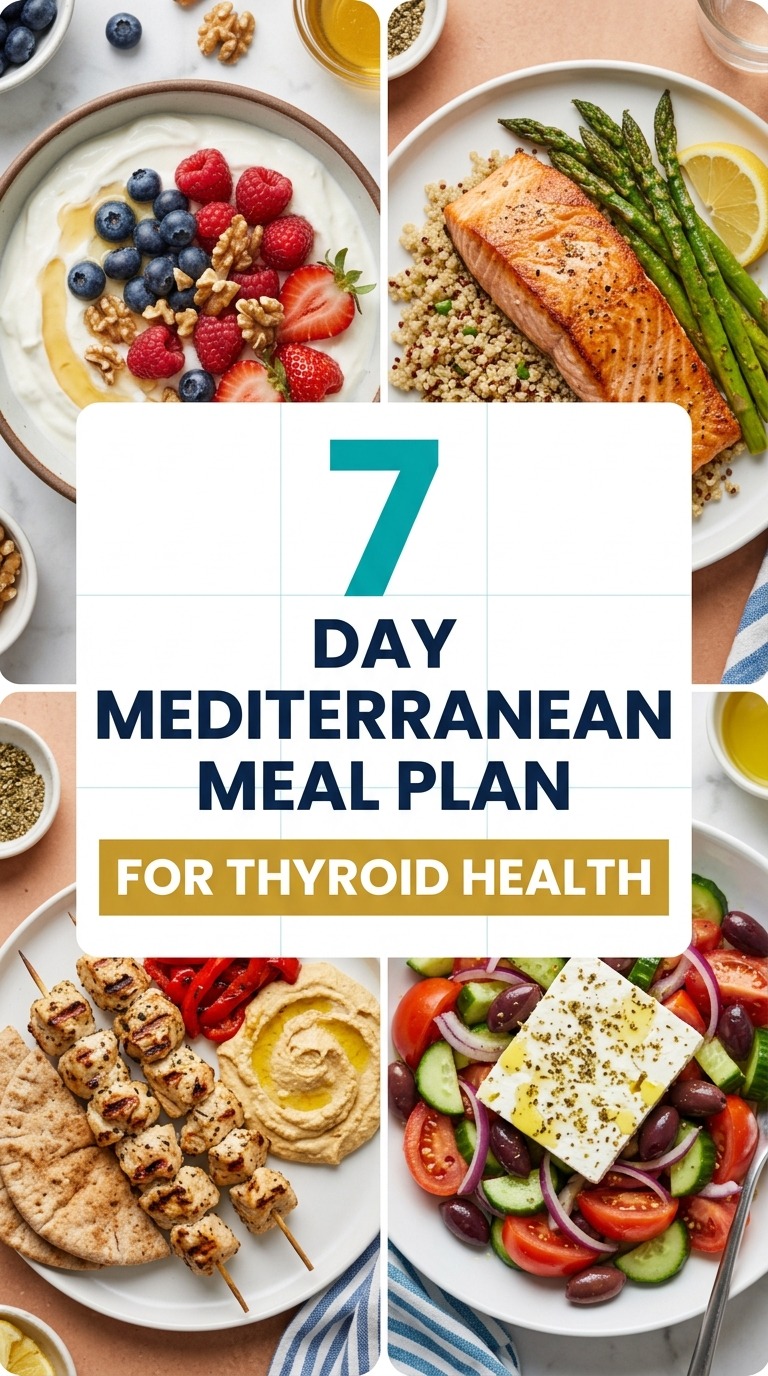
- Breakfast: Greek yogurt with berries and a drizzle of honey, or a turmeric smoothie
- Lunch: Big leafy salad with olive oil dressing, chickpeas, and grilled chicken or salmon
- Dinner: Baked salmon with roasted vegetables, or a lentil soup
- Snacks: Walnuts, sliced apple with almond butter, or hummus with veggies
Need breakfast inspiration? These high-fiber breakfasts for all-day energy are genuinely delicious and take very little time.
Week 2: Building the Rhythm
By week two, the initial shock of the change fades and you start to develop a rhythm. This is where meal prepping becomes your best friend. Spend an hour or two on Sunday prepping grains, roasting vegetables, and portioning proteins so weekday meals come together in minutes.
IMO, the single biggest thing that makes or breaks a 30-day challenge is how well you set yourself up on the weekend. The Mediterranean make-ahead recipes perfect for meal prep are exactly what you need here.
Some people also start noticing changes around day 10 to 14 — better sleep, less bloating, clearer skin. That’s your body responding. Keep going.
Week 3: Deepening the Practice
Now you’re two weeks in and (hopefully) feeling it. Week three is about adding more variety so you don’t hit a boredom wall. Experiment with new recipes, try a gut-healing soup, or test out a new spice blend.
This is also a great week to focus on hydration and anti-inflammatory drinks. These anti-inflammation drinks you can make at home include things like golden milk, ginger-lemon water, and hibiscus tea — all genuinely tasty options to rotate in.
If you want to add some gut-healing support, a 7-day gut healing Mediterranean menu slotted into your third week works beautifully.
Week 4: The Stretch Run
You’re almost there. Week four is about reinforcing the habits you want to keep long after day 30 ends. The goal isn’t to white-knuckle through the finish line — it’s to make this feel sustainable.
Focus on meals you genuinely enjoyed from the past three weeks and build your personal rotation. Think about which snacks satisfied you, which breakfasts felt energizing, and which dinners were easy enough to make on a Tuesday night. The easy Mediterranean weeknight dinners under 30 minutes list is perfect for this phase.
Anti-Inflammatory Meal Ideas to Keep Things Interesting
One of the biggest complaints about “healthy eating” challenges is the food gets boring fast. That’s a real problem — and it’s completely avoidable.
Breakfast options:
- Turmeric oat porridge with walnuts and blueberries
- Smoked salmon on whole grain toast with avocado
- Mediterranean breakfast bowls with eggs, spinach, and olive oil
Lunch options:
- Lentil soup with crusty whole grain bread
- Grilled chicken salad with roasted peppers and tahini dressing
- Mediterranean wraps and pita with hummus and fresh vegetables
Dinner options:
- Baked turmeric salmon with quinoa and roasted broccoli
- Chickpea and spinach stew with crushed tomatoes
- Mediterranean one-pan meals for those nights when dishes are non-negotiable
Snacks:
- Walnuts and dark chocolate (yes, dark chocolate counts — you’re welcome)
- Hummus with cucumber and carrot sticks
- Anti-inflammatory smoothies you can prep fast for busy mornings or afternoon slumps
What to Expect During the 30 Days
Let’s set realistic expectations, because nobody benefits from being blindsided.
Days 1–5: You might feel worse before better. Sugar withdrawal is real — expect some headaches, cravings, or irritability. This is completely normal and passes quickly.
Days 6–14: Energy starts to stabilize. Many people notice less bloating and better sleep in this window. Skin can start to look clearer too, especially if dairy or sugar was a trigger.
Days 15–21: This is often where the “I actually feel good” moment hits. Joint stiffness may ease, brain fog can lift, and you might notice your mood stabilizing. The anti-inflammatory foods for clear skin connection becomes very real around this point.
Days 22–30: You’re building a sustainable lifestyle at this point, not just surviving a challenge. Many people choose to continue well beyond day 30 — and honestly, once you feel this good, it’s not hard to see why.
Grab the Free PDF
Everything covered in this article — the full 30-day anti-inflammatory meal plan with daily meals, shopping lists, and prep tips — is available in a free downloadable PDF. You can grab the 30-day anti-inflammation challenge PDF here and have it ready to reference throughout the month.
If you want to start smaller before committing to the full 30 days, the 7-day anti-inflammation reset with simple meals is a great entry point. And if you want to go deeper after the challenge, the 30-day high-fiber anti-inflammation program is a powerful next step that layers in gut health benefits.
For women specifically, the 14-day anti-inflammatory eating plan for women addresses hormonal factors that make inflammation especially relevant — definitely worth bookmarking.
Tips for Actually Sticking to the Challenge
Real talk: knowing what to eat and actually doing it consistently are two very different things. Here’s what genuinely helps:
- Prep on Sundays — even 60 minutes of prep makes the whole week easier
- Keep anti-inflammatory snacks visible — if the walnuts and fruit are out, you’ll eat them
- Don’t aim for perfection — one “off” meal doesn’t ruin the challenge. Just get back on track at the next one
- Track how you feel — write down your energy, sleep, and mood daily. The improvements become motivation
- Have a go-to easy dinner — on tired nights, quick Mediterranean sheet pan recipes save the day every time
Final Thoughts
Thirty days isn’t that long when you think about it. It’s one month to give your body a genuine break from the foods that keep it in a state of low-grade crisis — and replace them with foods that actually support healing, energy, and clarity.
You don’t need to overhaul your entire life. You just need a plan, a stocked pantry, and the willingness to show up for yourself for 30 days. The free PDF has the full roadmap waiting for you.
Start Monday. Start today. Honestly, just start — your body will thank you louder than you expect 🙂