

7-Day Mediterranean Hormone-Balancing Meal Plan For Women
7-Day Mediterranean Hormone-Balancing Meal Plan For Women
Your hormones are basically running the show — mood, energy, sleep, weight, skin — and when they go sideways, everything feels off. If you’ve been dealing with fatigue that won’t quit, irregular cycles, brain fog, or that stubborn belly bloat that shows up uninvited, your diet might be the missing piece. And no, I’m not talking about some miserable calorie-counting nightmare. I’m talking about the Mediterranean way of eating — colorful, satisfying, and genuinely delicious.
I started paying attention to how food affected my hormones after spending way too long feeling exhausted for no obvious reason. Switching to a more Mediterranean-focused approach changed things for me in ways I didn’t expect. So let’s talk about it — the whole seven-day plan, what to eat, why it works, and how to actually make it happen in real life.
Why the Mediterranean Diet Works for Hormone Balance
Before we jump into the actual meal plan, let’s talk about why this works. Because I know you’ve seen a thousand “eat this, feel amazing” claims, and skepticism is healthy :/
Hormones need fat to function. Seriously. Estrogen, progesterone, testosterone — they’re all made from cholesterol and fats. The Mediterranean diet is rich in healthy fats from olive oil, nuts, fish, and avocado, which gives your body the raw materials it needs to produce hormones properly.
It also reduces chronic inflammation, which is a massive hormone disruptor. When your body is in a constant low-grade inflammatory state, cortisol spikes, insulin becomes less effective, and your entire hormonal cascade suffers. The anti-inflammatory foods at the core of this eating style help calm all of that down.
And fiber? Fiber helps your body eliminate excess estrogen through your digestive tract. Without enough fiber, estrogen gets reabsorbed into the bloodstream, leading to estrogen dominance symptoms like heavy periods, mood swings, and weight gain. FYI, most women eat nowhere near enough fiber daily.
The Hormone-Balancing Power Foods You’ll Be Eating This Week
These aren’t random ingredients. Each one earns its place at the table for a specific reason.
- Fatty fish (salmon, sardines, mackerel) — omega-3s reduce inflammation and support progesterone production
- Flaxseeds — contain lignans that help balance estrogen levels
- Leafy greens (spinach, kale, arugula) — packed with magnesium, which supports progesterone and reduces PMS symptoms
- Extra virgin olive oil — rich in polyphenols that reduce cortisol-triggering inflammation
- Legumes (lentils, chickpeas) — high fiber, steady blood sugar, happy insulin
- Walnuts — omega-3s plus melatonin for better sleep (and better hormone regulation overnight)
- Greek yogurt — probiotics support gut health, which directly influences estrogen metabolism
- Colorful vegetables — antioxidants protect hormone-producing glands from oxidative stress
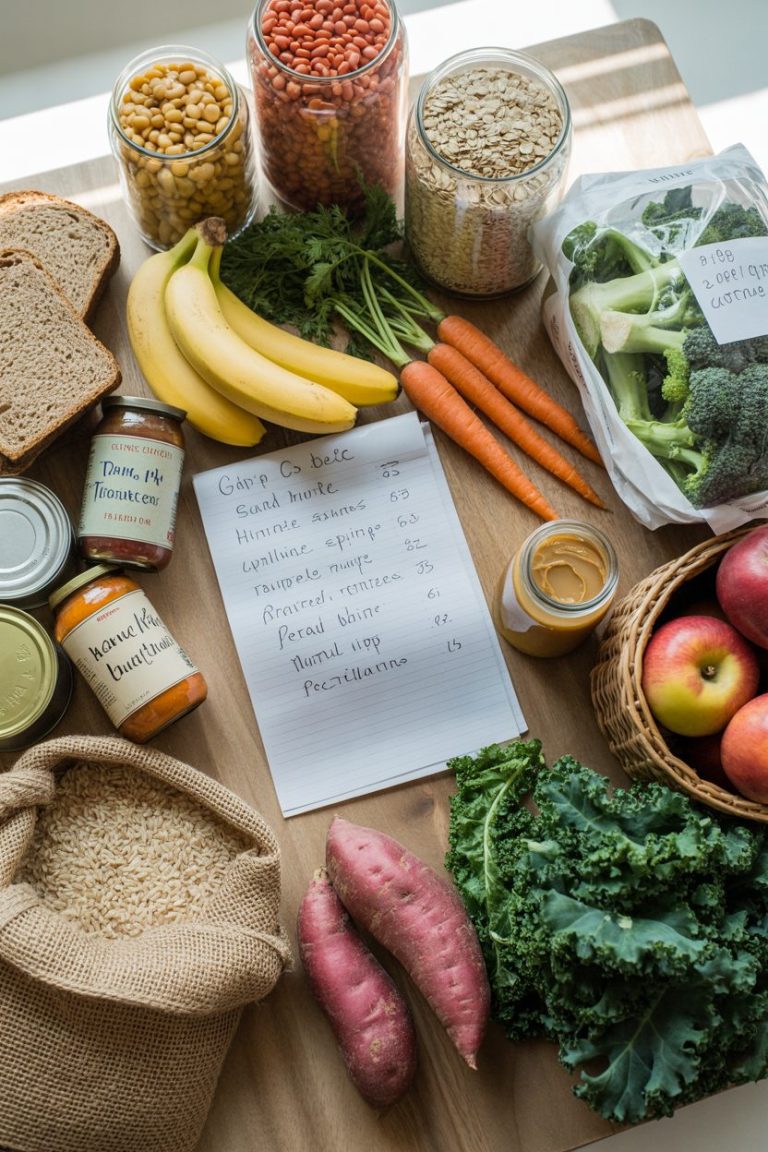
If you want to stock your kitchen before starting, this list of Mediterranean pantry staples is genuinely helpful.
The 7-Day Mediterranean Hormone-Balancing Meal Plan
Let’s get into it. Each day is designed to keep blood sugar stable, support liver detoxification, reduce inflammation, and give your gut the fiber it needs to process hormones correctly. Every meal is simple enough for real life — because nobody has time for a three-hour cooking project on a Tuesday.
Day 1 — Reset and Nourish
Breakfast: Greek yogurt parfait with ground flaxseed, blueberries, and a drizzle of honey. The probiotics plus flaxseeds are a hormonal dream team first thing in the morning.
Lunch: Big leafy green salad with canned salmon, cucumber, cherry tomatoes, olives, and lemon-olive oil dressing. Easy, satisfying, and loaded with omega-3s.
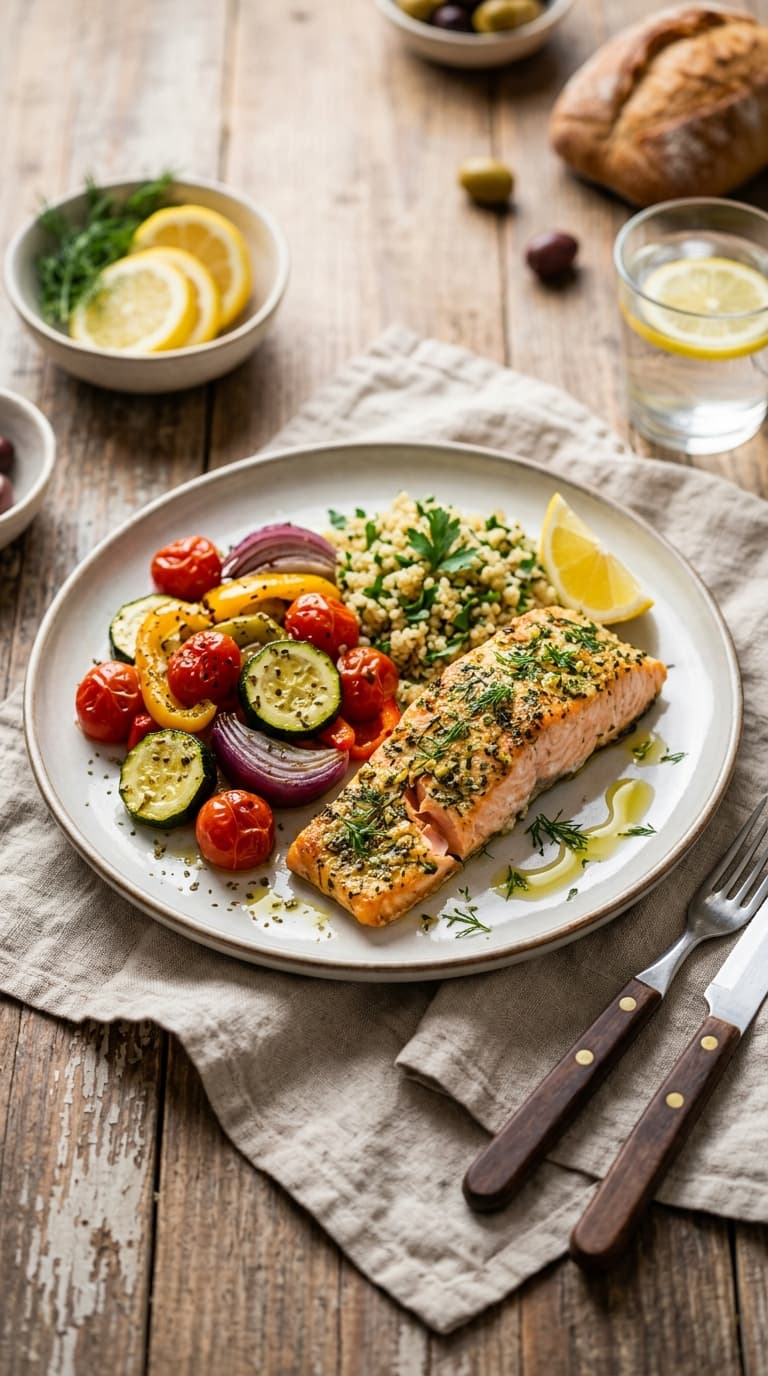
Dinner: Baked salmon with roasted asparagus and a side of quinoa. Asparagus supports liver detox, and your liver is essential for breaking down excess hormones.
Snack: A small handful of walnuts and a few dates.
Day 2 — Blood Sugar Stability Focus
Breakfast: Two eggs scrambled with spinach and feta, served with a slice of whole grain sourdough. Protein at breakfast is non-negotiable for stable hormones — it sets your blood sugar tone for the entire day.
Lunch: Lentil soup with a side of crusty whole grain bread and olive oil. Lentils are one of the best foods for steady insulin response, and this 7-day gut healing Mediterranean menu shows just how central legumes are to the whole approach.
Dinner: Sheet pan chicken thighs with zucchini, bell peppers, and cherry tomatoes, seasoned with oregano, garlic, and lemon.
Snack: Hummus with sliced cucumber and carrot sticks.
Day 3 — Gut Health and Estrogen Detox
Breakfast: Overnight oats made with rolled oats, chia seeds, almond milk, and topped with sliced banana and cinnamon. Cinnamon is underrated for blood sugar regulation.
Lunch: Chickpea and roasted veggie wrap in a whole wheat pita with tahini sauce. If you need chickpea inspiration beyond this week, there are some seriously good Mediterranean chickpea recipes worth bookmarking.
Dinner: Grilled sardines with a simple tomato and herb salad, plus a side of cooked lentils.
Snack: A small bowl of mixed berries — strawberries, raspberries, blackberries.
Day 4 — Midweek Energy Boost
Breakfast: Smoothie with spinach, frozen mango, ground flaxseed, Greek yogurt, and almond milk. Blend it up, drink it fast, feel like a functioning human. 🙂
Lunch: Tuna-stuffed bell peppers with olives, capers, and a light lemon drizzle. Canned tuna is a hormone-friendly budget hero — these Mediterranean dishes using canned tuna prove it can be genuinely delicious.
Dinner: One-pan baked cod with white beans, spinach, and garlic in a light tomato broth.
Snack: A handful of almonds and a small apple.
Day 5 — Cortisol Calming Day
By midweek, cortisol can start creeping up — especially if life is happening at full speed. Today’s meals focus heavily on magnesium, B vitamins, and adaptogens through food.
Breakfast: Whole grain toast with mashed avocado, a poached egg, and a sprinkle of red pepper flakes. Avocado delivers magnesium and healthy fats in one go — it’s basically a hormone supplement you can eat.
Lunch: Big Greek salad with romaine, cucumber, tomato, red onion, Kalamata olives, and a generous amount of feta. Add a side of whole grain pita. These Mediterranean salads that aren’t boring will keep your lunch game interesting all week.
Dinner: Slow-cooked chicken and vegetable stew with turmeric, garlic, and chickpeas. Turmeric is one of nature’s most studied anti-inflammatory compounds — it directly helps reduce cortisol-linked inflammation.
Snack: Walnuts and a small square of dark chocolate (70%+ cacao). Yes, really. Dark chocolate contains magnesium and supports serotonin production.
Day 6 — Liver Support and Hormone Clearance
Your liver clears excess hormones from your bloodstream. If it’s sluggish, hormones build up and cause chaos. Today’s meals prioritize cruciferous vegetables, bitter greens, and sulfur-containing foods that support liver detoxification pathways.
Breakfast: Veggie frittata with broccoli, onion, garlic, and goat cheese. Broccoli contains DIM (diindolylmethane), a compound that actively supports healthy estrogen metabolism.
Lunch: Arugula and roasted beet salad with walnuts, orange segments, and a balsamic-olive oil dressing. Bitter greens like arugula stimulate bile production, which helps the liver process and eliminate hormones.
Dinner: Grilled salmon with a side of roasted Brussels sprouts and cauliflower mash with garlic and olive oil. Another cruciferous double-down because your liver deserves it.
Snack: Greek yogurt with a teaspoon of raw honey and a few walnut halves.
If you want to keep this kind of eating going past seven days, the 14-day anti-inflammation hormone balancing plan is a brilliant next step.
Day 7 — Restore, Reflect, and Feel Good
Breakfast: Açaí bowl (or berry smoothie bowl) with granola, sliced banana, hemp seeds, and a drizzle of almond butter. A slightly indulgent but totally nutritious finish to the week.
Lunch: Warm lentil and roasted vegetable bowl with tahini dressing and fresh herbs. Lentils provide plant-based protein and the fiber your gut needs to process hormones effectively. Check out these Mediterranean lentil recipes for more ways to use them.
Dinner: Whole roasted chicken thighs with preserved lemon, olives, and roasted root vegetables. A satisfying, celebratory end to the week — you earned it.
Snack: A small handful of mixed nuts and dried apricots.
Tips to Make This Week Actually Work
Real talk: the plan is only as good as your ability to follow it when life gets messy. Here are a few things that genuinely help.
- Batch cook on Sunday. Cook a big pot of lentils, roast a sheet pan of vegetables, and hard-boil a few eggs. Having components ready makes the whole week easier.
- Keep your freezer stocked with fatty fish. Salmon and sardines freeze well and are endlessly versatile.
- Eat within an hour of waking. Skipping breakfast spikes cortisol, which throws off your entire hormonal day before it even starts.
- Prioritize protein at every meal. Aim for at least 20–30g per meal to support stable blood sugar and hormone production.
- Reduce alcohol and ultra-processed foods this week. Both impair liver function and disrupt estrogen metabolism. Even a temporary break makes a noticeable difference.
For women who are constantly short on time, this 7-day anti-inflammation plan for busy women offers some great shortcuts that keep the nutrition without the overwhelm.
What to Drink This Week
Hydration matters for hormone balance more than most people realize. Dehydration stresses the adrenal glands, which produce cortisol and DHEA — two hormones that affect almost everything else.
- Filtered water with lemon first thing in the morning
- Green tea (supports liver detox and provides gentle caffeine without the cortisol spike of coffee)
- Herbal teas — spearmint tea specifically has been shown to reduce excess androgens in women with PCOS
- Golden milk (turmeric + warm almond milk + black pepper) before bed
Limit coffee to one cup in the morning if possible. I know, I know — but excessive caffeine genuinely raises cortisol levels, and if your hormones are already struggling, that extra afternoon espresso isn’t helping. IMO, switching to green tea after noon is one of the smallest changes with the biggest hormonal payoff.
For more ideas, these anti-inflammation drinks you can make at home are worth exploring.
What to Expect After 7 Days
Let’s be honest — seven days isn’t going to completely overhaul decades of hormonal patterns. But you will notice things shifting. Most women report:
- Reduced bloating by day 3 or 4
- More stable energy throughout the day (less 3pm crash)
- Better mood as blood sugar stabilizes
- Improved sleep quality, especially with the magnesium-rich evening meals
- Less PMS intensity if this falls near your luteal phase
If you want to keep the momentum going after this week, the 30-day Mediterranean wellness plan is a fantastic way to build on what you’ve started. And if weight loss is also on your radar, the 14-day Mediterranean weight loss plan pairs beautifully with a hormone-focused approach.
Final Thoughts
Here’s the thing about hormone balance — it’s not a one-supplement fix or a dramatic detox. It’s consistent, nourishing choices that give your body what it actually needs to regulate itself. The Mediterranean diet has been doing this for centuries, and the research backing it up keeps growing.
Seven days of eating this way won’t just change your hormones — it’ll change how you think about food. You’ll stop seeing meals as calorie math and start seeing them as information you’re giving your body. That shift alone is worth the week.
Start Sunday. Cook a little ahead. Be patient with yourself. And remember — your hormones didn’t get thrown off overnight, and they won’t rebalance overnight either. But you’re absolutely headed in the right direction. Now go make that salmon. 🙂