
7-Day High-Fiber Meal Plan + Grocery List (Printable)
7-Day High-Fiber Meal Plan + Grocery List (Printable)

Let’s be honest — most of us know we should eat more fiber, but we have absolutely no clue where to start. Between confusing labels, boring salads, and that one time you added too much bran to a smoothie :/… it can feel overwhelming. I’ve been there. And after years of tweaking my own meals, I finally built a system that actually works — and tastes good too.
This 7-day high-fiber meal plan gives you everything: daily meals, snack ideas, and a printable grocery list you can take straight to the store. No fluff, no suffering through cardboard food. Just real, satisfying meals packed with the fiber your gut has been quietly begging for.
Why Fiber Deserves Way More Attention Than It Gets
Most people chase protein like it’s going out of style. And fiber? It just sits in the corner, quietly doing more for your health than half your supplement cabinet combined. Dietary fiber supports digestion, stabilizes blood sugar, lowers cholesterol, and keeps you full for hours. That’s not a small deal.
The average adult needs 25–38 grams of fiber per day, but most people barely hit 15. This plan gets you comfortably into that target range every single day — without making you miserable. And if you want to understand the long-term payoff of eating this way, the 30-day high-fiber anti-inflammation program is a great next step once you’ve got this week under your belt.
How This 7-Day High-Fiber Meal Plan Works
Before we get into the actual days, here’s the structure. Each day includes:
- Breakfast — high-fiber, energizing, and quick to make
- Lunch — filling enough to keep you away from the snack drawer
- Dinner — satisfying and gut-friendly
- Snack — smart, fiber-rich options that don’t taste like punishment
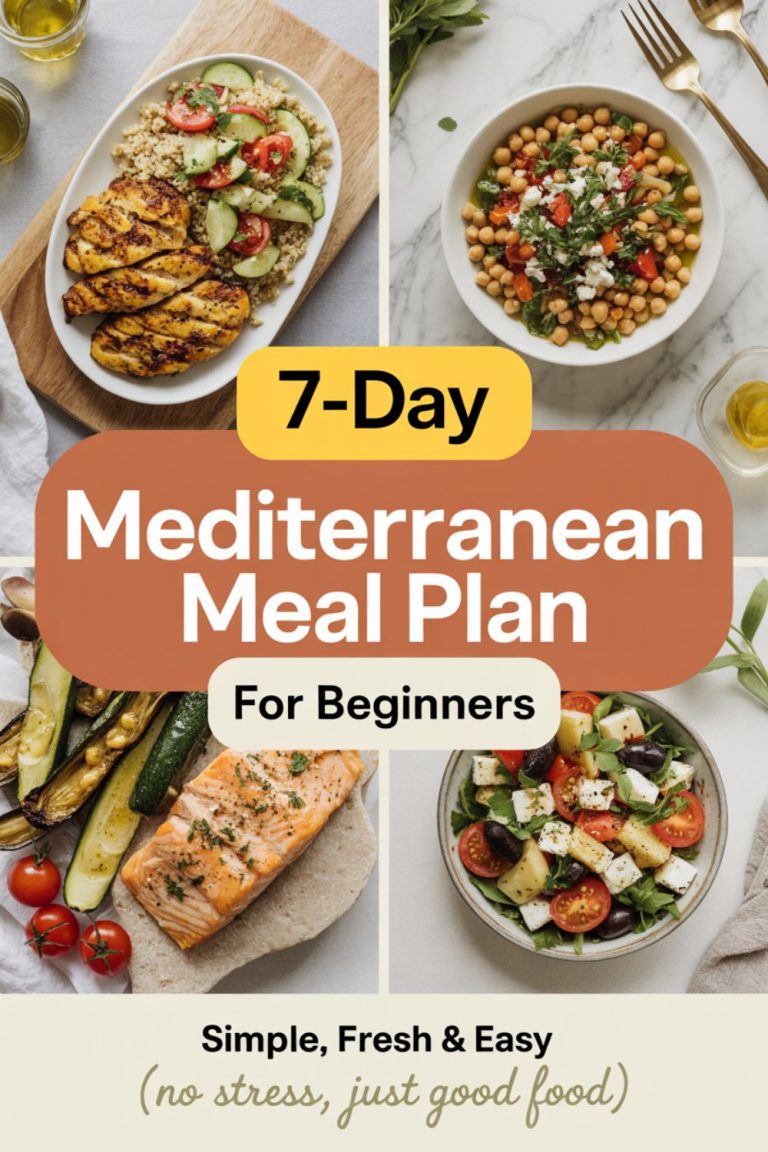
Every meal uses whole foods: legumes, vegetables, fruits, whole grains, nuts, and seeds. If you’re also interested in pairing this with an anti-inflammatory approach, the 7-day Mediterranean anti-inflammation meal plan overlaps beautifully with what we’re doing here.
Day-by-Day Breakdown
Day 1 — Start Strong
Breakfast: Overnight oats with chia seeds, sliced banana, and a handful of blueberries
Lunch: Lentil soup with whole-grain bread and a side salad
Dinner: Black bean tacos with shredded cabbage, avocado, and salsa
Snack: Apple slices with almond butter
Why it works: You’re hitting fiber from oats, chia, lentils, beans, and fruit — multiple sources across the day. Your gut will thank you by tomorrow morning. Seriously.
Day 2 — Build the Momentum
Breakfast: Whole-grain toast with smashed avocado and a sprinkle of hemp seeds
Lunch: Chickpea and cucumber salad with lemon-tahini dressing
Dinner: Stir-fried brown rice with broccoli, edamame, and tofu
Snack: A small handful of mixed nuts and a pear
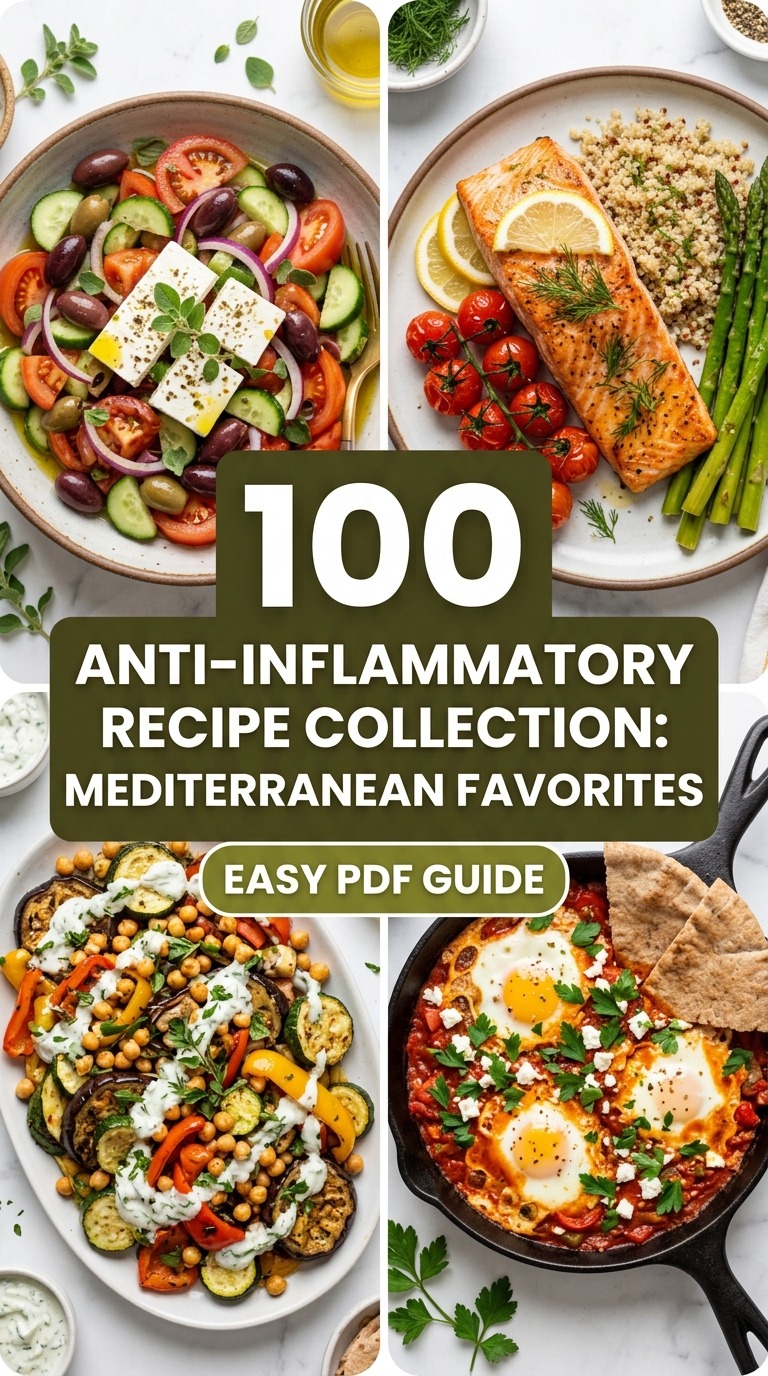
IMO, chickpeas are the unsung heroes of high-fiber eating. They’re cheap, versatile, and ridiculously filling. If you want more ways to use them, these Mediterranean chickpea recipes will keep things interesting all week long.
Day 3 — Midweek Fuel
Breakfast: Smoothie with spinach, frozen berries, flaxseed, and oat milk
Lunch: Whole-wheat wrap with hummus, roasted veggies, and arugula
Dinner: Lentil and vegetable curry over quinoa
Snack: Carrot sticks with hummus
You’re halfway through the week and already building a solid routine. Notice how none of this feels like a diet? That’s the point. Fiber-rich meals tend to be naturally satisfying because they take longer to digest and keep blood sugar steady.
Day 4 — Keep It Interesting
Breakfast: High-fiber granola with Greek yogurt and raspberries
Lunch: White bean and kale soup with a side of whole-grain crackers
Dinner: Grilled salmon with roasted Brussels sprouts and farro
Snack: A small bowl of mixed berries and walnuts
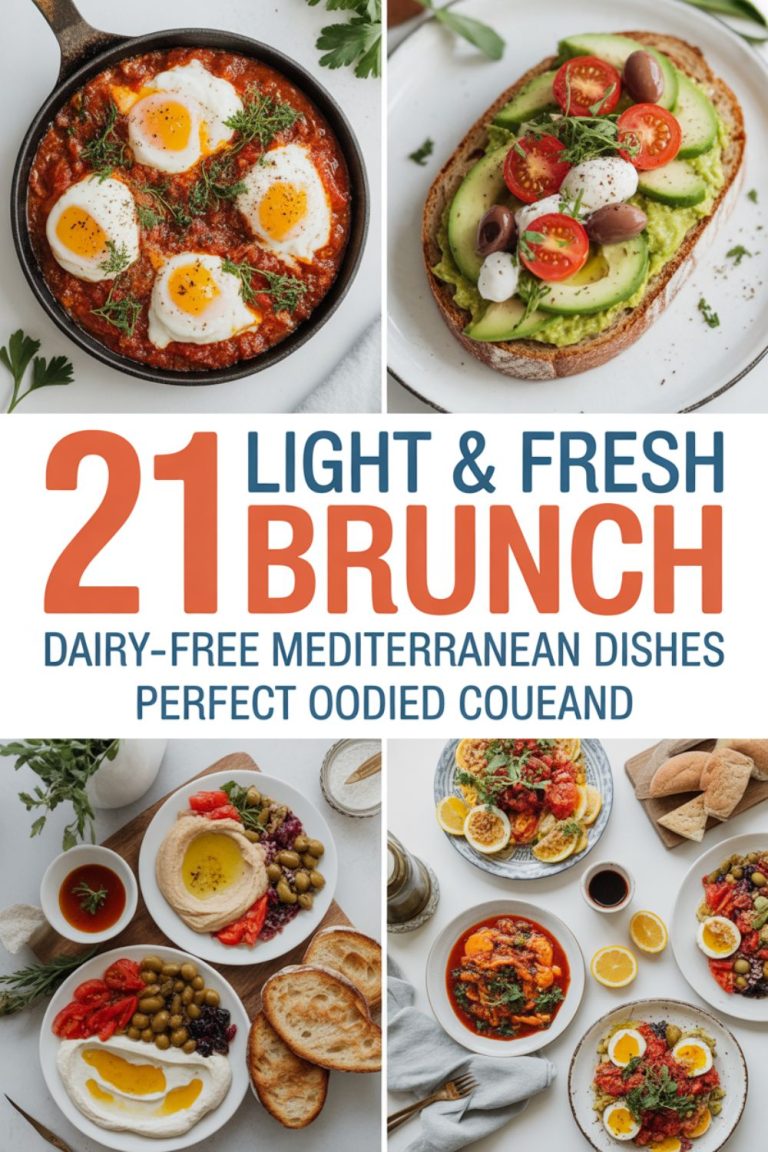
For those who want to add a gut-healing angle to meals like this, the 7-day gut healing Mediterranean menu is worth bookmarking — it pairs perfectly with high-fiber eating.
Day 5 — Friday Energy
Breakfast: Whole-grain pancakes topped with fresh strawberries and a drizzle of honey
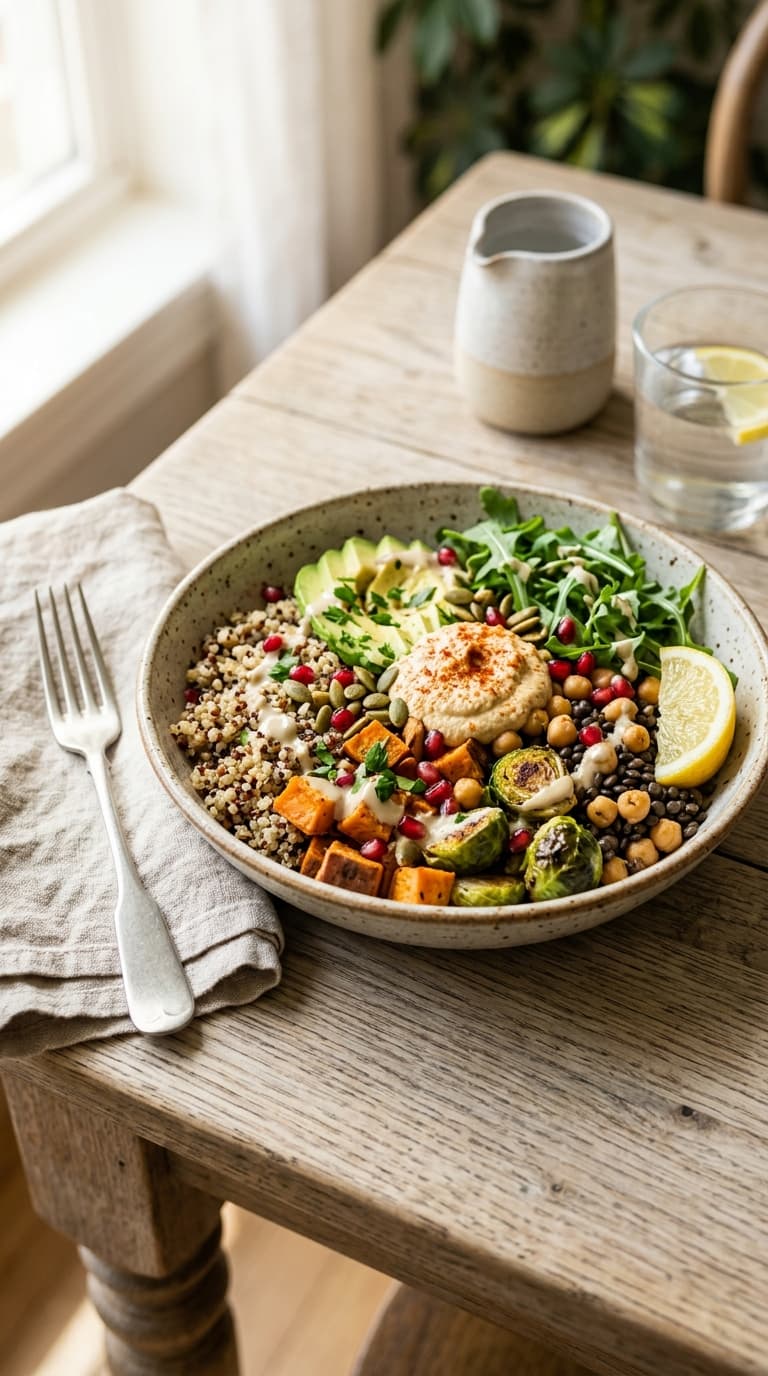
Lunch: Quinoa bowl with roasted sweet potato, black beans, corn, and lime
Dinner: Veggie-loaded pasta with whole-wheat spaghetti and marinara
Snack: Edamame with sea salt
Ever wonder why you feel sluggish by Friday? Usually it’s a combination of low fiber, low water, and too much processed food through the week. By Day 5 on this plan, most people report noticeably better energy and digestion. Real talk.
Day 6 — Weekend Ease
Breakfast: Chia pudding made with oat milk, topped with mango and pumpkin seeds
Lunch: Big grain bowl with barley, roasted veggies, feta, and olive oil
Dinner: Turkey and vegetable stuffed bell peppers with brown rice
Snack: Sliced cucumber with white bean dip
Weekends are when meal plans usually fall apart. That’s why Day 6 and 7 are designed to be relaxed and flexible — still fiber-rich, but without requiring a lot of kitchen effort.
Day 7 — Finish Strong
Breakfast: Oatmeal with walnuts, ground flaxseed, cinnamon, and apple chunks
Lunch: Big leafy salad with chickpeas, beets, carrots, seeds, and balsamic vinaigrette
Dinner: Black bean and sweet potato chili with cornbread
Snack: A handful of trail mix with dried fruit and sunflower seeds
You made it! And if Day 7 has you feeling energized, clear-headed, and lighter — that’s not a coincidence. That’s fiber doing exactly what it’s supposed to do.
High-Fiber Foods to Keep Stocked Always
Want to know what makes this kind of eating sustainable? It’s not willpower — it’s having the right stuff in your kitchen. Here are the top high-fiber staples to always keep on hand:
- Legumes: lentils, black beans, chickpeas, kidney beans, edamame
- Whole grains: oats, quinoa, brown rice, farro, barley, whole-wheat pasta
- Vegetables: broccoli, Brussels sprouts, sweet potato, kale, carrots, beets
- Fruits: apples, pears, berries, bananas, mangoes
- Nuts & seeds: chia seeds, flaxseeds, almonds, walnuts, pumpkin seeds, hemp seeds
- Other: avocado, hummus, whole-grain bread and crackers
FYI — if you find yourself staring blankly at your pantry mid-week, these 21 Mediterranean pantry staples are a brilliant reference guide to keep things stocked smartly.
Printable Grocery List for the Full Week
Here’s everything you need for all 7 days. Print this out or screenshot it before your next grocery run.
Produce
- Bananas (4–5)
- Apples (4–5)
- Pears (2–3)
- Blueberries (1 pint)
- Raspberries (1 pint)
- Strawberries (1 pint)
- Mixed berries (1 bag frozen)
- Mango (1–2 fresh or frozen)
- Avocados (3–4)
- Baby spinach (1 large bag)
- Kale (1 bunch)
- Arugula (1 bag)
- Broccoli (2 heads)
- Brussels sprouts (1 lb)
- Sweet potatoes (4–5)
- Bell peppers (4–6, mixed colors)
- Carrots (1 bag)
- Cucumber (2–3)
- Beets (3–4 medium)
- Corn (2 ears or 1 can)
- Cabbage (1 small head)
Grains & Legumes
- Rolled oats (large container)
- Quinoa (1 bag)
- Brown rice (1 bag)
- Farro (1 bag)
- Barley (1 bag)
- Whole-wheat spaghetti (1 box)
- Whole-grain bread (1 loaf)
- Whole-grain crackers (1 box)
- Whole-wheat wraps (1 pack)
- Lentils — green and red (2 bags)
- Black beans (2 cans)
- Chickpeas (3 cans)
- Kidney beans (1 can)
- White beans (2 cans)
- Edamame (1 bag frozen)
Nuts, Seeds & Oils
- Chia seeds
- Ground flaxseed
- Hemp seeds
- Pumpkin seeds
- Sunflower seeds
- Walnuts
- Almonds
- Almond butter (1 jar)
- Mixed nuts (1 bag)
- Olive oil
- Tahini (1 jar)
Dairy & Protein
- Greek yogurt (plain, large tub)
- Feta cheese (1 block or crumbled)
- Tofu (1 block, firm)
- Salmon fillets (2)
- Ground turkey (1 lb)
Pantry Essentials
- Oat milk (1 carton)
- Hummus (store-bought or make your own)
- Marinara sauce (1 jar)
- Whole-grain cornbread mix or ingredients
- Canned diced tomatoes (2 cans)
- Vegetable broth (1 carton)
- Spices: cumin, coriander, chili powder, cinnamon, turmeric
- Honey
- Balsamic vinegar
- Lemon (4–5)
Tips to Get the Most Out of This Plan
A grocery list is great. But a few smart habits make the whole week run smoother. Here’s what I personally do every Sunday to prep:
- Cook a big batch of grains (quinoa, brown rice, or farro) to use across multiple days
- Pre-portion your snacks so you’re not rummaging through the pantry when hunger hits
- Soak dried beans overnight if you’re using them — they cook faster and digest better
- Prep your chia pudding the night before — it’s a two-minute job that saves your mornings
- Keep cut veggies in the fridge so snacking on carrots or cucumber feels effortless
If you love the prep side of things, the 7-day Mediterranean high-fiber meal prep plan gives you an even deeper breakdown of how to batch cook efficiently.
And on days when you’re short on time, these 30-minute Mediterranean recipes are absolute lifesavers — most are naturally high in fiber too.
High-Fiber Snacks Worth Adding to Your Rotation
The snacks on this plan are solid, but it never hurts to have backup options. These are my go-to high-fiber snacks that actually fill you up when I need something quick between meals:
- Roasted chickpeas — crunchy, satisfying, and shelf-stable
- Pear with cottage cheese — fiber plus protein is a powerful combo
- Avocado on rye crackers — healthy fats and fiber together
- Trail mix with dried figs or apricots — natural sweetness and gut support
- Frozen edamame — thaw in two minutes and you’ve got a proper snack
What to Expect This Week
Let’s be real — if you’ve been eating low-fiber for a while, the first couple of days might feel a little… eventful. Your gut is adjusting, and that’s completely normal. Drink plenty of water (at least 8 glasses a day) to help the fiber move through your system properly. Gradually increasing your intake rather than jumping straight to maximum fiber on Day 1 also helps.
By Day 3 or 4, most people feel noticeably less bloated and more energized. By the end of the week, digestion tends to feel smoother and more regular. If you want to extend those benefits beyond 7 days, the 14-day high-fiber Mediterranean plan for beginners picks up right where this one leaves off — and it’s printable too.
Wrapping It Up
A 7-day high-fiber meal plan doesn’t have to be complicated, tasteless, or something you white-knuckle your way through. This plan proves that eating more fiber can be genuinely enjoyable — full of real food, real flavor, and real results.
You’ve got the daily meals, you’ve got the grocery list, and now you’ve got zero excuses :). Print it out, hit the store, and give your gut the week it deserves. And if this sparks a longer commitment to eating well, the 30-day anti-inflammation challenge is the perfect way to build on the momentum you’re about to create.
Your body has been quietly asking for this. Time to listen.