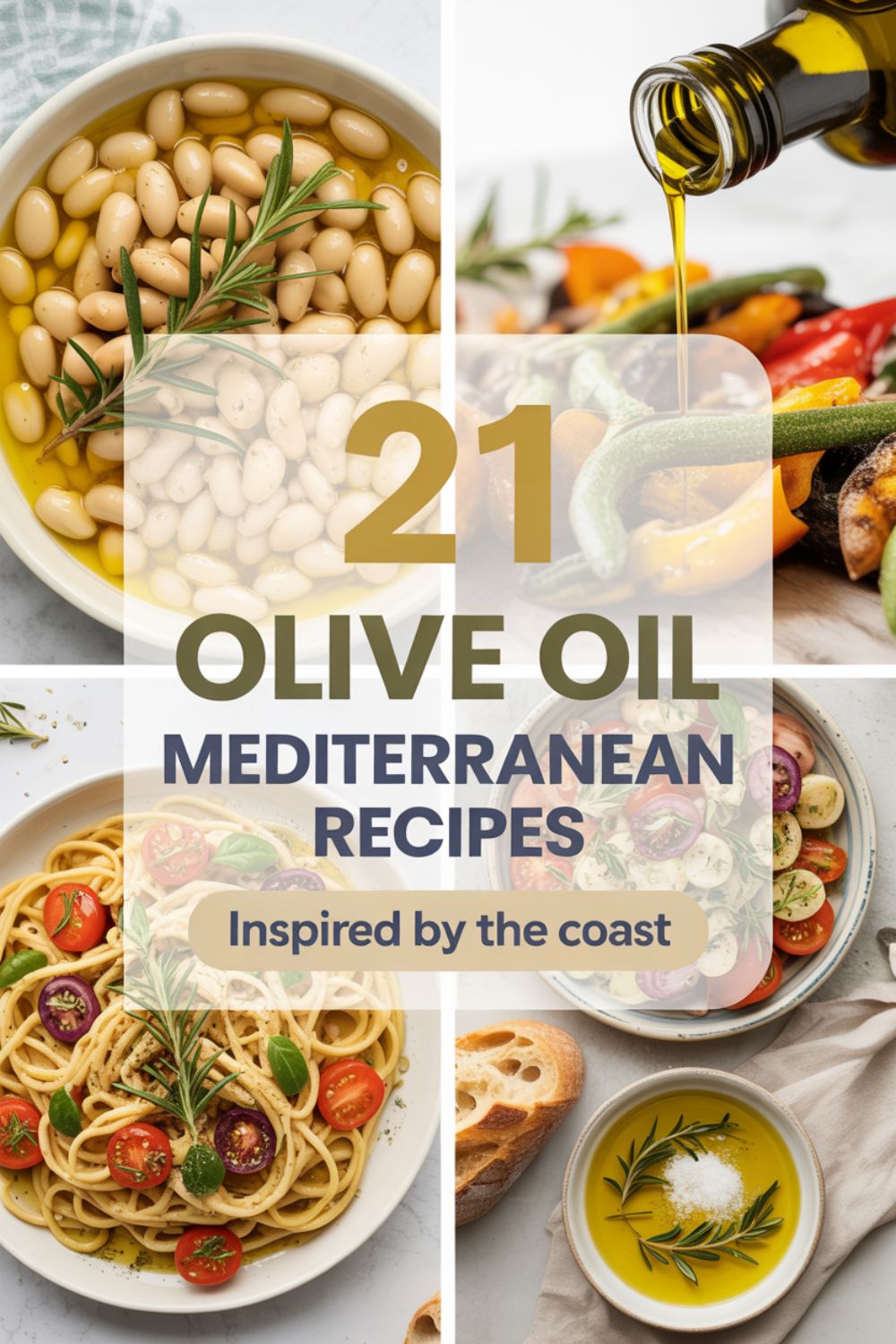
21 Olive Oil Recipes Inspired by the Mediterranean Coast
Look, I’m not here to tell you olive oil is some magical cure-all. But after spending years testing recipes and obsessing over ingredients, I can tell you this much: the Mediterranean folks got something seriously right. They’ve been drizzling this liquid gold on everything for centuries, and frankly, they’re onto something we should all be paying attention to.
I started cooking with extra virgin olive oil about five years ago—not because some diet guru told me to, but because I was tired of feeling sluggish and wanted to shake things up in my kitchen. What I discovered wasn’t just better-tasting food. It was a whole new way of thinking about cooking that actually made me excited to meal prep on Sundays.
These 21 recipes aren’t your typical “Mediterranean diet” fare that tastes like cardboard dipped in hope. They’re the real deal—dishes I actually make on repeat, with olive oil as the star player. Whether you’re trying to lose weight the Mediterranean way or just want food that doesn’t bore you to tears, these recipes deliver.

Why Olive Oil Isn’t Just Another Cooking Fat
Here’s the thing most people get wrong about olive oil—they think it’s interchangeable with other oils. It’s not. Research consistently shows that extra virgin olive oil contains polyphenols and antioxidants that literally fight inflammation in your body. We’re talking about compounds that other cooking oils simply don’t have.
I use this cold-pressed EVOO from a small Greek producer because the quality difference is night and day. You can taste it, sure, but more importantly, you can feel it. Less bloating, more energy, better digestion—all the good stuff your body actually needs.
The Mediterranean diet isn’t some trendy nonsense that’ll fade next year. According to a landmark study published in the New England Journal of Medicine, people following a Mediterranean diet supplemented with extra virgin olive oil showed significantly lower rates of major cardiovascular events. That’s not marketing hype—that’s peer-reviewed science.
Pro Tip
Store your olive oil in a dark glass bottle away from heat and light. I learned this the hard way after wondering why my expensive oil tasted like sadness after two months sitting on my sunny counter.
Breakfast Recipes That Actually Keep You Full
1. Mediterranean Veggie Scramble with Herb Oil
Forget boring eggs. This scramble uses olive oil to sauté tomatoes, spinach, and red peppers until they’re perfectly tender. I drizzle more EVOO on top right before serving—sounds excessive, but trust me on this one. The healthy fats keep you satisfied way longer than that sugary cereal you’re probably eating now.
The best part? You can prep the veggies Sunday night using these glass meal prep containers, then just scramble fresh eggs each morning. Takes five minutes, tastes like you actually care about yourself.
2. Olive Oil Granola with Toasted Nuts
I know what you’re thinking—olive oil in granola sounds weird. But hear me out. It creates this incredible crispy texture that butter simply can’t match. Plus, you’re getting those anti-inflammatory benefits even in your breakfast bowl. Get Full Recipe
Mix oats, almonds, and a generous pour of olive oil with honey and cinnamon. Bake until golden. It’s crunchy, slightly savory, and pairs beautifully with Greek yogurt. For more morning inspiration, check out this 7-day Mediterranean breakfast plan that’s saved my weekday mornings more times than I can count.
3. Tomato and Feta Baked Eggs
This one’s stupid simple but looks fancy enough for brunch guests. Sauté cherry tomatoes in olive oil until they burst, crack eggs on top, sprinkle feta, and bake. The olive oil creates this silky sauce that’s basically liquid comfort. Get Full Recipe
“I’ve been following the Mediterranean approach for three months now, and I’m down 18 pounds without feeling like I’m dieting at all. These breakfast recipes especially—they keep me full until lunch, which never happened with my old routine.”
Lunch Ideas That Don’t Require a Nap Afterward
4. Chickpea and Herb Salad
Raw chickpeas? Hard pass. But roasted in olive oil with cumin and paprika? Game changer. Toss them with arugula, cucumber, and a simple lemon-olive oil dressing. This salad has enough protein to keep you going without that 2 PM crash.
I use this citrus press for fresh lemon juice because bottled stuff tastes like regret. The acidity balances the richness of the olive oil perfectly, and you actually get nutrients instead of preservatives.
5. White Bean and Kale Soup
Soup for lunch sounds depressing until you’ve had this version. Start by heating olive oil in a pot, add garlic until your kitchen smells amazing, then throw in kale and white beans. The olive oil makes the beans creamy without adding actual cream. Get Full Recipe
If you’re looking for complete meal solutions, this fits perfectly into a 7-day anti-inflammation plan that takes the guesswork out of weekly prep.
6. Grilled Vegetable Wraps with Olive Tapenade
Brush zucchini, eggplant, and bell peppers with olive oil, grill them, wrap in whole wheat tortillas with homemade olive tapenade. It’s hearty, flavorful, and won’t make you hate yourself an hour later.
The tapenade is just olives, capers, garlic, and—you guessed it—more olive oil, blended together. Keep a jar in your fridge and suddenly everything tastes better. Sandwiches, pasta, straight off a spoon at midnight—no judgment here.
Quick Win
Grill extra vegetables on Sunday. They keep for five days and turn any boring lunch into something you’ll actually want to eat. Drizzle with fresh olive oil right before serving for maximum flavor.
Dinner Recipes Your Family Will Actually Eat
7. Lemon Herb Chicken with Roasted Vegetables
This is my go-to when I need something foolproof. Marinate chicken in olive oil, lemon, and herbs for 30 minutes. Roast with whatever vegetables need using up. The olive oil keeps the chicken moist while adding those beneficial compounds your cardiovascular system will thank you for.
According to Cleveland Clinic’s research on Mediterranean eating patterns, this style of cooking—emphasizing olive oil and plant-based foods—supports long-term heart health better than low-fat alternatives. And it tastes infinitely better, which IMO is equally important.
8. Mediterranean Fish en Papillote
Fancy name for fish cooked in parchment paper. Place white fish on parchment, top with sliced tomatoes, olives, capers, and a generous drizzle of olive oil. Fold it up, bake for 15 minutes. The steam created inside keeps everything tender while the olive oil infuses into every bite. Get Full Recipe
I cook this in these unbleached parchment sheets because they’re the perfect size and don’t leak like the cheap rolls. Plus, cleanup is literally throwing away the paper. Can’t beat that.
9. Eggplant Parmesan (Mediterranean Style)
Traditional eggplant parm is basically fried cheese with a vegetable somewhere in there. This version uses olive oil to roast the eggplant instead of frying it. Still delicious, way less heavy, and you won’t need to unbutton your pants afterward.
Slice eggplant, brush both sides with olive oil, roast until golden. Layer with marinara and mozzarella. The olive oil gives you that crispy exterior without the grease hangover. For more plant-forward options, try this Mediterranean vegan plan that’s surprisingly satisfying.
10. Olive Oil Pasta Primavera
Pasta doesn’t have to be a heavy cream fest. Sauté seasonal vegetables in olive oil, toss with whole grain pasta, add fresh herbs and parmesan. The olive oil coats the pasta just enough to carry the flavors without weighing you down. Get Full Recipe
11. Slow-Roasted Tomatoes with Burrata
This recipe is criminally easy. Halve tomatoes, drizzle with olive oil and balsamic, roast for two hours at low heat. Top with burrata and fresh basil. The slow roasting concentrates the tomato flavor while the olive oil caramelizes into something magical.
Serve it with crusty bread for dipping—I use this bread knife with the offset handle because slicing without destroying the loaf is an underrated skill. The olive oil soaks into the bread and you’ll understand why Mediterranean people have been doing this forever.
Snacks and Small Plates That Don’t Suck
12. Whipped Feta with Olive Oil and Herbs
Blend feta with Greek yogurt, drizzle with olive oil, top with fresh herbs. Serve with vegetables or pita. This dip has gotten more compliments at parties than anything else I make, and it takes five minutes in a food processor.
The olive oil creates this silky texture that makes you forget you’re eating something relatively healthy. Pair it with the strategies in this anti-inflammatory eating plan for women for balanced snacking that actually supports your goals.
13. Roasted Red Pepper Hummus
Store-bought hummus is fine, but homemade with good olive oil is transcendent. Blend chickpeas, tahini, roasted red peppers, garlic, and a serious amount of EVOO. The oil makes it creamy and adds depth regular hummus can’t touch. Get Full Recipe
14. Marinated Olives and Feta
Mix olives and cubed feta in olive oil with lemon zest, crushed red pepper, and oregano. Let it marinate for at least an hour. The flavors meld together and you’ve got an impressive appetizer that required basically zero effort.
I store these in these small mason jars because they’re perfect for portion control and look cute in the fridge. Plus you can see when you’re running low, which happens more often than it should.
Kitchen Tools That Make Mediterranean Cooking Easier
Physical Products
Quality EVOO Dispenser – Game changer for drizzling without overdoing it. The pour control is essential.
Ceramic Baking Dishes – Perfect for roasting vegetables. They distribute heat evenly and look good enough to serve in.
Microplane Zester – Fresh lemon zest makes everything better. This one actually works without shredding your knuckles.
Digital Resources
14-Day High Fiber Mediterranean Plan – Takes the guesswork out of meal planning with ready-to-go recipes.
30-Day Anti-Inflammation Challenge – Structured approach if you want accountability and variety.
7-Day Gut-Healing Menu – Specifically designed for digestive wellness with olive oil as a key component.
Sides and Salads Worth Making
15. Roasted Brussels Sprouts with Balsamic Glaze
Brussels sprouts get a bad rap because people boil them into sadness. Roast them in olive oil until crispy, drizzle with balsamic reduction. The olive oil caramelizes the outer leaves while keeping the inside tender. Even Brussels haters grudgingly admit these are good.
16. Greek Village Salad (Horiatiki)
This is the real Greek salad—no lettuce, just chunky tomatoes, cucumbers, onions, peppers, olives, and feta. The dressing is literally just olive oil, red wine vinegar, and oregano. Simple ingredients, maximum flavor. Get Full Recipe
The key is using really good tomatoes and olive oil. When you’ve only got a few ingredients, quality matters exponentially more. I get my vinegar from this small-batch producer because it’s got depth that supermarket stuff lacks.
17. Lemon Olive Oil Quinoa
Cook quinoa in vegetable broth, fluff with a fork, stir in olive oil, lemon juice, and fresh herbs. It’s fluffy, flavorful, and works as a base for literally any protein or vegetable situation you’ve got going on. This fits perfectly into a high-fiber meal prep strategy without feeling repetitive.
18. Roasted Cauliflower with Tahini Drizzle
Toss cauliflower florets in olive oil with turmeric and cumin, roast until golden and crispy. Make a quick tahini sauce with—surprise—more olive oil. The combination of nutty tahini and fruity olive oil is genuinely addictive. Get Full Recipe
“These recipes transformed how I think about cooking. I used to think healthy food meant bland food. The olive oil makes everything taste rich and satisfying. I’ve been following this approach for six months and my inflammation markers are down significantly.”
Sweet Treats (Yes, Really)
19. Olive Oil Cake with Citrus
This cake is moist, tender, and sophisticated in a way butter-based cakes just aren’t. The olive oil gives it this unique texture and subtle fruity notes that pair beautifully with orange or lemon zest. It’s not overly sweet, which means you can actually taste the olive oil working its magic.
I bake this in this springform pan because the release mechanism means you’re not mangling your beautiful cake trying to get it out. Plus it’s dishwasher safe, which matters more than I care to admit.
20. Honey-Drizzled Ricotta with Olive Oil
Spread fresh ricotta on a plate, drizzle generously with olive oil and honey, sprinkle with sea salt and crushed pistachios. It’s dessert that feels indulgent but won’t send your blood sugar into orbit. The healthy fats from the olive oil actually help moderate the sugar absorption. Get Full Recipe
For more balanced approaches to eating well, this 30-day high-fiber program includes smart dessert strategies that don’t derail your progress.
21. Dark Chocolate Olive Oil Truffles
Melt dark chocolate with olive oil instead of cream. Chill, roll into balls, dust with cocoa powder. They’re rich, silky, and the olive oil adds complexity that cream can’t match. Plus you’re getting antioxidants from both the chocolate and the oil. Science.
The olive oil prevents the chocolate from getting too hard in the fridge, so these truffles have this perfect melt-in-your-mouth texture. Store them in these airtight containers and they’ll last about a week. If you have self-control, which I don’t.
Pro Tip
When baking with olive oil, use a milder variety if you’re worried about the flavor being too strong. Save your peppery, robust oils for savory dishes where they can really shine.
Making Mediterranean Cooking a Sustainable Habit
Look, I get it. You’re probably thinking this all sounds great but wondering if you’ll actually stick with it beyond the first enthusiastic week. Fair concern—I’ve abandoned enough eating plans to wallpaper my kitchen.
The difference with Mediterranean cooking is it doesn’t feel like a diet. You’re not counting points or measuring portions with scientific precision. You’re just using better ingredients—mainly olive oil—and cooking in a way that humans have successfully done for thousands of years.
Research from the International Olive Council confirms what Mediterranean cultures have known forever: olive oil isn’t just food, it’s a cornerstone of a sustainable, healthy lifestyle. When you make it the primary fat in your cooking, everything else tends to fall into place naturally.
Start with breakfast. Master three or four recipes that you genuinely like—not ones you think you should like. Once morning meals feel automatic, add in a couple lunch options. The 7-day anti-inflammation reset is designed exactly for this gradual approach, by the way. No dramatic overhauls, just consistent improvements.
Speaking of which, here are some Mediterranean-inspired options that work beautifully alongside these olive oil recipes: try the high-protein anti-inflammatory plan if you need more substantial meals, or the anti-bloat plan when your digestive system needs some extra care.
The Real Talk About Quality and Cost
Let’s address the elephant in the kitchen—good olive oil isn’t cheap. You can find bottles for five bucks, but they’re often cut with other oils or oxidized before they even hit the shelf. Not exactly what you want when you’re trying to get those anti-inflammatory benefits.
I spend about $25-35 on a liter of quality EVOO, which sounds steep until you realize it lasts me about three weeks. That’s roughly a dollar a day for something that improves basically every meal I make. Compare that to takeout or processed foods and suddenly it’s looking pretty reasonable.
The research on olive oil’s cardiovascular benefits shows that quality matters—specifically, the polyphenol content that cheaper oils lack. You’re not just paying for taste; you’re paying for actual bioactive compounds that your body uses.
If budget is tight, buy the best olive oil you can afford for raw applications—salads, finishing dishes, dipping bread. For cooking applications where you’re heating it anyway, you can go slightly less expensive. Just make sure it’s still labeled “extra virgin” and has a harvest date on the bottle.
Frequently Asked Questions
Can I cook with extra virgin olive oil at high temperatures?
Despite what you might’ve heard, EVOO is actually pretty stable for most home cooking. Its smoke point is around 375-400°F, which covers sautéing, roasting, and even light frying. The polyphenols in quality EVOO actually help protect it from breaking down. That said, I wouldn’t use it for super high-heat wok cooking—save it for temperatures where you can still enjoy its flavor.
How do I know if my olive oil has gone bad?
Smell and taste are your best indicators. Rancid olive oil smells like crayons or putty and tastes bitter or sour. Fresh EVOO should smell fruity, grassy, or slightly peppery. Check the harvest date—olive oil is best within 18-24 months of harvest. If there’s no date, that’s already a red flag about quality.
Is all extra virgin olive oil the same quality?
Absolutely not. The label “extra virgin” has minimum standards, but quality varies wildly based on olive variety, processing, and storage. Look for harvest dates, origin information, and awards or certifications. Single-origin oils from reputable producers cost more but deliver significantly better flavor and health benefits. The difference between supermarket EVOO and quality stuff is honestly shocking once you taste them side by side.
How much olive oil should I use daily for health benefits?
According to Mayo Clinic’s research on olive oil benefits, about 2-4 tablespoons daily seems to be the sweet spot for cardiovascular protection. That’s not hard to hit—a tablespoon in your morning eggs, another in your lunch salad, and some for roasting dinner vegetables gets you there easily. Just make sure you’re replacing other fats, not adding on top of your usual intake.
Can olive oil help with weight loss?
It’s not a magic bullet, but yes—when used as part of a Mediterranean eating pattern, olive oil can support weight management. The healthy fats increase satiety, meaning you stay fuller longer and are less likely to snack on junk. Studies show people following a Mediterranean diet with olive oil tend to have better long-term weight outcomes than those on strict low-fat diets. The key is using it mindfully, not drowning everything in oil and wondering why your pants don’t fit.
Final Thoughts
These 21 recipes aren’t meant to be some revolutionary eating plan that transforms your life overnight. They’re just good food that happens to be built around one of the healthiest fats available to us. Mediterranean people have been eating this way forever, not because some study told them to, but because it works—both for health and for actual enjoyment of food.
Start where you are. Pick three recipes that sound appealing and master those. Get comfortable with using olive oil as your primary cooking fat. Notice how you feel after a couple weeks of consistently eating this way. Most people report better energy, less bloating, and food that actually tastes like something worth eating.
The beauty of cooking with quality olive oil is that it makes even simple ingredients shine. You don’t need complicated techniques or exotic ingredients—just decent vegetables, good olive oil, and basic seasonings. The recipes I’ve shared here prove you can eat well without spending hours in the kitchen or requiring a culinary degree.
Your relationship with food should make you feel good, not guilty or stressed. These Mediterranean-inspired dishes offer a middle ground between the all-or-nothing approaches that usually fail. They’re sustainable, adaptable, and honestly just more enjoyable than eating cardboard disguised as health food. And sometimes, that’s exactly what sustainable change looks like.