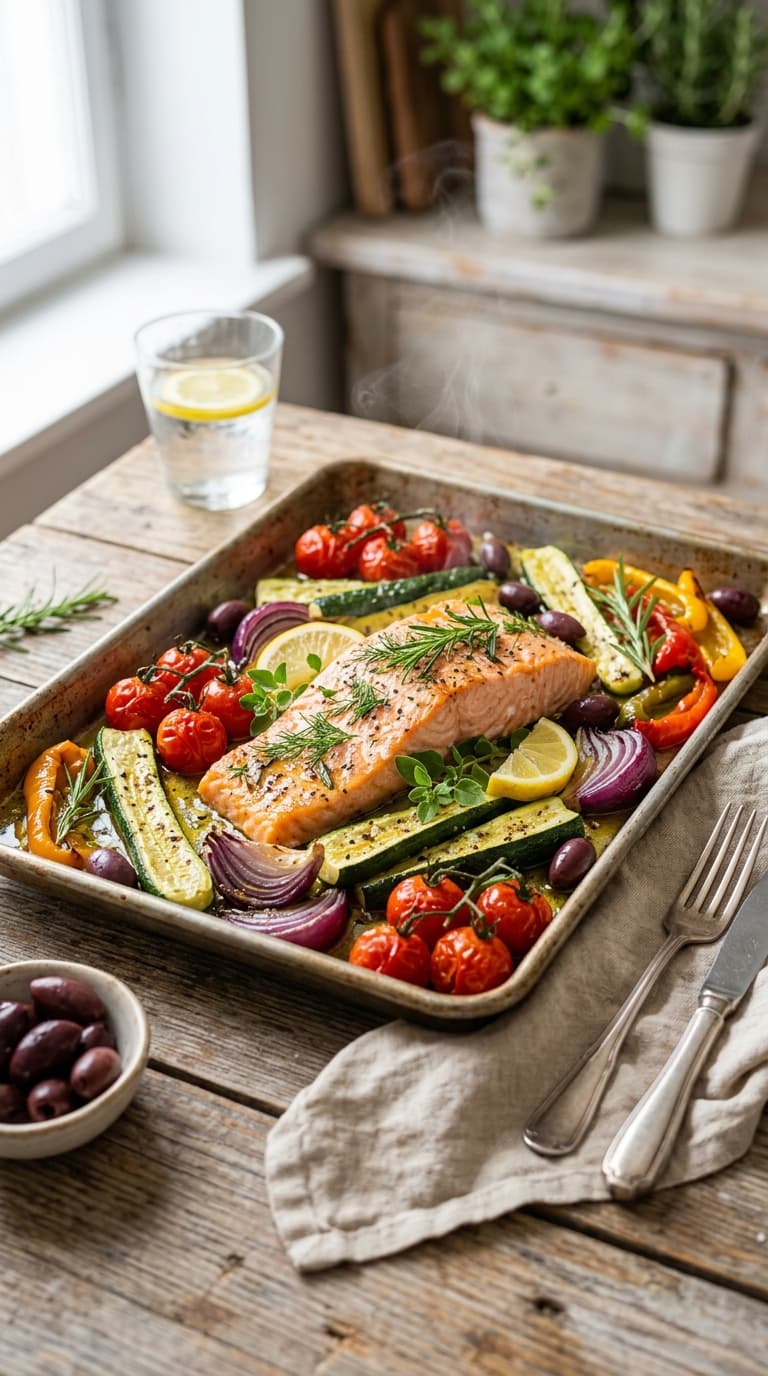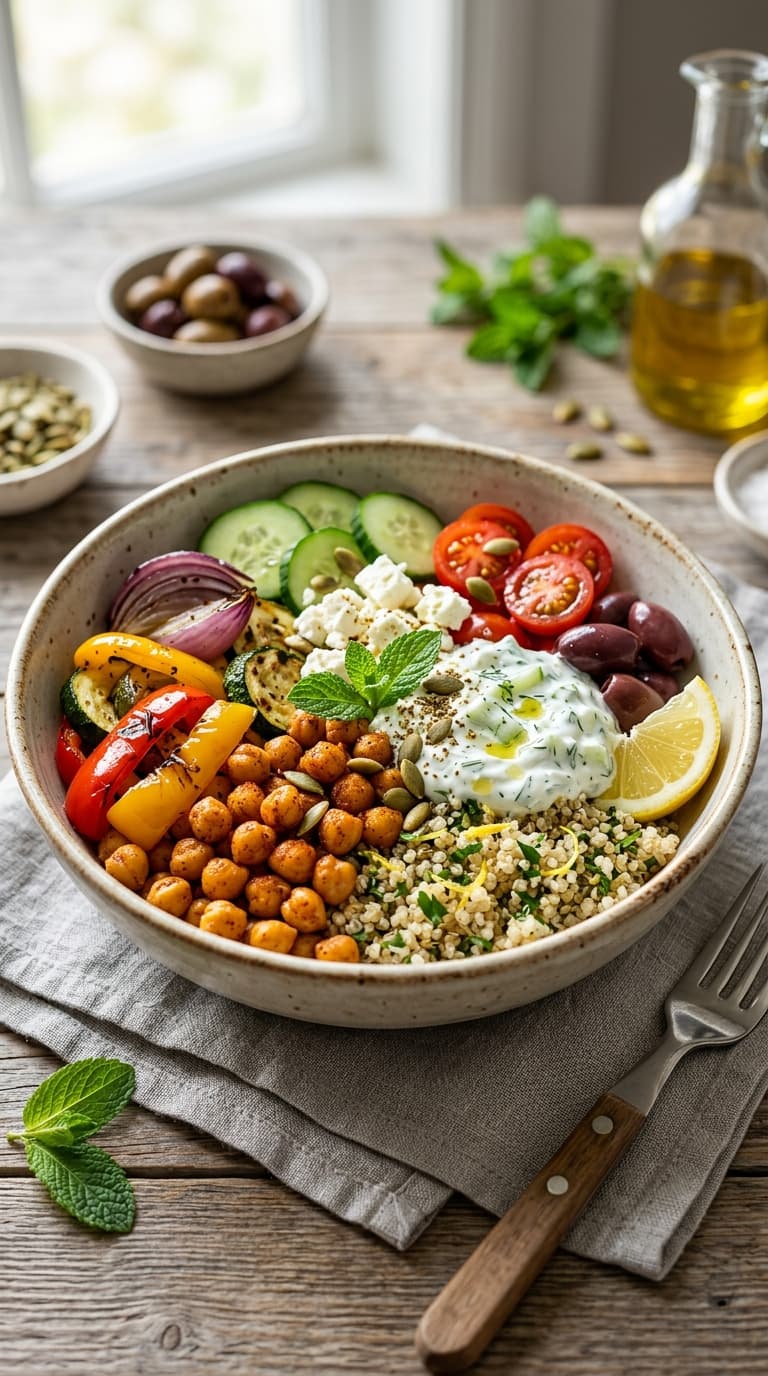

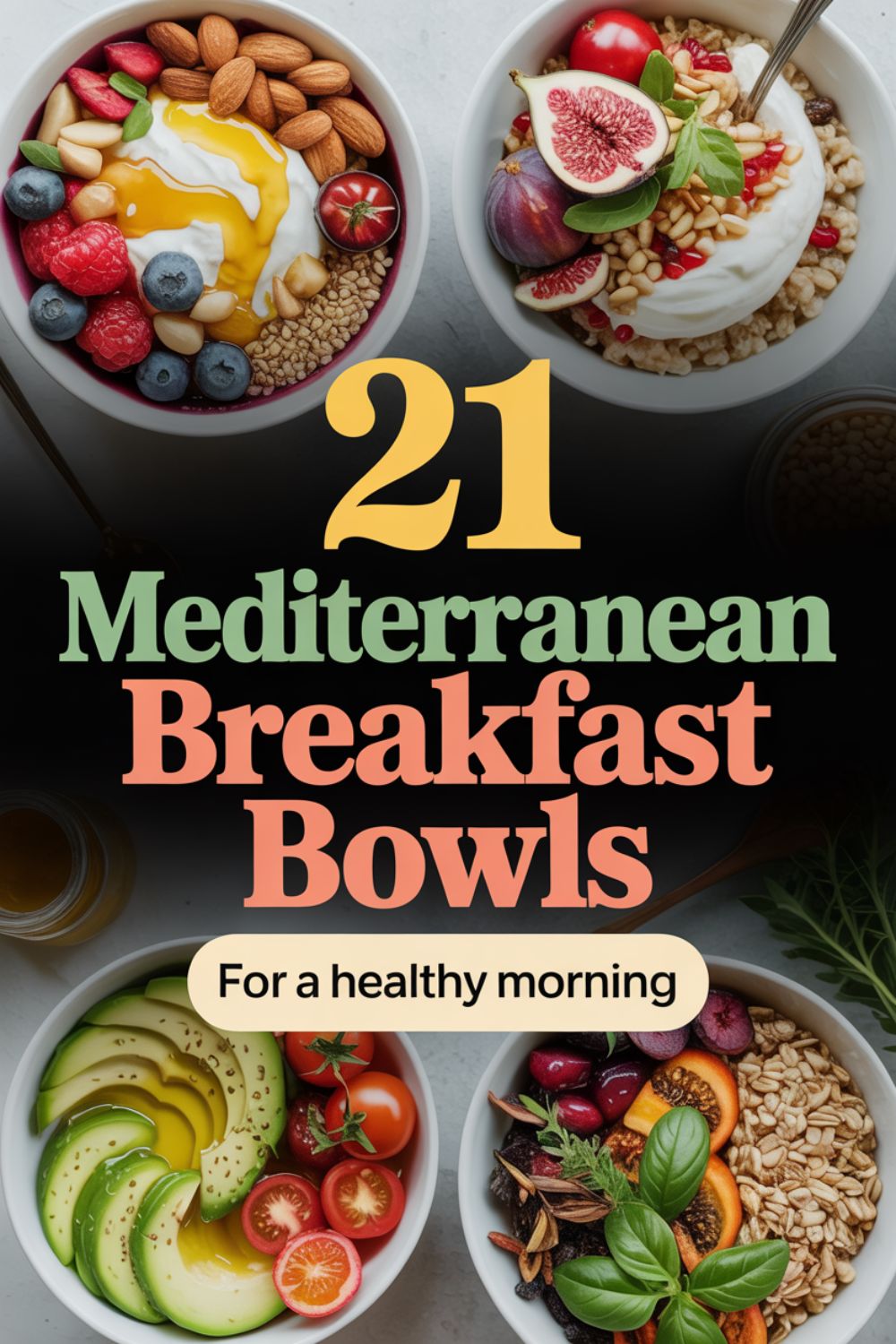
21 Mediterranean Breakfast Bowls for a Healthy Morning
Look, I’m not gonna sugarcoat it—mornings can be rough. But here’s the thing: they don’t have to start with grabbing whatever’s convenient and calling it breakfast. Mediterranean breakfast bowls have completely changed my morning game, and honestly, I wish I’d discovered them years ago.
These aren’t your typical boring breakfast bowls. We’re talking about vibrant combinations of fresh ingredients, healthy fats, whole grains, and flavors that’ll actually make you excited to wake up. Whether you’re meal prepping for the week or throwing something together in five minutes, there’s a bowl here with your name on it.
The best part? Research shows that Mediterranean-style eating isn’t just delicious—it’s linked to better heart health, reduced inflammation, and even improved sleep quality. Not bad for something that takes less time than scrolling through your phone.
Why Mediterranean Breakfast Bowls Actually Work
Here’s what I love about the Mediterranean approach to breakfast—it’s not about restriction or complicated rules. It’s just real food put together in ways that make sense. You get your protein, healthy fats, fiber, and carbs all in one bowl, which means you’re not raiding the snack drawer by 10 AM.
The Mediterranean diet focuses on whole grains, fresh produce, olive oil, nuts, and moderate amounts of dairy and eggs. According to clinical research published in the National Institutes of Health, this eating pattern is associated with reduced cardiovascular disease risk and better metabolic health. Plus, it’s actually sustainable—unlike those diets that have you eating the same three things on repeat.
IMO, the real magic happens when you stop overthinking breakfast. These bowls are forgiving. Forgot to buy strawberries? Use whatever fruit you have. No Greek yogurt? Regular yogurt works. The Mediterranean diet is all about flexibility and enjoying your food, not stressing over it.
The Foundation: What Makes a Bowl Mediterranean
Before we jump into the recipes, let’s talk about what actually goes into these bowls. You don’t need fancy ingredients or a fully stocked pantry—just a few quality basics.
Your Base Options
Start with something that’ll keep you full. Ancient grains like farro, quinoa, and bulgur are traditional Mediterranean staples that pack serious nutrition. They’ve got fiber, protein, and this satisfying chewiness that makes breakfast feel substantial. Oats work great too, whether you go hot or overnight.
Greek yogurt is another solid foundation. It’s got twice the protein of regular yogurt and half the sugar, which means you’re getting staying power without the sugar crash later. I usually grab full-fat Greek yogurt because the fat keeps me satisfied longer, but that’s your call.
Healthy Fats That Actually Taste Good
Mediterranean eating is all about embracing good fats, and breakfast is no exception. Extra virgin olive oil might sound weird for breakfast at first, but drizzle a little over savory bowls and you’ll get it. The quality matters here—I keep a small bottle of premium EVOO just for finishing touches.
Nuts and seeds bring crunch and omega-3s. Walnuts, almonds, pistachios, chia seeds, hemp hearts—they all work. I like keeping a variety pack of raw nuts around so I’m not eating the same thing every day.
Speaking of morning nutrition, if you’re looking for complete meal plans that take the guesswork out of healthy eating, check out this 7-Day Mediterranean Anti-Inflammation Meal Plan. It’s got breakfast, lunch, and dinner sorted with printable shopping lists.
Fresh Produce for Color and Nutrients
This is where Mediterranean bowls really shine. Tomatoes, cucumbers, bell peppers, leafy greens—they all show up at breakfast. Weird? Maybe at first. Delicious? Absolutely.
For sweet bowls, berries are your best friend. They’re packed with antioxidants and have less sugar than most fruits. When berries aren’t in season, I throw frozen ones in a mini food processor to make a quick compote. Figs, dates, and pomegranate seeds bring that Middle Eastern breakfast vibe.
21 Mediterranean Breakfast Bowls to Rotate Through
Alright, let’s get into the actual bowls. I’ve organized these by vibe—whether you’re in the mood for something sweet, savory, protein-packed, or ridiculously easy. Mix and match the components however you want.
1. Classic Greek Yogurt Berry Bowl
This is your starter bowl. Greek yogurt, mixed berries, honey, walnuts, and a sprinkle of cinnamon. That’s it. It’s the bowl I make when my brain isn’t functioning yet but I know I need to eat something decent. Get Full Recipe
The tanginess of the yogurt plays off the sweet berries perfectly, and that drizzle of honey? Chef’s kiss. I use raw local honey when I can find it—tastes better and supports local beekeepers.
2. Savory Shakshuka-Inspired Bowl
For those days when sweet breakfast sounds terrible, this is your answer. Poached egg, spiced tomato sauce, crumbled feta, fresh herbs, with crusty whole grain bread for scooping. It’s essentially shakshuka deconstructed into a bowl.
I make a big batch of the tomato sauce and keep it in the fridge. Then it’s just about warming it up and poaching an egg. If you’ve never poached an egg before, grab one of those silicone egg poacher cups—they make it foolproof.
3. Overnight Oats with Fig and Pistachio
This one’s for meal preppers. Mix oats, milk (or plant milk), chia seeds, and a pinch of cardamom the night before. In the morning, top with chopped fresh figs, crushed pistachios, and a drizzle of tahini. The tahini might sound random, but trust me on this one.
Figs are loaded with fiber and have this natural sweetness that means you don’t need much added sugar. When figs aren’t available, dates work great too.
4. Quinoa Power Bowl with Avocado
Cooked quinoa as your base, topped with mashed avocado, cherry tomatoes, cucumber, a soft-boiled egg, and za’atar seasoning. Finish with olive oil and lemon juice. This bowl is ridiculously filling and tastes way fancier than the effort required.
Za’atar is this Middle Eastern spice blend that brings so much flavor with zero effort. You can find it at most grocery stores now, or grab a quality za’atar blend online that’ll last you months.
5. Warm Farro Bowl with Roasted Vegetables
Cook your farro until tender, then top with roasted bell peppers, zucchini, red onion, crumbled goat cheese, and fresh basil. Drizzle with balsamic glaze. This is basically a warm grain salad for breakfast, and it’s incredible.
I roast vegetables on Sunday using a large sheet pan and they’re good all week. Roasting brings out natural sweetness—even people who claim to hate vegetables usually like them this way.
6. Açaí-Style Bowl with Mediterranean Twist
Blend frozen berries with banana and a splash of milk to make a thick smoothie base. Top with granola, fresh berries, shredded coconut, chia seeds, and almond butter. It’s like an açaí bowl but way more affordable.
FYI, frozen fruit works better here than fresh—it gives you that thick, spoonable texture. I keep frozen berry mixes stocked specifically for this.
If you’re all about that high-fiber life (and you should be), you’ll want to check out this 14-Day High-Fiber Mediterranean Plan. It’s designed for beginners and includes tons of breakfast bowl ideas.
7. Ricotta and Honey Breakfast Bowl
Creamy ricotta cheese as your base, drizzled with honey and topped with fresh berries, toasted almonds, and a sprinkle of orange zest. Sounds simple because it is, but sometimes simple is exactly what you need.
The orange zest is key here—it brightens everything up. I use a microplane zester because it’s way easier than those box graters and you get fluffier zest.
8. Mediterranean Scrambled Egg Bowl
Scrambled eggs cooked in olive oil, served over fresh spinach with sun-dried tomatoes, Kalamata olives, feta cheese, and fresh oregano. The heat from the eggs wilts the spinach just enough.
Sun-dried tomatoes packed in olive oil are worth the extra couple bucks. They’re so much better than the dried ones, and you can use the flavored oil for cooking. Win-win.
9. Chia Pudding Bowl with Pomegranate
Make chia pudding the night before by mixing chia seeds with milk and a touch of vanilla. In the morning, top with pomegranate arils, chopped dates, hemp hearts, and a drizzle of maple syrup.
Pomegranate arils are those little jewel-like seeds that pop in your mouth. Getting them out of the fruit is annoying, so I usually buy pre-packaged arils and save myself the mess.
10. Hummus and Veggie Breakfast Bowl
Yes, hummus for breakfast. Stay with me. A generous scoop of hummus in your bowl, surrounded by sliced cucumbers, cherry tomatoes, radishes, fresh herbs, and a drizzle of olive oil. Serve with warm pita bread.
This is super popular in Middle Eastern countries and honestly, once you try it, you’ll wonder why we don’t do this more often. The chickpeas in hummus provide protein and fiber that’ll keep you satisfied for hours.
11. Banana Walnut Oatmeal Bowl
Steel-cut oats cooked until creamy, topped with sliced banana, crushed walnuts, a sprinkle of cinnamon, and a touch of honey. Classic comfort food that happens to be really good for you.
Steel-cut oats have more texture than rolled oats, which I prefer. I make them in an electric pressure cooker because trying to babysit a pot of oats at 7 AM is not my idea of a good time.
12. Whole Grain Toast Bowl with Labneh
Toast thick slices of whole grain bread until golden. Top with labneh (strained yogurt cheese), sliced tomatoes, cucumber, olive oil, za’atar, and fresh mint. It’s like avocado toast’s sophisticated Mediterranean cousin.
Labneh has this tangy, creamy thing going on that regular cream cheese can’t touch. You can make your own by straining Greek yogurt overnight, or buy it already made. Either way works.
13. Baked Egg and Spinach Boat
This one requires actual cooking, but it’s worth it. Scoop out the center of a crusty roll, fill with spinach, cherry tomatoes, and crack an egg in the middle. Bake until the egg sets, then top with feta and fresh basil. Get Full Recipe
It’s portable, it’s delicious, and it looks impressive when you’re trying to convince people you have your life together. I use individual ramekins for portion control when I’m not using bread.
14. Tahini Date Smoothie Bowl
Blend frozen banana, dates, tahini, cinnamon, and milk until smooth and thick. Top with sliced banana, a sprinkle of sesame seeds, chopped dates, and cacao nibs. The tahini adds this nutty richness that’s addictive.
Dates give you natural sweetness plus fiber, iron, and potassium. They’re basically nature’s candy that won’t spike your blood sugar like actual candy.
For more breakfast inspiration that won’t leave you hungry an hour later, take a look at this 14-Day Mediterranean High-Protein Anti-Inflammatory Plan. Every meal is designed to keep you full and fight inflammation.
15. Bulgur Breakfast Bowl with Apricots
Cooked bulgur wheat as your base (it cooks in like 10 minutes), topped with chopped dried apricots, sliced almonds, a dollop of Greek yogurt, and honey. Bulgur has this nutty flavor that pairs perfectly with dried fruit.
Dried apricots are underrated. They’re loaded with fiber, vitamin A, and potassium. Just make sure you get unsulfured apricots—they taste better and don’t have that weird artificial tang.
16. Savory Cottage Cheese Bowl
Cottage cheese gets a bad rap, but when you dress it up right, it’s fantastic. Start with cottage cheese, add cherry tomatoes, cucumber, radishes, olive oil, fresh dill, and everything bagel seasoning. Mix it up and enjoy with whole grain crackers.
Cottage cheese has even more protein than Greek yogurt, which makes it perfect for keeping you full. The savory toppings make it feel more like a meal than a snack.
17. Warm Barley Bowl with Pear and Gorgonzola
Cook pearl barley until tender, then top with roasted pear slices, crumbled gorgonzola cheese, candied walnuts, and a drizzle of balsamic reduction. This one’s fancy enough for weekend brunch.
Barley’s got this chewy texture and mild flavor that works with both sweet and savory toppings. Plus it’s crazy high in fiber—we’re talking digestive health gold here.
18. Mediterranean Muesli Bowl
Mix rolled oats with chopped dried figs, dates, almonds, pumpkin seeds, and a pinch of cinnamon. Pour milk or yogurt over it and let it sit for 5 minutes while you make coffee. No cooking required.
This is basically the lazy person’s overnight oats, and I mean that as a compliment. Keep a jar of the dry mix ready and you’ve got instant breakfast whenever you need it.
19. Roasted Red Pepper and Feta Bowl
Quinoa or farro base, topped with roasted red peppers (jarred ones work great), crumbled feta, cucumber, red onion, Kalamata olives, and fresh parsley. Dress with lemon juice and olive oil. It’s basically a grain salad that’s acceptable at 8 AM.
I keep a jar of roasted red peppers in the pantry at all times. They’re one of those ingredients that makes everything taste better with zero effort.
20. Apple Cinnamon Quinoa Bowl
Cook quinoa in milk instead of water for extra creaminess, then top with diced apples, chopped walnuts, raisins, cinnamon, and a drizzle of maple syrup. It’s like apple pie for breakfast, but you can feel good about it.
Cooking quinoa in milk is a game-changer. It makes it so much creamier and adds protein without any extra effort. Works with regular milk or any plant-based version.
21. Za’atar Chickpea Breakfast Bowl
Crispy roasted chickpeas (toss canned chickpeas with olive oil and za’atar, roast until crunchy), served over mixed greens with cherry tomatoes, cucumber, avocado, and a soft-boiled egg. Drizzle with tahini dressing. Get Full Recipe
The crispy chickpeas add crunch and protein. I make a big batch and keep them in an airtight container—they’re great for snacking too. Just roast them in a quality sheet pan at high heat until they’re golden.
Kitchen Tools That Make These Bowls Easier
Look, you don’t need a ton of fancy equipment for these bowls, but a few key items really do make your life easier. Here’s what I actually use on repeat:
Making It Work in Real Life
Here’s the thing nobody tells you about healthy eating: it’s not about being perfect. It’s about having a system that works when you’re tired, rushed, or just not feeling it.
The Sunday Prep Strategy
I’m not saying you need to spend your entire Sunday in the kitchen, but 30 minutes of prep makes the whole week easier. Cook a big batch of quinoa or farro. Chop some vegetables. Make a jar of overnight oats. Portion out some Greek yogurt into individual containers.
That’s it. You’re not making complete meals, just knocking out the time-consuming parts so weekday mornings don’t feel overwhelming. Store everything in clear glass containers so you can actually see what you have.
When You’re Running Late
Sometimes you wake up late and there’s no time for a beautiful bowl. That’s what portable options are for. The muesli mix, overnight oats, or even Greek yogurt with granola all travel well. Keep a portable breakfast container clean and ready to grab.
Or lean into the hummus bowl concept—scoop hummus into a container, pack some cut veggies, grab pita bread, and go. You can eat it at your desk and it’s still way better than a drive-through breakfast sandwich.
Keeping It Interesting
The 21 bowls in this article? They’re templates, not strict recipes. Swap ingredients based on what’s in season, what’s on sale, or what you actually want to eat. The Mediterranean diet is flexible like that.
Got leftover roasted vegetables from dinner? Throw them in a breakfast bowl. Found some gorgeous peaches at the farmer’s market? They’ll work in place of berries. See fresh herbs looking sad in your fridge? Chop them up and add them to anything savory.
If you’re trying to lose weight but don’t want to feel restricted, this 14-Day Mediterranean Weight Loss Plan is designed to keep you satisfied while creating a calorie deficit naturally. It’s all about nutrient-dense foods that fill you up.
The Health Benefits Worth Knowing About
I’m not a doctor or nutritionist, so take this for what it is—information from someone who’s done the reading and seen the results. Mediterranean eating patterns are seriously well-studied, and the research is pretty compelling.
According to Healthline’s comprehensive review, the Mediterranean diet is associated with weight management, heart health, and reduced risk of type 2 diabetes. It’s not a magic bullet, but it’s one of the few eating patterns that has decades of solid research behind it.
What’s Actually Happening
When you eat whole grains, healthy fats, lots of produce, and moderate amounts of protein, you’re giving your body what it actually needs to function well. The fiber keeps your digestive system happy and helps regulate blood sugar. The omega-3s from nuts and seeds support brain function and reduce inflammation.
The anti-inflammatory effects are real. Cleveland Clinic notes that foods high in fiber and antioxidants help reduce inflammation throughout the body, which is linked to basically every chronic disease you want to avoid.
Greek yogurt and other fermented dairy products support gut health through probiotics. A healthy gut microbiome affects everything from immunity to mood to skin health. It’s all connected.
The Blood Sugar Thing
One of the biggest wins with these breakfast bowls is stable energy. When you start your day with refined carbs and sugar (looking at you, sugary cereals and pastries), you get that spike and crash cycle that leaves you starving and irritable by mid-morning.
The combination of protein, healthy fats, and fiber in Mediterranean bowls slows down digestion and keeps blood sugar steady. You feel satisfied longer and your energy doesn’t nosedive. It’s not rocket science—it’s just giving your body a balanced meal.
Budget-Friendly Mediterranean Eating
Let’s address the elephant in the room: people think eating Mediterranean is expensive. And yeah, if you’re buying out-of-season imported figs and artisanal olive oil every week, it can be. But it doesn’t have to be.
Smart Shopping Strategies
Frozen fruit is your friend. Same nutrients, fraction of the cost, and it doesn’t go bad in three days. Buy dried beans and lentils instead of canned—they’re dirt cheap and you can cook a big batch for the week.
Greek yogurt is one of those things where store brand is usually fine. Save your money for olive oil and buy a good quality EVOO that you’ll actually want to drizzle on things. A little goes a long way.
Stock up on grains when they’re on sale. Quinoa, farro, and bulgur all keep for months in airtight containers. Same with nuts—buy them in bulk, portion them out, and freeze what you won’t use immediately.
Speaking of budget-friendly eating, this 14-Day High-Fiber Budget Meal Plan is specifically designed to keep costs down while still eating really well. All the recipes use affordable, easy-to-find ingredients.
What’s Worth Splurging On
Olive oil. Seriously, get decent olive oil. It’s a cornerstone of Mediterranean cooking and the cheap stuff tastes like it. You don’t need the $40 bottle, but avoid the $4 one too.
Fresh herbs when you’re using them as the main flavor (like in that hummus bowl). They make such a difference. Otherwise, dried herbs are totally fine for most applications.
Quality eggs if you can swing it. The flavor difference between factory-farmed and pasture-raised eggs is noticeable, especially when eggs are a main component of your bowl.
Meal Planning Makes Everything Easier
I used to resist meal planning because it felt restrictive. Turns out, it’s actually the opposite—it gives you freedom because you’re not making decisions when you’re already hungry and tired.
The Weekly Rotation Method
Pick 5-7 breakfast bowls you actually like. That’s your rotation for the week. Monday might be Greek yogurt with berries, Tuesday is the savory chickpea bowl, Wednesday is overnight oats, and so on. Next week, switch it up if you want, or keep the same rotation if it’s working.
This isn’t about never having variety—it’s about having a default plan so you’re not standing in front of the fridge at 7 AM trying to invent breakfast from scratch.
Batch Cooking Your Components
This is where the magic happens. On Sunday, cook:
- Two types of grains – maybe quinoa and steel-cut oats
- A batch of hard-boiled eggs – perfect protein source all week
- One vegetable prep – roasted peppers, sautéed spinach, whatever
- One sweet topping – maybe roasted fruit or a berry compote
Store everything separately in the fridge. Now you’ve got mix-and-match components for completely different bowls all week. It’s like a breakfast buffet that you assemble in minutes.
If you want even more structure, check out this 7-Day Mediterranean High-Fiber Meal Prep Plan. It tells you exactly what to prep, when to prep it, and how to use it throughout the week.
Special Dietary Considerations
The beauty of bowl-based eating is how adaptable it is. Whatever your dietary needs, there’s a Mediterranean bowl that works.
Vegan and Plant-Based Options
Most of these bowls can go vegan with simple swaps. Replace Greek yogurt with coconut yogurt or cashew yogurt. Skip the eggs and add extra nuts, seeds, or hummus for protein. Use nutritional yeast instead of cheese for that savory, umami flavor.
Actually, there’s a whole 7-Day Mediterranean Vegan Anti-Inflammation Plan if that’s your thing. All plant-based, all delicious.
Gluten-Free Adaptations
Swap out wheat-based grains for quinoa, rice, or certified gluten-free oats. Use gluten-free bread or skip it entirely. Most Mediterranean flavors come from herbs, spices, olive oil, and fresh produce anyway—not from wheat.
Just watch out for cross-contamination if you’re celiac. That za’atar blend might have been processed in a facility with wheat. Check labels or make your own spice blends.
High-Protein Needs
Athletes, pregnant women, or anyone needing extra protein can easily amp these up. Double the eggs, add extra Greek yogurt, include protein powder in smoothie bowls, or top savory bowls with grilled chicken or fish.
Cottage cheese and Greek yogurt are your high-protein MVPs—they pack way more protein per serving than most other breakfast options. Add unflavored protein powder to overnight oats without changing the flavor much.
Common Questions About Mediterranean Breakfast Bowls
Can I meal prep these bowls for the entire week?
Yes and no. You can definitely prep components like grains, roasted vegetables, and hard-boiled eggs that’ll keep all week. However, assemble the actual bowls fresh each morning for best texture and flavor. Overnight oats and chia pudding are the exception—they’re designed to sit and actually get better over a couple days. Store everything in airtight containers and your morning assembly takes maybe 3 minutes.
Are Mediterranean breakfast bowls good for weight loss?
They can be, yeah. These bowls are naturally high in fiber and protein, which keeps you full longer and helps prevent overeating later in the day. The Mediterranean diet emphasizes whole foods over processed stuff, which typically means you’re eating fewer empty calories. That said, portion control still matters—you can overeat healthy foods too. The key is that these bowls are satisfying enough that you’re not constantly hungry, which makes creating a calorie deficit way more sustainable.
What if I don’t like Greek yogurt?
No problem—plenty of these bowls don’t use yogurt at all. Focus on the grain-based bowls, egg bowls, or smoothie bowls instead. If you want the protein but hate the tanginess of Greek yogurt, try cottage cheese or ricotta. Plant-based eaters can use coconut yogurt, cashew yogurt, or skip dairy entirely and load up on nuts, seeds, and avocado for healthy fats and protein.
How much does it cost to eat Mediterranean breakfasts?
Honestly, probably less than you think. A container of Greek yogurt, a bag of frozen berries, oats, and some nuts will give you breakfast for a week and cost maybe $15-20 total. That’s way cheaper than grabbing coffee and a pastry every morning. The key is buying ingredients that work in multiple bowls—quinoa, eggs, olive oil, seasonal produce. Avoid buying specialty ingredients for single recipes and you’ll keep costs reasonable.
Can kids eat these breakfast bowls?
Absolutely. Kids often love bowl-based meals because they can see all the components and it feels less intimidating than a full plate. Start with sweeter options like the berry yogurt bowl or banana walnut oatmeal. Let them help with toppings—kids are way more likely to eat stuff they helped make. You might need to go lighter on strong flavors like olives or feta at first, but many kids enjoy Mediterranean foods once they’re exposed to them regularly.
The Bottom Line
Here’s what I want you to take away from all this: Mediterranean breakfast bowls aren’t about being perfect or following strict rules. They’re about having a framework that makes healthy eating easier, more enjoyable, and sustainable long-term.
You don’t need to make all 21 bowls. Pick three or four that sound good, try them out, and see what sticks. Maybe you’ll become an overnight oats person, or maybe you’ll discover that savory breakfasts are your thing. The point is to find what works for your schedule, your taste preferences, and your life.
The Mediterranean approach to food is fundamentally about enjoyment and balance, not restriction and stress. These breakfast bowls embody that philosophy—they’re nourishing, they taste good, and they don’t require you to spend your entire morning in the kitchen or eat something you hate just because it’s “healthy.”
Start simple. Pick one bowl from this list and make it twice this week. See how you feel. If it works, add another bowl to your rotation. If it doesn’t, try something else. That’s the whole beauty of this approach—it adapts to you, not the other way around.
Similar Posts
25 Mediterranean One-Pan Meals You Can Make In 30 Minutes
25 Mediterranean One-Pan Meals You Can Make In 30 Minutes Let’s be honest — after a long day, the last thing you want is a sink full of dishes and a recipe that reads like a chemistry textbook. That’s exactly why Mediterranean one-pan meals are basically life-changing. Big flavors, minimal cleanup, and most of them…
14-Day Mediterranean High-Fiber Weight Loss Plan
14-Day Mediterranean High-Fiber Weight Loss Plan So you want to lose weight, feel less bloated, and actually enjoy your food in the process? Yeah, same. The Mediterranean high-fiber combo is honestly one of the most effective — and least miserable — ways to do it. No calorie-counting spreadsheets. No sad iceberg lettuce. Just real, colorful,…
20 High-Fiber Meal Prep Ideas For Better Digestion
20 High-Fiber Meal Prep Ideas For Better Digestion Let’s be honest — your gut has probably been trying to tell you something for a while now. Maybe it’s the bloating after lunch, the sluggish feeling by mid-afternoon, or the fact that your digestion just doesn’t feel right. The fix isn’t complicated, and it doesn’t require…
21 Mediterranean One-Pan Chicken Meals For Easy Cleanup
21 Mediterranean One-Pan Chicken Meals For Easy Cleanup Let’s be honest — nobody wants to spend 45 minutes washing pots after a long day. You cooked the meal, you deserve a break. That’s exactly why these Mediterranean one-pan chicken meals are about to become your new weeknight obsession. Big flavors, minimal mess, and everything comes…
25 Anti-Inflammatory Budget Meals For The Whole Family
25 Anti-Inflammatory Budget Meals For The Whole Family Eating to fight inflammation doesn’t have to mean spending a fortune at a health food store or hunting down ingredients you can’t even pronounce. Real talk — most of the best anti-inflammatory foods are already sitting in the average grocery store, and they cost next to nothing….