
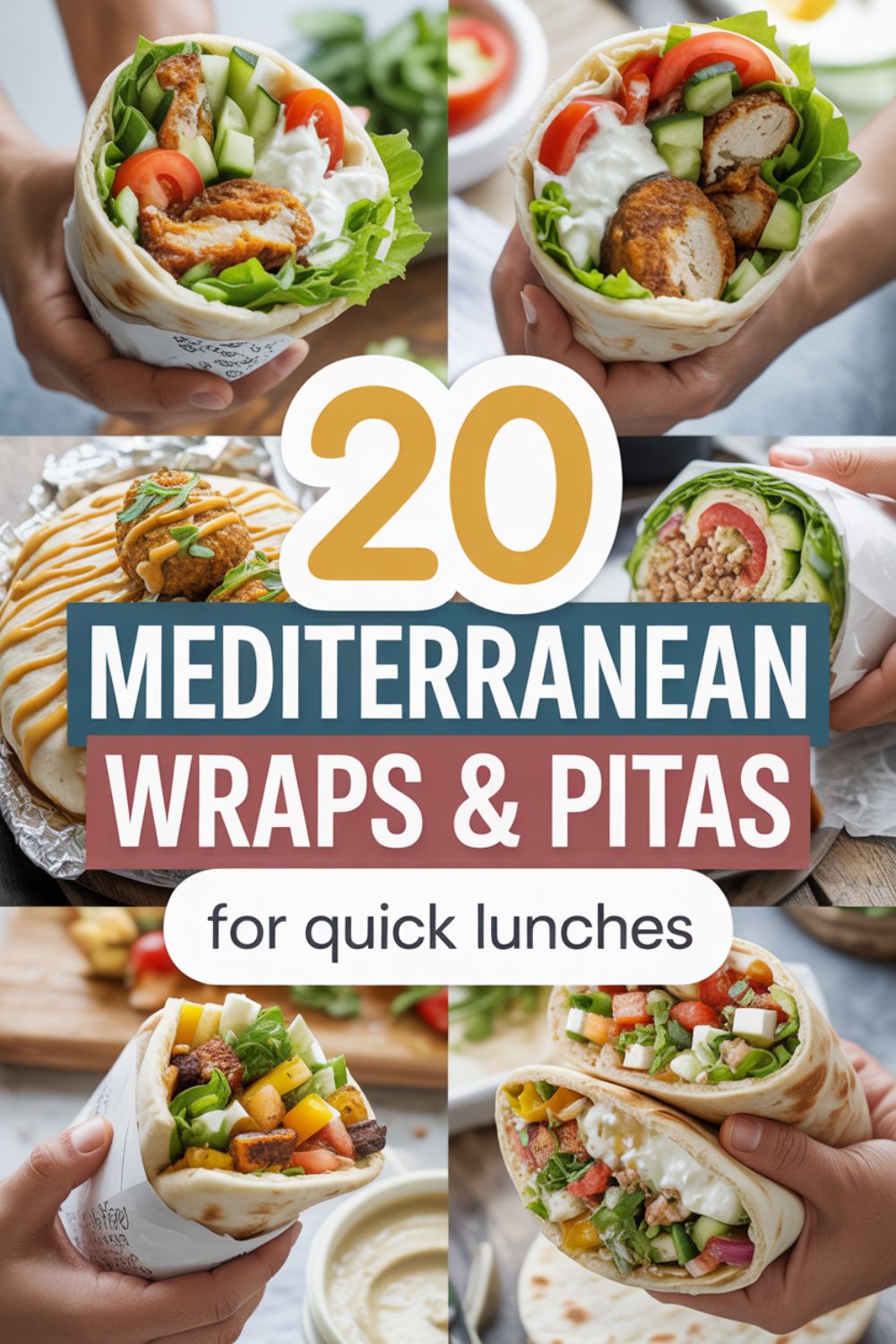
20 Mediterranean Wraps and Pita Ideas for Quick Lunches
Look, I get it. You’re staring at your fridge at 11:30 AM wondering what the heck to make for lunch that doesn’t involve yet another boring sandwich or sad desk salad. Been there, done that, got the T-shirt.
Here’s the thing about Mediterranean wraps and pitas though—they’re basically your meal prep best friend disguised as something actually exciting to eat. We’re talking vibrant flavors, ingredients that don’t go bad if you look at them sideways, and combinations that somehow make you feel like you’re eating at a beachside café instead of hunched over your laptop.
I’ve been experimenting with these for the past year, and honestly? Game changer. No more lunch slump at 2 PM. Just real, filling food that happens to align with one of the healthiest eating patterns on the planet.

Why Mediterranean Wraps Hit Different
Before we jump into the recipes, let’s talk about why this whole Mediterranean thing actually works. And no, I’m not just talking about the Instagram-worthy factor.
The Mediterranean diet isn’t just some trendy eating plan that’ll disappear next year. Research from Harvard’s Nutrition Source shows this eating pattern consistently reduces cardiovascular disease risk and supports healthy aging. We’re talking about centuries of evidence wrapped up in olive oil and whole grains.
What makes wraps and pitas perfect for this style of eating? They’re portable, customizable, and they let you pack in vegetables without feeling like you’re forcing yourself to eat healthy. Plus, studies on Mediterranean diet mechanisms highlight how the combination of fiber-rich foods, healthy fats, and lean proteins creates satiety that lasts—meaning you’re not raiding the vending machine by 3 PM.
Prep your veggies Sunday night, thank yourself all week. Seriously, spend 20 minutes chopping cucumbers, tomatoes, and peppers, store them in airtight containers, and you’ve just made weekday lunches ridiculously easy.
The Foundation: Getting Your Wraps and Pitas Right
Not all wraps are created equal. Some fall apart if you breathe on them wrong, while others taste like cardboard held together with hope and desperation.
For pitas, I’m obsessed with whole wheat versions—they’ve got that nutty flavor and don’t get soggy when you stuff them full. You can grab them at most grocery stores, but if you want to get fancy, this pita bread maker lets you make fresh ones at home. Is it necessary? Absolutely not. Is it fun? Ridiculously so.
For wraps, look for options with at least 3 grams of fiber per serving. The texture matters too—you want something pliable enough to roll without cracking. I’ve tried probably 20 different brands, and the ones with added flax or whole grain tend to hold up best. Some people swear by these silicone baking mats for warming wraps without drying them out, which actually does make a difference.
Whole Wheat vs. Regular: Does It Actually Matter?
Short answer: Yeah, it does. Whole wheat pitas and wraps deliver more fiber, which helps with blood sugar stability and keeps you fuller longer. Regular white flour versions spike your blood sugar faster, leading to that inevitable crash.
That said, if whole wheat isn’t your thing, don’t force it. A wrap you’ll actually eat beats a “perfect” one that sits in your fridge untouched.
20 Mediterranean Wrap and Pita Ideas That Actually Deliver
1. Classic Greek Gyro Wrap
Thinly sliced seasoned lamb or chicken, crisp lettuce, tomatoes, red onion, and a generous dollop of tzatziki wrapped in warm pita. This is the one that started it all for me—bold flavors, satisfying protein, and that cool, creamy yogurt sauce cutting through everything.
The key is getting your meat properly seasoned. Mix oregano, garlic powder, paprika, and a touch of cumin. This spice grinder makes crushing whole spices stupidly easy, and the flavor difference is noticeable.
2. Hummus and Roasted Vegetable Pita
Roasted red peppers, zucchini, eggplant, and a thick layer of hummus stuffed into a warm pita pocket. Add some crumbled feta if you’re feeling fancy.
Roasting vegetables concentrates their flavors and adds a slight char that pairs perfectly with smooth hummus. I use this mini sheet pan set for small batch roasting—perfect for meal prep without heating up your entire oven.
3. Falafel Supreme
Crispy falafel balls, shredded lettuce, diced tomatoes, cucumbers, pickled turnips, and tahini sauce. This is peak Mediterranean comfort food.
You can buy frozen falafel, sure, but making them from scratch is easier than you think. You just need chickpeas, herbs, and a food processor. Speaking of which, if you don’t have a decent food processor yet, get one. It’ll change how you cook.
If you’re looking for more plant-based Mediterranean options, check out this 7-Day Mediterranean Vegan Anti-Inflammation Plan for complete meal inspiration.
4. Grilled Chicken Shawarma Style
Marinated grilled chicken with turmeric, cumin, and garlic, wrapped with pickles, tomatoes, and garlic sauce. The marinade does all the heavy lifting here—let your chicken sit in it for at least 2 hours, overnight if you can manage it.
5. Mediterranean Tuna Salad Wrap
Tuna mixed with olive oil, capers, red onion, and fresh parsley, wrapped with crisp romaine. This isn’t your mayo-heavy cafeteria tuna—we’re talking bright, fresh flavors here.
The secret is using good quality tuna. Yeah, it costs more, but the difference in taste and texture is wild. Drain it well, flake it with a fork, and mix with extra virgin olive oil instead of mayo.
6. Spinach and Feta Wrap
Sautéed spinach with garlic, crumbled feta, sun-dried tomatoes, and a drizzle of balsamic glaze. Simple, vegetarian, and surprisingly filling.
Fresh spinach wilts down to almost nothing, so don’t be shy—start with what feels like way too much. A quick sauté with garlic transforms it completely.
7. Lamb Kofta Pita
Spiced ground lamb formed into small patties, grilled, then tucked into pita with cucumber yogurt sauce, mint, and thinly sliced red onion. This one’s for when you want something that feels a bit more special.
“I started making these Mediterranean wraps for my family last month, and we’ve completely ditched our old sandwich routine. My kids actually ask for the falafel pitas now!” — Sarah M., community member
8. Grilled Halloumi and Vegetable Wrap
Grilled halloumi cheese (the kind that doesn’t melt), roasted red peppers, arugula, and a squeeze of lemon. Halloumi has this salty, squeaky texture that’s completely addictive.
You need high heat for halloumi—either a grill pan or regular grill. Get those nice char marks for maximum flavor. If you’re using a grill pan, this cast iron grill pan distributes heat perfectly.
9. Chicken Souvlaki Wrap
Marinated chicken skewers with lemon, oregano, and garlic, served in a wrap with cucumber, tomatoes, and tzatziki. The lemon marinade makes the chicken incredibly tender.
10. Eggplant and Red Pepper Pita
Roasted eggplant and red peppers with a smear of baba ganoush, topped with fresh mint and pomegranate seeds. The pomegranate seeds add this unexpected burst of sweetness.
Want to make this part of a complete eating plan? The 7-Day Mediterranean Anti-Inflammation Meal Plan includes shopping lists and prep guides that make this whole thing even easier.
11. White Bean and Tomato Wrap
Mashed white beans seasoned with garlic and lemon, fresh tomatoes, basil, and a drizzle of olive oil. This is one of those deceptively simple recipes that delivers way more flavor than you’d expect.
Use cannellini beans and mash them roughly—you want some texture, not baby food. The lemon juice brightens everything up.
12. Shrimp and Avocado Mediterranean Wrap
Grilled shrimp, sliced avocado, mixed greens, and a lemon-herb vinaigrette. Light, fresh, and protein-packed.
Don’t overcook your shrimp—they only need about 2 minutes per side. The second they turn pink and opaque, they’re done. Keep going and you’ll end up with rubber bands.
13. Moroccan Chickpea Pita
Spiced chickpeas with cumin, coriander, and paprika, stuffed into pita with shredded carrots, raisins, and a yogurt-mint sauce. The sweet-savory combination works surprisingly well.
14. Turkey and Artichoke Wrap
Sliced turkey breast, marinated artichoke hearts, roasted red peppers, and a smear of pesto. Quick, protein-rich, and great for using up leftovers.
15. Lentil and Vegetable Pita
Cooked lentils mixed with diced vegetables, fresh herbs, and lemon juice, served in pita with a tahini drizzle. Lentils are seriously underrated—cheap, nutritious, and they keep you full forever.
Cook your lentils in vegetable broth instead of water for extra flavor. It’s a small change that makes a real difference.
Batch cook your proteins on Sunday. Grilled chicken, seasoned ground turkey, or roasted chickpeas all keep well in the fridge for 4-5 days. Your future self will be incredibly grateful.
16. Cucumber Tzatziki Wrap
Extra thick tzatziki, fresh cucumbers, tomatoes, kalamata olives, and red onion in a wrap. Sometimes simple is best.
Make your own tzatziki—it takes 5 minutes and tastes infinitely better than store-bought. Greek yogurt, grated cucumber (squeeze out the water first), garlic, lemon juice, and dill. That’s it.
17. Baked Fish and Herb Pita
Flaky white fish like cod or tilapia, baked with lemon and herbs, tucked into pita with shredded lettuce and a lemon-tahini sauce. Light but satisfying.
18. Quinoa Tabbouleh Wrap
Quinoa-based tabbouleh (instead of traditional bulgur) with tons of parsley, mint, tomatoes, and lemon, wrapped with mixed greens. The grain swap adds extra protein.
The trick with tabbouleh is more herbs than grain—it should be bright green, not beige with green flecks.
19. Za’atar Chicken and Cucumber Pita
Chicken breast rubbed with za’atar spice blend, grilled and served with cucumber, tomato, and a garlic yogurt sauce. Za’atar is this Middle Eastern spice mix that’s tangy, herbal, and completely addictive.
20. Roasted Red Pepper and Goat Cheese Wrap
Roasted red peppers, creamy goat cheese, arugula, and a drizzle of honey. The honey might sound weird, but that touch of sweetness balances the tangy cheese perfectly.
Looking for more high-protein Mediterranean meals? This 14-Day Mediterranean High-Protein Anti-Inflammatory Plan has got you covered with complete recipes and macros.
The Meal Prep Strategy That Actually Works
Here’s what I’ve learned after countless failed meal prep attempts: don’t assemble your wraps days in advance. They get soggy and sad.
Instead, prep your components separately. Cook your proteins, chop your vegetables, make your sauces, and store everything in individual containers. Then assemble fresh each day. Takes maybe 3 minutes in the morning, and you get a wrap that actually tastes good.
I use these glass meal prep containers because they don’t absorb smells or stain, and you can see what’s inside without opening them. Plastic works too, but glass just hits different.
Storage Tips That Prevent Food Waste
Chopped vegetables keep for about 4-5 days max. Cucumbers and tomatoes start getting watery after day 3, so either prep smaller batches or use them first.
Cooked proteins stay good for 4 days in the fridge, 3 months in the freezer. Label everything with dates—future you will appreciate it when you’re staring into the fridge wondering if that chicken is still safe.
Sauces and dressings can last a week or more. Store them in small jars and shake before using. These small mason jars are perfect for portioning out hummus, tzatziki, or tahini sauce.
Kitchen Tools That Make These Recipes Easier
Look, you don’t need special equipment to make great wraps. But these tools genuinely make the process faster and less annoying.
Cast Iron Grill Pan
Perfect grill marks on chicken, halloumi, or vegetables without firing up an outdoor grill. Distributes heat evenly and lasts basically forever. Get one here
Food Processor
Makes hummus, falafel, and chopping vegetables ridiculously fast. Stop torturing yourself with a knife when you could be done in 30 seconds. Check it out
Glass Meal Prep Containers
Keep your prepped ingredients fresh and organized. No weird plastic taste, no staining, just clean storage that makes meal prep actually sustainable. Grab a set
7-Day Mediterranean Meal Plan PDF
Complete shopping lists, prep instructions, and recipes designed to work together. Takes the guesswork out of planning. Download here
14-Day High-Fiber Mediterranean Plan
Focuses on gut health and sustained energy with fiber-rich Mediterranean recipes. Includes printable shopping guides and meal tracking. Get the plan
Anti-Inflammation Recipe Collection
Targeted recipes using Mediterranean ingredients known for anti-inflammatory properties. Perfect if you’re dealing with joint pain or chronic inflammation. Start the challenge
Common Mistakes and How to Avoid Them
We all screw up wraps sometimes. Here’s what I’ve learned from making basically every possible error.
Overstuffing Your Wraps
More ingredients doesn’t equal better flavor—it just equals a wrap that explodes when you try to roll it. Use restraint. You want layers, not a bursting seam.
Cold Ingredients
Room temperature ingredients mix better and taste better. Take your proteins and vegetables out of the fridge 10 minutes before assembling. Cold chicken on warm pita is just… wrong.
Ignoring the Sauce-to-Filling Ratio
Too much sauce and everything’s soggy. Too little and you’re eating cardboard. Aim for about 2-3 tablespoons max per wrap. Spread it thin rather than glopping it in the middle.
Using Dry, Stale Pitas or Wraps
Warm your pitas for 20 seconds in the microwave wrapped in a damp paper towel, or 30 seconds in a dry pan. This makes them pliable instead of crack-prone.
“I used to buy lunch every day because cooking felt overwhelming. These wrap ideas changed everything—I’ve saved probably $200 a month and actually enjoy my lunches now.” — Mike R., community member
Mixing Up Your Proteins: Beyond Chicken
Chicken is great, but eating it every single day gets old fast. The Mediterranean diet emphasizes variety, which is honestly one of its best features.
Seafood Options
Grilled shrimp cooks in minutes. Canned tuna (the good stuff in olive oil) needs zero cooking. Baked white fish like cod or sea bass brings a lighter vibe. Sardines—hear me out—smashed with lemon and olive oil is actually incredible, though admittedly an acquired taste.
Plant-Based Proteins
Chickpeas, lentils, white beans, and falafel all work beautifully. They’re cheaper than meat, last forever in the pantry, and honestly keep you just as full. If you’re trying to eat less meat, Mediterranean wraps make the transition weirdly easy.
For more plant-based Mediterranean inspiration, check out the 7-Day Mediterranean Vegan Plan which includes complete protein combinations.
Red Meat in Moderation
Lamb shows up occasionally in Mediterranean cuisine—kofta, gyro meat, or grilled lamb chops. The key word is “occasionally.” Think once or twice a week max, not daily.
Double your batch when cooking proteins. Grilled chicken breasts tonight? Make 6 instead of 3 and use the extras for wraps throughout the week. Same effort, way more efficiency.
Making It Work on a Budget
Mediterranean eating gets this reputation for being expensive, which is honestly nonsense. Some of the cheapest ingredients in the store are Mediterranean staples.
Chickpeas, lentils, and beans cost pennies per serving. Seasonal vegetables are always cheaper than out-of-season ones shipped from across the world. Whole wheat pitas and wraps? Often cheaper than fancy artisan bread.
The trick is building your meals around inexpensive staples and treating more expensive ingredients (like feta or olives) as flavor accents rather than main components.
Budget-Friendly Swaps
Skip the imported feta and get domestic versions—honestly can’t tell the difference in a wrap. Use regular cucumbers instead of English cucumbers. Buy frozen grilled chicken strips instead of grilling fresh when you’re short on time and money.
Make your own hummus instead of buying it—chickpeas, tahini, lemon, garlic. Costs about a third of store-bought and tastes better. For complete budget-friendly Mediterranean meal planning, the 14-Day High-Fiber Budget Meal Plan breaks down exact costs per serving.
Adapting for Different Dietary Needs
One of the best things about wraps? They’re ridiculously adaptable.
Gluten-Free Options
Swap regular pitas and wraps for gluten-free versions, corn tortillas, or large lettuce leaves. Romaine and collard greens work surprisingly well as wraps—just remove the tough stem and use the leaf like you would a tortilla.
Dairy-Free Modifications
Most Mediterranean sauces can be made dairy-free. Use tahini instead of yogurt-based sauces. Hummus works everywhere. Nutritional yeast adds a cheesy flavor without actual cheese.
Honestly, a lot of Mediterranean food is naturally dairy-free anyway—it’s more of a European addition than a core component.
Low-Carb Versions
Ditch the wrap entirely and serve everything in a bowl. Or use low-carb tortillas, which have gotten way better in the past few years. Lettuce wraps work here too.
If you’re dealing with specific health concerns, the 7-Day Anti-Inflammation Plan for Busy Women offers modifications for common dietary restrictions.
Flavor Boosters That Transform Basic Wraps
Sometimes you nail the protein and vegetables but the wrap still tastes… fine. Not bad, just fine. Here’s how to fix that.
Fresh Herbs Make Everything Better
Parsley, mint, cilantro, dill—toss in a handful of fresh herbs and suddenly your wrap tastes restaurant-quality. Dried herbs are fine for cooking, but fresh herbs in cold applications? Non-negotiable.
Acid Brightens Everything
Lemon juice, red wine vinegar, or sumac adds brightness that makes flavors pop. A squeeze of lemon over everything before wrapping does wonders.
Quality Olive Oil
Don’t cook with your fancy olive oil—save it for drizzling over finished wraps. The flavor difference between cheap and good olive oil is massive when you’re eating it raw.
Pickled Things
Pickled turnips, pickled onions, pickled peppers—that sharp, tangy bite cuts through rich ingredients and adds complexity. You can buy them or make your own by soaking vegetables in vinegar.
Frequently Asked Questions
Can I make Mediterranean wraps ahead of time for the whole week?
Not really—assembled wraps get soggy after a day. Instead, prep all your components (cooked proteins, chopped vegetables, sauces) separately and store them in individual containers. Then assemble fresh each day, which only takes a few minutes. This keeps everything crisp and fresh.
What’s the best way to prevent wraps from getting soggy?
Three things: Don’t overdo the sauce (2-3 tablespoons max), pat your vegetables dry before adding them (especially tomatoes and cucumbers), and add a barrier layer. A leaf of lettuce between wet ingredients and the wrap creates a protective barrier that keeps things crisp longer.
Are pitas or wraps healthier for Mediterranean-style eating?
Both work great—it’s more about choosing whole wheat or whole grain versions. Whole wheat pitas typically have more fiber and a chewier texture, while whole grain wraps are more portable and easier to eat on the go. The nutritional differences are minimal if you’re comparing whole grain to whole grain.
How long do homemade Mediterranean sauces like tzatziki and hummus last?
Homemade tzatziki stays fresh for about 3-4 days in an airtight container in the fridge. Hummus lasts 5-7 days. Both develop better flavor after sitting overnight, so making them a day ahead actually improves them. Just give them a good stir before using since ingredients may separate.
Can I freeze assembled wraps or just the components?
Freeze components only—especially cooked proteins like grilled chicken, falafel, or seasoned ground meat. These freeze beautifully for up to 3 months. Assembled wraps don’t freeze well because the vegetables get mushy and the bread gets tough. Defrost proteins overnight in the fridge and assemble fresh.
Final Thoughts
Mediterranean wraps aren’t some complicated gourmet project—they’re just good food that happens to be healthy. You’re combining fresh vegetables, quality proteins, and flavorful sauces in a format that actually works for real life.
Start with 2-3 of these recipes that sound good to you. Don’t try to meal prep 20 different options your first week because that’s how people burn out and go back to sad desk lunches.
Pick your proteins, prep your vegetables, make a sauce or two, and just see how it goes. You’ll figure out what you like, what keeps well, and what fits your schedule. That’s the whole point—finding a system that works for you instead of forcing yourself into someone else’s perfect meal plan.
And honestly? Once you get into the rhythm of it, making these becomes weirdly meditative. There’s something satisfying about assembling a great wrap, knowing it’s both delicious and actually good for you.
Similar Posts
23 Mediterranean Chickpea Salads for Easter Brunch
23 Mediterranean Chickpea Salads for Easter Brunch | Pure & Plate Easter Brunch Collection 23 Mediterranean Chickpea Salads for Easter Brunch Fresh, vibrant, and wildly satisfying — these are the salads your Easter table has been waiting for. By Pure & Plate | Mediterranean Recipes | Spring 2025 Easter brunch has a bit of an…
25 Delicious Mediterranean Diet Lunch Ideas
25 Delicious Mediterranean Diet Lunch Ideas 25 Delicious Mediterranean Diet Lunch Ideas You know that feeling when you’re staring into your fridge at 11:45 AM, stomach growling, and absolutely nothing looks appealing? Yeah, I’ve been there more times than I’d like to admit. But here’s the thing: lunch doesn’t have to be boring, and it…
20 High-Fiber Lunches That Keep You Full Until Dinner
Claude responded: 20 High-Fiber Lunches That Keep You Full Until Dinner 20 High-Fiber Lunches That Keep You Full Until Dinner It’s 3pm. You ate lunch two hours ago and your stomach is already growling. Sound familiar? I used to live i
15 Mediterranean Wraps for Lunch on the Go
15 Mediterranean Wraps for Lunch on the Go 15 Mediterranean Wraps for Lunch on the Go Look, I get it. You’re staring at your sad desk lunch wondering why you even bothered packing the same boring sandwich again. But what if I told you that Mediterranean wraps could solve your midday meal crisis while actually…
22 Mediterranean Lunches Perfect for Work
22 Mediterranean Lunches Perfect for Work 22 Mediterranean Lunches Perfect for Work Look, I’m going to be honest with you. I’m tired of sad desk lunches. You know the ones—those soggy sandwiches that taste like cardboard mixed with regret, or the leftover takeout that somehow manages to be both greasy and dry at the same…
20 Mediterranean Meal Prep Lunches For Work All Week
20 Mediterranean Meal Prep Lunches For Work All Week Let’s be real — staring into your fridge at 7am, half-awake, trying to figure out what to pack for lunch is nobody’s idea of a good time. I’ve been there, grabbing whatever random leftovers I could find and hoping for the best. Spoiler: it never ends…