17 Mediterranean Diet Recipes Under 400 Calories
Real food. Big flavor. Zero guilt. Here are 17 recipes that make eating light feel anything but.
Let’s be honest for a second. Most “light” recipes taste like you’re being punished for something you did. You know the ones — a sad pile of plain chicken on lettuce, or a bowl of watery vegetable soup that smells vaguely of regret. The Mediterranean diet flips that whole script. This way of eating is built around olive oil, fresh herbs, lean protein, legumes, whole grains, and vegetables so good you’ll actually look forward to dinner. And the best part? You can keep everything under 400 calories without sacrificing a single ounce of flavor.
I’ve been cooking Mediterranean-style for years, and the number one thing that surprises people when they eat at my table is that the food feels genuinely indulgent. It’s punchy, satisfying, and colorful in a way that makes you forget you’re technically making a health-conscious choice. These 17 recipes are proof of that. Some are fast weeknight dinners, a few are built for meal prep, and others are the kind of lunch that makes your coworkers hover near your desk asking what you made.
Whether you’re following a structured 14-day Mediterranean weight loss plan or just looking to clean things up without losing your mind at the stove, this list has exactly what you need.
Why 400 Calories Is the Sweet Spot for Mediterranean Meals
The Mediterranean diet has been the subject of more research than almost any other eating style. According to Healthline’s review of the evidence, studies show this eating pattern can lead to substantial, sustained weight loss — particularly when meals stay calorie-conscious. The magic isn’t restriction for its own sake. It’s that Mediterranean ingredients are naturally nutrient-dense but light in energy density. You eat a generous volume of food, feel genuinely full, and come in under 400 calories almost without trying.
The key players doing the heavy lifting are olive oil used in modest amounts, legumes like chickpeas and lentils, lean proteins like fish and chicken, and a huge variety of vegetables and fresh herbs. Fiber from these plant foods keeps you full longer and feeds your gut microbiome at the same time — two benefits that go hand in hand on this style of eating. And according to Harvard’s T.H. Chan School of Public Health, the Mediterranean diet is among the most well-supported eating patterns for cardiovascular health, healthy aging, and sustained weight management.
In short, keeping meals around 400 calories on this plan doesn’t mean eating less. It means eating smarter — and these 17 recipes show you exactly how that looks in practice.
Breakfast and Light Starters That Set the Right Tone
A good Mediterranean breakfast doesn’t need to be complicated. It needs to be satisfying, protein-forward, and actually pleasant to eat before 9am — which, FYI, is a higher bar than it sounds when you’re rolling out of bed on a Tuesday.
1. Greek Yogurt Parfait with Honey, Walnuts, and Fresh Figs
Layer plain full-fat Greek yogurt with a drizzle of raw honey, a small handful of roughly chopped walnuts, and two or three fresh figs sliced in half. The yogurt delivers protein and probiotics, the walnuts add healthy fats and crunch, and the figs bring natural sweetness without refined sugar. If figs aren’t in season, sliced strawberries or pomegranate seeds work beautifully. Get Full Recipe
2. Shakshuka with Spinach and Feta
A spiced tomato sauce simmers in a skillet with garlic, cumin, and smoked paprika, then eggs are nestled right in and poached to set. Add a big handful of wilted spinach and crumbled feta on top and you’ve got something that looks impressively complex for a dish that takes about 25 minutes. Use a cast iron pan if you have one — I keep a 10-inch enameled cast iron skillet like this one on my stove permanently for exactly this reason. The heat retention changes the whole dish. Get Full Recipe
3. Smashed White Bean Toast with Roasted Cherry Tomatoes
Avocado toast has had its moment. White bean toast is stepping up. Mash cannellini beans with lemon juice, garlic, and a little olive oil until creamy, then spread on a thick slice of whole grain sourdough. Top with roasted cherry tomatoes — halved and blistered in a hot pan for five minutes — and fresh basil. The beans deliver plant-based protein and serious fiber, and the whole thing comes together faster than you’d believe. Get Full Recipe
For more morning ideas that actually hold you until lunch, the 7-day Mediterranean high-fiber breakfast plan has a full week of options worth bookmarking. And these 21 Mediterranean breakfast bowls for a healthy morning are mostly under 30 minutes and genuinely filling.
Soups and Salads That Are Actually a Meal
Here’s where a lot of people underestimate Mediterranean cooking. A good soup or salad in this tradition isn’t a side dish or a sad warm-up act for the “real” food. It is the real food. These recipes are hearty, layered with flavor, and will keep you full for hours.
4. Turkish Red Lentil Soup with Lemon and Mint
Red lentils are one of the most underrated ingredients in the Mediterranean pantry. They cook fast, go completely silky when blended, and carry spices extraordinarily well. Sauté onion and garlic in a little olive oil, add red lentils, vegetable broth, cumin, turmeric, and a pinch of cayenne, then simmer until tender and blend smooth. Finish with a generous squeeze of fresh lemon and a handful of fresh mint. The lemon-mint combination at the end is non-negotiable — it brightens the entire bowl in a way nothing else quite does. Get Full Recipe
5. Grilled Halloumi and Watermelon Salad with Fresh Mint
This salad gets raised eyebrows until people taste it, then they immediately ask for the recipe. Grill or pan-sear thick slices of halloumi until golden and crisp on each side. Layer onto a bed of arugula with cubed watermelon, thin red onion slices, and fresh mint. Drizzle with olive oil, lime juice, and a pinch of chili flakes. The sweet-salty-peppery combination is one of the more impressive things you can put in a bowl for under 400 calories, full stop. Get Full Recipe
6. Classic Tabbouleh with Extra Parsley and Pomegranate
Real tabbouleh is mostly parsley, not bulgur — and once you understand that, everything clicks. Fine bulgur wheat forms the base (swap for cauliflower rice if you want gluten-free), but the stars are flat-leaf parsley, fresh mint, diced tomatoes, cucumber, and a bright lemon-olive oil dressing. Add pomegranate seeds for sweetness and visual impact that makes it look like you tried significantly harder than you actually did. Get Full Recipe
Lunches That Keep You Full (and Out of the Vending Machine)
Lunch is where Mediterranean eating really shines for calorie-conscious cooking. You’ve got enough ingredients in play — legumes, grains, vegetables, lean protein — to build something genuinely substantial without blowing past 400 calories before you’ve even reached for the olive oil.
7. Chickpea and Roasted Pepper Grain Bowl
Cook a base of farro or brown rice, then top with roasted red peppers, spiced chickpeas — tossed in cumin, smoked paprika, and a touch of olive oil, then roasted until crispy — cucumber, cherry tomatoes, and a tahini-lemon dressing. The crispy chickpeas are the MVP here. They add protein, fiber, and that satisfying crunch that keeps you from rummaging through the snack drawer at 3pm. Get Full Recipe
8. Grilled Chicken and Tzatziki Lettuce Wraps
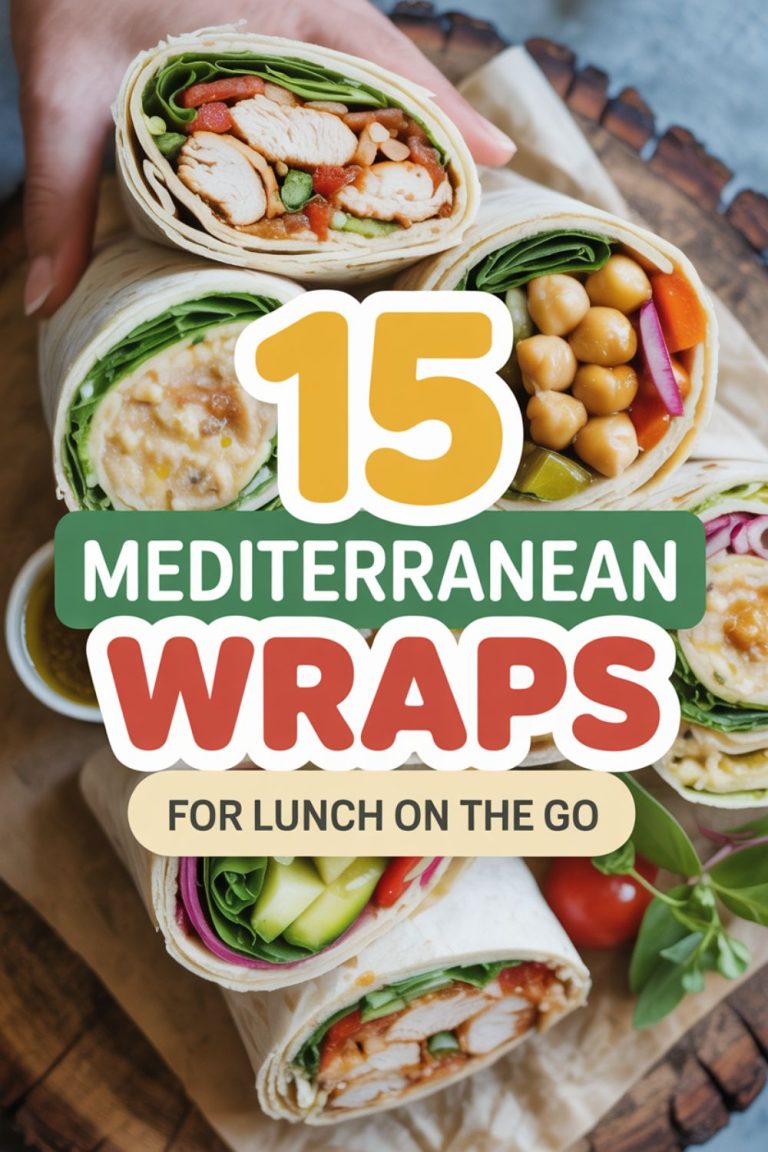
Marinate chicken breast strips in lemon juice, garlic, oregano, and olive oil, then grill or pan-sear until golden. Serve in large romaine or butter lettuce cups with a generous spoonful of homemade tzatziki, diced cucumber, and kalamata olives. This travels well in a container for lunch — just keep the tzatziki separate until you’re ready to eat. Make a double batch of tzatziki because you’ll put it on everything else for the rest of the week. More like this over at Mediterranean wraps and pitas that make healthy eating fun again. Get Full Recipe
9. Niçoise-Inspired Tuna Salad Bowl
High-quality canned tuna — ideally pole-caught, packed in olive oil — flaked over mixed greens with halved soft-boiled eggs, steamed green beans, cherry tomatoes, olives, and capers. Dressed with a simple Dijon-lemon vinaigrette. The protein content on this bowl is remarkable for how light it feels on the palate. IMO, it’s one of the more underrated Mediterranean lunches because people assume canned tuna can’t be impressive. It absolutely can, with the right tuna. Get Full Recipe
10. White Bean and Sundried Tomato Stuffed Peppers (No Cook)
Halve bell peppers and fill them with a mixture of white beans, chopped sundried tomatoes, fresh basil, a drizzle of olive oil, lemon zest, and black pepper. That’s genuinely it — no cooking required. The combination of fiber-rich beans, tangy tomatoes, and herbaceous basil is far more satisfying than its simplicity suggests. These hold up in the fridge for two days, making them excellent for meal prep. Get Full Recipe
Kitchen Tools and Resources That Make These Recipes Easier
You don’t need a professional kitchen to make these recipes work, but a few solid tools and resources make the whole process significantly smoother. Here’s what I actually use.
Perfect for shakshuka, searing chicken, and one-pan dinners. Holds heat evenly and looks presentable enough to serve directly from the stovetop.
If you’re washing your own greens — and you should be — a solid spinner makes the difference between soggy and crisp. This one is the most durable I’ve used by a wide margin.
Airtight glass containers that go from fridge to microwave without fuss. These stack cleanly and don’t absorb smells — a genuine quality-of-life upgrade for anyone cooking ahead.
A printable week-long meal plan with a full grocery list. Ideal if you prefer having everything mapped out rather than building a plan meal by meal.
A comprehensive guide to batch-cooking Mediterranean staples that work across multiple meals. Saves significant time mid-week.
Save recipes from any website, scale them automatically, and generate grocery lists. Worth every penny if you cook primarily from your phone.
Dinners That Taste Like You Spent All Afternoon on Them
Dinner is where most people either give up on light eating or find themselves eating something so cheerless they’ve mentally checked out before they’ve finished. These recipes solve both problems. They’re flavorful, properly filling, and every single one comes in under 400 calories per serving.
11. Baked Lemon Herb Salmon with Asparagus
Lay a salmon fillet on a sheet pan lined with a quality silicone baking mat — zero sticking, zero scrubbing, and you’ll wonder how you survived without one — surround it with asparagus spears, drizzle everything with olive oil, lemon juice, minced garlic, and dried herbs, then bake at 400°F for about 15 minutes. The omega-3 content in salmon also makes this a strong choice for anyone managing inflammation or just eating for long-term health. Get Full Recipe
12. Greek-Style Stuffed Zucchini Boats
Halve large zucchini lengthwise, scoop out the centers, and fill with a mixture of lean ground turkey (or lentils for a vegetarian version), diced tomatoes, garlic, fresh oregano, and a small amount of crumbled feta. Bake until the zucchini is tender and the filling is golden on top. The zucchini acts as an edible bowl that absorbs all the seasoning from the filling as it cooks — which makes a noticeable difference in how the whole dish tastes versus serving them separately. Get Full Recipe
13. One-Pan Chicken Thighs with Olives, Capers, and Tomatoes
Bone-in chicken thighs stay juicy and the rendered fat bastes the pan sauce naturally. Sear the chicken until the skin crisps, then nestle into a sauce of crushed tomatoes, kalamata olives, capers, garlic, and white wine. Finish in the oven until tender and the sauce has thickened. This tastes significantly better the next day, so make extra. For more variations, check out 17 Mediterranean chicken recipes for dinner tonight. Get Full Recipe
14. Spiced Lentil and Eggplant Stew
This stew converts people who insist they don’t like lentils. Roast eggplant cubes until deeply caramelized, then add to a pot with green lentils, crushed tomatoes, onion, garlic, cumin, coriander, and cinnamon. That hit of cinnamon is the move — it adds depth without making anything taste sweet. Finish with lemon and fresh cilantro. Worth noting that lentils pull ahead of chickpeas in fiber content per cooked cup while maintaining similar protein levels, which explains why this stew is so satisfying relative to its calorie count. Get Full Recipe
Snacks and Small Bites That Won’t Derail Your Day
Snacking on the Mediterranean diet is genuinely one of its best features. The options are naturally satisfying, easy to prep in advance, and don’t taste like diet food. These three round out the 17 and cover everything from mid-morning hunger to that mysterious 4pm slump.
15. Roasted Chickpeas with Smoked Paprika and Sea Salt
Drain, rinse, and thoroughly dry a can of chickpeas. Toss with olive oil, smoked paprika, garlic powder, cumin, and sea salt. Spread on a sheet pan and roast at 400°F for 25-30 minutes until deeply crispy. The crunch is extraordinary, and they hold for about three days in a loose container at room temperature. I use small stainless steel snack containers like these to pack them for work — they keep the crunch intact better than zip bags. Get Full Recipe
16. Beet Hummus with Cucumber Rounds and Pita Chips
Blend one cooked beet with a can of chickpeas, tahini, lemon juice, garlic, and a pinch of cumin. The result is a vibrant, deep magenta hummus that looks genuinely striking on a snack board or in a lunchbox. The earthiness of the beet plays beautifully against the sesame and lemon. Serve with cucumber rounds and a few whole grain pita chips on the side. The color alone makes this snack feel special. Get Full Recipe
17. Marinated Olives with Orange Zest and Fresh Rosemary
This is barely a recipe, and that’s exactly why it’s here. Combine mixed olives with extra virgin olive oil, strips of orange zest, a sprig of rosemary, a small dried chili, and a few peppercorns. Let them sit for at least 30 minutes — ideally overnight — and serve with whatever you like. The flavored oil that develops at the bottom of the bowl is worth dipping bread into directly. Consider this a fair warning. Get Full Recipe
Practical Tips for Keeping Mediterranean Meals Under 400 Calories
Almost any Mediterranean recipe can drift past 400 calories if you’re generous with olive oil or large with portions. Here’s how to keep things in check without losing the flavor that makes this way of eating worth sticking with.
- Measure olive oil by the teaspoon. One tablespoon of olive oil is about 120 calories. It’s healthy fat, but it adds up fast if you pour freely. A teaspoon is genuinely enough to sauté most aromatics.
- Build your plate on vegetables first. Start with greens or roasted vegetables and add protein and grains on top. This naturally controls portions without requiring any math.
- Go heavy on herbs and spices. Fresh parsley, oregano, cumin, and lemon juice add enormous flavor for essentially zero calories. They’re the backbone of what makes Mediterranean food taste the way it does.
- Choose legumes over pasta as your base. Chickpeas, lentils, and white beans are significantly more filling per calorie than refined pasta, and the fiber keeps you satisfied much longer.
- Use feta strategically. Two tablespoons of crumbled feta is about 50 calories and enough to flavor an entire bowl. You don’t need a full ounce to get that salty, creamy hit.
If you want to take this further with a structured framework, the 7-day anti-inflammation reset with simple meals is a well-designed starting point — genuinely manageable even for busy weeks.
Frequently Asked Questions
Can you actually lose weight eating Mediterranean diet meals under 400 calories?
Yes, and fairly sustainably at that. The Mediterranean diet naturally promotes satiety through high-fiber plant foods and lean proteins, which means you tend to eat less without feeling deprived. When you pair that with calorie-conscious portions, weight loss tends to follow. The key is consistency over time rather than aggressive restriction in the short term.
What are the best protein sources in Mediterranean cooking for staying under 400 calories?
Grilled fish and seafood, canned tuna packed in olive oil, chicken breast, Greek yogurt, eggs, and legumes like lentils and chickpeas are all excellent options. They provide substantial protein without the calorie load of red meat. Legumes have the added benefit of delivering both protein and fiber in the same ingredient, which is part of why Mediterranean meals stay filling at lower calorie counts.
Is olive oil okay to use if I’m trying to stay under 400 calories per meal?
Absolutely — just use it with intention. Extra virgin olive oil is a cornerstone of this eating pattern and brings genuine health benefits. The trick is measuring rather than free-pouring. A teaspoon per serving is usually plenty for cooking, and a half-tablespoon is enough to dress a salad properly.
Are Mediterranean diet recipes well-suited for meal prep?
They’re arguably the best style of food for meal prep. Dishes like lentil soup, grain bowls, roasted chickpeas, and stuffed peppers all hold well in the fridge for three to four days and often taste better the next day as the flavors develop. For a complete week of planning, the 7-day Mediterranean high-fiber meal prep plan lays out exactly how to structure a full week’s worth of cooking in one session.
What’s the nutritional difference between lentils and chickpeas, and which is better for weight loss?
Both are excellent, but they serve slightly different purposes. Lentils cook faster, have a slightly higher fiber content per cooked cup, and blend beautifully into soups and stews. Chickpeas hold their shape better, making them ideal for roasting, salads, and grain bowls. For weight loss, either works well — including a variety of legumes across the week gives you the best range of nutrients.
Related Recipes You’ll Love
Looking for more ideas? Here are some recipes and plans that pair perfectly with this collection or take things in a slightly different direction based on what you’re after.
The Bottom Line
Seventeen recipes, all under 400 calories, none of them boring. That’s the whole premise here — and I hope this list makes it obvious that eating light on the Mediterranean diet isn’t about white-knuckling your way through flavorless food. It’s about building meals around ingredients that are naturally rich in flavor, fiber, and nutrients, so that staying under a calorie target becomes a side effect rather than a daily battle.
Start with one or two recipes that genuinely appeal to you. Cook them a couple of times until they feel easy. Then expand from there. That’s how sustainable eating habits actually form — not through a dramatic overhaul, but through building a small collection of meals you genuinely like making and eating. The Mediterranean diet has decades of research behind it precisely because it doesn’t ask you to suffer. It just asks you to cook with good ingredients.
Pick your first recipe, grab the ingredients, and make it this week. Your future self, standing at the stove on a Thursday night with something that smells incredible, will be glad you did.