
25 Mediterranean Snack Box Ideas for Work or Travel
Look, I get it. You’re stuck at your desk around 3 PM, stomach growling, staring down a sad granola bar that’s been living in your drawer since who knows when. Or maybe you’re on a plane, watching everyone else demolish those overpriced airport sandwiches while you contemplate your snack choices. Here’s the thing though—snacking doesn’t have to be an afterthought or a compromise. Mediterranean-style snack boxes are where it’s at, and I’m about to show you exactly why.
The beauty of Mediterranean snacking is that it’s built on foods that actually satisfy you. We’re talking healthy fats from nuts and olives, protein that keeps you full, and enough flavor variety to make your taste buds actually happy. Plus, according to research from the American Heart Association, this style of eating can significantly reduce your risk of heart disease and help manage weight. Not too shabby for what amounts to strategic snacking, right?

Why Mediterranean Snack Boxes Actually Work
Let me level with you—I’ve tried basically every snack trend out there. The protein bar phase, the kale chip disaster, that brief moment where I thought rice cakes were acceptable food. What makes Mediterranean snack boxes different is they’re based on centuries of actual eating patterns, not marketing hype.
The Cleveland Clinic reports that Mediterranean-style eating supports healthy blood sugar levels, reduces inflammation, and provides tons of fiber and antioxidants. That’s not just good for your body—it means you’re not going to crash hard an hour after eating. Your energy stays steady, your brain keeps working, and you don’t end up hangry at your next meeting.
These snack boxes are also insanely portable. Unlike that yogurt that’s been leaking in your bag or the sandwich that’s seen better days, most Mediterranean snacks travel like champions. Nuts don’t need refrigeration. Hummus stays good in a small container. Olives are basically indestructible. You see where I’m going with this?
The Foundation: What Makes a Snack Box Mediterranean
Before we dive into specific combinations, let’s talk about what actually qualifies here. A Mediterranean snack box isn’t just throwing random ingredients together and calling it a day. There’s a method to this, and once you understand the building blocks, you can basically freestyle your own combinations.
The Core Components
Healthy Fats are your foundation. We’re talking extra virgin olive oil, nuts, seeds, and olives. These keep you satisfied and help your body absorb all those vitamins from the veggies you’re including. I keep a small bottle of really good olive oil in my desk drawer just for drizzling. Sounds extra, but it’s worth it.
Protein Sources include chickpeas, white beans, hard-boiled eggs, cheese (in moderation), and occasionally some quality canned fish. If you haven’t tried good Spanish tuna packed in olive oil, you’re missing out. It’s nothing like that sad can from college.
Fresh Vegetables bring the crunch and the nutrients. Cherry tomatoes, cucumber, bell peppers, radishes—anything that travels well and doesn’t turn into mush. I’ve learned the hard way that delicate greens don’t belong in travel snack boxes unless you enjoy eating salad soup.
Whole Grains might be whole grain crackers, pita chips you’ve baked yourself, or even some farro if you’re feeling fancy. The key is choosing things that aren’t going to spike your blood sugar and then leave you crashed out on your keyboard.
Looking for complete meal planning support? Check out this 7-Day Mediterranean Anti-Inflammation Meal Plan that includes breakfast, lunch, dinner, and yes—snack ideas too.
25 Mediterranean Snack Box Combinations That Actually Taste Good
The Classic Mezze Box
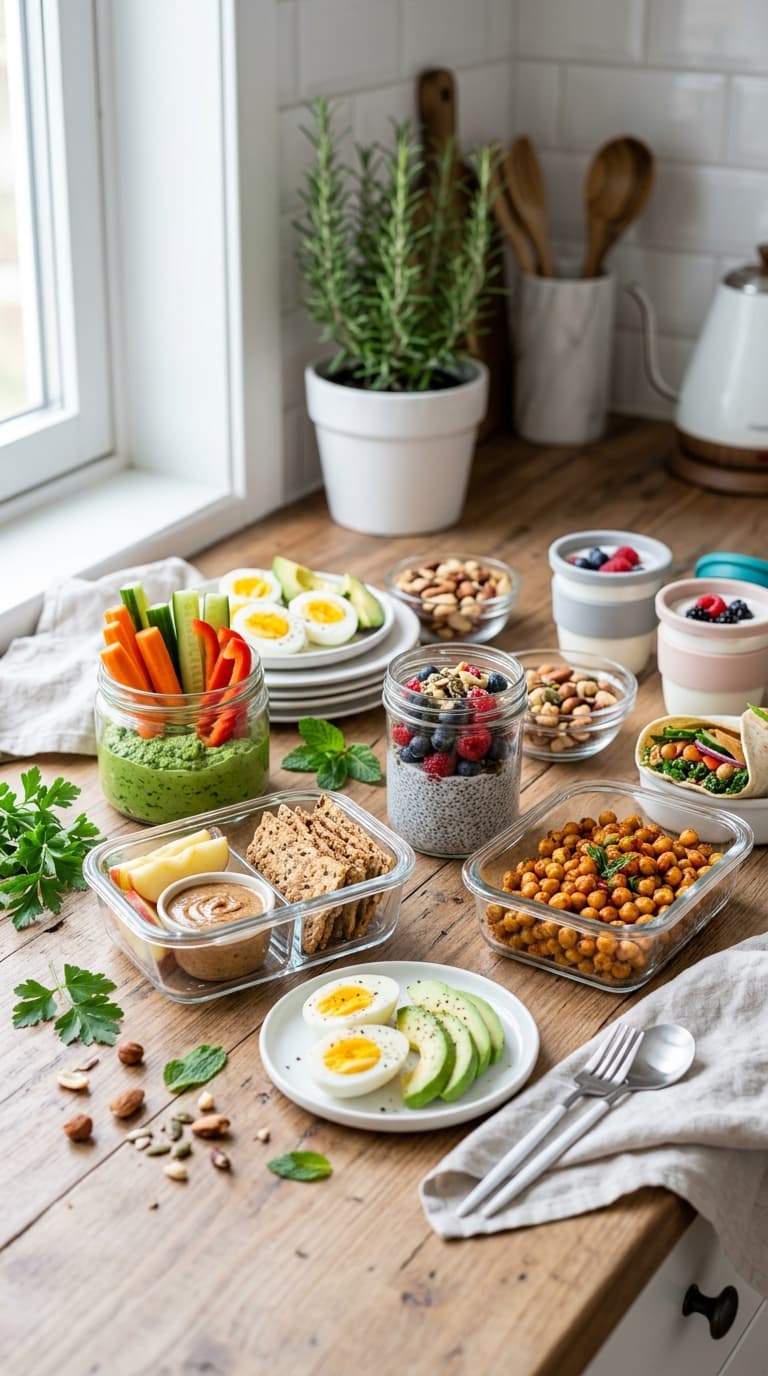
Start with the basics: hummus, cucumber slices, cherry tomatoes, Kalamata olives, and whole grain pita chips. This is your gateway Mediterranean snack box. It’s approachable, everything’s easy to find, and honestly, it never gets old. I make my hummus in a food processor on Sundays—takes five minutes and tastes infinitely better than store-bought.
The Protein Power Box
Hard-boiled eggs, roasted chickpeas (make your own in that countertop oven I can’t stop recommending), cherry tomatoes, cucumber, and a small container of tzatziki. This one’s my go-to before the gym or when I know lunch is going to be late. The protein keeps you steady, and the crunch factor is extremely satisfying.
The Mediterranean Trail Mix
Raw almonds, walnuts, dried figs, dark chocolate chips (70% cacao minimum—we’re not animals here), and a sprinkle of sea salt. Store it in small glass jars with tight lids and you’ve got grab-and-go snacks for days. FYI, this one’s also great for hiking or long drives when you need sustained energy.
The Olive Lover’s Box
Mixed olives (green, black, Kalamata—get weird with it), marinated artichoke hearts, sun-dried tomatoes, and some cubed feta. Throw in a few whole grain crackers and you’ve basically got a cocktail party in a box. This is my favorite for afternoon work snacking because it feels indulgent but won’t weigh you down.
The Veggie-Forward Box
Roasted red pepper strips, cucumber rounds, snap peas, cherry tomatoes, and red pepper hummus for dipping. Sometimes I add some marinated white beans for extra protein. This box is basically vegetable candy—the kind you actually want to eat, not the kind you force down because you think you should.
Speaking of veggie-packed meals, this 14-Day High-Fiber Mediterranean Plan shows you how to build entire meals around plant-based ingredients without feeling like you’re missing out.
The Fancy Cheese Plate
Small portions of good feta, aged manchego, and maybe some fresh mozzarella balls. Add grapes, walnuts, and whole grain crackers. This is your elevated snack box—the one you pack when you want to feel like a sophisticated human instead of someone eating sad desk food. I use a bento-style lunch box with separate compartments to keep everything from getting jumbled.
The Seafood Special
Quality canned sardines or tuna in olive oil, cucumber slices, lemon wedges, capers, and whole grain crackers. I know sardines aren’t for everyone, but hear me out—good sardines are nothing like the terrifying cans from your childhood. They’re packed with omega-3s and taste surprisingly good with a squeeze of lemon.
The Greek-Inspired Box
Cubed feta, cherry tomatoes, cucumber, red onion (if you’re brave), Kalamata olives, and a small container of olive oil and lemon dressing. Sometimes I throw in a few chickpeas for extra substance. This basically tastes like a deconstructed Greek salad, minus the sad lettuce that always gets soggy.
The Sweet and Savory Mix
Dried apricots, raw almonds, dark chocolate chunks, sea salt, and maybe a few pistachios if I’m feeling fancy. The combination of sweet dried fruit with salty nuts and bitter chocolate hits all the right notes. This one’s dangerous though—portion control is key unless you want to demolish the whole batch in one sitting.
The Hummus Variety Pack
Instead of one hummus, bring three small containers—classic, roasted red pepper, and something wild like beet or cilantro-jalapeño. Add carrots, celery, bell pepper strips, and cucumber for dipping. I make these in my mini food processor and it makes me feel like I run a tiny hummus empire from my kitchen.
If you’re looking for more ways to incorporate anti-inflammatory foods into your routine, check out this 30-Day Anti-Inflammation Challenge that includes tons of snack strategies.
The Breakfast Box
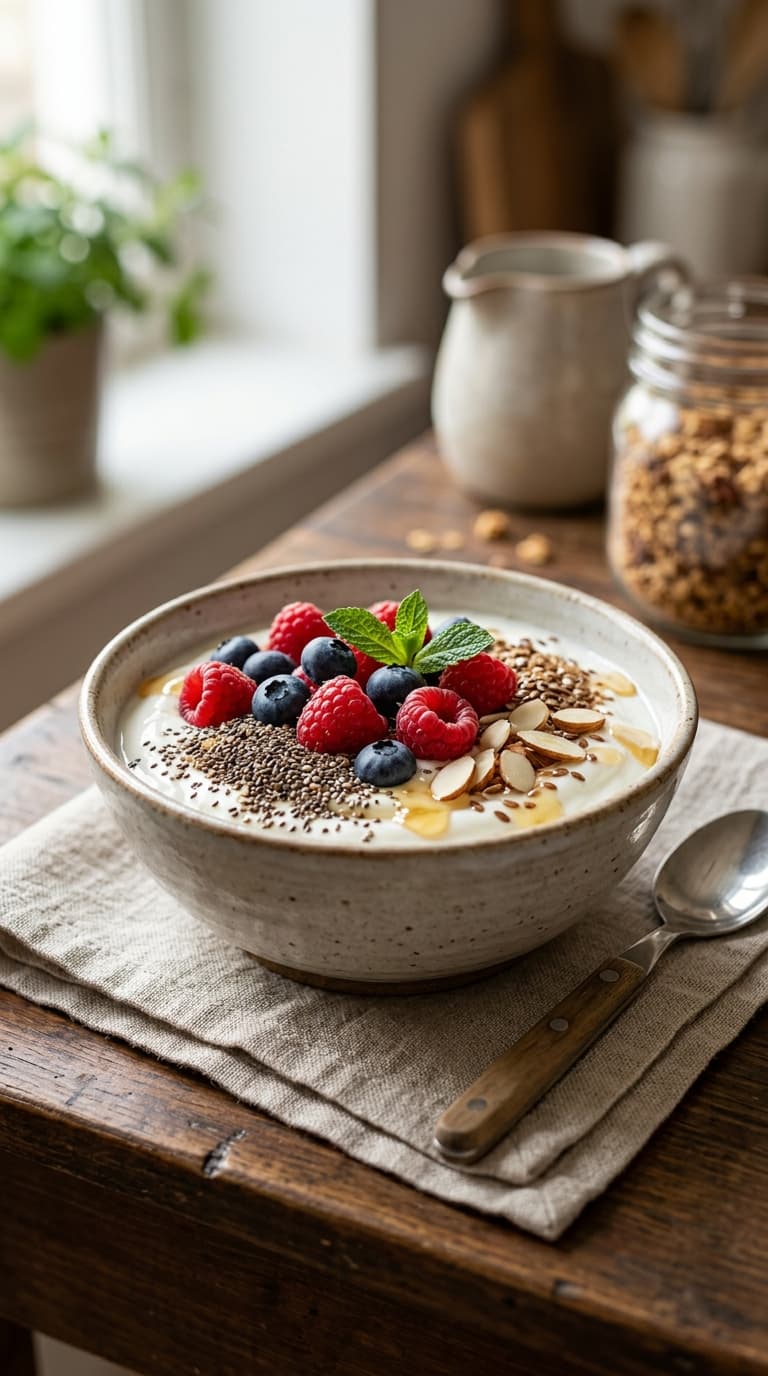
Greek yogurt, honey, walnuts, fresh berries, and a sprinkle of cinnamon. Technically this could be breakfast, but who’s making rules about when you can eat yogurt? The protein from the yogurt keeps you full, and the natural sweetness from honey and berries means you’re not reaching for candy later.
The Grain Bowl Snack
Cold cooked farro or quinoa, cherry tomatoes, cucumber, feta, and a lemon-olive oil dressing. This is basically a mini grain bowl that you can eat with a fork straight from your leak-proof container. It’s substantial enough to count as a light meal if needed.
The Dip Trio
Hummus, baba ganoush, and tzatziki with an assortment of veggies and pita chips. Three dips might sound excessive, but variety is the spice of life, and also, why should you have to choose? I portion these into tiny containers and feel very prepared and adult.
The Nut and Seed Box
Raw almonds, walnuts, pumpkin seeds, sunflower seeds, and maybe some hemp hearts if you’re into that. Toss with olive oil, za’atar, and sea salt, then lightly toast. This is crunchy, satisfying, and packed with healthy fats that keep your brain working through that afternoon slump.
The Caprese Variation
Fresh mozzarella balls, cherry tomatoes, fresh basil leaves, and a small container of balsamic glaze for drizzling. Sometimes simple is best. This tastes like summer, travels well, and makes you feel like you’re eating something special even though it takes about three minutes to assemble.
The Stuffed Pepper Box
Mini bell peppers filled with herbed goat cheese or feta mixed with herbs. Add some cucumber on the side and maybe a few olives. The peppers serve as edible containers, which means less cleanup and more eating. I use a piping bag to stuff them quickly, or you can just use a spoon if you’re less fancy.
The Bean Salad Box
Chickpeas, white beans, cherry tomatoes, red onion, parsley, lemon juice, and olive oil. Mix it all together and pack it cold. This is one of those snacks that somehow tastes better the next day after everything’s marinated together. Protein, fiber, flavor—it checks all the boxes.
For more high-protein Mediterranean options, you’ll love this 14-Day High-Protein Anti-Inflammatory Plan that focuses on keeping you full and energized.
The Antipasto Situation
Salami or prosciutto (small portions), marinated artichokes, roasted red peppers, olives, and fresh mozzarella. This is your fancy Italian deli counter in portable form. Not the lightest option, but when you need something more substantial, it hits the spot without leaving you in a food coma.
The Fruit and Nut Box
Fresh figs or sliced pears, walnuts, a small piece of aged cheese, and honey for drizzling. This straddles the line between sweet and savory in the best way. It’s sophisticated enough for a mid-afternoon pick-me-up but interesting enough that you won’t get bored.
The Tapenade Box
Olive tapenade, sun-dried tomato spread, cucumber rounds, and whole grain crackers. I make tapenade in bigger batches and it keeps for weeks in the fridge. Having it on hand means you can throw together an impressive snack box in about two minutes flat.
The Roasted Veggie Box
Roasted zucchini, eggplant, and red peppers (make a big batch on Sunday), hummus, and pita chips. Room temperature roasted vegetables are weirdly good. Don’t knock it until you try it. I roast mine on silicone baking mats so cleanup is basically nonexistent.
The Feta and Watermelon Box
Cubed watermelon, crumbled feta, fresh mint, and a drizzle of balsamic. This is peak summer snacking, but honestly, I make it year-round because watermelon is always available and the combination is too good to restrict to three months. Sweet, salty, refreshing—it’s basically perfect.
The Spiced Nut Mix
Almonds and cashews tossed with olive oil, cumin, paprika, and a touch of cayenne, then roasted until fragrant. Pack with dried apricots and maybe some dark chocolate. The spices make these nuts way more interesting than your standard trail mix, and the flavor complexity means you eat slower and feel more satisfied.
The Protein-Packed Chickpea Box
Roasted chickpeas (seriously, make these—so easy and so good), cucumber, cherry tomatoes, and tahini for drizzling. Roasted chickpeas are crunchy like chips but actually have nutritional value. I season mine with different spice blends each week so I don’t get bored.
If gut health is on your radar, this 7-Day Gut-Healing Mediterranean Menu includes tons of fiber-rich snacks that support digestive health.
The Everything Box
When you can’t decide, throw in a little bit of everything: hummus, olives, feta, cucumber, tomatoes, nuts, and crackers. Sometimes you need variety, and that’s totally fine. This is your greatest hits compilation, and there’s no shame in wanting all the flavors at once.
Making It Work in Real Life
Here’s the reality check: meal prep sounds great in theory until you’re staring at your kitchen on Sunday afternoon wondering why you committed to this. The trick is not to overcomplicate things. You don’t need fancy containers or a color-coded system (though if that’s your thing, more power to you).
I keep it simple. Glass containers with good seals, that’s it. I prep the stuff that takes time—roasting chickpeas, making hummus, chopping vegetables—and leave the assembly for the morning. It takes maybe five minutes to throw together a snack box when everything’s already prepped. Much better than the alternative of desperately searching for something edible at 3 PM.
Research from the National Institutes of Health shows that Mediterranean dietary patterns help regulate blood sugar and reduce inflammation. That means these snack boxes aren’t just convenient—they’re actually supporting your health in measurable ways.
Snack Box Essentials That Make Life Easier
After making approximately a million snack boxes, here’s what I actually use and recommend:
Physical Products
The divided sections keep everything from turning into one sad mixed pile. Look for ones that are actually leakproof—trust me, discovering hummus in your laptop bag is not the vibe.
Perfect size for making hummus, tapenade, or pesto without committing to feeding an army. Plus it cleans up in about thirty seconds, which is basically the dream.
For roasting chickpeas, vegetables, or nuts. The silicone mat means nothing sticks and cleanup is actually manageable. I own three of these and use them constantly.
Digital Resources
Takes the guesswork out of planning. Includes shopping lists, prep timelines, and a bunch of mix-and-match snack combinations so you don’t have to reinvent the wheel every week.
Super helpful for understanding which ingredients to prioritize. It’s basically a quick reference guide for building snacks that actually support your health goals instead of working against them.
Because eyeballing portions is how you end up eating half a container of olives and wondering where your afternoon went. This shows exactly how much of each ingredient makes a balanced, satisfying snack.
Common Mistakes (That I’ve Definitely Made)
Let’s talk about what doesn’t work, because learning from my failures might save you some time. First mistake: making everything too complicated. Those Pinterest-perfect bento boxes with seventeen tiny compartments and color-coordinated ingredients? They’re beautiful, but they’re also why you give up after week one. Keep it simple.
Second mistake: not enough protein or healthy fat. A box of just vegetables and crackers is going to leave you hungry in an hour. You need the staying power that comes from nuts, cheese, eggs, or beans. Otherwise you’re just setting yourself up to raid the vending machine later.
Third mistake: prepping too far in advance. Some things keep well, others don’t. Hummus is fine for four or five days. Cut cucumbers start getting sad after about three. Hard-boiled eggs last about a week. Plan accordingly, or you’ll end up throwing away food and feeling wasteful.
Fourth mistake: forgetting about texture variety. All soft foods is boring. All crunchy foods is exhausting. You want a mix—something creamy to dip, something crunchy to bite, something fresh to cleanse your palate. Balance matters more than you’d think.
The Budget Reality
Let’s be honest—eating healthy can get expensive if you’re not careful. But Mediterranean snacking doesn’t have to break the bank. Buy nuts in bulk. Make your own hummus instead of buying those tiny overpriced containers. Use whatever vegetables are on sale that week instead of insisting on specific ingredients.
Canned chickpeas and beans are dirt cheap and incredibly versatile. A block of feta lasts for weeks and a little goes a long way. Olive oil seems expensive upfront but you use such small amounts that it’s actually economical. IMO, it’s way cheaper than buying packaged snacks every day or hitting up the coffee shop for a muffin and a latte every afternoon.
For budget-conscious meal planning, check out this 14-Day High-Fiber Budget Meal Plan that shows you how to eat well without spending a fortune.
Customizing for Dietary Needs
The beautiful thing about these snack boxes is how adaptable they are. Vegan? Skip the cheese and eggs, load up on hummus and beans. Dairy-free? Use tahini-based dips instead of yogurt-based ones. Low-carb? Go heavy on the nuts, olives, and vegetables, skip the crackers and grains.
If you’re dealing with specific health concerns, the principles stay the same—you just adjust the ingredients. More protein for blood sugar management. Extra fiber for digestive health. More omega-3s for inflammation. The Mediterranean framework is flexible enough to work with basically any dietary approach.
For a plant-based approach, this 7-Day Mediterranean Vegan Anti-Inflammation Plan has tons of ideas for dairy-free, egg-free snacking that’s still totally satisfying.
Travel-Specific Tips
Flying somewhere? These snack boxes are TSA-friendly as long as you follow the liquid rules. Hummus counts as a liquid (annoying, but true), so keep containers under 3.4 ounces or pack them in checked luggage. Nuts, dried fruit, olives (drained), vegetables, and crackers are all totally fine for carry-on.
Road trips are even easier. Pack a small cooler with ice packs and you can basically bring anything. I keep a stash of napkins and wet wipes in my car because eating snack boxes while driving can get messy, but it beats stopping for fast food every two hours.
For work, invest in an insulated lunch bag if your office fridge situation is sketchy. Most Mediterranean snacks are fine at room temperature for a few hours, but if you’re including cheese or yogurt, keeping things cool matters. Nobody wants to deal with questionable dairy at 2 PM.
Keeping Things Interesting
The biggest challenge with any eating pattern is boredom. You can only eat the same hummus and veggie combo so many times before you start eyeing the office donuts. The solution is rotating your ingredients and trying new combinations.
This week, focus on roasted vegetables. Next week, make it all about different bean salads. The week after, experiment with various nuts and seeds. You’re still following the same principles, but the flavors change enough that it doesn’t feel repetitive.
Seasonality helps too. Summer gets you fresh tomatoes, peppers, and cucumbers at their peak. Fall brings figs and pomegranates. Winter is perfect for citrus and hardy greens. Spring has all the fresh herbs. Working with what’s actually in season means better flavor and usually better prices.
For more variety in your weekly rotation, check out this 14-Day Mediterranean Family Meal Plan that includes kid-friendly snack ideas that adults will actually want to eat too.
The Social Aspect
Here’s something nobody talks about: eating different food from everyone else can feel weird. Your coworkers are eating chips and cookies, you’re pulling out a container of olives and feta. It gets comments. Some are genuinely curious, some are weirdly defensive about their own food choices, some just want to steal your olives.
My approach? Don’t make it a thing. If people ask, I just say I like how these snacks make me feel—more energy, better focus, no afternoon crash. Most people relate to that. And honestly, once they see you’re not suffering or being preachy about it, the novelty wears off and everyone moves on with their lives.
Plus, bringing interesting snacks is a great conversation starter. I’ve had multiple work friendships develop over discussions about where to find good tahini or the best way to prepare chickpeas. Food brings people together, even when you’re not eating the same things.
Frequently Asked Questions
How long do these snack boxes stay fresh?
Most components keep well for 3-5 days in the fridge. Hard-boiled eggs last about a week, hummus stays good for 4-5 days, and cut vegetables usually make it 3-4 days before getting sad. Assemble boxes the night before or morning of for best results, though many ingredients can be prepped in advance and combined when needed.
Can I make these snack boxes if I’m trying to lose weight?
Absolutely. Mediterranean snacks emphasize protein, fiber, and healthy fats that actually keep you satisfied, which means you’re less likely to overeat later. Just watch your portions on calorie-dense items like nuts and cheese—a little goes a long way. According to Johns Hopkins Medicine, Mediterranean-style eating combined with mindful portions supports healthy weight management.
What if I don’t like olives?
No problem—olives aren’t mandatory. Replace them with other sources of healthy fats like avocado, nuts, or seeds. The Mediterranean diet is a framework, not a rigid set of rules. If olives aren’t your thing, focus on the elements you do enjoy and build from there.
Are these snack boxes kid-friendly?
Many kids actually love these combinations, especially if you let them help assemble their own boxes. Start with familiar items like cheese, crackers, and cherry tomatoes, then gradually introduce new ingredients. Hummus is often a gateway food—most kids who say they hate vegetables will dip them in hummus all day long.
How much should I budget for weekly snack box ingredients?
Depending on what you’re buying and where you shop, expect to spend about $15-25 per week for one person’s daily snack boxes. Buying nuts and seeds in bulk, making your own hummus, and choosing seasonal vegetables keeps costs down. It’s usually cheaper than buying packaged snacks or eating out every afternoon.
Final Thoughts
Look, I’m not going to sit here and tell you that Mediterranean snack boxes will change your life or solve all your problems. They won’t. What they will do is make the 3 PM slump more manageable, keep your energy steady, and give you something genuinely tasty to look forward to instead of another disappointing granola bar.
The key is finding what works for your schedule, your taste preferences, and your budget. Maybe you’re all in on the hummus varieties. Maybe you’re more of a nuts-and-dried-fruit person. Maybe you want the fancy cheese situation on Fridays and keep it simple the rest of the week. That’s all totally valid.
Start with one or two combinations that sound good to you. Prep them on Sunday or whenever you have time. See how you feel. Adjust as needed. The Mediterranean approach to eating isn’t about perfection—it’s about finding a sustainable way to eat that actually makes you feel good. And if that comes in a portable container you can take to work or on a plane, all the better.
Just remember: future you is going to be grateful when that afternoon hunger hits and you’ve got something delicious and nutritious already ready to go. That’s the real win here—being prepared in a way that doesn’t feel like punishment or deprivation. It’s just good food that happens to be good for you too.