
20 Diabetic-Friendly Mediterranean Recipes (Low Sugar + Low Carb)
Look, I get it. Managing diabetes while trying to enjoy your food feels like walking a tightrope sometimes. You want flavor, variety, and dishes that don’t taste like cardboard—but you also need to keep those blood sugar levels in check.
Here’s the good news: Mediterranean cuisine is basically a love letter to diabetic-friendly eating. We’re talking vibrant vegetables, lean proteins, healthy fats, and herbs that pack serious flavor without loading up on sugar or refined carbs. No sad, tasteless meals here.
I’ve pulled together 20 Mediterranean recipes that hit that sweet spot—low in sugar, lower in carbs, and honestly delicious. Whether you’re meal prepping for the week or just looking for dinner inspo that won’t spike your glucose, these recipes have your back.

Why Mediterranean Food Works for Diabetes Management
The Mediterranean diet isn’t some trendy fad—it’s been around forever for a reason. This eating style naturally emphasizes whole foods, healthy fats from olive oil and nuts, and lean proteins like fish and chicken. You’re getting fiber from vegetables and legumes without the blood sugar rollercoaster from processed carbs.
What makes these recipes particularly diabetic-friendly? They’re built around low-glycemic vegetables, use herbs and spices instead of sugar for flavor, and swap out refined grains for nutrient-dense alternatives. According to research from Mayo Clinic, this type of eating pattern can significantly improve blood sugar control and reduce cardiovascular risk in people with type 2 diabetes.
Plus, unlike restrictive diets that leave you feeling deprived, Mediterranean cuisine celebrates food. You’re not just eating to manage a condition—you’re enjoying meals that happen to be incredibly good for you.
The Power Ingredients in These Recipes
Let me break down some of the MVPs you’ll see throughout these recipes. Extra virgin olive oil is our go-to fat—it’s loaded with antioxidants and has been shown to improve insulin sensitivity. We’re using it liberally, but smartly.
Leafy greens and non-starchy vegetables form the foundation. Think spinach, kale, zucchini, eggplant, bell peppers, and cauliflower. These are your best friends when managing blood sugar because they’re high in fiber but won’t spike glucose levels.
Lean proteins like fish, chicken, and Greek yogurt help stabilize blood sugar and keep you full longer. Fatty fish like salmon and sardines bring omega-3s into the mix, which supports heart health—crucial when you’re dealing with diabetes.
Herbs and spices do the heavy lifting for flavor. Fresh basil, oregano, rosemary, garlic, and lemon zest make everything taste amazing without adding a single carb. Cinnamon, in particular, has been studied for its potential blood sugar-lowering effects.
We’re also strategically using small amounts of nuts and seeds—almonds, walnuts, and pine nuts add crunch and healthy fats. Just watch portions since they’re calorie-dense. And when we do include grains, we’re talking quinoa, bulgur, or cauliflower rice—higher in fiber and lower on the glycemic index.
Almond Flour vs. Coconut Flour
You’ll notice some recipes call for almond flour instead of regular wheat flour. Almond flour has about 3 grams of net carbs per quarter cup compared to 23 grams in all-purpose flour. It’s also higher in protein and healthy fats, making it a solid swap for diabetic cooking.
Coconut flour is another option, though it absorbs way more liquid—you typically need only a third of the amount you’d use with regular flour. Both work great, but almond flour tends to give you better texture in Mediterranean-style dishes. I keep a bag of blanched almond flour in my pantry at all times—it’s clutch for everything from meatballs to crusts.
Looking to dive deeper into structured eating? Try this 7-day Mediterranean anti-inflammation meal plan that combines blood sugar management with reducing inflammation.
Breakfast Recipes That Won’t Spike Your Blood Sugar
1. Greek Yogurt Power Bowl with Berries and Walnuts
This isn’t your average sugary parfait. We’re using full-fat Greek yogurt (higher protein, lower carbs than regular yogurt), topping it with a small handful of antioxidant-rich berries, crushed walnuts, and a sprinkle of cinnamon. The combination of protein and fat slows down sugar absorption, keeping your glucose steady through the morning.
I use plain Greek yogurt from a good brand—none of that flavored stuff loaded with hidden sugars. Top it right before eating so the walnuts stay crunchy. Get Full Recipe
2. Mediterranean Veggie Frittata
Eggs are diabetic gold—high protein, virtually no carbs, and incredibly versatile. This frittata packs in spinach, tomatoes, red onion, and feta cheese. You can make it in a cast iron skillet and slice it into wedges for the week.
The beauty here is meal prep. Make one on Sunday, portion it out, and you’ve got breakfast sorted. Reheat a slice in the microwave or eat it cold—either way works. Get Full Recipe
3. Almond Flour Pancakes with Lemon Ricotta
Yes, you can have pancakes. These use almond flour and eggs as the base, with a touch of vanilla extract. The lemon ricotta topping (made with part-skim ricotta, lemon zest, and a tiny drizzle of honey) feels indulgent but keeps carbs in check.
I cook these on a good non-stick griddle to avoid adding extra fat. They’re fluffier than you’d think and hold together beautifully. Get Full Recipe
For more morning inspiration built around blood sugar control, check out this 7-day Mediterranean high-fiber breakfast plan that takes the guesswork out of your first meal.
Lunch Ideas That Keep You Satisfied
4. Cucumber and Tomato Salad with Chickpeas
This is basically a deconstructed Greek salad with added protein from chickpeas. Cucumbers, cherry tomatoes, red onion, Kalamata olives, and a simple olive oil and red wine vinegar dressing. The chickpeas add fiber and keep you full without weighing you down.
I prep the vegetables in advance and store them in glass meal prep containers, then dress right before eating to keep everything crisp. Get Full Recipe
5. Grilled Chicken Souvlaki with Tzatziki
Marinated chicken skewers seasoned with lemon, garlic, oregano, and olive oil. Pair them with homemade tzatziki (Greek yogurt, cucumber, garlic, dill) and serve over a bed of mixed greens instead of pita bread to keep carbs low.
The marinade does all the work here—just let it sit for a few hours or overnight. I use metal skewers since they’re reusable and heat evenly. Get Full Recipe
6. Mediterranean Cauliflower Rice Bowl
Cauliflower rice is the ultimate low-carb swap. Sauté it with garlic and olive oil, then top with grilled vegetables (zucchini, bell peppers, eggplant), crumbled feta, and a handful of fresh herbs. Drizzle with tahini sauce for extra richness.
You can buy pre-riced cauliflower to save time, but I prefer making my own in a food processor—the texture is better and it’s way cheaper. Get Full Recipe
When life gets hectic, having a structured plan helps. This 7-day anti-inflammation plan for busy women includes diabetes-friendly Mediterranean meals designed for tight schedules.
Dinner Recipes Worth Craving
7. Baked Lemon Herb Salmon
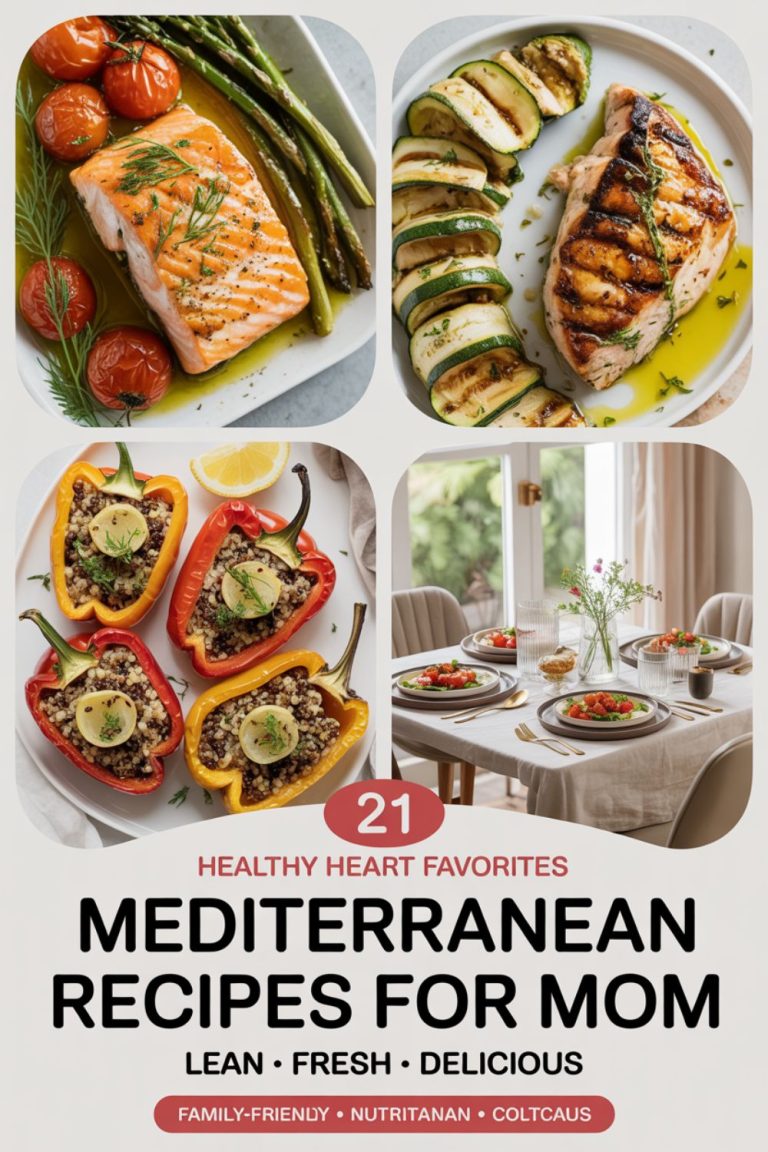
Salmon is a superstar for diabetes management—loaded with omega-3 fatty acids and protein. This recipe keeps it simple: fresh salmon fillets brushed with olive oil, topped with lemon slices, fresh dill, and garlic. Bake at 400°F for about 15 minutes.
I line my baking sheet with parchment paper for easy cleanup. Serve alongside roasted asparagus or a simple arugula salad. Get Full Recipe
8. Greek-Style Stuffed Bell Peppers
Bell peppers stuffed with a mixture of ground turkey, diced tomatoes, spinach, garlic, oregano, and a small amount of quinoa. Top with a sprinkle of feta and bake until the peppers are tender. These are hearty, satisfying, and surprisingly low in carbs.
Red and yellow bell peppers tend to be slightly sweeter than green, but all work fine. I prep these in advance and freeze a few for those nights when cooking feels impossible. Get Full Recipe
9. Mediterranean Baked Cod with Tomatoes and Olives
This one-pan wonder features cod fillets nestled in a mixture of cherry tomatoes, Kalamata olives, capers, garlic, and fresh basil. Everything bakes together, creating a flavorful sauce that’s perfect over zucchini noodles.
Cod is mild and flaky, making it approachable even if you’re not typically a fish person. The olives and capers bring serious briny flavor without any added sugar. Get Full Recipe
10. Chicken and Vegetable Kebabs
Thread chunks of chicken breast, zucchini, red onion, and bell peppers onto skewers. Brush with a marinade of olive oil, lemon juice, garlic, and paprika. Grill or broil until the chicken is cooked through and slightly charred.
These are perfect for summer grilling or year-round under the broiler. Kids love them too, which is a bonus if you’re feeding a family. Get Full Recipe
11. Eggplant and Chickpea Stew
A hearty, plant-based option that’s packed with fiber. Diced eggplant, chickpeas, tomatoes, onions, and garlic simmer together with cumin, coriander, and a touch of cinnamon. Serve over a small portion of bulgur or just eat it as a stew.
Eggplant soaks up all the spices and becomes melt-in-your-mouth tender. This recipe makes great leftovers—the flavors actually improve overnight. Get Full Recipe
If you’re looking for complete meal structures that take care of the planning, this 14-day Mediterranean weight loss plan includes dinners similar to these with exact portions and shopping lists.
Snacks and Small Plates
12. Roasted Red Pepper Hummus with Veggie Sticks
Traditional hummus gets a flavor boost from roasted red peppers. Serve with cucumber slices, celery sticks, and bell pepper strips. Chickpeas provide plant-based protein and fiber, helping to stabilize blood sugar between meals.
I make big batches in my food processor and store it in the fridge for up to a week. Way better than store-bought versions that often contain added oils and preservatives. Get Full Recipe
13. Marinated Olives with Herbs
This is barely a recipe, but it’s such a satisfying snack. Toss mixed olives with olive oil, lemon zest, crushed red pepper flakes, and fresh rosemary. Let them marinate for at least an hour. The healthy fats keep you full, and there are virtually no carbs.
Store these in a glass jar with a tight lid. They last for weeks in the fridge and make a great addition to cheese boards or antipasto platters. Get Full Recipe
14. Almond-Crusted Feta Bites
Cubes of feta cheese coated in crushed almonds and briefly baked until the coating is golden. These are rich, salty, and ridiculously addictive. Serve with a side of fresh tomatoes or cucumber for balance.
The key is using block feta, not the crumbled kind. You want pieces that hold their shape. Get Full Recipe
Kitchen Tools That Make These Recipes Easier
High-Quality Food Processor – For cauliflower rice, hummus, and almond flour. I’ve burned through cheap ones—worth investing in something that’ll last.
Cast Iron Skillet Set – Perfect for frittatas, sautéing vegetables, and achieving that restaurant-quality sear on proteins. Season it well and it becomes naturally non-stick.
Glass Meal Prep Containers (BPA-free) – I swear by glass over plastic. They don’t stain, they’re microwave-safe, and you can see what’s inside without opening them.
Mediterranean Recipe eBook Collection – A comprehensive digital cookbook with 100+ diabetic-friendly Mediterranean recipes, complete with nutritional breakdowns and carb counts.
Blood Sugar Tracking App Subscription – Helps you log meals and see patterns in how different foods affect your glucose levels. Game-changer for fine-tuning your diet.
Meal Planning Template Pack – Downloadable PDFs and spreadsheets specifically designed for diabetic meal planning with grocery lists and portion guides.
Soups and Lighter Fare
15. Lemon Chicken Orzo Soup (Avgolemono – Modified)
The traditional Greek soup gets a low-carb makeover. Instead of orzo pasta, we’re using riced cauliflower. Chicken broth, shredded chicken breast, egg-lemon mixture for that signature tangy creaminess. It’s comforting without being heavy.
The technique of tempering eggs with hot broth might seem fussy, but it’s what gives the soup its silky texture. Worth the extra step. Get Full Recipe
16. Mediterranean White Bean Soup
White beans, tomatoes, kale, garlic, and vegetable broth come together in this fiber-rich soup. A splash of lemon juice at the end brightens everything up. Beans have a moderate glycemic index, so pair this with a protein-rich main if you’re eating it as a starter.
I like making a big pot on Sunday and eating it throughout the week. According to Harvard Medical School’s glycemic index data, white beans rank fairly low and provide sustained energy without dramatic blood sugar spikes. Get Full Recipe
17. Spiced Lentil and Vegetable Soup
Red lentils cook quickly and break down into a creamy texture. This soup combines them with diced carrots, celery, spinach, cumin, and turmeric. It’s warming, filling, and loaded with plant-based protein and fiber.
Lentils are a great option for diabetics—they’re high in resistant starch, which helps regulate blood sugar. Just watch your portion sizes since they do contain carbs. Get Full Recipe
For those wanting a complete soup-based reset, this 7-day anti-inflammation reset with simple meals features several Mediterranean soups that work beautifully for diabetes management.
Vegetable-Forward Sides
18. Roasted Garlic and Herb Zucchini
Sliced zucchini tossed with olive oil, minced garlic, fresh thyme, and a squeeze of lemon. Roast at 425°F until the edges caramelize. Simple, quick, and pairs with literally any protein.
Zucchini has about 3 grams of carbs per cup, making it one of the most diabetes-friendly vegetables out there. Plus, it’s available year-round. Get Full Recipe
19. Braised Green Beans with Tomatoes
This Greek-style preparation involves simmering green beans with tomatoes, onions, and olive oil until everything becomes tender and the flavors meld together. It’s often served at room temperature, making it great for meal prep.
The long cooking time might seem weird if you’re used to crisp-tender green beans, but trust the process. They become incredibly flavorful and almost melt on your tongue. Get Full Recipe
20. Cauliflower Mash with Garlic and Herbs
Mashed cauliflower seasoned with roasted garlic, Greek yogurt, and fresh chives. It’s the low-carb answer to mashed potatoes—creamy, comforting, and satisfying. One cup of mashed cauliflower has about 5 grams of carbs compared to 35 grams in mashed potatoes.
The secret is getting the cauliflower as dry as possible after cooking. I drain it well and even press it with paper towels before mashing. Get Full Recipe
If you want to explore plant-based Mediterranean eating with diabetes management in mind, this 7-day Mediterranean vegan anti-inflammation plan offers creative vegetable-forward meals that keep blood sugar stable.
Making These Recipes Work for Your Life
The biggest mistake people make when trying to eat healthier is treating it like an all-or-nothing situation. You don’t need to make all 20 of these recipes next week. Start with two or three that sound good to you, see how your body responds, and build from there.
Meal prep is your friend here. Pick one day—doesn’t have to be Sunday, whatever works for your schedule—and spend a couple hours prepping components. Roast vegetables, cook proteins, portion out snacks. You’re basically giving yourself a head start on the week.
I keep a running list of what worked and what didn’t. Maybe the lentil soup was too thick, or the frittata needed more seasoning. Those notes help you dial in recipes to match your preferences. Don’t be afraid to adjust—these aren’t rigid formulas.
Balancing Carbs Throughout the Day
Even though these recipes are low-carb, you still need to pay attention to timing and distribution. Spreading carbs evenly across meals helps prevent spikes. If you have chickpeas at lunch, maybe skip the lentils at dinner and go heavier on vegetables and protein instead.
Everyone’s different, though. Some people do better with slightly more carbs at breakfast, others prefer saving them for dinner. Use a glucose monitor to see how different meals affect your personal blood sugar response—it’s the most accurate way to figure out what works for your body.
For a more structured approach to balancing macros, check out this 14-day Mediterranean high-protein anti-inflammatory plan that carefully balances protein, fats, and carbs throughout each day.
Smart Substitutions to Know
If a recipe calls for honey and you want to reduce sugar even further, try a tiny bit of stevia or monk fruit sweetener instead. I’m not a huge fan of artificial sweeteners in savory dishes, but they can work in some contexts.
Greek yogurt can replace sour cream in pretty much any recipe. It’s higher in protein and lower in fat, plus it has that tangy flavor that works perfectly in Mediterranean cooking.
Zucchini noodles (zoodles) are great, but they release a lot of water. Salt them first, let them sit for 10 minutes, then squeeze out the moisture before cooking. Otherwise, you end up with a watery mess. I use a spiralizer for making them, though you can also buy them pre-made.
Need more comprehensive guidance? This 14-day high-fiber Mediterranean plan for beginners walks you through everything step-by-step with shopping lists and prep instructions.
Common Mistakes to Avoid
Don’t overdo the olive oil. Yes, it’s healthy. Yes, it’s a cornerstone of Mediterranean cooking. But it’s still 120 calories per tablespoon. Measure it out instead of free-pouring—you’d be surprised how much you’re actually using.
Not seasoning enough is another trap. Diabetic-friendly doesn’t mean bland. Fresh herbs, garlic, lemon, and spices are your best friends. The more flavor you pack in, the less you’ll miss sugar and refined carbs.
Skipping vegetables is a missed opportunity. They should be the star of your plate, not an afterthought. Aim to fill half your plate with non-starchy vegetables at every meal—it’s the easiest way to increase fiber and nutrients while keeping carbs low.
And please, don’t fall into the trap of thinking “diabetic-friendly” means you can eat unlimited quantities. Portion control still matters, especially with nuts, cheese, and even healthy fats. Everything in moderation.
Frequently Asked Questions
Can I eat Mediterranean food every day if I have diabetes?
How many carbs should I aim for per meal?
Are these recipes suitable for Type 1 and Type 2 diabetes?
Can I meal prep these recipes in advance?
Will eating this way help me lose weight?
Your Next Steps
Managing diabetes doesn’t mean sacrificing flavor or variety in your meals. These 20 Mediterranean recipes prove you can eat delicious, satisfying food while keeping blood sugar in check. The key is choosing nutrient-dense ingredients, watching portions, and paying attention to how your body responds.
Start with a couple recipes that appeal to you most. Maybe it’s the baked salmon for dinner this week, or prepping that Greek veggie frittata for easy breakfasts. Build from there. Track your blood sugar, notice patterns, and adjust as needed. You’re not following a rigid diet—you’re developing a sustainable way of eating that actually works for your life.
And remember, this isn’t about perfection. Some meals will work better than others. Some days you’ll nail your meal prep, other days you’ll scramble for something quick. That’s normal. What matters is having tools in your toolkit—recipes you can rely on when you need them.
Your health is worth the effort. These recipes are just a starting point. Use them, adapt them, make them your own.