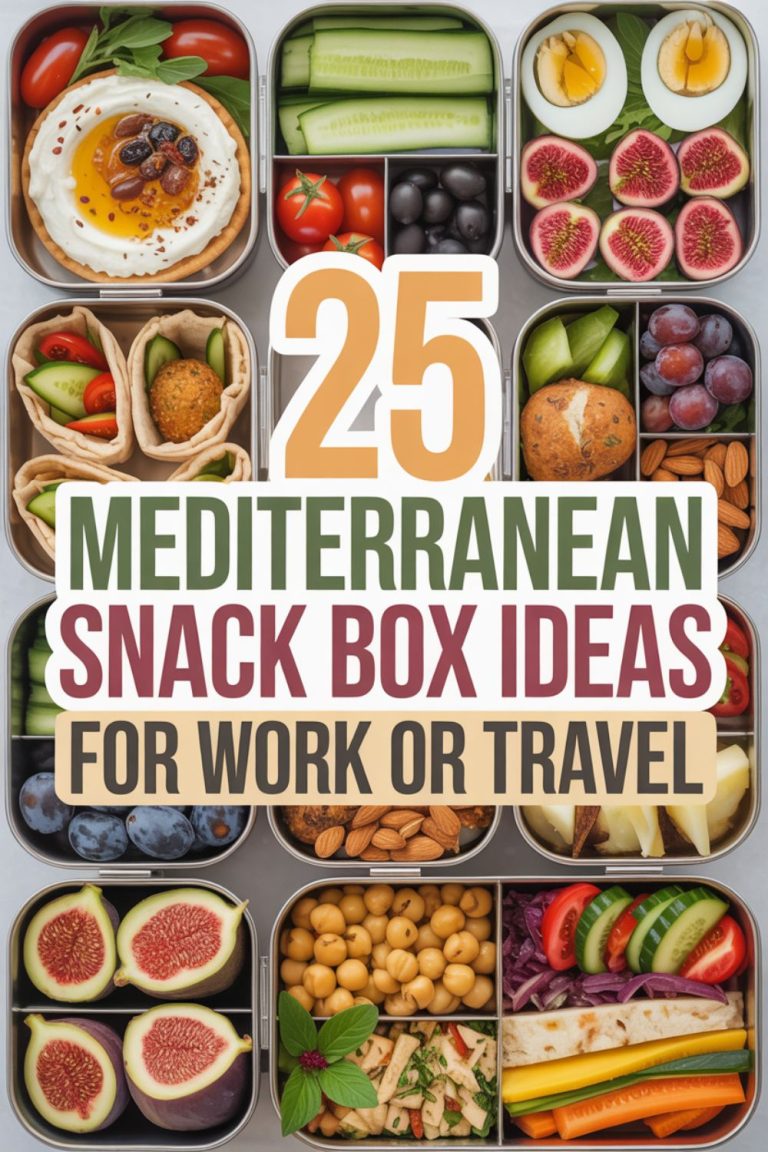

12 Mediterranean Wraps and Pitas That Make Healthy Eating Fun Again
Listen, I get it. You’re tired of salads. You’re exhausted from Pinterest-perfect grain bowls that somehow taste like cardboard with ambition. You want something that actually tastes good, doesn’t require a culinary degree to assemble, and won’t leave you ransacking the pantry two hours later because you’re still hungry.
Here’s the thing about Mediterranean wraps and pitas – they’re the answer you’ve been looking for. They’re portable, they’re packed with flavor, and honestly? They don’t taste like you’re punishing yourself for that weekend pizza binge. These aren’t your sad desk lunch wraps. We’re talking about the kind of food that makes you actually look forward to lunchtime.
The Mediterranean diet has been praised by researchers for its anti-inflammatory properties and cardiovascular benefits, and wraps happen to be one of the most practical ways to embrace this eating style. No complicated recipes, no weird ingredients you’ll use once and forget about – just real food that happens to be ridiculously good for you.
I’ve spent way too many lunch breaks experimenting with different combinations, and I’m sharing the ones that actually work. The ones that keep you full, taste amazing, and don’t require you to dirty every dish in your kitchen. Because life’s too short for boring lunches.
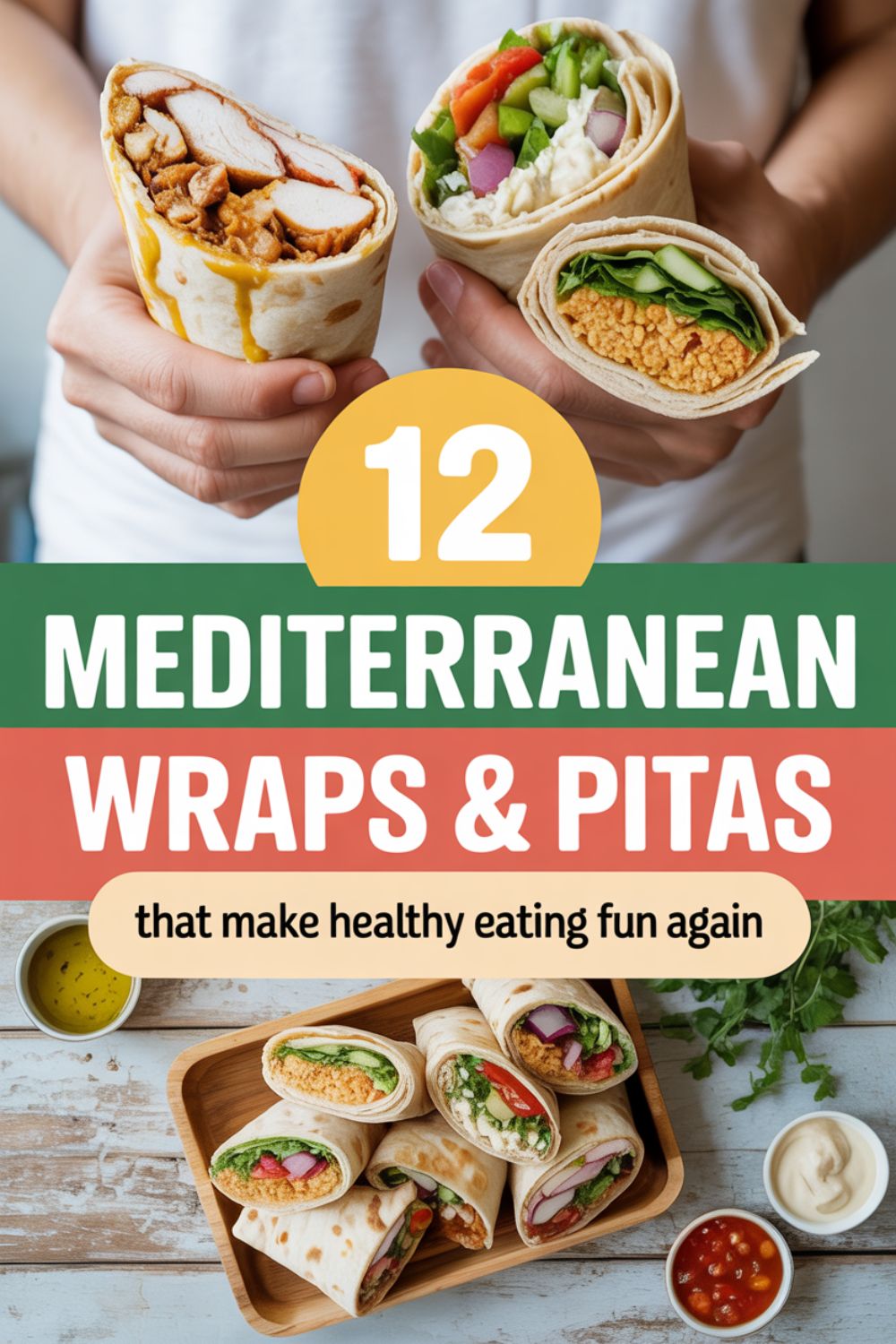
Why Wraps and Pitas Are Actually Genius for Mediterranean Eating
Before we dive into the recipes, let’s talk about why this format works so well. Mediterranean cuisine is all about variety – lots of vegetables, legumes, whole grains, and healthy fats. But let’s be real, eating all of that in separate piles on a plate gets boring fast.
Wraps and pitas solve this problem beautifully. They’re basically edible containers that let you combine all those nutritious ingredients into something you can eat with your hands. No fork juggling required. You get your whole grains from the bread, your protein from chickpeas or fish, your healthy fats from olive oil or tahini, and your vegetables all in one convenient package.
Plus, whole wheat pita bread provides around 5 grams of fiber per serving, which is about 16% of your daily fiber needs. That’s not nothing. FYI, fiber is what keeps you full and your digestion happy – two things that matter when you’re trying to eat better without feeling miserable.
Pro Tip: Keep your pita pockets slightly warm before stuffing them. They’re more flexible and less likely to tear when you’re cramming in all those delicious fillings. I use this mini toaster oven to warm them perfectly in about 30 seconds.
The Classic Hummus and Veggie Wrap
Let’s start with the foundation – the wrap that got me hooked on Mediterranean lunches in the first place. This is your base recipe, the one you can make in your sleep after a long day when cooking feels impossible.
Spread a generous layer of hummus on your wrap or inside your pita. I’m talking really generous here – none of that sad, thin smear. Then pile on sliced cucumbers, tomatoes, red onion, and whatever leafy greens you have lying around. Add some kalamata olives if you’re feeling fancy, drizzle with olive oil and lemon juice, and you’re done.
The beauty of this wrap is that it’s nearly impossible to mess up. The hummus provides protein and creaminess, the vegetables give you crunch and freshness, and the whole wheat wrap or pita offers those important complex carbs that actually sustain you. It’s the kind of lunch that doesn’t make you want to nap at your desk afterward.
I prep all my vegetables on Sunday afternoons using this mandoline slicer because uniform slices just hit different. Everything stays crisp in containers for days, which means weekday lunch assembly takes about three minutes flat.
Making It Work for Meal Prep
Here’s where people usually mess up – they assemble everything ahead and wonder why their wrap is soggy by Tuesday. Don’t do that. Keep your components separate in these glass meal prep containers and assemble right before eating. The hummus goes in one small container, the veggies in another, and the wraps stay in their package until you need them.
For more structured meal planning that incorporates these Mediterranean principles, check out the 7-day Mediterranean anti-inflammation meal plan which includes detailed prep schedules and shopping lists. If you’re specifically looking to increase your fiber intake alongside these Mediterranean meals, the 14-day high-fiber Mediterranean plan offers great complementary recipes.
The Greek-Inspired Chicken Pita
This one requires slightly more effort than throwing raw vegetables together, but it’s worth it. We’re talking marinated chicken that actually tastes like something, not that bland, under-seasoned protein that makes you question your life choices.
Marinate chicken breast in olive oil, lemon juice, garlic, oregano, and a bit of salt. Let it sit for at least 30 minutes if you’re impatient, or overnight if you’re a planner. Grill or pan-fry until cooked through, then slice it up. Stuff it into a pita with lettuce, tomatoes, red onion, and tzatziki sauce. Get Full Recipe.
The tzatziki is non-negotiable here. It’s what takes this from “yeah, it’s fine” to “why am I not eating this every day?” You can buy it pre-made, but honestly, making it yourself takes about five minutes and tastes infinitely better. Greek yogurt, grated cucumber (squeeze out the water first), garlic, lemon juice, dill. Done.
The Protein Question Everyone Asks
People always ask me if these wraps have enough protein. Short answer: yes, if you’re not skimping on the chicken. A proper serving of chicken breast is about 3-4 ounces, which gives you roughly 25-30 grams of protein. Add the Greek yogurt in your tzatziki and you’re easily hitting 30+ grams per wrap.
If you’re serious about hitting protein targets while keeping the Mediterranean approach, the 14-day Mediterranean high-protein anti-inflammatory plan shows you exactly how to structure your meals for optimal protein distribution throughout the day.
Quick Win: Batch cook your chicken on Sunday. Season four breasts at once, throw them in the oven at 400°F for 25 minutes, and you’ve got protein sorted for the week. Store them whole in the fridge and slice as needed to prevent them from drying out.
The Falafel Situation (Because We Need to Talk About It)
Falafel gets a lot of hype, and for good reason. These crispy chickpea fritters are protein-packed, flavor-loaded, and vegetarian-friendly. But here’s the controversial take: making them from scratch is kind of a pain unless you’re really into standing over hot oil.
I’m not saying don’t make them homemade if that’s your thing. I’m saying that good quality frozen falafel exists, and life is short. Pop them in the oven, get them crispy, and stuff them into a pita with tahini sauce, shredded lettuce, tomatoes, pickled turnips if you can find them, and a sprinkle of sumac.
The tahini sauce is where the magic happens. Mix tahini with water until it reaches a pourable consistency (it’ll seize up at first, keep adding water and whisking), then add lemon juice, minced garlic, and salt. It should taste bright and nutty and a little bit addictive. Get Full Recipe.
Speaking of vegetarian Mediterranean options that keep you satisfied, you might want to explore the 7-day Mediterranean vegan anti-inflammation plan which features creative plant-based proteins beyond the typical chickpea rotation. For more falafel-forward meals and similar ideas, the collection of 20 Mediterranean wraps and pita ideas offers plenty of inspiration.
The Tuna and White Bean Power Wrap
This is my go-to when I need something filling but don’t want to turn on the stove. It’s basically a deconstructed Mediterranean tuna salad, and it’s ridiculously satisfying for how simple it is.
Drain a can of tuna (I prefer the olive oil-packed kind for this) and a can of white beans. Mash them together roughly with a fork – you want some texture, not baby food. Add diced red onion, chopped parsley, lemon juice, a glug of olive oil, salt, and pepper. Mix it up and pile it into your wrap with some arugula or spinach for bite.
The white beans are doing heavy lifting here. They add creaminess, fiber, and extra protein without any effort. Plus, they make the tuna go further, which is nice when you’re trying to stretch your grocery budget. One can of tuna plus one can of beans easily makes two generous wraps.
I keep this manual can opener in my desk drawer at work because nothing ruins a lunch break faster than realizing you can’t open your tuna can. It’s weirdly satisfying to use and works better than the electric ones that always seem to quit halfway through.
Why Canned Fish Doesn’t Deserve the Hate
Let’s address the elephant in the room – some people are weird about canned fish. But Mediterranean diets traditionally include a lot of preserved fish because, historically, not everyone lived near the coast with access to fresh seafood daily. Canned sardines, anchovies, and tuna were staples.
Modern canned fish, especially if you spring for the good stuff, is perfectly nutritious. It’s high in omega-3 fatty acids, which research has linked to reduced inflammation and better heart health. If you’re exploring more Mediterranean fish options beyond tuna, the 21 Mediterranean fish and seafood recipes collection includes both fresh and preserved fish preparations.
The Roasted Vegetable and Goat Cheese Wrap
This one requires the oven, but it’s worth the effort when you want something that feels a bit more special. Roasting transforms vegetables from “yeah, I guess I should eat these” to “wait, why is this so good?”
Chop up whatever vegetables you have – zucchini, bell peppers, eggplant, red onion. Toss them with olive oil, salt, pepper, and some dried oregano. Spread them on a rimmed baking sheet (single layer, don’t crowd them or they’ll steam instead of roast) and blast them at 425°F for about 25-30 minutes until they’re caramelized and slightly charred.
Let them cool slightly, then wrap them up with crumbled goat cheese, fresh basil, and a drizzle of balsamic glaze. The goat cheese gets all melty from the warm vegetables, and the whole thing is ridiculously indulgent for what’s essentially just roasted vegetables. Get Full Recipe.
The balsamic glaze is optional but recommended. You can buy it pre-made or make your own by simmering balsamic vinegar until it reduces and thickens. It adds that sweet-tangy punch that makes everything taste restaurant-quality.
Tools That Actually Make Mediterranean Cooking Easier
Look, I’m not one for unnecessary kitchen gadgets, but these are the things I actually use when making these wraps. No fluff, just what works.
Cast Iron Grill Pan
Perfect for getting those beautiful char marks on vegetables and chicken. It distributes heat evenly and lasts forever. Mine’s ten years old and still going strong.
Microplane Zester
For zesting lemons and grating garlic directly into marinades. Small tool, big impact on flavor. Makes your life easier and your food taste better.
Glass Storage Containers
Keep your prepped ingredients fresh and organized. These don’t stain or hold odors like plastic, and they’re actually dishwasher-safe without warping.
Mediterranean Meal Prep Guide (Digital)
Comprehensive PDF with shopping lists, batch cooking schedules, and storage tips specifically for Mediterranean ingredients. Takes the guesswork out of prep.
Printable Wrap Assembly Charts
Visual guides showing exactly how much of each ingredient to use. Laminate it and stick it on your fridge. No more questioning proportions.
Mediterranean Pantry Essentials Checklist
Downloadable checklist of must-have ingredients to keep stocked. Organized by category and includes shelf life notes. Makes grocery shopping painless.
The Spicy Harissa Chicken Wrap
If you’re tired of the same old flavors, harissa is your new best friend. It’s a North African chili paste that’s technically not Mediterranean, but it shows up in Mediterranean cuisine enough that we’re claiming it.
Mix harissa paste with olive oil and yogurt to make a marinade that’s spicy but not face-melting. Coat your chicken, let it hang out for a bit, then cook it however you prefer. The yogurt in the marinade helps tenderize the meat while the harissa brings the heat and depth.
Stuff the cooked chicken into a wrap with some cooling cucumber, tomatoes, and a yogurt-based sauce to balance the spice. Add some fresh mint if you have it – it cuts through the richness and makes everything taste fresher. Trust me on this one.
The harissa intensity varies wildly by brand, so start with less than you think you need and add more if you want. I learned this the hard way when I used this harissa paste for the first time and nearly burned my taste buds off. It’s excellent harissa, just respect it.
The Egg and Vegetable Breakfast Pita
Who says wraps and pitas are only for lunch? This breakfast version is what I make when I’m sick of my usual breakfast rotation but still want something quick.
Scramble some eggs with olive oil instead of butter. Add whatever vegetables you have – spinach, tomatoes, peppers, mushrooms. Season with salt, pepper, and some za’atar if you’re feeling adventurous. Stuff it into a warm pita with crumbled feta cheese.
The za’atar is one of those ingredients that sounds intimidating but isn’t. It’s a Middle Eastern spice blend that’s earthy, slightly tangy, and works on basically everything. You can find it at most grocery stores now, or just skip it if you can’t be bothered. The wrap will still be good.
This breakfast pita keeps me full way longer than cereal or toast ever did. The combination of protein from eggs, carbs from the pita, and fats from olive oil and feta actually sustains you until lunch. Novel concept, I know.
If you’re looking for more Mediterranean breakfast ideas beyond this pita, the 7-day Mediterranean high-fiber breakfast plan offers variety while keeping prep time minimal. The 21 Mediterranean breakfast bowls collection also provides alternatives when you want to switch up the format.
Pro Tip: Crack your eggs into a bowl first and whisk them with a fork before cooking. It sounds obvious, but this extra 10 seconds makes your scrambled eggs fluffier and more evenly cooked. Game changer for breakfast pitas.
The Lamb and Mint Pita (When You’re Feeling Fancy)
Ground lamb isn’t something most people cook regularly, which is exactly why this wrap feels special. It’s rich, flavorful, and makes you feel like you’re eating at a nice Mediterranean restaurant instead of standing in your kitchen.
Brown ground lamb in a pan with onions, garlic, cumin, coriander, and cinnamon. Yes, cinnamon. It’s traditional in Middle Eastern cooking and adds a subtle warmth without making it taste like dessert. Add some tomato paste and let everything get nice and caramelized.
Serve it in a pita with diced tomatoes, cucumbers, red onion, and lots of fresh mint. The mint is crucial – it brightens everything up and cuts through the richness of the lamb. Add a dollop of Greek yogurt mixed with lemon juice for extra credit.
Ground lamb costs more than ground beef, but it’s worth the splurge occasionally. The flavor is completely different – more complex and less, well, boring. If you can’t find it or just prefer beef, you can substitute, but the flavor profile shifts slightly.
The Mediterranean Shrimp Wrap
Shrimp cooks fast, which makes this wrap perfect for those nights when you got home late but still want something better than takeout. We’re talking 10 minutes from raw shrimp to eating.
Sauté shrimp in olive oil with garlic, lemon zest, and a pinch of red pepper flakes. Cook them just until they turn pink – overcooked shrimp are rubbery and sad. Toss them with some cherry tomatoes, kalamata olives, and crumbled feta. Get Full Recipe.
Pile everything into your wrap with some arugula and drizzle with the garlicky oil left in the pan. The warm shrimp slightly wilts the arugula, and the feta gets a bit melty. It’s one of those wraps that tastes way more complicated than it actually is.
Frozen shrimp work fine for this if you thaw them properly (cold water bath for 15 minutes, never the microwave). I keep a bag in the freezer for exactly these situations. This colander bowl set makes thawing and draining shrimp ridiculously easy without making a watery mess all over your counter.
The Seafood Sustainability Thing
Quick note on shrimp – sustainability varies wildly depending on where and how they’re caught or farmed. Look for labels like “wild-caught” from the US or “responsibly farmed.” It costs a bit more, but Mediterranean eating is supposed to be about respecting food sources, not just following recipes.
For those interested in expanding their Mediterranean seafood repertoire beyond wraps, definitely explore the Mediterranean fish and seafood collection. It covers everything from grilled whole fish to seafood pasta, giving you more ways to incorporate these healthy proteins.
The Grilled Halloumi and Vegetable Wrap
Halloumi is that squeaky cheese that you can actually grill without it melting into a puddle. If you haven’t tried it, you’re missing out on one of life’s simple pleasures. It gets crispy on the outside while staying soft inside, and it’s basically impossible to mess up.
Slice your halloumi into thick slabs and grill or pan-fry until golden brown. At the same time, grill some vegetables – zucchini, eggplant, bell peppers work great. Layer everything in a wrap with some fresh greens and a lemon-herb dressing.
The key to great halloumi is high heat and not moving it around too much. Let it sit and develop that golden crust before flipping. Resist the urge to poke at it every five seconds. Patience is rewarded with maximum crispiness.
This wrap is vegetarian but doesn’t leave you feeling like something’s missing. The halloumi provides that satisfying protein and richness that vegetables alone can’t quite achieve. It’s filling enough to be a proper meal, not just a sad collection of grilled vegetables pretending to be lunch.
The Leftover Magic Wrap
Here’s the truth: the best wraps often come from throwing together whatever’s lurking in your fridge. Leftover grilled chicken? In the wrap. That half container of roasted vegetables? Wrap it up. Random herbs that are about to go bad? Yes, use them.
The Mediterranean diet isn’t rigid, and neither should your wraps be. As long as you’re starting with whole grain bread, adding vegetables, including some protein, and using olive oil-based dressings, you’re pretty much on track. Don’t stress about following recipes exactly.
Some of my best wraps have been complete improvisations. Leftover salmon with cucumbers and dill yogurt sauce? Excellent. Chickpeas mashed with feta and sundried tomatoes? Surprisingly good. The end of a container of tabbouleh with some grilled zucchini? Better than it sounds.
The point is to stop treating healthy eating like it requires perfect execution every time. Use what you have, make it taste good, and move on with your life. The Mediterranean approach is supposed to be sustainable and enjoyable, not another source of stress.
When you want more structure with your leftovers, the 14-day Mediterranean family meal plan specifically includes leftover transformation strategies. It shows you how to intentionally cook extra portions that become new meals later in the week.
The Quick Assembly Tips Nobody Tells You
After making hundreds of these wraps, I’ve figured out what works and what leads to structural failure. Here’s what actually matters:
Don’t overload. I know you want to fit everything in there, but wraps have limits. An overstuffed wrap falls apart and becomes a utensil-required situation, which defeats the whole portable lunch concept. Less is actually more here.
Layer strategically. Put your sauces and spreads directly on the bread to create a moisture barrier. Then add your proteins and harder vegetables. Save leafy greens for last – they act as another barrier between the wet stuff and your hands.
Temperature matters. Warm wraps are more pliable and less likely to tear. I give mine 10 seconds in the microwave wrapped in a damp paper towel. Cold pitas crack when you try to fold them, and nobody needs that frustration.
The fold technique is crucial. Fold the bottom up first, then the sides in, then roll from the bottom up. If you’re using a pita pocket, don’t slice it all the way open – leave one side connected so it doesn’t split when you stuff it.
These aren’t revolutionary tips, but they’re the difference between a satisfying lunch and ingredients falling into your lap. Small details matter when you’re eating with your hands.
What About Store-Bought vs Homemade Breads?
Real talk: making your own pita bread from scratch is fun exactly once, and then you realize you can buy perfectly good whole wheat pitas at the store. Unless you’re genuinely into bread-making as a hobby, don’t feel guilty about buying them.
What does matter is reading labels. Look for whole wheat or whole grain as the first ingredient. Check the fiber content – aim for at least 3-4 grams per serving. Avoid breads with a novel-length ingredient list full of things you can’t pronounce.
Some store brands are honestly great. Others taste like slightly flavored cardboard. Buy a few different kinds and figure out which ones you actually like. Life’s too short to eat wraps made with bread that tastes like disappointment.
I keep both wraps and pitas on hand because they’re slightly different. Wraps are better for cold fillings and things you’re eating on the go. Pitas are perfect for warm fillings and when you want that pocket structure. Having both options prevents boredom.
Common Questions About Mediterranean Wraps and Pitas
Can I make these wraps ahead for the week?
Yes and no. You can prep all your ingredients ahead – cook proteins, chop vegetables, make sauces – and store them separately. But don’t assemble the wraps more than 24 hours in advance or they’ll get soggy and sad. The exception is wraps with drier ingredients like falafel or grilled chicken, which can sometimes handle being assembled the night before if wrapped tightly in foil.
Are these wraps actually filling enough for a meal?
Absolutely, if you’re building them correctly. A proper Mediterranean wrap should have a whole grain base (complex carbs), protein (chicken, fish, chickpeas, eggs, or cheese), healthy fats (olive oil, tahini, or avocado), and plenty of vegetables (fiber). This combination keeps you satisfied for hours. If you’re consistently hungry after eating these, you’re probably not including enough protein or fat.
What’s the best way to keep pitas from getting soggy?
Two strategies work: First, create a moisture barrier by spreading hummus, yogurt sauce, or olive oil directly on the bread before adding wetter ingredients. Second, pack wet ingredients separately and add them right before eating. Also, make sure cooked ingredients have cooled completely before wrapping – steam creates condensation that leads to sogginess.
Can I freeze these for later?
Freezing assembled wraps rarely works well because vegetables get mushy when thawed. However, you can absolutely freeze cooked proteins like grilled chicken, falafel, or seasoned beans. Thaw them overnight in the fridge, reheat, and assemble fresh wraps as needed. This gives you the convenience of prep without sacrificing texture.
What if I can’t find some of these Mediterranean ingredients?
Don’t stress about perfect authenticity. The Mediterranean diet principles – whole grains, vegetables, lean proteins, healthy fats – matter more than specific ingredients. Can’t find za’atar? Use Italian seasoning. No halloumi? Try pan-fried paneer or thick-cut mozzarella. No kalamata olives? Any olives work, or just skip them. The goal is eating well, not culinary perfection.
The Bottom Line on Mediterranean Wraps
Here’s what I’ve learned after making these wraps part of my regular lunch rotation: healthy eating doesn’t have to be complicated or boring. You don’t need expensive ingredients, fancy equipment, or hours in the kitchen. You just need decent bread, fresh vegetables, some protein, and the willingness to experiment a little.
Mediterranean wraps and pitas work because they’re practical. They travel well, they’re endlessly customizable, and they actually taste good enough that you’ll want to eat them regularly. That’s the whole point – sustainable eating that doesn’t feel like punishment.
The Mediterranean approach to food has been associated with numerous health benefits including reduced inflammation, better heart health, and improved metabolic markers. But more importantly for your daily life, it’s an eating pattern that actually feels sustainable. You’re not counting calories or cutting out entire food groups. You’re just eating real food that happens to be nutritious.
Start with one or two of these wraps that sound good to you. Get comfortable with those, then branch out. Figure out which combinations you actually like and which ones you’re making because they sound healthy on paper. Trust your preferences. Food that you enjoy eating is food you’ll actually continue eating, which is the whole point of trying to eat better in the first place.
So grab some pitas, raid your fridge for vegetables, and stop overthinking it. Your lunch break deserves better than another sad salad or questionable leftover container. Make yourself a proper wrap, actually enjoy eating it, and get on with your day. That’s the Mediterranean way – simple, satisfying, and sustainable. No guilt, no stress, just good food.