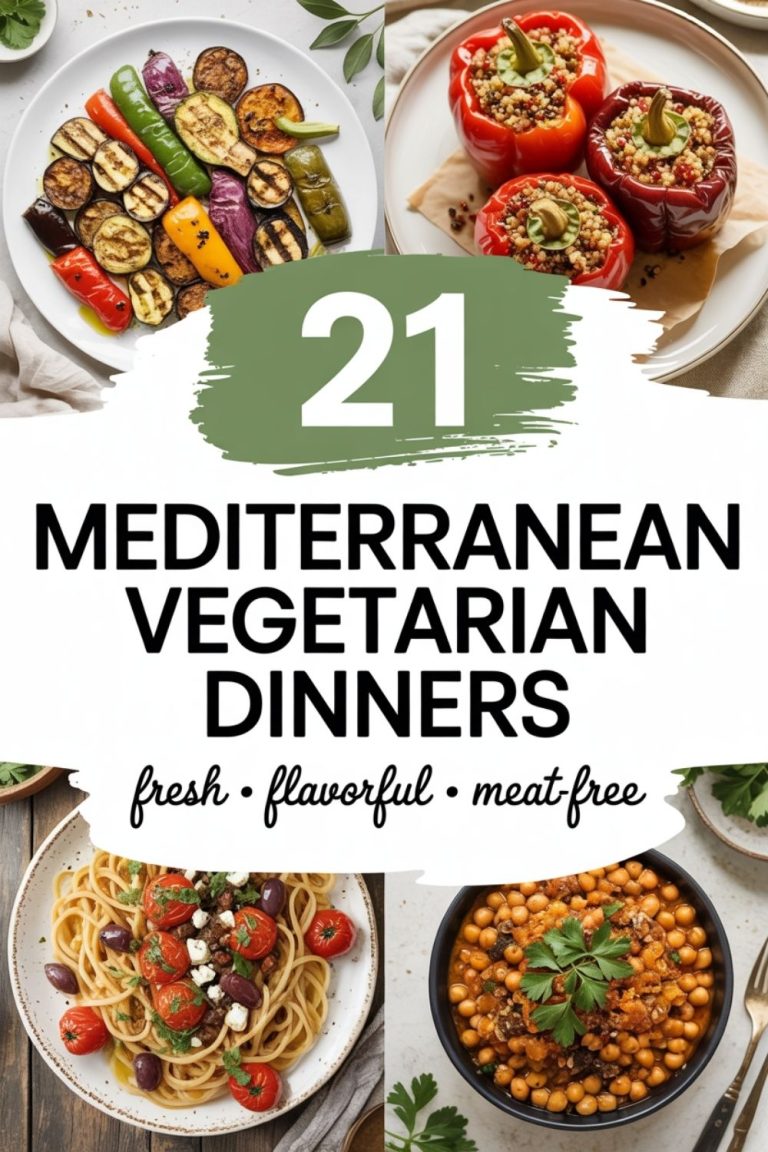

23 Anti-Inflammatory Dinners Under 400 Calories
Delicious, healing, and genuinely filling — without making your kitchen feel like a clinical trial.
Let’s be real: most “healthy dinner” lists are either rabbit food masquerading as a meal or dishes so complicated you need a culinary degree and a Tuesday free. Neither helps when you’re trying to eat in a way that actually calms inflammation, tastes good, and doesn’t leave you raiding the pantry an hour later.
This list is different. These 23 anti-inflammatory dinners clock in under 400 calories each, lean heavily on Mediterranean principles, and work for real weeknights — not some idealized version of your life where you meal-prep every Sunday and never have email after 5 p.m. Every recipe here relies on ingredients that research consistently links to lower inflammation markers: think fatty fish loaded with omega-3s, legumes, leafy greens, extra-virgin olive oil, and bold spices like turmeric and cumin.
Whether you’re managing chronic pain, trying to reset your gut, or simply tired of feeling sluggish after dinner, these meals give your body something it can actually work with. Let’s get into it.

Why Anti-Inflammatory Dinners Actually Matter
Chronic inflammation is one of those things that sounds vague until you realize it quietly underpins nearly every major modern disease — from heart disease and type 2 diabetes to joint pain and even depression. According to Johns Hopkins Medicine, building an overall healthy dietary pattern rich in whole foods can meaningfully reduce the body’s inflammatory load — and the gains compound over time.
The good news is that you don’t need to overhaul your life. Dinner is one of the highest-leverage meals to shift because it’s where most people make their worst food decisions (tired, hungry, reaching for whatever’s fast). Swapping even three weeknight dinners a week with the recipes below creates a genuine shift over the course of a month.
IMO, the reason anti-inflammatory eating works so well long-term is that you’re not restricting — you’re crowding out the problematic stuff with food that tastes genuinely great. Turmeric-spiced chickpeas with wilted spinach and a tahini drizzle? That’s not sad diet food. That’s a dinner you’d order at a good restaurant.
Prep your vegetables and aromatics (garlic, onion, herbs) on Sunday evening. You’ll cut 10 minutes off every weeknight dinner and remove the biggest friction point that makes people reach for takeout instead.
It’s also worth noting that experts at Cleveland Clinic emphasize that the cumulative pattern of eating matters far more than any single “superfood,” which means these dinners work best when they become part of a broader weekly rhythm. No single meal is a magic bullet, but consistent patterns absolutely are.
The 23 Anti-Inflammatory Dinners (All Under 400 Calories)
Here’s your full list — organized loosely by protein source to make planning easier. Every recipe keeps calories under 400 while prioritizing ingredients with genuine anti-inflammatory properties. Salmon and sardines bring the omega-3s. Lentils and chickpeas provide plant-based protein with serious fiber payoff. Leafy greens and cruciferous vegetables add antioxidants. Olive oil ties everything together with its well-documented phenolic compounds.
Fish and Seafood Dinners
- 01. Baked lemon-herb salmon with steamed broccoli Get Full Recipe
- 02. Turmeric sardine and white bean bowl Get Full Recipe
- 03. Ginger-glazed cod over cauliflower rice Get Full Recipe
- 04. Mediterranean baked sea bass with tomatoes and olives Get Full Recipe
- 05. Shrimp and spinach sauté with garlic and chili flakes Get Full Recipe
Fatty fish like salmon and sardines are the headline act here for a reason. They’re among the richest dietary sources of EPA and DHA omega-3 fatty acids, which directly counter the inflammatory signaling pathways that drive so much chronic disease. If you’re not already eating fish two to three times a week, these five recipes are a painless way to build that habit without it feeling like medicine.
If salmon feels a little expensive midweek, sardines are criminally underrated. They’re cheaper, more sustainable, and — paired with white beans, lemon, and a hit of smoked paprika — genuinely delicious. This is the kind of dinner that takes about 15 minutes and somehow tastes like it took an hour. You can find more ideas in these Mediterranean fish and seafood recipes if you want to keep building out your rotation.
More dinners you’ll want to bookmark:
Chicken Dinners
- 06. Za’atar roasted chicken thighs with green beans Get Full Recipe
- 07. Lemon-turmeric chicken soup with kale Get Full Recipe
- 08. Sheet-pan sumac chicken with roasted red onion and cherry tomatoes Get Full Recipe
- 09. Moroccan-spiced chicken skillet with chickpeas Get Full Recipe
Sheet-pan dinners are genuinely the weeknight hero nobody talks about enough. You toss everything together, slide it in the oven, and spend that thirty minutes doing literally anything else while dinner handles itself. The Mediterranean sheet pan chicken and veggie recipes on this site take that formula even further if you want more variety without more effort.
For chicken specifically, the anti-inflammatory angle comes less from the protein itself and more from what surrounds it: sumac adds a tart, antioxidant-rich punch; turmeric contributes curcumin (its active anti-inflammatory compound); and za’atar is a Mediterranean herb blend that punches well above its weight in both flavor and phytonutrient content. Pair these with cruciferous or dark leafy vegetables and you have a genuinely therapeutic plate that happens to taste incredible.
Plant-Based and Legume Dinners
- 10. Smoky red lentil dal with sautéed spinach Get Full Recipe
- 11. Turmeric chickpea and cauliflower roast Get Full Recipe
- 12. Black bean and sweet potato stew with cumin and lime Get Full Recipe
- 13. White bean and kale soup with rosemary and lemon Get Full Recipe
- 14. Miso-glazed eggplant with brown rice Get Full Recipe
- 15. Spiced lentil and roasted tomato soup Get Full Recipe
Plant-based dinners often get dismissed as “not filling enough,” and — honestly — that’s a fair complaint when the recipe is just a sad pile of steamed vegetables. But legumes change the game completely. Lentils pack around 18g of protein per cooked cup alongside an enormous amount of soluble fiber, which feeds the beneficial gut bacteria that help regulate inflammation from the inside out. Think of them as a one-ingredient gut-healing machine.
A quick note on chickpeas versus lentils: chickpeas have a slightly lower glycemic index and a nuttier flavor, making them better for roasting or in stews where you want some texture to hold up. Lentils cook faster (no soaking required) and break down more easily, making them ideal for soups and dals. Both are deeply anti-inflammatory. Use whichever one your pantry has. If you’re building a plant-forward rotation, the 7-day Mediterranean vegan anti-inflammation plan lays out a full week of this kind of eating with a shopping list already done for you.
Grain Bowl and Veggie-Forward Dinners
- 16. Farro grain bowl with roasted beets, arugula, and walnuts Get Full Recipe
- 17. Quinoa tabbouleh with grilled zucchini and tahini Get Full Recipe
- 18. Roasted cauliflower and pomegranate salad with feta Get Full Recipe
- 19. Wild rice and mushroom pilaf with thyme and garlic Get Full Recipe
- 20. Stuffed bell peppers with quinoa, black beans, and cumin Get Full Recipe
Walnuts in the farro bowl are not accidental. Among all tree nuts, walnuts have the highest concentration of alpha-linolenic acid (ALA), the plant-based precursor to omega-3 fatty acids. They’re also one of the few foods that appear consistently across anti-inflammatory dietary research, including the Mediterranean diet literature. If you want to explore more grain-based meal ideas that follow this same logic, check out these Mediterranean grain bowls — they’re the kind of thing you genuinely look forward to packing for lunch the next day too.
Soup and Stew Dinners
- 21. Golden turmeric and vegetable broth with noodles Get Full Recipe
- 22. Harissa-spiced tomato and chickpea stew Get Full Recipe
- 23. Lemon-ginger turkey and white bean chili Get Full Recipe
Soups and stews are the meal-prep champions of this entire list. You make a big pot on Sunday or Monday and it gets better by Wednesday. The harissa chickpea stew in particular is one of those dinners that sounds impressive, takes about 25 minutes, and reheats like a dream. Harissa — a North African chili paste — brings a slow burn of heat along with capsaicin, which has its own documented anti-inflammatory properties. For a wider soup collection, the Mediterranean soups and stews collection has everything from light spring broths to hearty winter stews.
Building a full week? These plans pair perfectly:
What Actually Makes These Dinners Anti-Inflammatory
This is worth spelling out because the term “anti-inflammatory” gets slapped on a lot of food content without much rigor. Here’s what actually earns that label in the context of these 23 recipes:
- Omega-3 fatty acids from salmon, sardines, walnuts, and flaxseed directly compete with omega-6 fatty acids at the cellular level, reducing the production of pro-inflammatory compounds called prostaglandins.
- Curcumin (from turmeric) inhibits NF-kB, a molecular “switch” that activates inflammatory genes. Pairing turmeric with black pepper increases curcumin absorption by up to 2,000%.
- Dietary fiber from legumes, whole grains, and vegetables feeds Lactobacillus and Bifidobacterium strains in the gut — bacteria that produce short-chain fatty acids, which help regulate the immune response and reduce systemic inflammation.
- Polyphenols in olive oil, berries, pomegranate seeds, and dark leafy greens act as antioxidants that neutralize free radicals before they trigger inflammatory cascades.
- Allicin from garlic and gingerols from fresh ginger have both been shown to inhibit the same inflammatory enzyme pathways as some over-the-counter pain medications — just without the side effects.
None of this requires supplements or complicated timing. It just requires cooking with these ingredients regularly, which every recipe above does.
Add a pinch of black pepper every time you use turmeric. It’s a one-second habit that dramatically increases how much curcumin your body actually absorbs.
How to Actually Make These Recipes Happen on a Weeknight
The biggest barrier to eating this way isn’t knowledge — it’s friction. Here’s how to remove it:
Batch your proteins and grains. On the weekend, cook a big pot of farro, quinoa, or brown rice. Roast a sheet pan of salmon or chicken thighs. These become the backbone of two or three weeknight dinners without any extra effort mid-week. The Mediterranean meal prep ideas here are a great starting point if you’ve never built a prep habit before.
Keep your pantry stocked with the non-perishables. Canned sardines, chickpeas, white beans, lentils, diced tomatoes, whole grain pasta, and quality olive oil. With those in the cupboard, you can make at least a dozen of these recipes without a special grocery run.
Invest in one or two good tools. A heavy-bottomed enameled Dutch oven is genuinely transformative for soups, stews, and braises — and it lasts decades. A reliable half-sheet baking pan with a wire rack means you can sheet-pan roast almost anything in 25 minutes. These are the two pieces of equipment that will get the most use across all 23 dinners. Worth it.
Cook your lentils and legumes in large batches and freeze them in 1.5-cup portions. You’ll always have the base for a 20-minute dinner ready to go, and you sidestep the sodium issue of canned beans entirely.
Meal Prep Essentials and Kitchen Tools for These Recipes
Gear I actually use, not stuff that looks pretty on a Pinterest board and collects dust.
How to Keep These Dinners Under 400 Calories Without Feeling Deprived
Here’s the honest truth: 400 calories for dinner sounds like it should leave you hungry, but it genuinely doesn’t when the meal is built correctly. The reason is simple — protein, fiber, and healthy fat all promote satiety signals that carbohydrates and processed food actively suppress. A 370-calorie bowl of lentil dal with sautéed greens and a drizzle of olive oil keeps you full in a fundamentally different way than a 370-calorie frozen dinner.
A few practical rules that apply across all 23 recipes:
- Use olive oil but measure it. A tablespoon is 120 calories; a generous “pour” can be three tablespoons before you’ve blinked.
- Load up on non-starchy vegetables freely — they add volume, fiber, and micronutrients for almost no caloric cost.
- Keep portions of grains measured at half a cup cooked. This is where most recipes quietly creep above 400 without you realizing.
- Use full-fat ingredients where the recipe calls for them — a small amount of real tahini or feta goes further than a large amount of a low-fat substitute, in both flavor and satiety.
FYI — if you’re pairing these with a structured plan, the 14-day Mediterranean weight loss plan includes calorie targets already built in, so you’re not doing math at every meal.
For more calorie-conscious but flavor-forward eating:
Pairing These Dinners with a Longer-Term Plan
Twenty-three dinners is enough to fill a month of weeknight cooking without repeating yourself — and that’s genuinely where the benefits compound. One anti-inflammatory dinner a week won’t move the needle much. But consistently eating this way four or five nights a week, week after week, is exactly how people shift their inflammatory baseline.
The best way to build that kind of consistency isn’t willpower — it’s structure. Having a plan removes the daily decision fatigue that makes people revert to old patterns when they’re tired or stressed. If you want something ready to go, the 30-day Mediterranean wellness plan covers a full month with breakfasts, lunches, and dinners mapped out. If you want something more targeted, the 14-day anti-inflammation hormone balancing plan addresses inflammation specifically through a hormonal lens — which matters especially for women navigating perimenopause or thyroid issues.
Frequently Asked Questions
Can I actually lose weight on anti-inflammatory dinners under 400 calories?
Yes — when these dinners are part of a calorie-appropriate overall daily intake, weight loss is a natural byproduct. But more notably, the quality of an anti-inflammatory diet often improves metabolic markers like insulin sensitivity and blood lipids in ways that support sustainable weight management. The focus on high-fiber legumes, lean proteins, and healthy fats keeps hunger hormones like ghrelin more stable than typical low-calorie eating.
How quickly will I notice results from eating anti-inflammatory meals?
Most people notice digestive improvements and reduced bloating within one to two weeks. Measurable changes in inflammatory markers (like CRP) typically take four to eight weeks of consistent eating. Subjective improvements — less joint stiffness, better energy, clearer skin — often appear sooner, particularly if you’re also cutting out highly processed foods at the same time.
Are these dinners suitable for a Mediterranean diet plan?
Almost entirely. The vast majority follow Mediterranean diet principles closely — olive oil as the primary fat, fish and legumes as main proteins, abundant vegetables and whole grains, limited red meat and processed food. A few recipes pull from North African or Asian flavor traditions but use the same whole-food, anti-inflammatory ingredient base. If you want a fully structured Mediterranean framework, the 7-day Mediterranean anti-inflammation meal plan is a clean starting point.
What are the best ingredients to always keep stocked for anti-inflammatory cooking?
Focus on pantry staples that do double and triple duty: canned sardines and salmon, dried lentils and canned chickpeas, extra-virgin olive oil, turmeric, cumin, smoked paprika, garlic, whole grain farro or quinoa, and canned whole tomatoes. With these in rotation, you can build most of the 23 dinners with minimal additional shopping and you’re never more than 30 minutes from a genuinely nourishing meal.
Can I make these dinners if I’m vegetarian or vegan?
Absolutely. At least fourteen of the twenty-three recipes are naturally vegetarian, and the majority of those are vegan or easily made vegan (swapping feta for nutritional yeast, for example). The plant-based and legume dinners in the list are nutritionally complete when you eat a variety across the week. For a fully plant-based anti-inflammatory framework, the 7-day Mediterranean vegan anti-inflammation plan is worth bookmarking.
Start With Three Dinners This Week
You don’t need to overhaul your entire diet on Monday. Pick three dinners from the list above — ideally one fish-based, one legume-based, and one you’re genuinely curious about — and make those happen this week. Pay attention to how you feel the next morning. Whether it’s less bloating, better sleep, or just a quieter digestive system, something usually shifts quickly enough to keep you motivated.
Anti-inflammatory eating works not because of any single miracle ingredient but because it builds a cumulative pattern that crowds out the foods that keep your immune system in a low-grade state of alarm. These 23 dinners are your practical entry point into that pattern — good food, under 400 calories, with real healing potential baked into every plate.
The tools, the plans, and the recipes are all here. The hardest part is just starting — and that’s always easier than it sounds once Tuesday night rolls around and there’s a pot of harissa chickpea stew already on the stove.