
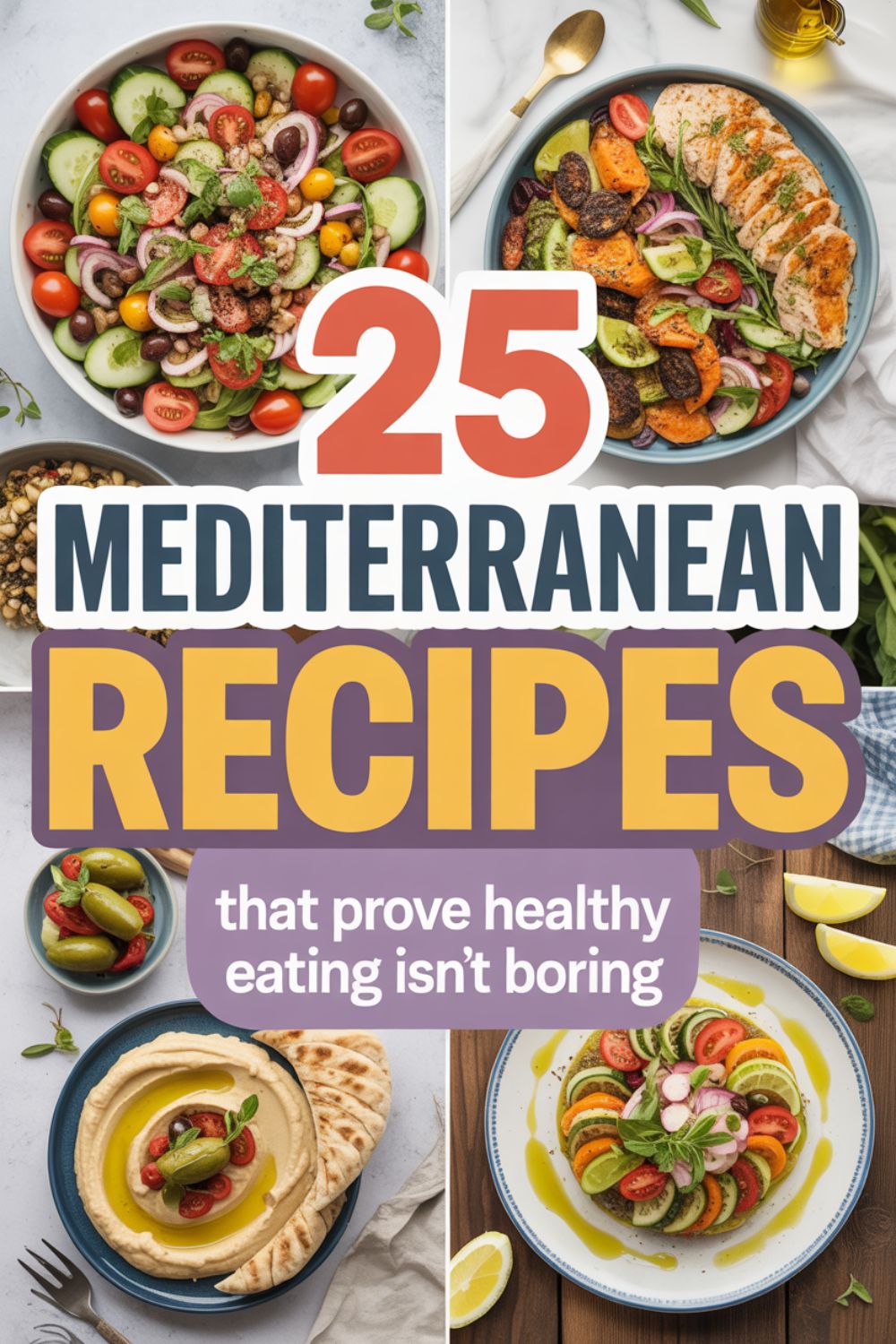
25 Mediterranean Recipes That Prove Healthy Eating Isn’t Boring
I’ve spent years navigating the world of healthy eating, and nothing—absolutely nothing—comes close to the Mediterranean diet when it comes to flavor, satisfaction, and actual health benefits. We’re talking about a way of eating that’s been scientifically proven to reduce cardiovascular disease risk by up to 25% while making your taste buds do a happy dance.
This isn’t about deprivation or counting every calorie like you’re solving a math problem. The Mediterranean approach is about embracing vibrant ingredients, bold flavors, and meals that actually make you excited to sit down at the table. Think sun-ripened tomatoes, creamy hummus, perfectly grilled fish, and yes—plenty of good quality olive oil.
In this article, I’m sharing 25 Mediterranean recipes that’ll completely change how you think about healthy food. These aren’t Instagram-pretty recipes that nobody actually makes. These are real, practical dishes that you can whip up on a Tuesday night when you’re tired and hangry.
Why Mediterranean Food Actually Works (And Tastes Amazing)
Before we jump into the recipes, let’s talk about why this way of eating is such a game-changer. The Mediterranean diet isn’t some trendy fad that’ll disappear faster than your New Year’s resolutions. It’s based on centuries of traditional eating patterns from countries like Greece, Italy, and Spain.
The science is pretty compelling. Research shows that following a Mediterranean eating pattern can reduce your risk of chronic diseases, improve brain health, and help with weight management—all while eating food that doesn’t taste like cardboard.
The secret? It’s all about whole foods, healthy fats, tons of vegetables, and moderate portions of fish and poultry. You’re not eliminating entire food groups or surviving on shakes. You’re eating real food that humans have been enjoying for thousands of years.
The Foundation: Understanding Mediterranean Ingredients
Here’s where Mediterranean cooking gets interesting. You don’t need some fancy pantry stocked with ingredients you can’t pronounce. Most of what you need is probably already at your local grocery store.
Olive Oil Is Your New Best Friend
Let’s start with the star player—extra virgin olive oil. And no, not all olive oils are created equal. You want the good stuff, the extra virgin variety that’s cold-pressed and actually tastes like olives (imagine that). I keep mine in a dark bottle away from heat because quality matters when you’re using it daily.
This isn’t just about flavor, though that’s a huge bonus. Olive oil is packed with monounsaturated fats and antioxidants that fight inflammation. Think of it as medicine that happens to make everything taste better.
Fresh Vegetables and Herbs Take Center Stage
Mediterranean cooking doesn’t hide vegetables in some sad corner of the plate. They’re the main event. Tomatoes, eggplant, zucchini, bell peppers, leafy greens—they all get the royal treatment with herbs like oregano, basil, and thyme.
I started keeping a small herb garden on my kitchen windowsill, and honestly, fresh herbs changed everything. Dried herbs have their place, but snipping fresh basil or parsley takes dishes from good to “why isn’t this at restaurants?” level.
Whole Grains and Legumes for Staying Power
Forget refined carbs that leave you hungry thirty minutes later. Mediterranean meals rely on whole grains like farro, bulgur, and quinoa, plus legumes like chickpeas and lentils. These keep you full and provide steady energy without the blood sugar rollercoaster.
If you’re looking for more ways to incorporate these ingredients, check out these grain bowl recipes that make meal prep ridiculously easy.
Breakfast Recipes That’ll Make You Actually Want to Wake Up
1. Greek Yogurt Bowls with Honey and Walnuts
This is my go-to when I need something quick but substantial. Thick Greek yogurt topped with a drizzle of honey, crushed walnuts, and fresh berries. It’s creamy, crunchy, and naturally sweet without making you feel like you just mainlined a candy bar. Get Full Recipe
The protein from the yogurt keeps you satisfied, while the walnuts provide those omega-3 fatty acids your brain loves. Takes about three minutes to assemble, which is perfect for weekday mornings when I’m barely functional.
2. Shakshuka with Crusty Bread
If you haven’t tried shakshuka yet, where have you been? This North African dish that’s been adopted by Mediterranean cuisine involves poaching eggs in a spiced tomato sauce. It’s warm, comforting, and impressive enough for weekend brunch. Get Full Recipe
I like making this in a cast iron skillet because you can go from stovetop to table without dirtying extra dishes. Plus, cast iron gets better with age, kind of like fine wine or your favorite jeans.
3. Mediterranean Veggie Frittata
Frittatas are basically lazy person’s quiche, and I mean that in the best possible way. Eggs, sautéed vegetables, feta cheese, fresh herbs—bake it all together and you’ve got breakfast for days. Get Full Recipe
For more morning inspiration, you might love this 7-day breakfast plan that takes all the guesswork out of your morning routine.
4. Overnight Oats Mediterranean Style
Who says overnight oats have to be boring? This version uses yogurt, honey, cinnamon, and chopped dates for natural sweetness. Add some sliced almonds on top and you’ve got texture for days. Get Full Recipe
I prep these in mason jars every Sunday night. Five minutes of work gives me five breakfasts. That’s called working smarter, not harder.
Lunch Recipes That Won’t Put You in a Food Coma
5. Classic Greek Salad with Actual Greek Ingredients
Real Greek salad doesn’t have lettuce. Mind blown, right? It’s all about chunky cucumbers, tomatoes, red onion, olives, and big blocks of feta cheese. The dressing is just olive oil, lemon juice, and oregano. Simple ingredients, maximum flavor. Get Full Recipe
The key is using quality feta—not that pre-crumbled stuff that tastes like salty rubber. Get a block of feta packed in brine and thank me later.
6. Mediterranean Chickpea Bowls
These bowls are proof that plant-based meals can be filling and delicious. Roasted chickpeas get crispy in the oven (game-changer), served over greens with cucumber, tomatoes, and a generous dollop of hummus. Get Full Recipe
I use a large baking sheet to roast multiple trays of chickpeas at once. They stay crispy for days in an airtight container, perfect for last-minute meal assembly.
7. Tuna Nicoise Wraps
Taking the classic French salad and making it portable. These wraps combine tuna, hard-boiled eggs, olives, tomatoes, and green beans in a whole wheat tortilla. It’s sophisticated enough for a work lunch but easy enough for a weekday. Get Full Recipe
Speaking of portable Mediterranean lunches, these wrap and pita ideas will keep your lunch game strong all month long.
8. Lentil Soup with Lemon
This soup is like a warm hug from your Mediterranean grandmother. Red lentils cook down into creamy perfection with carrots, celery, and plenty of lemon juice for brightness. It’s the kind of soup that makes you wonder why you ever bought the canned stuff. Get Full Recipe
I make a big batch in my Dutch oven and freeze portions for those nights when cooking feels impossible. Soup from the freezer still beats takeout in both nutrition and cost.
9. Falafel Pita Pockets
Homemade falafel isn’t as hard as you think. Blend chickpeas with herbs, form into balls, and bake (or fry if you’re feeling fancy). Stuff them into pita with tahini sauce, pickled vegetables, and fresh herbs. Get Full Recipe
Kitchen Tools That Make Mediterranean Cooking Easier
Dinner Recipes That Impress Without the Stress
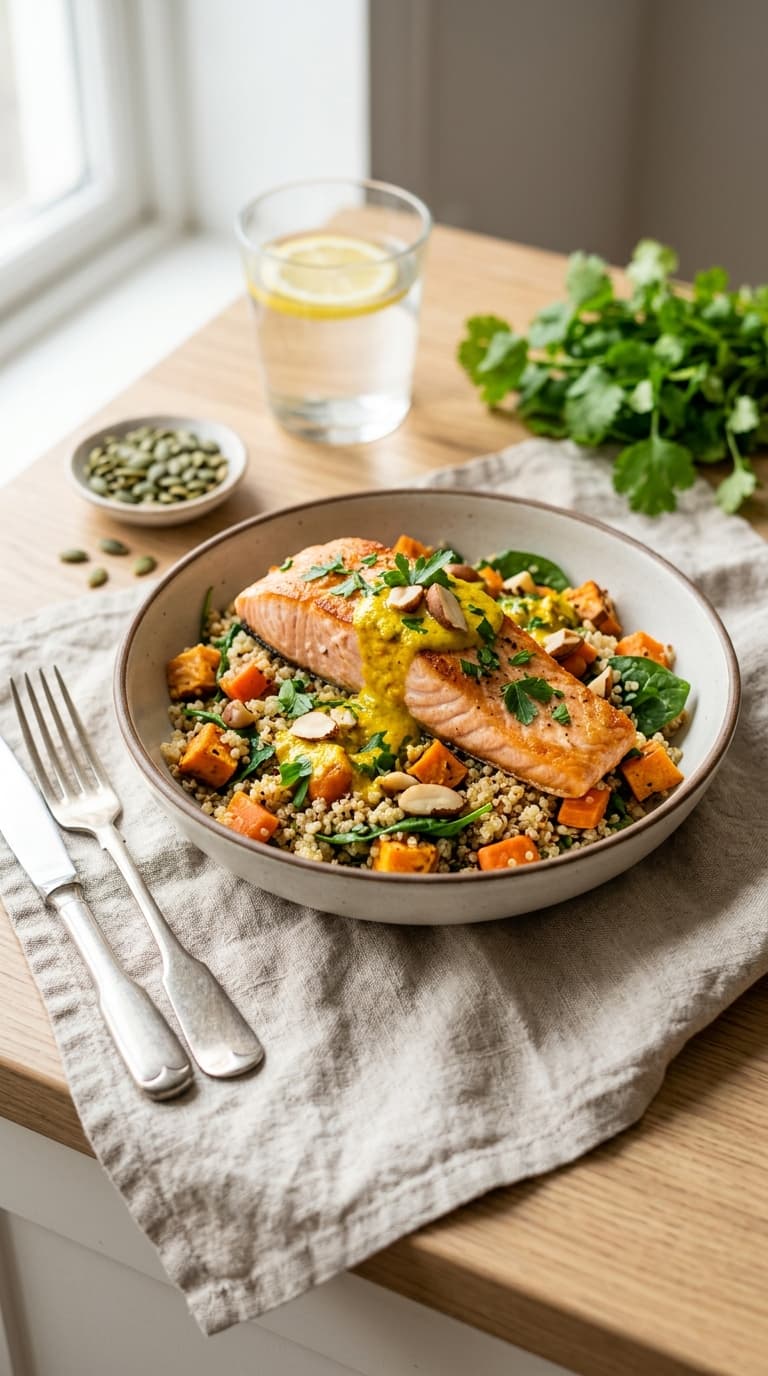
10. Baked Salmon with Herbs and Lemon
This might be the easiest impressive dinner ever. Season salmon with herbs, add lemon slices, wrap in parchment paper, and bake. The fish comes out moist and flavorful every single time. Get Full Recipe
Serve it with one of these Mediterranean seafood sides and people will think you spent hours in the kitchen. Let them think that.
11. Chicken Souvlaki with Tzatziki
Marinated chicken skewers grilled to perfection with a cooling cucumber yogurt sauce. The marinade does all the work—olive oil, lemon juice, garlic, and oregano transform basic chicken into something special. Get Full Recipe
I use metal skewers instead of wooden ones because I’m tired of soaking bamboo sticks for hours. Small upgrade, big quality-of-life improvement.
12. Eggplant Parmesan (Mediterranean Style)
This lighter version bakes the eggplant instead of frying, but you don’t lose any of that satisfying comfort food feel. Layers of tender eggplant, marinara sauce, and melted mozzarella make this a family favorite. Get Full Recipe
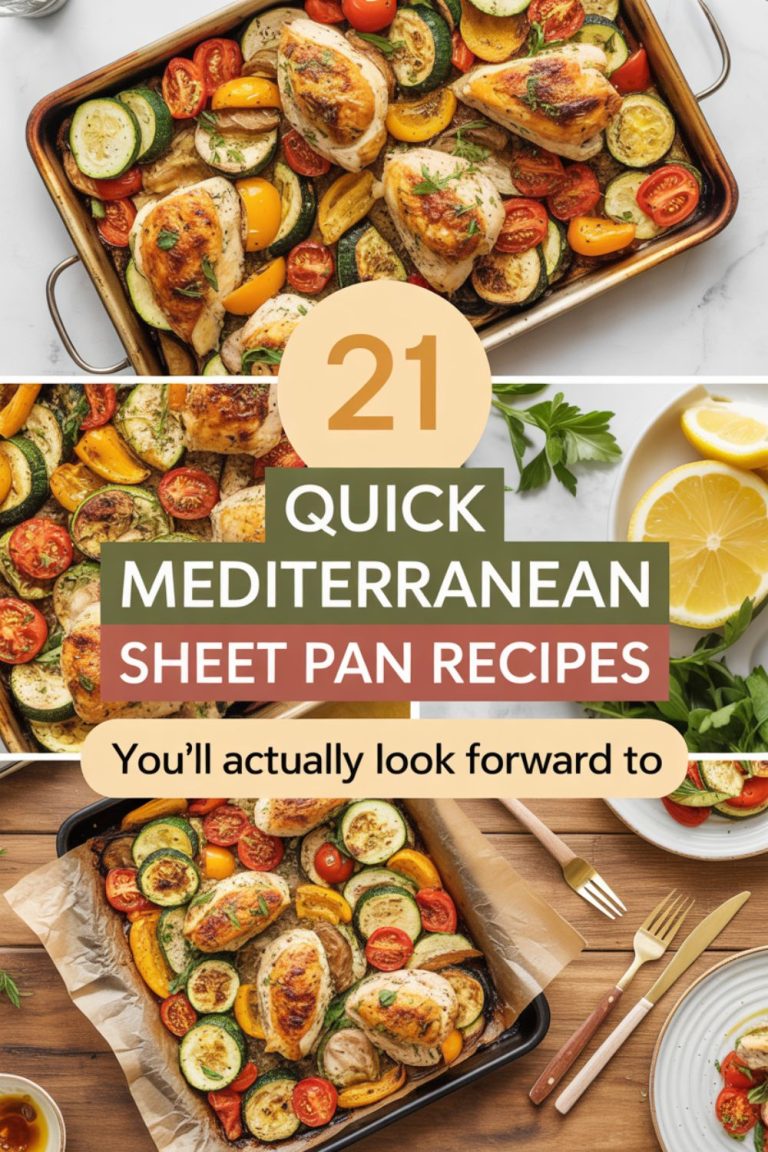
13. One-Pan Greek Chicken and Potatoes
Everything roasts together in one pan—chicken thighs, potatoes, tomatoes, olives, and oregano. The potatoes soak up all the flavorful juices from the chicken. Minimal cleanup, maximum taste. Get Full Recipe
For more one-pan wonders, check out these sheet pan recipes that’ll change your weeknight dinner game forever.
14. Mediterranean Stuffed Peppers
Bell peppers filled with a mixture of ground turkey, rice, tomatoes, feta, and herbs. They look fancy but are surprisingly straightforward to make. Plus, they reheat beautifully for leftovers. Get Full Recipe
15. Shrimp Scampi with Zoodles
Classic shrimp scampi gets a Mediterranean twist served over zucchini noodles instead of pasta. Still indulgent and satisfying, but lighter. The garlic butter sauce is everything you want in life. Get Full Recipe
I use a spiralizer for the zucchini noodles. Takes about two minutes and saves you from feeling like you need a nap after dinner.
16. Moroccan Chickpea Stew
Warm spices like cumin, cinnamon, and turmeric make this stew deeply flavorful. Chickpeas and sweet potatoes provide substance, while spinach adds freshness at the end. Serve over couscous for a complete meal. Get Full Recipe
This is one of those recipes that tastes even better the next day. The flavors meld together overnight in a beautiful way.
17. Mediterranean Lamb Meatballs
Ground lamb mixed with fresh mint, parsley, and spices, then baked until perfectly browned. Serve with tzatziki and pita bread for a meal that feels like a mini vacation. Get Full Recipe
If lamb isn’t your thing, ground beef or turkey works just fine. The herbs and spices do most of the heavy lifting flavor-wise.
Pasta and Grain Dishes That Redefine Comfort Food
18. Whole Wheat Pasta with Roasted Vegetables
Pasta night doesn’t have to mean heavy cream sauces. This version tosses whole wheat pasta with roasted Mediterranean vegetables, garlic, olive oil, and fresh basil. Simple, satisfying, and actually good for you. Get Full Recipe
For more pasta inspiration, dive into these Mediterranean pasta recipes that’ll make you forget all-American mac and cheese ever existed.
19. Orzo Salad with Lemon and Herbs
This pasta salad actually tastes good cold, which is rare. Orzo mixed with cherry tomatoes, cucumbers, olives, feta, and a bright lemon dressing. Perfect for potlucks or meal prep. Get Full Recipe
20. Quinoa Tabbouleh
Traditional tabbouleh uses bulgur wheat, but quinoa works beautifully and adds extra protein. Tons of fresh parsley, mint, tomatoes, and lemon juice make this a bright, refreshing side dish. Get Full Recipe
Fun fact: tabbouleh is supposed to be mostly herbs with some grain, not the other way around. That’s why it tastes so fresh and light.
21. Mediterranean Pearl Couscous
Pearl couscous (also called Israeli couscous) has the most satisfying chewy texture. Cooked with vegetable broth and mixed with roasted vegetables and chickpeas, this makes an excellent main or side dish. Get Full Recipe
Snacks and Sides That Actually Fill You Up
22. Classic Hummus (And Why Homemade Is Better)
Store-bought hummus is fine, but homemade is transcendent. Chickpeas, tahini, lemon juice, garlic, and olive oil blended until smooth. It takes maybe ten minutes and tastes infinitely better than anything from a plastic tub. Get Full Recipe
The secret? Add ice water while blending. Sounds weird, works perfectly. The hummus comes out incredibly creamy and light.
23. Roasted Red Pepper Dip
Similar to hummus but with roasted red peppers as the star. Sweet, smoky, and addictively delicious with vegetables or pita chips. I’ve been known to eat this with a spoon. Get Full Recipe
If you’re looking for more snack ideas that travel well, these snack box ideas are perfect for busy days when you need portable nutrition.
24. Marinated Olives and Feta
This sounds fancy but requires zero cooking. Marinate olives and feta cubes in olive oil with herbs, lemon zest, and red pepper flakes. Let it sit for a few hours and you’ve got an impressive appetizer. Get Full Recipe
I keep a jar of these in my fridge for when people drop by unexpectedly. Makes me look like I have my life together.
25. Crispy Roasted Chickpeas
These are dangerously addictive. Toss chickpeas with olive oil and spices, roast until crunchy, and try not to eat the entire batch in one sitting. Spoiler alert: you’ll probably eat the entire batch. Get Full Recipe
Season them however you want—za’atar, cumin, or just salt and pepper. They’re crunchy, satisfying, and way better for you than chips.
Making Mediterranean Eating Work in Real Life
Here’s what nobody tells you about healthy eating: it has to fit into your actual life, not some fantasy version where you have three hours every evening to cook elaborate meals. Mediterranean cuisine works because it’s flexible and realistic.
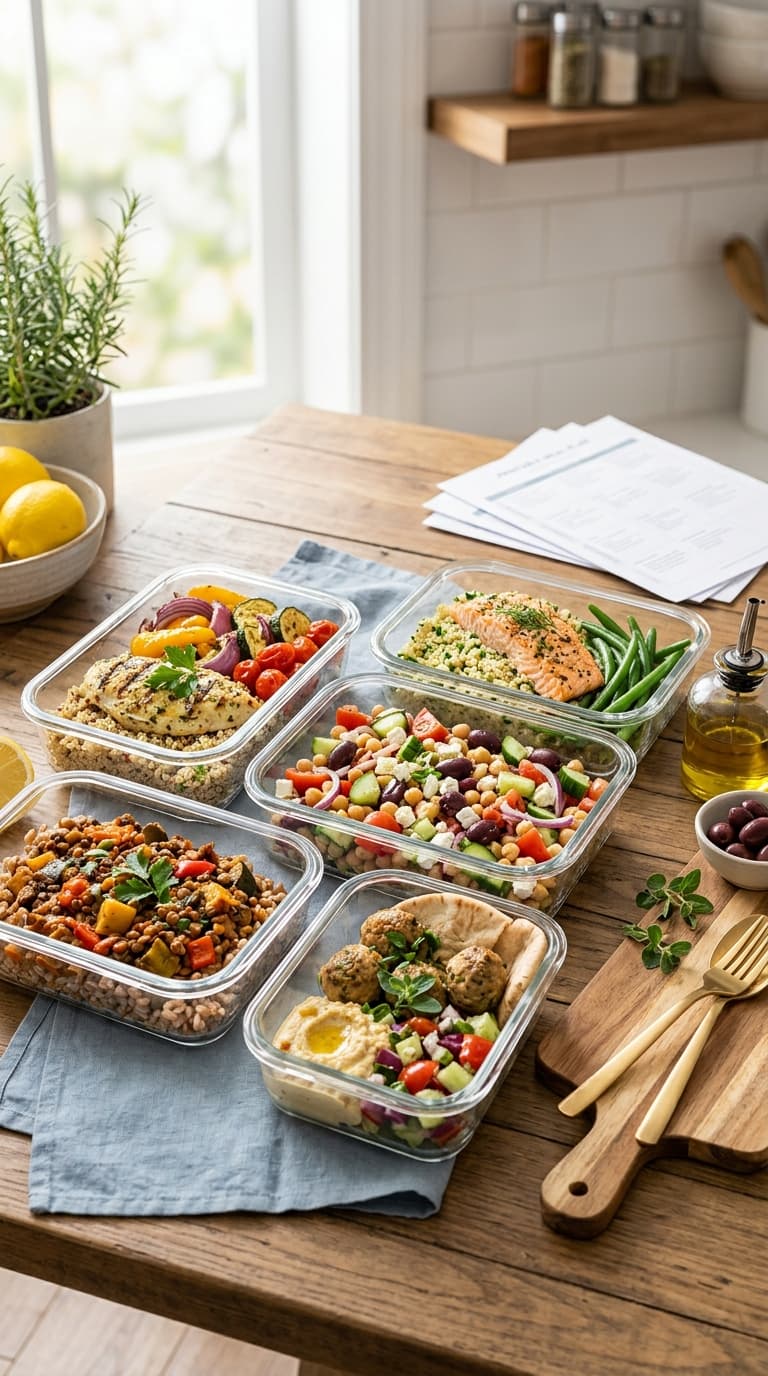
Meal prep is your friend here, but we’re not talking about eating the same chicken and rice every day for a week. Prep components—roasted vegetables, cooked grains, grilled proteins—and mix them differently each day. This meal prep plan breaks down exactly how to do it without losing your mind.
Stock your pantry with Mediterranean staples. Having olive oil, canned tomatoes, chickpeas, olives, and various herbs and spices means you can throw together a decent meal even when your fridge looks sad and empty.
Don’t stress about perfection. Had pizza for lunch? Cool, make a Greek salad for dinner. Ate out over the weekend? Get back on track Monday. This isn’t an all-or-nothing situation.
For those dealing with inflammation, this anti-inflammatory plan combines Mediterranean principles with specific foods that help reduce inflammation. Game-changer for joint pain and general wellbeing.
The Benefits You’ll Actually Notice
Let’s talk about what happens when you start eating more Mediterranean meals. According to Johns Hopkins Medicine, people who follow this eating pattern regularly see improvements in cholesterol levels, blood pressure, blood sugar regulation, and reduced inflammation.
But here’s what I noticed personally: more energy throughout the day, better sleep, clearer skin, and actually feeling satisfied after meals instead of hungry again an hour later. The healthy fats and fiber keep you full in a way that low-fat diets never did.
Your taste buds adjust too. After a few weeks of eating this way, overly processed foods start tasting weird. Not in a sanctimonious “I’m too healthy for that” way, but in a genuine “why does this taste like chemicals?” way.
The mental health benefits shouldn’t be overlooked either. Research has linked Mediterranean eating patterns to lower rates of depression and cognitive decline. Eating food that tastes good and makes you feel good—wild concept, I know.
If you’re specifically interested in gut health (and you should be, since gut health affects everything), check out this gut healing menu that focuses on fermented foods and fiber-rich ingredients.
Common Mistakes to Avoid
Even with Mediterranean food being relatively straightforward, people still mess it up. Here’s what to watch out for:
Using low-quality olive oil. Cheap olive oil often isn’t actually olive oil or has been heavily processed. Get the good stuff in a dark bottle and store it properly.
Forgetting about portions. Yes, Mediterranean food is healthy, but you can still overeat. Olive oil is calorically dense—a little goes a long way.
Making it too complicated. Mediterranean cooking is supposed to be simple. If a recipe has 47 ingredients and takes four hours, that’s not Mediterranean cooking, that’s someone showing off.
Not eating enough vegetables. They should be the star of most meals, not a tiny side thought. Fill half your plate with vegetables and you’re golden.
Buying pre-made everything. Sure, store-bought hummus beats not eating hummus at all. But when you make things from scratch, you control the ingredients and usually end up with better flavor.
Frequently Asked Questions
Is the Mediterranean diet expensive to follow?
Not necessarily. While quality olive oil and fresh fish can add up, you’ll save money by eating less meat and processed foods. Beans, lentils, and seasonal vegetables are incredibly affordable. Focus on simple preparations with fewer ingredients, and shop sales for pantry staples. Many Mediterranean meals are actually budget-friendly—think pasta with vegetables, bean soups, and grain bowls.
Can I eat Mediterranean food if I’m trying to lose weight?
Absolutely. The Mediterranean diet has been shown to be effective for weight loss without requiring calorie counting or extreme restrictions. The high fiber content and healthy fats keep you satisfied longer, naturally leading to eating less. Focus on portion sizes, especially with olive oil and nuts, and you’ll likely see results. The research on Mediterranean diet and weight management is pretty compelling.
Do I have to give up meat completely?
No way. Mediterranean eating includes meat, just in smaller amounts and less frequently. Think of meat as a supporting actor rather than the star. Fish and seafood are emphasized more than red meat, and poultry appears regularly. You might eat red meat once a week instead of daily, but it’s definitely not eliminated unless you choose to go that route.
How long until I notice health benefits?
Most people report feeling more energized and less bloated within the first week or two. Measurable health markers like cholesterol and blood pressure can improve within a few months of consistent Mediterranean eating. Weight loss, if that’s your goal, typically happens gradually—one to two pounds per week is sustainable. The longer you stick with it, the more benefits accumulate.
What if I don’t like fish or seafood?
Mediterranean eating is flexible enough to work around seafood aversion. Focus on plant-based proteins like chickpeas, lentils, and beans, along with eggs and poultry. You’ll miss out on omega-3 fatty acids from fish, so consider adding walnuts, flaxseeds, or a quality supplement. The core principles—olive oil, vegetables, whole grains, and herbs—remain the same regardless of your protein source.
Final Thoughts: Your Mediterranean Journey Starts Now
Look, I’m not going to pretend that switching to Mediterranean eating will solve all your problems. But after years of trying various eating approaches, this is the one that actually stuck for me. Not because I’m some disciplined health robot, but because the food is genuinely delicious and satisfying.
These 25 recipes are just the beginning. Once you get comfortable with the basic ingredients and flavor profiles, you’ll start improvising and creating your own versions. That’s when it stops feeling like following a diet and starts feeling like just… eating well.
Start small. Pick two or three recipes from this list that sound appealing and try them this week. Don’t overthink it. Mediterranean cooking is forgiving and adaptable. You don’t need special skills or fancy equipment—just quality ingredients and a willingness to embrace a different approach to food.
The best part? This way of eating has been sustaining populations for thousands of years. It’s not some trend that’ll disappear next month. It’s not restrictive or punishing. It’s just real food prepared in ways that taste amazing and happen to be incredibly good for you.
So grab some olive oil, stock up on vegetables, and start cooking. Your taste buds and your body will thank you. And when someone asks how you’re eating so healthy while clearly enjoying your food, just smile and tell them it’s Mediterranean magic.