
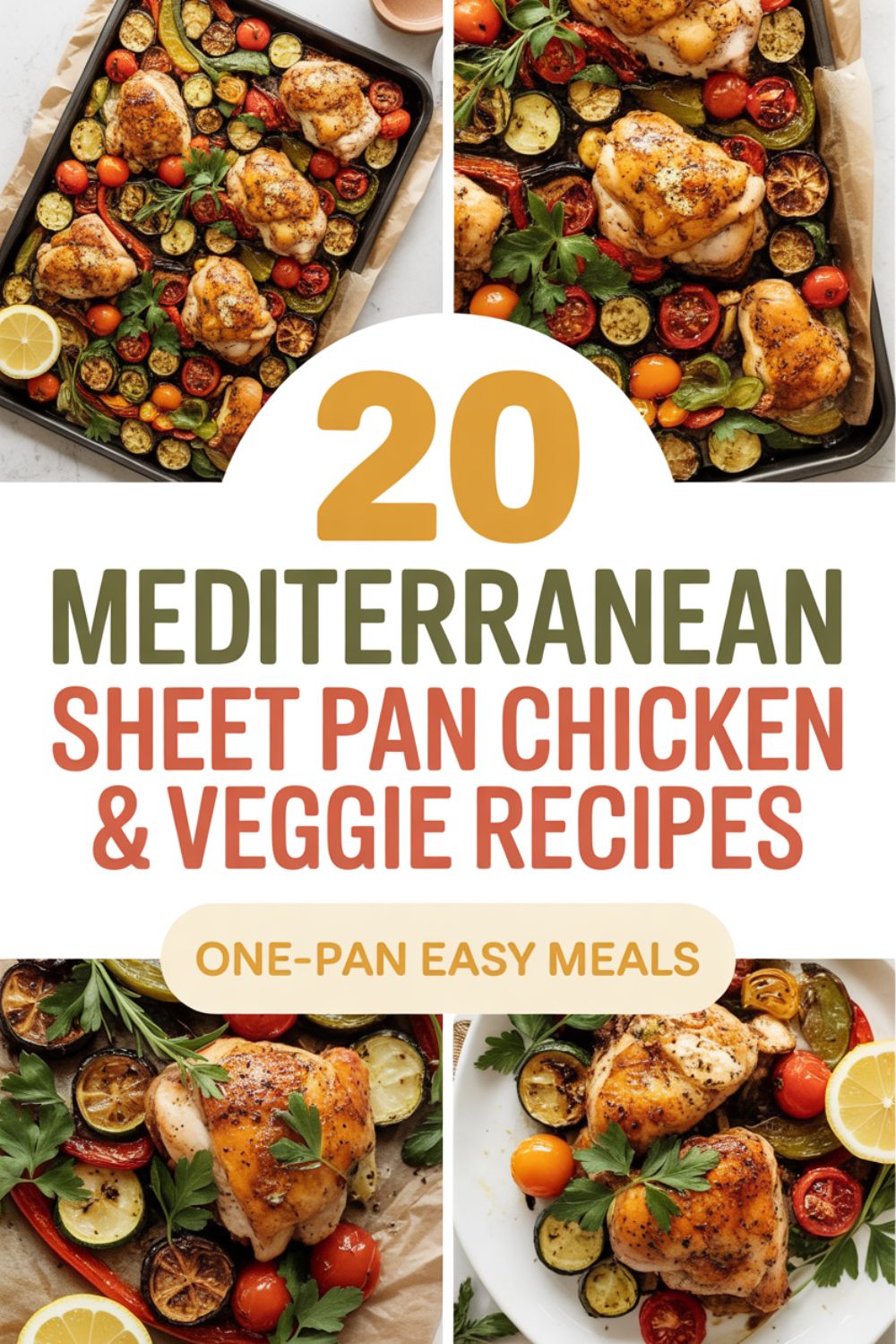
20 Mediterranean Sheet Pan Chicken and Veggie Recipes
Look, I’m not gonna lie—sheet pan dinners changed my life. Between work, kids’ soccer practice, and trying to pretend I have my life together, the last thing I want is a sink full of pots and pans staring me down at 9 PM. That’s where these Mediterranean sheet pan recipes swoop in like a culinary superhero.
We’re talking juicy chicken, crispy veggies, and all those vibrant Mediterranean flavors you’d find in a tiny taverna overlooking the Aegean Sea. Except you’re making this in your regular kitchen, probably wearing sweatpants, and that’s perfectly fine. The magic of sheet pan cooking isn’t just about minimal cleanup—it’s about how everything roasts together, the flavors mingling and getting all cozy while you catch up on that show everyone won’t stop talking about.
Research consistently demonstrates that the Mediterranean diet reduces cardiovascular disease risk and supports overall longevity, which makes these recipes not just convenient but genuinely good for you. And honestly? They taste way too good to feel like “healthy eating.”
Why Sheet Pan Chicken Recipes Are Your New Best Friend
Here’s the thing about sheet pan cooking—it’s basically foolproof. You toss everything on a pan, slide it in the oven, and 30-ish minutes later you’ve got dinner. No stirring, no flipping halfway through (okay, sometimes you flip, but it’s optional), and definitely no babysitting a stovetop.
But when you add Mediterranean flavors into the mix? Game changer. We’re talking olive oil instead of butter, loads of garlic and herbs, bright citrus notes, and vegetables that actually taste like something. Anti-inflammatory eating patterns emphasize whole foods, healthy fats, and colorful produce—which is exactly what you get with these recipes.
Plus, chicken is the perfect canvas. It soaks up marinades like a sponge, crisps up beautifully, and pairs with basically any vegetable you throw at it. I’ve been using this stainless steel sheet pan for years now, and it’s survived everything from burnt-on honey glazes to my questionable dishwasher loading techniques.
Pro Tip
Line your sheet pan with parchment paper for even easier cleanup. Trust me, scrubbing baked-on lemon juice and olive oil at midnight is nobody’s idea of fun. Just make sure the parchment doesn’t hang over the edges or it might catch fire—learned that one the hard way.
The Mediterranean Diet Advantage
Before we dive into the recipes, let’s talk about why this way of eating is so damn good for you. The Mediterranean diet isn’t some trendy thing that’ll disappear next year when everyone decides kale is canceled. It’s been around forever—literally thousands of years—and research shows significant benefits for preventing cardiovascular disease, type 2 diabetes, and various chronic conditions.
What makes it work? It’s all about eating real food. Lots of vegetables, whole grains, beans, nuts, olive oil, and moderate amounts of fish and chicken. You’re not counting calories or weighing portions on a food scale. You’re just eating food that actually nourishes your body instead of just filling space.
The anti-inflammatory benefits are huge too. Foods rich in antioxidants and polyphenols help combat chronic inflammation, which is linked to pretty much every health issue you’d want to avoid. And honestly, when your dinner includes things like roasted red peppers, fresh herbs, and a squeeze of lemon, inflammation reduction is just a nice bonus on top of it tasting incredible.
Looking for more structured Mediterranean inspiration? You might want to check out this 7-day Mediterranean anti-inflammation meal plan that takes all the guesswork out of weekly planning.
Essential Ingredients for Mediterranean Sheet Pan Success
Let’s talk pantry staples. If you keep these basics on hand, you can throw together a Mediterranean sheet pan dinner any night of the week without a special grocery run.
The Foundation
- Extra virgin olive oil: This is non-negotiable. Get the good stuff. It makes everything taste better and contains antioxidants that help protect cells from damage. I keep a big bottle for cooking and a fancy one for drizzling.
- Fresh garlic: Yeah, you could use the jarred stuff, but fresh garlic has this punchy brightness that just hits different. Grab this garlic press if you’re tired of sticky fingers.
- Lemons: Both the juice and the zest. They add brightness and help tenderize the chicken. Always buy more than you think you need.
- Dried herbs: Oregano, thyme, basil, rosemary. The Mediterranean greatest hits. If you can get fresh, even better, but dried works fine for most sheet pan recipes.
The Vegetables
Here’s where you can get creative, but these are my go-tos:
- Bell peppers (any color, but red and yellow are sweeter)
- Zucchini and summer squash
- Cherry or grape tomatoes
- Red onions
- Eggplant (if you’re into that)
- Fennel (underrated, IMO)
- Artichoke hearts from a jar work great too
The key is cutting everything roughly the same size so it cooks evenly. I learned this the hard way after ending up with burnt zucchini and raw potatoes on the same pan. Not ideal.
Kitchen Tools That Make These Recipes Easier
Alright, you don’t need a ton of fancy equipment, but these few things genuinely make sheet pan cooking better:
Heavy-Duty Rimmed Sheet Pans (Set of 2)
Get the ones with actual rims—trust me on this. I learned after olive oil dripped all over my oven floor that flat cookie sheets are not the move. The heavy gauge ones won’t warp at high heat either.
Silicone Basting Brush
For brushing marinade on chicken and veggies. Way easier to clean than those old-school bristle brushes, and they don’t harbor bacteria. Mine’s been through the dishwasher approximately 500 times and still looks new.
Instant-Read Meat Thermometer
Because guessing whether chicken is done is how you end up with either rubber or salmonella. Chicken should hit 165°F internally. No more, no less. This one’s foolproof.
14-Day High Fiber Mediterranean Plan (Printable PDF)
This digital guide breaks down exactly what to eat for two weeks straight, complete with shopping lists and meal prep tips. Super helpful if you want to commit to Mediterranean eating but don’t want to think too hard about it.
30-Day Anti-Inflammation Challenge (Easy PDF)
This one’s great for building habits gradually. Each day gives you a small action step toward less inflammatory eating. Nothing overwhelming, just consistent progress.
7-Day Mediterranean High-Fiber Meal Prep Plan
Perfect if you’re the meal prep type. Shows you how to batch cook for the week using Mediterranean principles. Includes storage tips and reheat instructions.
20 Mediterranean Sheet Pan Chicken Recipes to Try
Okay, here’s the good stuff. I’ve organized these by flavor profile and complexity, so you can pick what sounds good and what matches your energy level on any given day.
Classic Mediterranean Combinations
1. Lemon Herb Chicken with Roasted Vegetables
This is the one you’ll make every week once you try it. Chicken thighs (more flavor than breasts, fight me), cherry tomatoes, zucchini, red onion, and a ridiculous amount of fresh lemon and herbs. Everything gets tossed in olive oil, garlic, oregano, and lemon zest before hitting the oven at 425°F for about 35 minutes.
The chicken skin gets crispy, the veggies caramelize, and your kitchen smells like a Greek island. Get Full Recipe
2. Greek-Style Chicken with Peppers and Olives
Bone-in chicken pieces, bell peppers, red onions, kalamata olives, and cherry tomatoes. Season with oregano, garlic, lemon juice, and don’t be shy with the olive oil. The olives get all jammy and delicious, and the chicken picks up their briny flavor. Serve with some warm pita bread or over rice. Get Full Recipe
3. Tuscan Chicken with Sun-Dried Tomatoes
This one’s got Italian vibes. Chicken breasts (pound them thin so they cook evenly), sun-dried tomatoes, artichoke hearts, spinach, and lots of garlic. Everything roasts together, then you finish it with fresh basil and a drizzle of balsamic glaze. Fancy enough for company but easy enough for Tuesday. Get Full Recipe
Quick Win
Prep all your veggies on Sunday night and store them in containers in the fridge. When weeknight dinner panic hits, you’re literally just tossing pre-cut vegetables and chicken on a pan. Thank yourself all week.
Bold and Spicy Options
4. Harissa Chicken with Chickpeas and Cauliflower
If you haven’t tried harissa yet, you’re missing out. It’s a North African chili paste that’s spicy, smoky, and slightly sweet. Mix it with olive oil and coat your chicken and vegetables—I like using chickpeas and cauliflower for this one. Roast at 425°F until everything’s charred and delicious. The chickpeas get crispy on the outside and creamy inside. Get Full Recipe
5. Za’atar Chicken with Eggplant and Tomatoes
Za’atar is one of those spice blends that makes you look like you know what you’re doing in the kitchen. It’s got thyme, sesame seeds, and sumac, giving everything this tangy, earthy flavor. Pairs perfectly with eggplant and tomatoes. Just make sure to salt your eggplant first and let it sit for 20 minutes to draw out the bitterness. Get Full Recipe
Speaking of Mediterranean flavors with a kick, if you’re looking for more variety throughout the week, this 14-day Mediterranean weight loss plan incorporates similar bold spices and vegetables while keeping things fresh and interesting.
Light and Fresh Varieties
6. Chicken with Asparagus and Lemon
Perfect for spring when asparagus is actually good and not sad and woody. Chicken breasts, asparagus spears, lemon slices, and fresh dill. This one cooks fast—about 20-25 minutes—so watch it closely. I like finishing it with a sprinkle of feta cheese right when it comes out of the oven. Get Full Recipe
7. Mediterranean Chicken with Green Beans and Tomatoes
Sometimes you just want something simple and clean-tasting. This is it. Chicken, green beans, cherry tomatoes, garlic, and a good glug of olive oil. Season with salt, pepper, and oregano. That’s it. The green beans get slightly charred and the tomatoes burst and create this light sauce. Get Full Recipe
Hearty Winter Warmers
8. Chicken with Root Vegetables and Rosemary
When it’s cold out, this is what I want. Chicken thighs, potatoes, carrots, parsnips, and whole garlic cloves. Fresh rosemary is key here—dried just doesn’t cut it. Everything roasts low and slow at 375°F for about 45 minutes. The root vegetables caramelize and get sweet, and the chicken stays super juicy. Get Full Recipe
9. Moroccan-Spiced Chicken with Sweet Potato and Dates
Okay, hear me out on the dates. They get all caramelized and sweet, balancing out the warm Moroccan spices (cumin, coriander, cinnamon, paprika). Sweet potatoes add substance, and the whole thing is surprisingly comforting. Top with toasted almonds and fresh cilantro. Get Full Recipe
For more seasonal Mediterranean inspiration, the 7-day gut healing Mediterranean menu includes warming recipes perfect for cooler months while supporting digestive health.
Quick Weeknight Winners
10. 20-Minute Chicken Cutlets with Zucchini
For when you need dinner like, yesterday. Pound chicken breasts thin (or buy the pre-cut cutlets), slice zucchini into thin coins, toss everything with olive oil, garlic, and Italian seasoning. Crank the oven to 450°F and cook for about 15-18 minutes. Finish with fresh parmesan and lemon. Get Full Recipe
11. Sheet Pan Chicken Souvlaki with Vegetables
All the flavors of souvlaki without the grill or the skewers. Cube your chicken, marinate it in lemon juice, olive oil, garlic, and oregano for at least 30 minutes (or while you cut the vegetables). Add bell peppers, red onions, and zucchini to the pan. Serve with tzatziki sauce—store-bought is fine, nobody’s judging. Get Full Recipe
Pro Tip
If you’re using chicken breasts, they’ll cook faster than thighs. Either give the vegetables a 10-minute head start, or cut the breasts smaller so everything finishes at the same time. Or just use thighs because they’re more forgiving and tastier anyway.
Company-Worthy Showstoppers
12. Whole Roasted Chicken with Fennel and Citrus
Okay, technically this isn’t chicken pieces, but it’s still one pan and it’s impressive as hell. A whole chicken, fennel wedges, orange and lemon slices, and fresh thyme. The fennel gets sweet and caramelized, the citrus perfumes everything, and you look like a domestic goddess even though you basically just threw stuff on a pan. Get Full Recipe
13. Mediterranean Chicken with Feta and Artichokes
This one’s fancier than it has any right to be for the effort involved. Chicken thighs, artichoke hearts, sun-dried tomatoes, kalamata olives, and blocks of feta cheese. The feta gets all melty and golden on top. Finish with fresh parsley and serve with crusty bread to soak up all the good juices. Get Full Recipe
Herb-Forward Favorites
14. Chicken with Fresh Herb Marinade and Rainbow Vegetables
Make a marinade with fresh parsley, basil, cilantro, mint (yes, all of them), garlic, lemon juice, and olive oil. Blitz it in a mini food processor and coat your chicken. Add whatever colorful vegetables you’ve got—red peppers, yellow squash, purple cabbage, orange carrots. It’s as pretty as it is delicious. Get Full Recipe
15. Rosemary Lemon Chicken with Potatoes and Carrots
Classic and reliable. Fresh rosemary makes all the difference here—get the good stuff from the produce section, not the sad dried jar that’s been in your cabinet since 2019. The potatoes get crispy, the chicken stays moist, and the whole thing is pure comfort food. Get Full Recipe
Unique Flavor Combinations
16. Chicken with Pomegranate Molasses and Brussels Sprouts
Pomegranate molasses is tangy and slightly sweet—it’s like balsamic’s cooler cousin. Toss chicken and halved Brussels sprouts in it along with olive oil and garlic. The Brussels get crispy and caramelized, and the pomegranate glaze creates this incredible sauce. Garnish with actual pomegranate seeds if you’re feeling extra. Get Full Recipe
17. Greek Chicken with Spinach and Feta Stuffing
Butterfly chicken breasts, stuff them with a mixture of spinach, feta, and garlic, then secure with toothpicks. Surround with cherry tomatoes and red onions. It looks fancy but it’s actually pretty straightforward. The stuffing keeps the chicken super moist. Get Full Recipe
If you’re loving these creative combinations, you might also enjoy the recipes in this 14-day anti-inflammatory eating plan designed specifically for women, which features similar nutrient-dense meals with Mediterranean influences.
Budget-Friendly Options
18. Simple Chicken Thighs with Onions and Potatoes
Sometimes the simplest things are the best. Bone-in, skin-on chicken thighs (the cheapest cut at the store), sliced onions, and chunks of potatoes. Season generously with salt, pepper, garlic powder, and paprika. Let everything get golden and crispy. This costs maybe $8 to feed four people. Get Full Recipe
19. Mediterranean Chicken with Canned Tomatoes and Chickpeas
Using canned ingredients doesn’t make this any less legit. Chicken pieces, canned chickpeas (drained and rinsed), canned diced tomatoes, and whatever fresh or frozen vegetables you’ve got lying around. Season with oregano, cumin, and garlic. It’s like a deconstructed stew that happens on a sheet pan. Get Full Recipe
Special Diet Adaptations
20. Low-Carb Chicken with Cauliflower and Peppers
For when you’re doing the low-carb thing but still want flavor. Chicken, cauliflower florets, bell peppers, and plenty of Mediterranean seasonings. The cauliflower gets crispy edges and absorbs all the garlic and herb flavors. Add some za’atar seasoning for extra flavor without carbs. Get Full Recipe
Mastering the Sheet Pan Method
Alright, so you’ve got your recipes. Let’s talk technique because there are definitely ways to screw up sheet pan cooking (I know from experience).
The Right Temperature
Most of these recipes work best at 400-425°F. Hot enough to get some caramelization and crispy bits, but not so hot that everything burns before it cooks through. If you’re using bone-in chicken, you might want to go slightly lower (375°F) and cook longer to ensure it’s cooked all the way through.
Always preheat your oven. I know it’s tempting to skip this, but starting with a properly heated oven means more even cooking and better browning.
The Spacing Issue
Don’t overcrowd the pan. This is probably the most common mistake. When everything’s piled on top of each other, it steams instead of roasts, and you end up with sad, soggy vegetables instead of crispy, caramelized ones.
If you’ve got a lot to cook, use two pans. Seriously. I keep a set of three sheet pans and I use at least two for most meals. You can rotate them halfway through cooking if your oven has hot spots.
The Oil Situation
Don’t be stingy with the olive oil. Everything should have a light coating—you want it to glisten, not swim, but definitely not be dry. The oil helps with browning and prevents sticking. Plus, olive oil contains beneficial compounds that support an anti-inflammatory response, so you’re not just adding flavor.
Timing Different Ingredients
Not everything cooks at the same rate. Dense vegetables like potatoes and carrots need more time than zucchini and cherry tomatoes. You’ve got a few options:
- Cut denser vegetables smaller and quicker-cooking ones larger
- Give the denser vegetables a 10-15 minute head start before adding everything else
- Use a second pan and cook different vegetables at different temperatures
Chicken breasts cook faster than thighs. Boneless cooks faster than bone-in. Skin-on stays juicier than skinless. Plan accordingly.
Pro Tip
Keep a timer on your phone and check things at least once during cooking. Ovens vary wildly—what takes 35 minutes in mine might take 25 in yours. Better to check early than to serve carbon.
Making These Recipes Work for Your Life
Here’s the real talk: these recipes are only useful if you actually make them. And you’ll only make them if they fit into your actual life, not some idealized version where you have three hours to cook dinner every night.
Meal Prep Strategies
I do most of my vegetable prep on Sundays. Chop everything, store it in these glass containers, and boom—weeknight cooking becomes way less overwhelming. You can even portion out the chicken with the vegetables in meal-sized containers, so you’re literally just dumping a container onto a pan and adding oil and seasonings.
Marinades can be made ahead too. Mix them up in a jar, store in the fridge for up to a week, and use as needed. Some actually taste better after sitting for a day because the flavors meld together.
Doubling Up
Most sheet pan recipes double easily. Make extra chicken and vegetables, and you’ve got lunch for the next few days. Leftover roasted vegetables are great in grain bowls, omelets, or wraps. The chicken can be shredded and added to salads or pasta.
Some people batch cook on Sundays and eat the same thing all week. If that works for you, awesome. Personally, I’d rather eat cardboard. So I make 2-3 different sheet pan recipes on the weekend and rotate through them during the week.
Adjusting for Preferences
Don’t like a vegetable in a recipe? Swap it out. These aren’t precious formulas that’ll fall apart if you substitute zucchini for eggplant. The basic ratio is: chicken + vegetables + olive oil + Mediterranean seasonings = dinner.
If someone in your house hates olives (tragic, but common), leave them off their half of the pan. If your kid will only eat plain chicken, season their portion separately. The beauty of sheet pan cooking is that customization is easy.
For more flexible meal planning ideas that accommodate different preferences, check out the 14-day Mediterranean family meal plan which includes options for picky eaters and various dietary needs.
Nutritional Benefits You’re Actually Getting
Let’s break down why these recipes are legitimately good for you, beyond just tasting great and being easy to make.
Lean Protein
Chicken is an excellent source of lean protein, especially if you’re using breasts or removing the skin from thighs. Protein keeps you full, supports muscle maintenance, and helps with everything from hormone production to immune function. Research indicates that diets higher in poultry show lower inflammatory markers compared to diets high in red meat.
Fiber and Phytonutrients
All those vegetables aren’t just filler—they’re loaded with fiber, vitamins, minerals, and protective plant compounds. Different colored vegetables provide different nutrients, which is why those rainbow vegetable recipes aren’t just Instagram bait—they’re actually nutritionally superior.
The fiber helps with digestion, blood sugar control, and keeping you satisfied. Plus, antioxidants in colorful produce help neutralize free radicals and reduce cellular damage.
Healthy Fats
The olive oil in these recipes isn’t just for flavor—it’s a key component of the Mediterranean diet’s health benefits. Extra virgin olive oil contains oleic acid and polyphenols that support heart health and reduce inflammation. Don’t skip it or try to use cooking spray instead. The fat is part of what makes this eating pattern work.
Comparing to Other Protein Sources
Wondering whether chicken is better than beef or pork for these recipes? From a health perspective, poultry generally has less saturated fat than red meat. That doesn’t mean you can never eat beef—but making chicken your primary protein is aligned with Mediterranean diet principles and anti-inflammatory eating.
Fish would be another excellent choice, though it requires slightly different cooking techniques. But for sheet pan simplicity, chicken is hard to beat.
Frequently Asked Questions
Can I use frozen vegetables for sheet pan recipes?
Honestly? Yes, but with caveats. Frozen vegetables release more water as they cook, which can make everything soggy instead of crispy. If you’re using frozen, make sure to thaw them completely and pat them super dry with paper towels first. Or give them a 10-minute head start in the oven to cook off excess moisture before adding the chicken.
How do I prevent chicken from drying out on a sheet pan?
A few tricks: use bone-in, skin-on chicken when possible (it stays way juicier), don’t overcook it (165°F internal temp, no more), and make sure everything has a good coating of olive oil. Also, let the chicken rest for 5 minutes after it comes out of the oven—cutting into it immediately makes all the juices run out.
What’s the best way to reheat sheet pan leftovers?
Oven or toaster oven at 350°F is your best bet. Microwave works in a pinch but the chicken won’t be as good and the vegetables will get mushy. If you’re reheating in the oven, add a tiny bit of water or chicken broth to the pan and cover with foil to prevent further drying.
Can I make these recipes dairy-free?
Most of these are already dairy-free! The few that call for feta cheese can easily skip it or use a dairy-free alternative. The Mediterranean diet is naturally light on dairy anyway, focusing more on olive oil and nuts for fat rather than cheese and butter.
How long do sheet pan meals last in the fridge?
3-4 days typically. Make sure to store everything in airtight containers and let it cool completely before refrigerating. The chicken and vegetables should be stored together if you plan to reheat them together, or separately if you want more flexibility with how you use the leftovers.
Final Thoughts on Mediterranean Sheet Pan Cooking
Look, I could keep going with variations and tips and tricks, but you probably just want to make dinner at this point. The beauty of these Mediterranean sheet pan recipes is that they’re flexible, forgiving, and genuinely delicious without requiring a culinary degree or six hours in the kitchen.
Start with one or two that sound good to you. Get comfortable with the basic technique. Then start experimenting with different vegetables, marinades, and seasonings. There’s no wrong way to do this as long as you’re using good ingredients and not burning everything.
The Mediterranean diet has stuck around for thousands of years for a reason—it’s sustainable, it tastes good, and it actually makes you feel better. These sheet pan recipes are just an easy, modern way to tap into that without spending all evening in the kitchen or creating a mountain of dishes.
So grab a pan, toss some chicken and vegetables on it, and see what happens. Worst case scenario, you’ve got a decent dinner and minimal cleanup. Best case scenario, you’ve found your new weeknight dinner rotation that happens to be really good for you too.
Now stop reading and go make something already. Your future self will thank you when you’re eating actual food instead of cereal for dinner again.