
7-Day Anti-Inflammation Plan For Thyroid Health
7-Day Anti-Inflammation Plan For Thyroid Health
Your thyroid is basically the CEO of your entire body — it runs metabolism, energy, mood, and about a dozen other things you don’t notice until they go wrong. And when chronic inflammation shows up uninvited? That CEO starts making some seriously bad decisions. The good news is that what you eat can either fuel that fire or put it out completely.
I’ve spent a lot of time researching the thyroid-inflammation connection, and honestly, once it clicked for me, I couldn’t unsee it. This 7-day plan isn’t about perfection — it’s about giving your thyroid the nutritional backup it desperately needs. Let’s get into it.
Why Inflammation Is Your Thyroid’s Worst Enemy
Here’s something most people don’t realize: chronic low-grade inflammation is one of the biggest drivers of thyroid dysfunction, including Hashimoto’s thyroiditis and hypothyroidism. Your immune system gets confused, starts attacking thyroid tissue, and your hormones go completely haywire.
Sound familiar? Yeah, it’s more common than you’d think.
The thyroid needs specific nutrients — iodine, selenium, zinc, and iron — to produce and convert hormones properly. When inflammation blocks nutrient absorption and disrupts cellular communication, even a “normal” thyroid can start underperforming. Reducing inflammation through food is one of the most powerful tools you have.
The 14-day anti-inflammation hormone balancing plan goes deeper into the hormone side of things if you want to pair this with a longer strategy.
What This 7-Day Plan Actually Does
This isn’t a detox gimmick or a starvation protocol. This plan focuses on:
- Flooding your body with anti-inflammatory nutrients from whole foods
- Removing common thyroid-disrupting foods like processed sugars, refined oils, and excessive raw goitrogens
- Supporting gut health, because 70% of your immune system lives there
- Stabilizing blood sugar, which directly impacts thyroid hormone conversion
Each day builds on the last. By day 7, most people notice less brain fog, better energy in the mornings, and a general sense of “oh, so this is what normal feels like.” 🙂
The Foods That Do the Heavy Lifting
Before we get into the daily breakdown, let’s talk about the MVPs of this plan. These are foods you’ll see showing up again and again — and there’s a solid reason for every single one.
Anti-Inflammatory Powerhouses for Thyroid Support
- Wild-caught fatty fish (salmon, sardines, mackerel) — packed with omega-3s that directly reduce inflammatory cytokines
- Leafy greens (spinach, arugula, Swiss chard) — loaded with magnesium and antioxidants
- Selenium-rich foods (Brazil nuts, eggs, sunflower seeds) — selenium is literally required for thyroid hormone conversion
- Turmeric and ginger — curcumin and gingerols are two of the most studied anti-inflammatory compounds on the planet
- Extra virgin olive oil — oleocanthal works similarly to ibuprofen, minus the stomach issues
- Berries — blueberries, raspberries, and strawberries fight oxidative stress that hammers thyroid tissue
- Bone broth or collagen-rich soups — supports gut lining integrity, which matters more than most people know
For a solid set of anti-inflammatory recipes anyone can cook, you’ll find plenty of inspiration to keep things interesting throughout the week.
Foods to Sideline This Week
- Processed sugar and high-fructose corn syrup
- Refined vegetable oils (canola, soybean, corn oil)
- Gluten-heavy grains (especially if you have Hashimoto’s)
- Alcohol
- Raw cruciferous vegetables in large amounts (lightly cooking them neutralizes the goitrogenic effect)
Day-by-Day Breakdown
Day 1 — Reset and Rehydrate
Monday is for clearing the decks. Start your morning with warm lemon water and a pinch of sea salt. This gently stimulates digestion and gives your adrenals a small sodium boost.
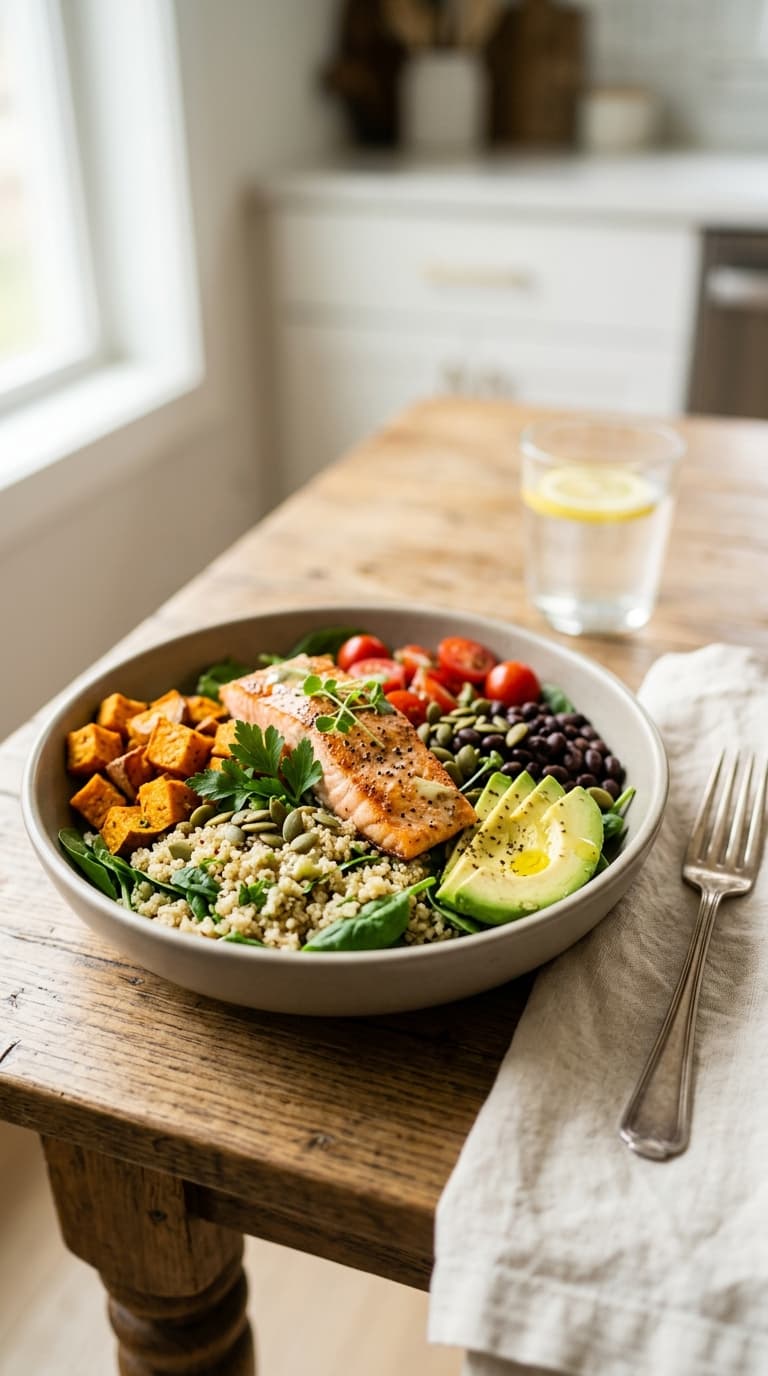
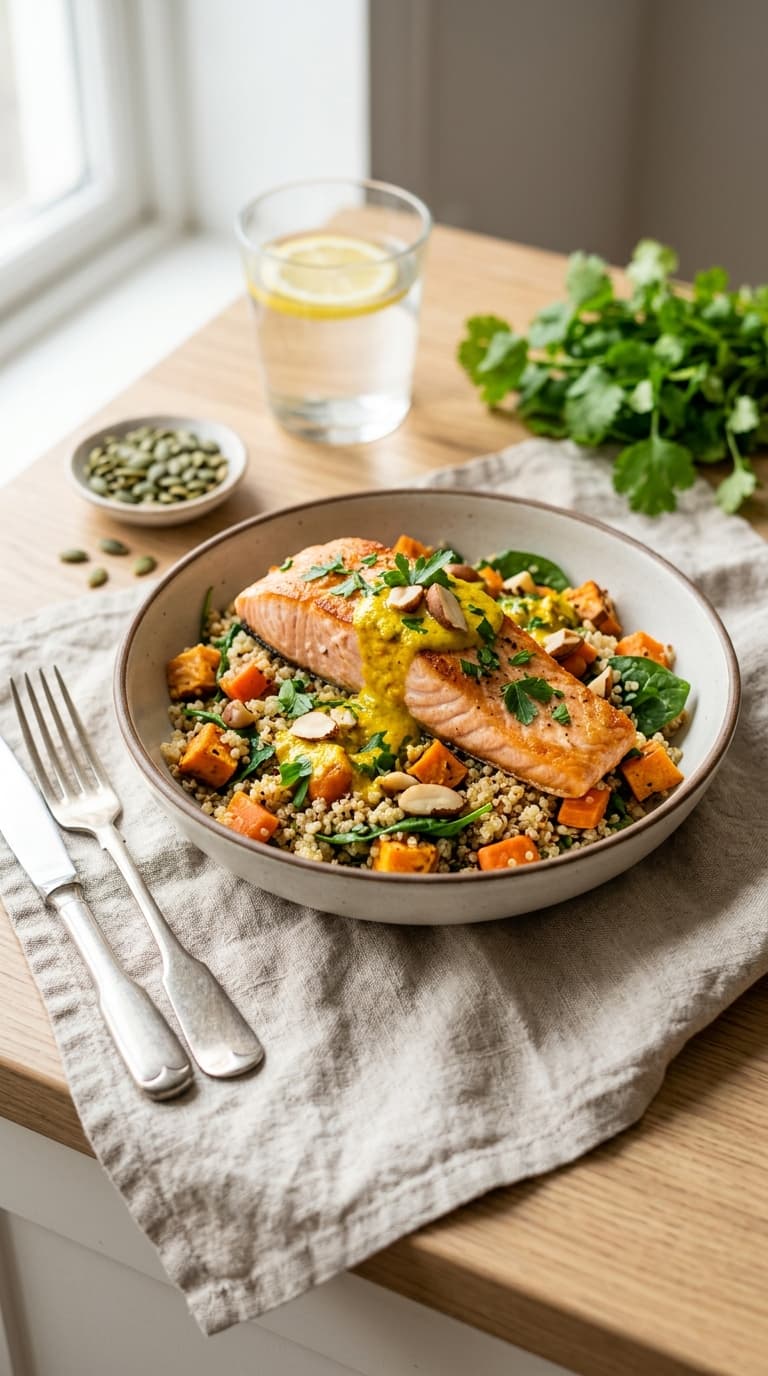
Breakfast should be simple: scrambled eggs with spinach cooked in olive oil, topped with a sprinkle of pumpkin seeds. Lunch gets a big leafy salad with sardines, cucumber, olives, and a lemon-tahini drizzle. Dinner is baked salmon with roasted sweet potato and steamed broccoli (cooked — not raw — remember?).
Snack idea: A small handful of Brazil nuts (no more than 3–4 — seriously, that’s enough selenium for the day) and some fresh berries.
Day 2 — Gut First
Your gut and thyroid talk to each other constantly. Day 2 focuses on gut-healing foods that reduce intestinal permeability, which is a fancy way of saying you don’t want your gut leaking inflammatory proteins into your bloodstream.
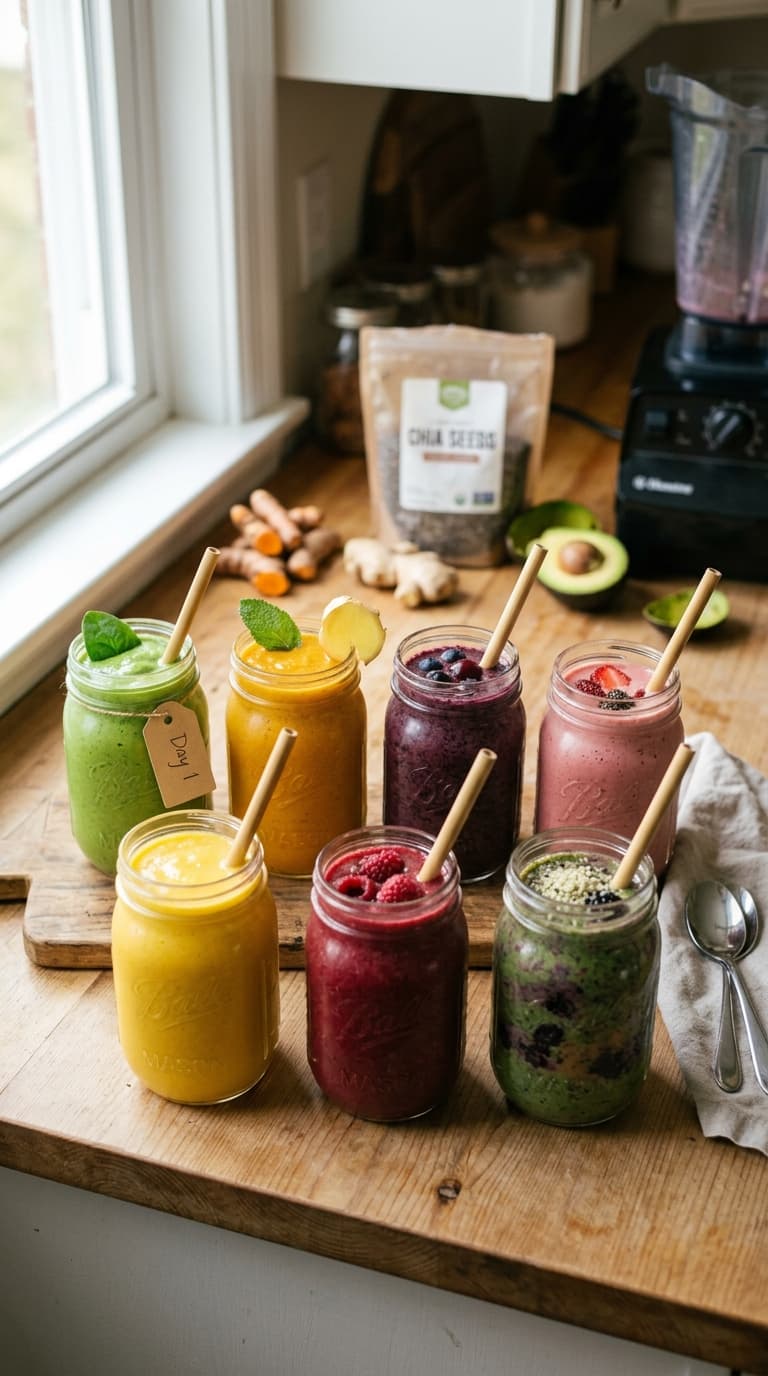
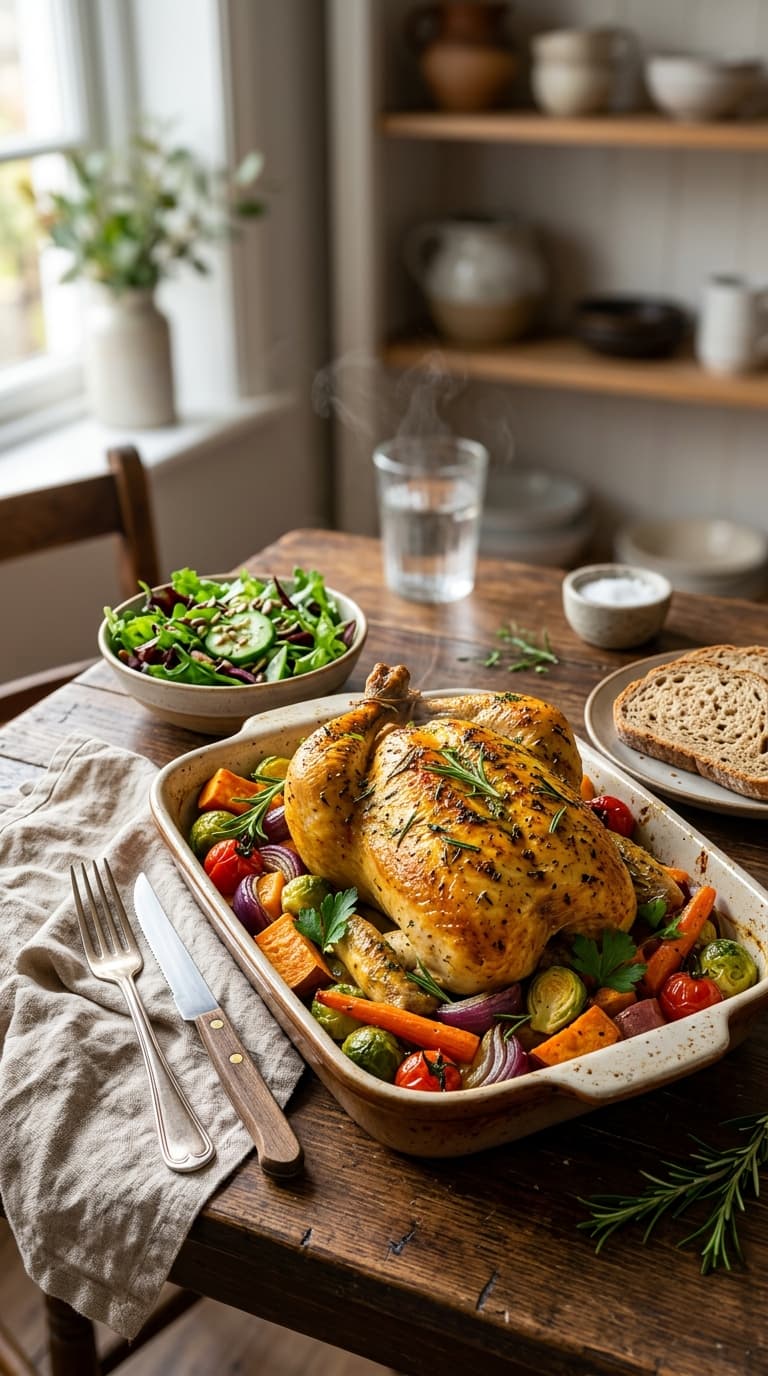
Start with a turmeric-ginger smoothie — blend frozen mango, a thumb of fresh ginger, half a teaspoon of turmeric, a cup of unsweetened almond milk, and a tablespoon of flaxseed. Lunch is a warm lentil soup with garlic, carrots, and cumin. Dinner is a one-pan Mediterranean chicken with zucchini and cherry tomatoes.
The 7-day gut healing Mediterranean menu is a great companion read if gut health is a major focus for you.
Day 3 — Go Heavy on the Greens
By day 3, your body is starting to settle into a lower-inflammation groove. This is the day to really push the vegetables. Think color — the more variety of plant pigments on your plate, the broader your antioxidant coverage.
Breakfast: a Mediterranean bowl with cooked quinoa, a soft-boiled egg, sliced avocado, and cherry tomatoes drizzled with olive oil. Lunch: a big bowl of homemade vegetable soup using bone broth as the base. Dinner: baked cod with a side of roasted beets, arugula, and walnuts.
FYI — arugula is one of those underrated thyroid-friendly greens. It’s rich in folate and glucosinolates that, when cooked or eaten in moderation, actually support detoxification pathways your thyroid depends on.
Day 4 — Midweek Check-In
You’re halfway there. How are you feeling? A little less puffy, maybe? More energy in the afternoons? That’s the inflammation dial turning down.
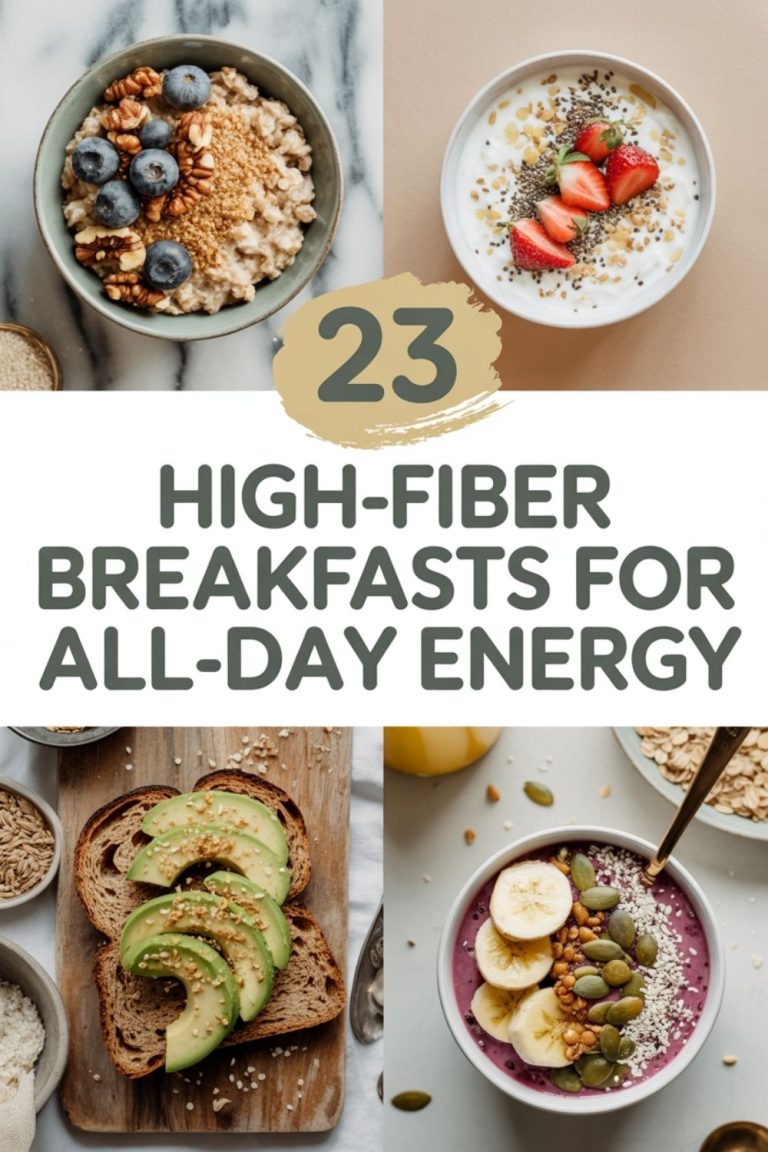
Day 4 is a good day for batch cooking — make a large pot of turmeric-spiced lentils or a grain bowl base so the second half of the week stays easy. Breakfast: Greek yogurt with walnuts, blueberries, and a drizzle of raw honey. Lunch: leftover lentil soup with a side of seeded crackers and hummus. Dinner: shrimp stir-fry with bok choy, garlic, ginger, and coconut aminos over brown rice.
Day 5 — Selenium and Zinc Focus
Day 5 deliberately targets the two nutrients most directly linked to thyroid hormone production. Selenium converts T4 to the active T3 hormone. Zinc supports TSH signaling. Without enough of both, your thyroid is essentially trying to work with its hands tied.
Breakfast: eggs (two of them — great zinc source) cooked in olive oil, served with avocado and a side of smoked salmon. Lunch: a chickpea and roasted red pepper salad with feta, fresh parsley, and lemon juice. Dinner: lamb or beef stir-fry (excellent zinc sources) with colorful peppers and a tahini drizzle.
These 25 Mediterranean chickpea recipes are genuinely worth bookmarking for the rest of the week.
Day 6 — Anti-Inflammatory Drinks Day
What you drink matters almost as much as what you eat. Day 6 incorporates targeted anti-inflammatory beverages throughout the day to work alongside your meals.
Morning: golden milk (warm almond milk, turmeric, cinnamon, black pepper, and a small amount of raw honey). Mid-morning: green tea — EGCG is a powerful antioxidant that reduces thyroid antibody activity in some studies. With meals: water infused with lemon and cucumber. Evening: chamomile tea to lower cortisol before bed, since high cortisol suppresses thyroid function.
For a full list of anti-inflammation drinks you can make at home, there are some really creative options worth adding to your rotation beyond this week.
Day 7 — Consolidate and Celebrate
You made it to day 7. IMO, the best thing you can do on the final day is cook something that feels nourishing and celebratory — not a punishment meal, not a cheat meal, just real food that tastes genuinely good.
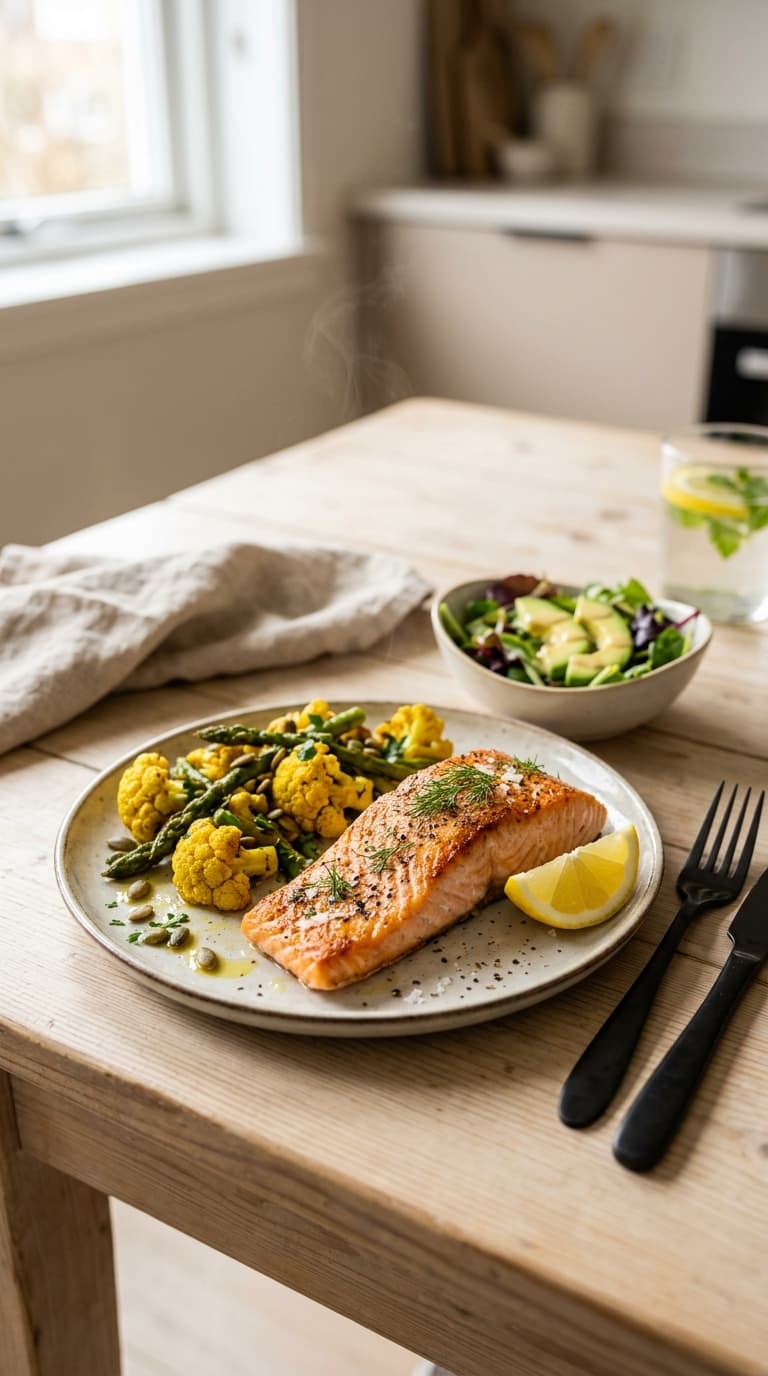
Breakfast: a vibrant smoothie bowl with frozen berries, banana, a scoop of collagen powder, and toppings like hemp seeds, shredded coconut, and a drizzle of almond butter. Lunch: a big Mediterranean grain bowl with farro, roasted vegetables, olives, cucumber, and grilled chicken. Dinner: herb-baked salmon with asparagus and a lemon-caper sauce — genuinely one of the most satisfying meals you’ll eat all week.
Key Nutrients to Track All Week
Don’t just eat randomly — be intentional about hitting these targets every single day:
- Selenium: 55–200 mcg daily (3 Brazil nuts covers it)
- Zinc: 8–11 mg daily (found in meat, seeds, legumes)
- Iodine: 150 mcg daily (found in seaweed, eggs, fish — but don’t overdo it)
- Omega-3s: at least 1–2 servings of fatty fish per week
- Magnesium: 300–400 mg daily (dark chocolate, leafy greens, pumpkin seeds)
- Vitamin D: get 15–20 minutes of morning sunlight and consider a quality supplement
Meal Prep Tips to Make This Week Actually Doable
Let’s be real — the hardest part of any eating plan is the prep work. Here’s how to make this week as painless as possible:
- Batch cook grains on Sunday: quinoa, brown rice, or farro stores well for 4–5 days
- Pre-wash and chop your greens so salads take 5 minutes, not 20
- Make one big pot of soup or stew at the start of the week for easy lunches
- Keep a bag of frozen berries in the freezer — smoothies become a no-brainer
- Hard-boil a batch of eggs for quick protein hits throughout the week
If you’re pressed for time, the 7-day anti-inflammation plan for busy women has some brilliant shortcuts that work perfectly alongside this thyroid-focused approach.
What to Expect After 7 Days
Here’s the honest truth: one week won’t fix a thyroid condition that’s been developing for years. But 7 days of consistent anti-inflammatory eating can meaningfully shift your internal environment — and that matters.
Most people report:
- Reduced bloating and water retention by days 3–4
- More stable energy (fewer afternoon crashes)
- Clearer thinking as neuroinflammation starts to ease
- Better sleep quality, which in turn supports thyroid recovery
- Less joint stiffness or body aches
If you want to extend the benefits, the 30-day anti-inflammation challenge is a natural next step that builds on exactly what you’ve started here.
Beyond the 7 Days — Sustaining Thyroid-Friendly Eating
The real win isn’t completing 7 days — it’s what happens after. You want these habits to stick, and that only happens when the food is genuinely enjoyable, not something you white-knuckle through.
Start thinking about longer frameworks. The 14-day anti-inflammatory eating plan for women extends this foundation with more variety and structure. And if hormonal balance is a bigger concern alongside thyroid health, the hormone-focused plans are worth exploring too.
The Mediterranean dietary pattern consistently ranks as one of the most thyroid-supportive eating styles in the research literature — largely because it naturally incorporates most of what your thyroid actually needs. The 7-day Mediterranean anti-inflammation meal plan pairs beautifully with everything covered here.
Final Thoughts
Your thyroid works incredibly hard for you every single day. The least you can do is stop feeding it gasoline and wondering why it’s on fire :/
Seven days of intentional, anti-inflammatory eating is a real act of care — for your hormones, your energy, your brain, and your long-term health. You don’t need to be perfect. You just need to start, stay consistent through the week, and pay attention to how your body responds.
Because here’s the thing — once you feel the difference, going back to the old way of eating stops being tempting. Your body tells you everything you need to know. You just have to give it the chance to speak.
Now go make that golden milk. Your thyroid will thank you.