
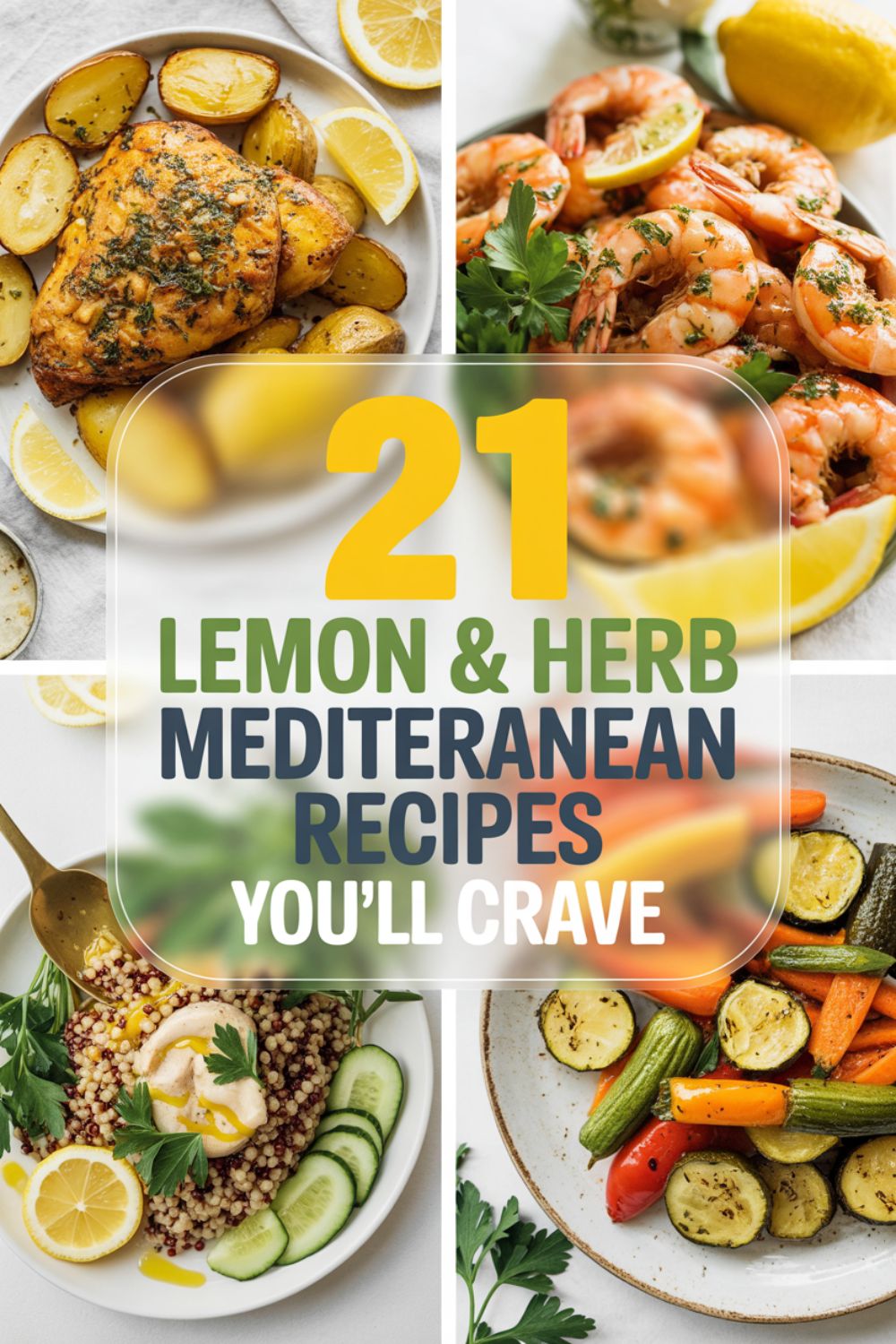
21 Lemon and Herb Mediterranean Recipes You’ll Crave
Look, I get it. You’re tired of bland chicken and sad salads. You want food that actually makes you excited to eat, not just survive another weekday dinner. That’s where lemon and herbs come in—the dynamic duo that turns “meh” into “wow, I actually made this?”
Mediterranean cooking isn’t complicated. It’s just smart. Bright citrus, fragrant herbs, good olive oil, and ingredients that don’t need a chemistry degree to pronounce. These 21 recipes prove you don’t need fancy techniques or a pantry full of weird stuff to eat ridiculously well.
I’ve been cooking Mediterranean-style for years, and honestly? The lemon-herb combo never gets old. It’s the difference between food that tastes like effort and food that tastes like sunshine decided to hang out on your plate.
Why Lemon and Herbs Are Your Secret Weapons
Before we dive into recipes, let’s talk about why this combo works so stupidly well. Lemon brings acidity that wakes up every other flavor on your plate. It cuts through richness, brightens vegetables, and makes proteins taste more… like themselves, but better.
Herbs add layers. Rosemary brings pine-like earthiness, thyme offers subtle complexity, oregano screams Mediterranean, and parsley freshens everything it touches. Together with lemon, they create this flavor explosion that makes people think you’re a way better cook than you actually are.
The antioxidant properties in fresh herbs aren’t just health-magazine fluff either. Rosemary and oregano pack serious anti-inflammatory compounds that your body will thank you for.
Buy a lemon zester and never look back. The zest has all the aromatic oils without the pucker-inducing acid. Game changer for depth of flavor.
Breakfast Recipes That Don’t Suck
Lemon Herb Shakshuka with Feta
This North African-Mediterranean hybrid is what happens when eggs decide to get interesting. Tomatoes simmered with garlic, cumin, and a heavy hand of fresh herbs create this saucy situation where you crack eggs directly into the pan. The lemon zest at the end? That’s what separates this from every other shakshuka you’ve had.
I make this in my trusty cast iron skillet—it goes from stovetop to table, which means less cleanup and more eating. Get Full Recipe
The runny yolk mixing with lemony tomato sauce and tangy feta is absolutely worth waking up for. Scoop it up with crusty bread and try not to make inappropriate food noises.
Mediterranean Lemon Ricotta Pancakes
Pancakes that aren’t boring? Revolutionary. The ricotta makes these impossibly fluffy while lemon zest and a touch of vanilla keep things from tasting like a dairy factory. Drizzle with honey infused with thyme, and suddenly you’re fancy.
These aren’t dense breakfast bricks. They’re light, tangy clouds that somehow feel indulgent and not-terrible-for-you at the same time. For more morning inspiration, our 7-day Mediterranean high-fiber breakfast plan has other ideas that’ll make you actually want to eat breakfast.
Speaking of breakfast winners, you might also love these options that pair perfectly with your morning coffee:
Mediterranean clean eating plan for no-nonsense morning meals, or try the anti-inflammatory smoothie plan when you need grab-and-go energy.
Herb-Roasted Tomatoes with Poached Eggs
Roasting tomatoes concentrates their sweetness and creates these little flavor bombs. Toss them with olive oil, thyme, oregano, and garlic, then roast until they’re blistered and caramelized. Top with perfectly poached eggs and fresh basil.
The key is getting your tomatoes properly charred—don’t be timid. You want some burnt edges. That’s where the magic lives. I use a rimmed baking sheet so nothing escapes, and the cleanup is just one pan.
Lunch Ideas That Actually Fill You Up
Lemon Herb Quinoa Bowl with Grilled Chicken
Quinoa gets a bad rap for being hippie food, but when you cook it in vegetable broth and finish it with lemon juice, parsley, and mint, it becomes something you’d actually choose to eat. Add grilled chicken marinated in lemon, garlic, and oregano, plus cucumbers, tomatoes, olives, and feta.
This is the lunch that keeps you full without that 3 PM carb coma. The protein from quinoa and chicken, combined with healthy fats from olive oil and olives, means your blood sugar stays stable. Get Full Recipe
According to Harvard Health, quinoa’s low glycemic index makes it a smart choice for sustained energy—which is exactly why this bowl works when you need to actually function in the afternoon.
Mediterranean Tuna Salad Wraps
Not the mayo-heavy monstrosity you’re thinking of. This tuna salad gets dressed with olive oil, lemon juice, capers, red onion, and a mountain of fresh dill and parsley. Wrapped in whole wheat tortillas with arugula and sliced tomatoes, it’s the lunch that doesn’t make you hate yourself.
The briny capers and sharp red onion cut through the richness of the tuna, while lemon keeps everything bright. I always mix this in a glass mixing bowl because metal can give it a weird taste—learned that one the hard way.
“I meal-prepped these wraps on Sunday and ate them all week. The lemon kept everything from getting soggy, and by Thursday I was still excited to eat them. That literally never happens with meal prep.”
Lemon Orzo Salad with Roasted Vegetables
Orzo is that pasta that pretends to be rice, and it’s perfect for absorbing lemon-herb dressing. Roast zucchini, bell peppers, red onion, and cherry tomatoes until they’re sweet and slightly charred. Toss with orzo, lots of fresh basil, mint, lemon zest, and crumbled feta.
This works hot or cold, which is clutch for meal prep. The vegetables get better as they marinate in the lemony dressing, so making this ahead actually improves it. If you’re into planning your week, check out our Mediterranean high-fiber meal prep plan—it’s full of make-ahead strategies that actually work.
Dinner Recipes Worth Making
Lemon Herb Roasted Chicken Thighs
Bone-in, skin-on chicken thighs are criminally underrated. They’re cheaper than breasts, stay juicy even if you overcook them slightly, and the skin gets ridiculously crispy. Marinate them in lemon juice, olive oil, garlic, rosemary, and thyme for at least an hour—overnight is even better.
Roast at high heat until the skin is golden and crackling. The marinade creates this herb-crusted exterior that’s basically edible heaven. Serve with roasted potatoes and a simple salad. Get Full Recipe
My roasting pan with a rack ensures the chicken crisps up on all sides instead of sitting in its own juices. Worth every penny for perfectly crispy skin.
Mediterranean Baked Fish with Herbs
White fish like cod, halibut, or sea bass gets layered with sliced lemons, cherry tomatoes, kalamata olives, capers, and fresh herbs. Everything bakes together in parchment paper packets, which sounds fussy but is actually easier than washing a pan.
The fish steams in its own juices with all those aromatics, coming out tender and infused with flavor. It’s the kind of thing that looks impressive enough for company but requires minimal actual skill. For more fish-forward ideas, our 7-day anti-inflammation meal plan has several options that showcase how simple fish can be.
Buy parchment paper in pre-cut sheets. No more wrestling with the roll, and dinner gets on the table faster. Small upgrade, huge quality-of-life improvement.
Lemon Garlic Shrimp with Orzo
Shrimp cooks in literally 5 minutes, which makes this the hero of weeknight dinners. Sauté garlic in olive oil, add shrimp, hit it with lemon juice and white wine, then toss with cooked orzo, spinach, and fresh dill.
The orzo soaks up all that garlicky, lemony sauce, and the spinach wilts into the hot pasta. One pan, 20 minutes, and it tastes like you actually tried. Exactly what exhausted-on-a-Tuesday needs.
If shrimp isn’t your thing, try these protein-packed alternatives that bring similar Mediterranean vibes: Our high-protein Mediterranean plan covers everything from chicken to chickpeas, or explore the vegan anti-inflammation plan for plant-based takes on Mediterranean classics.
Herb-Crusted Lamb Chops
Lamb chops sound fancy, but they’re honestly easier than chicken because they cook so fast. Make a paste with lemon zest, minced garlic, rosemary, thyme, oregano, Dijon mustard, and olive oil. Slather it on the chops and sear them in a screaming-hot pan for about 3 minutes per side.
Medium-rare lamb is buttery, tender, and that herb crust creates this flavorful, slightly crispy coating. Pair it with roasted vegetables or a grain salad, and you’ve got a dinner that feels special without requiring culinary school.
Vegetable Sides That Steal the Show
Lemon Roasted Asparagus with Pine Nuts
Asparagus is one of those vegetables that can go from boring to brilliant with minimal effort. Toss spears with olive oil, salt, and pepper, roast at high heat until they’re tender with crispy tips, then hit them with lemon juice, zest, and toasted pine nuts.
The pine nuts add this buttery crunch that makes asparagus feel luxurious. I toast them in my small skillet while the asparagus roasts—multitasking at its finest.
Herb-Roasted Potatoes with Lemon
These aren’t your average roasted potatoes. Cut them into chunks, toss with olive oil, lemon zest, rosemary, thyme, garlic, and sea salt. Roast until they’re golden and crispy on the outside, creamy on the inside.
The lemon zest creates these little pockets of intense flavor, and the herbs get all crispy and aromatic. Finishing them with a squeeze of fresh lemon juice when they come out of the oven adds brightness that regular roasted potatoes just don’t have. Get Full Recipe
Mediterranean Grilled Zucchini
Slice zucchini lengthwise, brush with olive oil mixed with minced garlic and lemon juice, and grill until you get those beautiful char marks. Finish with fresh mint, basil, crumbled feta, and more lemon.
Grilled zucchini has this smoky sweetness that pairs perfectly with bright herbs and tangy cheese. It’s the side dish that makes people who claim to hate zucchini reconsider their life choices.
Invest in a grill basket for vegetables. No more losing zucchini slices to the grill gods, and everything cooks evenly. Total game changer for veggie grilling.
Salads You’ll Actually Want to Eat
Classic Greek Salad with Herb Vinaigrette
There’s a reason this salad is a classic. Crisp cucumbers, juicy tomatoes, red onion, kalamata olives, and big chunks of feta dressed with olive oil, lemon juice, oregano, and a touch of red wine vinegar.
The key is using the best tomatoes you can find and not skimping on the feta. This isn’t a diet salad—it’s a salad with enough fat and flavor to be satisfying on its own or alongside grilled meats.
Lemon Herb Chickpea Salad
Chickpeas are the underdog of protein-packed salads. Toss them with diced cucumber, cherry tomatoes, red onion, parsley, mint, and dill. Dress with lemon juice, olive oil, garlic, and a pinch of cumin.
This salad gets better as it sits, making it perfect for meal prep. The chickpeas absorb the dressing and become flavor sponges. Serve it on its own, stuff it in pita bread, or use it to top greens. Our high-fiber Mediterranean plan features more chickpea-forward recipes if this becomes your new obsession.
Arugula Salad with Lemon and Parmesan
Simple doesn’t mean boring. Peppery arugula gets dressed with just lemon juice, excellent olive oil, and shaved Parmesan. That’s it. Sometimes less is genuinely more.
The sharp arugula, bright lemon, and salty Parmesan create this perfect balance that doesn’t need ten ingredients to be interesting. I use a vegetable peeler to shave the Parmesan into thin ribbons—looks fancy, takes zero skill.
Kitchen Tools That Make These Recipes Easier
Here are the tools I actually use in my kitchen—not just collecting dust in a drawer. These make Mediterranean cooking less of a production and more of a pleasure.
Microplane Zester
For lemon zest that’s fluffy and aromatic, not chunky and bitter. This tool pays for itself in the first recipe.
Large Cast Iron Skillet
Goes from stovetop to oven to table. Perfect for shakshuka, roasted chicken thighs, and basically everything else.
Herb Scissors
Five blades that chop fresh herbs in seconds. No more tedious knife work or bruised basil.
Mediterranean Meal Prep Guide (Digital)
Step-by-step plan for prepping a week of Mediterranean meals in under 2 hours. Includes shopping lists and timing guides.
Herb Growing eBook
Grow your own herbs on a windowsill or balcony. Fresh rosemary and thyme whenever you need them, for pennies.
Lemon & Herb Recipe Collection (PDF)
100+ printable recipes organized by meal type. Perfect for building your own Mediterranean rotation.
Snacks and Appetizers
Lemon Herb Hummus
Store-bought hummus is fine, but homemade is ridiculously better. Blend chickpeas, tahini, lemon juice, garlic, and olive oil until smooth, then stir in fresh parsley, dill, and mint. Top with more olive oil, lemon zest, and a sprinkle of sumac if you’re feeling fancy.
This hummus is bright, creamy, and packed with fresh herb flavor. Serve it with vegetables, pita, or eat it with a spoon—no judgment here. A good food processor makes this silky smooth instead of chunky.
Stuffed Grape Leaves with Lemon Rice
Dolmas might seem intimidating, but they’re basically just rice wrapped in leaves. The filling is rice cooked with onions, pine nuts, currants, dill, mint, and loads of lemon juice. Roll them up in brined grape leaves and steam.
These are tangy, herby, and surprisingly satisfying. They’re also great for parties because people are always impressed, but you just followed a simple roll-and-steam process.
Lemon Herb Marinated Olives
Buy good olives—not the canned nonsense—and marinate them in olive oil with lemon zest, garlic, red pepper flakes, and fresh herbs. Let them sit for at least a day, and they transform into something you’d pay $12 for at a fancy grocery store.
These olives are great for snacking, adding to salads, or serving as part of a mezze spread. The marinade keeps in the fridge for weeks, getting better with time.
Building a full mezze spread? These recipes complement those marinated olives perfectly: Try the gut-healing Mediterranean menu for more dips and spreads, or check out the family meal plan for crowd-pleasing appetizer ideas.
Light Mains and Grain Bowls
Lemon Herb Farro Bowl
Farro is that chewy, nutty grain that makes you feel like you’re eating something wholesome without being punished for it. Cook it in vegetable broth, then toss with lemon juice, olive oil, roasted vegetables, chickpeas, fresh herbs, and feta.
This bowl is filling, nutritious, and actually tastes good—the holy trinity of healthy eating. The farro holds up to meal prep without getting mushy, which is more than I can say for most grains. Get Full Recipe
Mediterranean Stuffed Peppers
Bell peppers stuffed with a mixture of rice, ground lamb (or turkey), tomatoes, onions, garlic, oregano, mint, and lemon zest. Bake until the peppers are tender and the filling is bubbling.
These are hearty enough to be a main dish but not so heavy that you need a nap afterward. The lemon zest in the filling keeps everything fresh instead of dense and greasy. If you’re cooking for a crew, our Mediterranean family meal plan has more ideas that feed everyone without making you hate cooking.
Lemon Herb Couscous with Roasted Vegetables
Couscous is the lazy person’s grain—it cooks in 5 minutes by just adding boiling water. Fluff it with lemon juice, olive oil, and fresh herbs, then pile on roasted eggplant, zucchini, bell peppers, and red onion.
The vegetables caramelize in the oven while the couscous sits there being easy. Combine them, top with toasted almonds and feta, and you’ve got a meal that looks like you tried but required minimal effort.
“I made the couscous bowl three times in one week. It’s so fast, uses whatever vegetables I have, and my kids actually eat it. That last part alone makes it a miracle recipe.”
Making the Most of Fresh Herbs
Fresh herbs make or break Mediterranean cooking. Dried herbs have their place, but fresh brings a brightness and complexity that’s worth the extra effort. Here’s what you need to know about the heavy hitters.
Parsley is your workhorse. It adds freshness without overwhelming other flavors. Use flat-leaf (Italian) parsley, not the curly stuff that tastes like grass.
Mint brings cooling, sweet notes that balance rich or spicy dishes. It pairs especially well with lamb, yogurt, and citrus.
Dill has that distinctive anise-like flavor that works magic with fish, yogurt-based sauces, and cucumber. A little goes a long way.
Basil is sweet and aromatic. It’s delicate, so add it at the end of cooking to preserve its flavor and vibrant color.
Oregano is pungent and slightly bitter in the best way. It holds up to heat, making it great for marinades and long-cooked dishes.
Rosemary and Thyme are woody herbs that can handle high heat. They’re perfect for roasting meats and vegetables.
Store fresh herbs wrapped in a damp paper towel inside a produce storage bag—they’ll last way longer than just sitting in the fridge getting slimy.
Tips for Cooking with Lemons
Not all lemon applications are created equal. The juice, zest, and even slices each bring something different to the table.
Lemon juice adds brightness and acidity. Add it at the end of cooking for maximum impact—heat dulls its flavor. Always use fresh-squeezed; the bottled stuff tastes like regret.
Lemon zest contains aromatic oils that pack more lemon flavor without the acidity. It’s perfect for marinades, baked goods, and finishing dishes where you want lemon punch without making things sour.
Lemon slices roasted with meats or fish release their juices and create this intense, concentrated flavor. The peel becomes slightly bitter in a good way, adding complexity.
Room temperature lemons yield more juice. Roll them on the counter before cutting to break down the internal membranes. Or throw them in the microwave for 10 seconds—works every time.
Freeze leftover lemon juice in ice cube trays. Each cube is about 2 tablespoons—perfect for throwing into sauces, dressings, or marinades without waste.
Meal Prep Strategies
Mediterranean cooking is weirdly perfect for meal prep because the flavors actually improve as they sit. Here’s how to make it work without spending your entire Sunday in the kitchen.
Prep herbs once. Wash, dry, and chop all your herbs for the week on Sunday. Store them in airtight containers lined with paper towels. They’ll last 5-7 days and save you tons of time during the week.
Make big batches of grains. Cook quinoa, farro, or rice in large quantities. They refrigerate beautifully and reheat without getting weird. Use them as bases for different bowls throughout the week.
Roast vegetables in bulk. A huge sheet pan of roasted vegetables can be repurposed into grain bowls, salads, wraps, or side dishes all week long.
Marinate proteins ahead. Chicken, lamb, or fish can marinate overnight, making weeknight cooking faster. Just pull them out, cook, and dinner’s ready in 20 minutes.
Our Mediterranean meal prep plan breaks down exactly what to prep when, so you’re not guessing your way through Sunday.
Common Mistakes to Avoid
Even simple Mediterranean cooking has pitfalls. Here’s what trips people up and how to dodge those mistakes.
Using dried herbs when fresh is required. Dried herbs are more concentrated and taste different. They work in long-cooked dishes, but fresh herbs are non-negotiable for finishing touches and raw applications like salads.
Skimping on olive oil. This isn’t low-fat cuisine. Good olive oil is a flavor component, not just cooking fat. Use enough to make things taste rich and satisfying.
Over-marinating with lemon. The acid in lemon juice can “cook” proteins if left too long. For delicate fish, 15-30 minutes is plenty. Chicken and lamb can handle a few hours but overnight is pushing it.
Not seasoning properly. Mediterranean food relies on simple, high-quality ingredients, which means seasoning matters. Taste as you go and don’t be shy with salt—it makes everything else shine.
Overcooking fish. Fish cooks fast. If it’s flaking apart when you test it, it’s already overdone. Pull it when it’s just opaque in the center—carryover heat will finish the job.
Frequently Asked Questions
Can I substitute dried herbs for fresh in these recipes?
Sometimes, but not always. For cooked dishes like roasted chicken or baked fish, dried herbs work fine—use about 1/3 the amount since they’re more concentrated. But for fresh applications like salads, dressings, or finishing touches, you really need fresh herbs. The flavor and brightness just aren’t the same with dried.
How long do fresh herbs last in the fridge?
Properly stored, fresh herbs last 5-7 days. Wrap them in a damp paper towel and store in an airtight container or produce bag. Heartier herbs like rosemary and thyme last longer than delicate ones like basil and cilantro. If you see them wilting, chop them up and freeze in olive oil for later use.
What’s the best way to get more juice out of lemons?
Use room temperature lemons and roll them firmly on the counter before cutting—this breaks down the internal membranes. You can also microwave them for 10-15 seconds to warm them up, which makes the juice flow more easily. A good citrus juicer helps too, but the rolling trick works even if you’re just using your hands.
Are these recipes suitable for meal prep?
Most of them, yes. Grain bowls, salads (dress separately), roasted vegetables, and marinated proteins all prep beautifully. Things like shakshuka or fresh fish are better made fresh. The key is storing components separately and assembling when you’re ready to eat. Check our meal prep plan for specific strategies.
Can I make these recipes vegan or vegetarian?
Absolutely. Most of these recipes are already vegetarian or can easily be adapted. Swap fish or chicken for chickpeas, white beans, or tofu. Use nutritional yeast instead of cheese for a vegan option. The lemon-herb flavor profile works just as well with plant-based proteins. Our vegan Mediterranean plan has tons of plant-based inspiration.
Mediterranean cooking doesn’t require fancy techniques or hard-to-find ingredients. It’s about letting good ingredients shine with the help of lemon, fresh herbs, and quality olive oil. These 21 recipes prove that bright, flavorful food doesn’t have to be complicated.
Start with a few favorites—maybe the shakshuka for breakfast and the quinoa bowl for lunch. Get comfortable with the flavor combinations, then experiment. Mediterranean cooking is forgiving. Add more lemon if you want brightness, more herbs if you want complexity, more olive oil if you want richness.
The beauty of this style of cooking is that it makes you feel good without feeling restrictive. You’re eating real food that tastes amazing and happens to be good for you. That’s the sweet spot where sustainable eating actually lives—not in deprivation, but in food that’s too good not to keep making.