20 Mediterranean Foods That Support Hormone Health
20 Mediterranean Foods That Support Hormone Health
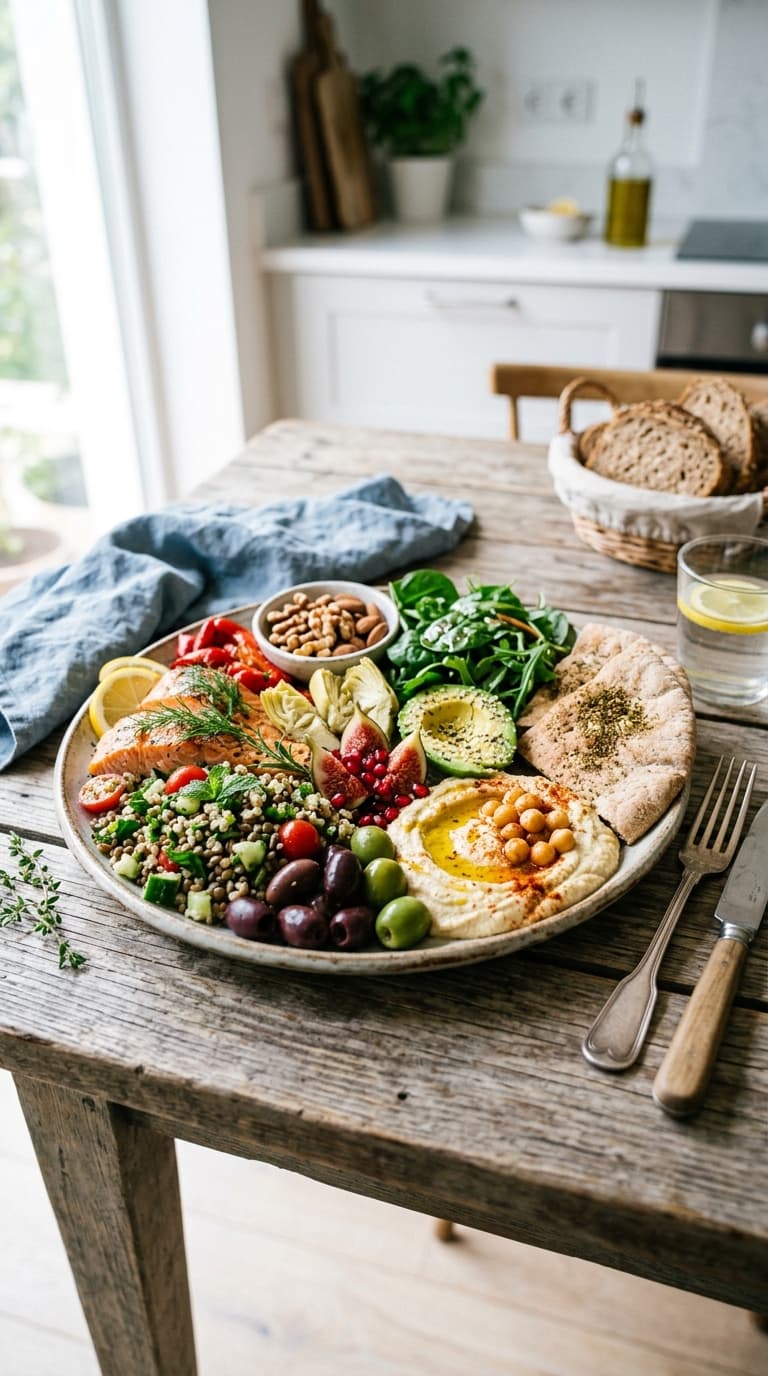
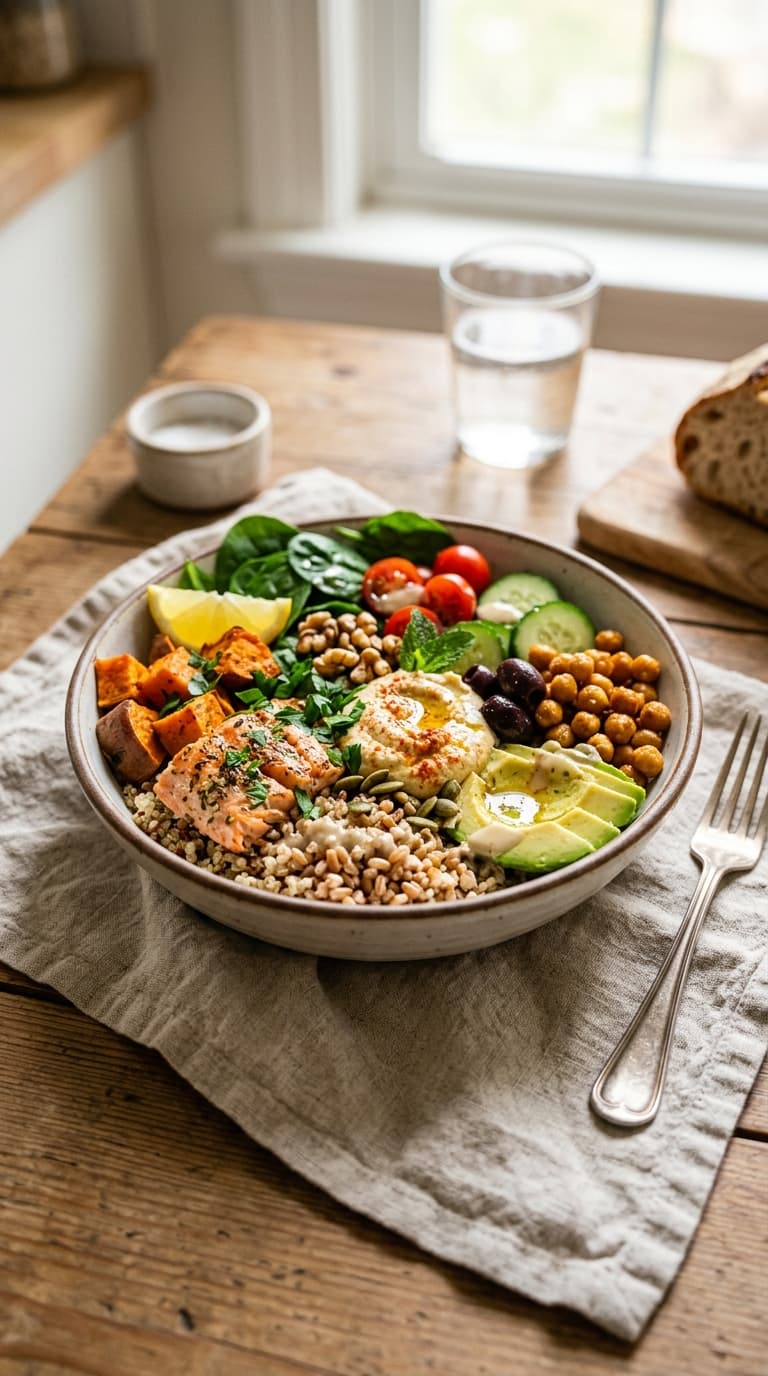
Your hormones run practically everything — your mood, your sleep, your energy, your metabolism, your skin. And yet most of us treat hormone health like some mysterious black box that only doctors with expensive lab panels can decode. Here’s the thing though: what you eat every single day either supports your hormonal balance or quietly works against it. And the Mediterranean diet? It’s basically a hormone health goldmine that people have been sitting on for centuries.
I got genuinely obsessed with this topic after going through a rough patch with energy crashes and terrible sleep a couple of years ago. Turns out, my eating habits were doing my hormones zero favors. Switching to more Mediterranean-style eating didn’t just help — it honestly changed how I felt day to day. So let me walk you through the 20 foods that actually move the needle.
1. Extra Virgin Olive Oil
Let’s start with the cornerstone of the whole Mediterranean approach. Extra virgin olive oil (EVOO) is loaded with oleocanthal, a compound with powerful anti-inflammatory properties that helps reduce the chronic inflammation that wreaks havoc on hormonal signaling.
Your endocrine system hates inflammation. When your body is in a constant low-grade inflammatory state, cortisol spikes, insulin sensitivity drops, and your sex hormones get thrown off balance. A couple of tablespoons of quality EVOO daily can meaningfully shift that dynamic. Check out these olive oil-inspired Mediterranean recipes for easy ways to use it every day.
2. Fatty Fish (Salmon, Sardines, Mackerel)
If you want to talk about hormone-supporting foods, omega-3 fatty acids basically deserve their own TED Talk. Fatty fish are among the richest sources of EPA and DHA, two omega-3s that directly influence the production of prostaglandins — hormone-like compounds that regulate inflammation, ovulation, and even stress response.
Sardines especially are an underrated hero here. They’re cheap, shelf-stable, and genuinely packed with nutrients. Don’t sleep on them. These Mediterranean fish and seafood recipes make it surprisingly easy to get your omega-3s in without eating boring grilled salmon every single night.
3. Flaxseeds
Flaxseeds contain lignans, which are phytoestrogens — plant compounds that gently interact with estrogen receptors in the body. For women dealing with estrogen dominance or perimenopausal shifts, flaxseeds can help support a healthier estrogen balance without the drama.
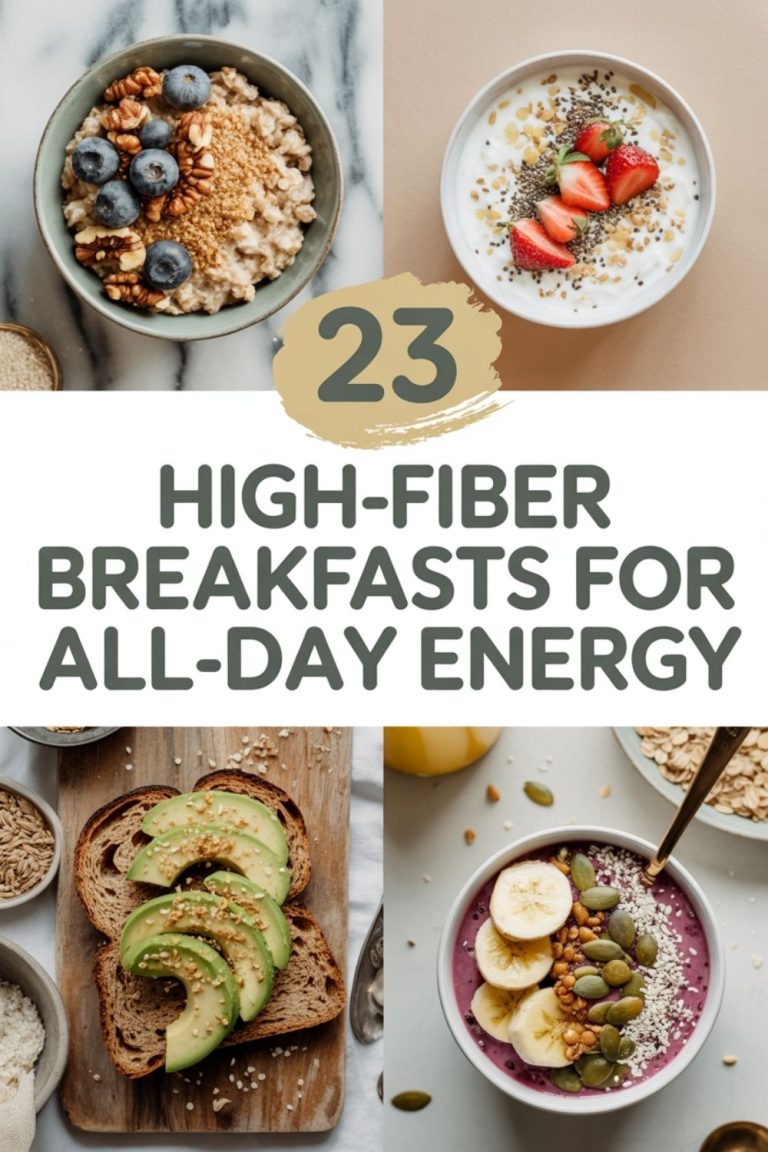
They’re also rich in fiber, which plays a huge role in how your body clears excess estrogen through the gut. Ground flaxseeds are the move here — your body can’t absorb whole ones properly. Just toss a tablespoon into your yogurt or smoothie and you’re good.
4. Greek Yogurt
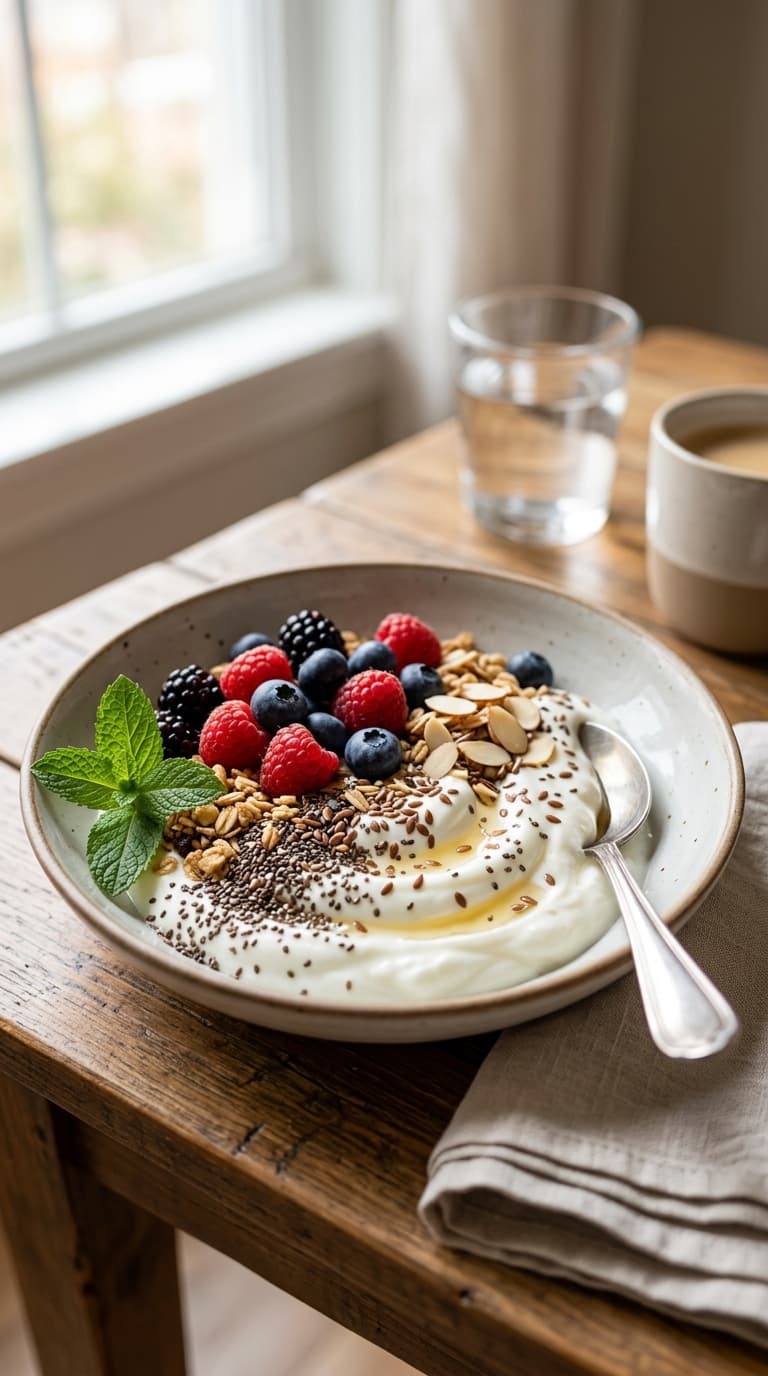
Speaking of yogurt — full-fat Greek yogurt is a powerhouse for hormone health for a few reasons. It delivers probiotics that support gut health (which, FYI, directly affects estrogen metabolism), plus it’s rich in protein and calcium that support thyroid function and muscle repair.
The gut-hormone connection is something that doesn’t get nearly enough attention. Your gut bacteria actually help regulate how your body processes and recycles hormones. A healthy microbiome = better hormonal balance. These Greek yogurt recipes with a Mediterranean twist are genuinely delicious and easy to make a regular habit.
5. Chickpeas
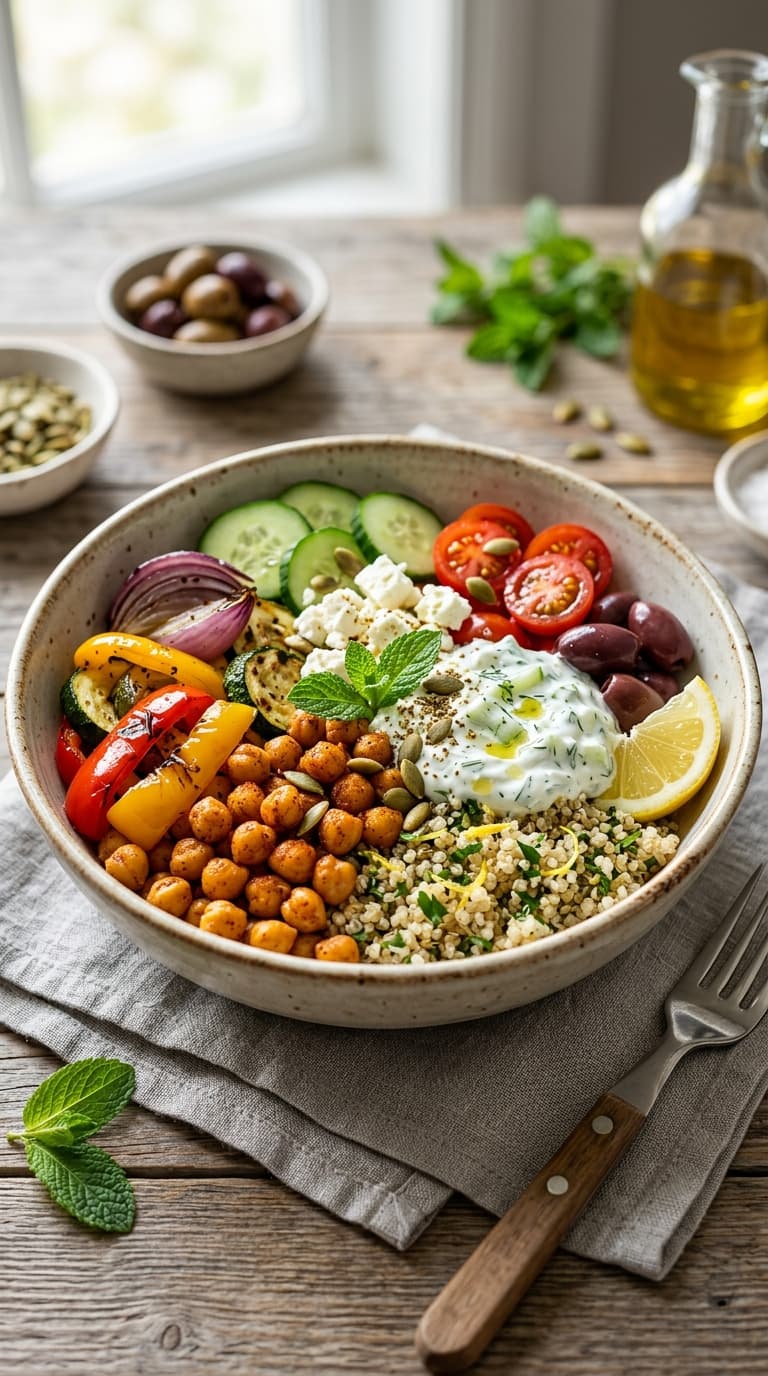
Chickpeas are the Mediterranean diet’s MVP, and they earn that title when it comes to hormones too. They’re rich in zinc, magnesium, and B6 — all nutrients that are essential for progesterone production and adrenal health.
They also deliver a solid hit of plant-based protein and fiber, both of which help stabilize blood sugar. And blood sugar stability? That’s arguably the most underrated factor in hormone balance. Spiking and crashing blood sugar all day is one of the fastest ways to throw cortisol and insulin into chaos. Try these Mediterranean chickpea recipes to start working them into your weekly rotation.
6. Lentils
If chickpeas are the MVP, lentils are the reliable all-star who shows up every game without complaint. Lentils are packed with folate, iron, and slow-digesting complex carbohydrates that help maintain steady energy and support thyroid hormone production.
Iron deficiency is massively common, especially in women, and it directly affects how well your thyroid functions. Low thyroid function messes with everything — metabolism, mood, fertility, temperature regulation. Lentils give you a plant-based iron boost alongside fiber that supports gut hormone clearance. These Mediterranean lentil recipes are a great place to start.
7. Walnuts
Walnuts are one of those foods that feel almost too convenient. They’re one of the best plant-based sources of ALA omega-3s, and they also contain melatonin, polyphenols, and magnesium — a trifecta that directly supports sleep quality and cortisol regulation.
Poor sleep is one of the fastest routes to hormonal dysfunction. Your body does most of its hormone repair work during deep sleep, so if that’s disrupted, everything downstream suffers. A small handful of walnuts as an afternoon snack is genuinely one of the easiest hormone-supportive habits you can build. These high-fiber snacks that actually fill you up include some great walnut-forward options.
8. Leafy Greens (Spinach, Kale, Swiss Chard)
Dark leafy greens might be the unsexy answer, but here’s the thing — they deliver magnesium, folate, and vitamin K in amounts that genuinely support adrenal and thyroid health. Magnesium in particular is involved in over 300 enzymatic reactions in the body, including many related to hormone synthesis.
Most people are chronically low in magnesium. Stress depletes it rapidly, and most Western diets don’t replenish it. Loading up on leafy greens is one of the most effective (and least complicated) ways to address that. If leafy greens feel boring to you, honestly you’re just not cooking them right. 🙂
9. Tomatoes
Tomatoes bring lycopene to the table, and lycopene is a potent antioxidant that helps protect hormone-producing glands from oxidative stress. Your adrenal glands, thyroid, and ovaries are all particularly vulnerable to oxidative damage, which can impair hormone output over time.
Cooked tomatoes actually deliver more bioavailable lycopene than raw ones — so that slow-simmered tomato sauce isn’t just delicious, it’s actively doing something useful for your health. These tomato-based Mediterranean recipes make it easy to get more cooked tomatoes into your week.
10. Garlic
Garlic is wildly underrated as a hormone-supporting food. It contains allicin and organosulfur compounds that support liver detoxification — and your liver is the organ that processes and clears excess hormones from your body.
If your liver is sluggish, estrogen and other hormones can recirculate instead of being properly eliminated. That leads to buildup and imbalance. Garlic also has solid anti-inflammatory effects and supports healthy cortisol metabolism. Plus it makes everything taste better, which is a bonus that has nothing to do with hormones but everything to do with life quality.
11. Figs
Figs are one of those Mediterranean staples that most people ignore unless they’re on a charcuterie board. Shame, because figs are rich in calcium, potassium, and magnesium, all of which support smooth muscle function in the uterus and help regulate PMS symptoms.
They’re also high in fiber, which — as you’re probably noticing is a theme here — helps your gut clear excess estrogen efficiently. Fresh figs are incredible in season, but dried figs work perfectly well for everyday eating.
12. Almonds
Almonds are one of the best food sources of vitamin E, a fat-soluble antioxidant that plays a direct role in progesterone production and luteal phase support. For anyone dealing with short luteal phases or progesterone-related symptoms, vitamin E is worth paying close attention to.
Almonds also deliver magnesium, zinc, and healthy fats that support overall endocrine function. IMO, a small handful of almonds is the easiest hormone-supportive snack you can keep at your desk. No prep, no fuss. These Mediterranean snack box ideas are great for building a hormone-friendly snack rotation.
13. Turmeric
Okay, technically turmeric is a spice rather than a food — but it’s so central to Mediterranean and Middle Eastern cooking that it absolutely earns its place here. Curcumin, the active compound in turmeric, is one of the most studied natural anti-inflammatories on the planet.
Reducing systemic inflammation is foundational to hormone balance. When inflammation is high, cortisol stays elevated, insulin resistance worsens, and sex hormone production gets deprioritized by the body. Adding turmeric to your cooking is a small habit with real cumulative impact. Pair it with black pepper to dramatically boost absorption.
14. Pomegranate
Pomegranate is genuinely fascinating from a hormone perspective. It contains phytoestrogens and ellagitannins that have been shown to support estrogen balance, particularly relevant for women in perimenopause or those dealing with estrogen-related conditions.
Research also suggests pomegranate may help inhibit an enzyme called aromatase, which converts testosterone to estrogen — making it potentially helpful for anyone dealing with estrogen dominance. It’s tart, it’s beautiful, and it belongs in your diet. Try the seeds on salads, in yogurt, or just eaten straight.
15. Eggs
Eggs are one of the most complete hormone-building foods available — full stop. They deliver cholesterol (yes, the good kind your body actually needs to synthesize steroid hormones like estrogen, testosterone, and cortisol), plus choline, vitamin D, and iodine.
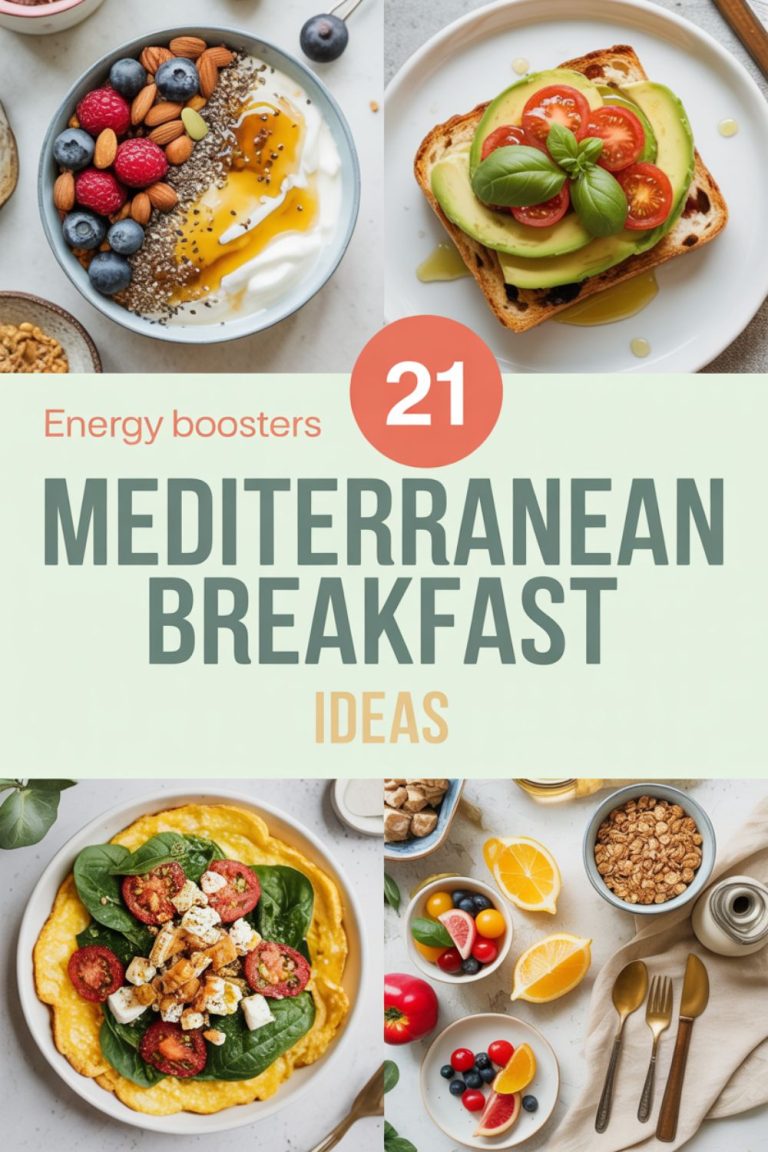
Cholesterol has been unfairly demonized for decades. Your body literally cannot make sex hormones without it. Whole eggs from quality sources are a cornerstone of hormone-supportive eating, and anyone telling you to skip the yolk is basically telling you to throw away the most nutrient-dense part. Hard pass on that advice. Check out these Mediterranean breakfast bowls for egg-forward morning ideas.
16. Feta Cheese
Full-fat feta made from sheep’s or goat’s milk delivers fat-soluble vitamins A, D, K2, and a dose of healthy saturated fat that supports the production of steroid hormones. It’s also a source of conjugated linoleic acid (CLA), which has anti-inflammatory and metabolic benefits.
The fat-soluble vitamins in feta work synergistically — vitamin D is essential for thyroid health, vitamin A supports hormone receptor sensitivity, and K2 helps direct calcium where it belongs. These feta cheese recipes make it genuinely easy to enjoy feta as part of a balanced hormone-supportive diet.
17. Sesame Seeds (Tahini)
Sesame seeds are another excellent source of lignans, similar to flaxseeds, making them useful for estrogen balance. They’re also rich in zinc, which is critical for testosterone production in both men and women, as well as for progesterone synthesis and immune function.
Tahini — ground sesame paste — is one of the most versatile ingredients in Mediterranean cooking. Drizzle it on roasted vegetables, blend it into dressings, or use it as a dip. It’s one of those ingredients that quietly upgrades everything it touches.
18. Artichokes
Ever wondered why your liver feels the love when you eat artichokes? Because artichokes contain cynarin and silymarin, compounds that actively stimulate bile production and support liver detoxification pathways — the same pathways your liver uses to process and clear excess hormones.
A sluggish liver means slower hormone clearance, which can contribute to estrogen buildup and cortisol dysregulation. Artichokes are also high in prebiotic fiber, feeding the beneficial gut bacteria that further support hormone metabolism. They’re a bit of effort to prepare fresh, but jarred artichoke hearts work perfectly well for everyday use.
19. Pumpkin Seeds
Pumpkin seeds are one of the richest plant-based sources of zinc, which is non-negotiable for healthy testosterone levels, ovulation, and thyroid function. They also deliver magnesium, iron, and healthy fats in a compact, snackable package.
Zinc deficiency is more common than most people realize, and it shows up as hormonal disruption, poor immune function, slow wound healing, and compromised fertility. A small handful of pumpkin seeds daily is a genuinely effective way to keep zinc levels supported. These anti-inflammatory foods for clear skin highlight pumpkin seeds among other hormone-skin connection foods worth knowing about.
20. Herbal Teas (Spearmint, Chamomile, Green Tea)
Rounding out the list with something you drink rather than eat — because what you sip matters too. Spearmint tea has been shown in clinical studies to help reduce androgen levels, making it genuinely useful for conditions like PCOS. Chamomile supports cortisol regulation and sleep quality. Green tea provides EGCG, an antioxidant that supports healthy estrogen metabolism.
These aren’t miracle cures — let’s be real. But as part of a broader hormone-supportive dietary pattern, they add up. Swapping an afternoon coffee for spearmint or chamomile tea is a small, easy shift with legitimate hormonal benefits. These anti-inflammation drinks you can make at home include herbal tea blends worth bookmarking.
Putting It All Together
Here’s the honest truth: no single food fixes your hormones. Hormone balance is a whole-system thing — it takes consistent eating patterns, sleep, stress management, and movement working together over time. But these 20 Mediterranean foods give your body genuinely powerful building blocks to work with.
If you want a structured way to start incorporating these foods, the 14-day anti-inflammation hormone balancing plan is a solid framework that weaves many of these ingredients together in a practical, daily structure. And if you’re newer to Mediterranean-style eating overall, the 7-day Mediterranean meal plan for beginners gives you a gentle entry point without overwhelming you.
The bottom line: your hormones respond to what you feed them. Start with the foods on this list, build the habit slowly, and pay attention to how you feel over weeks — not days. The results are rarely dramatic and instant (sorry, that’s just not how biology works), but they are real, and they compound over time.
Your future self — the one sleeping better, feeling more energized, and not riding the mood rollercoaster — will genuinely thank you for starting now. 🙂