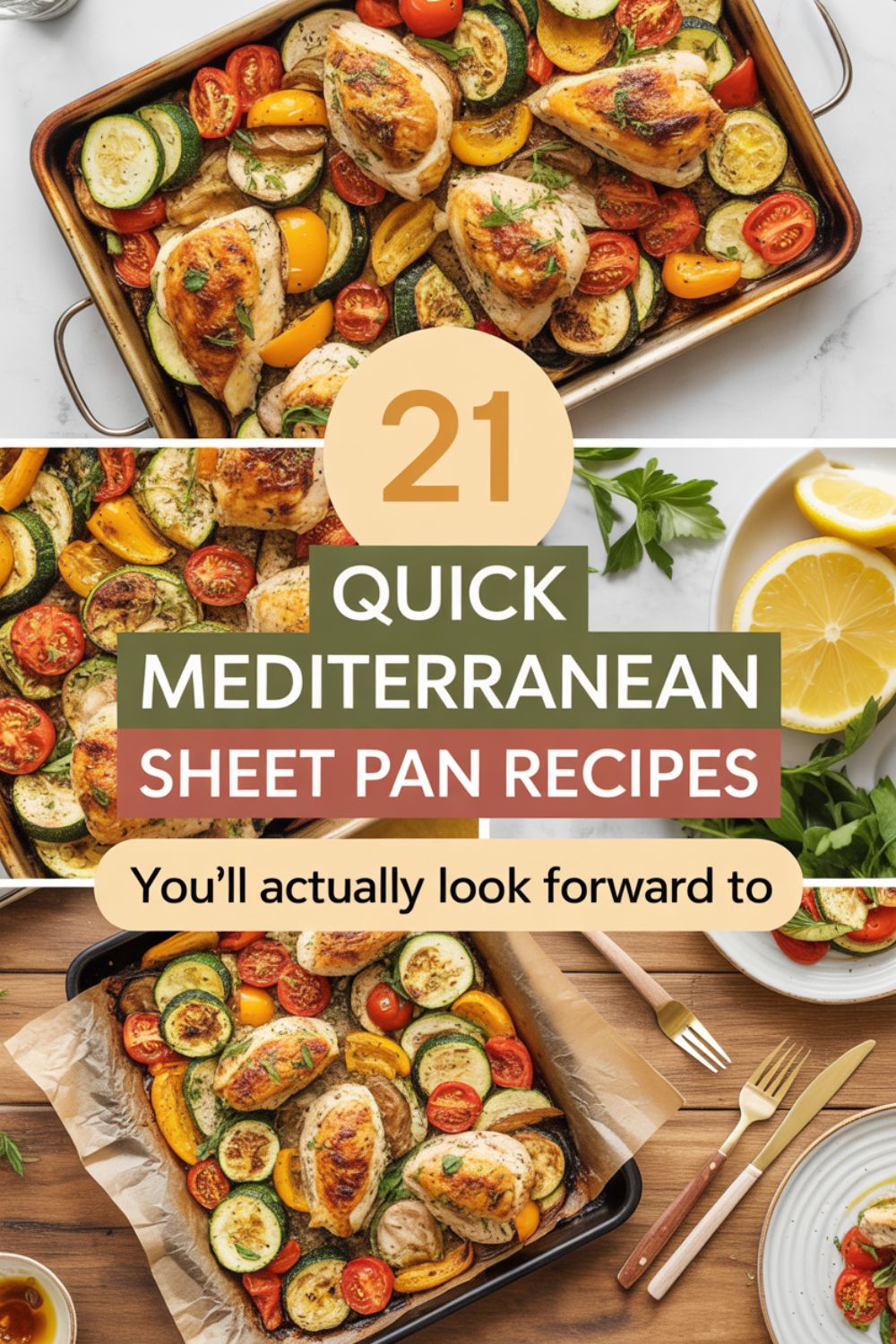
21 Quick Mediterranean Sheet Pan Recipes You’ll Actually Look Forward To
Look, I’m going to level with you right from the start. I spent years thinking sheet pan dinners were just lazy cooking disguised as meal prep wisdom. You know what changed my mind? A particularly hectic Tuesday evening when I had exactly 15 minutes before my kids started their nightly snack rampage, and I threw some chicken thighs, cherry tomatoes, and bell peppers on a sheet pan with olive oil and oregano. Twenty-five minutes later, I had dinner that tasted like I’d actually tried, and somehow the entire pan was empty by the time we cleared the table.
The Mediterranean diet isn’t just some trendy eating plan your wellness-obsessed coworker keeps talking about. Research from Harvard’s School of Public Health shows that people who follow Mediterranean dietary patterns have a 25% lower risk of cardiovascular disease. What makes it work isn’t restriction or complicated rules—it’s the combination of whole foods, healthy fats, and flavors that actually make you want to eat your vegetables.
These 21 recipes aren’t here to impress your Instagram followers or make you feel guilty about weeknight shortcuts. They’re designed for real people who want to eat well without spending their entire evening scrubbing pots or decoding complicated cooking techniques.
Why Sheet Pan Cooking Actually Makes Sense for Mediterranean Food
Mediterranean cooking relies heavily on roasting and high-heat techniques that caramelize natural sugars in vegetables and create those crispy, flavorful edges everyone fights over. Sheet pans give you exactly that. The large surface area means everything gets proper heat exposure instead of steaming in its own moisture like it would in a crowded skillet.
The principle is simple: arrange your ingredients so everything finishes cooking at roughly the same time, drizzle with good olive oil, season generously, and let the oven do the work. Studies published in the National Institutes of Health note that the anti-inflammatory properties of Mediterranean ingredients—especially the polyphenols in extra virgin olive oil—are what make this eating pattern so beneficial.
You don’t need fancy equipment either. A standard aluminum half-sheet pan works perfectly fine. I use this heavy-duty rimmed baking sheet that doesn’t warp at high temperatures, and honestly, it’s gotten more use than any other piece of cookware in my kitchen.
The Core Ingredients That Show Up Again and Again
Before we get into the actual recipes, let’s talk about what makes these dishes Mediterranean rather than just “stuff on a pan.” You’ll see certain ingredients repeatedly, and there’s good reason for that.
Olive Oil—The Non-Negotiable Base
Extra virgin olive oil isn’t optional here, and please don’t try substituting it with canola or vegetable oil. The flavor profile changes completely, and you lose the health benefits. Cleveland Clinic’s research shows that the oleocanthal in quality EVOO works similarly to anti-inflammatory medications.
I keep a decent bottle for finishing dishes and a more affordable one for cooking at high heat. For sheet pan roasting, something in the middle works great. This cold-pressed olive oil has become my go-to for everyday cooking—it’s got enough flavor to matter but won’t break the bank.
Fresh Herbs Versus Dried
Both have their place, but knowing when to use which matters. Dried oregano, thyme, and rosemary can handle high heat and actually bloom in flavor. Fresh basil, parsley, and dill should be added after cooking or they’ll turn bitter and brown. Keep a herb keeper in your fridge if you buy fresh herbs regularly. Mine keeps cilantro and parsley fresh for nearly two weeks instead of the pathetic three days they’d survive in a plastic bag.
Pro Tip: Freeze leftover fresh herbs in olive oil using an ice cube tray. Pop one out whenever you need it—instant flavor boost with zero waste.
21 Mediterranean Sheet Pan Recipes Worth Your Time
1. Classic Greek Chicken with Lemon and Potatoes
This is the recipe that converted me to sheet pan cooking. Bone-in chicken thighs get rubbed with garlic, oregano, and lemon zest, then roasted alongside baby potatoes that crisp up in the rendered chicken fat. The potatoes turn golden and creamy inside while developing these incredible crunchy edges.
Cut your potatoes into similar-sized pieces so they cook evenly. Fingerling potatoes work beautifully here and don’t require much prep. Get Full Recipe
2. Spanish-Style Shrimp with Chorizo and Peppers
Quick cooking time makes this perfect for weeknights when you’re running behind schedule. The chorizo renders fat that bastes the shrimp and peppers as everything roasts. Use Spanish chorizo, not Mexican—completely different products and flavors.
A cast iron sheet pan holds heat exceptionally well for this recipe, giving you better caramelization on the peppers. If you like your protein lean and filling, check out these high-protein Mediterranean recipes for muscle gain that take a similar approach to balanced eating.
3. Tuscan White Beans with Cherry Tomatoes and Kale
Vegetarian doesn’t mean boring, and this proves it. Cannellini beans get crispy edges while cherry tomatoes burst and create a sauce. Kale chips up just enough without turning into carbon. The whole thing comes together in about 30 minutes. Get Full Recipe
Pro tip: use canned beans that you’ve rinsed and dried thoroughly. The drier they are, the crispier they’ll get.
4. Moroccan-Spiced Cauliflower with Chickpeas
Cumin, coriander, and smoked paprika transform cauliflower from bland to brilliant. Chickpeas add protein and get wonderfully crunchy. This works hot or at room temperature, which makes it excellent for meal prep.
For more plant-forward ideas, these vegan Mediterranean recipes follow the same principle of letting vegetables shine with minimal fuss.
5. Lemon-Herb Salmon with Asparagus
Asparagus and salmon cook in nearly identical timeframes, making them sheet pan soulmates. Fresh dill and lemon slices placed directly on the fish create a self-basting situation that keeps everything moist. Get Full Recipe
Thickness matters here. If your salmon fillet is particularly thick, give it a 5-minute head start before adding the asparagus.
6. Turkish-Style Lamb Meatballs with Eggplant
Form the meatballs ahead, refrigerate them, and this becomes a dump-and-bake situation. Eggplant chunks roast alongside, soaking up the lamb drippings. The cumin and mint combination is ridiculously good.
I use a silicone baking mat for this instead of parchment paper. Nothing sticks, cleanup is easier, and you can reuse it indefinitely. If you’re looking for more seafood-centered meals like this, explore these Mediterranean fish and seafood recipes that highlight similar cooking methods.
7. Italian Sausage with Bell Peppers and Onions
This is the lazy cook’s hero recipe. Quality Italian sausage already has the seasoning built in. Slice some peppers and onions, toss everything together, and you’re done. Serve it over polenta or with crusty bread.
8. Za’atar Roasted Carrots with Tahini Drizzle
Za’atar is one of those spice blends that makes everything taste more interesting. Carrots get tender and slightly caramelized, then you drizzle them with thinned tahini mixed with lemon juice. The contrast of sweet carrots and savory tahini is perfect. Get Full Recipe
9. Greek-Style Cod with Tomatoes and Olives
Mild white fish works beautifully with bold Mediterranean flavors. Cherry tomatoes and kalamata olives create a chunky sauce as they roast. Finish with fresh parsley and a squeeze of lemon.
Cod can dry out quickly, so keep an eye on cooking time. You want it just opaque in the center. Many of these recipes share techniques with these Mediterranean sheet pan chicken and veggie recipes if you prefer poultry.
10. Spanish Tortilla Sheet Pan Version
Traditional Spanish tortilla requires flipping in a skillet, which frankly terrifies most people. This sheet pan version gives you similar results without the acrobatics. Thinly sliced potatoes and onions with beaten eggs, baked until set. Get Full Recipe
Pro Tip: Use a mandoline to slice potatoes uniformly thin. Thick slices won’t cook through before the eggs set. I use this adjustable mandoline that has a hand guard because I value my fingertips.
Looking for more complete meal ideas? This 7-day Mediterranean anti-inflammation meal plan includes sheet pan recipes alongside other preparation methods for variety.
11. Harissa-Glazed Chicken Thighs with Sweet Potatoes
Harissa paste brings heat and complexity. Sweet potatoes balance that spice with natural sweetness. The glaze caramelizes during roasting, creating sticky, flavorful chicken with crispy skin.
Don’t skip patting the chicken skin dry before seasoning. Dry skin = crispy skin. It’s basic food science but makes a massive difference.
12. Mediterranean Veggie Medley with Halloumi
Halloumi is the cheese that doesn’t melt into a puddle at high temperatures. It gets golden and slightly crispy instead. Roast it alongside zucchini, bell peppers, and red onions for a vegetarian main that feels substantial.
13. Provençal Chicken with Olives and Artichokes
This captures those sunny South of France flavors: herbes de Provence, olives, jarred artichoke hearts, and cherry tomatoes. The artichokes crisp up at the edges while staying tender inside. Get Full Recipe
Use marinated artichoke hearts, not the water-packed kind. The oil they’re packed in adds flavor and helps with browning.
14. Spiced Lamb Chops with Root Vegetables
Lamb chops cook quickly, so start your root vegetables first. Parsnips, carrots, and turnips need about 20 minutes before you add the meat. Cumin and coriander complement lamb perfectly.
For those managing dietary restrictions, these gluten-free Mediterranean recipes offer similar robust flavors without wheat-based ingredients.
15. Greek Meatballs with Zucchini and Feta
Ground beef or lamb mixed with fresh mint, oregano, and garlic forms into meatballs that cook alongside zucchini rounds. Crumble feta over everything in the last 5 minutes so it gets warm and slightly melty. Get Full Recipe
16. Sicilian-Style Swordfish with Capers and Tomatoes
Swordfish steaks are meaty enough to handle high-heat roasting without falling apart. Capers add brininess, tomatoes provide acidity. The combination is classic Sicily.
If swordfish isn’t available or affordable, try this with halibut or mahi-mahi. Both have similar textures that work well.
17. Roasted Red Pepper and Chickpea Bowl
This one’s more of a composed bowl situation. Roast chickpeas until crispy, peppers until soft and slightly charred. Serve over grains with a tahini-lemon dressing. It’s the kind of meal that feels virtuous without tasting like punishment. Get Full Recipe
Want more grain-based meals? These Mediterranean grain bowls expand on this concept with different flavor combinations.
18. Turkish Red Lentil and Vegetable Bake
Red lentils cook relatively quickly, making them suitable for sheet pan cooking. Combine them with diced vegetables, tomato paste, and spices. They’ll absorb liquid and get tender while everything else roasts.
Kitchen Tools That Make These Recipes Easier
You don’t need a fully stocked kitchen to make these recipes work, but a few strategic tools make the process significantly smoother. Here’s what I actually use regularly:
Physical Products:
1. Heavy-Gauge Half Sheet Pans (Set of 2) – These commercial-grade pans don’t warp at high temperatures and distribute heat evenly. Having two means you can prep multiple recipes simultaneously.
2. Reusable Silicone Baking Mats – These non-stick mats eliminate the need for parchment paper or aluminum foil. They’re heat-safe up to 480°F and last for years. Nothing sticks to them, which matters when you’re roasting marinated proteins or sticky vegetables.
3. Instant-Read Thermometer – This digital thermometer takes the guesswork out of doneness. Chicken thighs should hit 165°F, lamb chops around 145°F for medium. Stop cutting into your meat to check and losing all those juices.
Digital Resources:
1. Structured Meal Plans – If you want these recipes organized into actual weekly plans, the 14-day high-fiber Mediterranean plan includes shopping lists and prep schedules. It removes the decision fatigue of figuring out what to make each night.
2. Anti-Inflammatory Focus Plans – For those dealing with inflammation issues, the 30-day anti-inflammation challenge takes Mediterranean principles and specifically targets inflammatory markers through ingredient selection.
3. Gut Health Protocols – The 7-day gut healing Mediterranean menu focuses on probiotic-rich ingredients and fiber combinations that support digestive health while maintaining these flavor profiles.
19. Greek-Style Pork Tenderloin with Fennel
Pork tenderloin stays lean but can dry out easily. Surrounding it with sliced fennel that releases moisture as it cooks helps keep everything juicy. The fennel gets sweet and caramelized, taking on anise flavors that complement the pork.
A meat thermometer with a probe lets you monitor temperature without opening the oven repeatedly. Pork tenderloin should reach 145°F for safe, juicy results. Get Full Recipe
20. Lemon-Garlic Shrimp with Broccoli
This cooks so fast you’ll barely have time to set the table. Shrimp need maybe 8-10 minutes total. Get your broccoli florets cut small enough to cook in that timeframe. The garlic butter created by the melting butter and rendered shrimp liquid becomes an instant sauce.
If you’re following a dairy-free approach, these dairy-free Mediterranean recipes show how to achieve rich flavors without butter or cheese.
21. North African Spiced Chicken with Carrots and Dates
Sweet dates balance warming spices like cinnamon, ginger, and cumin. Carrots add color and texture. This is one of those recipes where the flavors meld together better as leftovers, making it ideal for meal prep.
Medjool dates are pricey but worth it here. Their caramel-like sweetness and soft texture work better than drier date varieties. Get Full Recipe
Quick Win: Prep all your vegetables on Sunday afternoon. Store them in these glass meal prep containers and you’ll cut your weeknight cooking time in half. Everything’s ready to throw on the pan.
The Actual Science Behind Why This Works
Mediterranean eating patterns have been studied more extensively than almost any other dietary approach. What makes them effective isn’t some magical combination of foods—it’s the consistent emphasis on anti-inflammatory ingredients and minimal processing.
Sheet pan cooking preserves more nutrients than boiling or prolonged stovetop cooking. The high heat caramelizes natural sugars, creating complex flavors that make vegetables actually appealing instead of something you force down because they’re “healthy.” Research from Harvard Health demonstrates that even modest amounts of olive oil consumption—about half a tablespoon daily—correlates with lower mortality risk.
The polyphenols in extra virgin olive oil maintain stability at roasting temperatures up to about 400°F, which is perfect for sheet pan cooking. Higher than that and you start degrading those beneficial compounds. This is why most of these recipes call for oven temperatures between 375°F and 425°F.
Speaking of inflammation, if you’re specifically targeting that concern, this 14-day anti-inflammatory eating plan for women incorporates these cooking methods within a broader strategy addressing hormonal balance and metabolic health.
Common Mistakes That Ruin Sheet Pan Meals
Overcrowding the Pan
Leave space between ingredients. Crowding causes steaming instead of roasting, and you end up with soggy vegetables instead of caramelized ones. If everything doesn’t fit comfortably with room to breathe, use two pans.
Not Adjusting for Different Cooking Times
Dense vegetables like potatoes and carrots need longer than quick-cooking items like cherry tomatoes or shrimp. Start the longer-cooking items first, then add delicate ingredients partway through. That 10-minute difference in timing makes or breaks the final result.
Using Too Little Fat
Mediterranean cooking isn’t low-fat. It’s about using the right fats generously. Vegetables need enough olive oil to coat them properly or they’ll dry out and burn in spots. Mayo Clinic’s research confirms that olive oil should be the primary fat source in your diet, not something you use sparingly.
I probably use twice as much olive oil as most recipes call for, and the results are consistently better. Don’t be stingy.
Ignoring Temperature Zones
Ovens have hot spots. The back typically runs hotter than the front, and corners get more heat than the center. Rotate your pan halfway through cooking for even results. This seems obvious but most people forget until they’re picking burned edges off one corner and undercooked vegetables from another.
Pro Tip: Keep an oven thermometer on your middle rack. Most home ovens run 25°F hotter or cooler than their dial suggests. Knowing your oven’s actual temperature eliminates a lot of frustration.
Making These Work for Meal Prep
Most sheet pan meals hold up well in the refrigerator for 3-4 days. Some actually improve as flavors meld together. The spiced lamb and carrot recipe, for instance, tastes better on day two.
Cool everything completely before storing. Hot food in sealed containers creates condensation, which makes everything soggy. Spread your cooked food on the pan to cool for 20 minutes before transferring to storage containers.
Reheat in the oven or toaster oven when possible rather than microwaving. The microwave will make everything soft and eliminate any remaining crispiness. If you must microwave, do shorter intervals at lower power to minimize texture loss.
For a structured approach, the 7-day Mediterranean high-fiber meal prep plan organizes these types of recipes into a weekly system with detailed prep schedules and storage instructions.
Budget-Friendly Swaps That Don’t Sacrifice Flavor
Mediterranean cooking can get expensive if you’re buying out-of-season produce and specialty proteins. Here’s where you can cut costs without compromising results:
Frozen vegetables work excellently for sheet pan cooking. Frozen bell peppers, cauliflower, and broccoli roast up beautifully once you’ve patted them dry. They’re picked and frozen at peak ripeness, often containing more nutrients than “fresh” produce that’s been sitting in distribution for days. Plus they’re pre-cut, saving you prep time.
Chicken thighs instead of breasts. Thighs cost less and have more flavor. They’re also nearly impossible to overcook thanks to higher fat content. The recipes calling for expensive proteins like lamb or swordfish work fine with chicken thighs as substitutes.
Canned legumes are your friends. Chickpeas and white beans in cans cost a fraction of dried beans when you factor in time and energy usage. They crisp up wonderfully when properly dried and roasted.
These 14-day high-fiber budget meal plans show how to maintain Mediterranean eating principles while being strategic about ingredient costs.
Adapting for Dietary Restrictions
The flexible nature of sheet pan cooking makes modifications straightforward. Need to avoid gluten? Everything here is naturally gluten-free except recipes served over grains, and those are easily substituted.
Following a plant-based diet? The legume and vegetable-focused recipes work perfectly as complete meals. Add tahini sauce or hummus for extra protein and healthy fats. For low-carb approaches, these diabetic-friendly Mediterranean recipes emphasize protein and non-starchy vegetables while maintaining authentic flavors.
Dairy sensitivities are rarely an issue since traditional Mediterranean cooking uses relatively little cheese. Where feta or halloumi appears, you can omit it or use plant-based alternatives without fundamentally changing the dish.
The Equipment You Actually Need (and What’s Optional)
Bare minimum: two half-sheet pans and a bottle of olive oil. That’s genuinely all you need to make every recipe here. Everything else just makes the process easier or more efficient.
Essential additions: A sharp chef’s knife and basic cutting board. You cannot efficiently prep vegetables with a dull knife. Period. This knife sharpener takes 30 seconds to use and extends the life of your knives dramatically.
Nice to have: Silicone baking mats, instant-read thermometer, and a good quality pepper mill. Fresh-cracked black pepper tastes noticeably better than pre-ground. This adjustable pepper mill lets you control grind size, which actually matters for different applications.
Not necessary: Specialty sheet pans, multiple sizes of baking sheets, or expensive non-stick surfaces. Standard aluminum half-sheets work perfectly fine for years if you treat them reasonably well.
Why Seasonality Matters (Even for Simple Recipes)
Mediterranean cooking traditionally emphasizes seasonal eating because that’s what was available. Modern grocery stores blur these lines, but choosing seasonal produce still makes financial and flavor sense.
Summer tomatoes taste fundamentally different from winter greenhouse tomatoes. If a recipe relies heavily on tomato flavor and you’re cooking in February, use canned whole tomatoes instead of fresh. They’re packed at peak ripeness and taste better than off-season fresh ones.
Winter squash varieties work beautifully in sheet pan recipes during colder months. Delicata squash, in particular, has edible skin and cooks quickly, making it ideal for these applications.
Asparagus and artichokes peak in spring. Bell peppers and eggplant shine in summer. Root vegetables dominate fall and winter. Adjusting your recipes to what’s currently in season means better flavor at lower cost. For seasonal eating plans, check out these Mediterranean soup recipes for every season that complement sheet pan meals nicely.
Frequently Asked Questions
Can I use frozen vegetables for sheet pan recipes?
Absolutely, and in many cases they work even better than you’d expect. The key is thoroughly drying them after thawing—spread them on paper towels and pat dry. Frozen vegetables release excess moisture during cooking, so starting with them as dry as possible prevents steaming. Frozen cauliflower, broccoli, and bell peppers roast beautifully once properly prepped.
What temperature should I use for sheet pan cooking?
Most Mediterranean sheet pan recipes work best between 400°F and 425°F. This temperature range caramelizes vegetables without burning them and cooks proteins through without drying them out. Lower temperatures (around 375°F) work better for delicate fish or if you’re cooking something for a longer period. Higher than 450°F and you risk burning the olive oil and vegetables before the inside cooks through.
How do I keep chicken from drying out on sheet pans?
Use bone-in, skin-on chicken thighs rather than breasts. The extra fat keeps them moist during roasting, and they’re practically impossible to overcook. If you must use chicken breasts, pound them to even thickness (about 1 inch) so they cook uniformly. Don’t skip the olive oil—coat them generously. An instant-read thermometer helps you pull them at exactly 165°F instead of guessing and overcooking.
Can these recipes be made ahead and reheated?
Most sheet pan recipes reheat reasonably well for 3-4 days. Let everything cool completely before storing in airtight containers. Reheat in a 350°F oven for about 15 minutes rather than microwaving—this helps restore some crispness to vegetables. Dishes with delicate fish don’t reheat as well and are best eaten fresh. Recipes with chickpeas, root vegetables, or chicken thighs actually improve after a day as flavors meld.
Do I need to use parchment paper or aluminum foil?
Not necessarily, but it makes cleanup easier. Silicone baking mats are the most eco-friendly and effective option—nothing sticks to them, they’re reusable for years, and they don’t add waste. Parchment paper works fine for most recipes but can burn at temperatures above 450°F. Aluminum foil is the least preferred option since acidic ingredients like tomatoes and lemon can react with it, though it won’t hurt you. A well-seasoned sheet pan can be used bare if you oil it generously.
Final Thoughts
Sheet pan cooking strips away the complexity that makes people think Mediterranean food requires advanced skills or exotic ingredients. It doesn’t. What it requires is decent olive oil, fresh vegetables, and enough heat to caramelize natural sugars and develop flavor.
These 21 recipes aren’t trying to win culinary awards. They’re designed to get dinner on the table without requiring an hour of active cooking time or a sink full of dishes afterward. The flavors are bold enough to keep things interesting, the techniques simple enough to become routine.
Start with one or two recipes that appeal to you. Get comfortable with the timing and your oven’s quirks. Then branch out. Within a few weeks, you’ll have a rotation of sheet pan meals that feel effortless rather than like another weeknight cooking project.
The Mediterranean diet works not because it’s restrictive or complicated, but because it makes vegetables taste good enough that you actually want to eat them. High heat, good fat, and smart seasoning—that’s the entire secret.
Similar Posts
20 Ways To Use Chickpeas Beyond Hummus
Claude responded: 20 Ways To Use Chickpeas Beyond Hummus 20 Ways To Use Chickpeas Beyond Hummus It was a Tuesday night. I’d just gotten home after a long day, my stomach was bloated and tight, and I stood in front of the open fridge l
25 Olive Oil Recipes That Make Every Meal Better
Claude responded: 25 Olive Oil Recipes That Make Every Meal Better 25 Olive Oil Recipes That Make Every Meal Better It was a Tuesday night and I was standing in my kitchen, staring at a bottle of good olive oil I’d been “saving for so
21 Lemon-Based Mediterranean Recipes You’ll Crave
Claude responded: 21 Lemon-Based Mediterranean Recipes You’ll Crave 21 Lemon-Based Mediterranean Recipes You’ll Crave It was a Tuesday night, and I was standing in my kitchen squeezing half a lemon over a pan of roasted salmon when my
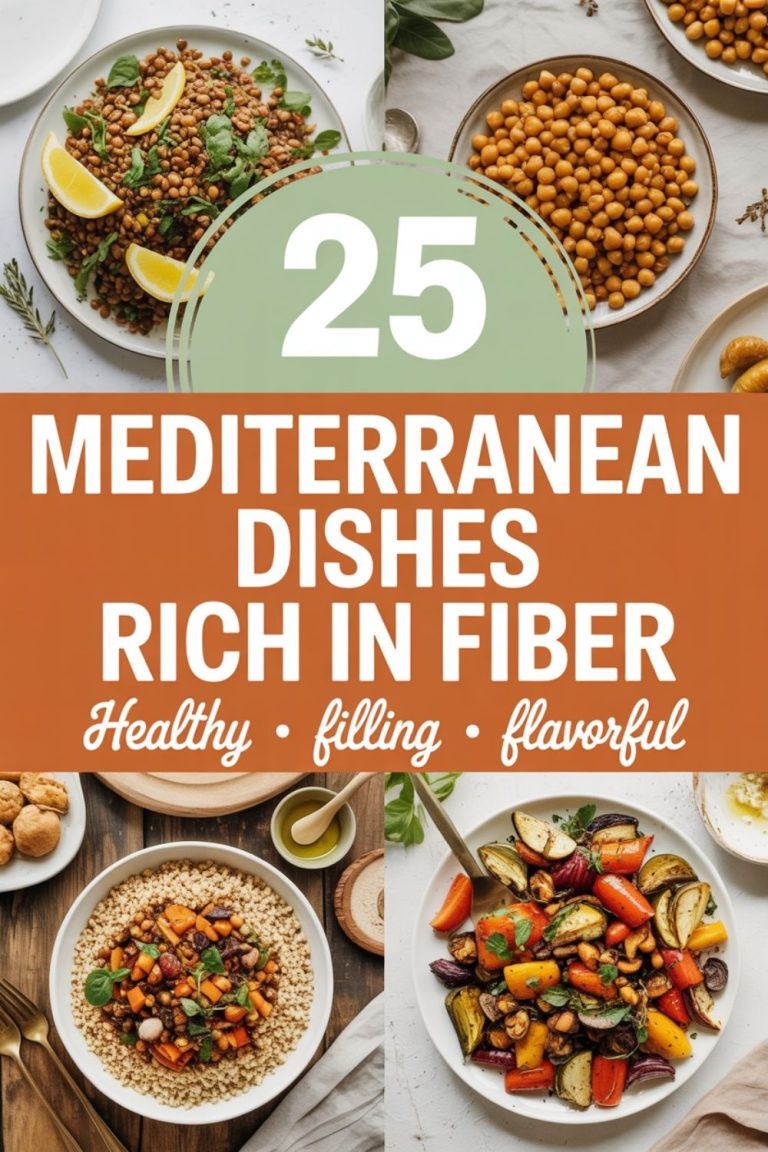
25 Mediterranean Dishes Rich in Fiber
25 Mediterranean Dishes Rich in Fiber 25 Mediterranean Dishes Rich in Fiber Look, I get it. You’re trying to eat healthier, maybe shed a few pounds, and everyone’s telling you to “eat more fiber.” But here’s the thing—most fiber-rich foods taste like cardboard, right? Wrong. Enter Mediterranean cuisine, where fiber-packed dishes actually taste like something…
20 Anti-Inflammatory Weeknight Dinners For Busy Families
20 Anti-Inflammatory Weeknight Dinners For Busy Families Weeknight dinner panic is real. You get home after a long day, everyone’s hungry, and your brain completely blanks on what to cook. Sound familiar? Now add the pressure of wanting something that actually helps your body instead of leaving you feeling sluggish, and suddenly cereal starts looking…
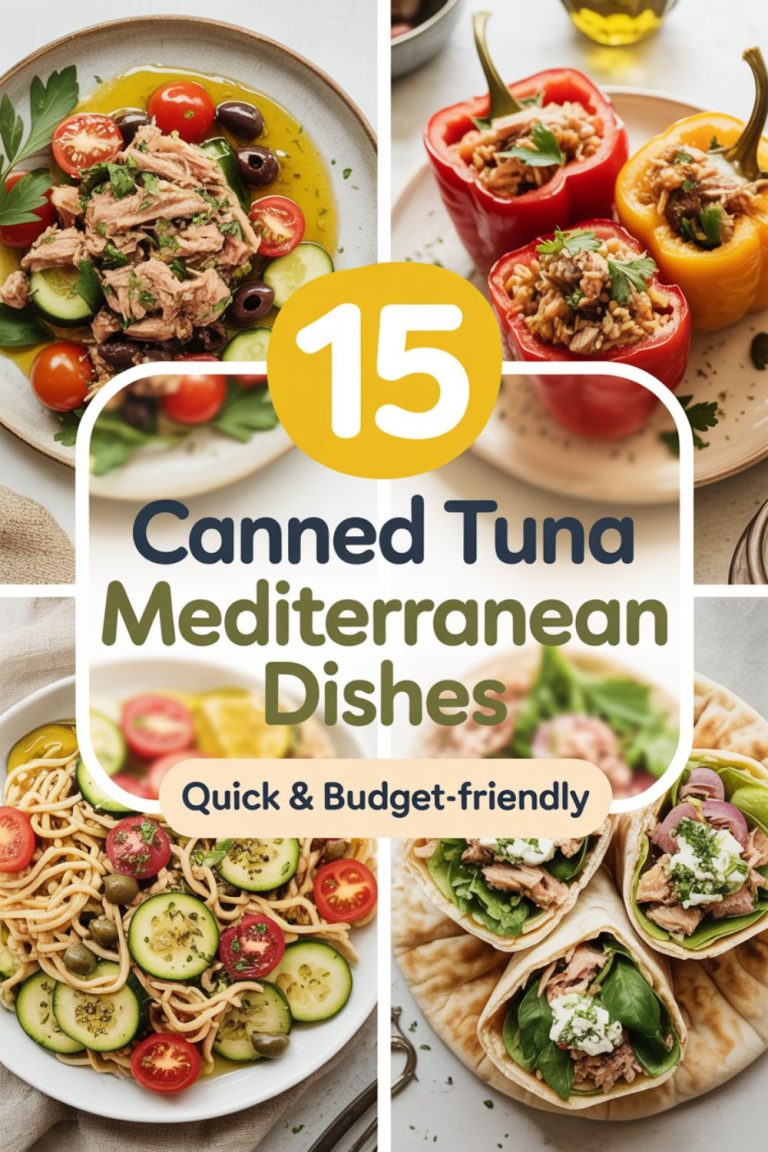
15 Mediterranean Dishes Using Canned Tuna (Quick & Budget-Friendly)
15 Mediterranean Dishes Using Canned Tuna (Quick & Budget-Friendly) 15 Mediterranean Dishes Using Canned Tuna (Quick & Budget-Friendly) Look, I get it. You’re staring at that pantry shelf wondering what the heck to make for dinner, and all you’ve got is a can of tuna and some questionable pasta from 2023. Been there. But here’s…