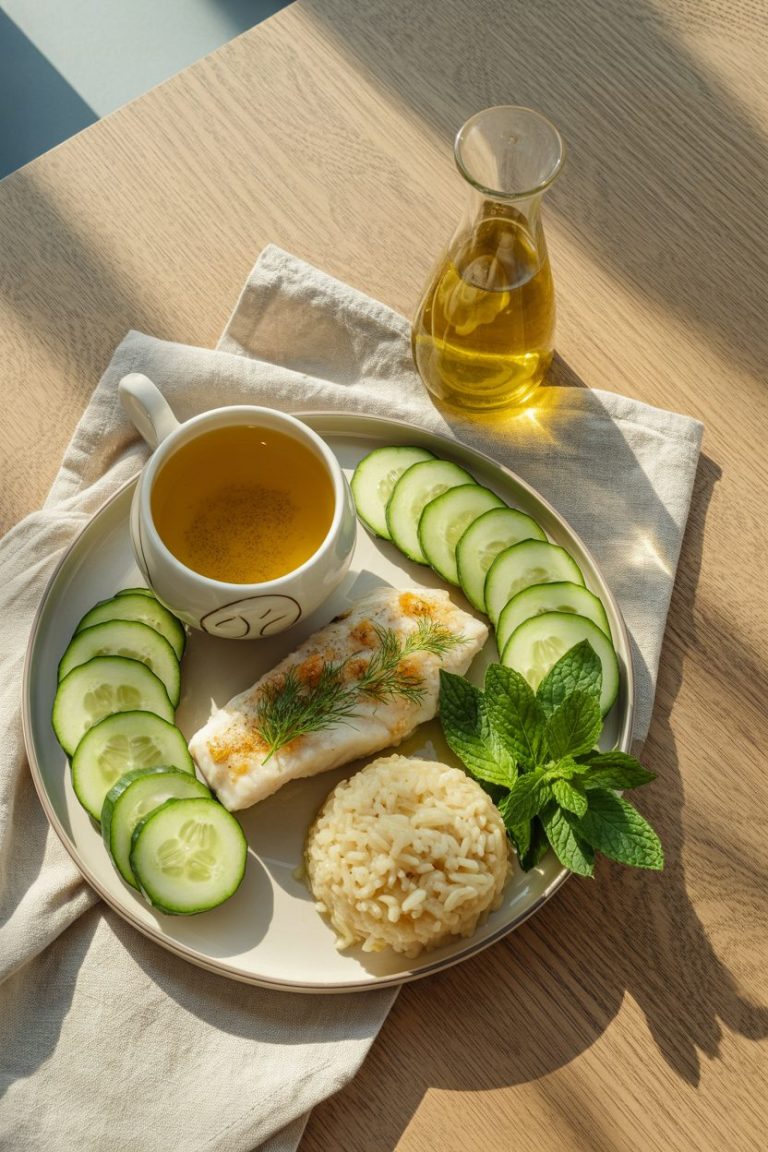

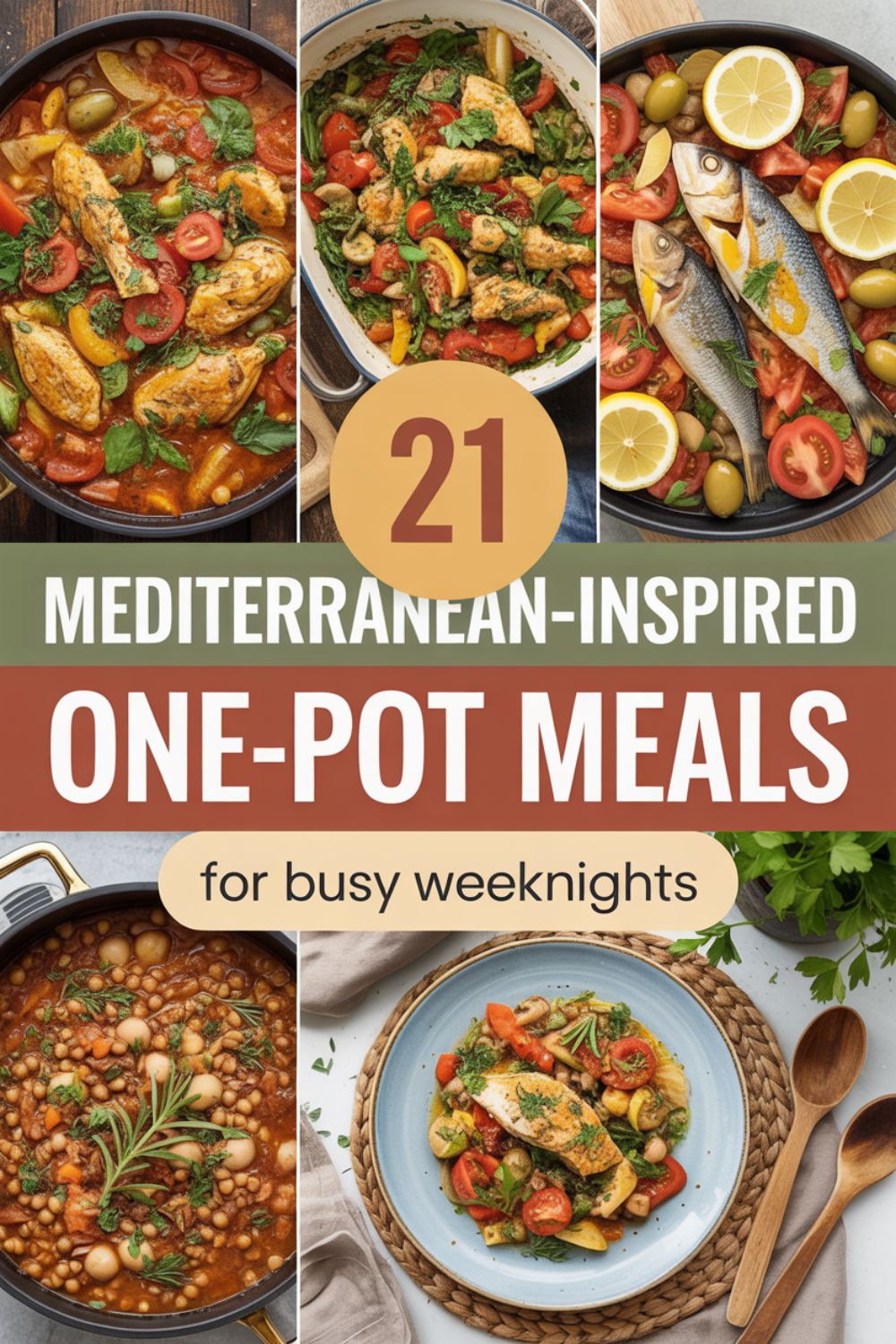
21 Mediterranean-Inspired One-Pot Meals for Busy Weeknights
Let’s talk about weeknight dinners for a second. You know the drill—you get home, you’re exhausted, the last thing you want is a sink full of pans and two hours of meal prep. But here’s the thing: eating well doesn’t have to mean sacrificing your evening or your sanity.
I stumbled into Mediterranean cooking sort of by accident. I was tired of the same rotation of bland chicken and steamed broccoli, and honestly, I needed something that didn’t feel like a chore. That’s when I discovered that Mediterranean cuisine is basically designed for people like us—busy, hungry, and not interested in spending the whole night in the kitchen.
The Mediterranean diet has been praised by researchers for its cardiovascular benefits and overall health impacts, but beyond the science, it’s just really good food. We’re talking olive oil, fresh vegetables, hearty grains, and fish that actually tastes like something. And when you throw it all in one pot? Game changer.
These 21 recipes aren’t here to impress your Instagram followers or win you a cooking competition. They’re here to get dinner on the table without losing your mind. Each one uses simple ingredients, minimal cleanup, and maximum flavor. Plus, you can prep most of them ahead if you’re into that Sunday meal-prep life.
Why One-Pot Mediterranean Meals Actually Make Sense
Here’s what I love about this approach: traditional Mediterranean cooking has always been about simplicity. You’re not using seventeen spices or complicated techniques. You’re letting quality ingredients do the heavy lifting. Olive oil, garlic, lemon, herbs—these aren’t fancy, but they transform everything they touch.
The one-pot method takes that philosophy and makes it even more practical. You’ve got your protein, your vegetables, your grains or legumes, all cooking together. The flavors meld, everything gets infused with olive oil and aromatics, and you end up with something that tastes like you actually tried. According to research on Mediterranean dietary patterns, the anti-inflammatory properties come from the combination of foods working together—not just individual ingredients.
I also appreciate that these meals don’t require you to buy a bunch of specialty ingredients that’ll sit in your pantry forever. Most of what you need is probably already in your kitchen, or at least easy to find at any grocery store.
Prep your aromatics—garlic, onions, herbs—on Sunday night. Store them in small containers in the fridge. Thank yourself all week when you’re not crying over an onion at 7 PM.
The Foundation: What Makes a Meal “Mediterranean”
Before we get into the recipes, let’s clear something up. Mediterranean food isn’t just one thing. Greece, Italy, Spain, Turkey, Morocco—they all have their own takes. But there are some common threads that make this style of eating what it is.
Olive oil is your base. Not butter, not vegetable oil. Extra virgin olive oil. Yes, it costs more, but it’s worth it. The flavor difference is massive, and you’re getting those healthy fats everyone keeps talking about. I use this cold-pressed extra virgin olive oil for everything—it’s got this peppery finish that just works.
Vegetables are the star. Not a sad side dish. Tomatoes, eggplant, zucchini, bell peppers, leafy greens—they’re what makes these meals satisfying without feeling heavy. You’re getting fiber, vitamins, and actual flavor instead of just empty calories.
Whole grains and legumes provide substance. Think farro, bulgur, chickpeas, lentils. They’re filling, they’re cheap, and they absorb all the flavors in your pot. Plus, they keep you full for hours without that gross bloated feeling.
Fish and poultry over red meat. Not that you can’t have lamb or beef occasionally, but the focus is on lighter proteins. Salmon, cod, chicken thighs—they work beautifully in one-pot preparations and don’t leave you feeling like you need a nap.
Fresh herbs and citrus finish everything. A squeeze of lemon, a handful of parsley or dill—these aren’t optional. They’re what makes the difference between “this is fine” and “wait, I actually made this?”
The Health Angle (Without Getting Preachy)
Look, I’m not going to pretend I eat Mediterranean every single night because it’s the “healthiest diet on earth.” I eat it because it tastes good and doesn’t make me feel terrible afterward. But yeah, the health benefits are real.
Studies have shown that Mediterranean eating patterns help with everything from reducing heart disease risk to managing blood sugar levels. The diet is rich in monounsaturated fats from olive oil and nuts, omega-3s from fish, and tons of fiber from vegetables and whole grains. It’s anti-inflammatory, which is important when you’re trying to avoid chronic diseases or just feel better day-to-day.
But here’s the thing: you don’t have to be perfect. If you want to throw some feta on everything or have a glass of wine with dinner, that’s totally Mediterranean. It’s about balance, not deprivation.
Speaking of balanced meals, if you’re looking to build out a full week of Mediterranean eating, check out this 7-Day Mediterranean Anti-Inflammation Meal Plan or explore these Mediterranean soup recipes that work perfectly as one-pot options.
Essential Tools for One-Pot Mediterranean Cooking
You don’t need a kitchen full of gadgets, but there are a few things that make this style of cooking significantly easier. IMO, investing in the right pot or pan is worth it—you’ll use it constantly.
A good Dutch oven. This is non-negotiable. I swear by my 6-quart enameled cast iron Dutch oven—it goes from stovetop to oven, distributes heat evenly, and cleans up easily. You can brown meat, sauté vegetables, simmer grains, and bake bread in this thing. It’s the workhorse of one-pot cooking.
A large, deep skillet with a lid. For nights when you don’t want to deal with the Dutch oven’s weight, a good skillet works. I like this 12-inch stainless steel skillet because it can handle high heat and the stainless surface lets you get a nice fond for deglazing.
Wooden spoons and a good spatula. Basic, yes, but you need something that won’t scratch your cookware. I’ve destroyed too many pots with metal utensils. These bamboo cooking utensils are sturdy and won’t melt if you leave them on the edge of a hot pan.
A sharp chef’s knife. You’re going to be chopping a lot of vegetables. A dull knife makes everything harder and more dangerous. This 8-inch chef’s knife holds its edge well and feels balanced in your hand.
Quality storage containers. Leftovers are a given with one-pot meals, and you want containers that won’t leak or stain. These glass meal prep containers are microwave-safe and way better than plastic.
Meal Prep Essentials for These Recipes
If you’re serious about making weeknight cooking easier, these are the tools and resources that’ll actually help. No fluff, just what works.
Large Stainless Steel Mixing Bowls Set – Perfect for prepping ingredients ahead. Get multiple sizes so you can organize your mise en place without crowding your counter.
Herb Stripper and Chopper Tool – This gadget strips fresh herbs in seconds. Sounds gimmicky, but when you’re adding parsley and dill to everything, it saves real time.
Garlic Press with Cleaner – Mincing garlic by hand gets old fast. A good press changes the game, and this one comes with a built-in cleaner so you’re not spending ten minutes picking garlic bits out of the holes.
14-Day High-Fiber Mediterranean Plan for Beginners – If you want a structured approach with shopping lists and everything mapped out, this is solid.
7-Day Mediterranean High-Fiber Meal Prep Plan – Focuses on prep-ahead strategies so you’re not starting from scratch every night.
30-Day Mediterranean Wellness Plan – For when you want to commit to a full month and really see how this style of eating affects you.
The 21 One-Pot Mediterranean Meals
Alright, let’s get to the actual food. I’ve organized these roughly by protein type, but honestly, you can mix and match based on what you have or what sounds good. Most of these recipes are flexible—swap vegetables, change up the grains, adjust the spices to your taste.
Chicken-Based One-Pot Meals
1. Lemon Chicken with Orzo and Spinach
This is my go-to when I need something comforting but not heavy. You brown chicken thighs, toss in orzo, lemon, garlic, and spinach, let it simmer, and you’re done. The orzo absorbs all the lemony chicken drippings and becomes this creamy, savory situation. Get Full Recipe.
2. Greek Chicken and Potatoes (Kotopoulo me Patates)
Possibly the most classic Greek one-pot meal. Chicken pieces, potatoes, lemon juice, oregano, garlic. Everything roasts together until the potatoes are crispy and the chicken is falling off the bone. It’s simple, but the flavors are huge.
3. Moroccan-Spiced Chicken with Chickpeas
If you’re into warm spices—cumin, cinnamon, paprika—this one’s for you. Chicken thighs, chickpeas, tomatoes, and preserved lemon if you’re feeling fancy. The chickpeas get soft and absorb all the spice, and the whole thing feels exotic without being complicated.
4. Chicken Cacciatore (One-Pot Style)
Italian comfort food that doesn’t require six pots. Chicken, tomatoes, bell peppers, mushrooms, olives. Let it braise low and slow, and serve it over polenta or crusty bread. FYI, the leftovers are even better the next day.
5. Tuscan Chicken with White Beans and Kale
This feels fancy but takes maybe 40 minutes. You’ve got sun-dried tomatoes, white beans, kale, garlic, and a splash of cream if you want it richer. The beans make it filling without being heavy, and the kale adds that earthy, slightly bitter balance.
Rachel from our community swapped regular chicken for chicken sausage in the Tuscan recipe and said it was the best thing she made all month. Sometimes the simplest tweaks make the biggest difference.
Seafood-Based One-Pot Meals
6. Spanish Shrimp and Chorizo Skillet
Shrimp, spicy chorizo, peppers, tomatoes, and a bit of white wine. It’s smoky, a little spicy, and comes together in like 20 minutes. Serve it with crusty bread to soak up the sauce. I use this Spanish smoked paprika because it adds that authentic flavor without making it too hot.
7. Mediterranean Fish Stew (Bourride-Style)
White fish, fennel, tomatoes, saffron, and a garlicky aioli stirred in at the end. It sounds complicated, but it’s really not. The key is using fresh fish and not overcooking it. You want it tender, not rubbery.
8. One-Pot Lemon Garlic Salmon with Asparagus
This one’s for when you want something light but satisfying. Salmon fillets, asparagus, cherry tomatoes, lemon, and dill. Everything cooks together, and the salmon stays moist because it’s basically steaming in all those juices.
9. Greek-Style Baked Cod with Tomatoes and Olives
Cod is underrated. It’s mild, flaky, and takes on whatever flavors you throw at it. In this case, it’s tomatoes, kalamata olives, capers, and oregano. Bake it all together, and you’ve got a healthy dinner that doesn’t taste like diet food.
10. Sicilian Tuna and Chickpea Stew
Canned tuna gets a bad rap, but when you use quality tuna packed in olive oil, it’s actually great. This stew has chickpeas, tomatoes, raisins for a touch of sweetness, and pine nuts for crunch. It’s sweet, savory, tangy—all the flavors working together.
For more fish-forward ideas that work beautifully in one-pot setups, take a look at these Mediterranean fish and seafood recipes. They’ve got everything from simple grilled options to more elaborate stews.
Vegetarian One-Pot Meals
11. Shakshuka with Feta and Fresh Herbs
Eggs poached in a spiced tomato sauce with peppers, onions, and a generous crumble of feta. It’s traditionally a breakfast dish, but who says you can’t have it for dinner? Scoop it up with pita or crusty bread. Get Full Recipe.
12. Greek Lentil Soup (Fakes)
Lentils, tomatoes, carrots, celery, bay leaves. It’s hearty, cheap, and incredibly comforting. The Greeks serve it with a splash of red wine vinegar, which cuts through the richness and brightens everything up. Don’t skip that step.
13. Ratatouille (Proper One-Pot Version)
Eggplant, zucchini, tomatoes, bell peppers, all slow-cooked until they’re soft and sweet. It’s not the prettiest dish, but it’s packed with flavor. Serve it over quinoa or farro, or just eat it on its own with some crusty bread.
14. Moroccan Vegetable Tagine
Carrots, sweet potatoes, chickpeas, dried apricots, warm spices. Everything cooks down into this sweet-savory stew that’s perfect over couscous. If you have a tagine pot, use it, but a regular Dutch oven works fine too.
15. Italian White Bean and Escarole Soup
This is peasant food in the best way. White beans, escarole, garlic, olive oil, and a parmesan rind if you’ve got one. It’s simple, filling, and exactly what you want when it’s cold outside. The escarole gets tender and slightly bitter, balancing out the creamy beans.
Save your parmesan rinds in the freezer. Toss them into soups and stews for instant depth of flavor. They won’t melt, but they’ll infuse everything with this umami richness you can’t get any other way.
If you’re exploring more plant-based options, these vegan Mediterranean recipes are genuinely good—not just “good for vegan food.”
Grain-Based One-Pot Meals
16. Spanish Vegetable Paella
Paella without the seafood or the special pan. You’ve got rice, bell peppers, artichokes, peas, and saffron for that signature color and flavor. It’s a bit of a production, but worth it for special occasions or when you want to impress someone.
17. Farro Risotto with Mushrooms and Thyme
Farro has this chewy texture that regular risotto rice doesn’t have. Mix it with mushrooms, white wine, thyme, and parmesan, and you’ve got something that feels indulgent but is actually pretty healthy. Plus, farro is way more forgiving than arborio—you don’t have to stir constantly.
18. Greek-Style Rice with Lemon and Dill
Sometimes you just want rice as the main event. This is fluffy rice cooked with chicken or vegetable broth, lemon zest, fresh dill, and a bit of butter. Serve it with grilled vegetables or a simple salad, and call it dinner.
19. Turkish-Inspired Bulgur Pilaf with Eggplant
Bulgur cooks fast, absorbs flavors like crazy, and has this nutty taste that works perfectly with roasted eggplant, tomatoes, and pine nuts. Top it with yogurt and fresh mint. It’s filling without being heavy.
20. Orzo with Roasted Vegetables and Feta
Orzo, bell peppers, zucchini, cherry tomatoes, all roasted together with olive oil and oregano. Toss in some feta at the end, and you’ve got a dish that’s basically summer in a bowl. Even better at room temperature if you’re packing lunch.
Looking for more grain-forward meals? Check out these Mediterranean grain bowls for ideas on building complete meals around farro, quinoa, and bulgur.
Lamb and Beef One-Pot Meals
21. Greek-Style Lamb and Potato Stew (Giouvetsi)
Tender lamb, orzo, tomatoes, cinnamon, and a touch of cinnamon stick for warmth. It’s rich, comforting, and the kind of thing you make when you have a couple hours to let it braise. The orzo absorbs all the lamb juices and becomes these little flavor bombs. Get Full Recipe.
For more protein-packed Mediterranean options, especially if you’re into fitness or just want to up your protein intake, these high-protein Mediterranean recipes are worth exploring.
Tips for Making These Meals Work on Repeat
Here’s the reality: you’re not going to make a different one-pot meal every single night. That’s not sustainable, and it’s not how most people cook. What you want is a handful of recipes you can rotate through without getting bored.
Pick three to start. Choose one chicken, one seafood, and one vegetarian option. Make each one twice in two weeks. By the second time, you’ll have the recipe down and can start tweaking it to your taste.
Prep your pantry. Keep your staples stocked: olive oil, canned tomatoes, dried herbs, grains, canned beans. When you have the basics on hand, you can throw together a meal without a special grocery run.
Don’t be precious about substitutions. No fresh dill? Use parsley. Out of chickpeas? White beans work. The beauty of Mediterranean cooking is that it’s forgiving. As long as you’ve got good olive oil, garlic, and acid (lemon or vinegar), you’re going to be fine.
Double the recipe. Most one-pot meals reheat beautifully. Make extra, pack it for lunch, or freeze half for a night when you genuinely can’t deal with cooking.
Invest in good ingredients where it matters. Quality olive oil, good canned tomatoes, fresh herbs—these make a huge difference. You don’t need the fanciest everything, but certain ingredients are worth spending a bit more on.
Maria, who’s been following this approach for three months, said she’s saved about $200 a month on takeout and lost 12 pounds without even trying. Sometimes the best results come from just eating real food that tastes good.
Common Mistakes (And How to Avoid Them)
Even simple cooking has pitfalls. Here are the ones I see most often—and how to sidestep them.
Overcrowding the pot. If you’re trying to brown meat or vegetables and you pile everything in at once, it’s just going to steam instead of getting that nice sear. Work in batches if you need to. It takes an extra five minutes, but the flavor payoff is worth it.
Using low-quality olive oil. I know I keep harping on this, but it matters. Cheap olive oil tastes like nothing, or worse, it tastes off. You don’t need a $40 bottle, but get something decent. This mid-range extra virgin olive oil is what I use for everyday cooking, and it’s totally fine.
Forgetting to season as you go. Don’t just dump salt in at the end. Season your onions when you sauté them, season the tomatoes when they go in, taste and adjust before serving. Layers of seasoning = layers of flavor.
Skipping the fresh herbs and citrus. I get it, they feel like an afterthought. But that handful of fresh parsley or that squeeze of lemon is what takes your dish from “this is okay” to “wait, this is actually really good.” Don’t skip it.
Not letting things rest. If you’re roasting chicken or lamb, let it sit for a few minutes before serving. The juices redistribute, everything stays moister, and you’re not burning your mouth on molten tomato sauce.
Making It Work for Different Dietary Needs
One of the best things about Mediterranean cooking is how adaptable it is. You’ve got dietary restrictions? No problem. Here’s how to tweak these recipes.
Gluten-Free
Most of these recipes are naturally gluten-free or easily adaptable. Swap orzo for rice, use gluten-free pasta, or just load up on vegetables and skip the grains entirely. For more structured guidance, this collection of gluten-free Mediterranean recipes has you covered.
Dairy-Free
Skip the feta, use nutritional yeast for that cheesy flavor, or just add more herbs for richness. Most Mediterranean cooking doesn’t rely heavily on dairy anyway. These dairy-free Mediterranean recipes show you how to keep all the flavor without the lactose.
Low-Carb or Diabetic-Friendly
Focus on the protein and vegetable-heavy dishes, skip the grains, and load up on leafy greens. You can also swap regular grains for cauliflower rice or zucchini noodles. For recipes specifically designed with blood sugar in mind, check out these diabetic-friendly Mediterranean recipes.
High-Protein
Double the chicken, fish, or legumes. Add a boiled egg on top. Serve with Greek yogurt on the side. There are plenty of ways to bump up the protein without sacrificing the Mediterranean vibe.
If you’re dealing with inflammation or just want to feel better overall, the anti-inflammatory focus of Mediterranean eating is legit. Try this 14-Day Anti-Inflammatory Eating Plan to see how your body responds.
Batch Cooking and Meal Prep Strategies
If you’re going to make one-pot meals a regular thing, a little bit of prep goes a long way. You don’t have to go full meal-prep influencer with matching containers and color-coded labels, but some basic strategies help.
Sunday prep session: 30-45 minutes. Chop your aromatics—onions, garlic, peppers. Wash and dry your herbs. Cook a big batch of grains (rice, farro, quinoa) that you can use throughout the week. Store everything in these airtight glass containers so it stays fresh.
Protein prep. Season and portion your chicken or fish ahead of time. I like using these reusable silicone storage bags for marinating—they seal tight, don’t leak, and you can freeze them flat to save space.
Sauce and marinade shortcuts. Make a big batch of lemon-garlic marinade or tomato sauce base at the beginning of the week. Pour it over whatever protein and vegetables you’re using that night. Instant flavor without the extra work.
Strategic leftovers. Make extra of the grain-based meals. They’re perfect for lunch the next day, either reheated or at room temperature. Add a fried egg on top for breakfast. Turn the Moroccan tagine into a wrap with some hummus. Get creative.
For a complete meal prep system, this 7-Day Anti-Inflammation Plan for Busy Women is designed specifically for people who don’t have time for complicated cooking.
Pairing Suggestions and Side Dishes
One-pot meals are pretty self-sufficient, but sometimes you want a little something extra on the side. Here’s what I usually reach for.
Crusty bread. Preferably something with a good crust that can soak up sauces. Sourdough, ciabatta, or even a simple baguette work. I keep bread in the freezer and just toast slices as needed.
Simple green salad. Arugula, olive oil, lemon juice, salt. Done. The peppery greens cut through rich dishes perfectly, and it takes literally two minutes to throw together.
Tzatziki or yogurt sauce. Greek yogurt, cucumber, garlic, dill. It cools down spicy dishes and adds protein. I always have a container in the fridge.
Pickled vegetables. Quick-pickled red onions, pickled peppers, or even jarred pepperoncini. The acidity balances out rich, tomato-based dishes.
Olives and nuts. Set out a bowl of mixed olives and marcona almonds while dinner finishes cooking. It’s a snack, sure, but it also makes the whole meal feel more intentional and Mediterranean.
Frequently Asked Questions
Can I make these recipes ahead and freeze them?
Most of these one-pot meals freeze beautifully, especially the stews, braises, and grain-based dishes. Let everything cool completely, portion into freezer-safe containers, and freeze for up to three months. Dishes with fresh herbs or delicate vegetables like spinach might lose some texture, but the flavors stay strong. Avoid freezing anything with a lot of dairy or eggs—they don’t hold up as well.
What if I don’t have a Dutch oven—can I still make these recipes?
Absolutely. A large, deep skillet with a lid works for most of these recipes. For dishes that need oven time, make sure your skillet is oven-safe. A regular stockpot can work too, though you might not get the same browning and searing that a Dutch oven provides. The key is having a pot that distributes heat evenly and has enough depth for liquids.
Are these recipes actually authentic Mediterranean, or just Mediterranean-inspired?
They’re inspired by traditional Mediterranean cooking but adapted for practicality and modern kitchens. Authentic recipes from Greece, Italy, or Morocco might use specific regional ingredients or traditional techniques. What I’m giving you here are simplified, weeknight-friendly versions that capture the flavors and spirit without requiring specialty shops or hours of prep. Think of them as the everyday versions of classic dishes.
How do I know when to add grains like orzo or rice to a one-pot meal?
Generally, you add grains after you’ve browned your protein and sautéed your aromatics. Most grains need about a 2:1 liquid-to-grain ratio and around 15-20 minutes of cooking time. Check your specific grain’s package instructions, and add enough liquid to cover the grains by about an inch. Stir occasionally to prevent sticking, and taste for doneness before serving.
What’s the best way to reheat leftovers without drying them out?
Add a splash of water, broth, or olive oil before reheating. Cover the container with a lid or damp paper towel to trap moisture. Microwave in short intervals, stirring in between, or reheat gently on the stovetop over low heat. For oven reheating, cover with foil and heat at 300°F until warmed through. Grains especially benefit from a little extra liquid—they’ll plump back up and taste fresh.
Final Thoughts
Here’s the truth: you don’t need to be a master chef to eat well on weeknights. You don’t need a pantry full of exotic ingredients or three hours to spend in the kitchen. What you need is a few solid recipes, some basic techniques, and a willingness to prioritize real food over takeout menus.
These 21 Mediterranean-inspired one-pot meals aren’t going to change your life overnight. But they might make your weeknights a little less stressful, your dinners a little more satisfying, and your body a little healthier. And honestly, that’s enough.
Start with one recipe this week. Just one. See how it goes. If you like it, make it again. If you don’t, try another. The goal isn’t perfection—it’s progress. It’s finding a handful of meals that work for your life, your schedule, and your taste buds.
And if you end up with a sink full of pots because you got ambitious and tried to cook three things at once? Well, we’ve all been there. At least the food was good.