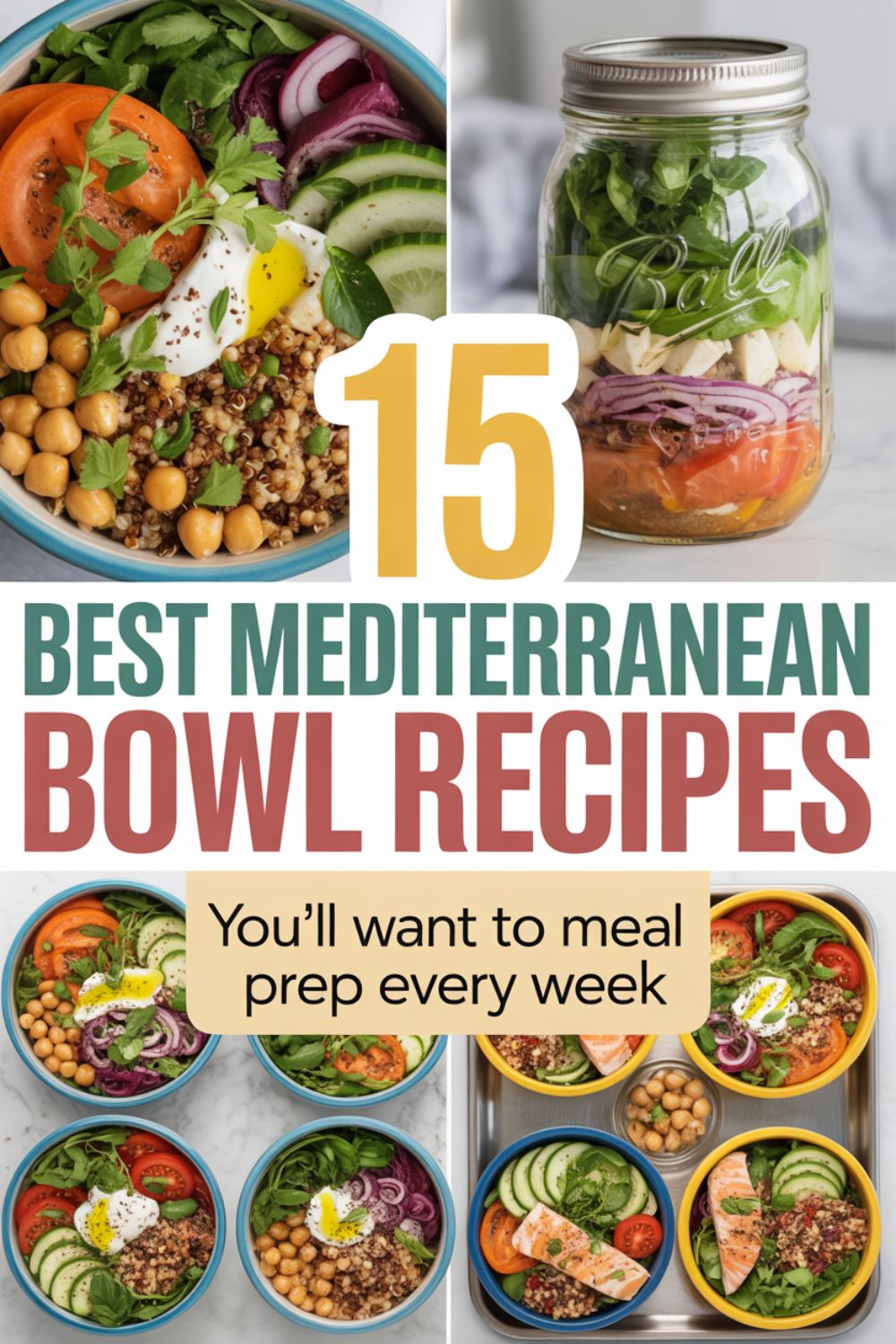
15 Best Mediterranean Bowl Recipes You’ll Want to Meal Prep Every Week
Look, I’m going to level with you right from the start. Mediterranean bowls changed my entire relationship with meal prep. Not in a dramatic, life-altering way, but in that quiet, consistent manner that actually sticks. Before I discovered these bowls, my meal prep attempts always ended the same way: ambitious Sunday cooking sessions followed by Thursday takeout because I was bored out of my mind eating the same grilled chicken and broccoli.
Mediterranean bowls are different. They’re basically the rebel child of the meal prep world—colorful, full of personality, and somehow never boring. You’ve got your grain base, your protein, your veggies, and then this beautiful chaos of toppings that make each bite feel like a little adventure. Plus, research from Harvard’s School of Public Health consistently shows that Mediterranean-style eating patterns reduce cardiovascular disease risk by up to 25% and support healthy aging.
What makes these bowls perfect for meal prep is their modular nature. You cook your components once, mix and match throughout the week, and somehow every lunch feels fresh. And honestly, after years of trying every meal prep trend under the sun, this is the one that stuck.
Why Mediterranean Bowls Are Perfect for Meal Prep
Here’s the thing about Mediterranean cuisine—it was basically designed for meal prep before meal prep was even a thing. Studies published in the National Institutes of Health show that the Mediterranean dietary pattern’s anti-inflammatory properties come from its combination of whole grains, legumes, vegetables, and healthy fats working together synergistically.
Most of the components actually taste better after sitting for a day or two. Those roasted vegetables? They absorb all those herbs and olive oil overnight. The grains soak up the lemon dressing. The chickpeas get more flavorful. It’s like your food is doing the work while you sleep.
The other genius part is the flexibility. Monday you might feel like a Greek-inspired bowl with tzatziki and feta. Wednesday rolls around and you’re craving something with harissa and roasted eggplant. Same base ingredients, completely different vibe. According to research on meal planning and dietary quality, people who plan their meals ahead show better adherence to nutritional guidelines and increased food variety—exactly what these bowls deliver.
If you’re looking for more structured meal planning around these principles, the 7-Day Mediterranean Anti-Inflammation Meal Plan breaks down exactly how to organize your week for maximum nutrition and minimal stress.
The Building Blocks of a Perfect Mediterranean Bowl
Before we dive into specific recipes, let’s talk structure. Every great Mediterranean bowl follows a basic formula, but here’s where it gets interesting—you can swap almost anything and it still works. That’s the beauty of this whole system.
Base Layer: Your Foundation
Start with grains or greens. Quinoa is the obvious choice, and yeah, it’s great. But I’ve also had incredible bowls with farro, bulgur, or even cauliflower rice when I’m feeling virtuous. Sometimes I do half greens, half grains—arugula under warm quinoa is surprisingly good.
I use this Instant Pot for cooking grains because it’s genuinely foolproof. Set it and forget it, which is exactly the kind of cooking I can handle on a Sunday afternoon when I’m also trying to catch up on laundry and pretend I’m productive.
Protein: The Substance
Mediterranean protein is where things get fun. Chickpeas are the MVP here—roast them with olive oil and paprika until they’re crispy, and you’ve got yourself a situation. But don’t sleep on white beans, lentils, or grilled chicken thighs marinated in lemon and oregano.
For fish lovers, salmon is classic, but I’ve become obsessed with white fish like cod or halibut. They’re milder, cheaper, and somehow feel lighter in a bowl. If you want more high-protein options that fit this style, check out these high-protein Mediterranean recipes that were literally designed for building muscle while eating like you’re on vacation in Greece.
Vegetables: The Color and Crunch
This is where Mediterranean bowls really shine. Roasted red peppers, charred zucchini, caramelized onions, cherry tomatoes that burst in your mouth. Fresh cucumbers for crunch. Kalamata olives because they’re salty and perfect.
I roast most of my vegetables on sheet pans. These silicone baking mats make cleanup stupid easy—no scrubbing, no sticking, just rinse and done. Trust me on this one.
15 Mediterranean Bowl Recipes That Actually Deliver
1. Classic Greek Bowl with Chicken and Tzatziki
Let’s start with the one that everyone knows and loves. This is your gateway Mediterranean bowl—familiar flavors, nothing too adventurous, but absolutely delicious. The key here is the tzatziki. Don’t buy the store stuff. Making it from scratch takes five minutes and tastes about a thousand times better.
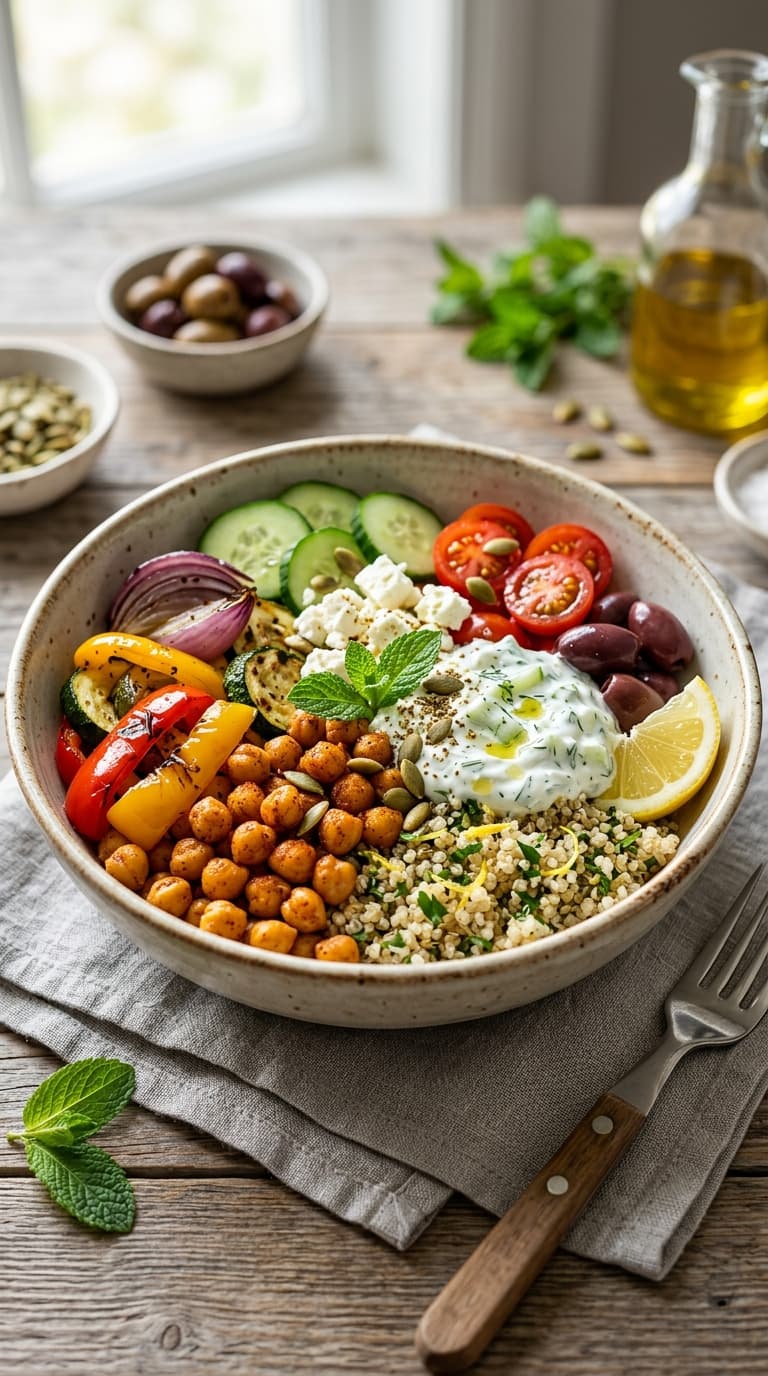
You need: grilled chicken (marinate it in lemon, garlic, and oregano overnight), cucumber, cherry tomatoes, red onion, feta, olives, and your homemade tzatziki over quinoa or rice. Simple? Yes. Boring? Absolutely not. Get Full Recipe
2. Crispy Chickpea and Roasted Vegetable Power Bowl
This is my go-to when I want something that feels substantial but is actually plant-based. Roast your chickpeas until they’re golden and crunchy—takes about 30 minutes at 425°F. Pair them with roasted sweet potato, Brussels sprouts, and a tahini-lemon dressing that’s so good you’ll want to drink it.
The trick with chickpeas is getting them really dry before roasting. Pat them down with a kitchen towel, let them air dry for a few minutes, then coat in olive oil and spices. Get Full Recipe
Speaking of vegetables, if you’re new to this whole thing, the 14-Day High-Fiber Mediterranean Plan for Beginners walks you through exactly which vegetables to buy and how to prep them efficiently.
3. Mediterranean Salmon Bowl with Dill and Lemon
Salmon in a bowl might sound fancy, but it’s actually easier than most chicken prep because it cooks so fast. I bake mine at 400°F for about 12 minutes—that’s it. The Mediterranean twist comes from the dill, lemon, and a cucumber-tomato salad that’s basically a deconstructed Greek salad.
For this bowl, I love using this fish spatula—it’s thin enough to slide under delicate fish without destroying it. Changed my seafood cooking game entirely. Get Full Recipe
4. Falafel Bowl with Hummus and Pickled Vegetables
Okay, so traditional falafel is fried, which is amazing but not exactly meal prep friendly. Instead, I bake them. Are they exactly the same? No. Are they still crispy, flavorful, and completely satisfying? Absolutely. Plus, you can freeze them and they reheat beautifully.
Layer these bad boys over greens (not grains—trust me), add a generous scoop of hummus, some quick-pickled red onions and turnips, and a drizzle of tahini sauce. This bowl has converted more than one person in my life to meal prepping. Get Full Recipe
“I started making Mediterranean bowls three months ago as part of my meal prep routine. Not only have I saved so much money on takeout, but I genuinely feel better—more energy, less bloating, and I’ve lost 12 pounds without even trying that hard.” — Sarah M., community member
5. Turkish-Inspired Bowl with Lamb and Sumac
This one’s for when you want to feel a bit more adventurous. Ground lamb cooked with warm spices, a sprinkle of sumac for that tangy kick, served over bulgur with roasted eggplant and a yogurt sauce. It’s got more depth than your typical Mediterranean bowl, and people always ask for the recipe.
Sumac is the secret weapon here. It’s lemony, slightly tart, and adds this beautiful color. You can find it at Middle Eastern stores or online. Worth seeking out. Get Full Recipe
6. White Bean and Kale Bowl with Garlic Confit
This bowl is basically comfort food disguised as healthy eating. Creamy white beans, sautéed kale, and garlic that’s been slowly cooked in olive oil until it’s sweet and spreadable. The garlic confit sounds fancy but it’s literally just garlic cloves sitting in oil in a low oven for an hour.
I make a big batch of garlic confit and keep it in the fridge. It lasts weeks and makes everything taste better. Use it on grain bowls, spread it on bread, stir it into pasta. It’s the kind of ingredient that makes you feel like you know what you’re doing in the kitchen. Get Full Recipe
For more plant-forward Mediterranean inspiration, these vegan Mediterranean recipes prove you don’t need animal protein to make incredibly satisfying bowls.
7. Mediterranean Tuna Bowl with White Beans
This is the “I forgot to meal prep” bowl because it comes together in about 10 minutes using pantry staples. Good quality canned tuna (the kind in olive oil), white beans, cherry tomatoes, cucumber, red onion, and a simple lemon vinaigrette over greens.
It’s not revolutionary, but sometimes you just need something fast and satisfying. Plus, the protein-fiber combo from the tuna and beans keeps you full for hours. Get Full Recipe
8. Harissa Chicken Bowl with Roasted Carrots
Harissa is North African, not technically Mediterranean, but the flavor profiles work so well together that I’m including it. It’s spicy, smoky, and turns boring chicken into something special. Roast your carrots with a bit of cumin and coriander, serve everything over couscous with a cooling yogurt sauce.
I use this jar of harissa paste which lives in my fridge and gets stirred into basically everything. One tablespoon in the chicken marinade is plenty unless you really love heat. Get Full Recipe
9. Lentil and Beet Bowl with Feta
Beets are polarizing, I get it. But roasted beets in a bowl with earthy lentils, tangy feta, and a balsamic drizzle? It works. The colors alone make this bowl Instagram-worthy, but more importantly, it’s packed with fiber and tastes like you put actual effort in.
Pro tip: wear gloves when handling beets, or embrace the pink fingers for a day. I’ve stopped fighting it. Get Full Recipe
10. Shrimp and Orzo Bowl with Cherry Tomatoes
Orzo technically counts as pasta, but in a bowl situation, it feels more like a grain. Sauté your shrimp in garlic and olive oil (takes maybe 4 minutes), toss with cooked orzo, burst cherry tomatoes, spinach, and fresh basil. It feels fancy but comes together fast.
Shrimp meal prep freaks some people out, but as long as you keep them cold and eat them within three days, you’re fine. Or prep everything else and cook the shrimp fresh—they’re so quick it barely counts as cooking. Get Full Recipe
11. Moroccan Spiced Bowl with Apricots and Almonds
This bowl brings some sweetness to the table. Chicken or lamb seasoned with cinnamon, cumin, and ginger, served with couscous, dried apricots, toasted almonds, and a handful of fresh mint. It’s the kind of bowl that makes you realize meal prep doesn’t have to be boring.
The combination of savory and sweet is chef’s kiss. Plus, the toasted almonds add this crunchy element that keeps things interesting. I toast mine in this small dry skillet for about 5 minutes, shaking frequently so they don’t burn. Get Full Recipe
12. Mediterranean Breakfast Bowl with Eggs and Za’atar
Who says bowls are just for lunch? This breakfast version has become my weekend staple. Soft-boiled eggs, sautéed spinach, roasted tomatoes, feta, olives, and a generous sprinkle of za’atar over toast or a grain base. It’s savory, satisfying, and feels way more special than cereal.
Za’atar is a Middle Eastern spice blend that’s earthy, herby, and a little nutty. Sprinkle it on everything. Your morning routine will thank you. Get Full Recipe
If breakfast bowls are your thing, definitely check out this 7-Day Mediterranean High-Fiber Breakfast Plan that’s specifically designed to keep you full until lunch.
13. Cauliflower Shawarma Bowl
For the vegetarians and cauliflower skeptics alike, this bowl is a game-changer. Roast cauliflower florets with shawarma spices until they’re caramelized and golden. Serve with hummus, pickled cabbage, tahini sauce, and fresh parsley. Ridiculously good.
The spice blend for shawarma is usually cumin, coriander, paprika, turmeric, garlic powder, and a pinch of cinnamon. Don’t skip the cinnamon—it adds depth without being obviously sweet. Get Full Recipe
14. Grilled Halloumi and Vegetable Bowl
Halloumi is the cheese that grills without melting, which makes it perfect for bowls. It gets these beautiful crispy edges while staying soft inside. Pair it with grilled zucchini, red peppers, red onion, and a lemony herb dressing over quinoa or farro.
This is one of those bowls that feels like summer no matter what month it is. Plus, halloumi is just fun to say. Get Full Recipe
15. Tuscan White Bean Bowl with Sun-Dried Tomatoes
We’re ending with something that leans more Italian-Mediterranean. Creamy white beans, sun-dried tomatoes, artichoke hearts, fresh basil, and a balsamic glaze over arugula. It’s simple, it’s elegant, and it proves that Mediterranean bowls don’t all have to taste the same.
Sun-dried tomatoes pack so much flavor that you don’t need much else. I keep a jar of these oil-packed sun-dried tomatoes in my pantry at all times. Chop them up, add to bowls, pasta, sandwiches—they make everything better. Get Full Recipe
Want a complete roadmap for Mediterranean eating? The 30-Day Mediterranean Wellness Plan gives you an entire month of structured meals that take the guesswork out of planning.
Meal Prep Essentials for Mediterranean Bowls
After making these bowls weekly for the past year, here are the tools and resources that actually make a difference:
Physical Products That Earn Their Keep:
- Glass meal prep containers with compartments – Seriously, get the ones with dividers. Keeps your crispy elements crispy and your wet elements from turning everything soggy. Game changer.
- Large sheet pans – You need at least two. Half the battle with meal prep is cooking multiple things at once, and these heavy-duty pans heat evenly so nothing burns.
- Microplane grater – For fresh garlic, lemon zest, and ginger. The difference between pre-minced garlic and fresh is night and day, and this thing makes grating it take 10 seconds.
Digital Resources Worth Your Time:
- 14-Day Mediterranean Weight Loss Plan – If you’re trying to lose weight while eating Mediterranean, this plan gives you the exact portions and combinations that work.
- 7-Day Gut-Healing Mediterranean Menu – Focuses on prebiotic and probiotic-rich foods that support digestive health. Perfect if you deal with bloating or gut issues.
- 7-Day Mediterranean Clean Eating Plan – Strips away processed foods and focuses on whole, nutrient-dense ingredients. Great reset option.
The Meal Prep Strategy That Actually Works
Here’s where most people fail with Mediterranean bowls: they try to prep everything at once, get overwhelmed, and give up by Tuesday. Don’t be that person. Break it down into manageable chunks that don’t require a four-hour Sunday cooking marathon.
Sunday: The Foundation Work
Cook your grains. All of them. Quinoa, farro, bulgur—whatever you’re using for the week. This takes maybe 30 minutes of passive time while you’re doing other things. Store them separately in containers and they’ll last the whole week.
Roast your vegetables. Pick three or four varieties, season them differently, spread them on sheet pans, and let the oven do the work. While that’s happening, you can prep your proteins.
Monday: Fresh Elements
Chop your fresh vegetables—cucumbers, tomatoes, red onion. Keep them separate in containers so they don’t get soggy. Make your sauces and dressings. These usually take about 10 minutes and make everything taste better.
Throughout the Week: Assembly Only
Every morning or night before, you’re just combining components. Scoop some grain, add your protein, pile on the vegetables, drizzle your sauce. Five minutes, maximum. This is the beauty of the system—the hard work is done, and you’re just mixing and matching.
For those dealing with inflammation, the 14-Day Anti-Inflammatory Eating Plan for Women specifically addresses how to structure your bowls for maximum anti-inflammatory benefits.
Common Mediterranean Bowl Mistakes (And How to Fix Them)
Mistake #1: Making Everything the Same Temperature
Room temperature bowls are boring. The contrast between warm grains, cold cucumbers, and room-temperature chickpeas creates texture and interest. Don’t microwave everything together—reheat your grains and protein, then add the cold fresh stuff.
Mistake #2: Skimping on Fat
Mediterranean food needs good olive oil. Don’t use the cheap stuff and don’t be stingy with it. The fat carries flavors and keeps you satisfied. Drizzle it on your vegetables before roasting, mix it into your grains, use it in your dressings. This isn’t the place to cut calories.
Mistake #3: Forgetting Acid
Every bowl needs brightness. Lemon juice, red wine vinegar, pickled vegetables—something tangy to cut through the richness. This is what separates an okay bowl from one you actually look forward to eating.
Mistake #4: Bland Proteins
Plain grilled chicken in a bowl is sad. Marinate your proteins. Season generously. Use spices. The protein is often the most expensive component of your bowl—make it count.
If you’re dealing with specific dietary restrictions, these gluten-free Mediterranean recipes and dairy-free options prove you can still have incredible bowls while working around limitations.
How to Scale Mediterranean Bowls for Families
Meal prepping for one person is straightforward. Meal prepping for a family with different taste preferences? That’s where things get tricky. The good news is that Mediterranean bowls are basically customizable by default.
The strategy: prep all your components separately, then let everyone build their own bowls. Kids who won’t touch olives? Fine, they can skip them. Partner who’s obsessed with feta? They can load up. Everyone gets what they want, and you’re not making multiple meals.
Set up a “bowl bar” situation at dinner. All the components in the middle of the table, everyone assembles their own. It’s interactive, it gets kids involved in their food choices, and honestly, it makes dinner feel more special than just plating everything.
The 14-Day Mediterranean Family Meal Plan is specifically designed for households with multiple people and varying preferences. It’s basically a blueprint for this exact situation.
Budget-Friendly Mediterranean Bowl Strategies
Let’s talk money, because Mediterranean bowls can get expensive if you’re not careful. All those fancy olives and artisanal feta add up. But here’s the thing—they don’t have to.
Buy your grains and legumes in bulk. Dried chickpeas, lentils, quinoa—they’re way cheaper when you’re not buying tiny packages. Yes, you have to soak and cook dried beans, but it’s mostly passive time and saves a ton of money.
Shop seasonally for vegetables. Zucchini in summer, sweet potatoes in fall, whatever’s abundant and cheap. The core idea of Mediterranean eating is using what’s available and fresh, which naturally aligns with budget shopping.
Skip the pre-marinated proteins. Buy plain chicken thighs (way cheaper than breasts) and marinate them yourself. A bottle of olive oil, some dried herbs, and a lemon goes a long way.
For specific budget-conscious approaches, this 14-Day High-Fiber Budget Meal Plan shows you exactly how to eat well without destroying your bank account.
“I was skeptical about meal prep because it always seemed so time-consuming, but the Mediterranean bowl approach is different. I spend maybe two hours on Sunday, and I have healthy lunches ready all week. My energy levels are way better, and I’m actually saving money by not eating out every day.” — Michael T., community member
Advanced Tips for Mediterranean Bowl Masters
Once you’ve got the basics down, here’s where you can level up your game:
Technique 1: Double Batch Everything
If you’re roasting vegetables anyway, fill the entire sheet pan. If you’re cooking quinoa, make the whole bag. Freeze half. Future you will be grateful when you have components ready to go and skip a prep session.
Technique 2: Create Signature Sauces
Develop two or three sauces that you love and always keep on hand. Mine are: lemony tahini sauce, yogurt-dill sauce, and a spicy harissa vinaigrette. These transform basic components into something special.
Technique 3: Embrace the Grain Bowl Formula
Learn the ratio: 1 part grain, 1 part protein, 2 parts vegetables, small amount of fat and acid. Once you internalize this, you can freestyle any bowl based on what you have.
Technique 4: Keep a “Bowl Pantry”
Always have these on hand: canned chickpeas, good olive oil, dried herbs, lemon, garlic, tahini, olives, and your grains of choice. With these staples, you can make a decent bowl even when you haven’t prepped.
Looking for more variety? These 15 Mediterranean grain bowls give you even more combinations to rotate through so you never get bored.
Making Mediterranean Bowls Work for Special Diets
One of the reasons Mediterranean bowls are so popular is their adaptability. Whether you’re dealing with food allergies, following a specific diet plan, or just have preferences, these bowls flex to fit almost any requirement.
Low-Carb/Keto Approach
Swap the grain base for cauliflower rice or just go full salad base. Load up on the olive oil, add more protein, include avocado, and you’ve got a Mediterranean bowl that’s carb-conscious but still satisfying.
High-Protein Focus
Double your protein serving, add hemp hearts or pumpkin seeds for extra protein and crunch, use Greek yogurt-based sauces, and choose higher-protein grains like quinoa. Easy adjustments that significantly boost the protein content.
Vegan Modifications
Skip the feta and yogurt-based sauces, focus on legumes and nuts for protein, use tahini-based dressings, and you’ve got a completely plant-based bowl that’s just as satisfying. Mediterranean cuisine is naturally vegan-friendly with minor tweaks.
The 7-Day Mediterranean Vegan Anti-Inflammation Plan shows you exactly how to structure these bowls for optimal plant-based nutrition.
The Real Talk About Mediterranean Bowl Sustainability
Here’s something most meal prep articles won’t tell you: you will get tired of your bowls around day four. That’s normal. That’s human. The key is having enough variety in your components that you can mix things up without starting from scratch.
Some weeks I’m super motivated and make three different proteins and four different vegetable combinations. Other weeks I roast one sheet pan of vegetables and call it done. Both approaches are valid. The perfect is the enemy of the good, especially with meal prep.
The goal isn’t to have Instagram-perfect bowls every single day. The goal is to have something healthy and homemade available so you’re not defaulting to takeout or skipping meals entirely. Mediterranean bowls make that achievable in a way that most other meal prep strategies don’t.
For a more relaxed approach that fits into busy schedules, check out this 7-Day Anti-Inflammation Plan for Busy Women that’s designed around realistic time constraints.
Frequently Asked Questions
How long do Mediterranean bowls last in the fridge?
Most components last 4-5 days when stored properly. Keep wet and dry ingredients separate until you’re ready to eat. Cooked grains and roasted vegetables stay fresh for 5 days, proteins for 3-4 days. Fresh vegetables like cucumbers and tomatoes are best added daily for optimal texture.
Can I freeze Mediterranean bowl components?
Yes, but strategically. Cooked grains, roasted chickpeas, and most proteins freeze beautifully for up to 3 months. Avoid freezing fresh vegetables, yogurt-based sauces, or anything with high water content. Thaw overnight in the fridge and reheat gently.
What’s the best way to prevent soggy meal prep bowls?
Store components separately and assemble right before eating. Use containers with dividers if possible. Keep dressings separate until you’re ready to eat, and add crispy elements (like nuts or seeds) at the last minute. This simple change keeps textures interesting all week long.
Are Mediterranean bowls actually healthy for weight loss?
Absolutely, when done right. They’re naturally high in fiber, moderate in protein, and rich in healthy fats that keep you satisfied. The key is watching portion sizes on higher-calorie items like olive oil, nuts, and cheese. The combination of whole grains, vegetables, and lean proteins creates meals that support sustainable weight management.
Do I need any special equipment for Mediterranean bowl meal prep?
Not really. Good quality glass containers, a couple of sheet pans, and a decent knife will get you 90% of the way there. A rice cooker or Instant Pot makes grain cooking easier but isn’t essential. Start with what you have and add tools as you figure out what would actually make your life easier.
Your Next Steps
So here’s my challenge to you: pick three of these bowl recipes for next week. Not all fifteen—that’s overwhelming and you’ll burn out. Just three. Prep them Sunday, eat them Monday through Friday, and see how you feel.
My guess? You’ll feel more energized, less stressed about lunch, and maybe even a little proud that you’ve got your meal prep situation handled. Mediterranean bowls aren’t magic, but they’re as close as meal prep gets to being both sustainable and actually enjoyable.
Start simple, build your confidence, and before you know it, you’ll be one of those people who casually mentions meal prepping on Sunday like it’s no big deal. Because honestly, once you get the system down, it really isn’t.
And if you need more structure to get started, grab the 7-Day Mediterranean Anti-Inflammation Meal Plan and just follow it exactly. Sometimes having someone else make the decisions is exactly what you need to get rolling.
Similar Posts
19 Mediterranean Fish & Seafood Recipes Packed with Omega-3 Goodness
19 Mediterranean Fish & Seafood Recipes Packed with Omega-3 Goodness 19 Mediterranean Fish & Seafood Recipes Packed with Omega-3 Goodness Look, I get it. You’ve heard the whole “eat more fish” lecture from your doctor, your wellness-obsessed coworker, and probably that one friend who won’t shut up about their meal prep. But here’s the thing—Mediterranean…
22 Anti-Inflammatory Smoothies For Hormone Support
22 Anti-Inflammatory Smoothies For Hormone Support Your hormones run the show — and when they’re off, everything feels off. The mood swings, the bloating, the 3pm crashes that hit you like a freight train. Sound familiar? Yeah, me too. Here’s what I didn’t expect when I started paying attention to what I was blending every…
25 Olive Oil Recipes That Make Every Meal Better
Claude responded: 25 Olive Oil Recipes That Make Every Meal Better 25 Olive Oil Recipes That Make Every Meal Better It was a Tuesday night and I was standing in my kitchen, staring at a bottle of good olive oil I’d been “saving for so
14-Day Mediterranean High-Fiber Weight Loss Plan
14-Day Mediterranean High-Fiber Weight Loss Plan So you want to lose weight, feel less bloated, and actually enjoy your food in the process? Yeah, same. The Mediterranean high-fiber combo is honestly one of the most effective — and least miserable — ways to do it. No calorie-counting spreadsheets. No sad iceberg lettuce. Just real, colorful,…
23 Mediterranean Chickpea Salads for Easter Brunch
23 Mediterranean Chickpea Salads for Easter Brunch | Pure & Plate Easter Brunch Collection 23 Mediterranean Chickpea Salads for Easter Brunch Fresh, vibrant, and wildly satisfying — these are the salads your Easter table has been waiting for. By Pure & Plate | Mediterranean Recipes | Spring 2025 Easter brunch has a bit of an…
30-Day Mediterranean Gut Healing Program (Printable PDF)
Claude responded: 30-Day Mediterranean Gut Healing Program (Printable PDF) 30-Day Mediterranean Gut Healing Program (Printable PDF) It was a Tuesday morning and I was standing in my kitchen at 6:47 AM, bloated enough that my work pant