

14-Day Anti-Inflammatory Meal Plan For Diabetes Management
14-Day Anti-Inflammatory Meal Plan For Diabetes Management
Managing diabetes doesn’t have to feel like a punishment. You don’t need to survive on bland salads and sad crackers while watching everyone else enjoy real food. What if the secret to better blood sugar control was actually delicious? Spoiler: it is — and it starts with reducing inflammation in your body.
I’ve spent a lot of time researching how food directly affects blood sugar spikes, insulin resistance, and chronic inflammation. The connection is impossible to ignore once you see it. This 14-day anti-inflammatory meal plan for diabetes management is designed to work with your body, not against it.
Why Inflammation and Diabetes Are So Tightly Connected
Here’s something most people don’t realize: chronic inflammation and type 2 diabetes feed each other in a vicious cycle. Inflammation impairs insulin signaling, which raises blood sugar. High blood sugar then triggers more inflammation. Round and round it goes.
Addressing inflammation through food isn’t just a “nice to have” — it’s one of the most powerful tools you have. Anti-inflammatory eating patterns have been shown to improve insulin sensitivity, lower fasting glucose, and reduce HbA1c levels over time. That’s not magic. That’s just good food doing its job.
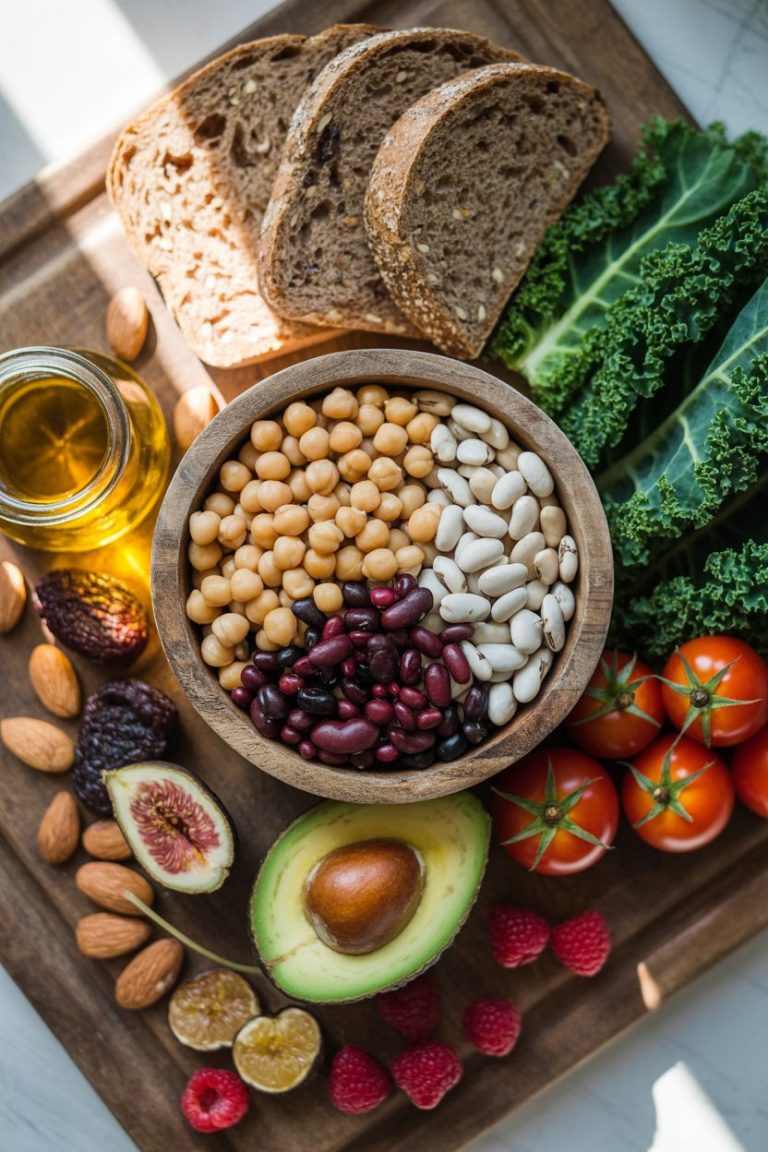
The good news? The foods that fight inflammation are genuinely satisfying. We’re talking olive oil, fatty fish, leafy greens, legumes, berries, nuts, and whole grains. FYI, this overlaps heavily with the Mediterranean diet — which is basically the gold standard for both heart health and blood sugar management.
The Core Principles of Anti-Inflammatory Eating for Diabetes
Before we get into the actual meal plan, let’s nail down the fundamentals. You’ll notice these principles running through every single day of this plan.
Prioritize Low-Glycemic Foods
Glycemic index matters. Foods that spike blood sugar quickly also trigger inflammatory responses. Choose slow-digesting carbs like oats, legumes, sweet potatoes, and whole grains over refined carbs and sugary foods.
Load Up on Omega-3s
Omega-3 fatty acids are among the most potent natural anti-inflammatories you can eat. Fatty fish like salmon, sardines, and mackerel are your best friends here. You can also get omega-3s from walnuts, flaxseeds, and chia seeds. If you want more inspiration, these diabetic-friendly Mediterranean recipes are a fantastic starting point.
Make Olive Oil Your Default Fat
Ditch the vegetable oil. Extra virgin olive oil is rich in oleocanthal, a compound with similar anti-inflammatory properties to ibuprofen (yes, really). Use it for cooking, dressing, dipping — basically everything.
Eat the Rainbow (Seriously, Not Just a Slogan)
Colorful vegetables and fruits contain phytonutrients and antioxidants that directly combat oxidative stress and inflammation. The more color on your plate, the better. Think deep greens, vibrant reds, rich purples, and bright oranges.
Minimize Processed Foods, Sugar, and Refined Carbs
This one stings a little, I know. But processed foods are loaded with trans fats, refined sugars, and additives that directly drive inflammation. Cutting them out is non-negotiable if you want results on this plan.
What to Stock Before You Start
Getting your kitchen ready makes this so much easier. Here’s what you’ll want on hand:
- Proteins: Salmon, sardines, chicken breast, eggs, lentils, chickpeas, black beans, Greek yogurt
- Healthy fats: Extra virgin olive oil, avocados, walnuts, almonds, flaxseeds, chia seeds
- Vegetables: Spinach, kale, broccoli, cauliflower, zucchini, bell peppers, tomatoes, sweet potatoes
- Fruits: Blueberries, strawberries, oranges, apples, pomegranate
- Whole grains: Brown rice, quinoa, oats, whole grain bread, farro
- Herbs and spices: Turmeric, ginger, cinnamon, garlic — these are anti-inflammatory powerhouses
- Pantry staples: Canned tomatoes, canned chickpeas, lentils, vegetable broth
If you want a full breakdown of what to keep around, this list of Mediterranean pantry staples is genuinely helpful.
The 14-Day Anti-Inflammatory Meal Plan
Let’s get into the actual plan. I’ve organized this by week to make it digestible (pun absolutely intended).
Week One: Building the Foundation
Day 1
- Breakfast: Oatmeal topped with blueberries, chia seeds, and a drizzle of raw honey
- Lunch: Large spinach salad with canned salmon, cucumber, olives, cherry tomatoes, and olive oil lemon dressing
- Dinner: Baked salmon with roasted broccoli and quinoa
- Snack: A small handful of walnuts and an apple
Day 2
- Breakfast: Two scrambled eggs with sautéed spinach and half an avocado on whole grain toast
- Lunch: Lentil soup with a side of whole grain bread
- Dinner: Grilled chicken with turmeric cauliflower rice and steamed green beans
- Snack: Greek yogurt with a sprinkle of cinnamon and a few strawberries
Day 3
- Breakfast: Smoothie with spinach, frozen blueberries, flaxseed, unsweetened almond milk, and a pinch of turmeric
- Lunch: Chickpea and vegetable stir-fry over brown rice
- Dinner: Sardines on whole grain toast with a side salad dressed in olive oil and lemon
- Snack: Sliced bell pepper with hummus
Day 4
- Breakfast: Greek yogurt parfait with mixed berries, walnuts, and ground flaxseed
- Lunch: Turkey and avocado wrap in a whole grain tortilla with plenty of greens
- Dinner: Black bean and sweet potato soup with fresh herbs
- Snack: A small orange and a handful of almonds
Day 5
- Breakfast: Overnight oats with chia seeds, almond butter, and sliced strawberries
- Lunch: Mediterranean grain bowl with farro, roasted vegetables, chickpeas, and tahini dressing
- Dinner: Baked cod with roasted asparagus and a side of lentils
- Snack: Celery sticks with almond butter
Day 6
- Breakfast: Two-egg veggie omelet with tomatoes, spinach, and a sprinkle of feta
- Lunch: Large kale salad with roasted sweet potato, pumpkin seeds, and lemon tahini dressing
- Dinner: Grilled shrimp with zucchini noodles tossed in olive oil, garlic, and cherry tomatoes
- Snack: Handful of walnuts and a small pear
Day 7
- Breakfast: Whole grain toast topped with mashed avocado, a sliced boiled egg, and red pepper flakes
- Lunch: Tomato and white bean soup with a side of whole grain crackers
- Dinner: Sheet pan salmon with roasted bell peppers, zucchini, and onions — one-pan meals like this make weeknights so much easier
- Snack: Blueberries and a tablespoon of almond butter
Week Two: Deepening the Habit
By week two, your taste buds start to adjust. You stop missing the junk and start genuinely craving these foods. Trust me on this one 🙂
Day 8
- Breakfast: Turmeric golden oatmeal with banana, walnuts, and cinnamon
- Lunch: Grilled chicken salad with mixed greens, avocado, cucumber, and olive oil vinaigrette
- Dinner: Lentil and vegetable stew with whole grain bread
- Snack: A small apple and a handful of pecans
Day 9
- Breakfast: Berry smoothie bowl topped with hemp seeds, sliced kiwi, and shredded coconut
- Lunch: Stuffed bell peppers with quinoa, black beans, corn, and herbs
- Dinner: Baked mackerel with roasted garlic sweet potatoes and steamed kale
- Snack: Cucumber slices and tzatziki
Day 10
- Breakfast: Whole grain avocado toast with smoked salmon, capers, and a squeeze of lemon
- Lunch: Hearty lentil and kale soup — soups are amazing for keeping you full without spiking blood sugar
- Dinner: Grilled chicken thighs with roasted broccoli and brown rice
- Snack: Greek yogurt with a drizzle of honey and mixed seeds
Day 11
- Breakfast: Chia pudding made with coconut milk, topped with pomegranate seeds and crushed walnuts
- Lunch: Farro salad with roasted beets, arugula, orange segments, and olive oil
- Dinner: Shrimp and vegetable stir-fry over cauliflower rice with ginger and garlic sauce
- Snack: Handful of almonds and a pear
Day 12
- Breakfast: Spinach and mushroom scrambled eggs with whole grain toast
- Lunch: Mediterranean-style chickpea wrap with cucumber, tomato, and tzatziki — these Mediterranean chickpea recipes will give you even more ideas
- Dinner: Baked salmon with roasted Brussels sprouts and quinoa
- Snack: Sliced apple with almond butter
Day 13
- Breakfast: Overnight oats with pomegranate, walnuts, and a dash of cinnamon
- Lunch: Big green salad with sardines, artichoke hearts, olives, and lemon olive oil dressing
- Dinner: Turkey meatballs in a homemade tomato sauce over whole grain pasta or zucchini noodles
- Snack: A small handful of mixed nuts and dried berries (no added sugar)
Day 14
- Breakfast: Smoothie with kale, frozen cherries, ginger, flaxseed, and almond milk
- Lunch: Grilled veggie and hummus grain bowl with farro, roasted eggplant, and fresh herbs
- Dinner: Celebrate your 14 days! Make a beautiful baked salmon with herbed cauliflower mash and a giant colorful salad. You earned it.
- Snack: Dark chocolate (85%+) and a handful of raspberries — yes, dark chocolate is anti-inflammatory. You’re welcome.
Key Anti-Inflammatory Ingredients to Rotate Throughout
Ever wondered why some people eating for diabetes management see incredible results while others struggle? It often comes down to consistency with specific ingredients. Here are the ones that earn their place on this plan every single week:
- Turmeric: Contains curcumin, one of the most studied anti-inflammatory compounds on the planet. Pair it with black pepper to boost absorption.
- Ginger: Fights inflammation and also helps with digestion. Win-win.
- Berries: Loaded with anthocyanins that reduce oxidative stress and improve insulin sensitivity.
- Leafy greens: Spinach, kale, and arugula are rich in vitamin K, folate, and anti-inflammatory flavonoids.
- Legumes: Chickpeas, lentils, and black beans are slow-digesting, blood-sugar-friendly, and incredibly filling. Check out these anti-inflammatory recipes anyone can cook for more everyday ideas.
- Nuts and seeds: Walnuts, almonds, chia, and flax all contribute healthy fats and fiber that slow glucose absorption.
Drinks That Support the Plan
What you drink matters just as much as what you eat. IMO, this is the most underrated piece of the diabetes-inflammation puzzle.
- Water: Your baseline. Aim for 8+ glasses daily.
- Green tea: Contains EGCG, a powerful anti-inflammatory antioxidant that also supports insulin sensitivity.
- Turmeric golden milk: Warm almond milk with turmeric, ginger, cinnamon, and a pinch of black pepper. Surprisingly delicious.
- Sparkling water with lemon: If plain water bores you to tears, this works perfectly.
You can find more inspiration in this roundup of anti-inflammation drinks you can make at home.
Meal Prep Tips to Make This Actually Work
Here’s where most people fall off. They love the plan on Sunday, then Wednesday hits and suddenly a drive-through seems very reasonable. Don’t let that be you.
Batch cook on Sundays. Roast a big tray of vegetables, cook a pot of lentils or quinoa, and grill a few portions of protein. These building blocks make assembling meals during the week take about ten minutes. These make-ahead Mediterranean recipes are perfect for exactly this kind of prep.
Keep your fridge stocked with ready-to-grab snacks. Pre-wash berries, portion out nuts, and keep sliced vegetables at eye level. When hunger hits, you’ll reach for what’s visible and convenient.
Don’t reinvent the wheel every day. Repeat meals you enjoyed. If you loved the salmon grain bowl, make it three times that week. Consistency beats variety when it comes to forming lasting habits.
Foods to Avoid During These 14 Days
This isn’t about perfection — but certain foods actively work against everything you’re trying to accomplish:
- Refined carbohydrates: White bread, white rice, pastries, crackers made from refined flour
- Sugary drinks: Soda, fruit juice, sweetened coffee drinks, energy drinks
- Trans fats and processed oils: Margarine, vegetable shortening, fast food
- Processed meats: Hot dogs, deli meats loaded with preservatives, bacon in large amounts
- Added sugar: Candy, baked goods, sauces with hidden sugar (ketchup, teriyaki, BBQ sauce)
- Alcohol: Especially beer and sweet cocktails that spike blood sugar fast
How to Track Your Progress
Don’t just wing it — actually pay attention to how your body responds. Keep a simple food and symptom journal for these 14 days. Note your energy levels, how you sleep, any joint pain or bloating, and most importantly, your blood sugar readings.
Most people start noticing changes within the first week. Energy improves, afternoon crashes become less brutal, and blood sugar readings start trending in the right direction. By day 14, many people report better sleep, clearer skin (anti-inflammatory eating is a gift to your skin — check out these anti-inflammatory foods for clear skin), and a noticeably calmer gut.
What Comes After Day 14
So you made it through two weeks. What now? This plan isn’t meant to be a short-term fix — it’s an introduction to a sustainable way of eating. The goal is to make these habits feel normal, not special.
If you want to continue building on this foundation, a 30-day anti-inflammation challenge is a natural next step. Or if you’re keen to take a more structured Mediterranean approach, the 14-day Mediterranean high-protein anti-inflammatory plan offers a great progression.
For women specifically, the 14-day anti-inflammatory eating plan for women addresses some additional hormonal and metabolic factors worth knowing about.
Final Thoughts
Here’s the bottom line: inflammation is not your destiny, and diabetes doesn’t have to define your relationship with food. These 14 days are proof that eating for blood sugar control can taste genuinely incredible.
You don’t need to be a chef. You don’t need expensive supplements. You just need real, whole food, a bit of planning, and the willingness to give your body what it actually needs.
Start Day 1 tomorrow. Your future self — with better energy, steadier blood sugar, and a much happier gut — will be very glad you did :/