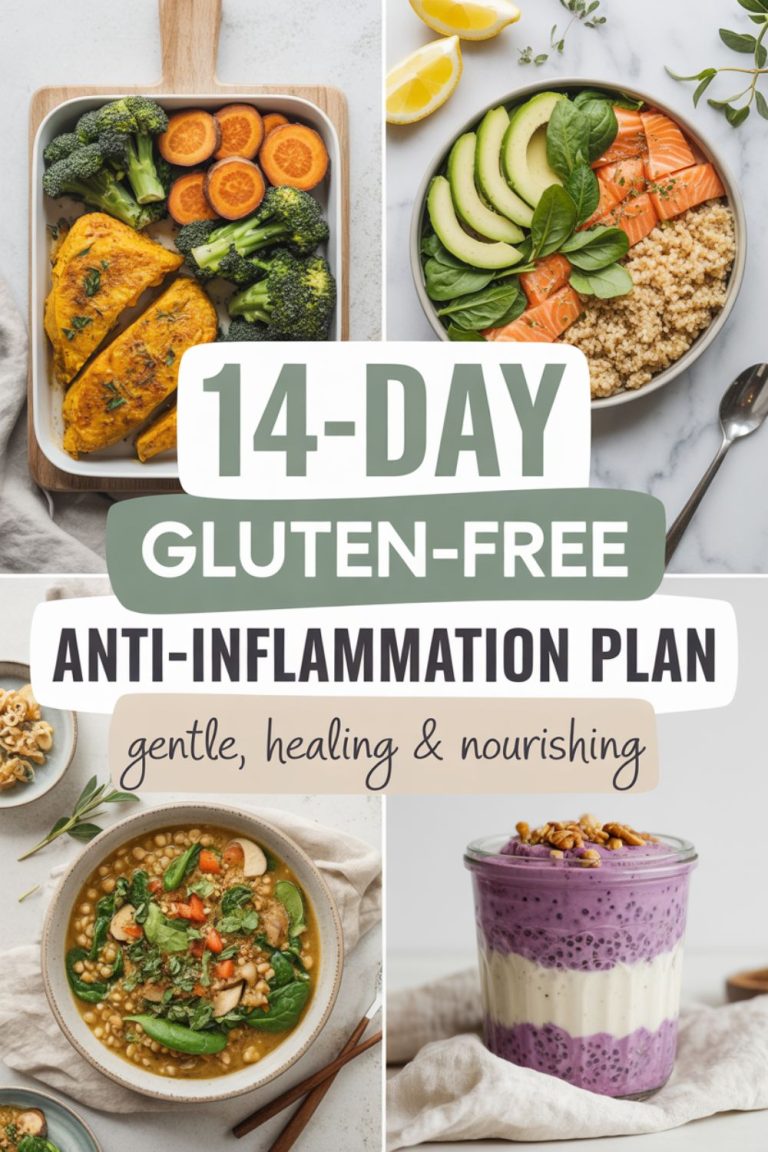
14-Day Anti-Inflammatory Meal Plan For Beginners (Printable)
14-Day Anti-Inflammatory Meal Plan For Beginners (Printable)
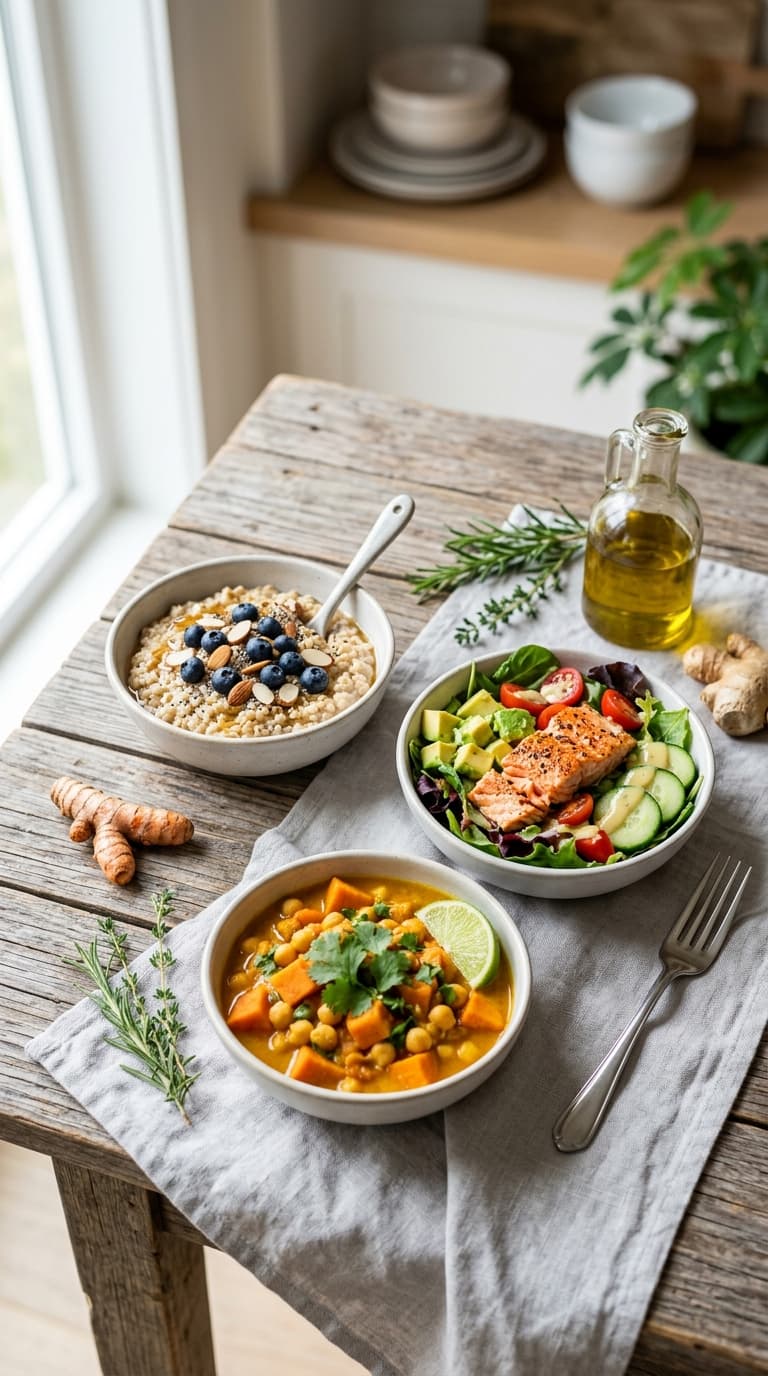
You know that feeling when your body just feels off — tired, bloated, achy, and running on fumes? Yeah, I’ve been there too. And honestly, food was the last thing I thought to blame. But once I started paying attention to what I was putting on my plate, everything shifted. That’s the power of eating with intention — and this 14-day anti-inflammatory meal plan is exactly where you start.
This isn’t about perfection or going full wellness-guru overnight. It’s about giving your body a real break — two solid weeks of nourishing meals that actually taste good. Let’s get into it.
What Is Inflammation (And Why Should You Care)?
Inflammation isn’t always the enemy. Your body uses it to fight infection and heal injuries — totally normal. The problem is chronic, low-grade inflammation, which quietly builds up over time and links to everything from joint pain and fatigue to heart disease and poor skin.
The food you eat either fans that flame or puts it out. Simple as that.
Common culprits that spike inflammation include refined sugar, processed vegetable oils, white bread, and ultra-processed snacks. Anti-inflammatory foods — think colorful vegetables, fatty fish, olive oil, nuts, and legumes — do the opposite. They calm things down at the cellular level.
FYI, this isn’t some fringe nutrition theory. Dozens of peer-reviewed studies back the connection between diet and systemic inflammation. And the Mediterranean diet, which forms the backbone of this plan, consistently ranks as one of the most anti-inflammatory eating patterns on the planet.
What to Eat (And What to Skip)
Before you even look at the meal plan, let’s get the basics straight. Knowing why you’re eating certain foods makes the whole thing stick better.
Foods That Fight Inflammation
- Fatty fish (salmon, sardines, mackerel) — rich in omega-3s
- Leafy greens (spinach, kale, arugula) — packed with antioxidants
- Berries (blueberries, strawberries, cherries) — loaded with polyphenols
- Extra virgin olive oil — your best cooking fat, full stop
- Nuts and seeds (walnuts, flaxseeds, chia seeds)
- Legumes (lentils, chickpeas, black beans)
- Whole grains (quinoa, oats, brown rice)
- Turmeric and ginger — nature’s anti-inflammatory power duo
- Green tea — swap one coffee for this and you’ll notice a difference
If you want recipe ideas that bring these ingredients to life, check out these anti-inflammatory recipes anyone can cook — seriously beginner-friendly stuff.
Foods to Ditch (At Least for 14 Days)
- Refined sugars and sugary drinks
- White bread, white pasta, white rice
- Fried foods and fast food
- Processed meats (hot dogs, deli meats with additives)
- Alcohol (sorry :/ — just two weeks, I promise)
- Seed oils like canola, sunflower, and soybean oil
Your 14-Day Anti-Inflammatory Meal Plan
Here’s the full plan laid out week by week. Every meal is designed to be simple, satisfying, and beginner-friendly. You don’t need a culinary degree — just a decent pan and about 30 minutes.
Week 1: Getting Started
Day 1
- Breakfast: Overnight oats with blueberries, chia seeds, and almond milk
- Lunch: Large spinach salad with chickpeas, cucumber, olives, and lemon-tahini dressing
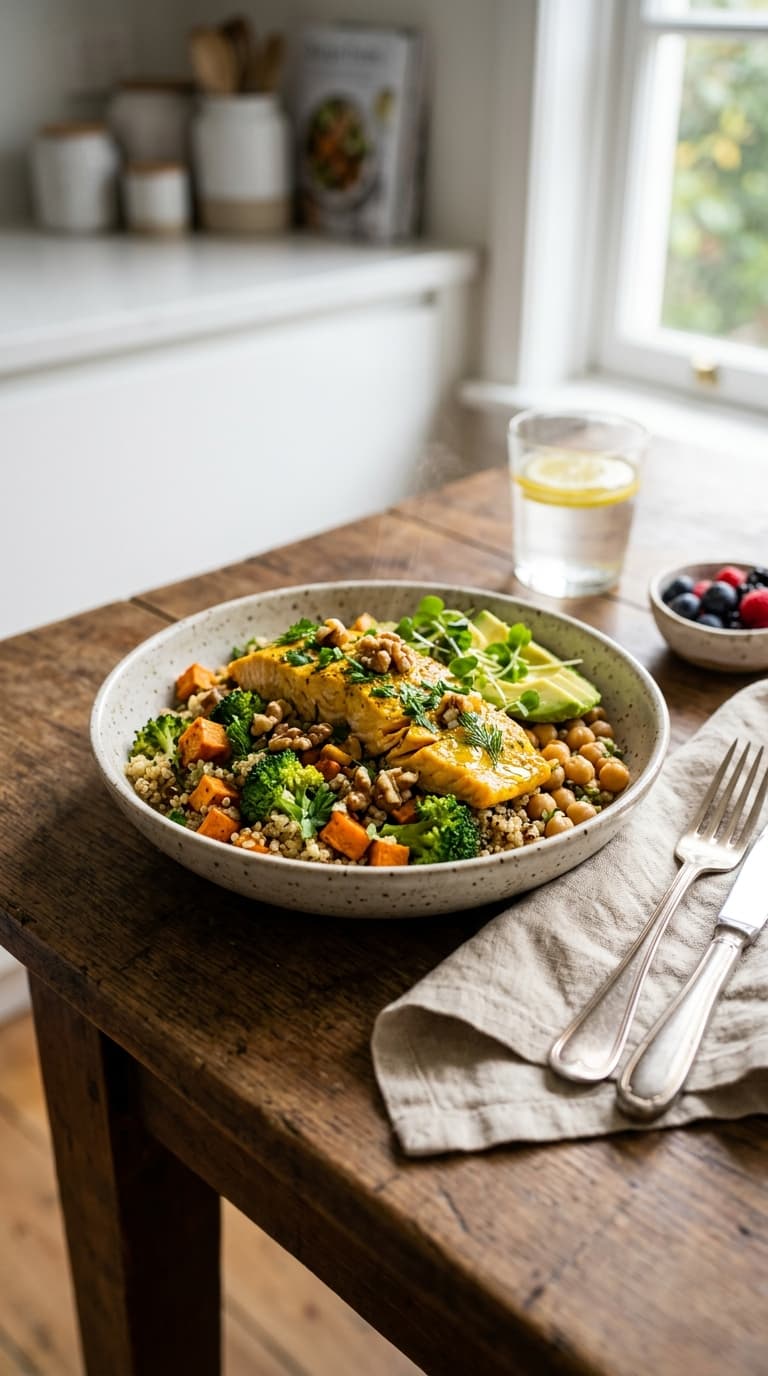
- Dinner: Baked salmon with roasted sweet potatoes and steamed broccoli
Day 2
- Breakfast: Greek yogurt with mixed berries and a drizzle of honey
- Lunch: Lentil soup with crusty whole grain bread
- Dinner: Stir-fried tofu with bok choy, brown rice, and a ginger-tamari glaze
Day 3
- Breakfast: Smoothie with spinach, banana, frozen mango, flaxseeds, and oat milk
- Lunch: Whole grain wrap with hummus, roasted red peppers, arugula, and avocado
- Dinner: Grilled chicken thighs with quinoa and roasted zucchini
Day 4
- Breakfast: Two-egg veggie scramble with cherry tomatoes, spinach, and turmeric
- Lunch: Mediterranean grain bowl with farro, cucumber, tomatoes, feta, and olive oil
- Dinner: Baked cod with a herb crust, steamed green beans, and brown rice
Day 5
- Breakfast: Oat porridge with walnuts, cinnamon, and sliced apple
- Lunch: Leftover grain bowl (yes, meal prep is your friend)
- Dinner: Turkey and vegetable stew with cannellini beans
Day 6
- Breakfast: Chia pudding made with coconut milk, topped with kiwi and pomegranate
- Lunch: Sardine and avocado toast on whole grain sourdough
- Dinner: Sheet pan roasted veggies with chickpeas and a drizzle of olive oil and za’atar
Day 7
- Breakfast: Banana pancakes (just banana, egg, and oats — really, try it)
- Lunch: Big arugula salad with walnuts, pear, and balsamic vinaigrette
- Dinner: Grilled salmon with a side of roasted beets and wilted kale
Week one done. How do you feel? Lighter? A little more energized? That’s not a coincidence.
Week 2: Building Momentum
By week two, your taste buds have started to reset. You’ll actually crave the good stuff — wild, right?
Day 8
- Breakfast: Smoothie bowl with acai, banana, almond butter, and hemp seeds
- Lunch: Tomato lentil soup with a side salad
- Dinner: Baked chicken with turmeric, garlic, and roasted asparagus
Day 9
- Breakfast: Overnight oats with raspberries and pumpkin seeds
- Lunch: Mediterranean wrap with grilled veggies, hummus, and fresh herbs
- Dinner: Shrimp stir-fry with garlic, ginger, bok choy, and brown rice
Day 10
- Breakfast: Poached eggs on a bed of sautéed spinach with whole grain toast
- Lunch: Quinoa salad with roasted beets, goat cheese, walnuts, and lemon dressing
- Dinner: Baked mackerel with roasted root vegetables and a squeeze of lemon
Day 11
- Breakfast: Turmeric golden milk smoothie with banana, oat milk, and ginger
- Lunch: Black bean and avocado bowl with brown rice and salsa
- Dinner: One-pan lemon herb chicken with broccoli and cherry tomatoes
Day 12
- Breakfast: Greek yogurt parfait with granola, mixed berries, and chia seeds
- Lunch: Leftover chicken bowl with extra greens
- Dinner: Chickpea and spinach curry with a side of brown rice
Day 13
- Breakfast: Veggie-loaded omelet with mushrooms, peppers, and fresh herbs
- Lunch: Whole grain pita with tzatziki, cucumber, tomatoes, and grilled chicken
- Dinner: Salmon patties with a green salad and tahini dressing
Day 14
- Breakfast: Oat porridge with almond butter, sliced banana, and ground flaxseed
- Lunch: Roasted veggie and lentil soup
- Dinner: Celebrate! Make your favorite meal from week one again — you’ve earned it
Snack Ideas to Keep You Going
The biggest mistake beginners make? Getting ambushed by hunger between meals and reaching for whatever’s nearby (usually something crunchy, processed, and deeply regrettable). Stock your kitchen with these instead:
- A small handful of mixed nuts and dried cherries
- Apple slices with almond butter
- Hummus with carrot and celery sticks
- A boiled egg with a sprinkle of sea salt
- Anti-inflammatory smoothies you can prep fast — batch prep on Sundays and thank yourself all week
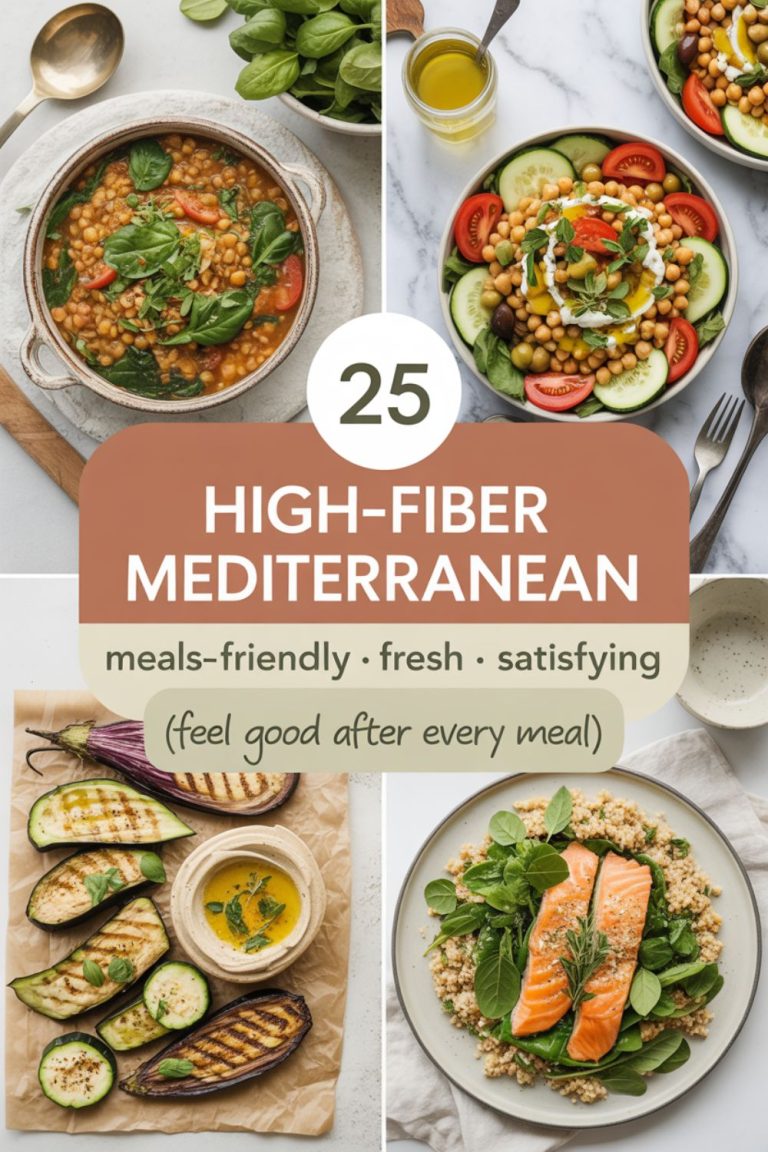
If you want more ideas, these high-fiber snacks that actually fill you up are lifesavers on busy days.
Drinks That Support the Plan
What you drink matters just as much as what you eat. Sugary drinks can undo a perfectly good meal — and yes, that includes “natural” fruit juices with no added sugar.
Best choices:
- Water (still or sparkling — add lemon or cucumber if plain feels boring)
- Green tea or matcha
- Turmeric and ginger tea
- Black coffee in moderation (1–2 cups max)
For something a little more exciting, these anti-inflammation drinks you can make at home are genuinely delicious and take about five minutes.
Meal Prep Tips to Make This Actually Work
Let’s be real — the plan only works if you actually follow it. And the biggest threat to following it is having zero prepped food on a Wednesday evening when you’re starving and tired.
Here’s how to set yourself up:
- Sunday batch cook: Make a big pot of grains (quinoa, brown rice), roast a tray of veggies, and cook some protein in bulk
- Keep your freezer stocked: Frozen berries, edamame, and fish fillets are your best friends
- Prep your snacks: Portion out nuts, wash your fruit, cut your veggies — do it Sunday so you don’t think twice during the week
- Make double portions at dinner: Lunch is sorted for the next day, no effort required
If you want to go deeper on this, the 21 easy Mediterranean meal prep ideas are worth bookmarking before you start.
Common Beginner Mistakes to Avoid
IMO, knowing what not to do saves you just as much trouble as knowing what to do. Here are the classic slip-ups:
- Going too restrictive too fast. This plan is already a big shift for most people. Don’t also try to cut calories dramatically at the same time.
- Skipping meals. You’ll crash, crave junk, and spiral. Eat regularly.
- Not reading labels. “Healthy” packaging means nothing. Check for hidden sugars and seed oils.
- Giving up after one bad day. One pizza doesn’t undo the whole plan. Just get back on track the next meal — not even the next day, the next meal.
- Under-hydrating. Drink water. Lots of it. Your kidneys and your skin will both thank you.
How to Extend the Plan Beyond 14 Days
Two weeks is a great start — but honestly, the real magic happens when you keep going. Once the basics feel natural, you can explore a 30-day anti-inflammation challenge or even level up with a 30-day Mediterranean wellness plan to really cement the habit.
If you love variety and want to explore more styles within the same framework, the 14-day Mediterranean high-protein anti-inflammatory plan is excellent for anyone who’s more active or trying to build muscle alongside reducing inflammation.
And if you’ve got a family to feed, don’t miss the 14-day Mediterranean family meal plan — same principles, just scaled up and picky-eater-tested.
What You Might Notice After 14 Days
Everyone’s different, but here’s what people commonly report after finishing a two-week anti-inflammatory eating plan:
- Less bloating and improved digestion
- More stable energy throughout the day (no more 3pm crash)
- Clearer skin — those anti-inflammatory foods for clear skin are doing real work
- Better sleep quality
- Reduced joint stiffness or general achiness
- Fewer sugar cravings (this one surprises people every time)
Results aren’t overnight. But fourteen days of consistent, intentional eating? You’ll feel the difference. Not in a vague, wishy-washy way — in a genuine, “huh, my jeans feel different and I’m not exhausted by noon” way.
Final Thoughts
You’ve got two weeks. You’ve got a full meal plan, snack ideas, drink suggestions, and meal prep strategies. What’s the excuse now? 🙂
Start with Day 1. Just Day 1. Don’t think about all 14 days at once. Cook the overnight oats tonight, make the salad tomorrow, and keep going one meal at a time.
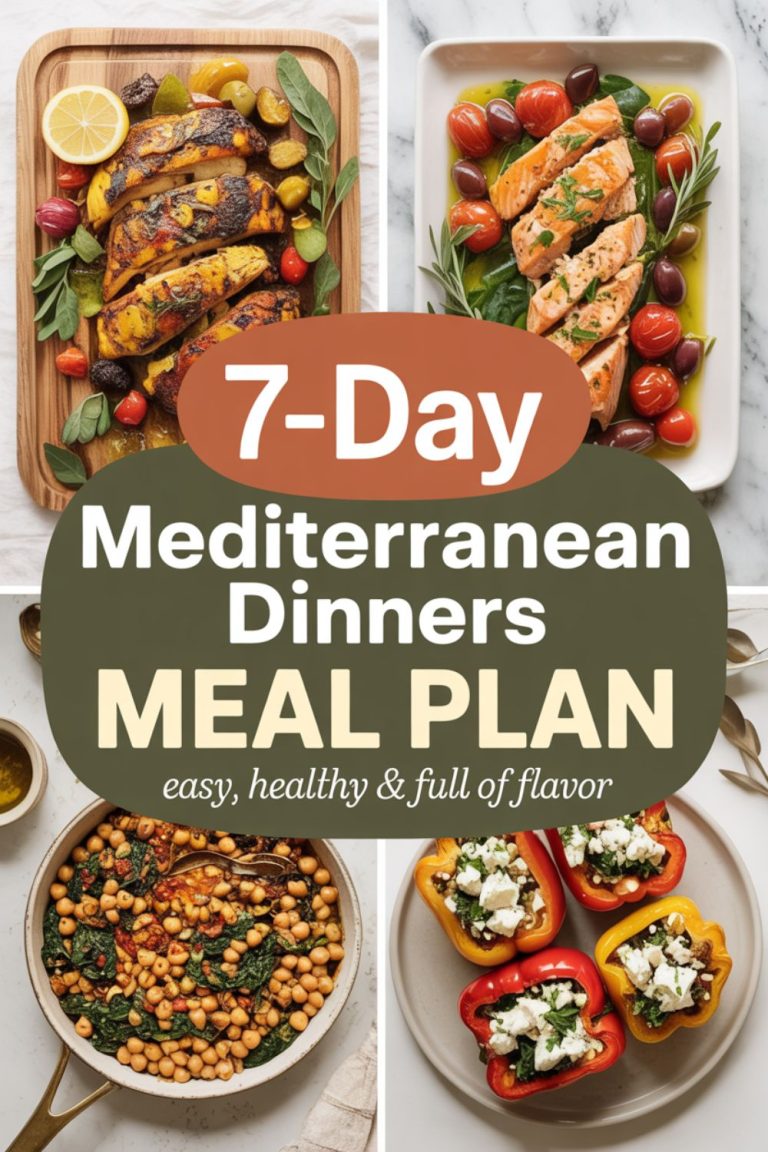
If you want to ease in a bit more gently before committing to the full plan, the 7-day anti-inflammation reset with simple meals is a solid warm-up. And if you’re curious about the broader lifestyle this plugs into, the 7-day Mediterranean meal plan for beginners covers all the fundamentals in a really approachable way.
Your body’s been doing a lot for you. Give it two weeks of the good stuff. It’ll pay you back ten times over.