21 Light and Fresh Mediterranean Salads for Any Season
Let’s be honest—salads get a bad rap. People think they’re boring, rabbit food, or that one sad desk lunch you force yourself to eat while dreaming about pizza. But Mediterranean salads? They’re a whole different story. These aren’t your typical limp lettuce situations. We’re talking vibrant colors, bold flavors, and textures that actually make you excited to eat vegetables.
I’ve spent years experimenting with Mediterranean recipes, and salads have become my secret weapon for feeling good without feeling deprived. They’re light enough that you won’t need a nap afterward, but substantial enough that you’re actually satisfied. Plus, they work year-round—crisp cucumbers in summer, roasted vegetables in winter, and everything in between.
What makes these salads special is that they follow the Mediterranean diet principles that researchers have been raving about for decades. According to studies on Mediterranean dietary patterns, this way of eating is linked to reduced inflammation, better heart health, and even improved brain function. The combination of fresh vegetables, healthy fats from olive oil, and lean proteins creates meals that actually nourish your body.
Why Mediterranean Salads Hit Different
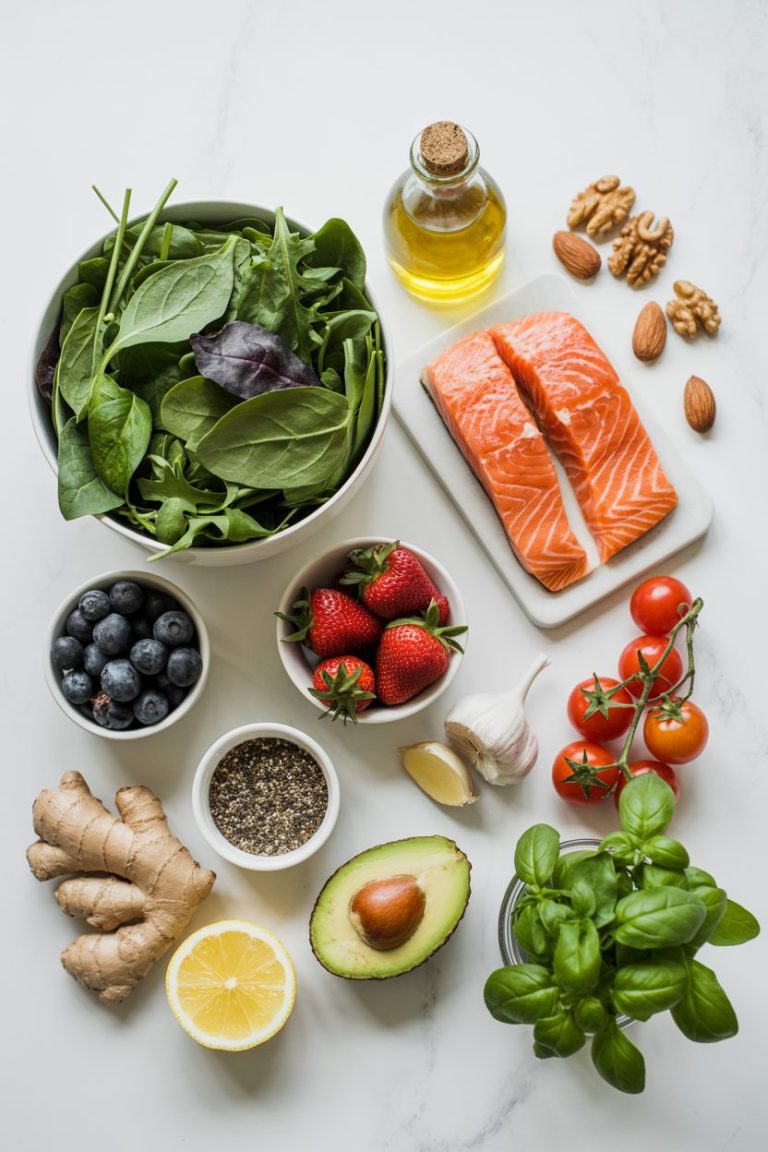
Here’s the thing about Mediterranean cuisine that took me way too long to figure out: it’s not about restriction or sad portions. It’s about abundance—just the right kind. These salads pack in vegetables, healthy fats, and often some protein, which means they’re actually filling. The polyphenols in extra virgin olive oil aren’t just fancy words nutritionists throw around—they’re powerful antioxidants that genuinely benefit your body.
I used to think olive oil was just for fancy bread dipping, but it’s honestly the MVP ingredient here. A good drizzle adds richness without weighing you down. I keep this cold-pressed extra virgin olive oil on my counter at all times—it’s got that peppery kick that tells you it’s the real deal.
The beauty of these salads is their flexibility. Feeling like something hearty? Add chickpeas or grilled chicken. Want it lighter? Keep it veggie-forward with just a sprinkle of feta. They’re basically choose-your-own-adventure meals, which is perfect for those of us who get bored eating the same thing twice.
The Foundation: What Makes a Salad Mediterranean
Not every salad with feta qualifies as Mediterranean, despite what restaurant menus might tell you. Authentic Mediterranean salads share some common threads: lots of fresh vegetables, quality olive oil, herbs that actually taste like something, and usually some form of acid (lemon juice or vinegar) to brighten everything up.
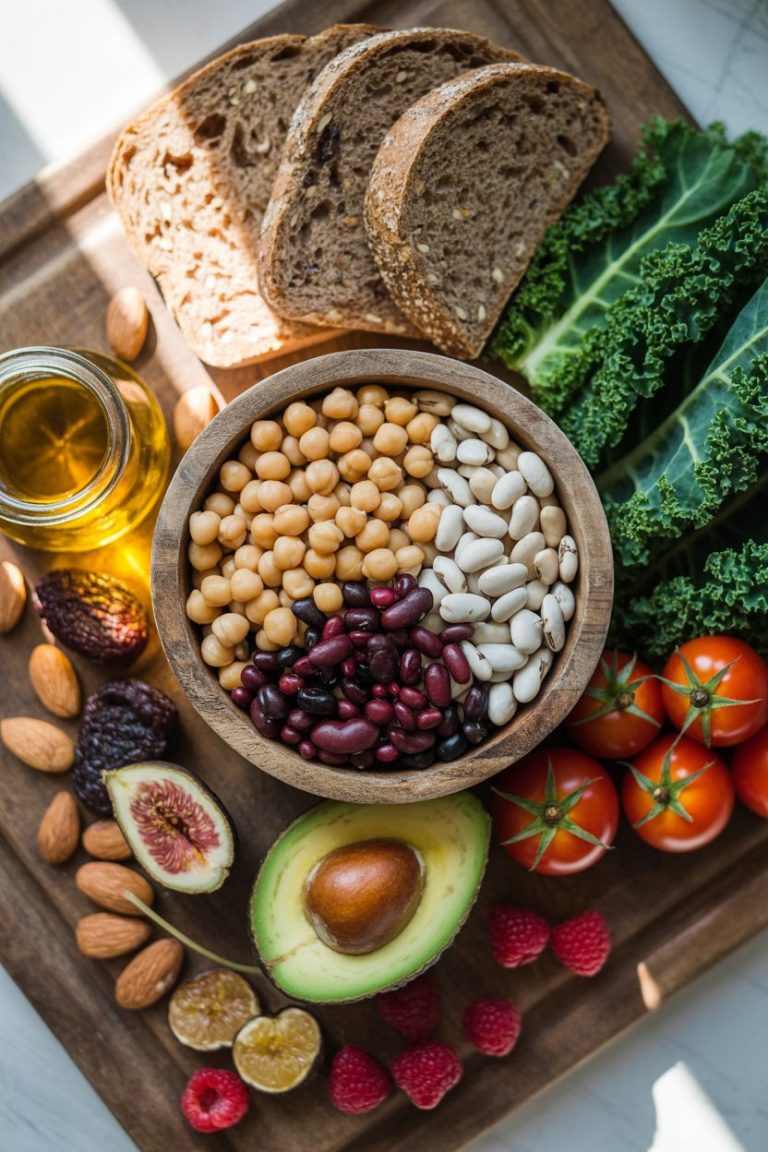
The base is often mixed greens, but here’s where it gets interesting—you’ll also see grain-based salads with bulgur or farro, or even no greens at all. Think Greek salad, which is basically just chunky vegetables living their best life together. The protein is typically lean: chickpeas, white beans, grilled fish, or chicken. Red meat makes rare appearances, which explains why this eating pattern is so heart-healthy.
One ingredient you’ll see constantly is quality sea salt. I know, I know, salt is salt, right? Wrong. The mineral-rich varieties add depth without just making things salty. It’s subtle but makes a difference.
Speaking of Mediterranean meals that keep things interesting, check out these Mediterranean grain bowls if you want something even heartier. They follow the same principles but lean more into the “bowl meal” territory.
Light Leafy Green Salads That Actually Satisfy
Let’s start with the classics—your leafy green situations that work as sides or light mains. These are perfect for summer or when you want something refreshing that won’t leave you hungry an hour later.
Classic Greek Salad (Horiatiki)
This is the poster child of Mediterranean salads, and for good reason. No lettuce—just ripe tomatoes, cucumbers, red onion, green peppers, Kalamata olives, and a slab of feta. The key is cutting everything into substantial chunks so you get multiple flavors in each bite. Dress it simply with olive oil, oregano, and a squeeze of lemon. Get Full Recipe.
The trick with Greek salad is using the ripest tomatoes you can find. Out-of-season tomatoes will make this sad, trust me. If it’s winter, skip this one and come back to it in summer when tomatoes are doing their thing.
Fattoush with Crispy Pita
This Lebanese beauty is basically a vehicle for eating crunchy pita chips while feeling virtuous. You’ve got romaine, tomatoes, cucumbers, radishes, and loads of fresh herbs—parsley and mint are non-negotiable. The toasted pita gets tossed in right before serving so it stays crispy. The sumac in the dressing gives it that tangy, slightly citrusy flavor that’s totally addictive.
I make the pita chips in this air fryer with just a brush of olive oil. Comes out perfect every time without heating up the whole kitchen.
Simple Arugula and Shaved Fennel
This one’s for when you want sophistication without effort. Peppery arugula, paper-thin fennel slices, and shavings of Parmesan. That’s it. The dressing is just lemon, olive oil, salt, and pepper. The fennel adds this subtle licorice-y freshness that sounds weird but totally works. Get Full Recipe.
“I was skeptical about fennel—thought it was too fancy for me. But this salad changed my mind completely. Now I buy fennel weekly and my family actually requests it. Who knew vegetables could be this good?” — Sarah M., community member who lost 15 pounds following Mediterranean principles
Tuscan Kale with Lemon and Pecorino
Kale gets a lot of hate for being the vegetable equivalent of trying too hard, but hear me out. Tuscan kale (also called lacinato or dinosaur kale) is less bitter and more tender than the curly stuff. Massage it with olive oil and lemon—yes, actually massage it—until it softens. Top with pine nuts, golden raisins, and Pecorino. Sweet, savory, and somehow elegant.
For more ways to incorporate these anti-inflammatory ingredients into your routine, the 7-day Mediterranean anti-inflammation meal plan breaks everything down into easy-to-follow days. Perfect if you’re just getting started and don’t want to overthink it.
Grain-Based Salads for Serious Staying Power
Now we’re getting into territory where salads become actual meals. These grain-based versions will keep you full for hours—perfect for meal prep or when you need lunch to hold you over until dinner.
Tabbouleh Done Right
Traditional tabbouleh is mostly parsley with bulgur wheat playing a supporting role. Americans tend to flip this ratio, which is a shame because the herb-forward version is incredibly fresh and bright. Finely chop a massive amount of flat-leaf parsley, add a smaller amount of bulgur, tomatoes, mint, lemon juice, and olive oil. It should be green, not beige.
Get yourself a good sharp chef’s knife for this one. Chopping two bunches of parsley with a dull knife is nobody’s idea of fun.
Farro with Roasted Vegetables and Feta
Farro has this nutty, chewy texture that makes it feel substantial. Roast whatever vegetables you’ve got—zucchini, bell peppers, cherry tomatoes, red onion—toss with cooked farro, crumbled feta, and a lemon-herb vinaigrette. This is one of those salads that’s actually better the next day after everything marinates together. Get Full Recipe.
Quinoa Greek Salad
Take all the Greek salad components and add quinoa. Boom—you’ve got a complete protein situation that works as a main dish. The quinoa soaks up the dressing and makes every bite flavorful. Plus, it’s gluten-free if that’s your thing.
Pearl Couscous with Chickpeas and Herbs
Pearl couscous (also called Israeli couscous) has a satisfying chewy texture that regular couscous can’t match. Mix with chickpeas, cherry tomatoes, cucumber, red onion, and loads of fresh dill and parsley. The combo of legumes and grains makes this incredibly filling.
If you’re looking for more high-protein Mediterranean options that’ll actually keep you satisfied, try these high-protein Mediterranean recipes. They’re designed for people who lift or just want to maintain muscle while eating clean.
Protein-Packed Salads That Work as Dinner
These are the heavy hitters—salads so substantial you won’t be prowling the kitchen an hour later looking for snacks.
Grilled Chicken with Romaine and Tahini Dressing
Sometimes you just need chicken and greens, but Mediterranean-style. Grill chicken with lemon, garlic, and oregano. Slice it over romaine, add tomatoes, cucumbers, and red onion. The tahini dressing is what elevates this from boring to craveable—it’s creamy without dairy and has that nutty depth. Get Full Recipe.
Tuna Nicoise (Mediterranean Style)
The French probably wouldn’t call this Nicoise, but who cares. Good quality tuna (I use sustainably caught tuna in olive oil), green beans, cherry tomatoes, olives, hard-boiled eggs, and little potatoes. It’s a composed salad, meaning you arrange everything on the plate instead of tossing it. Fancy but actually easy.
Lemony Shrimp with White Bean Salad
Quickly sauté shrimp with garlic and lemon, serve over a salad of white beans, arugula, cherry tomatoes, and shaved Parmesan. The beans and shrimp together give you serious protein without feeling heavy. This comes together in like 15 minutes, which is clutch on weeknights.
For more seafood inspiration that follows these same principles, the Mediterranean fish and seafood recipes collection has everything from simple grilled fish to more elaborate preparations.
Lamb Meatball Salad with Tzatziki
Mini lamb meatballs seasoned with cumin, coriander, and fresh mint, served over mixed greens with cucumber, tomato, and a generous dollop of tzatziki. This is the kind of salad that makes people forget they’re eating salad. The lamb meatballs can be made ahead and reheated, which makes meal prep actually doable.
Grilled Halloumi with Watermelon and Mint
This might sound weird if you’ve never tried it, but trust the process. Grilled halloumi cheese (which doesn’t melt, just gets golden and squeaky) paired with sweet watermelon, peppery arugula, and fresh mint. The sweet-savory-salty combination is honestly genius. Summer only though—winter watermelon is a crime against produce.
Kitchen Tools That Make Mediterranean Cooking Actually Easy
Look, you don’t need a million gadgets to make good salads. But a few key tools genuinely make the process less annoying. Here’s what lives on my counter and actually earns its space:
Physical Products:
- A proper salad spinner – Wet lettuce ruins everything. Get one with a brake mechanism so you don’t send it flying across the kitchen.
- Glass meal prep containers – Plastic stains and gets gross. Glass stays clean and doesn’t absorb smells. Game changer for storing prepped ingredients separately.
- A quality citrus juicer – You’ll use way more lemon juice when squeezing it doesn’t require arm wrestling the lemon. This handheld one is perfect.
Digital Resources:
- 14-Day Mediterranean High-Protein Anti-Inflammatory Plan – Takes the guesswork out of meal planning with complete shopping lists and prep instructions. Available at pureandplate.com.
- 7-Day Mediterranean Meal Prep Guide – Shows you exactly how to prep a week’s worth of meals in under two hours. Seriously cuts down on daily cooking stress. Check it out at pureandplate.com.
- 30-Day Anti-Inflammation Challenge – If you want structure and accountability, this program walks you through a month of Mediterranean eating with daily guidance. Find it at pureandplate.com.
Warm Weather Salads That Beat the Heat
When it’s too hot to turn on the stove, these no-cook or minimal-cook salads save the day. They’re refreshing without being insubstantial.
Watermelon, Feta, and Mint
The ultimate summer trifecta. Cube cold watermelon, crumble feta over it, tear fresh mint leaves, and drizzle with olive oil and a tiny squeeze of lime. That’s it. The salt from the feta makes the watermelon taste even sweeter. Sounds simple because it is, but it’s weirdly addictive. Get Full Recipe.
Cucumber and Tomato with Sumac
This is basically an Israeli salad—finely diced cucumbers and tomatoes with lemon, olive oil, and sumac. The key is cutting everything small and uniform so it’s more like a chunky salsa. Ridiculously refreshing and goes with literally everything.
I use this mandoline slicer for perfect cucumber slices when I’m feeling fancy. Just watch your fingers—those blades don’t discriminate.
Caprese with a Twist
Classic caprese is technically Italian, not Mediterranean, but it fits the profile. Ripe tomatoes, fresh mozzarella, basil, olive oil, and balsamic. The twist? Add sliced peaches or nectarines in summer. The fruit adds sweetness that plays perfectly with the creamy cheese and acidic tomatoes.
For more seasonal Mediterranean ideas that work year-round, including these types of fresh salads, explore the Mediterranean soup recipes collection. They’re perfect for when you want that Mediterranean flavor profile but need something warm.
Cold Weather Salads with Heartiness
Just because it’s cold outside doesn’t mean salads are off the table. These versions incorporate roasted vegetables and warm components that make them actually appealing in winter.
Roasted Beet and Orange Salad
Roasted beets (wrapped in foil and baked until tender), segmented oranges, arugula, goat cheese, and candied walnuts. The earthiness of beets with the brightness of citrus is one of those combinations that sounds fancy but is actually simple. The beets can be roasted days ahead.
Warm Brussels Sprouts with Pomegranate
Shaved Brussels sprouts sautéed until crispy, then tossed while warm with pomegranate seeds, toasted almonds, and Parmesan. The Brussels sprouts soften slightly when dressed while warm, making them less aggressive than raw. Pomegranate adds jewel-like pops of sweetness.
Roasted Cauliflower with Tahini and Herbs
Cauliflower roasted until golden and slightly caramelized, served warm or room temperature over greens with a generous drizzle of tahini sauce, fresh herbs, and a sprinkle of za’atar. This is substantial enough to be a main dish. Get Full Recipe.
Warm Lentil Salad with Roasted Carrots
Green or brown lentils cooked until tender, roasted carrots, arugula, goat cheese, and a Dijon vinaigrette. Served warm, this feels like comfort food that happens to be incredibly healthy. The lentils provide that earthy, satisfying quality that makes you forget it’s technically a salad.
Making These Salads Work for Meal Prep
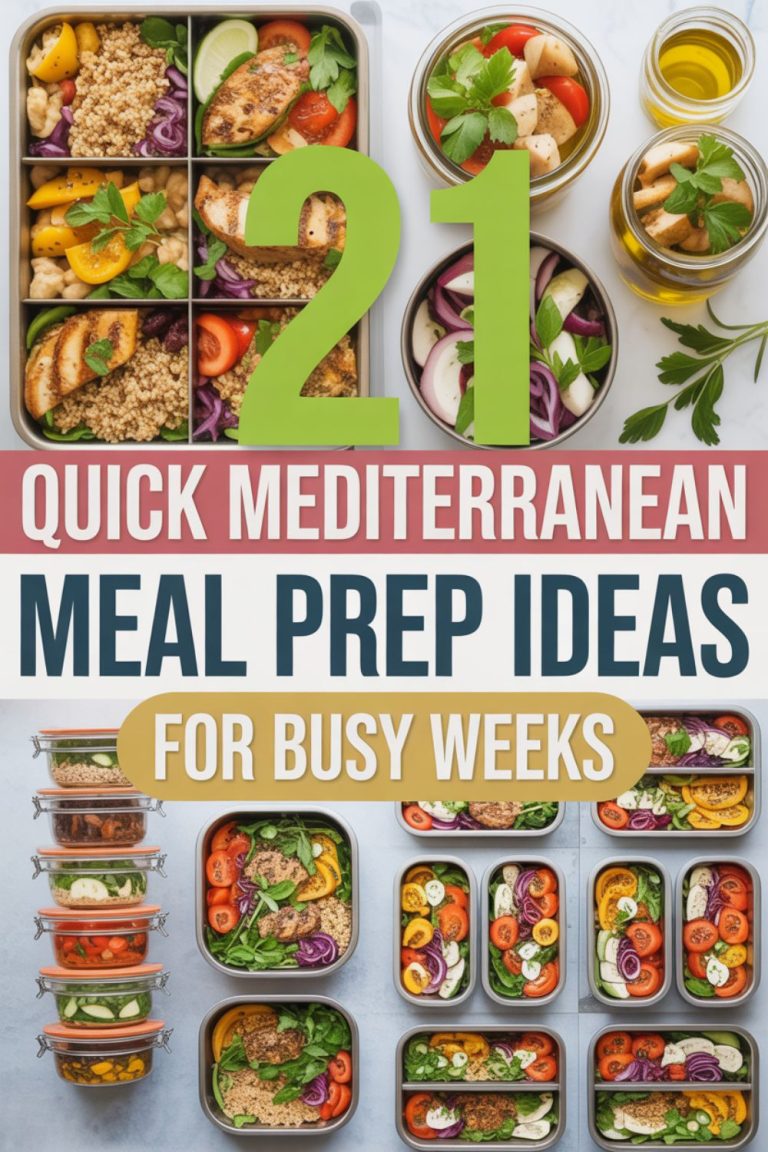
The beauty of Mediterranean salads is that many components can be prepped ahead without getting soggy or sad. Here’s the strategy I use every week, and it’s honestly changed how I eat lunch.
Prep vegetables on Sunday: Wash and chop cucumbers, tomatoes, peppers, and onions. Store separately in those glass containers I mentioned. They’ll stay crisp for 4-5 days if properly dried.
Cook grains and proteins in bulk: Quinoa, farro, chickpeas, and grilled chicken all keep well and can be mixed and matched. This gives you flexibility without repetition.
Make dressings fresh: Most Mediterranean dressings are just olive oil, lemon juice, and herbs. They take two minutes and taste infinitely better fresh. Don’t fall into the bottled dressing trap.
Assemble daily: Keep components separate until you’re ready to eat. This prevents the dreaded soggy salad syndrome that ruins packed lunches everywhere.
If you want a complete system for this, the 14-day high-fiber Mediterranean plan includes detailed prep schedules that show you exactly when to prep what. Takes the guesswork out completely.
The Dressing Situation
Let’s talk about what makes these salads actually taste good—the dressings. Mediterranean dressings are refreshingly simple. No weird ingredients you can’t pronounce, no chemical aftertastes, just real food that enhances rather than masks.
Classic Greek Dressing
Three parts olive oil to one part red wine vinegar, oregano, garlic, Dijon mustard, salt, and pepper. Shake it in a jar. That’s it. This works on basically any Mediterranean salad.
Lemon-Herb Vinaigrette
Fresh lemon juice, olive oil, minced garlic, fresh dill and parsley, salt, and pepper. Bright, fresh, and goes with everything from grain salads to grilled vegetables.
Tahini Sauce
Tahini, lemon juice, garlic, water (to thin), salt. This creamy dream works as both a dressing and a dip. The tahini provides richness without dairy, and it’s packed with minerals. I probably use this three times a week on various salads.
Balsamic Reduction
Simmer balsamic vinegar until it reduces by half and becomes syrupy. Drizzle over caprese, roasted vegetables, or anything that needs a sweet-tangy finish. Make a batch and keep it in a squeeze bottle.
Speaking of keeping things interesting throughout the week, try incorporating some of these Mediterranean wraps and pita ideas using the same salad components. Same ingredients, different format, no boredom.
Common Mistakes That Make Mediterranean Salads Fall Flat
I’ve made every salad mistake possible, so learn from my failures. Here’s what not to do:
Using cheap olive oil: The oil is the backbone of these salads. Bad oil = bad salad. You don’t need to spend a fortune, but spring for actual extra virgin olive oil, not the stuff in plastic bottles that’s been sitting on shelves for months.
Overdressing: More dressing doesn’t mean more flavor. It means soggy, heavy salad. Start with less than you think you need, toss, taste, and add more if needed.
Ignoring seasoning: Salt brings out the flavor of vegetables. Most homemade salads taste bland because people forget to season properly. Salt your vegetables, taste as you go, adjust accordingly.
Cutting vegetables too small: Unless you’re making tabbouleh or Israeli salad, bigger chunks are better. You want distinct flavors in each bite, not mush.
Using wilted herbs: Fresh herbs are called fresh for a reason. They should be bright, perky, and fragrant. Sad brown herbs contribute nothing but sadness.
“I was making Mediterranean salads for months before I realized my olive oil was the problem. Switched to a quality brand and it was like eating a completely different meal. The flavor difference is unreal.” — Mike T., who dropped 20 pounds in four months following Mediterranean principles
Special Dietary Considerations
The great thing about Mediterranean salads is they’re naturally adaptable to different dietary needs without requiring weird substitutions.
Vegan options: Skip the cheese or use nutritional yeast for a cheesy flavor. Load up on chickpeas, white beans, or lentils for protein. The vegan Mediterranean recipes collection shows you how to make everything plant-based without sacrificing flavor.
Gluten-free: Many Mediterranean salads are naturally gluten-free. For grain-based salads, use quinoa instead of farro or bulgur. Skip the pita chips in fattoush. Check out these gluten-free Mediterranean recipes for more ideas.
Dairy-free: Lots of Mediterranean salads don’t include cheese anyway. For those that do, simply omit it or use a cashew-based cheese alternative. The dairy-free Mediterranean recipes guide has great substitution ideas.
Low-carb: Stick with the leafy green and vegetable-based salads, skip the grains. Add extra protein to make them more substantial. For a complete approach, try the diabetic-friendly Mediterranean recipes which are designed to keep blood sugar stable.
Why This Style of Eating Actually Sticks
I’ve tried a lot of diets over the years—most lasted about a week before I gave up and ordered pizza. But Mediterranean eating is different because it doesn’t feel restrictive. You’re not counting calories or macros, you’re not avoiding entire food groups, and you’re definitely not eating bland food.
The focus is on adding good stuff rather than eliminating everything enjoyable. More vegetables, yes, but also plenty of healthy fats that make food taste good and keep you satisfied. Carbs aren’t the enemy—they’re just coming from whole grains and legumes instead of processed junk.
According to research, the Mediterranean diet isn’t just about individual foods but about the pattern as a whole. The anti-inflammatory properties come from the combination of olive oil, fish, nuts, vegetables, and whole grains working together. It’s basically the opposite of the standard American diet that’s loaded with processed foods and inflammatory oils.
Plus, these salads are genuinely delicious. I’m not forcing myself to eat them because they’re “healthy”—I eat them because they taste good and make me feel good. That’s the key to sustainability, IMO.
If you’re looking for more structure to help this become a lifestyle rather than just another diet attempt, the 30-day Mediterranean wellness plan provides daily guidance and builds habits gradually. No sudden overhauls, just steady progress.
Frequently Asked Questions
Can Mediterranean salads really keep me full until my next meal?
Absolutely, if you build them right. The key is including protein (chickpeas, chicken, fish, or beans) and healthy fats from olive oil, nuts, or seeds. The fiber from vegetables and whole grains also helps with satiety. If you’re making a leafy salad, add quinoa or farro to make it more substantial.
How long do prepped Mediterranean salad ingredients last?
Most chopped vegetables stay fresh for 4-5 days when stored properly in airtight containers in the fridge. Cooked grains and proteins last about the same. Herbs and leafy greens are more delicate—use them within 2-3 days. Always store dressing separately and add right before eating to prevent sogginess.
What’s the best olive oil to use for Mediterranean salads?
Look for extra virgin olive oil in dark glass bottles with a harvest date (not just a “best by” date). It should taste peppery and slightly bitter—those qualities indicate high polyphenol content, which is what gives olive oil its health benefits. Don’t cook with your best olive oil; save it for dressings and finishing where you can actually taste the quality.
Can I eat Mediterranean salads every day without getting bored?
Yes, because the combinations are endless. Rotate between leafy green salads, grain-based versions, and protein-heavy options. Change up your vegetables with the seasons. Try different herbs and dressings. The Mediterranean diet is diverse by nature, so boredom usually means you’re stuck in a rut with the same few recipes rather than exploring the full range of options.
Are Mediterranean salads good for weight loss?
They can be, but not because they’re some magic diet hack. Mediterranean salads are nutrient-dense and filling without being calorie-dense, which naturally helps with portion control. The combination of fiber, protein, and healthy fats keeps you satisfied, reducing the likelihood of snacking or overeating later. Plus, they’re anti-inflammatory, which can help with water retention and bloating. For a structured approach, check out the 14-day Mediterranean weight loss plan that uses these principles strategically.
The Bottom Line
Mediterranean salads aren’t diet food—they’re just really good food that happens to be healthy. They’re colorful, flavorful, satisfying, and flexible enough to work for basically any dietary preference or restriction. Whether you’re meal prepping for the week or throwing together a quick lunch, these salads deliver without the sad desk lunch vibes.
The secret is using quality ingredients—good olive oil, ripe vegetables, fresh herbs—and not overthinking it. Most of these salads come together in under 20 minutes once you’ve got your components prepped. And unlike restrictive diets that leave you hungry and cranky, the Mediterranean approach fills you up with real, nourishing food.
Start with one or two recipes that sound appealing, see how they fit into your routine, and build from there. You don’t have to overhaul your entire diet overnight. Small, sustainable changes—like swapping your usual lunch for one of these salads a few times a week—add up to significant results over time.
Give yourself permission to actually enjoy your food. That’s the whole point of Mediterranean eating anyway—pleasure, community, and nourishment all working together. These salads check all those boxes while making you feel genuinely good. Not bad for something that started as “just a salad,” right?