
Mediterranean Cooking · Appetizers & Starters
17 Mediterranean Appetizers with Fresh Ingredients Your Guests Will Actually Fight Over
You know that moment at a party when someone brings out a platter and the entire room gravitates toward it? That is exactly what a good Mediterranean spread does — and it does it without asking you to spend the afternoon chained to the stove. These are the kinds of appetizers that taste like they came from a tiny restaurant somewhere on the Greek coast, except you made them in your kitchen on a Tuesday evening with ingredients you can find at any decent grocery store.
I got hooked on Mediterranean starters a few years back when I realized how consistently they out-performed everything else I was putting on the table. The secret, IMO, is not some complicated technique — it is the quality and freshness of the ingredients. Ripe tomatoes, good extra-virgin olive oil, tangy feta, and handfuls of fresh herbs do the heavy lifting every single time. Once you understand that principle, this whole style of cooking unlocks itself.
So here are 17 Mediterranean appetizers built around real, fresh ingredients — the kind of recipes you will come back to because they are genuinely excellent, not just because they look pretty in a photo.

Why Mediterranean Appetizers Keep Winning the Table
There is a reason the mezze tradition has survived for thousands of years across Greece, Lebanon, Turkey, and Italy. Small dishes designed for sharing slow a meal down, encourage conversation, and let everyone try a little of everything. That is not just a romantic idea — it is genuinely how these cultures approach eating, and it produces a better experience than any single showstopper dish ever could.
From a purely practical standpoint, Mediterranean appetizers are also one of the most forgiving categories in all of cooking. Most of the dips taste better after a night in the fridge. The salads hold up at room temperature for hours. The stuffed items can be assembled ahead of time. If you have ever hosted a gathering and spent the last twenty minutes in a full panic, you understand why that matters.
And then there is the health side of things. According to research published in the New England Journal of Medicine, a Mediterranean diet supplemented with extra-virgin olive oil significantly reduced major cardiovascular events compared to a reduced-fat diet. The polyphenols in quality EVOO are a big part of why — they carry real anti-inflammatory power that shows up in every drizzle you add to a dish.
Make your hummus, tzatziki, and baba ganoush the night before your party. They deepen in flavor overnight and you buy yourself a genuinely relaxed morning.
The Freshness Rule: What Separates Good from Great
Here is something that will sound obvious once you read it but that most recipes gloss over entirely: the quality of the ingredient is the recipe. With Mediterranean cooking, this is especially true. A hummus made with a can of chickpeas that has been sitting in your pantry since the pandemic is fine. A hummus made with dried chickpeas you soaked overnight is something else entirely.
The same logic applies to olive oil, herbs, and dairy. Fresh dill tastes like something grew it. Dried dill from a dusty jar tastes like ambition. Fresh lemon zest in your tzatziki gives you brightness and fragrance. Bottled lemon juice gives you, well, sourness. These are not nitpicky distinctions — they are the entire difference between an appetizer that gets politely complimented and one that gets asked about repeatedly.
A good high-quality ceramic mortar and pestle is genuinely one of the most useful tools in this style of cooking. Crushing garlic with salt by hand releases the oils in a way a garlic press simply does not replicate. Once you start using it, you will find excuses to reach for it constantly.
If you are building these appetizers as part of a broader approach to eating well, the 7-Day Mediterranean Clean Eating Plan is a solid companion — it takes the same ingredient philosophy and applies it across a full week of meals.
The Dips and Spreads You Cannot Skip
Every serious mezze spread starts with at least two or three dips. They anchor the table, they give people something to do while the other dishes come together, and they are endlessly versatile with whatever you have on hand for dipping.
1. Classic Hummus with Roasted Garlic and Lemon
The gold standard. Good hummus needs tahini, fresh lemon, and enough garlic to make a statement. Roast a whole bulb of garlic until the cloves are golden and jammy, then blend them in. The sweetness rounds out the bite of raw garlic and gives the finished dip a depth that most store-bought versions cannot touch. Finish with a wide pool of olive oil and a dusting of smoked paprika.
Roasted Garlic Hummus
Blend one can of well-drained chickpeas with two tablespoons of tahini, roasted garlic cloves from one whole bulb, the juice of one lemon, a pinch of cumin, and a few tablespoons of ice water until silky smooth. Adjust salt, finish with a generous pour of extra-virgin olive oil.
Get Full Recipe2. Baba Ganoush with Pomegranate Seeds
Char the eggplant directly over a gas flame or under a screaming-hot broiler until the skin is thoroughly blackened. That char is not optional — it is where the smokiness lives. Scoop out the flesh, let it drain, then fold it with tahini, lemon, and garlic rather than blending it. You want texture. Scatter pomegranate seeds on top for color, acidity, and a little crunch that nobody sees coming.
3. Whipped Feta with Honey and Walnuts
This one takes about four minutes and consistently gets more attention than dishes that took four hours. Blend block feta with a bit of Greek yogurt and a squeeze of lemon until it goes completely smooth and almost mousse-like. Spread it onto a plate, drizzle with good honey, scatter roughly chopped toasted walnuts from a quality source, and add a few fresh thyme leaves. Done.
4. Tzatziki Made Properly
The number one tzatziki mistake is skipping the step where you salt and drain the cucumber. Skip it and your dip turns watery within ten minutes. Grate the cucumber, salt it, let it sit for fifteen minutes, then squeeze every drop of moisture out. Use full-fat Greek yogurt, fresh dill, one small clove of garlic, and a spoon of extra-virgin olive oil. That is the whole recipe. That is all you need.
5. Muhammara — The Roasted Red Pepper and Walnut Dip
Muhammara comes from Syria and is genuinely one of the best dips you will ever make. Roasted red peppers, toasted walnuts, a bit of breadcrumb for body, pomegranate molasses for sweet-tart depth, and smoked paprika for warmth. Blended just enough to be smooth but still have some texture. If you have never made it before, prepare to have a new favorite.
For more inspiration on building full appetizer spreads, check out these 25 Mediterranean Appetizers That Wow Every Guest — or if you are planning something more elaborate, the 15 Mediterranean Appetizers Perfect for Any Party has a great cross-section of crowd-friendly options.
Fresh Bites That Do Not Require a Stove
Not every great appetizer needs heat. Some of the most striking Mediterranean starters come together in a bowl or on a board with nothing more than a knife, good ingredients, and a bit of assembly. These are perfect for when you want to eat well without heating up the kitchen.
6. Greek Salad Skewers
Translate everything you love about a Greek salad onto a skewer. Cherry tomato, folded cucumber ribbon, kalamata olive, and a cube of firm feta. Drizzle with extra-virgin olive oil, dried oregano, and a crack of black pepper just before serving. They look effortlessly elegant and take fifteen minutes for a party of twenty.
7. Stuffed Mini Peppers with Herb Feta
Halve sweet mini peppers and fill them with a mixture of crumbled feta, fresh dill, a touch of lemon zest, and a thin drizzle of olive oil. You can prep these two hours ahead without any loss in quality. The contrast of the sweet, crunchy pepper with the salty, creamy filling is just really satisfying in a way that fancy appetizers sometimes miss entirely.
8. Marinated Olives with Citrus and Herbs
Plain olives from a jar are fine. Olives warmed gently in olive oil with orange peel, fresh thyme, rosemary, a smashed clove of garlic, and a pinch of chili flakes are something considerably more interesting. Let them cool in that oil and serve at room temperature. The oil itself becomes a dipping situation for any bread nearby, which is never a bad development.
Buy pitted Castelvetrano olives for marinating — their buttery, mild flavor absorbs the aromatics faster and converts even self-declared olive skeptics.
9. Watermelon and Feta Bites with Mint
This combination sounds like it should not work as well as it does, but here we are. Cut seedless watermelon into rough two-inch cubes, place a small crumble of feta on top of each, and finish with a torn fresh mint leaf and a tiny crack of black pepper. The sweet-salty-fresh combination is arrestingly good on a warm day and takes zero cooking skill whatsoever.
10. Labneh with Za’atar and Olive Oil
Labneh is strained yogurt — the Lebanese answer to cream cheese, but tangier and far less heavy. You can make it at home by straining full-fat Greek yogurt through a cheesecloth overnight in the fridge. Spread it onto a plate, swirl the surface, pour over a serious amount of good olive oil, and scatter za’atar (the herby, sesame-seed spice blend) generously. Serve with warm pita and watch it disappear with unseemly speed.
These fresh bites pair beautifully with the grain-forward dishes from the 15 Mediterranean Grain Bowls You’ll Want Every Day if you are building a fuller spread — or swing by the 25 Mediterranean Snack Box Ideas for Work or Travel for portable versions of these same concepts.
Kitchen Tools & Resources That Make This Cooking Easier
You do not need a lot of equipment to cook Mediterranean food well, but a few specific things make a genuine difference. Here is what I actually use and reach for regularly — plus some digital resources worth bookmarking.
A compact high-speed blender is the difference between gritty hummus and silky hummus. The kind that fits on a countertop and does not wake the entire household.
A heavy marble mortar for crushing garlic with salt and grinding spices fresh. It takes up about six inches of counter space and changes how everything tastes.
A solid acacia wood board for building your mezze spread. Wider and flatter than most cutting boards — built for presentation, not just prep.
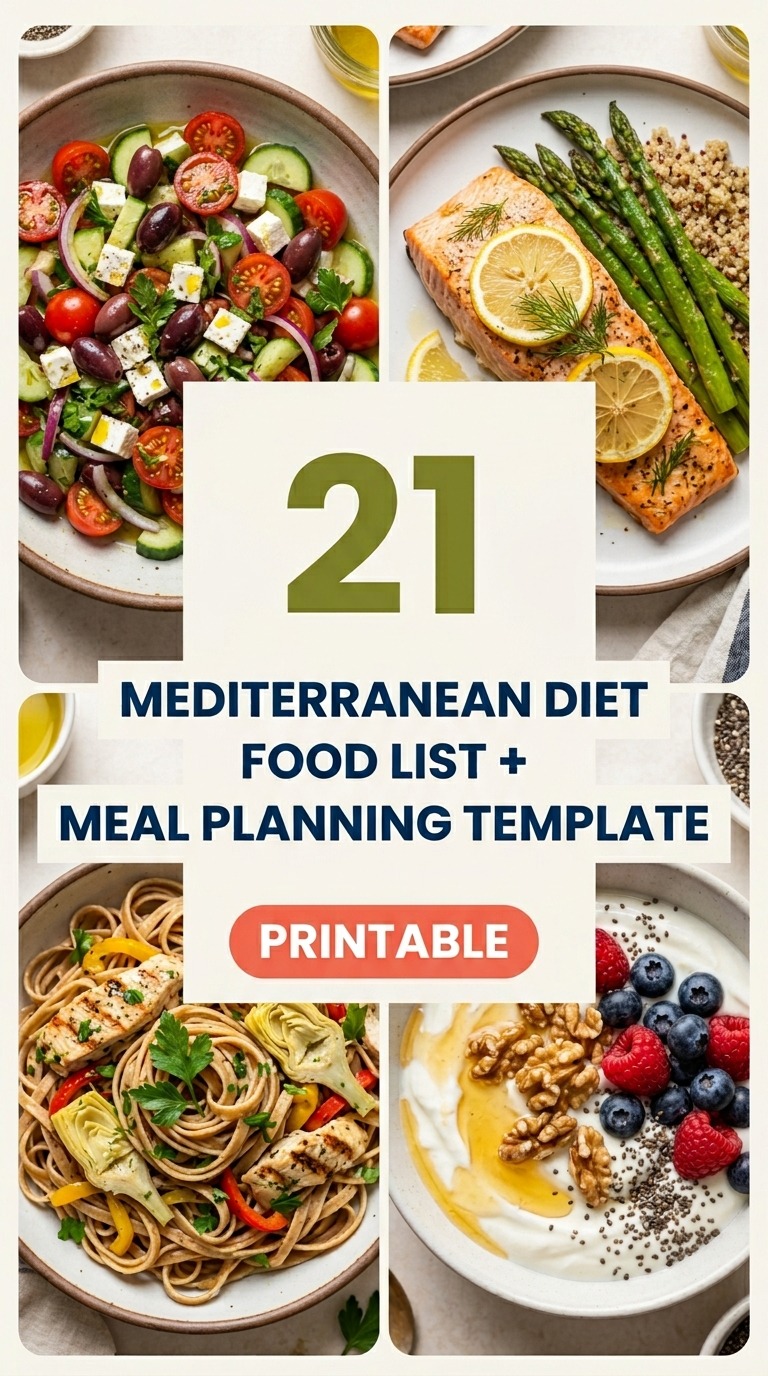
A printable PDF that takes the guesswork out of the week — get it here and see how these appetizers fit into a full eating plan.
A structured, step-by-step program for anyone who wants to commit to the approach — download it and follow along at your own pace.
A laminated kitchen reference card covering Mediterranean herbs, their flavor pairings, and how to store them so they actually last longer than a week.
Warm and Golden: The Cooked Starters
There is something about a warm appetizer arriving at the table that changes the energy in the room. These four cooked starters are worth the brief effort involved, and most of them require far less work than they look like they do.
11. Crispy Falafel Bites with Herb Tahini
Real falafel starts with dried chickpeas soaked overnight — never canned ones, which have too much moisture and produce a dense, heavy result. Blitz them with onion, fresh parsley, cilantro, garlic, cumin, and coriander until the mixture resembles coarse crumbs. Refrigerate for at least an hour before frying — this step is not optional. The cold holds the balls together when they hit the oil. Serve with a tahini thinned with lemon and a handful of fresh herbs.
Get Full Recipe12. Spanakopita Triangles
Spinach and feta wrapped in buttered phyllo and baked until shatteringly crisp. The key here is draining your spinach obsessively — too much moisture and the phyllo steams instead of crisps. Use a combination of fresh spinach and a good-quality feta block (not the pre-crumbled kind). Work with phyllo quickly and keep unused sheets covered with a barely damp towel to prevent cracking. These freeze beautifully unbaked, which makes them an incredible party prep shortcut.
13. Zucchini Fritters with Mint Yogurt
Grate zucchini, salt aggressively, and squeeze until your arms give out — seriously, get every last drop of moisture out. Mix with egg, a little flour, crumbled feta, fresh mint, and scallions, then pan-fry in olive oil until golden on both sides. The exterior crisps up while the inside stays soft and almost custardy. Serve immediately with a generous spoonful of yogurt thinned with fresh mint and a squeeze of lemon.
Get Full Recipe14. Warm Marinated Shrimp with Garlic and Lemon
Five minutes and eight ingredients. Sauté large shrimp in olive oil with sliced garlic, a pinch of chili flakes, and fresh thyme. Deglaze with white wine, finish with lemon juice and a scatter of fresh parsley. The shrimp should just be opaque — pull them from the heat a moment before you think they are done. Serve in the pan with crusty bread for soaking up everything left behind.
For crispy falafel and zucchini fritters, the oil temperature matters more than almost anything else. Aim for 350°F — a pinch of batter dropped in should sizzle actively but not scorch. Too cool and everything absorbs oil. Too hot and the outside burns before the inside sets.
If you love the warmth of cooked appetizers, you will find a lot to work with in the 25 Mediterranean Air Fryer Recipes for Easy Meals. Most of these same bites translate beautifully to the air fryer with slightly less oil and no mess.
The Three That Always Get Asked About First
Every time I serve any of these three appetizers, someone asks me what they are within the first ten minutes. They tend to be slightly less expected than hummus or olives, and that novelty is part of their appeal.
15. Tabbouleh Cups with Butter Lettuce
Tabbouleh is fundamentally a parsley salad with a small amount of bulgur wheat — not a bulgur salad with some parsley, which is how most Western versions get it wrong. Use a two-to-one ratio of fresh flat-leaf parsley to bulgur by volume, finely chopped tomatoes, mint, lemon, and good olive oil. Serve spooned into butter lettuce cups for a vessel that requires no cooking, adds freshness, and makes them completely hand-held.
16. Stuffed Grape Leaves (Dolmades) with Lemon Yogurt
This is a project recipe — the kind you make on a slow Sunday afternoon with something good playing in the background. Rinse jarred grape leaves thoroughly, fill them with a mixture of rice, fresh dill, mint, lemon zest, scallions, and pine nuts, then roll them tight and braise gently in olive oil and lemon-spiked water. They taste extraordinary cold the next day, which makes them ideal for serving ahead. Research published by the National Institutes of Health has extensively documented how the polyphenols from olive oil and fresh herbs in dishes like this contribute measurable anti-inflammatory and antioxidant effects — making this particular Sunday project feel a little more virtuous.
17. Smoked Salmon Tartines with Cucumber Labneh
Lightly toast slices of good sourdough or rye, then spread generously with labneh mixed with very finely grated cucumber and fresh dill. Top with a fold of good smoked salmon, a few capers, thin red onion rings, and a few dill fronds. These look genuinely elegant without requiring any real technique. A stainless-steel offset spatula makes spreading the labneh cleanly a far more satisfying experience than fighting it with a regular knife.
Frequently Asked Questions
How far in advance can I make Mediterranean appetizers?
Most dips — hummus, baba ganoush, tzatziki, muhammara, and labneh — actually improve if made a day ahead and refrigerated overnight, as the flavors meld and deepen. Cold assembled items like stuffed grape leaves and marinated olives also hold well for 24 to 48 hours. The one category to assemble last-minute is anything involving fresh bread, crispy phyllo, or freshly fried bites like falafel — those are best served immediately or within an hour of cooking.
What is the difference between mezze and antipasto?
Both traditions center on small, shared dishes served before a main meal, but they come from different culinary cultures. Mezze is the term used across Greece, Turkey, Lebanon, and the broader Eastern Mediterranean, and it tends to feature dips, legumes, stuffed vegetables, and grilled flatbreads. Antipasto comes from the Italian tradition and leans more heavily on cured meats, marinated vegetables, and cheeses. The spirit — sharing, grazing, slowing down — is nearly identical.
Are Mediterranean appetizers good for people following an anti-inflammatory diet?
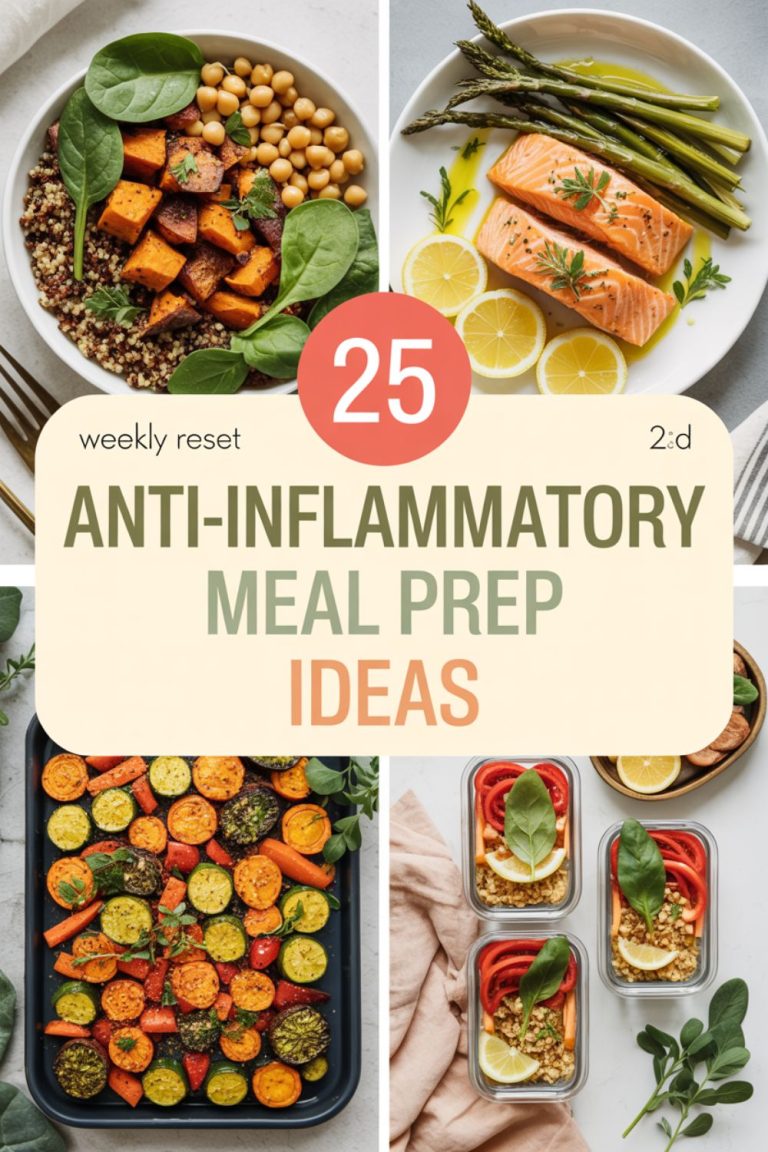
Yes, overwhelmingly so. The core ingredients in Mediterranean starters — extra-virgin olive oil, legumes, fresh herbs, vegetables, and quality dairy — align closely with what researchers consistently identify as anti-inflammatory foods. If you are eating toward that goal, the 14-Day Anti-Inflammatory Eating Plan builds directly on these same ingredients in a structured weekly format.
Can I make a full mezze spread on a budget?
Absolutely. The most budget-friendly way to approach a mezze spread is to lean on legume-based dips like hummus and fava bean spread, raw vegetable crudités, marinated olives, and tabbouleh — all of which cost very little and scale easily for a crowd. The 14-Day High-Fiber Budget Meal Plan is a good reference for how to keep Mediterranean eating affordable without sacrificing any real quality.
What is the best olive oil to use for Mediterranean appetizers?
For dipping and finishing — where the oil goes on raw or unheated — you want the highest-quality extra-virgin olive oil you can reasonably buy. Look for a harvest date (not just a best-by date), a dark glass bottle, and ideally a single-origin designation. FYI: the harvest date is far more useful than any certification because olive oil quality degrades with time after pressing. For cooking, a good but less expensive EVOO works perfectly well.
Build the Table You Actually Want to Sit Around
Here is the honest truth about Mediterranean appetizers: they are not complicated. The recipes in this list ask almost nothing technically demanding of you. What they do ask is that you pay attention to what you buy. Fresh herbs over dried. Block feta over pre-crumbled. A good bottle of extra-virgin olive oil over whatever is on the bottom shelf.
Make two or three dips the night before. Put a few things on skewers. Warm up something crispy. Set it all on a board and let people graze. That is the whole formula. It works at dinner parties, at casual weeknight gatherings, at family holidays, and on the kind of afternoon when you just want to eat something that tastes genuinely good.
The Mediterranean tradition of mezze survived not because of complexity but because of honesty — good ingredients, shared freely, with time to enjoy them. Start with two or three of these recipes and build from there. Your table will thank you.