
21 Mediterranean Breakfast Ideas for Energy
Mornings have a funny way of exposing your diet. You either wake up with some kind of fuel in the tank or you don’t—and trust me, a sad granola bar and a gas-station coffee absolutely counts as “don’t.” If you’ve been feeling sluggish before noon, dragging through your 10am meetings, or reaching for your third espresso by 11, your breakfast deserves a serious rethink.
The Mediterranean diet isn’t some trendy thing that’ll be out of fashion in six months. It’s been around for thousands of years, and there’s a reason doctors, nutritionists, and basically every legitimate health institution keeps recommending it. The morning meal in this style of eating is built around real food: whole grains, eggs, good fats, legumes, fresh produce, and quality dairy. No nonsense. No sugar crash 45 minutes later.
I put together this list of 21 Mediterranean breakfast ideas because I was genuinely tired of the same overnight oats advice recycled on every single food blog. Some of these you’ll recognize. Some will make you think “wait, that’s breakfast?” And that’s exactly the point. Let’s get into it.

Why Mediterranean Breakfasts Actually Give You Energy
Before we go through the list, it’s worth understanding why these breakfasts work differently from the typical Western morning plate. Mediterranean mornings lean hard on fiber, healthy fats, and slow-burning complex carbs—the kind of combination that keeps blood sugar stable instead of sending it on a roller-coaster ride. That stability is exactly what gives you sustained focus, fewer cravings, and a mood that doesn’t crater by 10am.
According to Mayo Clinic’s overview of the Mediterranean diet, this eating pattern consistently shows benefits for heart health, blood sugar regulation, and long-term brain function—all of which start with how you choose to eat in the morning. Even swapping one nutrient-poor breakfast for a Mediterranean-inspired version starts building momentum.
The other reason these breakfasts keep you energized is protein. Greek yogurt, eggs, legumes, and quality cheese all deliver protein that supports muscle maintenance and satiety. Compare that to a bowl of processed cereal, and the difference isn’t subtle. You’ll feel it by midmorning.
Prep a batch of hard-boiled eggs and a container of overnight oats on Sunday evening—you’ll have two grab-and-go breakfasts sorted for your busiest weekday mornings without thinking twice.
Ideas 1–7: The Classics Worth Knowing
1. Greek Yogurt with Honey, Walnuts, and Fresh Fruit
This one’s practically the poster child of Mediterranean breakfasts, and it earned that status. Full-fat Greek yogurt brings a solid hit of protein and gut-friendly probiotics, while walnuts add omega-3 fatty acids and a satisfying crunch. A drizzle of raw honey instead of sugar keeps sweetness natural and minimal. Toss in some sliced figs, pomegranate seeds, or fresh berries and you’ve got a genuinely beautiful, filling breakfast in three minutes flat.
If you want more structure around your mornings, the 7-Day Mediterranean High-Fiber Breakfast Plan gives you a full week of ideas built around this kind of thinking.
2. Shakshuka
Eggs poached directly in a spiced tomato and pepper sauce—shakshuka might sound fancy but it’s genuinely one of the easiest things you can make in a single pan. It’s popular across North Africa and the Middle East and it absolutely belongs on a Mediterranean breakfast table. The tomatoes provide lycopene and vitamin C, the eggs bring protein, and the cumin and paprika give it that warm depth you didn’t know you needed before 9am. Get Full Recipe
3. Whole-Grain Toast with Avocado and Za’atar
Yes, avocado toast—but with a Mediterranean twist. Za’atar (a herb blend of thyme, sumac, and sesame seeds) transforms this from basic to brilliant. Use a dense, seedy whole-grain loaf, drizzle with extra virgin olive oil, and finish with a pinch of flaky sea salt. The healthy monounsaturated fats from both the avocado and olive oil keep you full without weighing you down.
4. Labneh with Olive Oil, Mint, and Cucumber
Labneh is strained yogurt cheese—think cream cheese’s healthier, tangier cousin. Spread it on whole-grain pita, top with cucumber slices, fresh mint leaves, a drizzle of extra virgin olive oil, and some dried chili flakes. It’s a common breakfast across Lebanon and the Levant and it takes about four minutes to assemble. High in protein, low in fuss. Get Full Recipe
5. Feta and Tomato Egg Scramble
Scrambled eggs get a major upgrade when you fold in crumbled feta and ripe cherry tomatoes right at the end. The feta melts slightly and gives a creamy, salty bite that pairs perfectly with a slice of whole-grain toast. Feta brings calcium and a tangy flavor profile that you just don’t get from plain shredded cheddar. This one’s become a personal weekday staple.
6. Overnight Oats with Orange Zest and Pistachios
Overnight oats done the Mediterranean way means skipping the brown sugar and fake flavoring and instead going with orange zest, a spoonful of tahini, chopped pistachios, and a handful of dried apricots. The result is complex, nutty, faintly sweet, and loaded with fiber. Oats rank low on the glycemic index, which means no sugar spike and a steady energy release that actually lasts. Get Full Recipe
7. Hummus Toast with a Soft-Boiled Egg
Hummus on toast is underrated as a breakfast option. It delivers chickpea-based protein and fiber alongside the complex carbs from your bread. Top it with a soft-boiled egg, some sliced radishes, a few olives, and a crack of black pepper, and you have something that looks impressive and keeps you going well past noon.
Ideas 8–14: Nourishing, Interesting, and Actually Exciting
8. Baked Eggs with Spinach and Chickpeas
This one takes about 20 minutes but is worth every second on a slow Sunday morning. Sauté spinach and chickpeas with garlic and cumin, pour into a small oven-safe dish, crack two eggs on top, and bake at 375°F until the whites are just set. High in iron, plant protein, and fiber—and it’s the kind of breakfast that makes you feel like you’ve genuinely got your life together. FYI, this also reheats beautifully if you make a larger batch.
9. Turkish Menemen
Menemen is basically shakshuka’s Turkish cousin—a loose, scrambled egg dish cooked with tomatoes, green peppers, onion, and a generous hit of olive oil. Unlike shakshuka, the eggs are stirred into the sauce rather than poached whole. Serve with thick-cut sourdough or simit (Turkish sesame bagel) and a strong tea alongside. It’s warming, fast, and completely satisfying in a way that most Western breakfasts just aren’t.
10. Smoked Salmon on Rye with Capers and Red Onion
Smoked salmon is a Mediterranean staple and a powerhouse source of omega-3 fatty acids. Layer it on dark rye bread with a thin spread of labneh or ricotta, thinly sliced red onion, capers, and a squeeze of lemon. The combination hits every note—salty, tangy, creamy, bright. If you’re comparing omega-3 sources, smoked salmon beats flaxseed hands-down for bioavailability, making it worth the slightly higher price point.
11. Chia Seed Pudding with Rose Water and Berries
Chia seeds absorb liquid overnight and create a thick, pudding-like texture that works brilliantly as a make-ahead breakfast. Add a tiny drop of rose water, a tablespoon of honey, and top with fresh strawberries or pomegranate seeds for a genuinely beautiful Mediterranean-inspired morning bowl. Chia seeds are an excellent plant-based source of omega-3s—a nice option if you want to compare them against animal-based sources like salmon or eggs for dietary planning. Get Full Recipe
12. Savory Whole-Grain Pancakes with Feta and Herbs
These aren’t your birthday-stack pancakes. Think thin, crepe-style whole-grain pancakes loaded with crumbled feta, fresh dill, and chives. You can top them with a dollop of Greek yogurt and some sliced cucumber. It sounds unusual for breakfast but honestly tastes like something you’d find at a small taverna in Crete and be talking about for three years after.
13. Freekeh Porridge with Dates and Almonds
Freekeh is a roasted green wheat grain with a slightly smoky, nutty flavor and a much higher fiber content than regular oatmeal. Cook it low and slow with warm milk or a plant-based alternative, sweeten naturally with chopped Medjool dates, and finish with toasted almond slivers and a pinch of cinnamon. It feels indulgent but it’s genuinely one of the most fiber-dense breakfasts on this list. For a full high-fiber morning approach, the 7-Day Mediterranean High-Fiber Breakfast Plan is worth bookmarking.
14. Mediterranean Egg Muffins
Egg muffins are the meal-prep hero nobody talks about enough. Whisk eggs with diced roasted red peppers, sun-dried tomatoes, olives, and crumbled feta, then bake in a muffin tin at 350°F for 18-20 minutes. You get 12 individual portions that stay fresh in the fridge for four days. Grab two on your way out the door, and you’ve technically got a complete breakfast without touching a pan in the morning.
Keep a jar of za’atar and a bottle of good extra virgin olive oil on your counter at all times. You can transform almost any plain breakfast—toast, eggs, yogurt, even sliced vegetables—in about 30 seconds with those two things alone.
Kitchen Tools That Actually Make These Recipes Easier
A few things I genuinely use and recommend—physical and digital—that make Mediterranean mornings less of a production and more of a routine.
For shakshuka, menemen, or a quick egg scramble. A quality cast iron skillet like this one retains heat beautifully and goes straight from stovetop to table without any extra dishes to wash.
Overnight oats, egg muffins, chia pudding—all of these live in the fridge for days when you use the right containers. These airtight glass containers keep everything fresh and stack neatly so your fridge doesn’t look like a disaster zone.
If you want to make homemade labneh (and you should), you need a good strainer. It also works for rinsing grains like freekeh or bulgur before cooking. This stainless steel strainer set covers every size you’d ever need for a Mediterranean kitchen.
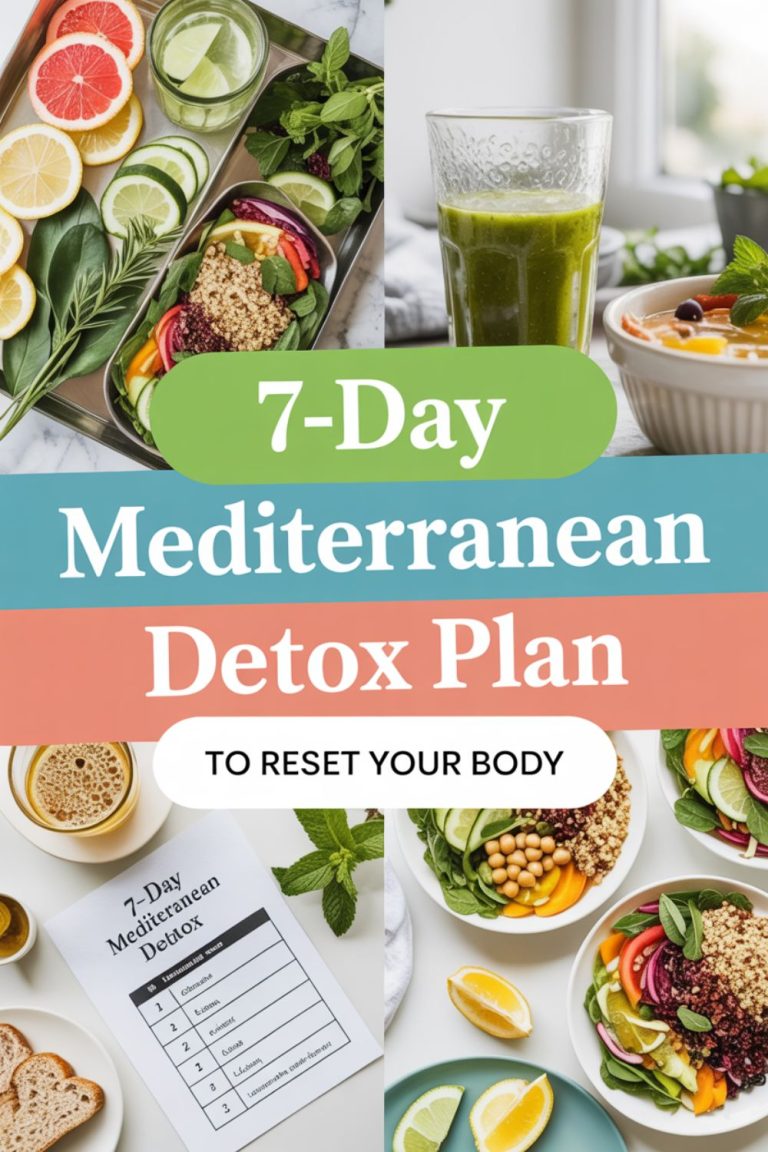
A printable, structured plan that maps out a full week of morning meals with a grocery list included. Grab the 7-Day Mediterranean High-Fiber Breakfast Plan and take the guesswork out of your week entirely.
If you want breakfast to be part of a bigger picture, this plan structures your entire two-week eating cycle. The 14-Day Mediterranean Weight Loss Plan is one of the most popular resources on the site.
Breakfast is a key piece of reducing chronic inflammation. The 30-Day Anti-Inflammation Challenge PDF covers everything from morning smoothies to dinner and gives you a month-long roadmap.
Ideas 15–21: Unexpected Ideas You’ll Actually Love
15. Lentil and Vegetable Morning Bowl
Before you close the tab—hear me out. Savory breakfast bowls featuring cooked lentils, roasted cherry tomatoes, wilted spinach, and a soft-poached egg on top are common across parts of the Mediterranean and North Africa, and they’re incredible. Lentils are arguably the most underrated legume: packed with plant protein, iron, and folate. Compared to most breakfast cereals, a lentil bowl delivers three times the protein and a fraction of the sugar. If you want more structured plant-based mornings, the 7-Day Mediterranean Vegan Anti-Inflammation Plan is a great starting point.
16. Sardines on Whole-Grain Toast with Lemon and Parsley
IMO, sardines at breakfast is one of those things that sounds horrifying until you actually try it. Quality sardines in olive oil on dense whole-grain toast, finished with a squeeze of lemon, fresh flat-leaf parsley, and some thinly sliced red onion—this is a Mediterranean coastal breakfast that punches well above its weight nutritionally. Omega-3s, calcium from the bones, and vitamin D all in one open-faced toast. Your brain will thank you at 2pm.
17. Baked Feta with Honey, Thyme, and Walnuts
Take a block of good-quality feta, place it in a small oven dish, drizzle with honey and olive oil, scatter fresh thyme leaves and crushed walnuts over the top, and bake at 400°F for about 15 minutes. Serve warm with whole-grain bread or pita for dipping. It reads like an appetizer but works perfectly as a weekend breakfast when you have a little extra time and want something genuinely special. Get Full Recipe
18. Tabbouleh-Style Breakfast Bowl with a Poached Egg
Make a quick version of tabbouleh—bulgur wheat, loads of fresh parsley and mint, diced tomatoes, lemon juice, olive oil—and serve it with a poached egg nestled on top. The grain base provides slow-release energy, the herbs are anti-inflammatory, and the egg adds protein. It’s like a lunch salad had a baby with breakfast, and the result is surprisingly refreshing first thing in the morning.
19. Ricotta and Fruit Toasts with Honey
Fresh ricotta on toast with sliced stone fruit or berries and a thin drizzle of honey is one of those breakfasts that’s almost too easy for how good it tastes. Ricotta is softer and milder than feta, lower in sodium, and high in whey protein. Try it with peaches and basil in summer, or pears and cinnamon in autumn. If you want to explore dairy-free alternatives, swapping ricotta for cashew cream works surprisingly well—the 15 Dairy-Free Mediterranean Recipes guide covers this beautifully.
20. Mediterranean Smoothie Bowl
Blend frozen banana, Greek yogurt, a tablespoon of tahini, and a splash of pomegranate juice into a thick base. Pour into a bowl and top with granola, sliced figs, a sprinkle of hemp seeds, and a drizzle of dark honey. It takes five minutes and looks like something from a glossy food magazine. For more options like this, 15 Mediterranean Smoothies and Shakes has you covered for a full rotation of morning drinks and bowls.
21. Borek-Inspired Filo Cups with Spinach and Feta
Borek is a savory pastry found across Turkey, Greece, and the Balkans, and this breakfast version uses small filo cups baked with a filling of wilted spinach, crumbled feta, egg, and a pinch of nutmeg. They’re crisp on the outside, creamy and savory inside, and totally make-ahead friendly. Bake a tray on Sunday and reheat individual cups through the week. You’ll feel like an absolute kitchen hero at 7:30am.
I started doing Mediterranean breakfasts after finding this site and honestly the difference in my energy levels was noticeable within two weeks. I’m not reaching for coffee at 10am anymore, which alone has changed my mornings completely. The egg muffin recipe is on permanent rotation in our house now.
How to Build a Mediterranean Breakfast Habit That Actually Sticks
The ideas above are only useful if you can actually work them into a real morning. And let’s be honest—most mornings aren’t relaxed enough for elaborate prep. The Mediterranean approach works because you can build a repeatable system around it, not despite that constraint.
A few things that genuinely make the difference: keep good-quality olive oil, za’atar, tahini, and a block of feta in your kitchen at all times. These four ingredients can upgrade almost any plain egg, piece of toast, or bowl of grains without any planning. Keep a batch of hard-boiled eggs in the fridge on Sunday, and you have five days of easy add-ins for anything.
For the meal-prep approach, having a proper container setup is actually worth thinking about. Using stackable glass meal prep containers means overnight oats, chia pudding, and egg muffins are all ready to grab without any morning effort. Combine that with a good quality olive oil dispenser kept right next to your stovetop, and the friction between you and a good breakfast drops significantly.
Stock your pantry with five core Mediterranean breakfast staples—extra virgin olive oil, Greek yogurt, eggs, whole-grain bread, and za’atar—and you can build at least ten different breakfasts from this list without a single extra grocery trip.
A Quick Note on the Nutritional Logic Here
None of this is accidental. The Mediterranean diet’s breakfast pattern works because it pulls together the three macronutrients in proportions that support stable blood sugar—complex carbohydrates from whole grains and legumes, healthy fats from olive oil, nuts, and avocado, and protein from eggs, dairy, and legumes. According to Healthline’s overview of the Mediterranean diet, this eating pattern may help prevent weight gain, stabilize blood sugar, and support brain function—benefits that are closely tied to how you eat in the first half of your day.
The fiber content in these breakfasts also plays a major role. Most Western breakfasts fall well short of the fiber we need to keep digestion, cholesterol, and blood sugar in a healthy range. Lentils, freekeh, chia seeds, and whole-grain options in this list all push that number up in a way that most people notice physically within the first week. If gut health is something you’re focused on, the 7-Day Gut Healing Mediterranean Menu pairs naturally with these breakfast ideas as a complete reset.
I was skeptical about the savory breakfast options—lentils in the morning sounded so strange to me. But after trying the lentil bowl recipe three times, it’s now in my regular rotation. My blood sugar stays so much more stable on the days I eat this way. It took about a week to feel normal but now I actually crave it.
Frequently Asked Questions
What do people in Mediterranean countries actually eat for breakfast?
It varies significantly by country, but common patterns include labneh with olive oil and pita in Lebanon, menemen or borek in Turkey, Greek yogurt with honey and nuts in Greece, and a spread of olives, tomatoes, cheese, and eggs in many North African regions. The common thread is real, minimally processed food rather than packaged convenience items. Savory options are far more common than sweet ones.
Can I eat Mediterranean breakfasts for weight loss?
Yes, and this is actually one of the strongest use cases for the style. Mediterranean breakfasts tend to be high in fiber and protein, which means they suppress appetite and reduce snacking effectively. The quality fats also slow digestion. This isn’t a calorie-restriction strategy—it’s a satiety strategy, and it works well. The 14-Day Mediterranean Weight Loss Plan builds these breakfasts into a complete structure if you want a guided approach.
How long does it take to prepare Mediterranean breakfasts on a busy morning?
Most of the ideas on this list take between 3 and 15 minutes, especially if you do light prep the night before. Overnight oats, chia pudding, and egg muffins require zero morning effort. Shakshuka and baked eggs take the longest—around 20 minutes—but are better suited to weekend mornings anyway. With the right pantry setup, you’ll rarely spend more than 10 minutes on a weekday breakfast.
Are Mediterranean breakfasts suitable for a dairy-free or vegan diet?
Many of them adapt easily. Labneh and Greek yogurt have cashew-based or coconut-based alternatives that work well in the same role. Eggs can be replaced with a silken tofu scramble or a chickpea flour-based batter. The plant-heavy ideas on this list—lentil bowls, overnight oats, chia pudding, tabbouleh bowls—are already fully plant-based. For a complete guide to vegan Mediterranean eating, the 21 Vegan Mediterranean Recipes resource is worth exploring.
What’s the most important thing to have in my pantry for Mediterranean breakfasts?
If you had to pick just one thing: extra virgin olive oil. It’s in almost every recipe on this list and makes the single biggest difference to both flavor and nutritional quality. After that, whole-grain bread or pita, eggs, Greek yogurt or labneh, and za’atar cover the majority of what you need. Good feta rounds out a pantry that can produce most of the ideas on this list at any given moment.
The Bottom Line
Twenty-one ideas is a lot to take in, but the core philosophy behind all of them is actually simple: eat real food in the morning, built from the right combination of protein, fiber, and healthy fat. That’s it. The Mediterranean diet just happens to do this exceptionally well, with thousands of years of delicious trial and error behind it.
You don’t need to overhaul your entire kitchen or spend your Sunday afternoon cooking elaborate things. Pick two or three ideas from this list that sound genuinely appealing to you, stock the five pantry staples we mentioned, and start there. One good breakfast at a time is plenty.
Your energy levels by mid-morning will be the most convincing argument. Once you feel that difference, the rest tends to follow naturally.