
12 Mediterranean Breakfasts to Start Your Day Right
Look, I’ll be straight with you—most mornings feel like a mad dash between the alarm clock and the door. But here’s the thing: your breakfast doesn’t have to be another casualty of your chaotic schedule. Mediterranean breakfasts? They’re like that friend who shows up to brunch perfectly put together while you’re still half asleep. Effortless, vibrant, and somehow just right.
What makes Mediterranean mornings different isn’t some complicated ritual. It’s the simplicity. Fresh tomatoes, a drizzle of olive oil, maybe some creamy yogurt with honey. Nothing fancy, nothing fake. Just real food that actually tastes like something and keeps you full past 10 a.m.
I’ve been down the breakfast rabbit hole—the sad desk granola bars, the drive-thru muffins that taste like cardboard dipped in sugar. Been there, regretted that. But once I started leaning into Mediterranean-style breakfasts, things shifted. More energy, less midday crashes, and honestly? Breakfast became something I looked forward to instead of something I scarfed down while checking emails.

Why Mediterranean Breakfasts Actually Work
Before we dive into the recipes (I promise they’re coming), let’s talk about why this eating style isn’t just another trendy diet moment. Research consistently shows that Mediterranean eating patterns support heart health, weight management, and reduced inflammation. But here’s what the studies don’t tell you: it’s also just really damn satisfying.
The magic formula? Protein from eggs or yogurt, complex carbs from whole grains, healthy fats from olive oil or nuts, and a solid dose of fiber from fruits and veggies. This combo keeps your blood sugar stable instead of sending you on that rollercoaster ride where you’re ravenous by 11 a.m.
According to research published in PubMed, people who ate a traditional Mediterranean-style breakfast reported lower hunger levels and consumed fewer calories at lunch compared to those eating a typical Western breakfast. Translation? You’ll actually feel full without that heavy, sluggish feeling.
1. Greek Yogurt Parfait with Honey and Walnuts
This is my go-to when I need something quick but substantial. Thick Greek yogurt (the real stuff, not that watered-down nonsense), a generous drizzle of raw honey, and toasted walnuts. Sometimes I’ll throw in whatever berries are looking good at the market.
The protein in Greek yogurt keeps you satisfied, while the walnuts add that satisfying crunch and omega-3s. I use this glass parfait jar for meal prep—makes four servings at once, and they stack perfectly in the fridge.
Want to level this up? Add a sprinkle of cinnamon and some chia seeds. The chia absorbs the honey and gets this interesting texture that’s weirdly addictive. Get Full Recipe
2. Shakshuka (Eggs Poached in Tomato Sauce)
If you haven’t tried shakshuka, you’re missing out on one of the most forgiving breakfast dishes ever invented. Basically, you simmer eggs in a spiced tomato sauce until the whites are set but the yolks are still runny. Scoop it up with some crusty bread and call it a morning.
I make mine in this cast iron skillet—it goes from stovetop to table, and honestly, presentation is half the battle when you’re trying to convince yourself mornings are worth it. The key is not overcooking those eggs. You want that golden yolk breaking over the tomatoes.
For meal prep enthusiasts, you can make the tomato sauce base ahead and just crack the eggs in when you’re ready to eat. Reheats beautifully. If this sounds like your kind of breakfast, check out our complete guide on anti-inflammatory Mediterranean meal planning for more ideas.
3. Whole Grain Toast with Avocado and Za’atar
Avocado toast got trendy for a reason, but the Mediterranean version blows the basic version out of the water. Good sourdough (the kind with actual fermentation, not the grocery store stuff labeled “artisan”), smashed avocado, and a heavy sprinkle of za’atar—that Middle Eastern spice blend with thyme, sesame, and sumac.
The za’atar is a game changer. It adds this earthy, tangy complexity that makes you wonder why anyone settles for plain salt and pepper. I buy mine in bulk from this Middle Eastern spice company, and it lasts forever.
Top it with a poached egg if you’re feeling ambitious, or some crumbled feta if you’re not. Either way works. Get Full Recipe
4. Mediterranean Omelet with Spinach, Feta, and Tomatoes
Omelets get a bad rap for being fussy, but this one is actually pretty forgiving. Whisk your eggs, throw in some fresh spinach, cherry tomatoes, and crumbled feta. The spinach wilts down to nothing, the tomatoes get sweet and jammy, and the feta adds that salty punch.
Here’s my secret: I use this nonstick omelet pan with a silicone spatula. No sticking, no tearing, no breakfast disasters. The pan was like twenty bucks and has saved me from so many ruined omelets that I should probably send it a thank-you card.
Pair this with some whole grain toast and you’ve got a complete meal. The combination of protein from the eggs and fiber from the veggies keeps you full without that heavy feeling.
Looking for more protein-packed morning options? Our 14-day high-protein Mediterranean plan has you covered with detailed meal prep instructions.
5. Overnight Oats with Figs and Almonds
For those mornings when you literally cannot even, overnight oats are your friend. Mix rolled oats with milk (dairy or whatever plant-based option you prefer), throw in some chopped dried figs and sliced almonds, refrigerate overnight. Wake up, eat. That’s it.
The figs get plump and sweet, the almonds stay crunchy, and the whole thing tastes like you actually tried. I portion mine into these mason jars—makes five servings, grabs one on the way out the door, done.
Pro move: add a tablespoon of almond butter for extra creaminess and staying power. The healthy fats keep you satisfied longer than plain oats ever could. Get Full Recipe
6. Spinach and Herb Frittata
Frittatas are basically omelets for people who don’t want to stand over a stove doing that annoying flip thing. You start it on the stovetop, throw in your filling (spinach, fresh herbs, maybe some goat cheese), then finish it in the oven.
The beauty of frittatas? They’re fantastic cold. Make one on Sunday, slice it up, and you’ve got breakfast for the week. I use this oven-safe skillet that goes from burner to oven without complaint.
The herb situation is where you can get creative. Dill, parsley, mint—whatever’s in your fridge or garden. Fresh herbs make everything taste more alive, less like a meal you resigned yourself to eating.
If meal prep is your thing, definitely check out our 7-day Mediterranean meal prep plan. It includes strategies for batch-cooking breakfasts like this one.
7. Smoothie Bowl with Berries and Seeds
Smoothie bowls are like regular smoothies but you get to eat them with a spoon, which somehow makes them more satisfying. Blend frozen berries with Greek yogurt and a splash of almond milk until thick. Top with granola, chia seeds, sliced almonds, and fresh berries.
The trick is keeping it thick enough that your toppings don’t immediately sink. Less liquid is more here. I use this high-speed blender—it pulverizes frozen fruit without turning everything into soup.
The contrast between the cold, creamy base and the crunchy toppings is what makes this work. Plus it photographs well, if you’re into that sort of thing. Get Full Recipe
Speaking of smoothies, our anti-inflammatory smoothie meal plan features creative ways to pack even more nutrients into your morning blend.
8. Turkish Menemen (Scrambled Eggs with Peppers and Tomatoes)
Think of menemen as shakshuka’s scrambled cousin. You sauté peppers and tomatoes until they’re soft and sweet, then scramble in your eggs. The result is this silky, vegetable-heavy scramble that’s way more interesting than plain eggs.
The peppers add a mild sweetness that balances the acidity of the tomatoes. Some people add a pinch of red pepper flakes for heat—I’m here for it, but you do you.
Serve it with some crusty bread for scooping. The combination of soft eggs and crispy bread is undefeated. I toast my bread in this compact toaster oven that doesn’t take up half my counter.
9. Whole Grain Pancakes with Honey and Walnuts
Pancakes don’t have to be a nutritional disaster. Make them with whole wheat flour, add some ground flaxseed for omega-3s, and top them with honey and toasted walnuts instead of syrup.
The whole wheat adds a nutty flavor that actually complements the honey. The texture is heartier than regular pancakes, which means you’re satisfied with fewer pancakes. Basic math, really.
I use this electric griddle for even heat distribution—no more burnt edges and raw centers. It’s been a game changer for weekend breakfast situations.
For those following a plant-based approach, these adapt beautifully with flax eggs. Our Mediterranean vegan plan includes several dairy-free breakfast alternatives worth exploring.
10. Baked Eggs in Tomato Cups
This one looks fancy but is ridiculously easy. Hollow out some large tomatoes, crack an egg into each one, season with herbs and a drizzle of olive oil, then bake until the whites are set. That’s it.
The tomato acts as a natural vessel and adds moisture and flavor to the egg as it bakes. It’s like shakshuka but more contained and definitely more photogenic.
I bake mine in this ceramic baking dish that goes from oven to table. Less cleanup, more morning coffee time. Priorities. Get Full Recipe
11. Ricotta Toast with Honey and Pistachios
When you want something sweet but not sugar-crash sweet, ricotta toast delivers. Spread good quality ricotta on toasted whole grain bread, drizzle with honey, and top with roughly chopped pistachios.
The ricotta provides protein, the bread gives you sustained energy, and the pistachios add healthy fats and that satisfying crunch. The honey is just there being delicious and not apologizing for it.
I get my pistachios from this bulk foods supplier—way cheaper than those tiny grocery store bags, and they’re always fresh and crunchy.
The beauty of this breakfast is the simplicity. Four ingredients, minimal effort, maximum satisfaction. Sometimes that’s all you need.
12. Mediterranean Breakfast Bowl
This is the choose-your-own-adventure breakfast. Start with a base of quinoa or farro, add some sautéed vegetables (whatever’s in your fridge), top with a poached or fried egg, crumble some feta, and drizzle with olive oil.
The grain base gives you complex carbs for energy, the vegetables add fiber and nutrients, the egg brings protein, and the feta adds that salty richness. It’s a complete meal in a bowl.
I cook my grains in batches using this rice cooker (which also handles quinoa and farro perfectly). One batch lasts the whole week, and I just reheat portions as needed.
The versatility here is unmatched. Monday it’s roasted red peppers and spinach. Wednesday it’s tomatoes and cucumbers. Friday it’s whatever vegetables are staging a coup in your crisper drawer. All delicious. Get Full Recipe
For more grain bowl inspiration, check out our collection of Mediterranean grain bowls that work for any meal of the day.
Kitchen Tools That Make Mediterranean Breakfasts Easier
Look, you don’t need a fancy kitchen to make these breakfasts happen. But a few key tools make the process significantly less annoying. Here’s what actually gets used in my kitchen:
Physical Products
- Cast iron skillet (10-inch) – For shakshuka, frittatas, and anything that goes from stovetop to oven
- High-speed blender – Handles frozen fruit for smoothie bowls without turning into a struggle
- Glass meal prep containers (set of 10) – Portion control and clear visibility of what’s in your fridge
Digital Resources
- 30-Day Mediterranean Wellness Plan – Complete program with shopping lists and daily menus
- 14-Day High-Fiber Starter Plan – Perfect for beginners, includes breakfast recipes and prep tips
- 7-Day Gut-Healing Menu – Focuses on digestive health with breakfast-friendly options
Making Mediterranean Breakfasts Work for Real Life
The thing about Mediterranean breakfasts is they’re flexible. Running late? Greek yogurt with honey and nuts takes two minutes. Have a lazy Sunday? Make that frittata or shakshuka and enjoy the process.
The goal isn’t perfection. It’s about incorporating more whole foods, more vegetables, more healthy fats into your morning routine. Some days that’s an elaborate breakfast bowl. Other days it’s avocado toast eaten while standing at the counter. Both count.
One strategy that works: keep your pantry stocked with Mediterranean staples. Good olive oil, Greek yogurt, eggs, whole grain bread, honey, nuts. With these basics on hand, you can improvise a decent breakfast even when your fridge is looking sparse.
If you’re trying to clean up your eating habits overall, starting with breakfast is actually smart. It sets the tone for the day and gives you that early win that makes healthier choices easier later. Our Mediterranean clean eating plan walks you through exactly how to build this momentum.
The Nutrition Angle (Without the Lecture)
Let’s talk about why this way of eating actually supports your health without getting too preachy about it. The Mediterranean approach emphasizes foods that naturally reduce inflammation, support heart health, and stabilize blood sugar.
Olive oil delivers monounsaturated fats that your body actually needs. Greek yogurt provides probiotics for gut health (and a solid protein hit). Whole grains offer B vitamins and fiber. Eggs give you complete protein plus vitamins D and B12. It’s not about restriction—it’s about choosing nutrient-dense foods that happen to taste good.
The fiber content alone makes a huge difference. Most Western breakfasts are fiber wastelands—think plain bagels, sugary cereals, pastries. Mediterranean breakfasts naturally include vegetables, fruits, whole grains, and nuts, all of which contribute fiber. This keeps your digestion happy and your hunger hormones balanced.
For those dealing with inflammatory conditions, the anti-inflammatory properties of Mediterranean foods can make a real difference. Our anti-inflammatory eating plan for women dives deeper into how breakfast choices impact inflammation levels.
Worth noting: the Mediterranean diet has been extensively studied. Research published in major medical journals consistently links this eating pattern to reduced risks of heart disease, diabetes, and certain cancers. But you don’t need a Ph.D. in nutrition to know that eating more vegetables and fewer processed foods is probably a good call.
Breakfast Prep Strategies That Don’t Suck
Meal prep gets a lot of hype, but let’s be real—not everyone wants to spend three hours every Sunday cooking. Here are some lower-effort strategies that actually work:
The Batch Cook Approach: Make a big frittata or baked eggs on Sunday. Slice it up, refrigerate in portions. Reheat and eat all week. Minimal effort, maximum results.
The Overnight Method: Overnight oats, chia pudding, anything that benefits from sitting in the fridge while you sleep. Set it up before bed, wake up to breakfast that’s already done.
The Assembly Line: Keep components prepped but separate. Cooked grains in one container, chopped vegetables in another, hard-boiled eggs ready to go. Mix and match throughout the week.
The key is finding what matches your actual lifestyle, not some idealized version of yourself who has unlimited time and energy. If meal prep stresses you out, don’t do it. Simple ingredients assembled quickly works just fine.
For those who want more structure, our plan for busy women includes realistic meal prep timelines and shortcuts that don’t compromise nutrition.
Budget-Friendly Mediterranean Breakfast Tips
Mediterranean eating doesn’t require expensive specialty stores or imported ingredients. Here’s how to keep costs reasonable:
Buy Greek yogurt in large tubs, not individual portions. The per-serving cost drops dramatically. Same with nuts—bulk bins are your friend here.
Frozen vegetables work perfectly for frittatas and omelets. Frozen spinach, peppers, and tomatoes are often cheaper than fresh and last way longer. No judgment, just pragmatism.
Eggs are still one of the cheapest protein sources available. Buy them by the 18-pack and use them liberally. They’re nutritious, versatile, and nearly impossible to mess up completely.
Skip trendy superfoods and focus on Mediterranean staples that have been around forever. Tomatoes, cucumbers, bell peppers, onions, garlic—these are inexpensive and form the foundation of most Mediterranean dishes.
If budget is a major concern, check out our high-fiber budget meal plan. It includes cost breakdowns and shopping strategies for eating well without breaking the bank.
Common Mistakes (And How to Avoid Them)
Even simple Mediterranean breakfasts can go sideways. Here’s what I’ve learned the hard way:
Overcooking eggs: Whether you’re making scrambled eggs, omelets, or poached eggs, they cook faster than you think. Pull them off the heat when they’re still slightly underdone—they’ll finish cooking from residual heat.
Skimping on olive oil: I get it, olive oil has calories. But it’s also what makes Mediterranean food taste good and keeps you satisfied. A proper drizzle makes the difference between eating to fuel yourself and eating something you actually enjoy.
Forgetting salt: Vegetables need seasoning. Greek yogurt benefits from a tiny pinch of salt. Don’t be afraid of proper seasoning—it’s not the same as eating processed foods loaded with sodium.
Making it too complicated: You don’t need seventeen ingredients to make a good Mediterranean breakfast. Sometimes the best meals are three or four quality ingredients prepared simply.
If you’re dealing with specific dietary needs, our gluten-free Mediterranean recipes and dairy-free options offer plenty of alternatives without sacrificing flavor.
Frequently Asked Questions
Can I meal prep Mediterranean breakfasts for the whole week?
Absolutely. Frittatas, overnight oats, and breakfast bowls with cooked grains all hold up well for 4-5 days in the fridge. Just keep wet and dry ingredients separate when possible—like storing toppings separately from your yogurt or smoothie base—to maintain texture. Hard-boiled eggs last a week, and you can prep vegetable mixes for omelets in advance.
Are Mediterranean breakfasts good for weight loss?
They can support weight loss because they’re high in protein and fiber, which keep you full longer and reduce the likelihood of mid-morning snacking. The emphasis on whole foods over processed options naturally reduces empty calories. That said, portion sizes still matter—you can overeat healthy food just like anything else.
What if I don’t like eggs?
No problem. Greek yogurt parfaits, overnight oats, smoothie bowls, and whole grain toast with various toppings give you plenty of egg-free options. You can also try chickpea scrambles or tofu scrambles seasoned Mediterranean-style—they’re different from eggs but surprisingly satisfying.
How expensive are Mediterranean breakfasts compared to regular breakfast?
They’re actually comparable or cheaper in many cases. Eggs, oats, and seasonal vegetables are inexpensive. Greek yogurt in large containers costs less per serving than processed breakfast foods. The key is buying staples in bulk and using what’s in season rather than specialty imports.
Can kids eat Mediterranean breakfasts, or is this just for adults?
Kids can absolutely eat these breakfasts. The whole foods approach provides nutrients growing bodies need without the sugar crashes from typical breakfast cereals. You might need to adjust spice levels for younger palates, but the basic formulas—eggs with vegetables, yogurt with fruit, whole grain toast—work great for all ages. Our Mediterranean family meal plan includes kid-friendly breakfast adaptations.
Final Thoughts
Mediterranean breakfasts aren’t about following strict rules or eating foods you can’t pronounce. They’re about starting your day with real ingredients that taste good and make you feel good. Simple as that.
The beauty of this approach is the flexibility. Some mornings you’ll make an elaborate frittata. Other mornings you’ll eat Greek yogurt straight from the container while reading emails. Both are valid. Both work.
What matters is moving away from highly processed breakfast foods that leave you hungry an hour later and toward whole foods that provide sustained energy. The Mediterranean diet has been doing this for centuries, so you’re not reinventing the wheel here—just getting back to basics.
Start with one or two breakfasts from this list that sound appealing. Make them a few times until they become routine. Then add another option or two. Before you know it, you’ll have a rotation of go-to breakfasts that require minimal thought and deliver maximum satisfaction.
Your mornings deserve better than whatever’s been happening. These Mediterranean breakfasts might just be the upgrade you didn’t know you needed.
Similar Posts
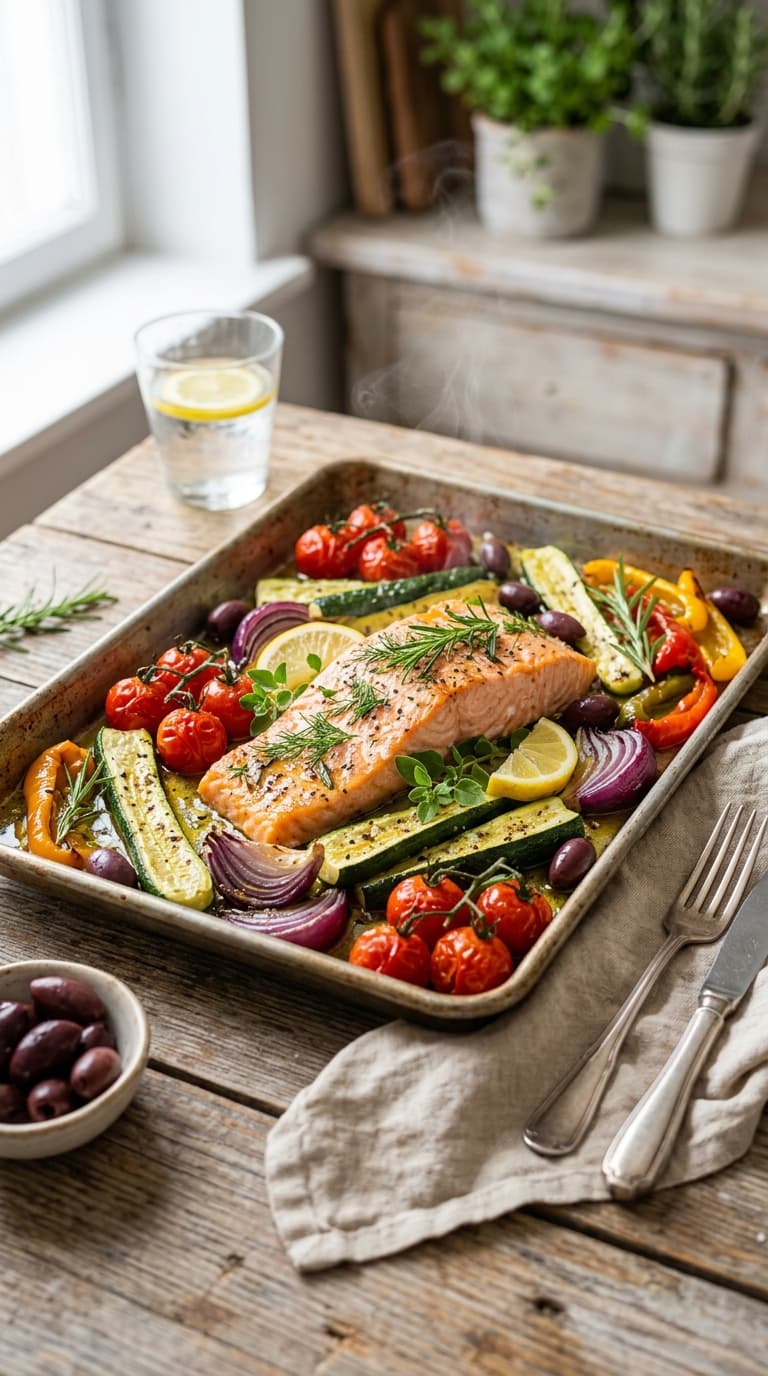
25 Mediterranean One-Pan Meals You Can Make In 30 Minutes
25 Mediterranean One-Pan Meals You Can Make In 30 Minutes Let’s be honest — after a long day, the last thing you want is a sink full of dishes and a recipe that reads like a chemistry textbook. That’s exactly why Mediterranean one-pan meals are basically life-changing. Big flavors, minimal cleanup, and most of them…
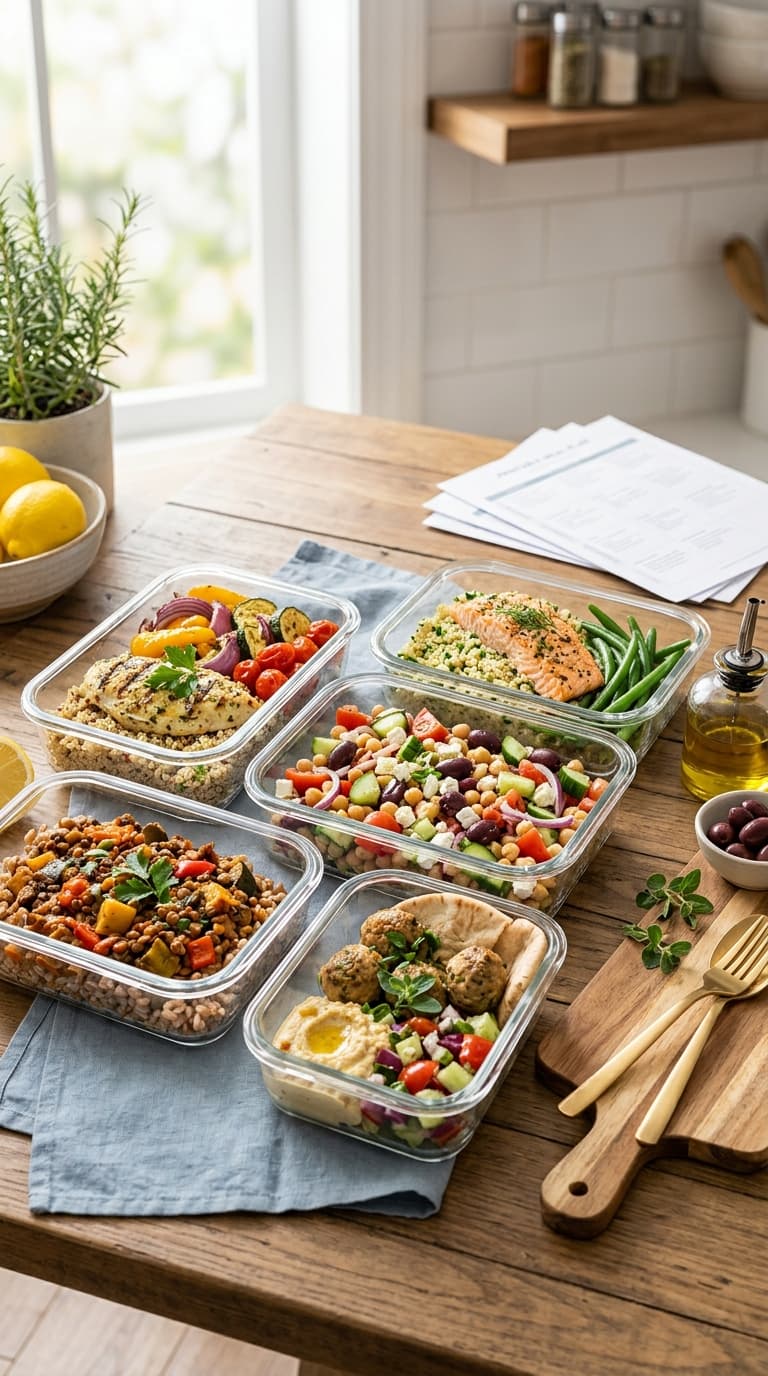
Mediterranean Meal Prep Master Plan (Printable PDF)
Mediterranean Meal Prep Master Plan (Printable PDF) Let’s be honest — most of us start the week with great intentions and end it eating cereal for dinner. Sound familiar? The Mediterranean meal prep approach fixes that problem without making your Sunday feel like a second job. I’ve been using this system for a while now,…
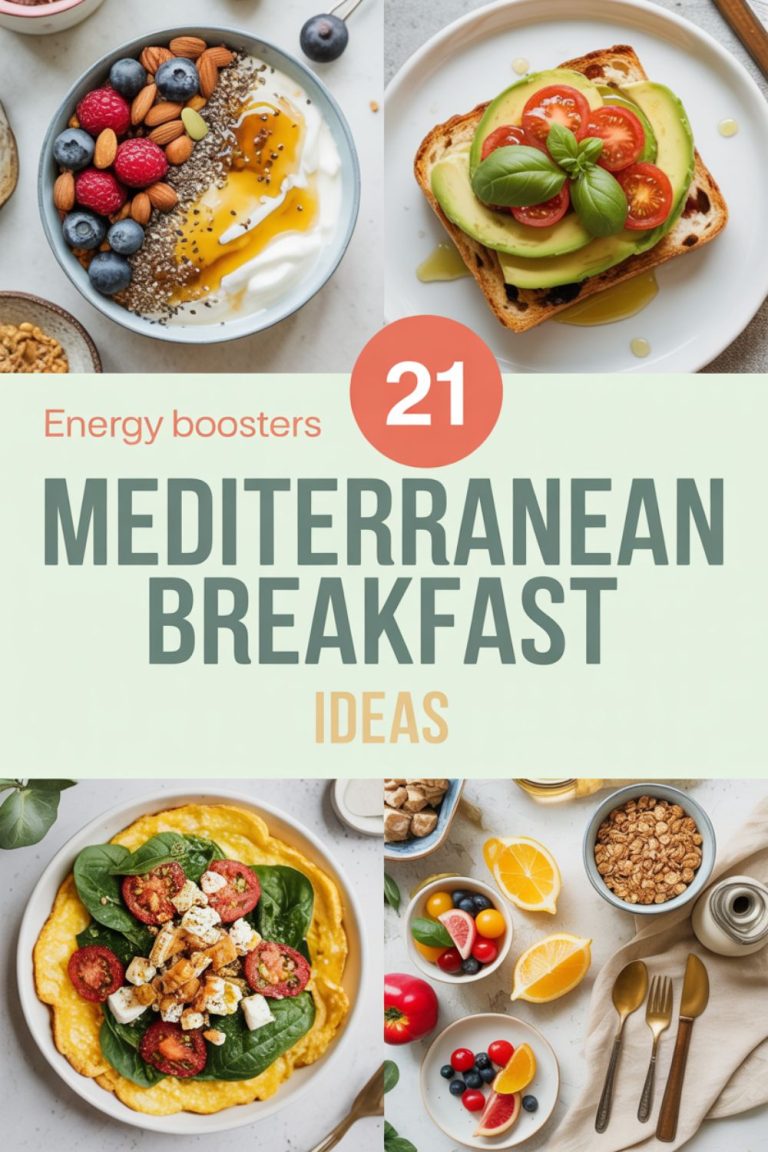
21 Mediterranean Breakfast Ideas for Energy
21 Mediterranean Breakfast Ideas for Energy | Pure and Plate Pure & Plate Mediterranean Breakfast 21 Mediterranean Breakfast Ideas for Energy By the Pure & Plate Team — 12 min read Mornings have a funny way of exposing your diet. You either wake up with some kind of fuel in the tank or you don’t—and…
15 Anti-Inflammatory Breakfasts For Hormone Balance
15 Anti-Inflammatory Breakfasts For Hormone Balance Your hormones run the show — mood, energy, sleep, metabolism, skin, all of it. And what you eat first thing in the morning? That sets the tone for everything. If you’ve been waking up puffy, foggy, or just off, your breakfast might be working against you instead of for…