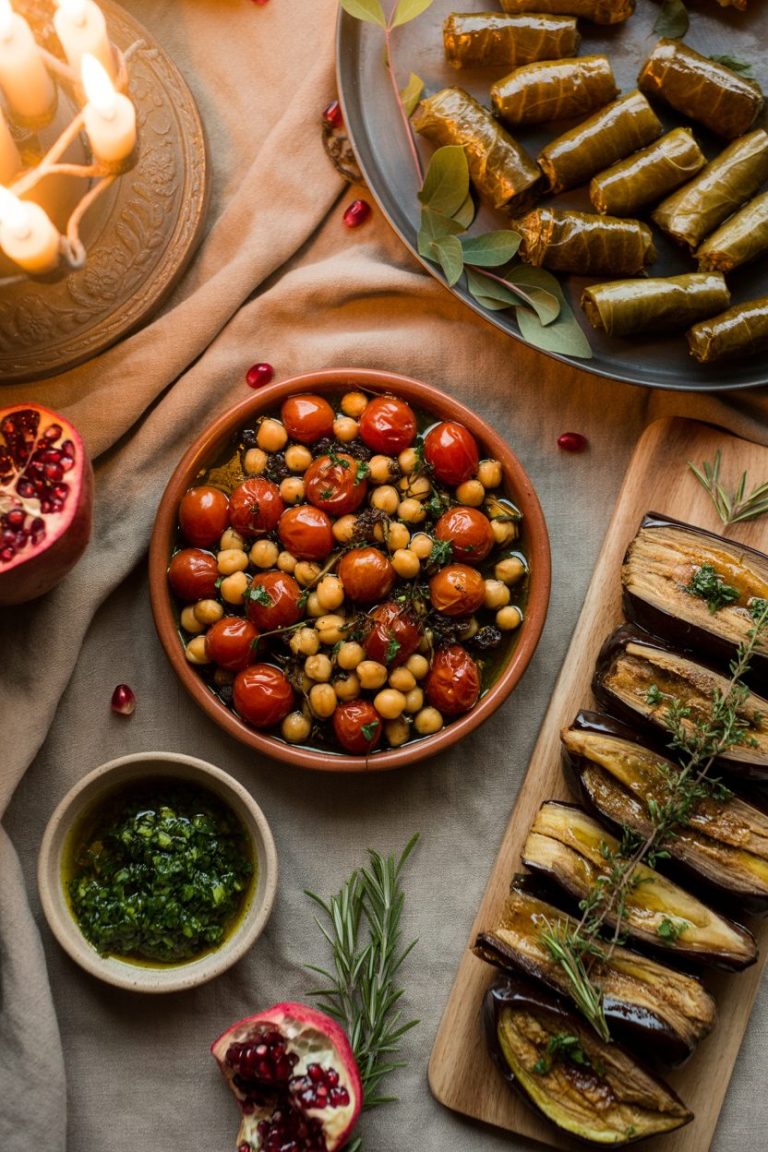

25 Chickpea Recipes Mediterranean Style (Healthy + Filling)
Let’s talk chickpeas. These little golden nuggets have been holding down Mediterranean kitchens for thousands of years, and honestly? They’ve earned their spot. Not because someone decided they were trendy, but because they’re stupidly versatile, ridiculously filling, and pack more nutrition than they have any right to.
I’ve been cooking with chickpeas for years now, and they’ve bailed me out of more dinner disasters than I care to admit. Forgot to defrost chicken? Chickpeas. Need something that’ll actually keep you full until your next meal? Chickpeas. Want to impress your friends without spending three hours in the kitchen? You guessed it.
The Mediterranean approach to chickpeas isn’t complicated—it’s just smart. We’re talking fresh herbs, quality olive oil, lemon juice that actually tastes like lemons, and spices that make your kitchen smell like you know what you’re doing. No weird ingredients you’ll use once and never touch again.

Why Chickpeas Work So Well in Mediterranean Cooking
Here’s the thing about chickpeas—they’re not just filler. According to nutrition research, one cup of chickpeas delivers nearly 15 grams of protein and 12 grams of fiber. That’s more than most “health foods” people obsess over.
The Mediterranean diet has this whole thing figured out. Instead of treating chickpeas like some boring side dish, they’re the star. Mixed with extra virgin olive oil, which research shows significantly reduces inflammation and supports heart health, these beans become something else entirely.
What makes chickpeas particularly brilliant is their texture. They hold up to roasting, blend into creamy hummus, stay firm in salads, and basically adapt to whatever you’re trying to do. Unlike some ingredients that demand you build your entire meal around them, chickpeas play nice with everything.
The Protein Powerhouse Nobody Talks About Enough
People get weird about plant-based protein, but chickpeas don’t care about your opinions. They’re sitting there with all nine essential amino acids except methionine—which you can easily get from a side of quinoa or whole grain bread. Problem solved.
What I find interesting is how chickpeas handle hunger differently than, say, a plate of pasta. The combination of protein and fiber slows down digestion, which means you’re not raiding the fridge an hour later. For anyone trying to maintain their weight or eat more mindfully, that’s actually huge.
The Harvard T.H. Chan School of Public Health points out that chickpeas support healthy blood sugar management thanks to their low glycemic index. Translation: no energy crashes, no weird sugar cravings, just sustained fuel.
Chickpeas vs. Other Legumes
Sure, black beans and lentils have their place. But chickpeas have this nutty, slightly buttery flavor that works better in Mediterranean recipes. They don’t turn mushy as easily, they crisp up beautifully when roasted, and they don’t make you feel like you’re eating something because it’s “good for you.”
Compared to traditional meat-heavy meals, swapping in chickpeas a few times a week can make a noticeable difference. You’re getting iron, magnesium, folate, and a bunch of other nutrients that most people are actually deficient in. And you’re doing it without weird supplements or meal replacement shakes.
Looking for more ways to incorporate anti-inflammatory ingredients? Check out these high-protein Mediterranean meal plans that make it stupid simple to eat better without overthinking it.
Classic Mediterranean Chickpea Preparations
Let me walk you through the heavy hitters—the recipes that have been perfected over generations and still slap today.
Hummus (But Make It Actually Good)
Forget the store-bought stuff that tastes like cardboard mixed with sadness. Real hummus takes maybe 10 minutes and requires chickpeas, tahini, lemon, garlic, and olive oil. That’s it. I use this food processor because it actually breaks down the chickpeas into something silky instead of chunky.
The secret most people miss? Add ice-cold water while blending. Sounds weird, but it creates this impossibly smooth texture that makes you wonder why you ever bought the premade version. Get Full Recipe
Roasted Chickpeas (Your New Favorite Snack)
These are dangerously addictive. Drain and dry your chickpeas thoroughly—this is important, wet chickpeas won’t crisp up. Toss them with olive oil and whatever spices you’re feeling, then roast at 400°F for about 35 minutes, shaking the pan occasionally.
I usually make a batch with za’atar and another with smoked paprika. They beat chips any day of the week and actually give you energy instead of making you want to nap. Plus, you can throw them on salads for extra crunch. Get Full Recipe
For the roasting, I swear by these silicone baking mats—zero sticking, zero cleanup, and chickpeas roll around perfectly without burning.
Greek-Style Chickpea Salad
This is my go-to when I need something filling but don’t want to cook. Chickpeas, cucumber, tomatoes, red onion, Kalamata olives, feta, and a dressing that’s just olive oil, lemon juice, oregano, salt, and pepper. Mix it, let it sit for 10 minutes so the flavors actually talk to each other, and you’re done.
The best part? This salad gets better over a few days as everything marinates together. Make it Monday, eat it through Wednesday, thank yourself repeatedly. Get Full Recipe
If you’re into meal planning that doesn’t make you want to cry, this 7-day Mediterranean anti-inflammation plan breaks down exactly how to prep meals like this efficiently.
Warm Chickpea Dishes That Hit Different
Chickpea Stew with Spinach and Tomatoes
This is comfort food that doesn’t require three hours and a laundry list of ingredients. Sauté onion and garlic in olive oil, add canned tomatoes, chickpeas, and a massive pile of spinach that’ll cook down to nothing. Season with cumin, paprika, and a pinch of red pepper flakes.
Serve it with crusty bread for dipping, or over rice if you need more substance. Either way, you’re getting a complete meal that costs maybe six bucks and tastes like you actually care about feeding yourself. Get Full Recipe
Lemon Herb Chickpea Pasta
Regular pasta meets chickpeas, garlic, lemon zest, fresh herbs, and enough good olive oil that everything comes together into this light but satisfying situation. It’s not heavy, it’s not complicated, it’s just right.
The trick is saving some pasta water to create a silky sauce. Toss everything together while the pasta’s still hot, add a handful of fresh parsley and basil, and finish with a squeeze of lemon. Done. Get Full Recipe
I use this pasta pot with a built-in strainer because I’m lazy and it means one less thing to wash.
Sheet Pan Chickpeas and Vegetables
Everything on one pan. Chickpeas, bell peppers, zucchini, red onion, whatever vegetables you have dying in your fridge. Toss with olive oil, lemon juice, garlic, oregano, salt, pepper. Roast at 425°F for 30 minutes.
This is the answer to “I don’t want to cook but I also don’t want to eat garbage.” You can prep this in five minutes, walk away while it cooks, and come back to an actual meal. Get Full Recipe
Kitchen Tools That Make Mediterranean Cooking Easier
After years of making these recipes, here’s what actually helps:
- High-speed food processor – Essential for hummus that doesn’t taste grainy
- Silicone baking mats (set of 2) – Roasted chickpeas slide right off, zero scrubbing
- Glass meal prep containers – These salads need good storage that won’t stain or smell weird
- 14-day high-fiber Mediterranean plan – Takes the guesswork out of meal planning
- Mediterranean high-fiber meal prep guide – Batch cooking strategies that actually work
- 30-day anti-inflammation challenge – If you want structure and accountability
Creative Chickpea Recipes That Aren’t Basic
Chickpea “Tuna” Salad
Sounds weird, tastes suspiciously good. Mash chickpeas roughly with a fork—you want some texture, not baby food. Mix with diced celery, red onion, lemon juice, Dijon mustard, and either vegan mayo or Greek yogurt. Season with dill, salt, and pepper.
Eat it on bread, in a wrap, or straight from the bowl with crackers. It’s one of those things you make once out of curiosity and then keep making because it’s weirdly satisfying. Get Full Recipe
Mediterranean Chickpea Burgers
These actually hold together, unlike some veggie burger disasters I’ve witnessed. Pulse chickpeas in a food processor with garlic, cumin, coriander, fresh herbs, and a bit of flour to bind. Form into patties and either pan-fry or bake.
Serve with tzatziki, sliced tomatoes, red onion, and lettuce. They’re filling enough that you won’t be hunting for snacks an hour later, and they freeze beautifully for future lazy dinners. Get Full Recipe
The burger press I use makes uniform patties that actually cook evenly—game changer for someone with my attention span.
Chickpea Shakshuka
Traditional shakshuka gets an upgrade with chickpeas adding protein and substance. Simmer chickpeas in a spiced tomato sauce with bell peppers and onions, then crack eggs directly into the mixture and let them poach right there.
It’s breakfast, lunch, or dinner—doesn’t matter. Serve with crusty bread for scooping and prepare to be unreasonably satisfied with yourself. Get Full Recipe
Speaking of satisfying meals, these high-protein anti-inflammatory recipes follow the same logic—maximum flavor and nutrition without making it your whole personality.
Chickpeas for Meal Prep (Without Losing Your Mind)
Meal prep can feel like homework, but chickpeas make it significantly less annoying. They hold up well in the fridge for 4-5 days, they don’t get weird and soggy like some ingredients, and they work cold or reheated.
Sunday Chickpea Batch Cooking
Here’s what I do most weeks: roast two sheet pans of seasoned chickpeas (different flavor profiles), make a big batch of hummus, and cook a pot of chickpea stew. That’s three different applications ready to go.
Throughout the week, I’ll toss roasted chickpeas on salads, use hummus as a quick lunch with vegetables, and heat up the stew for dinners when I can’t be bothered. It’s not Instagram-perfect meal prep, but it works.
The airtight container set I use keeps everything fresh without that refrigerator taste contaminating everything. Worth every penny.
Mason Jar Chickpea Salads
Layer dressing on the bottom, then harder vegetables, then chickpeas, then greens on top. When you’re ready to eat, shake it up. The chickpeas absorb some dressing but stay firm, and the greens stay crisp because they’re not swimming in liquid.
I make five at once on Sunday and grab them throughout the week. It’s the laziest form of “healthy eating” I’ve found that doesn’t involve just staring into the fridge hoping food appears. Get Full Recipe
International Chickpea Inspirations
Spanish Chickpeas with Chorizo
Okay, so traditional chorizo isn’t exactly vegetarian, but you can use a plant-based version or just skip it and add extra smoked paprika. The chickpeas simmer with tomatoes, garlic, and Spanish spices until they’re this rich, warming mess that’s perfect over rice.
It’s got that depth you usually only get from meat-heavy dishes, but it’s mostly beans and vegetables doing the work. Get Full Recipe
Italian Chickpea Pancake (Farinata)
This is made from chickpea flour, water, olive oil, salt, and whatever toppings you want. Mix it up, let it rest, then cook in a hot oven until crispy on the edges and creamy in the middle.
It’s naturally gluten-free, high in protein, and works as a base for basically anything—caramelized onions, rosemary, cherry tomatoes, whatever. Plus, chickpea flour is one of those ingredients that sounds fancy but is actually cheap and lasts forever. Get Full Recipe
For more globally-inspired Mediterranean approaches, this gut-healing Mediterranean menu incorporates chickpeas in ways that support digestive health specifically.
Moroccan Chickpea Tagine
This slow-cooked stew combines chickpeas with sweet potatoes, apricots, warming spices like cinnamon and cumin, and enough harissa to make it interesting. It’s sweet, savory, spicy, and complex—but still just one pot.
Serve over couscous or with flatbread. The leftovers somehow taste even better the next day once everything’s had time to become friends. Get Full Recipe
Lighter Chickpea Options for Hot Weather
Chickpea Gazpacho
Cold soup sounds weird until you try it on a genuinely hot day. Blend chickpeas with tomatoes, cucumber, bell pepper, garlic, olive oil, and sherry vinegar. Chill it completely, then serve with extra chickpeas, diced vegetables, and a drizzle of good olive oil on top.
It’s refreshing, filling, and requires zero cooking. That’s the entire pitch. Get Full Recipe
Lemon Chickpea Orzo Salad
Orzo pasta, chickpeas, cherry tomatoes, cucumbers, feta, fresh dill, and a lemon-olive oil dressing. Mix it all together and let it hang out in the fridge for at least an hour before serving.
This shows up at every potluck I attend because it’s idiot-proof and people actually finish it. That’s my bar for success—will people eat the whole thing or leave half behind? Get Full Recipe
If you’re looking for more light summer options, these anti-bloat Mediterranean recipes focus on ingredients that won’t leave you feeling heavy or uncomfortable.
Chickpea Breakfast Ideas (Yes, Really)
Savory Chickpea Scramble
Mash chickpeas roughly and sauté with turmeric, cumin, garlic powder, and nutritional yeast for a cheesy flavor. Add spinach, tomatoes, whatever vegetables need using up. Serve with toast or wrapped in a tortilla.
It’s the Mediterranean answer to eggs—high protein, filling, and you can make it in the time it takes to brew coffee. Get Full Recipe
Greek Yogurt Chickpea Bowl
Layer Greek yogurt with roasted chickpeas, cucumber, tomatoes, a drizzle of tahini, and za’atar. It sounds like a weird combination but works surprisingly well—creamy, crunchy, savory, and satisfying.
This is breakfast for people who are tired of the same cereal or oatmeal rotation but don’t want to wake up an hour early to cook. Get Full Recipe
For more morning inspiration, check out this Mediterranean high-fiber breakfast plan that proves breakfast doesn’t have to be boring or time-consuming.
The Complete Chickpea Recipe Rundown
Here’s the full list of what we’ve covered, plus a few extras worth trying:
- Classic Hummus
- Roasted Chickpeas (Za’atar & Smoked Paprika)
- Greek-Style Chickpea Salad
- Chickpea Stew with Spinach and Tomatoes
- Lemon Herb Chickpea Pasta
- Sheet Pan Chickpeas and Vegetables
- Chickpea “Tuna” Salad
- Mediterranean Chickpea Burgers
- Chickpea Shakshuka
- Mason Jar Chickpea Salads
- Spanish Chickpeas with Chorizo
- Italian Chickpea Pancake (Farinata)
- Moroccan Chickpea Tagine
- Chickpea Gazpacho
- Lemon Chickpea Orzo Salad
- Savory Chickpea Scramble
- Greek Yogurt Chickpea Bowl
- Chickpea Falafel
- Curried Chickpeas with Coconut
- Chickpea Flatbread Pizza
- Warm Chickpea and Kale Salad
- Chickpea Soup with Lemon and Dill
- Baked Chickpea Meatballs
- Chickpea and Vegetable Couscous
- Sweet Potato and Chickpea Buddha Bowl
Each one brings something different to the table. Some are quick weeknight solutions, others are weekend projects worth the effort, and a few are basically just assembly jobs that happen to taste great.
Making Chickpeas Work for Your Actual Life
The point isn’t to become the person who only eats chickpeas and talks about it constantly. The point is having reliable recipes that don’t require a culinary degree or ingredients you need to special order.
Mediterranean cooking in general has this practical wisdom baked in. Use what’s available, don’t overcomplicate things, and make enough that you’re not cooking every single day. Chickpeas fit perfectly into that philosophy.
They’re affordable—a can costs like a dollar. They store well both canned and dried. They work in approximately one million different applications. And unlike some health food trends that taste like punishment, chickpeas actually taste like food people want to eat.
Cost-Effective Mediterranean Eating
Let’s be real—eating healthy can get expensive if you’re buying everything organic or shopping at boutique grocery stores. Chickpeas are the equalizer. They’re cheap everywhere, provide massive nutritional value per dollar, and stretch meals without making you feel like you’re eating poverty food.
A single can of chickpeas can be the base for multiple meals throughout the week. That’s better economics than most processed convenience foods that leave you hungry an hour later anyway.
For budget-conscious approaches that don’t sacrifice nutrition, this high-fiber budget meal plan shows exactly how to eat well without draining your bank account.
Troubleshooting Common Chickpea Problems
Why Are My Roasted Chickpeas Not Crispy?
You didn’t dry them enough. After draining and rinsing, pat them completely dry with paper towels. Like, aggressively dry. Then let them air dry for 10-15 minutes before roasting. Moisture is the enemy of crispiness.
Also, don’t overcrowd the pan. Give them space to breathe. Cramming them together creates steam, which makes them soggy instead of crispy.
My Hummus Is Grainy and Gross
Two fixes: First, remove the skins from the chickpeas. Yeah, it’s annoying, but it makes a massive difference in texture. Second, blend for longer than you think necessary. We’re talking 3-5 minutes of continuous blending with cold water added gradually.
Temperature matters too—cold chickpeas make smoother hummus than room temperature ones. Weird but true.
Chickpeas Keep Causing Digestive Issues
Start with smaller portions and build up gradually. Your gut needs time to adjust to increased fiber. Also, rinse canned chickpeas thoroughly—the liquid they sit in can cause problems for some people.
If using dried chickpeas, the soaking water should be discarded, not used for cooking. That water contains compounds that can cause bloating and discomfort.
Frequently Asked Questions
Can I use dried chickpeas instead of canned?
Absolutely. Soak them overnight, then cook for 1-2 hours until tender. Dried chickpeas are cheaper and you can control the texture better, but canned versions work just as well nutritionally and save significant time. For most recipes, they’re interchangeable—just adjust cooking times if using dried.
How long do cooked chickpeas last in the fridge?
About 4-5 days in an airtight container. They freeze well too—portion them into freezer bags and they’ll last 2-3 months. Frozen chickpeas can go straight into soups and stews without thawing, making them incredibly convenient for last-minute meals.
Are chickpeas good for weight loss?
They can be helpful because of their high fiber and protein content, which keeps you full longer. Research from Mayo Clinic shows that the combination helps regulate appetite and reduces overall calorie intake. Just watch portion sizes and how much oil you’re adding to recipes—chickpeas themselves are nutritious, but drowning them in oil changes the equation.
Can I eat chickpeas every day?
Yes, as long as you’re tolerating them well digestively. Mediterranean diets often include legumes daily without issues. They provide consistent nutrition, and varying how you prepare them keeps things interesting. If you’re new to eating chickpeas regularly, start with smaller amounts and increase gradually to avoid digestive discomfort.
What’s the difference between chickpeas and garbanzo beans?
Nothing—they’re the same thing. “Chickpea” comes from the French chiche, while “garbanzo” comes from Spanish. Use whichever term makes you feel fancier. Some regions prefer one name over the other, but you’re buying the exact same bean regardless.
Final Thoughts on Mediterranean Chickpea Cooking
After years of cooking with chickpeas in every possible configuration, what stands out is their reliability. They don’t demand special equipment, they don’t require expert skills, and they don’t punish you for improvising.
The Mediterranean approach to food has always been about making the most of simple, quality ingredients. Chickpeas embody that perfectly—they’re humble, affordable, and unassuming, but they deliver every single time.
Whether you’re trying to eat less meat, manage your weight, reduce inflammation, or just cook food that doesn’t bore you to tears, chickpeas have your back. They’ve been doing this for thousands of years across multiple cultures, and they’ll still be doing it long after whatever trendy superfood everyone’s obsessed with this week gets forgotten.
Start with one or two recipes that sound appealing. Get comfortable with them. Then branch out. Before you know it, you’ll have a rotation of reliable meals that happen to be good for you, taste great, and don’t require a second mortgage to make. That’s the real Mediterranean secret—it’s just smart, sustainable eating that doesn’t make you miserable.