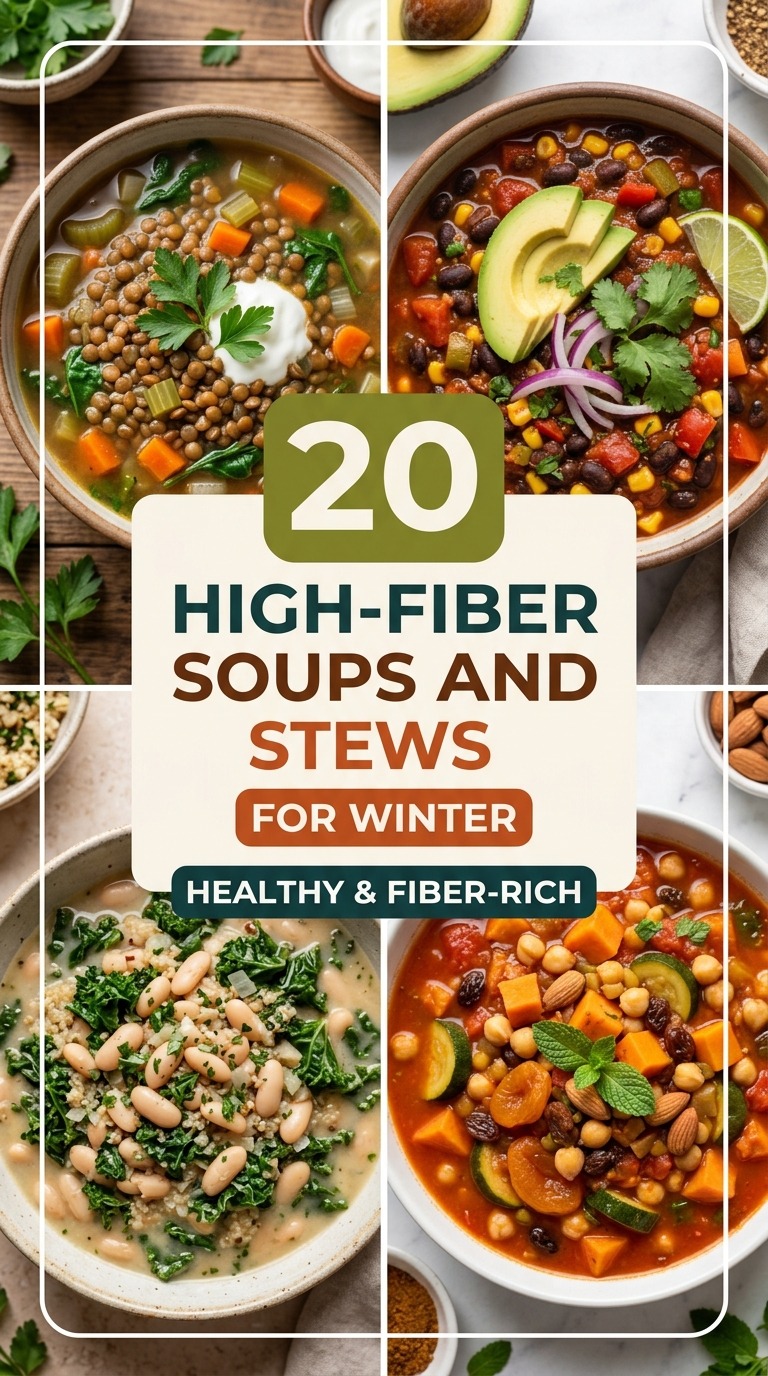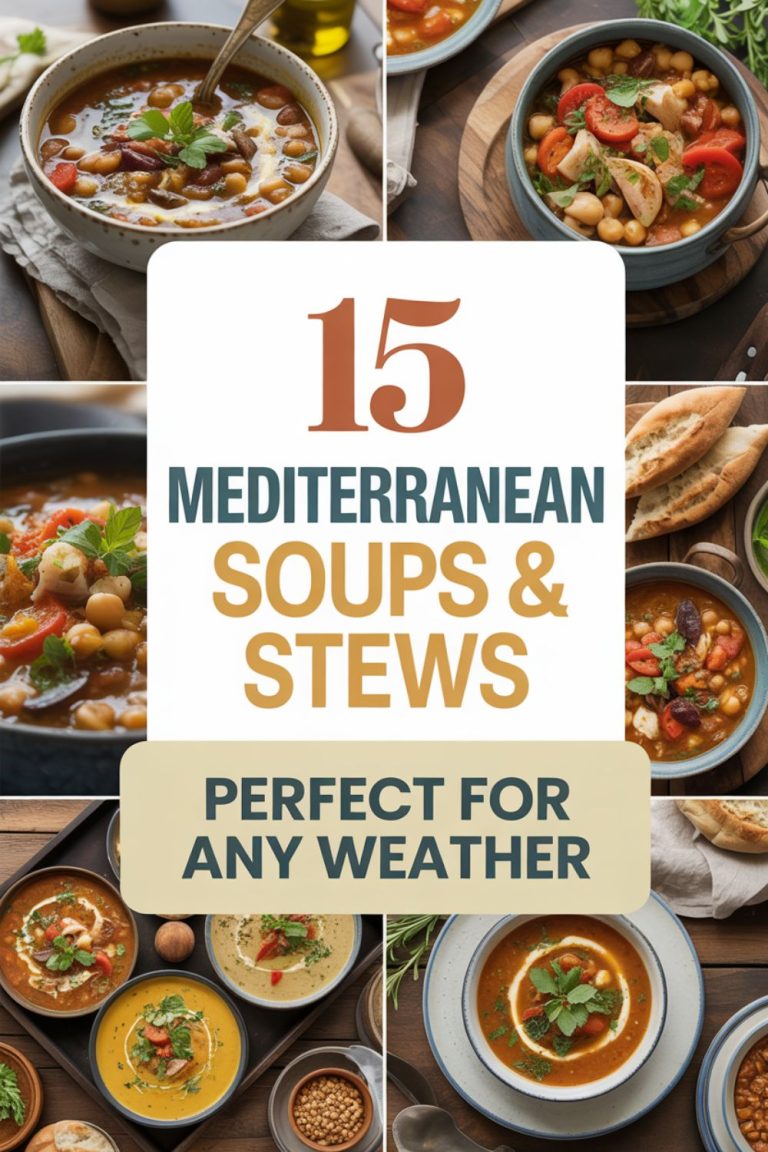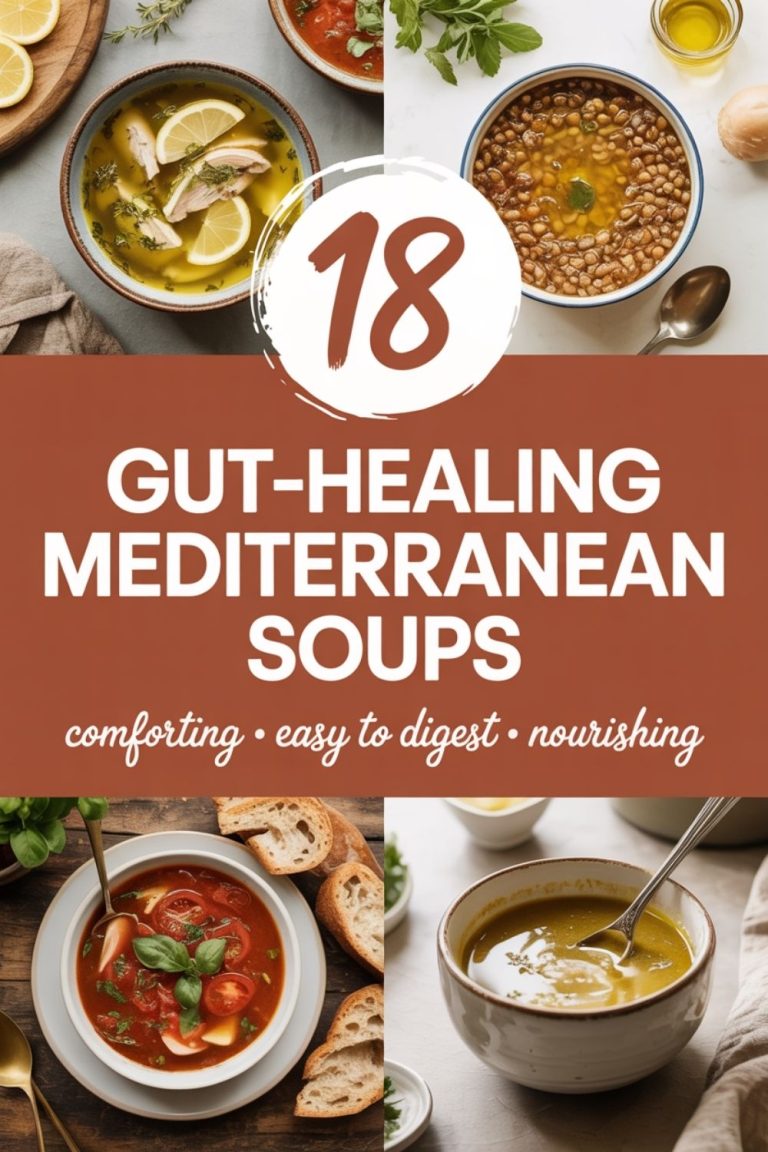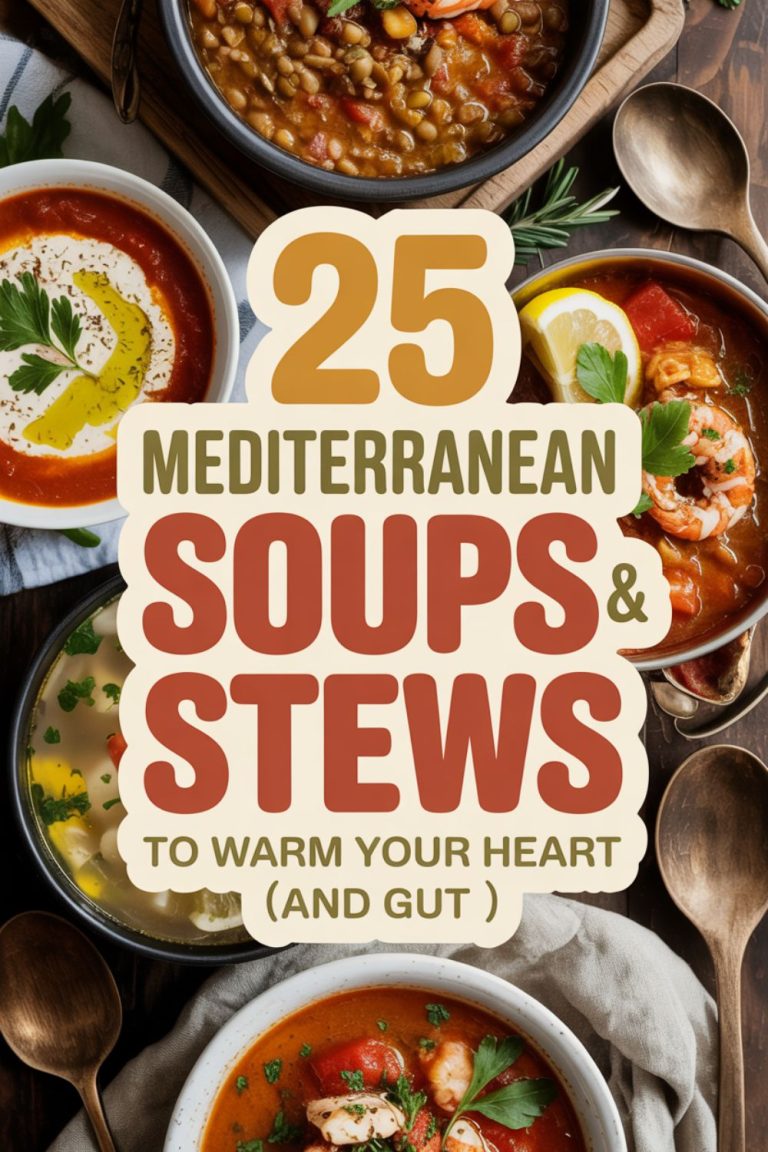

21 Anti-Inflammatory Soups for Spring Holidays
Healing, gorgeous, and honestly way easier than you’d think.
Spring holidays have this beautiful habit of sneaking up on you. One minute you’re thinking about finally cleaning out the pantry, and the next you’ve got a table full of family members expecting something spectacular. Here’s the thing though — spectacular doesn’t have to mean complicated, and it definitely doesn’t have to mean a three-day recovery for your digestive system.
These 21 anti-inflammatory soups are the answer to that exact problem. They look like you spent hours over a stove, they taste like something from a restaurant you’d actually drive across town for, and the ingredients are doing quiet, powerful work for your body the entire time. Think turmeric-laced broths, herb-packed legume soups, silky roasted vegetable purees — all of it built on the same principles that have made Mediterranean anti-inflammatory eating so celebrated by nutrition researchers and home cooks alike.
Whether you’re hosting Easter dinner, putting together a Passover table, or just looking for a reason to cook something genuinely good for you, this list has something that fits. Let’s get into it.

Why Soup Is the Smartest Anti-Inflammatory Move You Can Make
Here’s something that doesn’t get enough attention: soup is genuinely one of the most efficient ways to pack anti-inflammatory ingredients into a single meal. You’re combining herbs, vegetables, legumes, and quality fats into one pot, and the cooking process actually enhances the bioavailability of certain compounds — like lycopene from tomatoes and curcumin from turmeric — when they’re heated with fat. It’s not magic, it’s just good food science.
According to research published by Healthline on anti-inflammatory foods, ingredients like fatty fish, leafy greens, and turmeric actively reduce inflammatory markers like CRP and IL-6 in the body. The soups on this list lean heavily on exactly those ingredients — and they happen to be delicious while doing it.
For spring holiday cooking specifically, soup serves another practical purpose: you can make it ahead. Most of these recipes taste better the next day anyway, which means less stress on the actual holiday morning and more time for the things that actually matter — like finding a good playlist or avoiding that one conversation with your uncle.
The 21 Anti-Inflammatory Soups: Your Spring Holiday Lineup
These soups run the full range — from light, herb-bright broths perfect for a first course to thick, hearty stews that could anchor an entire meal on their own. A few notes before you start cooking: extra virgin olive oil is non-negotiable here (use the good stuff), fresh herbs make a bigger difference than you’d think, and don’t skip the acid finish — a squeeze of lemon at the end of almost any soup does something genuinely transformative.
Make a double batch of your broth base on Saturday and refrigerate it overnight. The fat rises and solidifies, making it stupidly easy to skim off — and your soup will taste noticeably cleaner and lighter the next day.
The Ingredients That Do the Heavy Lifting
You’ll notice a few names keep showing up across these 21 recipes, and that’s very much on purpose. The best anti-inflammatory cooking isn’t about adding one magic ingredient — it’s about building a foundation of foods that consistently reduce inflammatory markers over time. As Johns Hopkins Medicine notes in their overview of anti-inflammatory eating principles, it’s the overall dietary pattern that matters most, not any single superfood.
The Ingredients Worth Knowing
- Turmeric + black pepper — curcumin (turmeric’s active compound) absorbs up to 2,000% better when paired with piperine from black pepper. Always include a pinch.
- Omega-3 rich fish (salmon, sardines, mackerel) — reduces the same inflammatory proteins (CRP, IL-6) that drive joint pain, brain fog, and gut inflammation.
- Legumes (lentils, chickpeas, white beans) — high in fiber which feeds anti-inflammatory gut bacteria, plus plant-based protein that keeps you full without the inflammatory load of processed meat.
- Extra virgin olive oil — contains oleocanthal, a compound with effects similar to ibuprofen at a biochemical level. Don’t substitute with vegetable oil here.
- Leafy greens (spinach, kale, wild garlic) — vitamin K, folate, and polyphenols that work synergistically in a soup base.
- Ginger & garlic — fresh versions are always more potent than dried. Use both liberally.
- Bone broth or miso — gut-supportive and mineral-rich; both make excellent anti-inflammatory soup bases.
One thing worth mentioning: lentils vs. chickpeas as a soup base. Both are outstanding. Lentils cook faster and create a silkier texture without soaking, while chickpeas hold their shape better and add more protein per serving. IMO, for spring holiday soups, chickpeas are the more elegant choice — but red lentils for anything you want done fast and creamy.
How to Structure Your Spring Holiday Soup Menu
Planning a multi-course holiday meal around soup takes a tiny bit of thought, but the payoff is real. The key is variety in texture and temperature — you don’t want to serve three thick purees in a row. Think of it as a progression: something light and herb-bright first, something more substantial for the main, and optionally something surprising (like a chilled gazpacho or a bright borscht) as a palette-cleanser.
A Sample Easter Menu Using These Soups
- First Course: Spring Pea & Mint Bisque — light, seasonal, almost shockingly green and beautiful in a white bowl
- Second Course: Avgolemono — the most universally loved soup on this list, creamy without cream, silky from eggs and lemon
- Main Soup (or side alongside roast): Mediterranean White Bean & Kale — hearty enough to satisfy, clean enough to not slow anyone down
- Optional surprise: Chilled Tomato & Roasted Pepper Gazpacho — served in small glasses as a starter sip, incredibly impressive for minimal effort
For Passover specifically, the Golden Turmeric Lentil Soup (without any grain-based thickeners), the Avgolemono, and the Herb-Broth Matzo Ball Soup are all naturally holiday-appropriate with minor adjustments to make them fully chametz-free.
Roast your garlic and aromatics the night before. Store them covered in olive oil in the fridge. The next day your soup base takes five minutes instead of twenty, and the depth of flavor is significantly better than raw garlic.
Meal Prep Strategy: How to Pull These Off Without Losing Your Mind
Let’s be real — nobody wants to spend the morning of a holiday actually cooking the whole meal from scratch. These soups are genuinely designed for prep-ahead cooking, and most of them actively improve after a night in the fridge as the flavors develop. Here’s how to think about it.
Start three days out by making your broth if you’re doing homemade (the bone broth or the miso-vegetable base). Two days before, make any soup that’s primarily legume-based — the lentil soups, the harira, the white bean and kale — these reheat beautifully and actually taste better the second day. The day before, make any of the purees. The day of, just reheat gently and do your fresh garnishes: lemon squeeze, herb oil, a swirl of yogurt, a handful of fresh herbs.
Speaking of which — if you don’t already have a good immersion blender like this one in your kitchen, spring holiday soup season is the moment. Hand-transferring hot liquid to a blender in batches is technically possible and also technically how people burn themselves. The stick blender does the job in thirty seconds, in the pot, no mess.
I made the Golden Turmeric Lentil Soup and the Avgolemono for our Easter dinner last year after finding this collection. My mother-in-law asked for the recipes, which — if you knew her — is basically a Michelin star. I had both soups prepped the day before and just reheated them while the lamb was resting. Zero stress, genuinely the most compliment-filled dinner we’ve hosted.
— Rachel T., community memberFor storage, invest in wide-mouth glass containers. Something like these wide-mouth glass storage jars stack easily, don’t absorb odors, and let you see exactly what’s in the fridge without opening everything. For soups with dairy or egg components (the avgolemono, anything with yogurt stirred in), always store those separately from the broth and combine at reheat time.
Tools & Resources That Make These Soups Actually Easy
FYI, these are things I use regularly in my own kitchen — not a sponsored list, just genuinely useful picks if you’re cooking anti-inflammatory meals regularly.
The single tool that makes soup prep genuinely painless. No hot-liquid transfers, no countertop explosions. A good one lasts a decade.
View on Amazon →Even heat, holds temperature, goes from stovetop to oven. Worth every penny for soups and stews. The kind that becomes a family heirloom.
View on Amazon →Stackable, see-through, and zero plastic-leaching concerns. Perfect for prepped soup bases and overnight storage.
View on Amazon →A printable PDF plan that pairs beautifully with these soups for a full week of healing, structured eating.
Get the Plan →The longer game. This plan takes you from “curious” to “converted” with daily meal guidance, grocery lists, and prep schedules.
Get the Plan →Hormone-aware, inflammation-focused, and built for real schedules. Works as a companion guide to any recipe collection here.
Get the Plan →Garnishes, Finishing Touches, and Why They Matter More Than You Think
A bowl of soup is one thing. A bowl of soup with a swirl of bright herb oil, a scatter of toasted seeds, and a wedge of good bread on the side is a completely different experience — visually and texturally. For spring holiday presentation, the garnish isn’t just decorative. It’s often the part that adds the final layer of anti-inflammatory punch too.
- Herb oil (blended parsley or basil with olive oil) — drizzle over any puree right before serving. Adds color, fresh flavor, and an extra hit of polyphenols.
- Toasted seeds (pumpkin, sesame, hemp) — add crunch, healthy fats, and minerals. Toast in a dry pan for ninety seconds until fragrant.
- Greek yogurt or labneh swirl — for creamy texture without cream, plus the gut-supportive probiotic benefit. For dairy-free guests, a spoon of coconut yogurt works well.
- Fresh herbs (dill, mint, flat-leaf parsley, chives) — always fresh, always added at the last moment. Dried herbs cannot do what fresh ones do here.
- Finishing salt and lemon — a pinch of flaky sea salt and a squeeze of lemon at the end of virtually any soup. Non-negotiable.
For the visual presentation side of things, a set of wide, shallow soup bowls like these makes a massive difference. Deep, narrow bowls trap steam and make soups look heavy. Wide, shallow ones let you see the garnish, they cool slightly faster for eating, and they photograph beautifully if that matters to you (and honestly, for spring holiday tables, it kind of does).
Make herb oil in bulk. Blend two handfuls of flat-leaf parsley with good olive oil, a pinch of salt, and a small garlic clove. Pour into an ice cube tray like this silicone one and freeze. Pop out a cube whenever a soup needs finishing — it thaws in two minutes and keeps your garnish game consistent all spring.
Dietary Variations: Making These Work for Every Guest
Spring holiday tables are always a cross-section of dietary needs — someone’s vegan, someone’s avoiding gluten, someone else just found out they’re dairy intolerant and is very earnest about telling everyone. The good news is that these soups adapt easily.
For Vegan Guests
Every lentil and chickpea soup on this list is naturally vegan or one substitution away from it. The bone broth-based soups can swap to a rich mushroom or miso broth without losing depth. Anywhere a recipe calls for a yogurt swirl, a good dairy-free coconut yogurt or cashew cream works. If you’re cooking primarily for plant-based eaters, the 21 vegan Mediterranean recipes collection is worth bookmarking alongside this one.
For Gluten-Free Guests
Most soups here are naturally gluten-free. The only ones to watch are the avgolemono (if you use orzo — sub rice or leave it out), and the matzo ball soup if you’re not keeping Passover-specific ingredients. Everything else is grain-free or easily made so. For a broader range of gluten-free options, these 25 gluten-free Mediterranean recipes give you plenty of sides and mains to round out the table.
For Dairy-Free Guests
The majority of these soups contain no dairy at all. For the few that use yogurt as a garnish or finishing element, the coconut yogurt swap is seamless. The salmon and fennel chowder, if you want it dairy-free, skips the cream entirely and uses a splash of full-fat coconut milk instead — honestly an upgrade in flavor complexity.
I catered a small Easter lunch for twelve people last spring with four soups from this list — the turmeric lentil, the avgolemono, the white bean and kale, and the gazpacho. I had one vegan guest, one gluten-free, and one dairy-free. Not a single accommodation was obvious or awkward. Everything just worked. Made all four the day before and it was genuinely the most relaxed holiday meal I’ve ever hosted.
— Marco V., community memberPairing These Soups with the Rest of Your Holiday Table
Soup doesn’t exist in isolation — it’s part of a table, and how you support it matters. For a spring holiday meal built around anti-inflammatory eating, the sides and accompaniments should carry the same philosophy: whole ingredients, quality fats, minimal processing.
Good bread is the obvious partner, and if you can find a good sourdough loaf, it brings a fermented element that actually complements the gut-supportive nature of several soups here. For something more substantial alongside your soup spread, consider a simple Mediterranean chickpea salad for the Easter brunch table — it adds protein, color, and textural contrast without any cooking.
If you want herb-forward side dishes to round out the spring aesthetic, these 17 Mediterranean side dishes with fresh herbs pair naturally with almost every soup on this list. Think roasted spring vegetables, simple grain salads, and dressed olives — nothing that competes with the soup but everything that completes the meal.
Frequently Asked Questions
Can I freeze anti-inflammatory soups and for how long?
Most of these soups freeze exceptionally well for up to three months. The exceptions are soups with egg-based elements (avgolemono), dairy-based garnishes stirred in, or potato-heavy soups which can turn grainy when thawed. For everything else — the lentil soups, bean soups, broth-based vegetable soups — portion into freezer-safe containers and label with the date. Thaw overnight in the fridge and reheat gently on the stovetop.
Which soups on this list are best for gut health specifically?
The miso broth soup, the harira, and the bone broth vegetable soup are the standout gut-supportive choices. Miso brings fermented probiotics; bone broth provides collagen and gelatin that support the gut lining; and harira’s combination of legumes, herbs, and lemon delivers prebiotic fiber in a form that’s easy for most digestive systems to handle. If gut health is a priority, pairing these soups with the 7-day gut healing Mediterranean menu is a smart approach.
How do I reduce the bitterness in turmeric-heavy soups?
The two things that tame turmeric bitterness effectively are fat and acid. Make sure you’re blooming your turmeric in olive oil or coconut oil before adding your liquids — this activates the flavor compounds and softens the raw bitterness. Then finish with lemon juice or a small splash of apple cider vinegar right before serving. Coconut milk also works beautifully as a broth component for turmeric-heavy soups — the natural sweetness balances the earthiness.
Are these soups appropriate for people managing arthritis or autoimmune conditions?
The ingredients across this list — particularly the omega-3-rich fish, turmeric, ginger, olive oil, and leafy greens — are consistently highlighted in research on dietary management of inflammatory conditions. That said, individual responses vary, and anyone managing a specific health condition should work with their doctor or a registered dietitian on their overall approach. These soups are a strong foundation, not a medical protocol. The Arthritis Foundation’s anti-inflammatory diet guidance is a helpful reference for understanding which specific foods make the most impact.
Can I make these soups lower in sodium without losing flavor?
Absolutely — and you won’t sacrifice much if you approach it correctly. Use homemade broth when possible, since store-bought varieties often carry most of a soup’s sodium load. Layer flavor with aromatics (garlic, onion, fennel, celery) rather than salt, add herbs generously, and rely on acidity (lemon, vinegar) and healthy fats (olive oil, tahini) to create depth. A finishing pinch of flaky sea salt added just before serving often gives the perception of more seasoning than the same amount added during cooking.
The Bottom Line on Anti-Inflammatory Soups for Spring
Here’s what I want you to take away from all of this: anti-inflammatory cooking doesn’t require a PhD in nutrition or a pantry full of obscure ingredients. It requires good olive oil, fresh herbs, quality proteins, and the intention to cook from real ingredients rather than processed shortcuts.
These 21 soups are a starting point, not a ceiling. Pick two or three that appeal to you, make them ahead, and show up to your spring holiday table genuinely relaxed — with food that actually makes people feel good rather than food that just impresses them for twenty minutes before the post-meal slump hits. That’s the goal here, and it’s more achievable than it probably sounds.
Start with the Golden Turmeric Lentil Soup if you want something foolproof and crowd-pleasing. Go with the Avgolemono if you want something elegant. Pick the Gazpacho if you want people to ask “wait, you made that?” Yes. You did. Enjoy it.