
25 Mediterranean Soups and Stews to Warm Your Heart (and Gut)
Look, I get it. You’re tired of the same old chicken noodle soup routine, and your gut is probably screaming for something more interesting than whatever you’ve been throwing at it. That’s where Mediterranean soups and stews swoop in like culinary superheroes wearing olive oil capes.
These aren’t your grandma’s bland broths. We’re talking about flavor-packed, gut-healing, heart-warming bowls of Mediterranean magic that’ll make you wonder why you ever settled for anything less. The best part? They’re ridiculously simple to make, won’t break the bank, and your digestive system will actually thank you.
Whether you’re dealing with inflammation, trying to load up on fiber, or just want something that tastes amazing without spending three hours in the kitchen, these Mediterranean soups and stews have got your back. Let’s get into it.

Why Mediterranean Soups Are Actually Game-Changers
Before we jump into the recipes, let’s talk about why Mediterranean soups deserve a permanent spot in your meal rotation. According to research from Harvard’s School of Public Health, the Mediterranean dietary pattern has been consistently associated with reduced cardiovascular disease risk and improved overall health outcomes.
But here’s what really gets me excited: the gut health connection. Studies published in the National Institutes of Health show that Mediterranean-style eating promotes beneficial gut bacteria, particularly those that produce short-chain fatty acids. These little guys are basically the VIPs of your digestive system, helping reduce inflammation and keeping everything running smoothly.
The fiber content alone is impressive. Mediterranean soups typically pack in legumes, whole grains, and tons of vegetables, delivering about 14 grams of fiber per 1,000 calories. That’s double what you’d get from a typical Western diet. Your gut microbiome is going to be throwing a party.
The Building Blocks of Mediterranean Soup Success
Extra Virgin Olive Oil: The Liquid Gold
This isn’t optional, folks. Extra virgin olive oil is the backbone of Mediterranean cooking, and I’m talking about the real deal here. None of that “light” olive oil nonsense that’s been stripped of all its good stuff. You want the cloudy, peppery, makes-you-cough-a-little kind that’s loaded with polyphenols.
I keep mine in a dark glass bottle to preserve those antioxidants, and honestly, investing in a quality olive oil dispenser changed my cooking game. No more glugging straight from the bottle and making a mess.
Legumes: The Protein Powerhouses
Chickpeas, lentils, white beans, fava beans—these are your best friends. They’re cheap, shelf-stable, and packed with both protein and fiber. Plus, they make soups incredibly satisfying without making you feel like you need a nap afterward.
Pro tip: I always keep a couple cans of organic chickpeas and white beans in my pantry for those nights when I can’t be bothered to plan ahead. No shame in the canned bean game.
Pro Tip
Soak dried legumes overnight with a strip of kombu seaweed. It reduces cooking time and makes them way easier to digest. Your gut will thank you.
The Aromatic Trinity
Onions, garlic, and tomatoes. This trio forms the flavor foundation for probably 90% of Mediterranean soups. I use a large wooden cutting board for all my chopping—something about the smell of garlic on wood just hits different.
Fresh tomatoes are great when they’re in season, but canned San Marzano tomatoes are actually a smarter choice most of the year. They’re picked and canned at peak ripeness, so you get better flavor and consistency.
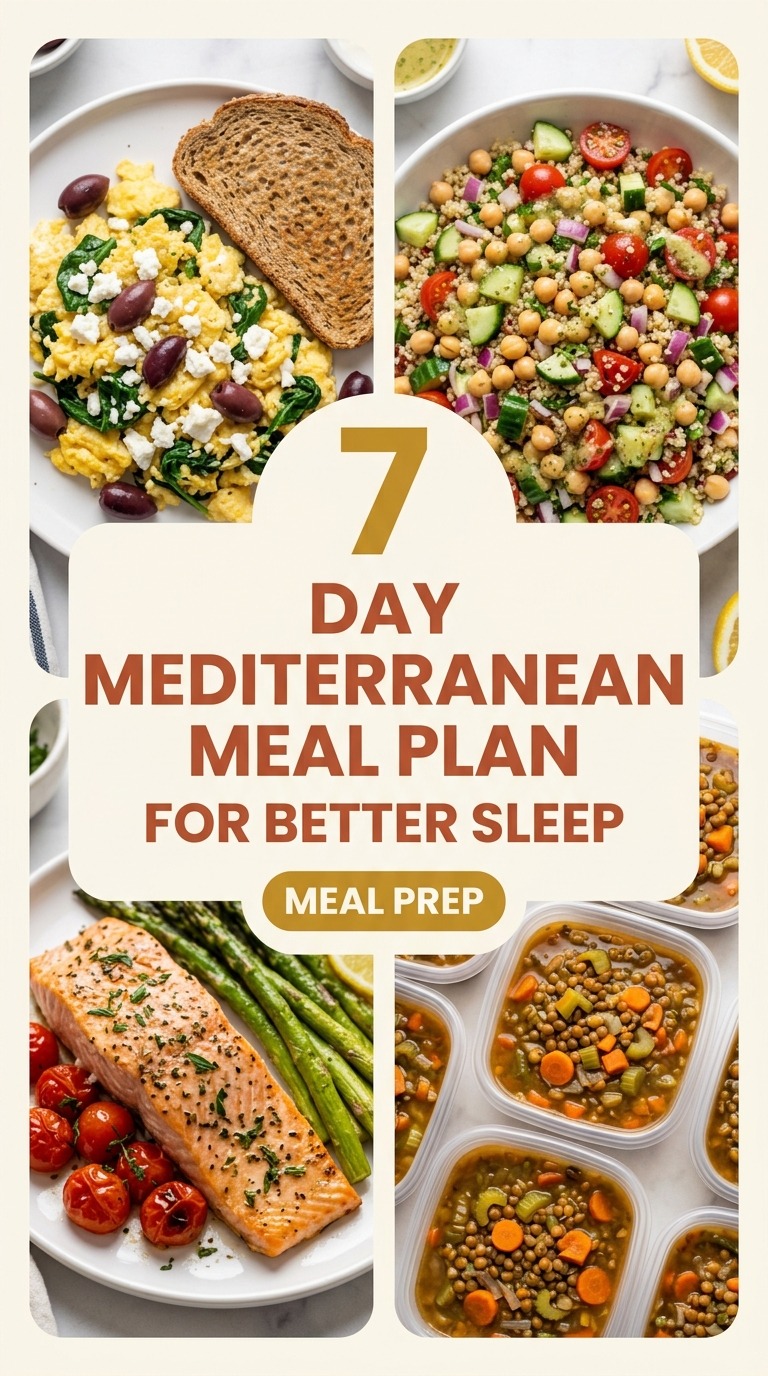
Speaking of Mediterranean ingredients, if you’re looking to build a more comprehensive approach to your eating, you might want to check out this 7-day Mediterranean anti-inflammation meal plan that incorporates soups alongside other balanced meals.
25 Mediterranean Soups and Stews That’ll Actually Make You Look Forward to Meal Prep
1. Classic Greek Avgolemono (Egg-Lemon Soup)
This is comfort food that somehow manages to be light and rich at the same time. The technique of tempering eggs with hot broth creates this silky, tangy base that’s absolutely addictive. I use my stainless steel whisk for tempering because you need good control to avoid scrambled egg soup.
2. Moroccan Harira
Traditionally served during Ramadan, harira is a tomato-based stew loaded with lentils, chickpeas, and warming spices like cinnamon and ginger. The addition of broken vermicelli pasta makes it hearty enough to be a complete meal. This one’s particularly great for gut health thanks to the double hit of legumes.
3. Italian Ribollita
Ribollita literally means “reboiled,” and it’s a Tuscan bread soup that gets better with time. Stale bread soaks up all the flavors from cannellini beans, kale, and vegetables. It’s one of those recipes where “waste not, want not” actually creates something magical.
For more plant-forward Mediterranean options that emphasize gut health, this 7-day gut-healing Mediterranean menu offers a structured approach to incorporating more fiber-rich meals into your routine.
4. Spanish Gazpacho
Cold soup might sound weird if you’ve never had it, but on a hot day, gazpacho is pure genius. Ripe tomatoes, cucumber, bell peppers, and bread all blended together with sherry vinegar. I make batches in my high-speed blender and keep it in mason jars for quick lunches.
5. Turkish Red Lentil Soup (Mercimek Çorbası)
This is probably the easiest soup on this list, and it’s ridiculously good. Red lentils cook down into this smooth, creamy texture without needing any dairy. Cumin and a squeeze of lemon at the end make it sing. Perfect for meal prep because it reheats beautifully.
6. Greek Fasolada
Often called the “national dish” of Greece, fasolada is a white bean soup that’s been sustaining people for thousands of years. It’s simple—beans, tomatoes, vegetables, olive oil—but the flavors are anything but basic. The key is really good olive oil drizzled on top before serving.
7. Moroccan Chickpea and Sweet Potato Stew
Sweet and savory in all the right ways. The natural sweetness of sweet potatoes balances out the warm spices like cumin and coriander. Chickpeas add protein and fiber. This one’s a crowd-pleaser even for people who claim they don’t like “healthy” food.
Quick Win
Make a double batch of any soup on Sunday. Freeze half in individual portions using these freezer-safe containers. You’ll thank yourself on those chaotic weeknights.
8. Italian Pasta e Fagioli
Pasta and beans—two of life’s greatest pleasures in one bowl. This is Italian peasant food at its finest, and it proves you don’t need fancy ingredients to make something extraordinary. I cook the pasta separately and add it to individual bowls to prevent it from getting mushy in leftovers.
9. Lebanese Lentil Soup with Cumin and Lemon
Another lentil soup, but this one’s got a completely different vibe from the Turkish version. The cumin is more pronounced, and the lemon juice adds this brightness that cuts through the earthiness of the lentils perfectly.
If you’re getting serious about Mediterranean eating for health benefits, pairing these soups with other anti-inflammatory meals makes sense. Check out this 14-day anti-inflammatory eating plan for women that shows how to structure your meals for maximum benefit.
10. Spanish White Bean and Chorizo Stew
Okay, so chorizo isn’t exactly a health food, but used sparingly, it adds this smoky, spicy depth that transforms simple white beans into something special. A little goes a long way, and the beans provide plenty of fiber to balance things out.
11. Greek Fish Soup (Psarosoupa)
This is what I make when I’m craving something light but substantial. White fish, potatoes, celery, and that classic egg-lemon finish. It’s delicate and nourishing, and honestly feels like a warm hug in a bowl.
12. Moroccan Vegetable Tagine
Technically a stew, but we’re counting it. The combination of sweet and savory is peak Moroccan cuisine—think carrots, zucchini, chickpeas, dried apricots, and warm spices. If you have a Dutch oven, this is where it shines.
13. Italian Minestrone
The ultimate kitchen sink soup. Whatever vegetables you have on hand, throw them in. Beans for protein, small pasta for heartiness, and a parmesan rind simmered in the broth for umami depth. Every Italian grandmother makes it differently, which means you can’t really mess it up.
14. Turkish Eggplant and Tomato Stew
Eggplant gets incredibly creamy when stewed, almost like it melts into the tomato sauce. This is comfort food that happens to be packed with antioxidants. Serve it with crusty bread for scooping.
15. Greek Chickpea Soup with Lemon and Rosemary
Fresh rosemary and lemon zest transform humble chickpeas into something elegant. This one’s great hot or at room temperature, which makes it perfect for packing in a insulated food jar for lunch.
Looking for more ways to incorporate Mediterranean proteins? This collection of Mediterranean fish and seafood recipes pairs beautifully with soup-based meals throughout the week.
16. Spanish Garlic Soup (Sopa de Ajo)
If you’re a garlic lover, this is your soup. An entire head of garlic gets mellowed out through cooking, creating this rich, deeply savory broth. A poached egg on top makes it a complete meal.
17. Italian White Bean and Escarole Soup
The slight bitterness of escarole plays perfectly against creamy white beans. It’s simple, it’s quick, and it’s one of those soups that tastes way more complex than the effort required.
18. Moroccan Butternut Squash and Red Lentil Soup
Naturally sweet butternut squash plus earthy red lentils, spiced with cumin and coriander. This one gets silky smooth when you blend it. I use my immersion blender right in the pot because who wants to deal with transferring hot soup to a blender?
19. Greek Tomato and Orzo Soup
Simple but satisfying. Orzo (rice-shaped pasta) cooks right in the tomato broth, soaking up all that flavor. Fresh basil and a drizzle of olive oil at the end pull it all together.
20. Lebanese Spinach and Lentil Soup
This is my go-to when I need something nourishing but don’t want to feel weighed down. The spinach adds iron, lentils bring protein and fiber, and the lemon juice brightens everything up.
21. Italian Tuscan Kale and White Bean Soup
Tuscan kale (also called lacinato or dinosaur kale) holds up beautifully in soup without getting mushy. Paired with white beans and plenty of garlic, this is hearty winter eating at its finest.
22. Moroccan Spiced Carrot Soup
Roasted carrots blended with warming spices like cumin, coriander, and a hint of cinnamon. It’s naturally sweet, incredibly smooth, and makes you feel like you’re eating at a fancy restaurant even though it cost about three dollars to make.
23. Greek Black-Eyed Pea Soup
Black-eyed peas are criminally underrated in my opinion. They’ve got this creamy texture and mild flavor that works beautifully with tomatoes and herbs. Plus they’re absolutely loaded with fiber.
24. Spanish Roasted Red Pepper Soup
Sweet roasted peppers blended until silky smooth with a touch of smoked paprika. This is one of those soups that tastes decadent but is actually really simple and good for you.
25. Italian Mushroom and Barley Soup
Earthy mushrooms and chewy barley make this incredibly satisfying. Barley is an underused grain that’s packed with fiber and has this great nutty flavor. This soup gets even better the next day as the barley soaks up more of the broth.
For more hearty Mediterranean meal ideas that go beyond soups, check out these Mediterranean grain bowls that use similar ingredients in different preparations.
Kitchen Tools That Make Mediterranean Cooking Easier
After making hundreds of batches of Mediterranean soups, these are the tools I actually reach for every single time. No fluff, just the stuff that genuinely makes your life easier.
Physical Products
- 6-Quart Dutch Oven – The workhorse of soup making. Heavy bottom prevents burning, retains heat beautifully
- Immersion Blender – Blend soups right in the pot without the mess of transferring to a blender
- Glass Storage Containers – BPA-free, microwave-safe, and you can actually see what’s inside
Digital Resources
- Mediterranean High-Fiber Meal Prep Plan – Takes the guesswork out of planning
- 30-Day Anti-Inflammation Challenge – Structured approach to gut health
- High-Fiber Beginner Plan – Perfect if you’re just starting out
The Gut Health Connection You Need to Know About
Here’s where Mediterranean soups really shine beyond just tasting good. Research from the National Center for Biotechnology Information shows that Mediterranean dietary patterns significantly modulate gut microbiota composition, promoting beneficial bacteria that produce short-chain fatty acids.
These short-chain fatty acids, particularly butyrate, are essential for maintaining gut barrier integrity and reducing systemic inflammation. Translation: your gut lining stays healthy, and inflammation throughout your body decreases.
The fiber content in these soups is a game-changer. Most Mediterranean soups contain anywhere from 10-15 grams of fiber per serving, which is exactly what your gut bacteria need to thrive. They ferment this fiber and produce those beneficial compounds that keep your digestive system happy.
But it’s not just about the fiber. The polyphenols from olive oil, the omega-3s from fish in seafood soups, and the diverse array of vegetables all work together to create what researchers call a “prebiotic effect.” Basically, you’re feeding the good bacteria and starving out the bad ones.
Pro Tip
Add a tablespoon of extra virgin olive oil right before serving. The heat-sensitive polyphenols stay intact, giving you maximum anti-inflammatory benefits.
Making Mediterranean Soups Work for Real Life
The Meal Prep Strategy That Actually Works
Look, I’m not going to tell you to spend your entire Sunday batch-cooking like some kind of food prep robot. But here’s what I do: I make one big pot of soup on Sunday (usually something legume-based that freezes well), and then I make a quick soup mid-week (something like gazpacho or a simple lentil soup that comes together in 30 minutes).
This approach gives you variety without the burnout. Plus, knowing you have a few containers of homemade soup in the freezer is incredibly reassuring when life gets hectic.
If you’re looking for a more structured approach to meal planning, this 7-day anti-inflammation plan for busy women includes soup-based meals alongside other quick Mediterranean options.
The Flexibility Factor
One thing I love about Mediterranean soups is how forgiving they are. Don’t have kale? Use spinach. No chickpeas? White beans work great. This isn’t molecular gastronomy where everything has to be precise. It’s peasant food that’s been adapted by countless cooks over thousands of years.
The basic formula is pretty simple: sauté aromatics in olive oil, add your vegetables and legumes, pour in broth, season, and simmer. Once you get that down, you can improvise endlessly.
Storage and Reheating Tips
Most of these soups actually improve with time as the flavors meld. I store them in individual portions using 2-cup glass containers because they’re the perfect single-serving size and reheat evenly in the microwave.
For soups with pasta or grains, I usually cook those separately and add them to individual portions before reheating. This prevents the pasta from turning into mush after a few days in the fridge.
Freeze what you can’t eat within four days. Most soups freeze beautifully for up to three months. Just remember to leave some headspace in your containers because liquids expand when frozen.
Beyond the Bowl: How to Serve Mediterranean Soups
The Bread Situation
Good bread is non-negotiable with Mediterranean soups. I’m talking crusty, chewy, substantial bread that can stand up to dipping. Sourdough, ciabatta, or a rustic whole grain loaf all work beautifully.
Make your own dipping oil by combining good olive oil with crushed red pepper flakes, dried oregano, and a little sea salt. It’s ridiculously simple and makes you feel fancy.
The Finishing Touches That Matter
A drizzle of high-quality extra virgin olive oil right before serving isn’t just for looks. Those heat-sensitive polyphenols and antioxidants stay intact when you add them at the end, giving you maximum health benefits.
Fresh herbs make a huge difference too. A handful of roughly chopped parsley, basil, or cilantro added just before serving brings everything to life. I grow herbs in these windowsill herb pots so I always have fresh herbs on hand.
A squeeze of fresh lemon juice at the end brightens up almost any soup. It’s that little acidic pop that makes all the flavors come together.
Looking for complete meal solutions? These one-pot Mediterranean meals follow similar principles and pair well with the soups for a varied weekly rotation.
Common Mistakes to Avoid (So I Made Them For You)
Using Low-Quality Olive Oil
I learned this one the hard way. That cheap olive oil from the discount store? It’s probably been sitting in a clear bottle under fluorescent lights for months, and most of the good stuff has oxidized. Invest in decent extra virgin olive oil. You don’t need to break the bank, but quality matters.
Overcooking the Vegetables
Mediterranean soups should have vegetables that still have some texture. They’re not meant to be mush. Add heartier vegetables like carrots and potatoes early, but tender stuff like zucchini and greens goes in toward the end.
Skimping on the Seasoning
Salt, people. Soups need more salt than you think, especially legume-based ones. Add it gradually and taste as you go, but don’t be shy. A soup that tastes flat usually just needs more salt.
Not Letting It Rest
I know you’re hungry, but most soups benefit from sitting for at least 20 minutes after cooking. The flavors need time to come together. Better yet, make it the day before you plan to serve it.
Frequently Asked Questions
Can I freeze Mediterranean soups with pasta or rice in them?
Technically yes, but the texture suffers. Pasta and rice tend to get mushy and absorb too much liquid when frozen and reheated. My workaround is to freeze the soup base without the starch, then cook fresh pasta or rice when I’m ready to eat it. Takes an extra 10 minutes but the texture is infinitely better.
How do I make these soups more filling if I’m using them as main meals?
Add more legumes or include a source of whole grain like farro, barley, or bulgur. Serve with substantial bread and maybe a side salad. You can also increase the protein by adding white fish or chicken to most of these soups. IMO, a hearty soup with good bread is plenty filling, but everyone’s different.
What’s the best way to add more vegetables without changing the flavor profile?
Stick with Mediterranean vegetables like zucchini, bell peppers, eggplant, tomatoes, and leafy greens. These blend seamlessly into most recipes. You can also sneak in finely diced carrots and celery, which add nutrition without dominating the flavor. Just add them at the beginning so they cook down and integrate into the base.
Are canned beans and tomatoes really okay to use, or should everything be fresh?
Canned is totally fine and honestly often better. Canned tomatoes are picked at peak ripeness, and canned beans save you hours of soaking and cooking. Just look for BPA-free cans and low-sodium options when possible. The Mediterranean diet has always been about practicality, not perfection. Don’t let perfect be the enemy of good enough.
How can I adjust these recipes for a low-sodium diet?
Use low-sodium or no-salt-added broths and canned goods, then add salt yourself so you control the amount. Boost flavor with extra herbs, lemon juice, and good quality olive oil. Garlic, onions, and spices like cumin and paprika also add tons of flavor without sodium. You’ll be surprised how little salt you actually need when the base ingredients are flavorful.
Your Gut (and Taste Buds) Will Thank You
Here’s the thing about Mediterranean soups: they’re not trying to be fancy or complicated. They’re just good food made with quality ingredients, and that simplicity is what makes them so sustainable as part of your regular eating routine.
You’re not going to burn out making these like you might with some elaborate diet that requires seventeen specialty ingredients and hours of prep. Most of these soups use pantry staples, come together quickly, and taste even better as leftovers.
The gut health benefits are real. The anti-inflammatory properties are documented. The flavors are legitimately delicious. And maybe most importantly, these are the kinds of meals you can actually imagine yourself making regularly, which is what sustainable healthy eating looks like.
Start with one or two soups that sound good to you. Get comfortable with the basic techniques. Then branch out and experiment. Before you know it, you’ll have a rotation of Mediterranean soups that make meal planning actually enjoyable instead of a chore.
Your gut microbiome is going to be very, very happy. And honestly, so will you.