

14-Day Mediterranean Detox Meal Plan To Reset Your Gut
14-Day Mediterranean Detox Meal Plan To Reset Your Gut

Your gut has been through it. Between the processed snacks, the takeout nights, and that one weekend where “just one slice” turned into half a pizza — your digestive system is basically waving a white flag. And honestly? Same. 🙂
The good news is, you don’t need a juice cleanse that costs more than your rent or some mysterious powder that tastes like lawn clippings. What you actually need is a 14-day Mediterranean detox meal plan — real food, real flavor, and real results for your gut health.
I’ve been eating Mediterranean-style for years now, and every time my digestion feels sluggish or my energy tanks, I come back to this framework. It never fails. Let’s get into it.
Why Your Gut Needs a Reset in the First Place
Here’s the thing — most of us walk around with gut issues we’ve just… accepted as normal. Bloating after meals? Sure. Afternoon energy crashes? Of course. Skin breaking out randomly? Obviously. But none of that is actually normal — it’s just common.
Your gut microbiome controls more than you think. We’re talking digestion, immunity, mood, sleep quality, and even hormone balance. When it gets out of whack (thanks to stress, sugar, alcohol, or antibiotics), everything else follows.
A Mediterranean detox works because it floods your system with fiber, antioxidants, healthy fats, and anti-inflammatory compounds — exactly what your gut bacteria thrive on. No starvation, no misery, just genuinely nourishing food.
If you want to ease in gently before committing to two full weeks, the 7-day gut healing Mediterranean menu is a solid starting point. But if you’re ready to go all in, keep reading.
What Makes the Mediterranean Diet So Good for Gut Health?
Ever wondered why people in Mediterranean countries seem to have less chronic disease, better digestion, and longer lives? It’s not magic — it’s food.
The Mediterranean eating pattern is built around:
- Olive oil — rich in oleocanthal, a natural anti-inflammatory compound
- Legumes (chickpeas, lentils, beans) — incredible sources of prebiotic fiber
- Fermented foods (Greek yogurt, olives, kefir) — packed with live probiotics
- Colorful vegetables and fruits — loaded with polyphenols that feed good gut bacteria
- Whole grains — slow-digesting fiber that keeps your gut microbiome happy
- Fatty fish (salmon, sardines, mackerel) — omega-3s that reduce gut inflammation
FYI, this isn’t a low-carb plan or a fat-free plan — it’s a balanced plan that actually respects your body’s need for real, whole nutrients.
The Ground Rules Before You Start
Before you jump into the meal plan itself, let’s cover a few basics that will make the next 14 days way more effective.
Hydration is non-negotiable. Aim for at least 8 glasses of water daily. Add lemon for an extra digestive boost. Herbal teas like ginger, fennel, and peppermint actively soothe the gut lining — sip them freely.
Cut out the gut wreckers. For 14 days, ditch:
- Processed sugar and refined carbs
- Alcohol
- Fried foods
- Artificial sweeteners
- Excessive caffeine (one coffee a day is fine, breathe)
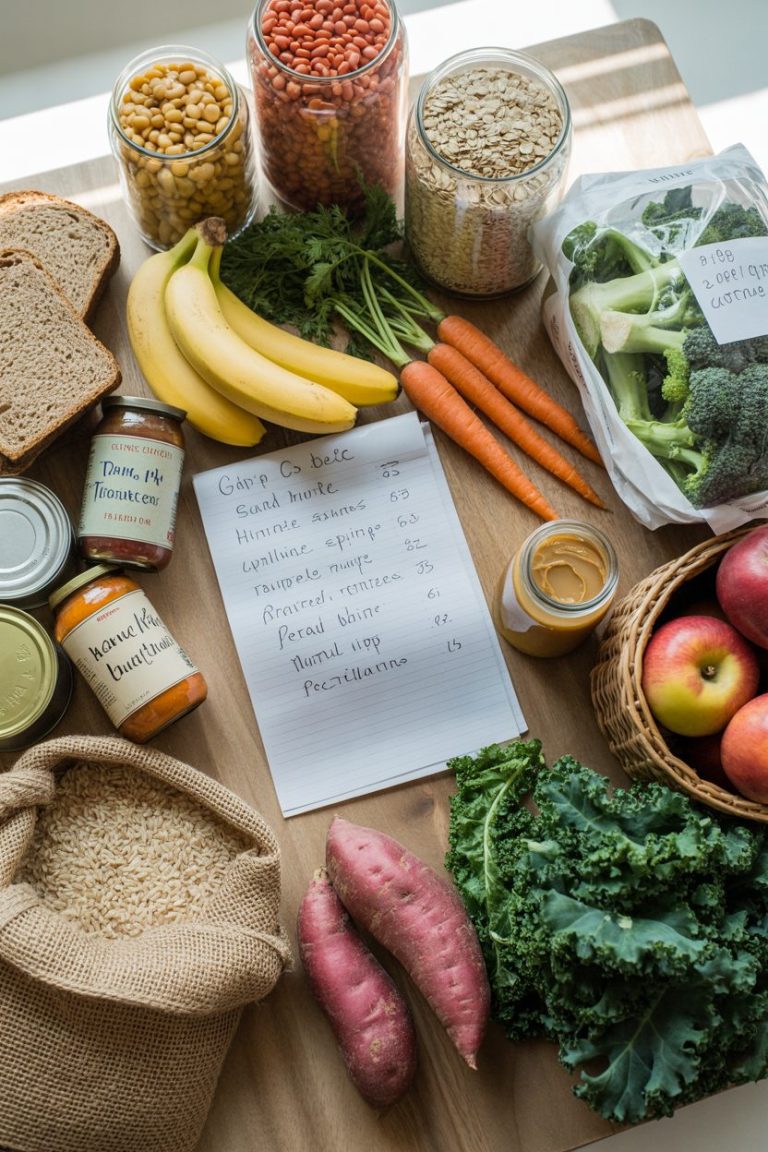
Stock your pantry right. You’ll want 21 Mediterranean pantry staples ready to go — things like extra virgin olive oil, canned chickpeas, quinoa, lentils, and good-quality canned fish.
Don’t skip meals. Skipping meals stresses your gut. Eat regularly, chew slowly, and give your digestive system the signal that it’s safe to do its job.
Week 1: The Reset Phase (Days 1–7)
The first week is about removing the junk and introducing the good stuff gradually. Your gut might feel a little different as it adjusts — some people notice more bloating in the first couple of days as fiber intake increases. That’s normal. Push through it.
Days 1–2: Gentle Start
Keep things simple. Focus on easy-to-digest foods that won’t overwhelm your system.
Breakfast: Greek yogurt with berries, a drizzle of honey, and a sprinkle of ground flaxseed. This combination gives you probiotics, antioxidants, and prebiotic fiber right out of the gate.
Lunch: A big leafy salad with cucumber, tomato, olives, and feta — dressed with lemon and olive oil. Check out these 14 Mediterranean salads that aren’t boring for inspiration when you need variety.
Dinner: Lemon-herb baked salmon with steamed broccoli and brown rice. Simple, anti-inflammatory, and delicious.
Snacks: A small handful of walnuts, or sliced veggies with hummus.
Days 3–4: Introducing More Fiber
Your gut bacteria are starting to wake up. Now we add more plant variety.
Breakfast: Overnight oats made with almond milk, chia seeds, sliced banana, and cinnamon. These high-fiber breakfasts keep your energy stable all morning without the crash.
Lunch: Lentil soup with a side of whole grain pita. Lentils are honestly one of the most underrated gut-healing foods out there — fiber, protein, and prebiotics all in one bowl. Try some of these Mediterranean lentil recipes to keep things interesting.
Dinner: Chickpea and spinach stew cooked in tomato sauce with garlic and cumin. Serve with quinoa.
Days 5–7: Finding Your Rhythm
By day five, most people notice their digestion starting to feel more regular. Energy levels start climbing too.
Breakfast: Smoothie with frozen mango, spinach, Greek yogurt, ginger, and a tablespoon of flaxseed. Ginger is a powerhouse for gut motility — it literally helps move things along :/
Lunch: Tuna and white bean salad with cherry tomatoes, capers, and olive oil. Fast, filling, and full of gut-friendly nutrients.
Dinner: Sheet pan Mediterranean chicken with roasted zucchini, bell peppers, and olives. These Mediterranean sheet pan chicken recipes are weeknight gold — minimal dishes, maximum flavor.
Week 2: The Restore Phase (Days 8–14)
Week two is where the magic really happens. Your gut is cleaner, your taste buds are recalibrating, and you start genuinely craving the good stuff. Wild, right?
Days 8–10: Deepening the Gut Healing
Breakfast: Avocado on whole grain toast with a poached egg, sprinkled with red pepper flakes and lemon zest.
Lunch: Warm grain bowl with farro, roasted beets, arugula, goat cheese, and a tahini dressing. Try rotating through these Mediterranean grain bowls to keep lunch exciting.
Dinner: Baked cod with a crust of herbs and breadcrumbs, served with white beans and sautéed kale in garlic olive oil. Cod is mild, easy on digestion, and pairs beautifully with legumes.
Snacks: Olives, a piece of fruit, or a small serving of mixed nuts. If you need more ideas, these high-fiber snacks that actually fill you up are worth bookmarking.
Days 11–12: Anti-Inflammatory Boost
Breakfast: Chia pudding made with coconut milk, topped with pomegranate seeds and a sprinkle of turmeric-spiced granola.
Lunch: Stuffed bell peppers with herbed quinoa, sun-dried tomatoes, pine nuts, and fresh basil. These anti-inflammatory recipes make the whole plan feel less like a “detox” and more like just really good eating.
Dinner: A warming bowl of Mediterranean gut-healing soup — think cannellini beans, wilted greens, rosemary, and a swirl of olive oil. Comfort food that also heals you? Yes please.
Days 13–14: Wrap It Up Strong
Breakfast: Warm oatmeal with sliced figs, crushed walnuts, a drizzle of raw honey, and cardamom. Figs are seriously underrated for gut health — they’re packed with soluble fiber.
Lunch: Big Mediterranean mezze plate — hummus, baba ganoush, tabbouleh, olives, cucumber, and whole grain pita. Think of it as a celebration meal for your gut making it this far.
Dinner: Herb-roasted salmon with lemon-garlic asparagus and wild rice. End on a high note with a meal that’s as satisfying as it is nourishing.
Key Foods to Eat Every Single Day
You don’t have to memorize every meal — but make sure these foods show up consistently throughout the 14 days:
- Extra virgin olive oil — use it daily as your primary fat
- Leafy greens (spinach, arugula, kale) — at least one serving per meal
- Legumes — chickpeas, lentils, or white beans at least once a day
- Fermented foods — Greek yogurt, kefir, or olives daily for probiotic support
- Fatty fish — aim for 3–4 servings per week
- Colorful vegetables — the more variety, the better your microbiome diversity
- Whole grains — brown rice, farro, quinoa, oats, or whole grain bread
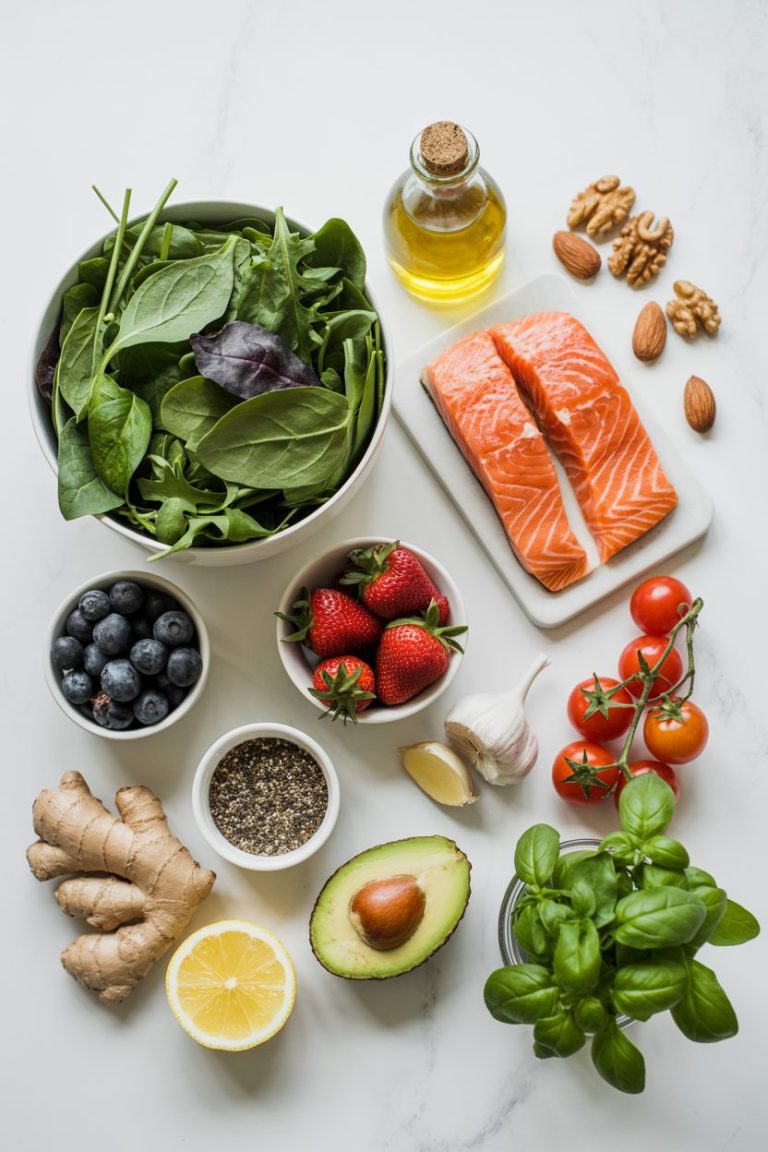
- Herbs and spices — garlic, ginger, turmeric, and cumin all have real anti-inflammatory power
What to Drink During the 14 Days
What you drink matters just as much as what you eat. Here’s the gut-friendly drink lineup:
- Water with lemon — first thing every morning, non-negotiable
- Herbal teas — ginger, chamomile, licorice root, or peppermint
- Kefir — one small glass daily for a serious probiotic hit
- Green tea — packed with polyphenols that support gut bacteria
- Homemade anti-inflammatory drinks like golden milk or tart cherry juice
You can find a solid collection of anti-inflammation drinks you can make at home to rotate through the two weeks without getting bored.
Tips to Actually Stick to the Plan
Let’s be real — the hardest part of any plan is sticking to it past day three. Here’s what actually helps:
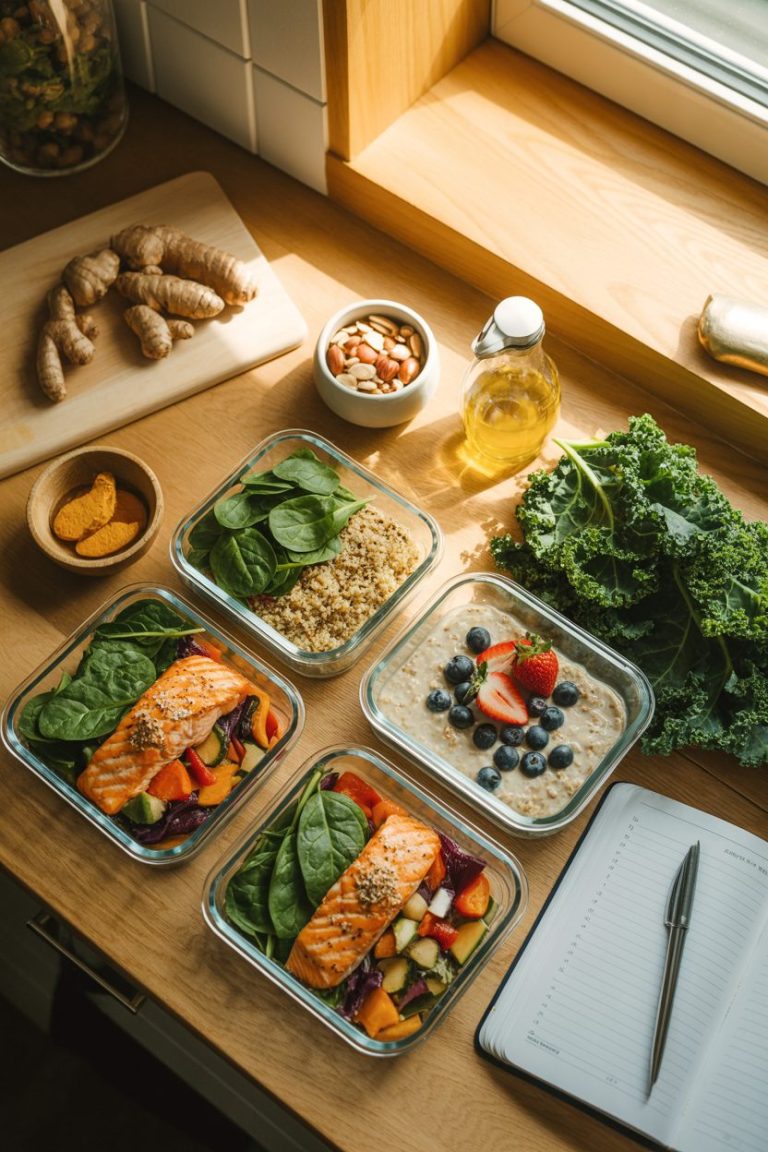
Meal prep on Sundays. Batch-cook grains, roast a tray of vegetables, and pre-portion snacks. These Mediterranean make-ahead recipes make the whole week run smoother.
Keep healthy snacks visible. Put fruit in a bowl on the counter. Store hummus and veggie sticks at eye level in the fridge. Make the good choices the easy choices.
Don’t aim for perfection. If you eat something off-plan on day six, don’t spiral. Just get back on track with the next meal. This isn’t a punishment — it’s a reset.
Track how you feel, not just what you eat. Notice your energy levels, sleep quality, bloating, and mood. These non-scale victories will keep you motivated way more than anything else.
What to Expect After 14 Days
IMO, the results of a Mediterranean gut detox are some of the most noticeable of any dietary change. By the end of two weeks, most people report:
- Less bloating and gas — your gut bacteria have shifted toward a healthier balance
- More regular digestion — fiber and hydration do their job
- Better energy — especially that mid-afternoon slump disappearing
- Clearer skin — gut health and skin health are deeply connected
- Reduced cravings — for sugar and processed food especially
- Better sleep — because your gut produces a significant portion of your serotonin
If you want to keep the momentum going after the 14 days, consider transitioning into a longer-term approach like the 30-day Mediterranean wellness plan or the 30-day high-fiber anti-inflammation program.
A Final Word
Here’s the honest truth: your gut didn’t get out of balance overnight, and it won’t fully heal in two weeks either. But this plan gives it a fighting chance. You’re removing the stuff that hurts it and loading up on the things that genuinely help it thrive.
Fourteen days. Real food. No gimmicks. Your gut will thank you more than you expect.
Start Monday (or today, if you’re feeling bold), stock that pantry, and give your digestive system the reset it’s been quietly begging for. You’ve got this — and honestly, the food is good enough that it barely feels like a health plan at all.