
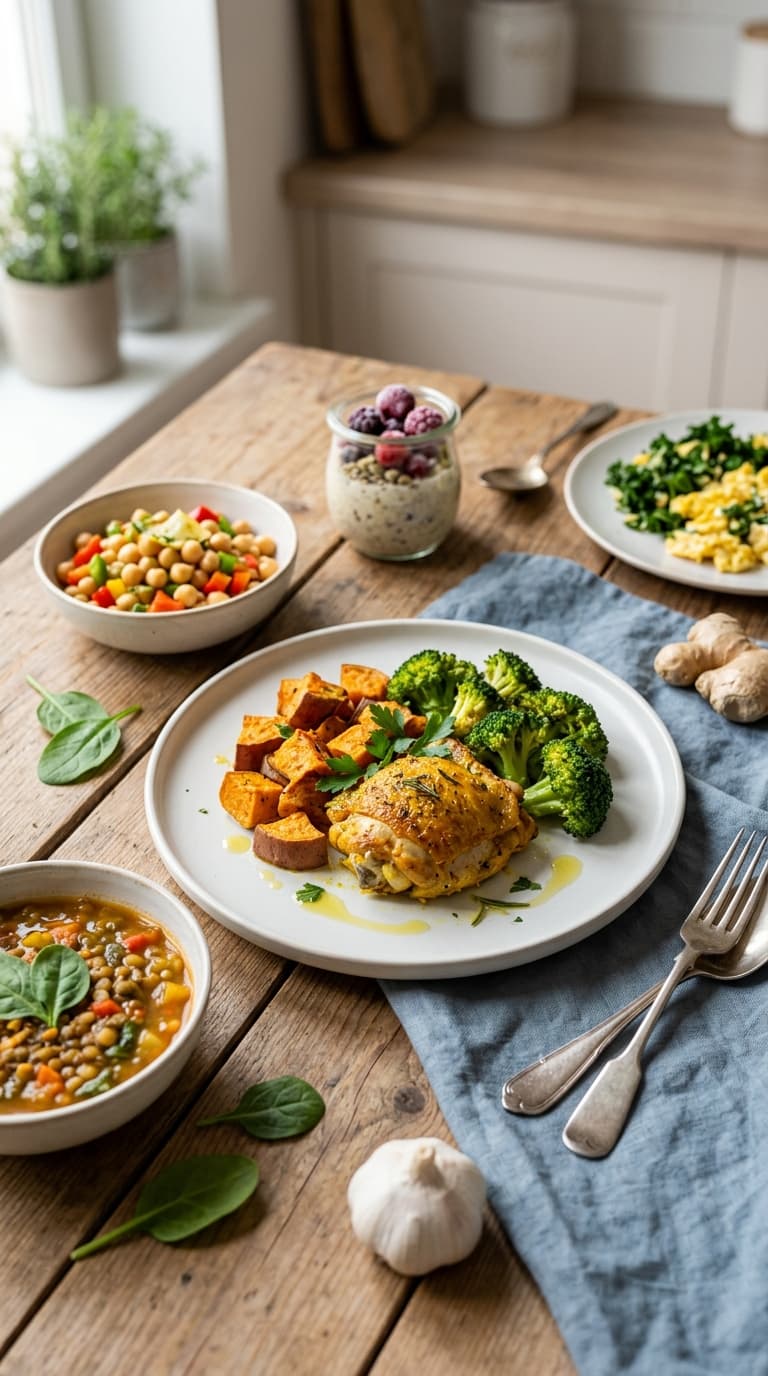
7-Day Anti-Inflammation Meal Plan On A Budget
7-Day Anti-Inflammation Meal Plan On A Budget
Let’s be real — eating anti-inflammatory doesn’t have to mean spending half your paycheck at a fancy health food store. I used to think the same thing until I actually sat down, planned it out, and realized that some of the most powerful inflammation-fighting foods are also the cheapest ones in the grocery store. Turmeric, lentils, canned sardines, frozen spinach — not exactly the stuff of Instagram influencer hauls, but they work.
This 7-day plan is built for real life. Real budgets. Real kitchens. And yes, real hunger — because nobody sticks to a meal plan that leaves them miserable by 3pm. Let’s get into it.
Why Anti-Inflammatory Eating Actually Matters
Before we jump to the meal plan, here’s a quick “why should I care” moment. Chronic inflammation is linked to everything from joint pain and brain fog to heart disease and skin issues. It’s not just a buzzword — it’s your body’s internal alarm system stuck in the “on” position.
The good news? Food is one of the most powerful ways to turn that alarm down. Certain foods actively reduce inflammatory markers in your body, while others (hello, processed snacks and sugary drinks) crank the alarm louder. The goal this week is simple: eat more of the good stuff, less of the bad.
And if you want to go deeper into the lifestyle side of things, the 30-day anti-inflammation challenge is worth bookmarking for after this week.
Budget Anti-Inflammatory Pantry Staples to Stock Up On
Here’s where the magic starts — the pantry. If you build your kitchen around these staples, you’ll spend way less per meal and never feel stuck.
Your budget anti-inflammatory shopping list basics:
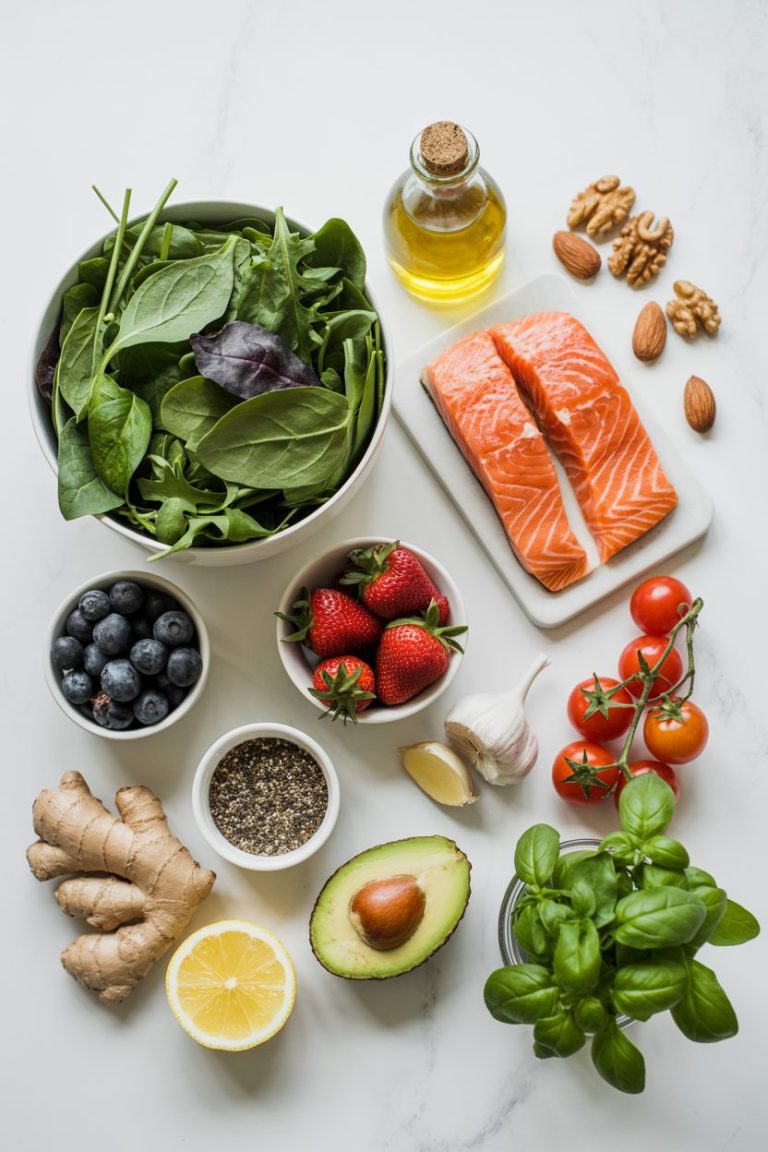
- Extra virgin olive oil — worth every penny, and a little goes a long way
- Canned chickpeas, lentils, and black beans — fiber, protein, and anti-inflammatory plant power in a $1 can
- Frozen spinach, kale, and mixed berries — just as nutritious as fresh, often cheaper
- Turmeric, ginger, black pepper, cumin — inexpensive spices that pull serious anti-inflammatory weight
- Canned tomatoes — lycopene-rich and absurdly affordable
- Oats, brown rice, and whole grain pasta — slow-burning carbs that don’t spike inflammation
- Canned tuna or sardines — omega-3s on a budget (and way more versatile than you think)
- Walnuts and flaxseeds — even a small portion packs anti-inflammatory punch
Stock these once, and your weekly grocery runs get cheaper every time. IMO, this is the real secret to making anti-inflammatory eating sustainable long-term.
The 7-Day Anti-Inflammation Meal Plan
Alright, here’s the actual plan. Each day is designed to be simple, affordable, and genuinely satisfying. No recipes that require a culinary degree. No ingredients you’ll use once and forget in the back of your pantry.
Day 1 — Reset and Start Strong
Breakfast: Overnight oats with frozen blueberries, a tablespoon of flaxseeds, and a sprinkle of cinnamon. Make it the night before — zero morning effort required.
Lunch: Lentil soup with canned tomatoes, cumin, turmeric, and a squeeze of lemon. This is one of those meals that tastes like you spent hours on it. You didn’t. Pair it with a slice of whole grain bread.
Dinner: Baked salmon (or canned sardines if budget is tight) with roasted sweet potato and steamed broccoli. Drizzle everything in olive oil and garlic. Done.
Snack: A small handful of walnuts and a piece of fruit.
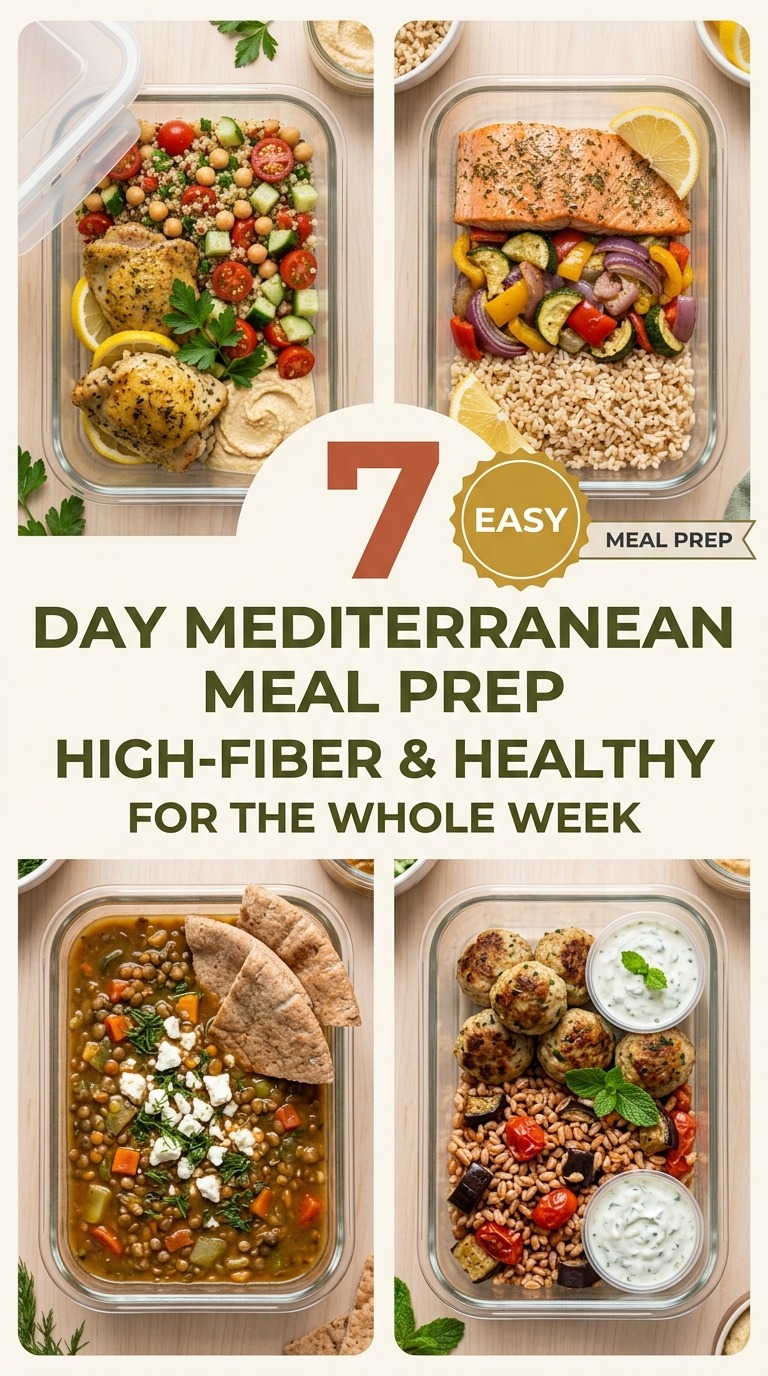
If you’re someone who likes a printable version to stick on the fridge, the 7-day Mediterranean anti-inflammation meal plan PDF is a great companion to this.
Day 2 — Keep the Momentum Going
Breakfast: Scrambled eggs with frozen spinach and a side of sliced avocado. Eggs are cheap. Avocado is worth it. This combo keeps you full for hours.
Lunch: Chickpea and cucumber salad with olive oil, lemon juice, fresh parsley, and a pinch of cumin. Takes about 10 minutes to throw together. Chickpeas are genuinely one of the best budget-friendly anti-inflammatory ingredients out there — versatile, filling, and loaded with fiber.
Dinner: Brown rice stir-fry with mixed frozen vegetables, garlic, ginger, soy sauce (low sodium), and a soft-boiled egg. One pan, one pot, done.
Snack: Greek yogurt with a drizzle of honey and a few walnuts.
Day 3 — Midweek Comfort Food That Doesn’t Betray You
Breakfast: Smoothie made with frozen mango, frozen spinach, ginger, turmeric, banana, and water or unsweetened almond milk. Bright yellow, surprisingly delicious, and packed with anti-inflammatory compounds. If you want more ideas like this, check out these anti-inflammation smoothies you can prep fast.
Lunch: Whole grain pasta with canned tuna, cherry tomatoes, olive oil, capers, and black pepper. This is one of those meals that sounds fancy but costs about $2 per serving. 🙂
Dinner: Slow-cooked lentil and vegetable curry with turmeric, ginger, canned tomatoes, and coconut milk. Serve over brown rice. Make a big batch — it tastes even better the next day.
Snack: Apple slices with almond butter or a small handful of mixed seeds.
Day 4 — Halfway There, Keep It Simple
Breakfast: Whole grain toast with mashed avocado, a poached egg, red pepper flakes, and a squeeze of lemon.
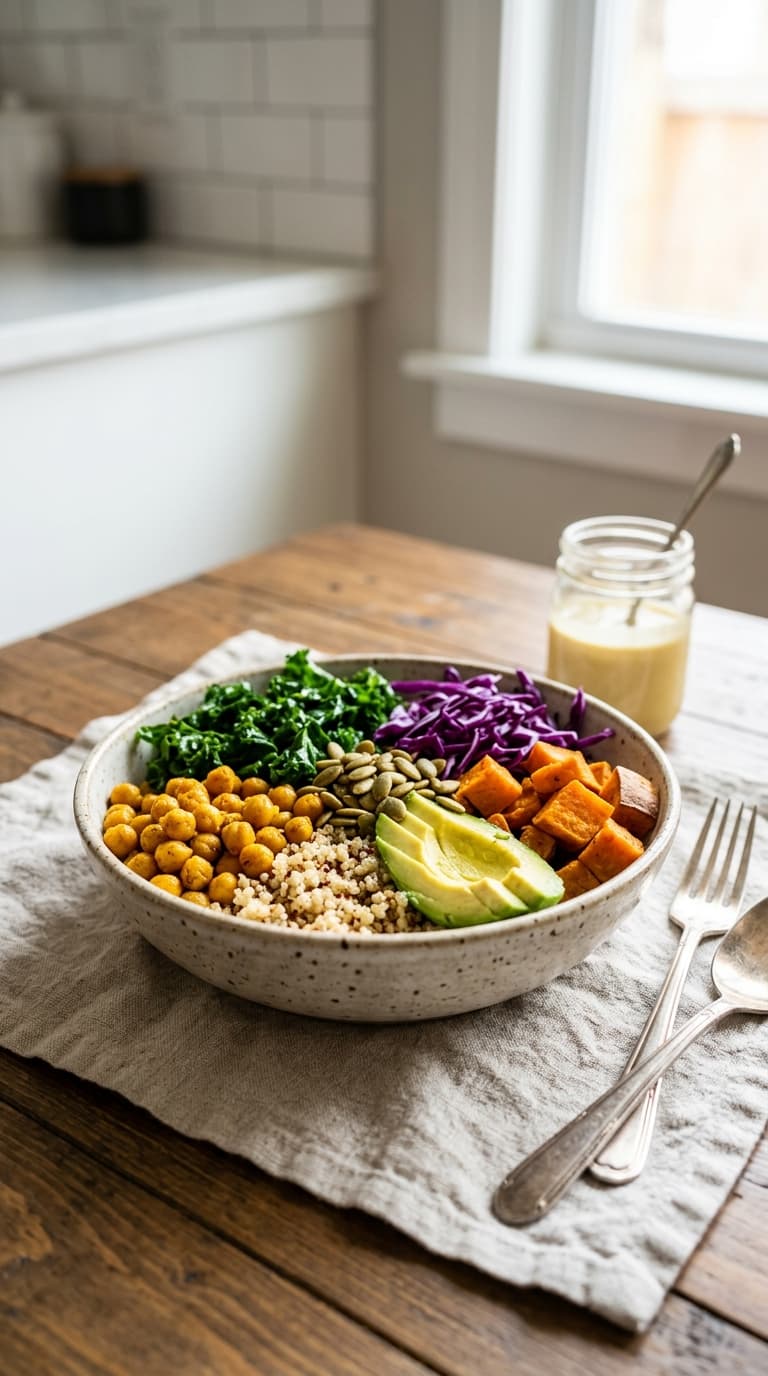
Lunch: Big leafy green salad with roasted chickpeas, shredded carrots, cucumber, olive oil, and lemon dressing. Roasting chickpeas at 400°F for 25 minutes turns them into crunchy little gold nuggets. Trust me on this one.
Dinner: Sheet pan chicken thighs (bone-in, skin-on — cheaper and more flavorful) with zucchini, cherry tomatoes, and red onion. Season with olive oil, oregano, garlic, and lemon. One pan, minimal cleanup. These kinds of one-pan dinners are genuinely life-changing on busy weeknights.
Snack: A small bowl of mixed berries — frozen and thawed works perfectly fine.
Day 5 — Friday Feeling, Anti-Inflammatory Edition
Breakfast: Oatmeal with banana slices, chia seeds, and a drizzle of olive oil (yes, really — it’s a thing, and it’s good). Add a pinch of cinnamon and ginger for extra anti-inflammatory points.
Lunch: Black bean and brown rice bowl with salsa, avocado, lime juice, and fresh cilantro if you’re into that. Simple, filling, and costs next to nothing.
Dinner: Grilled or pan-seared fish (tilapia, mackerel, or whatever’s on sale) with sautéed garlic spinach and roasted carrots. Omega-3s doing their thing. FYI, even canned sardines work beautifully here if fresh fish isn’t in the budget this week.
Snack: Hummus (store-bought or homemade) with sliced bell pepper and cucumber.
Day 6 — Weekend Meal Prep Mode
Weekends are perfect for prepping ahead. Spend an hour on Saturday and you’ll thank yourself all week.
Breakfast: Savory oats with a soft-boiled egg, sautéed mushrooms, and a drizzle of olive oil. Sounds weird. Tastes amazing. Don’t knock it till you’ve tried it.
Lunch: Homemade lentil and tomato soup — batch-cook a big pot. Freeze half for future you. Pair with a slice of whole grain bread and a handful of arugula salad on the side.
Dinner: Mediterranean-style baked cod or white fish with olives, capers, canned tomatoes, and herbs. Serve with roasted cauliflower. This one feels like a restaurant meal and costs about $5 per person.
Snack: A small portion of dark chocolate (70%+ cacao) and a few walnuts. Yes, dark chocolate counts — flavonoids are anti-inflammatory. You’re welcome.
Day 7 — Finish Strong, Celebrate the Week
Breakfast: Smoothie bowl made with blended frozen berries and banana, topped with oats, flaxseeds, and a small handful of walnuts. Colorful and genuinely satisfying.
Lunch: Leftover lentil curry over greens with a squeeze of lemon. Batch cooking working in your favor — this is the dream.
Dinner: Big veggie and bean stew with whatever vegetables you have left in the fridge — zucchini, carrots, canned tomatoes, white beans, garlic, and herbs. This is the kind of meal that cleans out the fridge and still tastes incredible. Serve with brown rice or crusty whole grain bread.
Snack: Greek yogurt with mixed berries and a drizzle of honey.
Smart Tips to Keep Costs Down Without Cutting Corners
Eating anti-inflammatory on a budget isn’t just about what you buy — it’s about how you shop and cook. Here are a few strategies that actually make a difference:
- Buy frozen produce freely. Frozen spinach, blueberries, broccoli, and edamame are nutritionally identical to fresh and cost significantly less.
- Batch cook grains and legumes. Cook a big pot of lentils or brown rice on Sunday and use them throughout the week.
- Use canned fish strategically. Canned sardines and tuna are among the most affordable omega-3 sources available. Don’t sleep on them.
- Shop seasonal produce. Whatever’s in season is always cheaper and usually more flavorful.
- Spices are your best investment. A $2 jar of turmeric lasts months and turns basic ingredients into something genuinely delicious.
- Plan before you shop. Sounds obvious, but even a rough plan slashes impulse purchases and food waste significantly.
If you want more budget-friendly ideas beyond this week, the 14-day high-fiber budget meal plan has some really solid, affordable options that complement this perfectly.
Foods to Avoid This Week (And Why)
You don’t need to be perfect, but cutting back on these makes a noticeable difference:
- Refined sugar — directly promotes inflammatory markers. Try fruit or a small amount of honey instead.
- Refined white flour — spikes blood sugar and fuels inflammation. Whole grain versions are easy swaps.
- Seed and vegetable oils high in omega-6 — canola, sunflower, and soybean oils in excess can be inflammatory. Stick with olive oil.
- Processed meats — deli meats and packaged sausages are high in preservatives and pro-inflammatory compounds.
- Alcohol — a glass of red wine occasionally is one thing, but regular alcohol consumption definitely raises inflammation.
These aren’t hard rules you need to stress over. They’re just guidelines. The goal is progress, not perfection. :/
What Happens After Day 7?
So you finished the week — nice! You probably noticed something: your energy felt a bit more stable, maybe some bloating settled down, or your joints felt slightly less cranky. That’s not a coincidence.
The thing about anti-inflammatory eating is that a week is a great start, but the real benefits compound over time. If you want to keep going, the 30-day anti-inflammation challenge is a structured way to build on what you’ve started here. For women specifically looking at hormonal and long-term health angles, the 14-day anti-inflammatory eating plan for women is worth a look.
And if your gut has been giving you trouble, the 7-day gut healing Mediterranean menu is a targeted follow-up that really addresses that connection between gut health and inflammation.
The Bottom Line
Here’s the truth: eating anti-inflammatory on a budget is 100% doable, and it doesn’t require a complete lifestyle overhaul overnight. It just requires a little planning, some smart pantry staples, and the willingness to try meals that look humble but punch way above their weight nutritionally.
Lentils, olive oil, frozen berries, turmeric, canned fish — these aren’t glamorous ingredients. But they’re powerful, affordable, and genuinely effective. And when you string them together into a week of real, satisfying meals? You start to feel the difference.
Give this 7-day plan a real shot. Stock the pantry basics, follow the meals as closely or loosely as works for your life, and pay attention to how you feel by day 7. Then decide what comes next. Your body’s been dealing with inflammation quietly for a while — this week, you start dealing with it back.