
14-Day Mediterranean Meal Plan For Thyroid Health
14-Day Mediterranean Meal Plan For Thyroid Health
Your thyroid is basically the project manager of your entire body — it controls metabolism, energy, mood, digestion, and even your skin. So when it starts slacking off (or goes into overdrive), everything falls apart. Sound familiar? If you’ve been dealing with fatigue, brain fog, unexplained weight changes, or just feeling “off,” your thyroid might be sending you an SOS.
Here’s the good news: what you eat genuinely matters for thyroid health. And the Mediterranean diet? It’s basically tailor-made for supporting your thyroid naturally. After spending months tweaking my own eating habits around thyroid-friendly foods, I put together this 14-day Mediterranean meal plan — and honestly, it’s been a game changer.
Let’s get into it. 🙂
Why the Mediterranean Diet Works for Your Thyroid
Before we jump into the actual meal plan, let’s talk about why this eating style is so effective for thyroid health. Because if you understand the “why,” you’ll actually stick with the plan instead of abandoning it after Day 3.
The Mediterranean diet is naturally rich in selenium, iodine, zinc, and antioxidants — all nutrients your thyroid desperately needs to produce and convert hormones properly. It also cuts out a lot of the processed junk that triggers inflammation, which is a major culprit in thyroid dysfunction (especially Hashimoto’s).
The diet emphasizes:
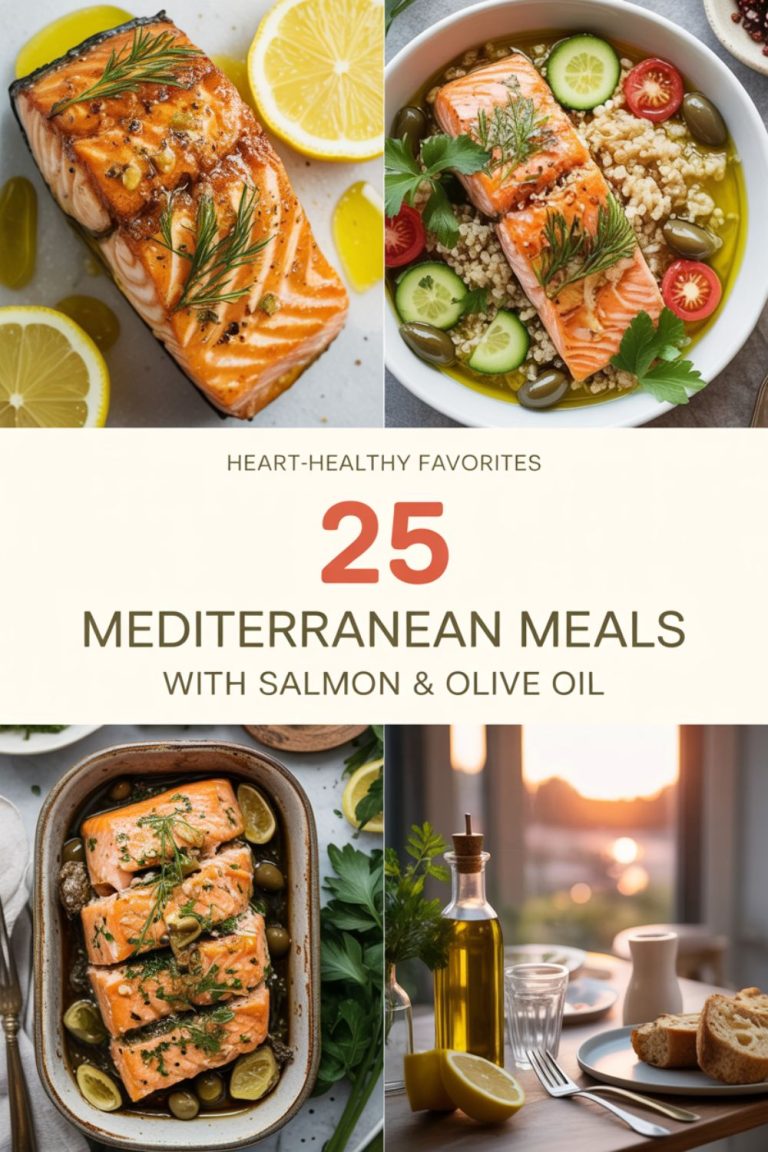
- Fatty fish (salmon, sardines, mackerel) — packed with omega-3s and selenium
- Leafy greens and colorful vegetables — loaded with antioxidants
- Legumes and whole grains — steady energy without blood sugar spikes
- Olive oil — the anti-inflammatory superhero
- Nuts and seeds — especially Brazil nuts for selenium
IMO, this is one of the most sustainable eating patterns out there, especially if you’re managing a thyroid condition long-term. If you’re also dealing with inflammation alongside thyroid issues, you might love the 14-day anti-inflammatory eating plan for women — it pairs beautifully with this approach.
A Few Things to Know Before You Start
Okay, quick heads-up before you start planning your grocery list.
Goitrogens are real, but don’t panic. Raw cruciferous veggies like kale, broccoli, and Brussels sprouts contain compounds that can interfere with thyroid hormone production — but cooking them largely neutralizes this effect. So we’ll be eating plenty of these vegetables, mostly cooked.
Soy and gluten are minimized in this plan. Both can be problematic for people with Hashimoto’s or hypothyroidism. We’re not going full elimination here, but we’re keeping things light on that front.
Brazil nuts are your new best friend. Just 1–2 Brazil nuts per day gives you your full daily selenium requirement. Don’t eat the whole bag. Seriously.
Also — if you love the structure of a longer commitment, the 30-day Mediterranean wellness plan is a fantastic next step after you finish this 14-day plan.
Week 1: Building the Foundation
Day 1
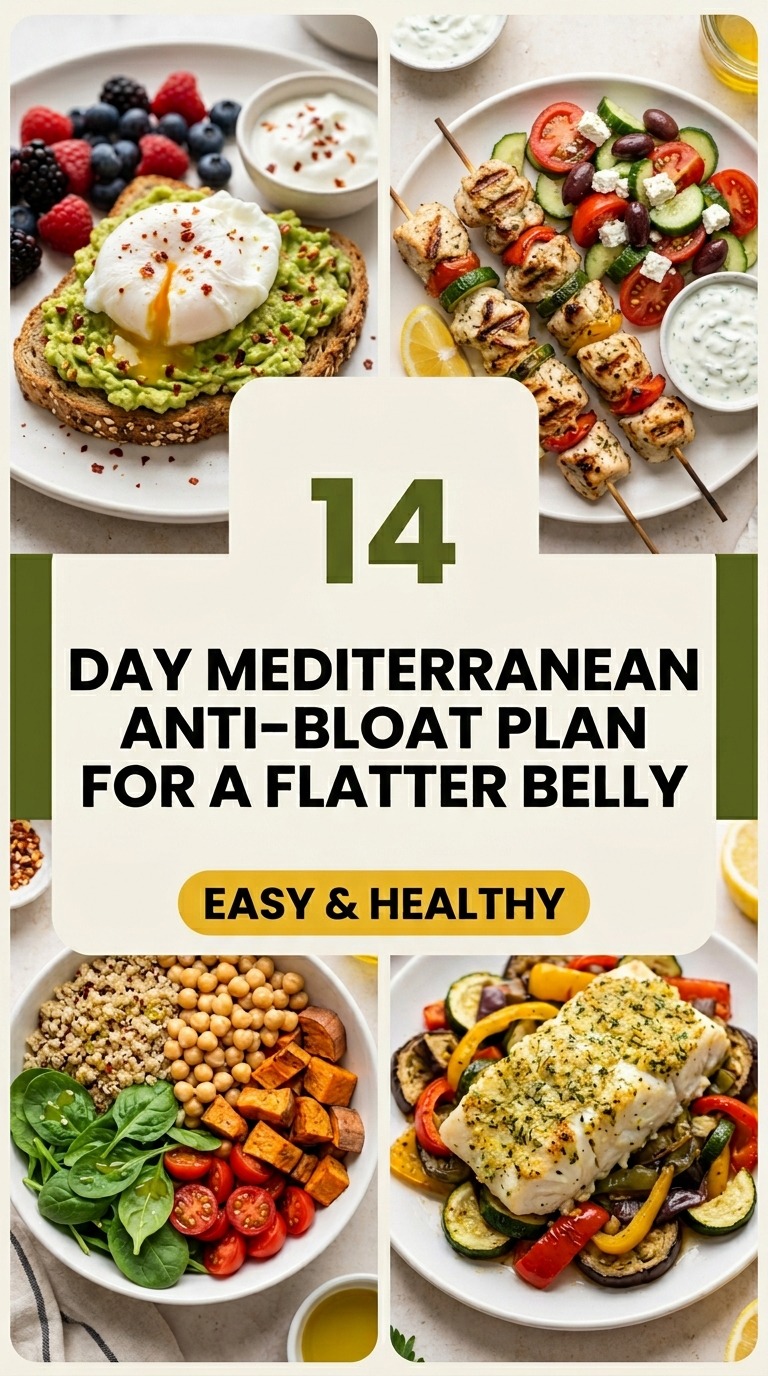
Breakfast: Greek yogurt with walnuts, a drizzle of raw honey, and fresh blueberries
Lunch: Grilled sardine salad with arugula, cherry tomatoes, cucumber, and lemon-olive oil dressing
Dinner: Baked salmon with roasted zucchini and a side of quinoa
Snack: 2 Brazil nuts + a handful of pumpkin seeds
Day 2
Breakfast: Two-egg scramble with spinach, tomatoes, and a drizzle of olive oil — served with a slice of whole grain bread
Lunch: Lentil soup with a wedge of lemon and fresh parsley
Dinner: Mediterranean chicken baked with olives, capers, and cherry tomatoes over brown rice
Snack: Hummus with carrot and cucumber sticks
Day 3
Breakfast: Overnight oats with chia seeds, almond milk, and sliced banana
Lunch: Whole grain pita with hummus, roasted red peppers, and fresh herbs
Dinner: Grilled mackerel with steamed broccoli (lightly cooked!) and roasted sweet potato
Snack: A small handful of mixed nuts and dried figs
Day 4
Breakfast: Smoothie made with spinach, frozen berries, flaxseed, and almond milk — no added sugar
Lunch: Big Mediterranean salad with chickpeas, feta, olives, cucumber, and tomatoes
Dinner: Turkey and vegetable stew with plenty of turmeric and garlic
Snack: 2 Brazil nuts + a small apple
Day 5
Breakfast: Greek yogurt parfait with granola (low sugar) and fresh strawberries
Lunch: Canned tuna tossed with lemon, capers, olives, and whole grain pasta — light and delicious
Dinner: Shrimp sautéed in garlic and olive oil with a side of roasted asparagus and farro
Snack: Walnuts and a couple of Medjool dates
Day 6
Breakfast: Poached eggs over sautéed kale (cooked well) and whole grain toast
Lunch: Chickpea and roasted vegetable bowl with tahini dressing
Dinner: Baked cod with lemon-herb crust, served with roasted root vegetables
Snack: Sliced bell peppers with tzatziki dip
Day 7
Breakfast: Veggie-packed frittata with mushrooms, spinach, and sun-dried tomatoes
Lunch: Greek lentil soup — hearty, warming, and absolutely thyroid-friendly
Dinner: Grilled salmon over a bed of sautéed greens with garlic and lemon
Snack: A small bowl of mixed berries + 2 Brazil nuts
By Day 7, you’ll likely notice steadier energy throughout the day. No dramatic promises here — but most people feel noticeably less sluggish by end of Week 1. That’s the anti-inflammatory magic kicking in. If you want to combine this with gut healing, check out the 7-day gut healing Mediterranean menu — your gut and thyroid are more connected than you might think.
Week 2: Deepening the Habit
Day 8
Breakfast: Chia pudding made with coconut milk, topped with kiwi and pumpkin seeds
Lunch: Grilled chicken wrap in a whole grain pita with tabbouleh and yogurt sauce
Dinner: Baked sea bass with roasted fennel and white beans in tomato sauce
Snack: Almond butter on rice cakes
Day 9
Breakfast: Warm oatmeal with ground flaxseed, cinnamon, and sliced almonds
Lunch: Farro salad with roasted beets, arugula, walnuts, and goat cheese
Dinner: Lamb and vegetable skewers with tzatziki and a Greek side salad
Snack: Handful of sunflower seeds and fresh fruit
Day 10
Breakfast: Two-egg omelet with feta, spinach, and diced tomatoes
Lunch: White bean and kale soup with a squeeze of lemon
Dinner: Baked salmon with capers, olives, and roasted cherry tomatoes over quinoa
Snack: Greek yogurt with a drizzle of honey
Day 11
Breakfast: Smoothie bowl with frozen mango, spinach, hemp seeds, and coconut flakes
Lunch: Grilled sardine and roasted pepper tartine on whole grain bread
Dinner: Mediterranean chicken thighs with artichokes and lemon, served with herbed couscous
Snack: 2 Brazil nuts + a small bunch of grapes
Day 12
Breakfast: Whole grain toast with mashed avocado, a poached egg, and sesame seeds
Lunch: Big chickpea and vegetable stir-fry with olive oil, garlic, and lemon
Dinner: Pan-seared trout with roasted zucchini, bell peppers, and herbed quinoa
Snack: Hummus with sliced radishes and cucumber
Day 13
Breakfast: Greek yogurt with chia seeds, fresh mango, and a sprinkle of flaxseed
Lunch: Lentil and roasted vegetable salad with feta and herbs
Dinner: Baked shrimp with garlic, olive oil, and feta over a bed of wilted spinach
Snack: Mixed nuts and a small pear
Day 14
Breakfast: Veggie-packed shakshuka — eggs poached in spiced tomato and pepper sauce
Lunch: Mediterranean-style turkey and vegetable stuffed bell peppers
Dinner: Celebration dinner — grilled salmon with roasted Mediterranean vegetables, warm whole grain pita, and a Greek salad
Snack: Dark chocolate (70%+) and a small handful of almonds — because you made it!
FYI — Week 2 is where the real habit formation happens. The foods start feeling familiar, the grocery shopping gets easier, and you stop having to think so hard about what to eat.
Key Nutrients This Plan Delivers for Your Thyroid
Let’s break down exactly what your thyroid is getting from this 14-day plan:
- Selenium — from Brazil nuts, sardines, salmon, and sunflower seeds. Essential for converting T4 to active T3 hormone
- Iodine — from seafood, fish, and dairy (Greek yogurt). Your thyroid literally cannot make hormones without iodine
- Zinc — from pumpkin seeds, chickpeas, lamb, and nuts. Supports thyroid hormone synthesis
- Omega-3 fatty acids — from salmon, sardines, flaxseed, and walnuts. Reduces inflammation that can trigger autoimmune thyroid conditions
- Antioxidants (Vitamins A, C, E) — from colorful vegetables and fruits throughout the plan
- Magnesium — from leafy greens, nuts, and seeds. Supports enzyme function and thyroid hormone regulation
- Iron — from legumes, dark greens, and lean meats. Iron deficiency impairs thyroid hormone synthesis
The combination of these nutrients working together is what makes this plan particularly powerful — not any single “superfood.” Want to add even more anti-inflammatory power to your eating? The 30-day anti-inflammation challenge is worth bookmarking for after you complete these 14 days.
What to Drink Throughout These 14 Days
Hydration matters a lot for thyroid function — and what you drink can either support or sabotage your progress.
Drink more of:
- Plain water (aim for 8 glasses daily)
- Green tea — contains antioxidants that support immune balance
- Herbal teas like ginger, turmeric, or chamomile — all anti-inflammatory
- Warm lemon water in the mornings to kickstart digestion
Limit or avoid:
- Excessive coffee (1 cup is fine, 4 is not — especially if you take thyroid medication)
- Alcohol — it directly stresses the thyroid and disrupts hormone balance
- Sugary drinks and sodas — inflammatory and blood-sugar spiking
If you’re a smoothie person, the 7-day anti-inflammatory smoothie meals plan has some genuinely delicious options that work perfectly alongside this meal plan.
Thyroid-Friendly Foods to Always Keep in Your Kitchen
One thing I’ve learned is that meal planning only works when your kitchen is stocked properly. Otherwise you end up staring into the fridge at 7pm and ordering pizza. No judgment — been there.
Here’s what to always have on hand:
- Canned sardines and tuna — quick, cheap, thyroid-friendly protein
- Dried lentils and canned chickpeas — endless meal possibilities
- Quinoa and farro — better than white rice for blood sugar stability
- Extra virgin olive oil — use it on everything, seriously
- Brazil nuts — your daily selenium ritual
- Frozen berries — antioxidants ready to go at any moment
- Greek yogurt (full fat) — protein, probiotics, and iodine in one
- Fresh garlic, lemon, and herbs — the flavor backbone of Mediterranean cooking
For a full breakdown of what to stock, this guide to Mediterranean pantry staples is incredibly helpful.
Common Mistakes to Avoid
Because you’re going to do this right. :/
Don’t eat raw cruciferous veggies in large amounts. I know raw kale salads are everywhere, but if you have thyroid issues — cook them. Even light steaming makes a huge difference.
Don’t skip meals thinking it’ll speed things up. Your thyroid needs consistent fuel. Skipping meals spikes cortisol, which directly suppresses thyroid hormone production.
Don’t obsess over perfection. If Day 6 turns into takeout night because life happened, that’s okay. Pick up where you left off. One meal doesn’t erase two weeks of nourishment.
Don’t forget to take thyroid medication (if applicable) on an empty stomach, well before eating. Many foods — especially high-fiber ones — can interfere with absorption if taken too close to mealtime. Always check with your doctor on timing.
Adapting This Plan for Specific Thyroid Conditions
For Hashimoto’s: Focus extra heavily on gluten reduction and anti-inflammatory foods. The 14-day gluten-free anti-inflammation plan is specifically designed for this and works hand-in-hand with what we’ve built here.
For Hyperthyroidism: You’ll want to be more cautious with iodine-rich foods and may need to limit certain seafood. Work with your doctor on specific quantities.
For general thyroid support: This 14-day plan as written is perfectly balanced and safe for most people looking to support healthy thyroid function through diet.
If hormones are part of the bigger picture for you, the 14-day anti-inflammation hormone balancing plan addresses the thyroid-hormone connection beautifully.
Meal Prep Tips to Make This Actually Doable
Real talk — nobody has time to cook from scratch three times a day, every day. Here’s how to make this plan work with a real life:
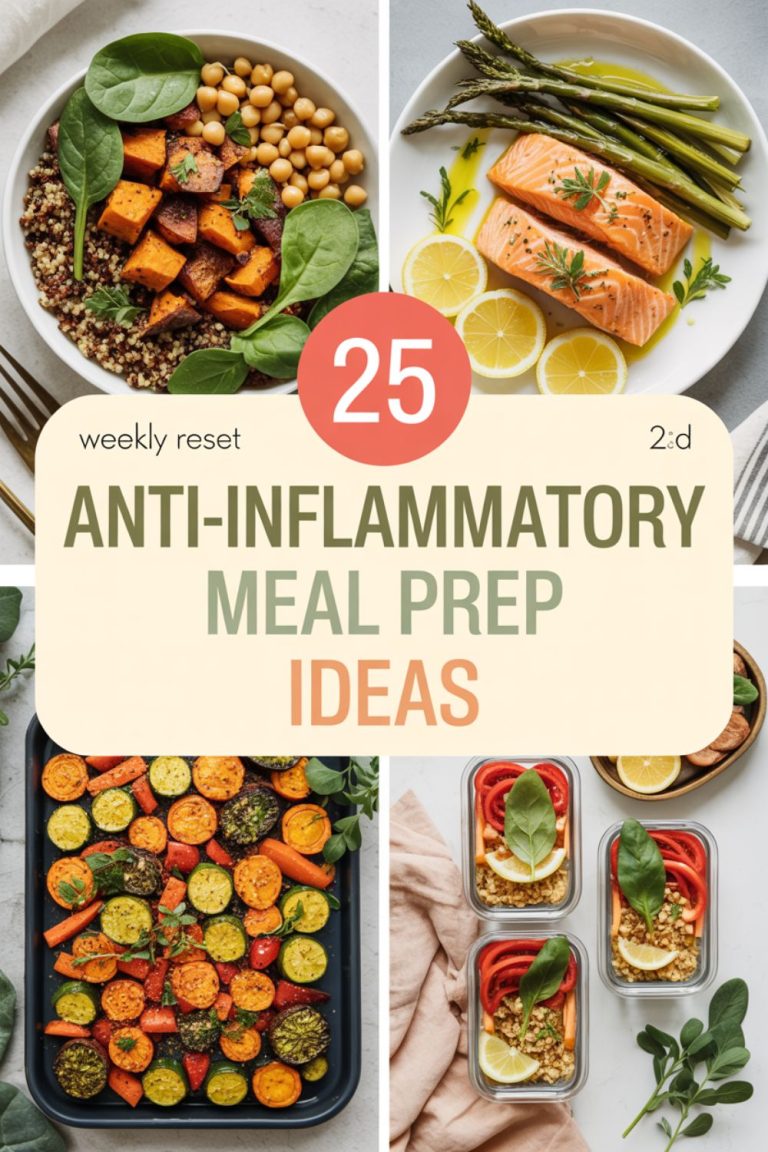
- Batch cook grains on Sunday. A big pot of quinoa or farro lasts 4–5 days in the fridge.
- Pre-boil eggs for quick breakfasts and snacks all week.
- Make a giant batch of lentil soup — it freezes beautifully and saves you on busy nights.
- Chop vegetables in advance and store them in containers so building meals takes minutes.
- Marinate fish the night before so dinner is halfway done before you even start cooking.
For more inspiration on getting ahead of the week, these Mediterranean make-ahead recipes are genuinely worth a look.
Wrapping It Up
Here’s the bottom line: your thyroid responds to how you feed it. This 14-day Mediterranean meal plan gives it the selenium, iodine, zinc, omega-3s, and antioxidants it needs — all wrapped up in food that actually tastes good. No weird supplements, no restrictive crash dieting, no miserable salads.
You’re looking at two weeks of real, satisfying food that supports your thyroid, reduces inflammation, and helps your whole body feel more balanced. That’s a pretty solid trade-off for giving up processed food and excessive coffee for 14 days, don’t you think?
Start with Day 1. Stock your kitchen. Commit to the full two weeks. And if you want to keep the momentum going afterward, the 30-day Mediterranean lifestyle reset is the perfect next chapter.
Your thyroid has been working hard for you. Time to return the favor.