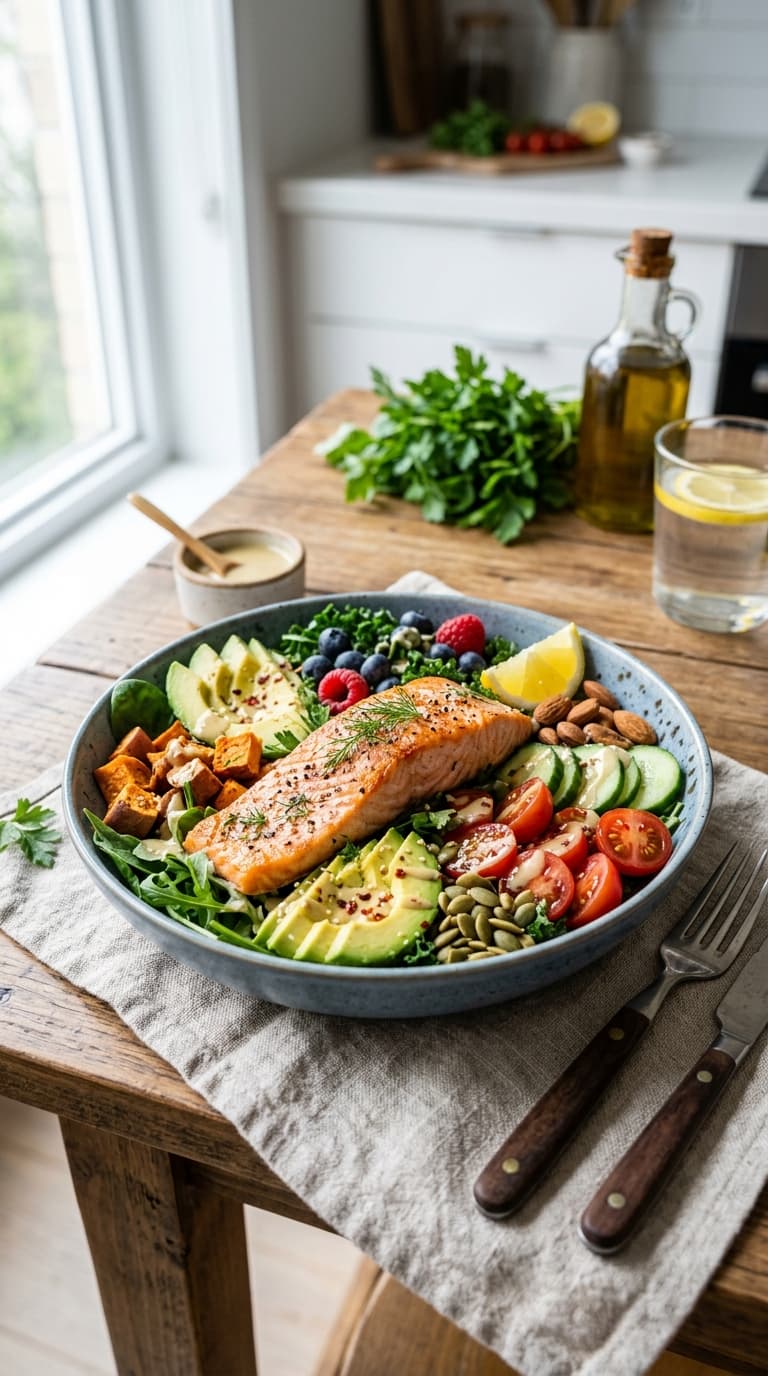


Mediterranean Diet Food Swap Guide (Free Printable)
Mediterranean Diet Food Swap Guide (Free Printable)

Let’s be real — changing the way you eat feels overwhelming at first. You stare at your pantry, look at your usual snacks, and think, “where do I even begin?” But here’s the thing: the Mediterranean diet doesn’t ask you to flip your entire life upside down. It asks you to swap smartly. That’s it. Small, manageable changes that add up to something genuinely amazing for your body.
I started making these swaps a couple of years ago, and honestly, the biggest surprise wasn’t the health benefits — it was how much better the food tasted. More flavor, more color, more satisfaction. So let me walk you through the swaps that actually moved the needle for me, and give you a printable guide you can stick on your fridge.
Why Food Swaps Beat Strict Diets Every Single Time
Nobody wants to be told they can never eat something again. That kind of all-or-nothing thinking is exactly why most diets crash and burn within two weeks. The Mediterranean approach is different — it’s more of a lifestyle upgrade than a punishment plan.
Food swaps work because they’re low-friction. You’re not emptying your kitchen. You’re replacing one thing with something better. Your brain barely notices the shift, but your body absolutely does. And over time, those small wins compound into real results — less inflammation, better energy, clearer skin (seriously, check out these anti-inflammatory foods for clear skin if you’re curious about the connection).
The Mediterranean diet is built on whole grains, healthy fats, lean proteins, legumes, vegetables, and fruit. Once you see how naturally those categories map onto your existing meals, the swaps start feeling obvious rather than forced.
The Master Swap List (Your Printable Reference)
Here’s the core of everything. Print this out, screenshot it, tattoo it on your arm — whatever works for you. 🙂
Fats & Oils
This is the swap that makes the biggest difference, IMO. Most Western diets drown food in butter or low-quality vegetable oils. The Mediterranean approach centers on extra-virgin olive oil, and the flavor upgrade alone is worth it.
- Butter → Extra-virgin olive oil (for cooking, drizzling, even dipping bread)
- Vegetable oil → Olive oil or avocado oil
- Margarine → Mashed avocado or tahini on toast
- Cream-based dressings → Olive oil and lemon vinaigrette
If you want to explore how far olive oil can actually take you in the kitchen, these olive oil recipes inspired by the Mediterranean coast will genuinely surprise you. It’s not just for salads.
Grains & Carbs
White bread isn’t the enemy, but it’s also not doing you any favors. Swapping refined grains for whole or ancient grains gives you more fiber, more nutrients, and — bonus — you stay full longer.
- White bread → Whole grain pita or sourdough
- White rice → Farro, bulgur, or brown rice
- Regular pasta → Whole wheat pasta or lentil pasta
- Crackers → Whole grain crispbreads or seed crackers
- Sugary breakfast cereal → Oats with nuts and fruit
A 14-day high-fiber Mediterranean plan for beginners is a brilliant way to get all of these grain swaps working together in actual meals, rather than trying to figure it out yourself on a Tuesday morning.
Proteins
Red meat every night isn’t a Mediterranean thing. That doesn’t mean you can never have it — it just means it steps back from the spotlight so fish, legumes, and poultry can shine.
- Red meat (daily) → Fish or seafood (2–3x per week)
- Processed deli meats → Grilled chicken or canned tuna
- Beef mince → Lentils or chickpeas in sauces and stews
- Pork sausage → Chicken sausage or white beans
- Protein bars → Greek yogurt with nuts and honey
FYI — Mediterranean chickpea recipes are a complete game-changer if you think legumes are boring. Spoiler: they’re not.
Dairy
Full-fat dairy isn’t banned here — the Mediterranean diet actually includes it. The shift is more about which dairy you’re choosing and how much.
- Processed cheese slices → Feta or fresh mozzarella
- Sour cream → Plain Greek yogurt
- Flavored yogurt with added sugar → Full-fat Greek yogurt with fresh fruit
- Heavy cream in sauces → Strained yogurt or blended white beans
- Ice cream (daily) → Frozen Greek yogurt or fruit sorbet
Greek yogurt really is one of the most versatile ingredients in Mediterranean cooking. If you need proof, these Greek yogurt recipes with a Mediterranean twist cover everything from breakfast bowls to savory dips.
Snacks
Snacking is where a lot of people quietly derail their best intentions. Chips, cookies, candy — they’re everywhere and they’re engineered to be impossible to stop eating. Sound familiar? :/
- Potato chips → Roasted chickpeas or nuts
- Candy → Fresh fruit with a handful of almonds
- Crackers with processed dip → Whole grain crackers with hummus
- Store-bought granola bars → Dates stuffed with nut butter
- Sugary trail mix → Mixed nuts, dried fruit, and dark chocolate
For a more complete list of options that actually keep hunger at bay, these high-fiber snacks that actually fill you up are worth bookmarking.
Condiments & Sauces
This category is sneaky. You might be eating beautifully all day and then undoing it with sugary ketchup, mayo-heavy dressings, or bottled sauces loaded with additives.
- Ketchup → Fresh tomato salsa or harissa
- Mayonnaise → Hummus or avocado spread
- Bottled salad dressing → Olive oil, lemon, garlic, and herbs
- Soy sauce (excess) → Fresh herbs and lemon zest
- Store-bought marinades → Homemade olive oil and herb blends
Beverages
Look, nobody’s asking you to give up coffee. But what you drink alongside your meals matters more than most people realize.
- Sugary sodas → Sparkling water with lemon or cucumber
- Fruit juice → Whole fruit or infused water
- Sweetened iced tea → Unsweetened herbal tea
- Sugary coffee drinks → Black coffee or coffee with a splash of milk
- Energy drinks → Anti-inflammation drinks you can make at home
How to Use This Swap Guide Without Losing Your Mind
Here’s the approach that worked for me: pick three swaps per week. Not all of them at once. Not a complete pantry overhaul on a Sunday afternoon. Just three.
Week one, you swap butter for olive oil, white rice for farro, and chips for roasted chickpeas. That’s it. You live with those changes, they become normal, and then you add three more the following week.
If you want a structured version of this approach, a 7-day Mediterranean meal plan for beginners takes all the guesswork out of how these swaps fit into actual daily eating.
Stocking Your Pantry for Success
You can’t make Mediterranean swaps if your pantry is working against you. The goal is to make the healthy choice the easy choice — and that means having the right stuff on hand.
Essential pantry items to always keep stocked:
- Extra-virgin olive oil (get a good one — it matters)
- Canned chickpeas, lentils, and white beans
- Whole grain pasta and farro
- Canned tomatoes and tomato paste
- Tahini and natural nut butters
- A solid range of dried herbs — oregano, thyme, cumin, smoked paprika
- Lemons (always lemons)
- Quality olives and capers
For a more comprehensive list, these 21 Mediterranean pantry staples to always keep covers everything you need to make weeknight cooking genuinely effortless.
Meal-by-Meal Swap Ideas
Sometimes it helps to think about swaps in context. Here’s how a typical day can transform without feeling like you’re depriving yourself of anything.
Breakfast
Instead of sugary cereal or a buttery pastry, try:
- Overnight oats with walnuts, berries, and a drizzle of honey
- Whole grain toast with smashed avocado, a poached egg, and chili flakes
- Greek yogurt bowl with sliced figs, pistachios, and a dash of cinnamon
If breakfast is your weak spot, these 23 high-fiber breakfasts for all-day energy give you more ideas than you’ll know what to do with.
Lunch
Goodbye sad desk sandwich, hello actual lunch. The Mediterranean approach to midday eating is light, colorful, and genuinely satisfying.
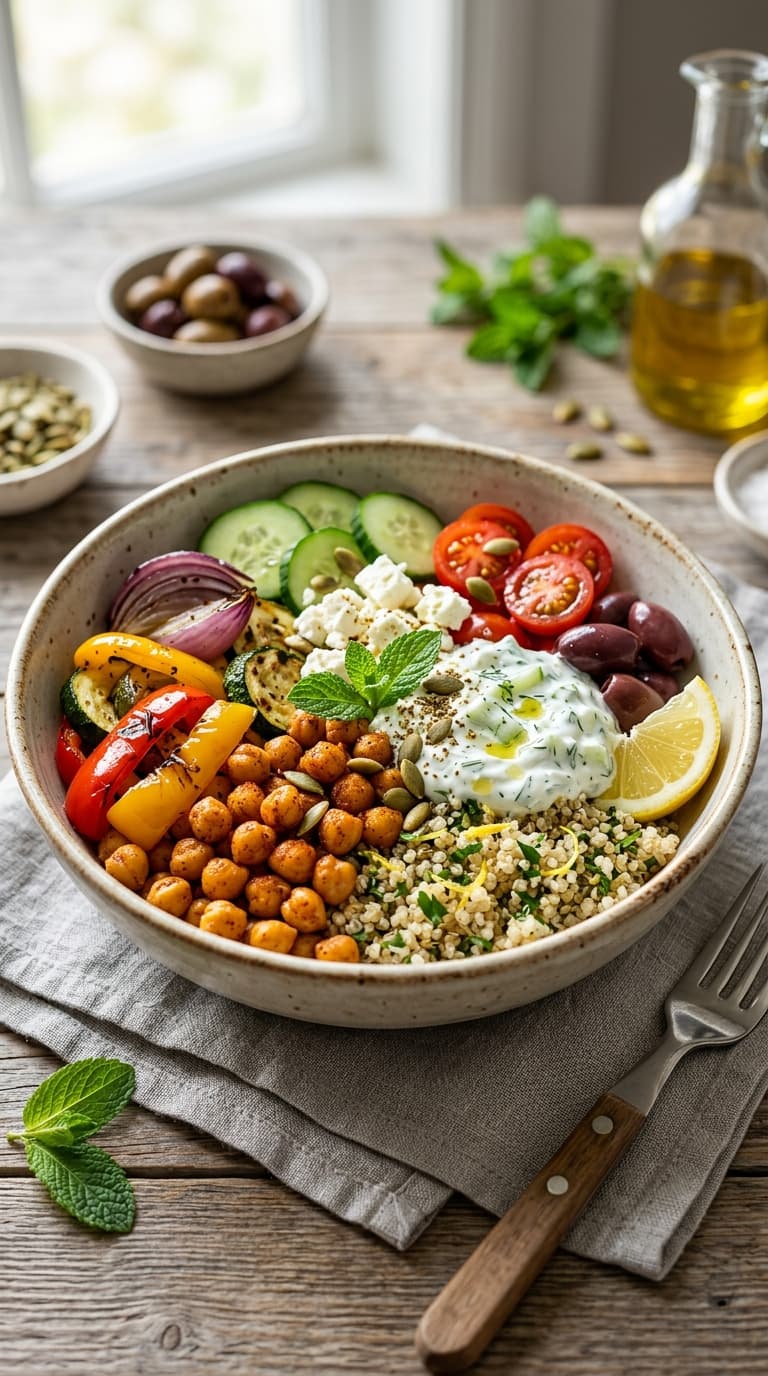
- A chickpea and roasted veggie grain bowl instead of a fast food wrap
- Lentil soup with crusty whole grain bread instead of canned soup and white crackers
- A big Mediterranean salad with feta, olives, and grilled chicken instead of a creamy pasta salad
For more lunch inspiration that travels well, these 22 Mediterranean lunches perfect for work are a lifesaver during busy weeks.
Dinner
This is where the biggest traditional swaps happen — moving away from the classic meat-and-potato template toward something more varied and vegetable-forward.
- Pasta bolognese with beef → Lentil bolognese with whole wheat pasta
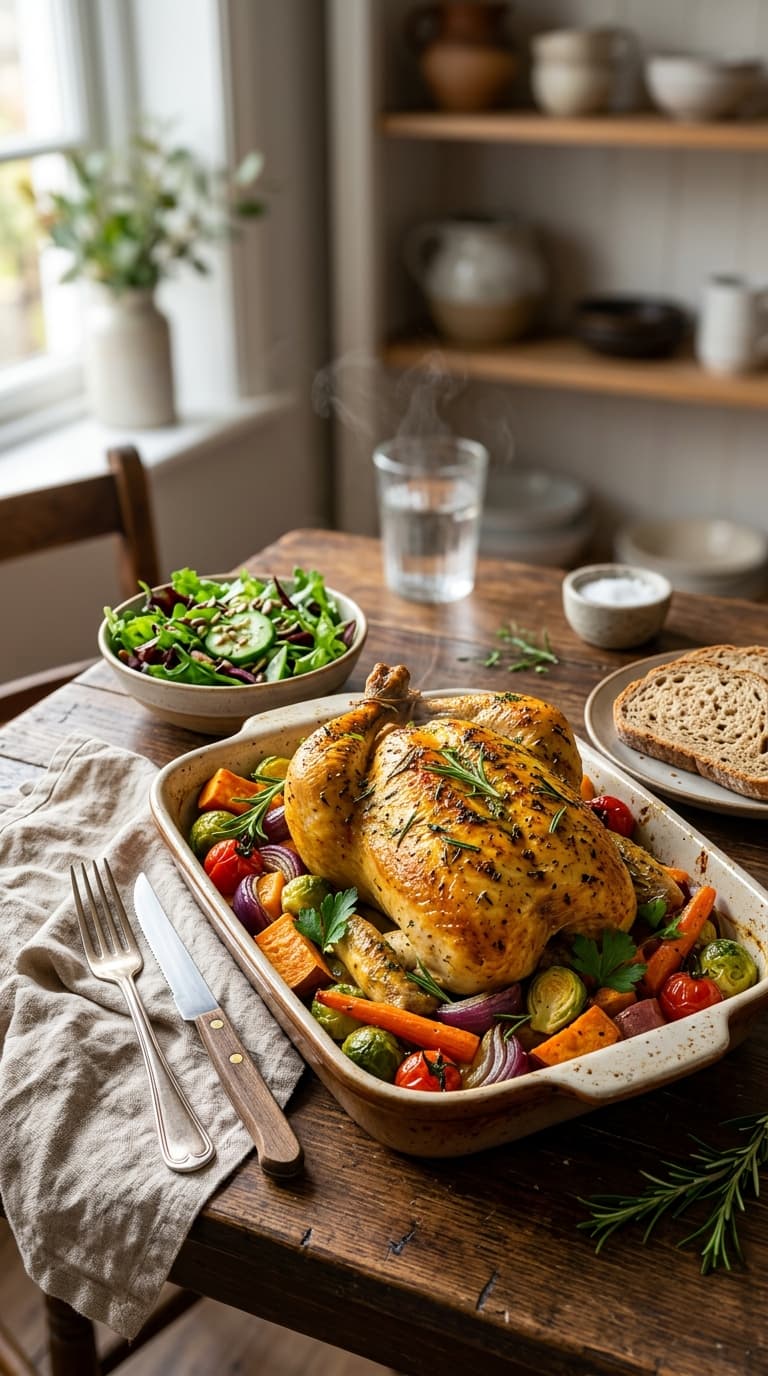
- Fried chicken → Herb-marinated baked chicken with roasted vegetables
- Takeout pizza → Homemade whole grain flatbread with tomatoes, fresh mozzarella, and basil
If you want dinner ideas that are genuinely fast and don’t require culinary school training, these 21 easy Mediterranean weeknight dinners under 30 minutes are exactly what busy evenings call for.
What About Eating Out?
Making swaps at home is one thing. But what happens when you’re at a restaurant and the menu is working against you? This is where people tend to throw the whole thing out the window — and honestly, that’s an overreaction.
A few simple rules for eating out Mediterranean-style:
- Ask for olive oil and vinegar instead of butter or creamy dressing
- Choose fish or chicken over beef or pork when possible
- Ask for extra vegetables instead of fries
- Swap white bread rolls for a side salad if possible
- Choose fresh fruit or dark chocolate for dessert over pastries
The goal isn’t perfection. The goal is mostly better, most of the time. That’s sustainable. That’s realistic.
A Note on Inflammation (Because It Matters More Than You Think)
One reason the Mediterranean diet gets so much attention from doctors and researchers is its powerful anti-inflammatory effect. Chronic low-grade inflammation sits underneath a huge range of modern health issues — fatigue, joint pain, skin problems, digestive issues, and more.
The swaps in this guide directly address that. Replacing refined oils with olive oil, processed meats with fish and legumes, and refined sugar with whole fruit all reduce inflammatory load on the body. If you’re dealing with any of those symptoms and want a more targeted approach, a 7-day anti-inflammation reset with simple meals is a solid starting point. And for women specifically, the 14-day anti-inflammatory eating plan for women addresses some of the hormonal dimensions that make this especially relevant.
Your Free Printable Cheat Sheet
Here’s a condensed version you can print and stick somewhere visible. No clutter, no overwhelm — just the essentials at a glance.
MEDITERRANEAN DIET FOOD SWAP — QUICK REFERENCE
| Instead of… | Choose… |
|---|---|
| Butter | Extra-virgin olive oil |
| White bread | Whole grain pita or sourdough |
| White rice | Farro, bulgur, or brown rice |
| Red meat daily | Fish 2–3x per week |
| Processed cheese | Feta or fresh mozzarella |
| Flavored yogurt | Plain Greek yogurt |
| Chips | Roasted chickpeas or nuts |
| Sugary drinks | Herbal tea or infused water |
| Cream dressings | Olive oil and lemon |
| Deli meats | Canned tuna or grilled chicken |
Print this. Use it. Come back to it when you feel like you’re losing momentum.
The Bottom Line
The Mediterranean diet isn’t about restriction — it’s about upgrading. Every swap on this list gives you something better in return. More flavor, more nutrients, more satisfaction, and less of the stuff that quietly works against your health over time.
You don’t have to be perfect. You don’t have to swap everything at once. Pick one meal, make one change, and let it stick before you add the next. That’s genuinely how this works.
And if you’re ready to take it further than just individual swaps, a 30-day Mediterranean wellness plan gives you the full structure — meals, ingredients, and a roadmap that takes the daily decision fatigue completely off your plate (pun absolutely intended).
Start small. Swap smart. Your future self will absolutely thank you. 🙂