

19 Mediterranean Salad Platters for Parties
Fresh, colorful, impossibly easy — the crowd-pleasers your table has been waiting for.
Let’s be real for a second: most party food is either sad little crackers with mystery dip, or something so complicated you spend more time cooking than actually talking to anyone. Mediterranean salad platters are neither of those things. They are vivid, fresh, almost embarrassingly easy to pull together, and they look like you spent way more effort than you actually did. Which, frankly, is exactly the kind of cooking energy we should all be chasing.
I started leaning hard into Mediterranean-style platters after one too many dinner parties where I showed up exhausted from the kitchen. These salads basically assemble themselves. Chop, toss, drizzle a generously good glug of extra virgin olive oil, done. Your guests will hover around the platter like it owes them money, and you’ll be the chill host who actually gets to enjoy the party.
Below, I’ve gathered 19 of my favorite Mediterranean salad platter ideas — everything from classic Greek and Caprese-style builds to grain-loaded bowls and stunning mezze spreads. Whether you’re hosting a casual backyard gathering, a holiday brunch, or a dinner party that needs to look intentional without demanding three hours of your life, there’s something here for you. Let’s get into it.
Why Mediterranean Salad Platters Work So Well for Parties
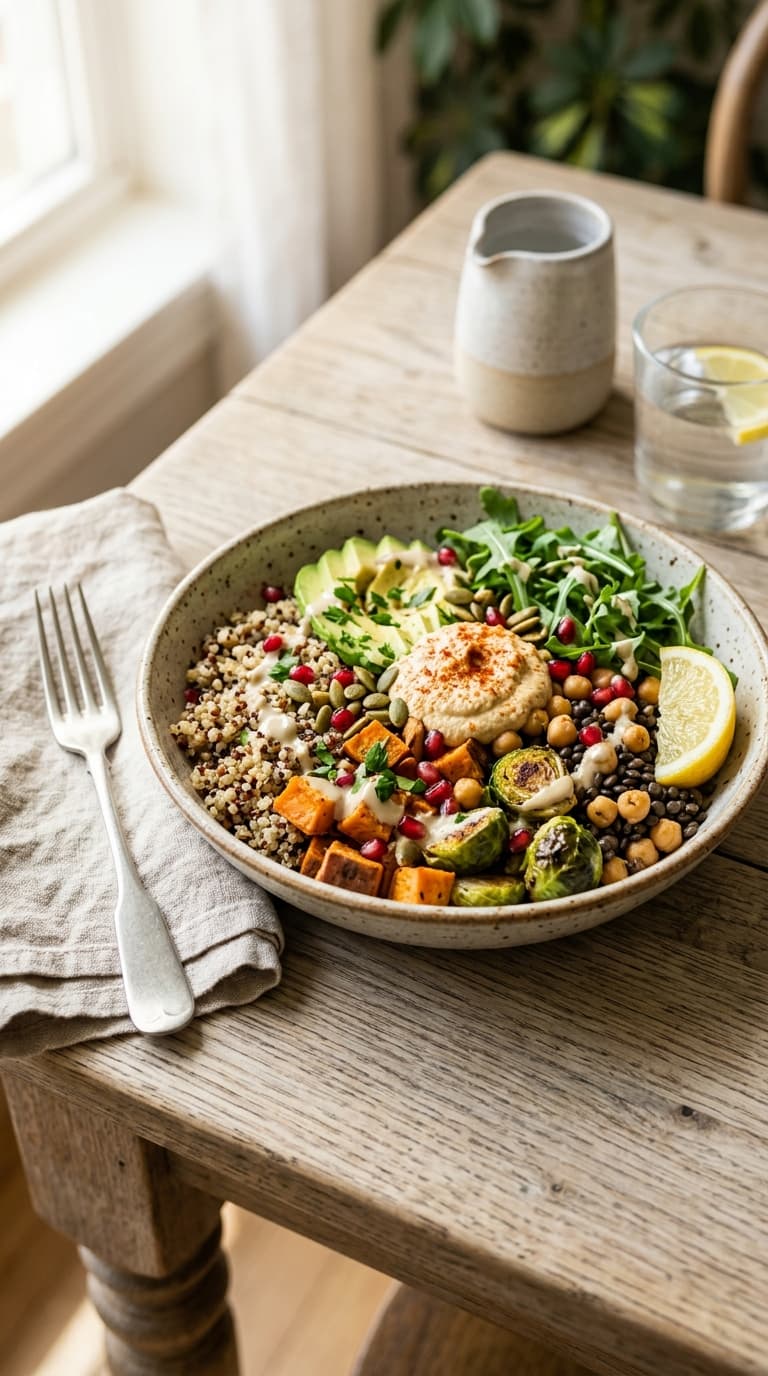
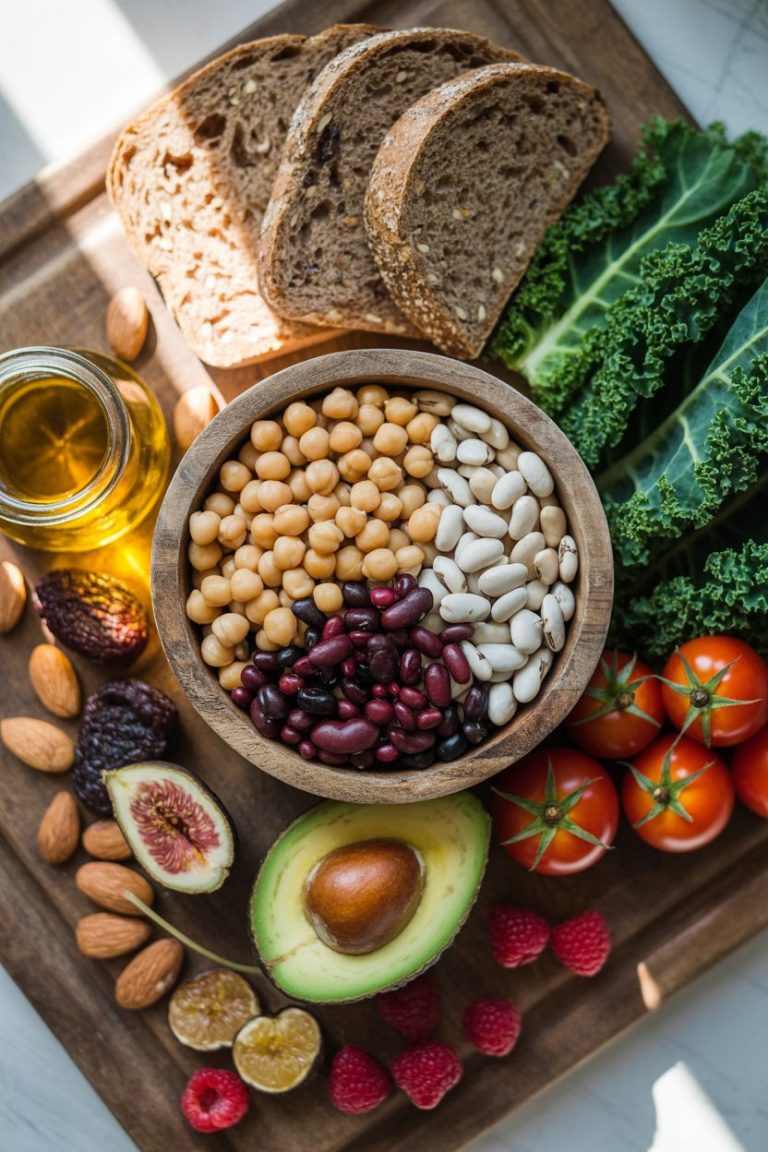
The secret honestly isn’t a secret at all: Mediterranean ingredients are just naturally beautiful. Deep greens, jewel-red tomatoes, ivory feta, golden olive oil. You barely have to do anything and the platter looks styled. Put it on a wooden board and people genuinely think you planned it.
There’s also the practical side of things. Most of these salads hold up beautifully at room temperature for two to three hours, which means no frantic reheating, no stress about timing. You prep them, set them out, and they do the work while you do the hosting. That’s the whole game right there.
And from a health standpoint, the ingredients in these platters are legitimately doing your guests a favor. According to Healthline’s coverage of Mediterranean diet research, a diet rich in vegetables, legumes, healthy fats, and fresh herbs is consistently linked to reduced inflammation, better heart health, and lower risk of chronic disease. So yes, your party platter is practically a wellness plan. You’re welcome.
IMO the bigger underappreciated win is how accommodating these platters are. Most recipes here are naturally gluten-free, vegetarian-friendly, and easy to adapt for dairy-free guests just by swapping feta for a plant-based alternative or a handful of toasted pine nuts. Check out these 15 dairy-free Mediterranean recipes for sensitive stomachs if you want to go that route entirely.
The 19 Mediterranean Salad Platters
Classic Greek Salad Platter
This is the undeniable crowd anchor — thick-cut cucumber, ripe tomatoes, thinly sliced red onion, green and Kalamata olives, and a generous slab of feta cheese rather than crumbles. The slab presentation looks spectacular on a platter. Dress it with extra virgin olive oil, red wine vinegar, dried oregano, and a pinch of flaky sea salt right before serving so nothing gets soggy.
Pair this with warm pita on the side. People absolutely lose their minds when they get to tear pita and drag it through the olive oil pooling at the bottom of the platter. It’s a physical reflex at this point.
Get Full RecipeRoasted Red Pepper and Chickpea Salad Platter
Roasting your own peppers sounds like a project, but it takes about 20 minutes under a broiler and the flavor payoff is enormous compared to jarred. Toss those smoky strips with rinsed chickpeas, flat-leaf parsley, a squeeze of lemon, and a drizzle of your best olive oil. Chickpeas bring protein and staying power — guests actually feel satisfied rather than just snacking.
This one also happens to be naturally vegan, which I always appreciate having somewhere on the spread. For more variations in this style, check out these 19 Mediterranean chickpea recipes for clean eating.
Get Full RecipeCaprese-Style Heirloom Tomato Platter
Slice a rainbow of heirloom tomatoes — yellow, deep red, dark purple, orange — and layer them with torn fresh mozzarella or burrata if you want to go full luxury mode. Tuck in large basil leaves between every few slices. The visual alone stops people in their tracks.
Finish with a balsamic glaze drizzle and flaky salt. It sounds basic, but honestly the quality of your tomatoes is doing all the heavy lifting here. Peak summer tomatoes make this almost unbearably good. Off-season, go with slow-roasted cherry tomatoes instead — totally different vibe, equally delicious.
Get Full RecipePrep all your chopped vegetables the night before and store them separately. Day-of assembly takes under 10 minutes and everything still looks and tastes freshly made.
Tabbouleh Platter with Cucumber and Lemon
Real tabbouleh is mostly herb, not mostly grain — that’s the thing people get wrong. Flat-leaf parsley and fresh mint should dominate, with fine bulgur wheat playing a supporting role. Add very finely diced tomato and cucumber, lemon juice, olive oil, and salt. This salad gets better as it sits, making it a rare party food that actually wants to be made ahead.
Serve it in a shallow wide bowl on a platter surrounded by romaine spears or endive leaves for scooping. Instantly elegant, zero cooking required.
Get Full RecipeFattoush Salad Platter with Crispy Pita Chips
Fattoush is essentially the Lebanese answer to panzanella — a hearty chopped salad finished with shards of toasted or fried pita bread. The sumac in the dressing gives it a tangy, citrusy edge that is genuinely unlike anything else. Sumac is the ingredient worth tracking down; it transforms a good salad into a memorable one.
For the pita chips, brush torn pita pieces with olive oil, sprinkle with za’atar, and bake at 400°F until golden and crisp. Add them to the platter at the very last minute so they keep their crunch.
Get Full RecipeMezze Salad Board with Hummus, Olives, and Stuffed Peppers
This is less a single salad and more a curated board — which is exactly why it works at parties. Anchor it with a wide bowl of hummus drizzled with olive oil and smoked paprika. Fan sliced peppers, cucumber batons, and radishes around it. Tuck in Castelvetrano olives, stuffed grape leaves, and a small dish of marinated artichoke hearts.
Everything on this board is grab-and-go friendly, which people genuinely appreciate when they’re standing and talking. No awkward fork navigation required.
Get Full RecipeSpeaking of party-ready Mediterranean spread ideas, if you’re building out a full entertaining menu beyond these salads, you’ll find a lot of inspiration in these 25 Mediterranean appetizers that wow every guest, or go straight to this collection of 15 Mediterranean appetizers perfect for any party or gathering for ideas that pair beautifully with a salad platter centerpiece.
Orzo Salad Platter with Sun-Dried Tomatoes and Spinach
Cooked orzo at room temperature with lots of olive oil, baby spinach, chopped sun-dried tomatoes, fresh basil, toasted pine nuts, and crumbled feta. This one feeds a serious crowd because the pasta adds bulk without making it feel heavy. It’s that rare combination: substantial enough to be a meal, light enough that people go back for seconds.
Dress it generously — orzo absorbs olive oil like it’s on a mission, and you want it slicked and glossy, not dry and clumped. If you’re looking for more pasta inspiration that stays in the healthy lane, these 20 Mediterranean pasta recipes bursting with flavor are worth bookmarking.
Get Full RecipeRoasted Vegetable and Quinoa Salad Platter
Sheet-pan roasted zucchini, eggplant, cherry tomatoes, and red onion tossed with cooked quinoa, lemon zest, fresh mint, and a tahini-lemon dressing. The tahini dressing is non-negotiable — it ties everything together with a nutty creaminess that makes the whole thing feel complete.
Quinoa provides a complete protein profile, which is the kind of detail that matters when you’re feeding vegetarian guests who want more than a side dish at your party. Serve at room temperature, which is when the flavors are at their peak anyway.
Get Full RecipeWatermelon, Feta, and Mint Platter
Yes, this is a real salad, and yes, it’s as spectacular as it sounds. Layer thick watermelon triangles with crumbled feta, fresh mint leaves, and sliced cucumber. A drizzle of honey, a tiny pinch of chili flakes, and a squeeze of lime transforms it into something people will talk about.
This works best in summer obviously, but it also works surprisingly well in early fall with good greenhouse watermelon. It’s visually stunning on a platter — the hot pink against white feta and green mint looks almost theatrical.
Get Full RecipePanzanella Platter with Crusty Bread and Heirloom Tomatoes
Classic Tuscan bread salad, elevated for platters. Cube day-old ciabatta, toss with olive oil, and toast until golden. The bread needs to be properly crunchy before it hits the tomatoes, or the whole thing goes to mush too fast. Combine with thick tomato wedges, torn basil, capers, and a sharp red wine vinegar dressing.
For that toasted bread, I use a heavy cast iron skillet rather than the oven — it crisps the edges faster and gives you more control over color. Totally optional, but you end up with better texture.
Get Full RecipeLentil Salad Platter with Roasted Beets and Goat Cheese
French green lentils hold their shape beautifully, which makes them perfect for platters. Toss them with roasted beet cubes, crumbled goat cheese, walnuts, and a shallot-Dijon vinaigrette. The combination of earthy lentils, sweet beets, and tangy cheese sounds like it shouldn’t work, and yet it absolutely does.
Lentils also bring serious nutritional weight — high in fiber, plant-based protein, and iron — which makes this one of the more genuinely nourishing platters on the list. Research from Medical News Today on Mediterranean diet ingredients consistently highlights legumes and olive oil as two of the most impactful elements of a heart-healthy eating pattern. This platter has both in good measure.
Get Full RecipeAlways dress grain-based and legume-based platters while still slightly warm — they absorb the dressing more deeply and taste far more seasoned than when dressed cold.
Shaved Fennel and Orange Salad Platter
Thinly shaved fennel — use a mandoline slicer for paper-thin results that make the whole platter look professional — layered with blood orange or navel orange supremes, Castelvetrano olives, red onion slivers, and fresh dill. The anise note of fennel against sweet citrus is genuinely elegant.
Dress with olive oil, lemon juice, honey, and a pinch of salt. This one has a visual drama that makes people reach for their phones before their forks, which is the highest compliment a platter can receive.
Get Full RecipeGrilled Halloumi and Tomato Platter
Halloumi is a complete party trick in salad form. It grills without melting, giving you golden, slightly chewy slabs with a satisfying savory bite. Layer grilled halloumi slices with thick tomato rounds, roasted red onion, fresh thyme, and a drizzle of za’atar oil.
Use a ridged grill pan for indoor prep — you get those gorgeous char marks without needing to fire up the outdoor grill. The whole platter comes together in under 20 minutes and it looks absolutely restaurant-level.
Get Full RecipeIf you’re planning a full Mediterranean party spread and want salad platters alongside more substantial dishes, the 17 Mediterranean diet recipes for hosting that will actually impress people is a goldmine for building out a complete menu. And for a lighter spring or summer spread, these 23 anti-inflammatory spring salads with fresh herbs pair incredibly well as companion platters.
Chickpea and Quinoa Bowl Platter
Cooked quinoa, rinsed chickpeas, diced cucumber, cherry tomatoes, Kalamata olives, sun-dried tomato strips, fresh parsley, and a lemon-garlic dressing. This platter is basically a protein delivery system disguised as something delicious. Chickpeas and quinoa together cover all nine essential amino acids — so yes, it’s a complete protein in salad form.
It also scales effortlessly. Need to feed 20 people? Just double the batch. The ingredient ratios stay forgiving no matter the size. If this bowl approach speaks to you, check out these 23 Mediterranean chickpea quinoa bowls you’ll want on repeat.
Get Full RecipeRoasted Eggplant and Pomegranate Salad Platter
Roasted eggplant cubes with a deeply caramelized exterior, tossed with pomegranate seeds, toasted walnuts, fresh mint, and a pomegranate molasses dressing. The burst of pomegranate jewels against dark roasted eggplant is one of the most visually striking platters you can put together.
This one leans Middle Eastern in influence — which is squarely within the Mediterranean flavor universe — and the sweet-tart-smoky combination surprises people in the best possible way. Prepare the roasted eggplant up to a day ahead and assemble the platter fresh.
Get Full RecipeNicoise-Inspired Platter with Tuna and Green Beans
A composed Nicoise is the kind of platter that reads as genuinely sophisticated. Blanched green beans, halved boiled eggs, quality oil-packed tuna, cherry tomatoes, radishes, olives, and boiled baby potatoes arranged in distinct sections on a platter rather than tossed together. The visual organization is the whole point.
Use a good large serving platter with some depth for this one — you want room for all the components without everything tumbling into each other. Dress each section lightly just before serving with a Dijon anchovy vinaigrette.
Get Full RecipeCucumber, Dill, and Yogurt Salad Platter
This is essentially tzatziki’s slightly looser, more salad-forward cousin. Thick sliced cucumber, fresh dill, garlic, strained Greek yogurt thinned with a little olive oil and lemon. It’s cool, tangy, and incredibly refreshing alongside richer platters.
Serve it on a wide, shallow plate and garnish with a thread of olive oil and a scattering of fresh dill fronds. It works as both a salad and a dip simultaneously, which makes it one of the most versatile options on this list. FYI, this one is also fantastic alongside grilled protein dishes if you’re building a full spread.
Get Full RecipeArugula, Walnut, and Pear Salad Platter
Peppery arugula with thinly sliced ripe pear, toasted walnuts, shaved Parmesan, and a sharp lemon-honey-olive oil dressing. This platter bridges the gap between salad and cheese course, which makes it perfect as a starter or alongside heavier mains.
Toast the walnuts in a dry pan for three to four minutes until fragrant — it makes a disproportionate difference to the flavor. You can also use a small countertop toaster oven to toast large batches without hovering over the stovetop. Less babysitting, more consistent results.
Get Full RecipeHerbed Farro and Roasted Tomato Platter
Farro is one of those ancient grains that feels somewhat underused in home kitchens, which is a genuine shame. Nutty, chewy, and incredibly satisfying, it makes a perfect base for slow-roasted cherry tomatoes, fresh basil, torn mozzarella, and a good hit of balsamic vinegar. Finish with a drizzle of olive oil and a scattering of toasted sunflower seeds for texture.
This platter works warm or at room temperature, which gives you flexibility in timing. It also works beautifully as a next-day leftover — the farro keeps its structure overnight and the flavors actually deepen. Use a wide, flat-bottomed salad bowl for serving; farro platters need a little height to look their best.
Get Full RecipeBuild your platters on wooden boards rather than plates when possible — the natural texture and warm tones make every ingredient look more intentional and the whole spread photograph-ready.
Kitchen Tools That Make These Platters Easier
These are the things I actually use when I’m pulling together Mediterranean platters. Nothing aspirational here — just genuinely useful tools that make the prep faster and the results better.
Physical Tools
Paper-thin fennel and cucumber slices in seconds. Changes the look of any platter dramatically.
Doubles as a prep surface and a serving platform. The grain on good acacia wood makes everything look styled.
Lets guests add their own olive oil and vinegar. Also looks genuinely nice on a table without trying.
Digital Resources
Printable PDF — perfect for planning your full party menu around the week’s meals.
Seasonal salad inspiration beyond this list. Great for mixing and matching platter ideas.
Shows you how to batch-prep salad components ahead so party day is genuinely stress-free.
How to Build a Party Platter That Actually Looks Good
Technique matters here more than people realize. The most common mistake is overcrowding — piling everything onto one surface until it becomes an indistinguishable heap. Give each component its own zone on the platter. Loose, casual arrangement within those zones looks intentional. Chaos looks like chaos.
Start with your largest, most colorful components first — tomatoes, roasted vegetables, grain bases — and build around them. Tuck smaller elements like olives, capers, and fresh herbs into the gaps. Fresh herbs are the single easiest way to make a platter look finished rather than assembled. A handful of basil or flat-leaf parsley scattered over the top does more visual work than any fancy garnish.
For dressings, drizzle them on right before guests arrive rather than when you first assemble. This prevents soggy greens and keeps everything looking vibrant. Keep a small pitcher of extra dressing on the side so people can add more — guests always appreciate the option.
If you’re looking to pair your salad platters with a full structured eating approach that makes both everyday meals and entertaining feel more intentional, the 30-day Mediterranean wellness plan is worth a look — it gives you a solid framework for building these kinds of meals consistently, not just on party days.
Frequently Asked Questions
Can I make Mediterranean salad platters ahead of time?
Most of these platters can be fully prepped two to four hours ahead and held at room temperature without issue. For anything with delicate greens like arugula or fresh herbs, keep those components separate and add them right before guests arrive. Grain-based and legume-based platters like tabbouleh and lentil salad actually taste better when made ahead.
How do I keep salad platters from getting soggy at a party?
The key is adding dressings at the last possible moment, and keeping wet ingredients like tomatoes separate from absorbent ingredients like bread or cooked grains until service. For longer parties, hold back about a third of the undressed ingredients and refresh the platter halfway through. A small bowl of extra dressing on the side also lets guests control their own experience.
What is the best olive oil to use for Mediterranean salad dressings?
Extra virgin olive oil is the answer every time for raw applications and dressings. It retains more polyphenols and antioxidants than refined olive oil because it undergoes minimal processing, and the flavor difference in a simple dressing is substantial. Look for a harvest date on the bottle — fresher oil means better flavor and higher antioxidant content.
How much salad do I need per person for a party platter?
As a side dish platter alongside other food, plan for roughly half a cup of dressed salad per person. As a more central part of the spread — especially grain-based salads like tabbouleh or farro — budget closer to one full cup per person. When in doubt, make more than you think you need. These salads hold well and make excellent next-day lunches.
Are Mediterranean salad platters suitable for vegan and gluten-free guests?
The majority of these platters are naturally gluten-free — just verify that any grain like farro or bulgur is swapped for quinoa or rice for celiac guests. For vegan guests, most of the dairy elements (feta, halloumi, mozzarella) can be omitted or substituted with marinated tofu, extra olives, or a plant-based cheese. The vegan Mediterranean recipes collection has thorough substitution ideas if you want to go fully plant-based.
The Bottom Line
Mediterranean salad platters are genuinely one of the best things you can bring to — or host at — a party. They look like effort, taste like craft, and take a fraction of the time of most elaborate party food. The 19 ideas here range from five-minute assembly projects to slightly more involved composed platters, so there’s a genuinely good fit for whatever kind of host you are or want to be.
Start with one or two that feel exciting to you, get comfortable with the format, and then start mixing and matching components across different platters as you develop your own style. That’s really where the fun begins — when you stop following exact recipes and start using Mediterranean ingredients as a flavor language you know well enough to improvise with.
Your next party spread is going to be the one people are still talking about a month later. That’s not a guarantee, but it’s pretty close.