
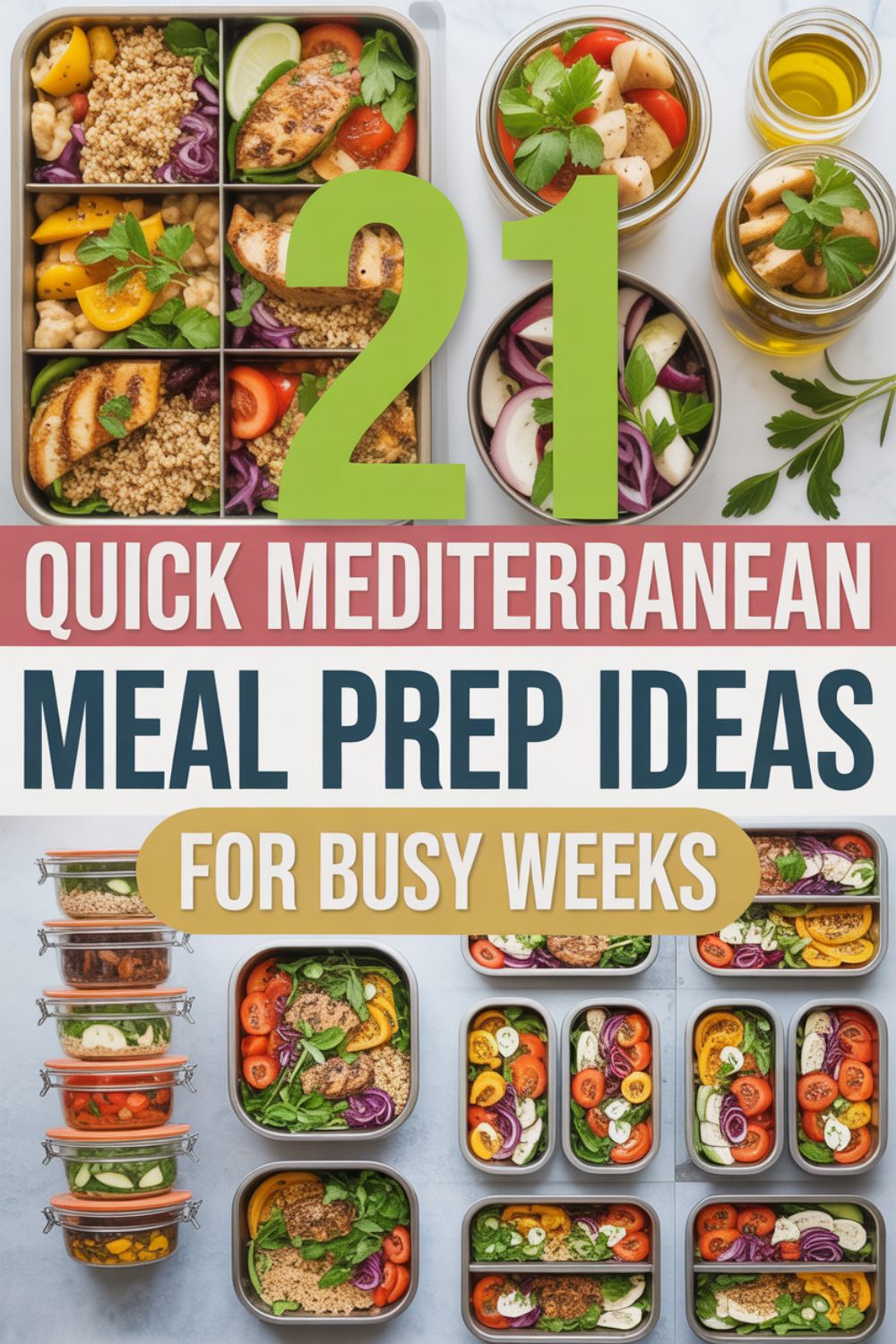
21 Quick Mediterranean Meal Prep Ideas for Busy Weeks
Look, we both know what happens on a Wednesday night when you’ve worked late, the fridge looks like a wasteland, and the takeout menu is staring you down. You cave. You order. And by Thursday morning, you’re promising yourself—again—that next week will be different.
Here’s the thing: it actually can be. Mediterranean meal prep isn’t about turning your kitchen into a meal-prep factory or eating sad desk salads for five days straight. It’s about working smarter, not harder—and eating food that actually tastes good while doing it.
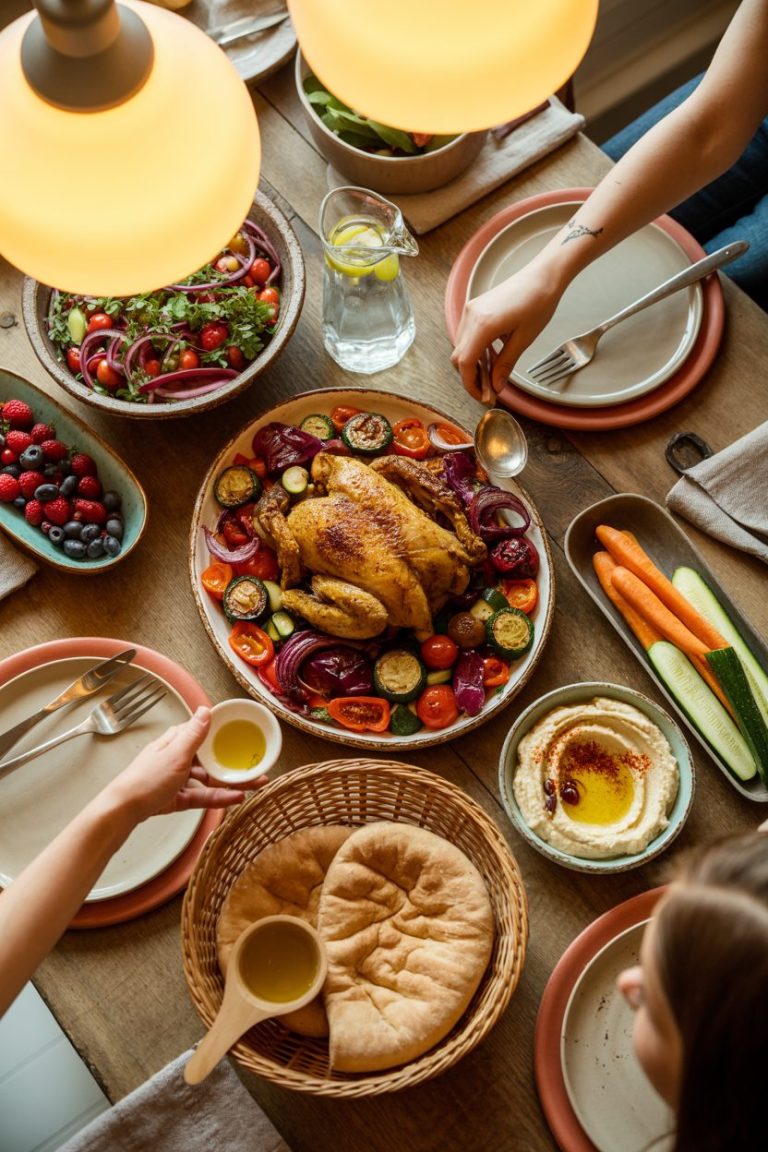
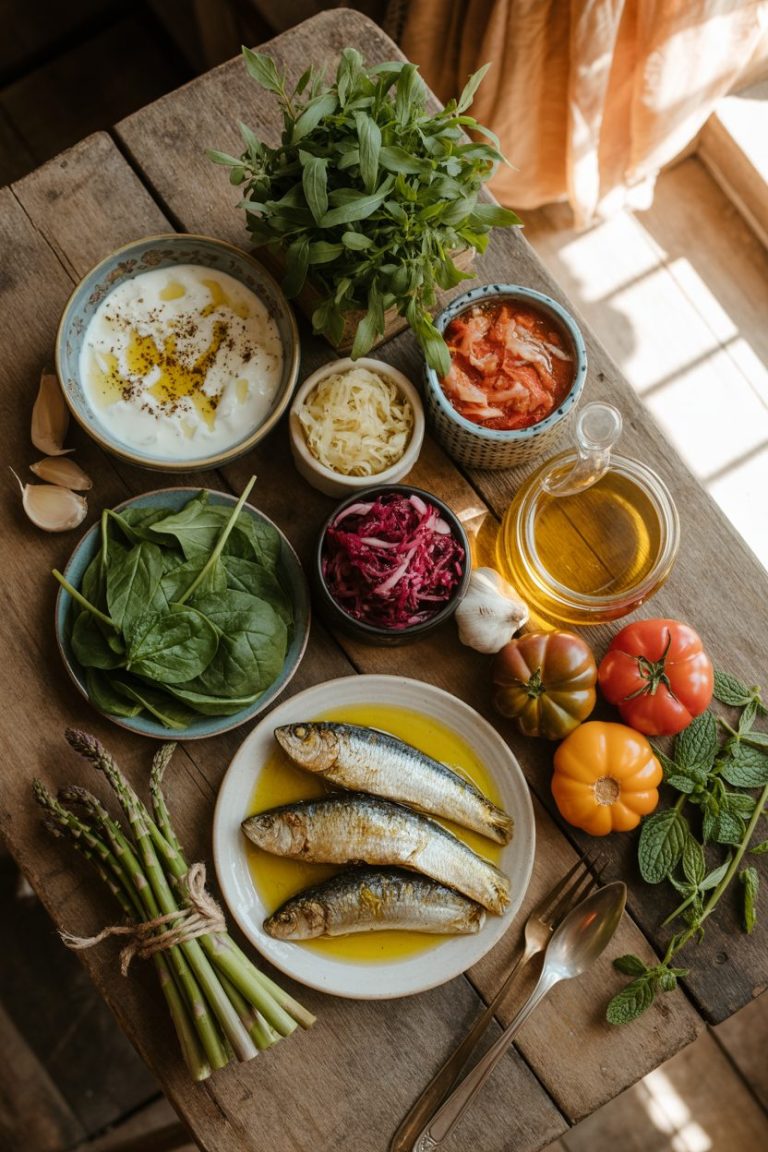
The Mediterranean diet has been consistently shown to reduce cardiovascular disease risk by up to 25% while supporting healthy weight management. But beyond the stats, this way of eating just makes sense. Whole grains, fresh vegetables, quality proteins, and healthy fats. Nothing extreme, nothing restrictive—just real food prepared in ways that make your week easier.
Why Mediterranean Meal Prep Actually Works
Most meal prep advice treats you like a robot. Cook twelve chicken breasts on Sunday, portion them into identical containers, repeat for eternity. No wonder people burn out after two weeks.
Mediterranean cooking is different. The flavors are bold enough that leftovers don’t taste like punishment. Olive oil, lemon, garlic, herbs—these ingredients don’t just survive reheating, they often taste better the next day as everything melds together.
Plus, you’re building flexible components rather than complete meals. Roast a batch of vegetables, cook some grains, prep a protein or two—then mix and match throughout the week. Monday it’s a grain bowl, Wednesday it’s wrapped in a pita, Friday you toss it with pasta. Same ingredients, different meals, zero boredom.
The Foundation: Building Your Mediterranean Meal Prep Strategy
Before we get into specific recipes, let’s talk strategy. You don’t need to prep every meal for the entire week—that’s a recipe for burnout and food waste. Instead, focus on prepping the time-consuming components that’ll make weeknight cooking actually manageable.
The Three-Pillar Approach
Think of your meal prep in three categories: grains and legumes, proteins, and vegetables. Prep at least one item from each category, and you’ve got endless combination possibilities.
Grains and legumes are your base. Cook a big pot of quinoa, farro, or bulgur wheat. These hold up beautifully in the fridge for 5 days and reheat perfectly. Chickpeas and white beans can be batch-cooked or—let’s be honest—bought canned. No shame in shortcuts that actually work.
For proteins, Mediterranean cuisine gives you options beyond grilled chicken. Baked salmon portions, marinated shrimp, seasoned ground turkey, or even hard-boiled eggs. If you’re plant-based, roasted chickpeas or marinated tofu work just as well. The key is seasoning generously—Mediterranean food should never be bland.
Vegetables are where things get interesting. Roasted red peppers, zucchini, eggplant, and cherry tomatoes become completely different animals when they’ve been properly seasoned and roasted. I use this sheet pan set for everything—it’s the right size for a week’s worth of veggies without overcrowding.
21 Mediterranean Meal Prep Ideas That’ll Actually Save Your Week
1. Greek Quinoa Power Bowls
This is my default when I need something foolproof. Cook quinoa, cube some feta, dice cucumbers and tomatoes, add kalamata olives. Store the components separately, toss together when you’re ready to eat. The quinoa and vegetables last five days easy, though the feta gets a little softer by day four—not that it matters because it’ll be gone by then.
Dress it with olive oil and lemon juice right before eating. If you prep the dressing ahead, it separates, and you’ll spend your lunch break shaking a container like a martini.
2. Sheet Pan Chicken Shawarma
Slice chicken thighs, toss them with shawarma spices (cumin, coriander, turmeric, paprika), and roast with sliced onions and bell peppers. Get Full Recipe. The whole thing takes twenty minutes of active work, and you’ve got protein for the week.
Serve it over rice Monday, in a pita Tuesday, over salad Wednesday. By Thursday you might be sick of it, but that’s what freezer portions are for.
3. Mediterranean Lentil Soup
Make a massive pot on Sunday, portion it out, freeze half. Lentils, diced tomatoes, carrots, celery, spinach, and whatever herbs you’ve got lying around. This soup gets better as it sits, which is the meal prep holy grail.
I use these freezer-safe containers because the last thing you need is soup leaking all over your freezer at 11 PM on a Tuesday. Heat a portion for lunch, pair it with some crusty bread, and you’ve got a meal that cost maybe $2.
4. Tzatziki-Marinated Chicken Strips
Marinate chicken strips in Greek yogurt, garlic, dill, and lemon for at least 2 hours—or overnight if you’re organized. Bake them in a single layer on a sheet pan, and they come out stupidly tender. Get Full Recipe.
Slice them for wraps, serve them whole over grains, or eat them straight from the fridge while standing at midnight. No judgment here.
5. Roasted Vegetable Medley
This is so basic it barely counts as a recipe, but it’s probably what I make most often. Zucchini, eggplant, red peppers, red onion, cherry tomatoes—all chopped, tossed in olive oil and oregano, roasted at 425°F until everything’s got some color on it.
Store it in a big container and add it to literally anything. Grain bowls, omelets, pasta, sandwiches. For more ideas on using roasted vegetables throughout the week, check out these Mediterranean sheet pan recipes.
6. Baked Falafel Patties
Canned chickpeas, fresh herbs, garlic, cumin, a bit of flour to bind. Blend it up, form into patties, bake. They’re not quite as crispy as fried, but they reheat better and you don’t have to deal with a pot of oil.
Make a double batch and freeze half. They go from freezer to oven to plate in about 20 minutes, which beats takeout by about 30 minutes and $15.
7. Mediterranean Tuna Salad
Canned tuna, white beans, diced red onion, cherry tomatoes, parsley, and a healthy pour of olive oil and lemon juice. Get Full Recipe. Mix it all together and you’ve got five lunches that require zero cooking.
Serve it over greens, in a pita, on crackers, or just eat it with a fork while answering emails. It’s protein-packed and costs about $1.50 per serving.
8. Herbed Couscous Base
Couscous is a meal prep cheat code. It takes five minutes to cook and pairs with literally everything. Make a big batch, stir in some fresh herbs (mint and parsley work great), and store it in the fridge.
Use it as a base for bowls, stuff it in bell peppers, mix it with roasted vegetables, or eat it cold as a salad. I prep this in large glass containers so I can see exactly how much I have left without playing refrigerator Tetris.
9. Greek Yogurt Chicken Thighs
Marinate chicken thighs in Greek yogurt, lemon juice, garlic, and dill overnight. Bake them until they’re golden and you’ve got the most tender chicken you’ll eat all week. The yogurt does something magical—keeps everything moist without being weird about it.
These pair beautifully with pretty much any Mediterranean side. Want more high-protein ideas? These high-protein Mediterranean recipes have you covered.
10. Shakshuka Starter Mix
Sauté onions, peppers, and garlic with tomato paste and spices (cumin, paprika, a pinch of cayenne). Store it in portions, and when you want shakshuka, just reheat the base, crack in some eggs, and simmer until the whites are set.
Fresh shakshuka in 10 minutes on a weeknight feels like actual magic. Get Full Recipe.
11. Mediterranean Pasta Salad
Whole wheat pasta, cherry tomatoes, cucumbers, olives, feta, red onion. Dress it with olive oil, red wine vinegar, and oregano. This holds up for days without getting soggy if you don’t add the dressing until you’re ready to eat.
Make a big batch on Sunday, and you’ve got sides for grilled chicken or a standalone lunch all week. Looking for more pasta inspiration? Check out these Mediterranean pasta recipes that’ll change your rotation.
12. Hummus-Marinated Vegetables
Toss cauliflower florets and chickpeas with thinned-out hummus (add a splash of water or lemon juice) and roast until crispy. The hummus creates this incredible crust that’s somehow creamy and crispy at the same time.
I use a silicone baking mat for this because otherwise the hummus sticks like cement and you’ll be scraping your pan until next Tuesday.
13. Grilled Lemon Herb Shrimp
Marinate shrimp in olive oil, lemon zest, garlic, and fresh herbs (dill or parsley work great). Either grill them on skewers or sauté them quickly in a hot pan. Shrimp cooks in about 3 minutes, which is the fastest protein prep you’ll find.
These are perfect for Mediterranean grain bowls or tossed into a quick pasta situation. Just don’t overcook them or they turn into tiny rubber bands.
14. White Bean and Kale Stew
Sauté onions and garlic, add white beans, vegetable broth, diced tomatoes, and roughly chopped kale. Simmer for 20 minutes until the kale is tender. Season generously with oregano and a squeeze of lemon at the end.
This freezes beautifully and reheats without getting weird. Make it on Sunday, freeze half, and you’ve got easy lunches for two weeks.
15. Mediterranean Breakfast Muffins
Whisk eggs with feta, spinach, sun-dried tomatoes, and oregano. Pour into muffin tins and bake. You’ve got grab-and-go breakfasts for the week that aren’t sad protein bars.
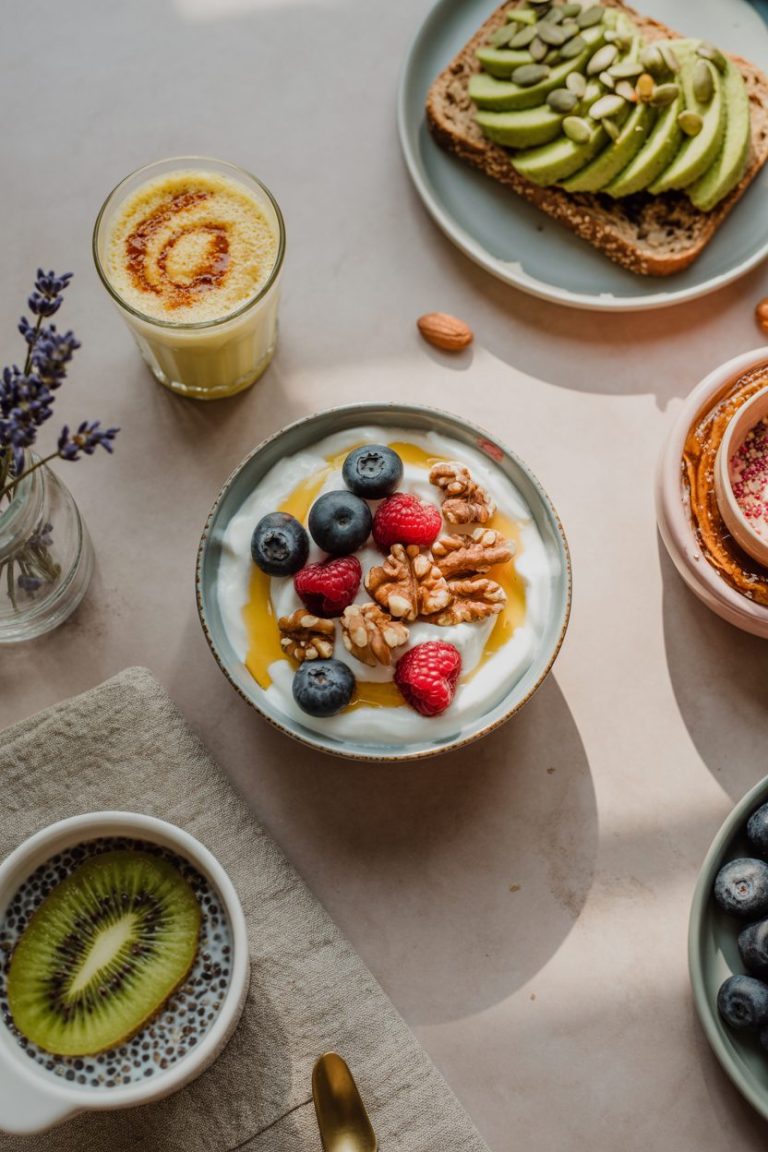
Reheat one in the microwave for 30 seconds and you’ve got breakfast faster than you can say “I’ll just grab coffee.” For more morning options, these Mediterranean breakfast bowls are worth checking out.
16. Marinated Artichoke and Chickpea Salad
Canned artichokes (quartered), chickpeas, cherry tomatoes, red onion, parsley, and a simple lemon-olive oil dressing. This gets better as it sits—the chickpeas soak up all the marinade flavors.
Serve it as a side or pile it on top of mixed greens for a more substantial meal. It’s one of those recipes where people ask for the recipe and you feel guilty because it’s almost too easy.
17. Baked Salmon Portions with Herbs
Season salmon fillets with olive oil, lemon, dill, and garlic. Bake at 375°F until just cooked through—about 12-15 minutes depending on thickness. Salmon reheats better than you’d think, especially if you don’t overcook it the first time.
Flake it over salads, serve it with roasted vegetables, or make a quick salmon and couscous bowl. The Mediterranean fish and seafood recipes collection has even more ways to keep seafood interesting all week.
18. Stuffed Bell Peppers Mix
Cook your filling (rice or quinoa mixed with ground turkey, diced tomatoes, herbs, and spices) but don’t stuff the peppers yet. Store the filling separately, then stuff and bake fresh the night you want them.
This way the peppers don’t get mushy from sitting stuffed in the fridge all week. It takes an extra 5 minutes, but the texture difference is worth it.
19. Za’atar Roasted Chickpeas
Drain canned chickpeas thoroughly, toss with olive oil and za’atar, roast at 400°F until crispy. These are your new favorite snack, salad topper, and bowl addition all in one.
I make a massive batch because they disappear faster than any other meal prep item in my fridge. The crunch factor is highly addictive, and they’re basically seasoned protein nuggets. Looking for more quick solutions? These one-pot Mediterranean meals are absolute lifesavers.
20. Greek Salad Components
Chop cucumbers, tomatoes, red onions, and peppers. Store them separately from the feta and olives. Keep a jar of simple Greek dressing (olive oil, red wine vinegar, oregano, garlic) on hand.
When you want a salad, throw everything together in a bowl. The vegetables stay crisp because they’re not sitting in dressing, and assembly takes literally 60 seconds.
21. Mediterranean Turkey Meatballs
Ground turkey mixed with feta, fresh mint, oregano, and garlic. Form into meatballs and bake. These freeze exceptionally well and reheat without drying out. Get Full Recipe.
Serve them over pasta, in a pita with tzatziki, or on top of a grain bowl. Make a double batch and freeze half—your future self will thank you when Wednesday rolls around and cooking feels impossible.
Kitchen Tools That Make Mediterranean Meal Prep Actually Work
I’m not going to pretend you need a professional kitchen to meal prep successfully. You don’t. But a few well-chosen tools make the difference between meal prep feeling manageable versus wanting to order pizza every night.
Sheet Pan Set (Multiple Sizes)
If you’re going to invest in one thing, make it a good sheet pan set. Mediterranean cooking relies heavily on roasting, and a quality sheet pan distributes heat evenly so your vegetables don’t burn on one side while staying raw on the other. Get at least two—one for vegetables and one for proteins, because nobody wants their roasted peppers tasting like chicken.
Glass Storage Containers with Airtight Lids
Plastic containers stain, warp, and generally give up on life after six months. Glass containers last forever, don’t absorb smells, and you can actually see what’s inside without playing refrigerator roulette. Get a variety of sizes—small ones for dressings and snacks, larger ones for full meals.
Instant Read Thermometer
Stop guessing if your chicken is done. A decent instant-read thermometer costs about $15 and saves you from both undercooked poultry and overcooked, dry proteins. Mediterranean meal prep relies on lean proteins that can dry out quickly, so knowing exactly when they hit 165°F matters.
Mediterranean Meal Prep Plans (Digital)
If planning meals makes your brain hurt, grab a structured Mediterranean meal plan. These walk you through exactly what to prep, when to prep it, and how to use leftovers efficiently. Worth it if you’re new to this and don’t want to reinvent the wheel every Sunday.
Spice Organization System
Mediterranean cooking uses a lot of spices—oregano, cumin, coriander, paprika, za’atar. A simple spice rack or magnetic containers keeps everything visible and accessible instead of buried in a cabinet where you forget they exist until they’re 3 years expired.
Recipe Database Subscription
A searchable recipe database focused on Mediterranean cuisine gives you endless variety so you don’t burn out eating the same five meals forever. Look for ones with filters for prep time, dietary restrictions, and ingredient flexibility.
Speaking of meal planning, if you’re looking for a complete roadmap, this 7-day Mediterranean anti-inflammation meal plan takes all the guesswork out of getting started. It’s structured, printable, and actually realistic for busy people.
Making Mediterranean Meal Prep Work With Your Actual Life
Here’s what nobody tells you about meal prep: the Pinterest-perfect photo of 21 identical containers lined up like soldiers is a lie. Or at least, it’s not sustainable for most humans with jobs and lives and the occasional desire to order Thai food.
The key is flexible meal prep. You’re not committing to eating the exact same lunch for five days straight. You’re building a foundation of components that can turn into different meals.
The Mix-and-Match Approach
Cook three grains (quinoa, couscous, farro), roast two types of vegetables (Mediterranean vegetable mix and roasted cauliflower), prep two proteins (chicken shawarma and chickpeas), and make two simple dressings (lemon-olive oil and yogurt-dill).
Now you can create probably 15 different meal combinations without eating the same thing twice. Monday is quinoa with roasted vegetables and chicken. Tuesday is couscous with chickpeas and a yogurt dressing. Wednesday you throw everything into a pita. Thursday it’s a grain bowl. You get the idea.
This approach also means if you spontaneously want to meet a friend for dinner on Wednesday, you’re not throwing away three pre-portioned identical meals. You’ve got flexible components that’ll keep until you need them.
The Two-Hour Sunday Strategy
You don’t need to spend your entire Sunday cooking. Two focused hours beats six hours of distracted, half-hearted prep that you’ll resent by week three.
Here’s a realistic two-hour game plan: Start your grains first since they take the longest and mostly cook themselves. While they’re going, prep and season your vegetables for roasting. Get those in the oven. While vegetables roast, prep your protein—whether that’s marinating chicken, forming meatballs, or just draining and seasoning chickpeas.
By the time everything’s done, you’ve got the foundation for a week’s worth of meals in about two hours of actual work. The rest is just letting things cook while you do literally anything else.
For a more structured approach to meal planning, this 14-day Mediterranean weight loss plan breaks everything down day by day so you’re never guessing what comes next.
Dealing with Meal Prep Fatigue
Let’s be real: even the best meal prep routine gets boring sometimes. That’s normal. When you feel that mid-week “I can’t look at another grain bowl” fatigue, here’s what helps:
Change the format, not the ingredients. Your prepped components can become a wrap one day, a salad the next, a grain bowl after that. Same ingredients, completely different eating experience.
Keep a “rescue” ingredient on hand. Fresh pita, tortillas, or a bag of mixed greens can transform your meal prep components into something that feels new. A handful of feta or a sprinkle of za’atar also works wonders.
Don’t meal prep every single meal. Prep dinners and maybe lunches, but let breakfast be more spontaneous. Or prep weekday dinners and give yourself weekends off. You’re building a sustainable system, not training for a meal prep competition.
The research backs this up too—studies on meal preparation show that people who spend more time on meal prep report improved mental health and lower stress levels, but the key is finding a rhythm that works for your life, not forcing yourself into someone else’s rigid system.
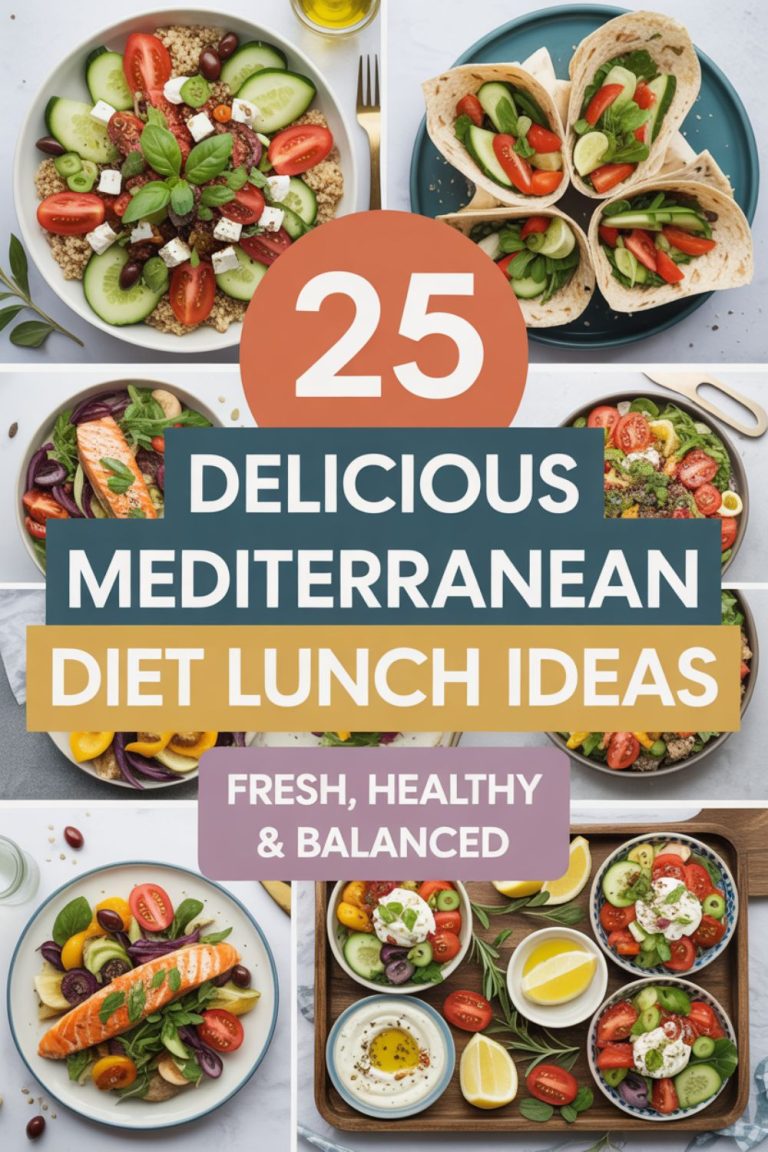
If you need more variety in your weekly rotation, these Mediterranean wraps for lunch are quick, portable, and use a lot of the same meal prep components you’re already making.
Common Mediterranean Meal Prep Mistakes (And How to Avoid Them)
Over-Prepping Fresh Vegetables
Cucumbers and tomatoes don’t hold up well when pre-cut and stored for days. By day four, you’ve got soggy, sad vegetables that make your meal look depressing. Instead, prep your roasted vegetables and grains, but keep a few fresh vegetables whole. It takes an extra 3 minutes to slice a cucumber, but it’s the difference between a meal you actually want to eat and one you force down out of obligation.
Forgetting About Texture Contrast
Everything soft and mushy is boring, even if it tastes good. This is why I always include at least one crunchy element—whether that’s roasted chickpeas, raw vegetables, or toasted nuts. Texture makes reheated food interesting again.
Not Seasoning Enough
Meal prep food needs more seasoning than food you’re eating immediately. Flavors dull as things sit in the fridge, so go heavier on the herbs, garlic, lemon, and spices than you normally would. What tastes perfectly seasoned on Sunday might taste bland by Wednesday if you’re conservative with seasonings.
Prep Without a Plan
Randomly cooking a bunch of stuff without thinking about how it goes together is how you end up with three grains, no protein, and vegetables that don’t pair with anything. Spend 10 minutes planning your combinations before you start cooking. It seems obvious, but IMO this is where most people go wrong.
For a foolproof system that eliminates this problem entirely, check out the 7-day high-fiber Mediterranean meal prep plan. Everything’s already mapped out—what to prep, when to prep it, and how it all fits together.
Meal Prep for Different Goals
Weight Loss Focused
Mediterranean food naturally supports weight loss because it’s nutrient-dense without being calorie-dense. Focus on bigger portions of vegetables and grains, moderate portions of protein, and use olive oil mindfully (it’s healthy fat, but it’s still 120 calories per tablespoon).
The research shows that people following a Mediterranean eating pattern lose more weight than those on other diets, likely because it’s actually sustainable. You’re not cutting out entire food groups or eating pre-packaged diet food that tastes like cardboard.
The 14-day Mediterranean weight loss plan provides structure specifically designed for losing weight while still eating real food that tastes good.
Anti-Inflammatory Eating
Mediterranean diet and anti-inflammatory eating are basically the same thing. Focus on fatty fish, olive oil, colorful vegetables, and whole grains while avoiding processed foods and excessive sugar.
According to multiple studies, the Mediterranean diet’s anti-inflammatory properties come from its high content of omega-3 fatty acids, polyphenols, and antioxidants. These compounds work together to reduce chronic inflammation throughout your body.
The 14-day anti-inflammatory eating plan for women focuses specifically on reducing inflammation while keeping meal prep practical for busy schedules.
High Protein Needs
Mediterranean cuisine sometimes gets criticized for being too carb-heavy, but that’s only if you’re not strategic. Add extra chicken, fish, eggs, Greek yogurt, and legumes to hit your protein targets. The high-protein anti-inflammatory plan shows exactly how to structure meals for adequate protein while keeping everything Mediterranean.
Plant-Based Mediterranean
Traditional Mediterranean cuisine is already pretty plant-forward. Remove the fish and chicken, double down on legumes, tahini, nuts, and seeds, and you’ve got a vegan-friendly meal prep system. The Mediterranean vegan plan proves you don’t need animal products to make this work.
Frequently Asked Questions
How long does Mediterranean meal prep last in the fridge?
Most cooked grains, roasted vegetables, and proteins last 4-5 days in airtight containers. Cooked chicken and fish are best within 3-4 days, while heartier items like bean stews can go 5-6 days. When in doubt, freeze half your batch and thaw as needed throughout the week.
Can I meal prep Mediterranean food if I’m on a budget?
Absolutely. Mediterranean cooking relies heavily on affordable staples like chickpeas, lentils, pasta, rice, seasonal vegetables, and canned fish. A week’s worth of Mediterranean meal prep can easily cost less than $50 if you focus on plant-based proteins and buy seasonally. The high-fiber budget meal plan shows exactly how to do this.
What’s the best way to reheat meal-prepped Mediterranean food?
Most grain bowls reheat well in the microwave with a splash of water or broth to prevent drying out. Roasted vegetables are best reheated in a 350°F oven for 10 minutes to restore some crispiness. Add fresh elements like herbs, lemon juice, or a drizzle of olive oil after reheating to brighten everything up.
Do I need special containers for Mediterranean meal prep?
Not really, but glass containers with tight-fitting lids work better than plastic for Mediterranean food since olive oil-based dishes can stain plastic. You also want containers that are both microwave and oven-safe so you have flexibility in reheating. Separate compartments aren’t necessary—Mediterranean bowls actually taste better when flavors mix together.
How do I keep meal prep interesting so I don’t get bored?
Prep versatile components instead of complete meals. One batch of roasted vegetables, grains, and protein can become grain bowls one day, wraps another day, and salads the next. Keep multiple dressings on hand and rotate your herbs and spices. The variety comes from how you assemble your components, not from cooking completely different things every week.
The Bottom Line on Mediterranean Meal Prep
Look, meal prep doesn’t have to be complicated or time-consuming to work. The whole point is making your life easier, not turning Sunday into a second job.
Mediterranean cooking is perfect for meal prep because the flavors hold up, the ingredients are flexible, and you’re building components rather than rigid complete meals. You’re not committing to eating identical lunches for five days—you’re giving yourself options that come together quickly when you’re tired and hungry.
Start small. Maybe this week you just cook a big batch of quinoa and roast some vegetables. Next week you add a protein. The week after that you try a new dressing. You don’t need to nail the perfect meal prep system on week one.
The research is clear: Mediterranean eating reduces heart disease risk, supports healthy weight management, and reduces inflammation. But research doesn’t matter if you can’t stick with it. That’s where meal prep makes the difference—it removes the decision fatigue and makes healthy eating the default instead of the exception.
Give yourself permission to be imperfect at this. Some weeks you’ll prep like a champion. Other weeks you’ll manage half a batch of roasted vegetables and call it good. Both count. The goal is progress, not perfection.
For more Mediterranean recipes and meal planning resources, explore the Mediterranean clean eating plan or dive into gluten-free Mediterranean recipes if that’s more your speed.