
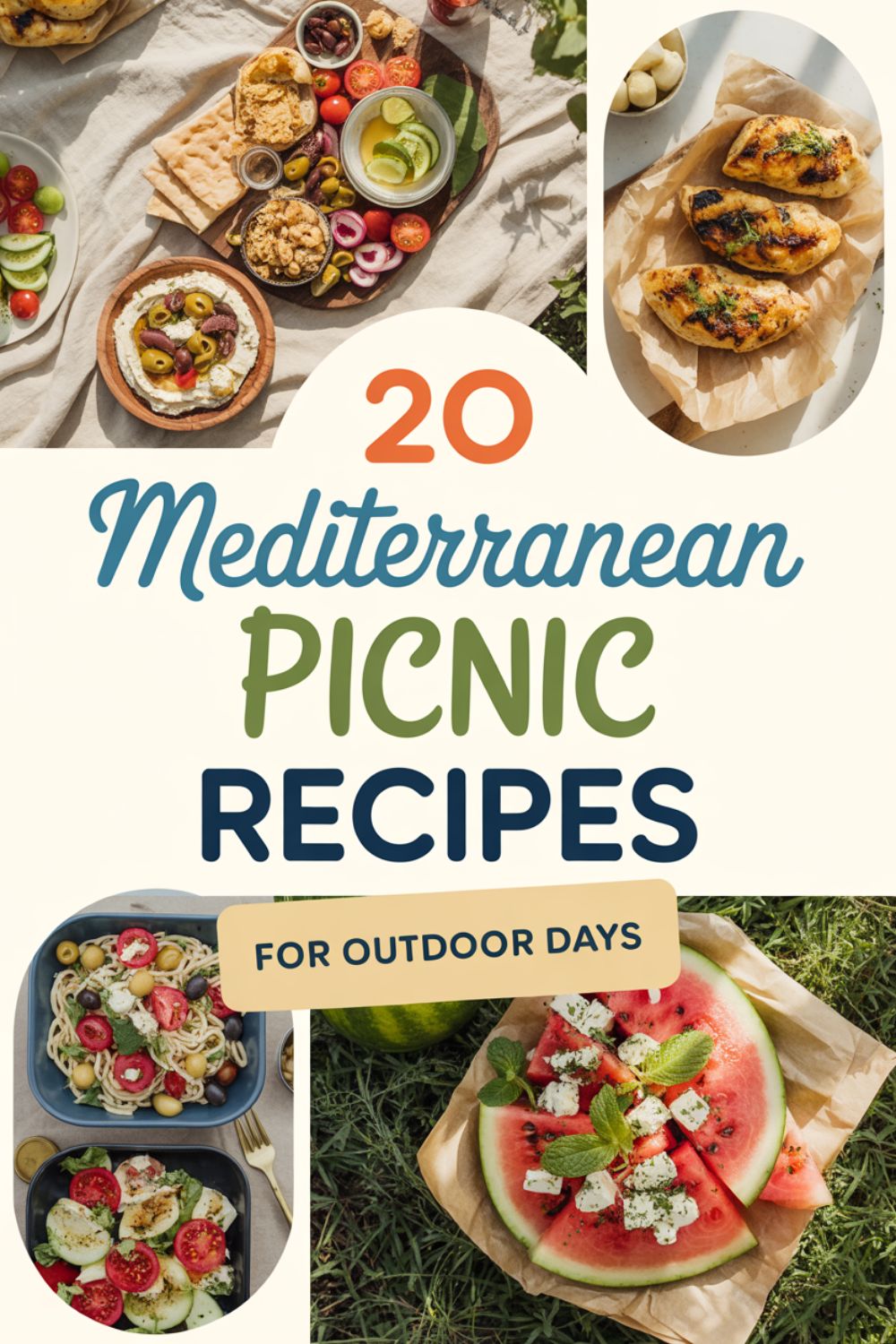
20 Mediterranean Picnic Recipes for Outdoor Days
Mediterranean food and picnics are basically a match made in heaven. The cuisine practically invented the concept of “grab and go” centuries before we turned it into a lifestyle choice. We’re talking about food that travels well, doesn’t require seventeen appliances to prepare, and actually tastes better at room temperature. Plus, according to research from the American Heart Association, this way of eating can significantly reduce your risk of heart disease while tasting incredible.
I’ve been packing Mediterranean-style picnics for years now, and I’ve learned a thing or two about what works and what turns into a soggy disaster. Spoiler alert: not all recipes are created equal when it comes to outdoor dining. Some dishes practically beg to be eaten under a tree, while others belong firmly in your kitchen.
Why Mediterranean Food Rules the Picnic Game
Here’s the thing about Mediterranean cuisine that makes it perfect for outdoor eating: it was basically designed for this. People in Greece, Italy, and Spain have been eating outside for millennia. They figured out long ago that the best picnic foods are ones that don’t require constant refrigeration, taste great at various temperatures, and can handle being jostled around in a basket.
The Mediterranean diet emphasizes ingredients like olive oil, fresh vegetables, whole grains, legumes, and herbs. These aren’t just trendy buzzwords—they’re ingredients that hold up remarkably well outside of climate-controlled environments. Unlike that mayo-heavy potato salad your aunt makes (sorry, Aunt Linda), Mediterranean dishes stay fresh longer and won’t give everyone food poisoning if they sit out for an extra hour.
Studies published in the Journal of Internal Medicine have consistently shown that Mediterranean eating patterns reduce cardiovascular disease risk and promote longevity. But beyond the health benefits, this food just works for outdoor adventures. When you’re packing for a day at the park or beach, you want food that’s resilient, flavorful, and won’t turn into a science experiment before lunchtime.
Essential Gear for Mediterranean Picnic Success
Before we dive into the recipes, let’s talk about the tools that’ll make your picnic life infinitely easier. I’ve made every mistake in the book—forgotten forks, brought the wrong containers, packed ice that melted before we even left the driveway. Learn from my failures.
The right insulated cooler bag makes all the difference. I’m not talking about those flimsy things that fall apart after two uses. You want something with thick insulation that actually keeps things cold. I use one with multiple compartments so I can separate cold items from things that can stay at room temperature. Trust me, your feta cheese will thank you.
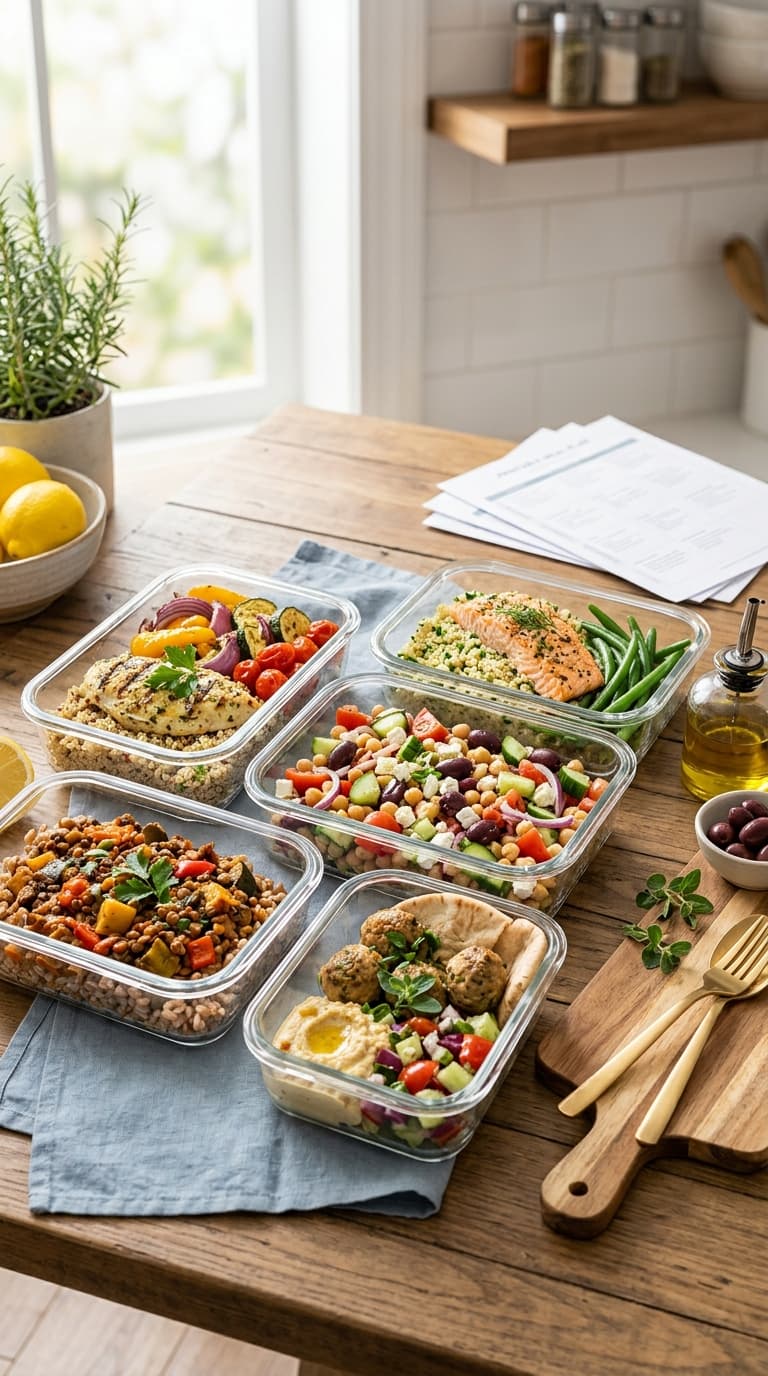
For packing individual portions, I swear by glass meal prep containers with secure lids. Plastic works too, but glass doesn’t absorb odors and you can see what’s inside without playing container roulette. Plus, they’re microwave-safe if you want to prep things ahead at home.
One game-changer I discovered last summer: reusable ice packs that stay frozen for hours. The gel ones work way better than regular ice because they don’t create a swimming pool at the bottom of your cooler. Line the bottom and sides of your cooler with these, and your food stays perfectly chilled.
The 20 Mediterranean Picnic Recipes You Actually Need
1. Classic Greek Salad (That Actually Travels Well)
Forget everything you know about Greek salad getting soggy. The secret is simple: pack everything separately. I’m talking cucumbers in one container, tomatoes in another, feta in its own little home, and dressing on the side. Assemble it right before eating, and boom—crispy, fresh perfection.
The beauty of this salad lies in its simplicity. Chunky cucumber pieces, ripe tomatoes, Kalamata olives, red onion, and quality feta cheese need nothing more than good olive oil, lemon juice, and oregano. IMO, people overthink this dish. The ingredients are the stars; don’t mess with them too much.
For cutting those vegetables uniformly, I use a sharp chef’s knife with a comfortable grip. Makes the prep work actually enjoyable instead of a wrist-destroying chore. Get Full Recipe
2. Hummus Three Ways (Because Variety Matters)
Plain hummus is great, but when you’re trying to impress (or just keep yourself interested), having three varieties changes the whole vibe. I always pack classic, roasted red pepper, and a wild card like sun-dried tomato or black olive hummus.
Making your own hummus is shockingly easy with a decent food processor. Chickpeas, tahini, lemon, garlic, and olive oil—that’s it. Blend until smooth, adjust seasonings, and you’re done. Takes maybe ten minutes, tastes a thousand times better than store-bought, and costs way less.
Pack hummus in those small airtight containers with snap lids that don’t leak even when turned upside down. Nothing ruins a picnic faster than hummus all over your blanket. Get Full Recipe
3. Mediterranean Pasta Salad That Doesn’t Suck
Most pasta salads are sad affairs—overcooked pasta swimming in too much dressing. This version uses al dente pasta, cherry tomatoes, cucumber, olives, feta, and a bright lemon-herb vinaigrette. The trick is undercooking the pasta slightly since it’ll continue absorbing dressing as it sits.
For this recipe, I prefer short pasta shapes like fusilli or penne that grab onto the dressing. Cook it the night before, toss with a little olive oil to prevent sticking, and refrigerate. Add the fresh vegetables and dressing the next morning. Get Full Recipe
If you’re looking for more meal prep inspiration that follows Mediterranean principles, definitely check out this 7-day Mediterranean high fiber meal prep plan that breaks down exactly how to batch-cook smart.
4. Stuffed Grape Leaves (Easier Than You Think)
Okay, hear me out. I know stuffed grape leaves sound intimidating, but they’re actually pretty straightforward. You can buy jarred grape leaves and make the filling with rice, herbs, pine nuts, and lemon. Roll them up, cook them, let them cool, and they’re perfect finger food for picnics.
These little packages are naturally portion-controlled and don’t require utensils. Plus, they taste fantastic at room temperature, which is exactly what you want in picnic food. Get Full Recipe
5. Falafel That Stays Crispy
The eternal falafel question: how do you keep them crispy for a picnic? The answer is you don’t—at least not completely. But if you cook them properly, cool them on a wire rack (not paper towels which make them soggy), and pack them loosely in a container lined with parchment paper, they’ll maintain decent texture.
I make mine with a mini food chopper that pulses dried chickpeas into the perfect consistency. Fresh herbs, spices, and a little baking powder for lift—that’s your formula for falafel success. Serve with tahini sauce on the side. Get Full Recipe
6. Marinated Olives and Feta
This is barely a recipe, but it’s so good I have to include it. Buy good quality olives and feta, put them in a jar with olive oil, lemon zest, garlic, and herbs, and let them hang out in your fridge for at least a day. The flavors meld together beautifully.
Pack them in a leak-proof glass jar with a rubber seal and bring some crusty bread or crackers for scooping. It’s one of those things that looks fancy but requires zero actual cooking skills. Get Full Recipe
7. Tabbouleh (The Herb-Forward Version)
Authentic tabbouleh is mostly parsley with some bulgur wheat, not the other way around like many American versions. You want a salad that’s fresh, lemony, and herb-packed. Parsley, mint, tomatoes, bulgur, lemon juice, and olive oil—it’s refreshing and perfect alongside heavier dishes.
The key to great tabbouleh is really finely chopped parsley. I’m talking almost minced. Use a sharp chef’s knife and take your time. Your wrist might hate you temporarily, but the results are worth it. Get Full Recipe
For more ideas that incorporate high-fiber ingredients like bulgur wheat, you might enjoy this 14-day high fiber Mediterranean plan for beginners.
8. Marinated Artichoke Hearts
Buy jarred artichoke hearts, drain them, and toss with good olive oil, lemon juice, garlic, red pepper flakes, and fresh herbs. Let them marinate overnight. These are tangy, savory, and addictive little bites that require toothpicks and nothing else.
They’re also ridiculously low-maintenance, which is my favorite kind of recipe. Pack them in the same container you marinated them in, and you’re done. Get Full Recipe
9. Mediterranean Wraps with Grilled Vegetables
Grill or roast a bunch of vegetables the night before—zucchini, eggplant, bell peppers, red onion. Let them cool, then wrap them up in whole wheat tortillas with hummus, feta, and fresh greens. These travel remarkably well if you wrap them tightly in parchment paper or foil.
The vegetables actually taste better when they’ve had time to sit with the other ingredients. Something about those flavors melding overnight just works. Get Full Recipe
10. Chickpea Salad (The Non-Mayo Version)
This is my answer to chicken salad, but vegetarian and way better for sitting outside. Mash some chickpeas roughly, mix with diced cucumber, tomato, red onion, parsley, lemon juice, and olive oil. Season generously with salt and pepper.
It’s protein-packed, satisfying, and holds up beautifully for hours without refrigeration. Spread it on bread, stuff it in pita, or eat it with a fork straight from the container. No judgment here. Get Full Recipe
Kitchen Tools That Make Picnic Prep Actually Easy
- Premium Insulated Picnic Cooler with Multiple Compartments – Keeps food at perfect temperature for 8+ hours. The separate sections mean your cold hummus doesn’t touch your room-temp pita.
- Glass Meal Prep Containers Set (10-piece with Snap Lids) – Absolutely leak-proof, dishwasher safe, and you can actually see what’s inside without opening every single one.
- Professional-Grade Chef’s Knife (8-inch) – Sharp knives make prep work faster and safer. This one stays sharp and has incredible balance.
- 7-Day Mediterranean Anti-Inflammation Meal Plan PDF – Complete shopping lists and prep schedules that make planning these picnics effortless.
- 30-Day Mediterranean Wellness Plan – Goes beyond recipes to help you make this a sustainable lifestyle.
- 14-Day Mediterranean Family Meal Plan – Perfect for planning picnics that everyone actually wants to eat.
11. Baba Ganoush (Smoky Eggplant Perfection)
If you’ve never made baba ganoush at home, you’re missing out on one of life’s simple pleasures. Char eggplants over a flame (or under the broiler if you’re not feeling adventurous), scoop out the flesh, blend with tahini, lemon, and garlic. The smoky flavor is unmatched.
This dip travels exceptionally well and tastes incredible with fresh vegetables or pita chips. I use my hand-held immersion blender for this because cleanup is infinitely easier than dragging out the full-size food processor. Get Full Recipe
12. Mediterranean Quinoa Salad
Quinoa is that rare grain that’s actually better cold than hot. Cook it, let it cool completely, then mix with diced cucumber, tomatoes, red onion, chickpeas, feta, and a lemony dressing. It’s filling enough to be a meal on its own but also works as a side.
Quinoa is a complete protein, which means it contains all nine essential amino acids. That makes it particularly useful for vegetarian picnics where you want substantial, satisfying food. Get Full Recipe
Speaking of protein-packed Mediterranean meals, this 14-day Mediterranean high-protein anti-inflammatory plan offers tons of similar recipes that balance nutrition with actual flavor.
13. Spanakopita Triangles
These Greek spinach and feta pastries are picnic gold. You can make them ahead, freeze them, and reheat before heading out. They’re also delicious at room temperature, which gives you flexibility. The crispy phyllo dough paired with savory filling is chef’s kiss.
Working with phyllo dough can be finicky, but once you get the hang of it, these come together quickly. Keep the dough covered with a damp towel while working, brush each layer with olive oil or melted butter, and don’t stress about perfection. Rustic is charming. Get Full Recipe
14. White Bean Dip with Herbs
Cannellini beans blended with garlic, lemon, olive oil, and fresh herbs create a creamy dip that’s lighter than hummus but equally delicious. Add some rosemary and thyme, maybe a pinch of red pepper flakes, and you’ve got something special.
This dip keeps well for days in the fridge and actually improves as it sits. The flavors develop and mellow. Pack it with vegetables, crackers, or bread for scooping. Get Full Recipe
15. Caprese Skewers
Thread cherry tomatoes, fresh mozzarella balls, and basil leaves onto skewers. Drizzle with balsamic glaze right before serving. These are visually impressive, require no utensils, and taste like summer in a single bite.
The key is using quality fresh mozzarella—the kind packed in water, not the pre-shredded stuff. It makes a massive difference in both taste and texture. Bring the balsamic glaze in a small squeeze bottle for easy drizzling. Get Full Recipe
16. Mediterranean Couscous Salad
Couscous cooks in five minutes, which makes it perfect for last-minute picnic prep. Fluff it with a fork, add diced vegetables, dried fruit like apricots or cranberries, toasted nuts, and a simple vinaigrette. It’s light, fluffy, and absorbs flavors beautifully.
I prefer Israeli couscous (the larger pearl-shaped kind) for picnics because it has better texture and doesn’t clump together as much as regular couscous. Toast it in a little olive oil before adding water for extra flavor depth. Get Full Recipe
If you’re getting into Mediterranean meal prep, the 7-day Mediterranean clean eating plan has excellent guidance on batch-cooking grains like couscous efficiently.
17. Roasted Red Pepper and Walnut Dip
This Middle Eastern dip called muhammara is tangy, slightly spicy, and incredibly addictive. Roasted red peppers, walnuts, breadcrumbs, pomegranate molasses, and spices get blended into a thick, spreadable dip that’s unlike anything else.
Pomegranate molasses might sound exotic, but you can find it at most Middle Eastern markets or online. It adds this sweet-tart complexity that makes the dip special. If you can’t find it, substitute with a mix of lemon juice and honey. Get Full Recipe
18. Tzatziki (The Cooling Cucumber Sauce)
Greek yogurt, grated cucumber, garlic, lemon juice, dill, and olive oil create this refreshing sauce that pairs with basically everything. The trick is draining the cucumber well—squeeze out excess moisture with your hands or a clean kitchen towel.
Tzatziki needs to be kept cold, so pack it in a container nestled in ice packs. It’s worth the extra effort because it transforms plain vegetables or pita into something crave-worthy. FYI, it also makes an excellent salad dressing. Get Full Recipe
19. Italian Antipasto Skewers
Thread salami, mozzarella, marinated artichokes, olives, and cherry tomatoes onto skewers for a protein-packed, no-mess picnic option. These are basically an entire antipasto platter made portable and way more fun to eat.
Use 6-inch wooden skewers that fit nicely in containers. Make them the night before, store them in a single layer, and pack them carefully so they don’t get crushed. They’re always the first thing to disappear at any picnic. Get Full Recipe
20. Pita Bread with Za’atar
Okay, this isn’t exactly a recipe, but trust me on this. Brush pita bread with olive oil, sprinkle generously with za’atar (a Middle Eastern spice blend), and warm it slightly before packing. The za’atar adds this herby, nutty, slightly tangy flavor that elevates simple bread into something special.
Za’atar typically contains dried thyme, sumac, sesame seeds, and salt. You can buy it pre-mixed or make your own. It’s one of those magical seasonings that makes everything better. Get Full Recipe
Packing Strategy That Actually Works
You can have the best recipes in the world, but if you pack them wrong, you’ll end up with a disappointing mess. Here’s what I’ve learned through trial and error (mostly error, if we’re being honest).
According to the FDA’s food safety guidelines, perishable foods shouldn’t stay in the “danger zone” between 40°F and 140°F for more than two hours—or one hour if it’s above 90°F outside. That means your packing strategy matters.
Layer your cooler strategically. Ice packs on the bottom, then items that need to stay coldest (dips, yogurt-based sauces), then everything else. Items you’ll eat last go on the bottom; stuff you’ll eat first stays near the top. This prevents you from digging through your cooler seventeen times, letting all the cold air escape.
Separate wet ingredients from dry ones. Pack dressings and sauces in small leakproof containers and keep them away from bread, crackers, or anything that’ll get soggy. I learned this lesson the hard way with a pita bread disaster I’d rather not discuss.
For inspiration on planning balanced Mediterranean meals that work for various settings, check out this 7-day anti-inflammation reset with simple meals. The principles apply perfectly to picnic planning.
What to Actually Drink
Let’s be real about beverage choices. Water is essential, obviously. But Mediterranean picnics traditionally include wine, and if you’re of legal drinking age and in an appropriate setting, a chilled rosé or light red wine pairs beautifully with this food.
I transport wine in a padded wine carrier bag with insulation that keeps bottles from breaking and maintains temperature. For non-alcoholic options, homemade lemonade with fresh mint or iced herbal tea works wonderfully.
Avoid anything too sugary or caffeinated for outdoor picnics. You want drinks that hydrate without making you crash or need constant bathroom breaks when facilities might be questionable at best.
The Dessert Situation
Mediterranean desserts often lean heavily on fruit, nuts, and honey—ingredients that handle outdoor temperatures better than cream-based sweets. Fresh fruit is always a winner. Grapes, figs, melon, and stone fruits all travel well and feel refreshing after a savory meal.
If you want something more substantial, baklava works surprisingly well for picnics. The layers of phyllo, nuts, and honey syrup hold up to transport. Pack pieces individually in small containers or wrapped in parchment paper.
Almond cookies, shortbread, or these Italian butter cookies are also excellent choices. They don’t need refrigeration, won’t melt, and satisfy that sweet craving without being overly heavy.
Making It Work for Special Diets
One of the best things about Mediterranean food is how naturally accommodating it is for various dietary needs. Most recipes are already vegetarian or easily adaptable. Many are naturally vegan or can be made vegan by swapping feta for seasoned tofu or nutritional yeast.
For gluten-free picnics, skip the pita and couscous, but everything else mostly works. Bring gluten-free crackers or vegetables for dipping, use corn tortillas instead of flour ones for wraps, and you’re set.
Dairy-free alternatives exist for nearly everything. Use coconut yogurt in tzatziki, skip the feta or use a plant-based version, and make sure your dips are tahini-based rather than yogurt-based. The flavors remain authentic even with substitutions.
If you’re following specific health protocols, the 14-day anti-inflammatory eating plan for women offers modifications that work beautifully for picnic adaptations too.
The Cleanup Reality
Nobody talks about this part, but cleanup can make or break your picnic experience. Bring trash bags—plural. One for actual trash, one for recyclables if you’re that person (I am), and maybe one for dirty containers if you don’t want food residue all over your cooler.
Pack wet wipes or hand sanitizer because picnic sites rarely have adequate handwashing facilities. Bring paper towels too. I know we’re all trying to be eco-friendly, but sometimes you just need something disposable for the truly gross situations.
If you used reusable containers and utensils, rinse them if water is available or at least wipe them down before packing. Future you, unpacking at home, will be grateful you didn’t let everything harden and crust over.
Weather Considerations Nobody Mentions
Hot weather is the obvious concern, but wind is actually the sneakier enemy. Lightweight items will blow away—napkins, paper plates, even plastic containers if they’re empty. Bring clips or use your cooler and bags as paperweights for anything that might take flight.
If there’s any chance of rain, have a backup plan. A waterproof picnic blanket is non-negotiable. One of those outdoor blankets with waterproof backing means you can sit on damp grass without getting soaked.
Cold weather picnics are underrated, actually. Food safety becomes less of an issue when it’s naturally cold outside. Just bring warm beverages in insulated thermoses and maybe some hot soup in addition to your Mediterranean spread.
Frequently Asked Questions
How long can Mediterranean food safely sit out at a picnic?
According to CDC guidelines, perishable foods shouldn’t sit in temperatures between 40°F and 140°F for more than two hours—or just one hour if outdoor temperatures exceed 90°F. Oil-based dishes like hummus and tabbouleh handle this better than mayo-based foods, but you still need to be cautious. Pack everything cold and keep it in insulated containers or coolers until serving time.
What’s the best way to transport dishes with olive oil dressings?
Always pack dressings separately in small, leakproof containers and add them right before eating. This prevents everything from getting soggy and maintains the crisp texture of vegetables. I use small mason jars or those tiny squeeze bottles—they’re reusable, don’t leak, and you can see exactly what’s inside.
Can I make these recipes ahead of time?
Absolutely. Most Mediterranean picnic foods actually taste better when made ahead because the flavors have time to develop. Dips, salads, and marinated items can be prepared 1-2 days in advance. Just keep wet and dry ingredients separate until serving, and add any fresh herbs or crispy elements at the last minute to maintain texture and color.
What are the best alternatives to traditional pita bread for gluten-free picnics?
Rice crackers, gluten-free crackers, cucumber rounds, bell pepper strips, and carrot sticks all work beautifully as vehicles for dips and spreads. You can also use corn tortillas or gluten-free wraps for making Mediterranean-style wraps. The vegetables actually add extra crunch and nutrition while keeping everything safe for gluten-sensitive guests.
How do I keep my cooler food cold for longer outdoor events?
Layer frozen gel packs or frozen water bottles on the bottom and sides of your cooler. Pack items tightly so there’s less air space. Keep the cooler in shade and covered with a light-colored blanket for extra insulation. Minimize opening the cooler by packing items you’ll need first on top. For really long events, consider bringing a second cooler specifically for beverages so your food cooler stays closed more often.
The Bottom Line
Mediterranean picnics work because the food was practically designed for outdoor eating. You’re not fighting against nature here—you’re working with ingredients and preparations that have survived centuries of al fresco dining in warm climates.
The recipes I’ve shared aren’t fancy or complicated. They’re practical, delicious, and transport well. They accommodate various dietary needs without requiring seventeen different versions of everything. Most importantly, they taste good, which is really the whole point of eating outside in the first place.
Start with a few recipes that appeal to you. Don’t try to make all twenty for your first picnic unless you enjoy stress. Pick four or five dishes, prep what you can ahead of time, and actually enjoy yourself. The whole point of eating outside is to relax and enjoy good food with people you like.
Research from institutions like Johns Hopkins Medicine consistently shows that Mediterranean-style eating reduces disease risk and promotes longevity. But beyond all the health benefits, this food just tastes really good. And when you’re sitting outside on a beautiful day with food that makes you happy, that’s when life feels pretty okay.
So pack your cooler, grab your blanket, and take these recipes outside. Your taste buds will thank you, and you might actually enjoy meal planning for once.