
15 Mediterranean Pasta Recipes That Are Surprisingly Healthy
Let me be real with you—I spent years avoiding pasta like it was some kind of dietary villain. You know the drill: carbs are bad, pasta makes you gain weight, blah blah blah. Then I discovered how Mediterranean cultures have been eating pasta for centuries without the health issues we stress about. Plot twist: they’re actually some of the healthiest populations on the planet.
Here’s the thing about Mediterranean pasta dishes—they’re not drowning in heavy cream or butter. They’re packed with vegetables, lean proteins, healthy fats, and whole grains. The pasta itself becomes a vehicle for nutrients rather than the star of an unhealthy show. And honestly? These dishes taste better than the heavy, guilt-inducing versions we’re used to.
I’m sharing 15 recipes that changed how I think about pasta completely. These aren’t sad diet versions of real food—they’re genuinely delicious meals that happen to be good for you. No deprivation, no bland “healthy” substitutions that make you want to cry into your bowl.
Why Mediterranean Pasta Works (When Others Don’t)
The Mediterranean approach to pasta is fundamentally different from what most of us grew up eating. Instead of treating pasta as the main event covered in heavy sauces, Mediterranean cooking uses it as part of a balanced plate. The portions are reasonable—usually around 2 ounces of dry pasta per person, which might sound small but becomes plenty when you load it with vegetables and protein.
Research actually backs this up. Studies on the Mediterranean diet consistently show that people who eat pasta as part of this eating pattern have lower BMIs and better health markers than those who avoid it entirely. The key is in how you prepare and what you pair it with.
Whole grain pasta, which features prominently in modern Mediterranean cooking, has a lower glycemic index than refined pasta. This means it doesn’t spike your blood sugar the way white pasta does. It’s also packed with fiber—about 6 grams per cup—which keeps you full and supports digestive health.
The Science Behind Mediterranean Pasta Benefits
I used to think the Mediterranean diet was just hype, but the research is actually pretty compelling. According to nutrition experts at Oldways, pasta has been a cornerstone of Mediterranean eating patterns for generations, and these populations have remarkably low rates of heart disease and obesity.
What makes Mediterranean pasta different? First, the pasta itself is typically high-quality durum wheat semolina, which creates a compact structure that releases energy slowly. When you combine this with olive oil, vegetables, and lean proteins, you’re creating a meal that stabilizes blood sugar rather than sending it on a roller coaster ride.
The fiber content deserves special attention. Whole grain pasta provides about 25% of your daily fiber needs in a single serving. That fiber doesn’t just keep you regular—it also feeds beneficial gut bacteria, reduces cholesterol, and helps you feel satisfied for hours. For more gut-healing meal ideas, check out this 7-day gut healing Mediterranean menu.
The Role of Quality Ingredients
Mediterranean cooking doesn’t rely on fancy ingredients or complicated techniques. It’s about using good olive oil, fresh vegetables, herbs, and quality pasta. That’s it. When I switched from using whatever olive oil was on sale to actually investing in decent extra virgin olive oil, my pasta dishes transformed. The flavor is completely different.
Speaking of olive oil, I can’t stress this enough—buy it in a dark bottle, check the harvest date, and store it away from light and heat. I keep mine in this dark glass bottle with a pouring spout because measuring olive oil shouldn’t require a PhD in fluid dynamics.
If you’re looking to expand your Mediterranean cooking beyond just pasta, the 14-day Mediterranean weight loss plan offers a comprehensive approach with breakfast, lunch, and dinner ideas that follow these same principles.
1. Whole Wheat Spaghetti with Lemon, Garlic, and Spinach
This is my go-to when I need something fast but substantial. The combination of lemon, garlic, and wilted spinach creates this bright, zingy sauce that clings to the pasta without being heavy. It’s ready in literally 15 minutes, which is faster than ordering takeout.
The beauty of this dish is in its simplicity. You’re getting a serious dose of iron and folate from the spinach, vitamin C from the lemon, and those beneficial sulfur compounds from garlic. Plus, the microplane zester I use for the lemon makes getting that perfect zest so much easier than using a regular grater.
I usually make this with whole wheat spaghetti because the nuttier flavor actually complements the lemon and garlic better than white pasta would. If you’re new to whole grain pasta, this is the recipe to start with. Get Full Recipe
2. Penne with Roasted Cherry Tomatoes and Basil
Roasting cherry tomatoes is like discovering a cheat code for incredible flavor. They burst and caramelize and create their own sauce, which means you don’t need to add much else. I toss them with olive oil, garlic, and a pinch of salt, then roast them until they’re jammy and concentrated.
The lycopene in tomatoes—that antioxidant everyone talks about—is actually more bioavailable when tomatoes are cooked. So you’re not just making something delicious, you’re making the nutrients more accessible to your body. Add some fresh basil at the end and you’ve got a dish that tastes like summer no matter what month it is.
For roasting, I swear by this rimmed half-sheet pan. It’s the perfect size for a pound of cherry tomatoes and distributes heat evenly. Get Full Recipe
Why Cherry Tomatoes Work Better
Regular tomatoes can get watery when roasted, but cherry tomatoes have a higher sugar content and less water, so they concentrate beautifully. The skins get a little bit crispy while the insides turn into this sweet, tangy sauce. It’s basically tomato candy that happens to be healthy.
3. Mediterranean Seafood Linguine
This dish makes me feel like I’m sitting at a seaside restaurant in Greece, even though I’m just in my kitchen on a Tuesday night. The seafood—I usually use a mix of shrimp, mussels, and maybe some squid—cooks in white wine with garlic, tomatoes, and herbs.
Seafood is packed with omega-3 fatty acids, which are essential for brain health and reducing inflammation. Plus, it’s an excellent source of lean protein. The Mediterranean approach to fish and seafood emphasizes variety and frequency rather than large portions, which is exactly what this dish embodies.
One trick I learned: don’t overcook the seafood. Shrimp should just turn pink, mussels should just open, and squid should be tender, not rubbery. It takes practice, but it’s worth it. Get Full Recipe
If you’re looking for more seafood inspiration that follows Mediterranean principles, explore these 21 Mediterranean fish and seafood recipes that showcase different cooking techniques and flavor combinations.
4. Whole Grain Fusilli with Roasted Vegetables and Feta
This is essentially a deconstructed Greek salad turned into a warm pasta dish. I roast whatever vegetables I have—usually zucchini, bell peppers, red onion, and eggplant—until they’re caramelized and tender. The char from roasting adds this smoky depth that raw vegetables just can’t match.
Feta cheese brings a salty, tangy punch that ties everything together. It’s also lower in calories and fat than most other cheeses, and the strong flavor means you don’t need much. I crumble about a quarter cup over the whole dish and it’s plenty.
The key to good roasted vegetables is giving them space on the baking sheet. Crowding them makes them steam instead of roast. I learned this the hard way after making mushy vegetables one too many times. Get Full Recipe
5. Lemon Herb Orzo with Grilled Chicken
Orzo is technically pasta even though it looks like rice, and it’s perfect for Mediterranean-style dishes. It absorbs flavors like a dream and has a pleasant, almost creamy texture when cooked properly. I toss it with fresh herbs—parsley, dill, mint, whatever I have—plus lemon juice and zest.
The grilled chicken adds lean protein, which is crucial for making this a complete meal. I usually marinate the chicken in olive oil, lemon, garlic, and oregano for at least an hour. The marinade doesn’t just add flavor—it also keeps the chicken juicy and tender on the grill.
For perfectly grilled chicken every time, I use this instant-read thermometer. No more guessing or cutting into the chicken to check if it’s done. When it hits 165°F, you’re good to go. Get Full Recipe
The Herb Situation
Fresh herbs make this dish, but dried herbs in a pinch? That’s fine too. Just use about a third of the amount since dried herbs are more concentrated. And add them earlier in the cooking process so they have time to rehydrate and release their flavors.
6. Penne Arrabbiata with Chickpeas
Traditional arrabbiata is just tomatoes, garlic, and red pepper flakes, but adding chickpeas transforms it into a protein-packed meal. Chickpeas are legumes, which means they’re high in fiber and plant-based protein. They also have this satisfying, slightly nutty flavor that works perfectly with spicy tomato sauce.
The name “arrabbiata” means “angry” in Italian, referring to the heat from the red pepper flakes. I like mine pretty spicy, but you can adjust the heat to your preference. Start with a small amount and add more as you go—you can always make it spicier, but you can’t make it less spicy once you’ve overdone it.
This dish is part of the broader vegan Mediterranean repertoire that proves you don’t need meat or dairy for satisfying, flavorful meals. Get Full Recipe
Kitchen Tools That Make Mediterranean Cooking Easier
After making these recipes dozens of times, I’ve figured out which tools actually make a difference. Here’s what I reach for constantly:
Physical Tools:
Large pasta pot with strainer insert – Makes draining pasta so much less chaotic. No more wrestling with a colander over a steaming pot.
Quality chef’s knife – Chopping vegetables for pasta dishes becomes meditative rather than frustrating when you have a sharp knife that holds its edge.
Wooden pasta fork – Sounds silly but this tool is perfect for tossing pasta with sauce. The tines are wider and grab the pasta better than a regular fork.
Digital Resources:
The 7-day Mediterranean anti-inflammation meal plan – Takes the guesswork out of planning meals around these principles.
The 14-day high-fiber Mediterranean plan – Focuses specifically on fiber, which is crucial for gut health and satiety.
The 30-day anti-inflammation challenge – Great for committing to this way of eating long-term.
7. Whole Wheat Spaghetti alla Puttanesca
Puttanesca is salty, briny, and intense—definitely not for people who prefer mild flavors. It’s made with tomatoes, olives, capers, anchovies, and garlic. The anchovies dissolve into the sauce and add this deep, savory umami flavor without tasting fishy. I promise.
This dish comes together in about 20 minutes, which makes it perfect for busy weeknights. The ingredients are all pantry staples that last forever, so you can make it whenever the craving hits. I always keep a jar of good quality capers and kalamata olives in my fridge for this exact purpose.
The Mediterranean diet emphasizes foods that fight inflammation, and this dish is packed with them. Olives and olive oil contain oleocanthal, a compound that works similarly to ibuprofen. Tomatoes provide lycopene, anchovies deliver omega-3s, and garlic offers sulfur compounds that support immune function. Get Full Recipe
8. Farfalle with Asparagus and Lemon
Asparagus season makes me irrationally happy, and this pasta is one of the reasons why. The asparagus gets blanched until just tender, then tossed with farfalle (bow-tie pasta), lemon, garlic, and a generous amount of parmesan. It tastes like spring on a plate.
Asparagus is one of the best sources of folate, which is essential for cell growth and DNA formation. It’s also packed with fiber and vitamins A, C, and K. Plus, it contains prebiotics that feed the beneficial bacteria in your gut.
The trick with asparagus is to trim the woody ends properly. I hold each spear and bend it gently—it will snap naturally at the point where the tender part meets the tough part. Takes a few extra seconds but ensures you’re not eating woody asparagus. Get Full Recipe
Cheese in Mediterranean Cooking
You might notice these recipes use cheese sparingly compared to typical American pasta dishes. That’s intentional. Mediterranean cuisine uses strong cheeses like parmesan, pecorino, and feta in small amounts for maximum flavor impact. You’re not eating a bowl of cheese with some pasta mixed in—you’re eating pasta enhanced by cheese.
9. Greek Pasta Salad with Chickpeas
This cold pasta salad is basically a complete meal in a bowl. It’s packed with cucumbers, tomatoes, red onion, kalamata olives, chickpeas, and feta, all tossed with a simple olive oil and red wine vinegar dressing. It’s great for meal prep because it actually gets better after sitting in the fridge for a day.
The chickpeas make this more substantial than a typical pasta salad. They add plant-based protein and fiber, which means you’ll stay full for hours. This is the kind of lunch that doesn’t leave you reaching for snacks an hour later.
I make a big batch of this on Sundays and eat it for lunch throughout the week. To keep it from getting soggy, I store the dressing separately and add it just before eating. Get Full Recipe
Looking for more meal prep inspiration? The 7-day Mediterranean high-fiber meal prep plan offers strategies for preparing multiple meals at once while keeping everything fresh and delicious.
10. Whole Grain Rigatoni with Eggplant and Tomato
Eggplant gets a bad rap because people often cook it wrong—it becomes mushy and bitter. But when you salt it first to draw out excess moisture, then roast it until it’s golden and caramelized, it transforms into something incredible. The texture becomes almost creamy, and the flavor is rich and slightly sweet.
This dish is essentially a deconstructed eggplant parmesan, but without the breading and deep frying. You get all the flavor and satisfaction with a fraction of the calories. I roast the eggplant cubes with olive oil until they’re tender, then toss them with tomato sauce, rigatoni, and a sprinkle of parmesan.
Eggplant is rich in antioxidants, particularly nasunin, which protects cell membranes from damage. It’s also high in fiber and low in calories, making it a perfect addition to healthy pasta dishes. Get Full Recipe
11. Lemon Basil Pasta with White Beans
White beans and pasta might sound like carb overload, but the combination actually works beautifully. The beans add creaminess to the sauce and boost the protein content significantly. Plus, beans are considered a low-glycemic food, which means they help stabilize blood sugar rather than spiking it.
This dish is incredibly versatile. I use whatever fresh herbs I have—basil is classic, but parsley, mint, or dill all work. The lemon brightens everything up and cuts through the richness of the beans. It’s comfort food that doesn’t make you feel heavy afterward.
I usually use cannellini beans from a can because I’m not patient enough to soak and cook dried beans. Just drain and rinse them well before adding to the pasta. The rinsing removes excess sodium and that weird canned bean liquid that nobody likes. Get Full Recipe
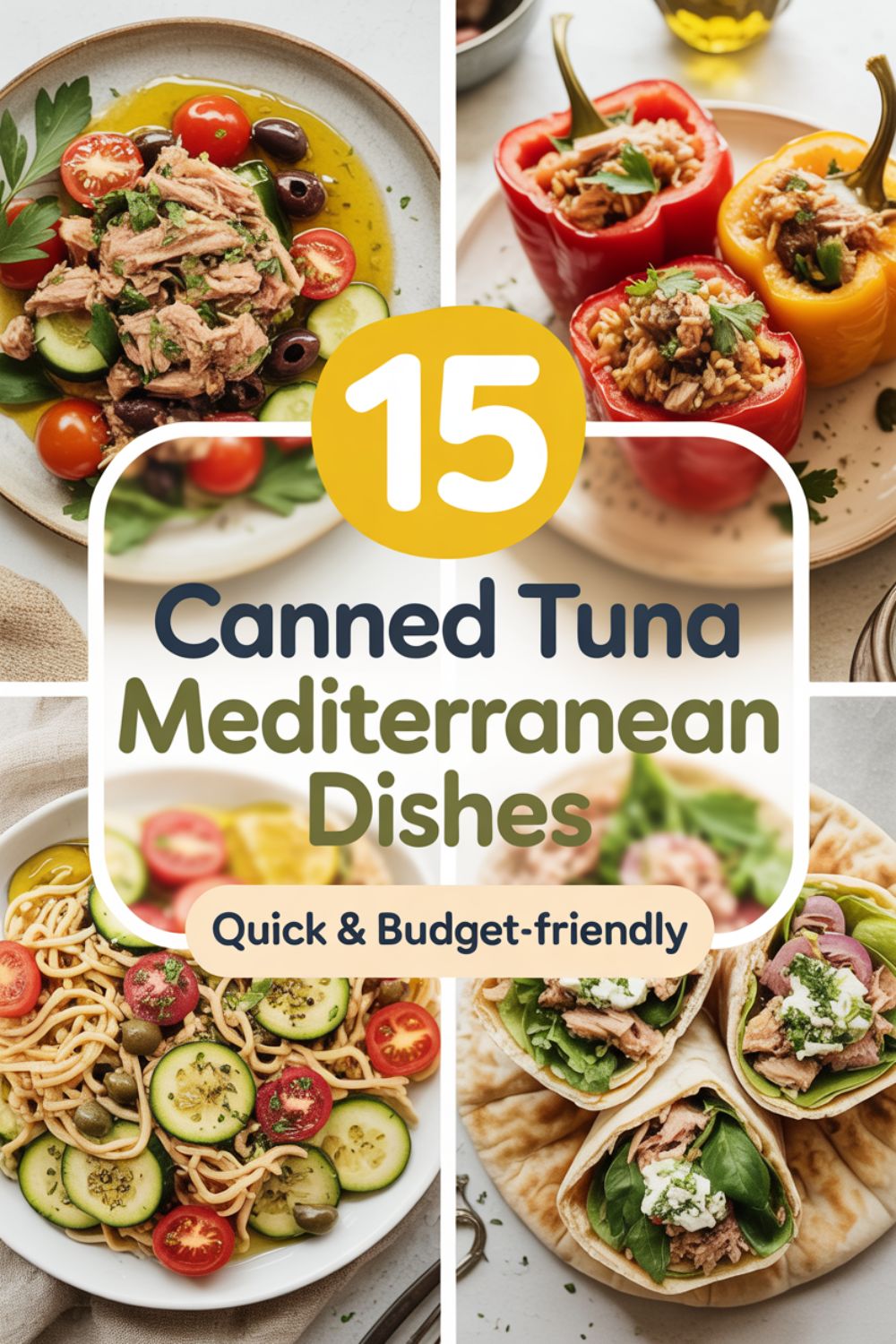
12. Mediterranean Tuna Pasta
This is my emergency dinner—the thing I make when I have absolutely nothing fresh in the house but still want something satisfying. Canned tuna, which is a staple in Mediterranean kitchens, brings protein and omega-3 fatty acids. Mixed with tomatoes, capers, olives, and garlic, it becomes this intensely flavorful sauce.
The quality of canned tuna matters here. I buy tuna packed in olive oil rather than water because the oil becomes part of the sauce and adds richness. It’s more expensive, but the flavor difference is significant. Whole grain pasta works particularly well here because its nutty flavor complements the tuna.
This dish represents the Mediterranean genius for creating incredible meals from simple ingredients. No fresh fish required, no complicated techniques—just good canned goods, herbs, and proper seasoning. Get Full Recipe
The Canned Tuna Debate
Some people turn their noses up at canned fish, but Mediterranean cultures have been preserving seafood this way for centuries. Quality canned tuna, sardines, and anchovies are nutritional powerhouses. They’re convenient, affordable, and when used properly, absolutely delicious.
13. Pesto Pasta with Sun-Dried Tomatoes
Homemade pesto is one of those things that’s so much better than store-bought that it barely seems like the same food. Traditional pesto is made with basil, pine nuts, garlic, parmesan, and olive oil, all blended together into this intensely fragrant sauce. The sun-dried tomatoes add a sweet-tart chewiness that balances the rich pesto.
Basil is more than just flavorful—it contains compounds that have anti-inflammatory and antibacterial properties. The pine nuts provide healthy fats, protein, and magnesium. And the olive oil? We already know that’s liquid gold for your cardiovascular system.
I make big batches of pesto and freeze it in ice cube trays. Then I pop out a couple cubes whenever I need it. It’s cheaper than buying those tiny jars from the store, and it tastes infinitely better. Get Full Recipe
For more creative ways to incorporate Mediterranean flavors into your weekly routine, browse these 20 Mediterranean pasta recipes bursting with flavor.
14. Whole Wheat Pasta with Broccoli Rabe and Sausage
Broccoli rabe (also called rapini) is slightly bitter, which might sound unappealing, but paired with garlicky olive oil and Italian sausage, it’s absolutely perfect. The bitterness is what makes it work—it contrasts with the richness of the sausage and cuts through the starchiness of the pasta.
I use turkey sausage to keep this lighter, but you could use chicken sausage or even skip the meat entirely and add white beans instead. The key is to blanch the broccoli rabe first to tame some of that bitterness, then sauté it with lots of garlic and a pinch of red pepper flakes.
Broccoli rabe is a nutritional superstar—it’s packed with vitamins A, C, and K, plus calcium, folate, and fiber. It’s one of those vegetables that delivers way more nutrients than you’d expect from something so inexpensive. Get Full Recipe
15. Summer Vegetable Pasta Primavera
Primavera means “spring” in Italian, but I make this dish all summer long when vegetables are at their peak. It’s essentially a celebration of whatever looks good at the farmers market—zucchini, summer squash, cherry tomatoes, bell peppers, green beans, whatever. The vegetables get sautéed until just tender, then tossed with pasta, olive oil, garlic, and fresh herbs.
The beauty of primavera is its flexibility. You’re not following a strict recipe—you’re working with what’s available and what looks good. This approach is central to Mediterranean cooking. You’re eating seasonally, which means you’re getting the most flavorful and nutritious produce while supporting a more sustainable food system.
I finish this dish with a squeeze of lemon and a handful of fresh basil. Sometimes I’ll add a spoonful of ricotta cheese, which melts slightly and creates this light, creamy coating on the pasta. It’s optional but definitely worth trying. Get Full Recipe
Portion Control Without Feeling Deprived
Mediterranean-style pasta dishes work for weight management because they’re built around the concept of satisfaction rather than restriction. You’re not eating tiny portions that leave you hungry. Instead, you’re filling your plate with vegetables, adding a reasonable amount of pasta for energy, and including some protein and healthy fat for satiety.
The fiber from the vegetables and whole grain pasta keeps you full. The healthy fats from olive oil slow digestion. The protein stabilizes blood sugar. It’s not magic—it’s just understanding how different nutrients work in your body.
For those specifically interested in weight management, the 14-day Mediterranean weight loss plan provides structured guidance on portions and meal timing while maintaining this satisfying approach to eating.
Frequently Asked Questions
Can I really eat pasta and still lose weight?
Absolutely, and research backs this up. Studies of Mediterranean populations show that people who eat pasta regularly as part of a balanced diet actually have lower BMIs than those who avoid it. The key is eating it Mediterranean-style: reasonable portions, whole grain when possible, loaded with vegetables and lean proteins, and dressed with olive oil rather than heavy cream sauces. Your body needs carbohydrates for energy, and whole grain pasta provides sustained fuel along with fiber and nutrients that support weight management.
What’s the difference between whole wheat pasta and regular pasta nutritionally?
Whole wheat pasta contains about three times more fiber than regular refined pasta—approximately 6 grams per serving versus 2 grams. It also has more protein (around 7 grams versus 5-6 grams), more B vitamins, and minerals like selenium, manganese, and magnesium that are stripped away during the refining process. The fiber content means whole grain pasta has a lower glycemic index, so it won’t spike your blood sugar the way white pasta does.
How much pasta should I actually eat in one serving?
Traditional Mediterranean portions are smaller than typical American servings—about 2 ounces of dry pasta per person, which yields roughly 1 cup cooked. This might sound small, but when you bulk up your dish with vegetables, proteins, and healthy fats, it becomes a satisfying meal. The pasta serves as a vehicle for nutrients rather than the main event. If you’re very active or have higher calorie needs, you can certainly eat more, but this portion size works well for most people focused on health goals.
Is it better to cook pasta al dente or soft?
Al dente is definitely better from both a culinary and nutritional standpoint. Pasta cooked al dente (with a slight firmness when you bite into it) has a lower glycemic impact than soft, overcooked pasta. The firmer texture means your body digests it more slowly, leading to more stable blood sugar levels. Plus, it just tastes better—overcooked pasta becomes mushy and loses its pleasant texture. Cook your pasta according to package directions minus about 1-2 minutes, then test it.
Can I make these recipes with gluten-free pasta?
Yes, but the texture and cooking time will be different. Gluten-free pasta tends to get mushy more easily, so watch it carefully while cooking and follow the package directions precisely. Legume-based pastas (like chickpea or lentil pasta) are excellent choices because they’re naturally gluten-free while adding extra protein and fiber. Rice-based and corn-based pastas work too, though they have a higher glycemic index than wheat-based options. The sauces and vegetables in these recipes work perfectly with any pasta type you choose.
Making Mediterranean Pasta Part of Your Life
Here’s what I want you to take away from this: pasta isn’t the enemy. The way we’ve been taught to eat pasta in America—huge portions, heavy cream sauces, minimal vegetables—that’s the problem. But Mediterranean-style pasta is completely different.
These 15 recipes show you how to make pasta dishes that are genuinely good for you without sacrificing flavor or satisfaction. They’re packed with vegetables, lean proteins, healthy fats, and whole grains. They’ll keep you full without making you feel heavy. And honestly, they taste better than the unhealthy versions because you’re using quality ingredients and letting the natural flavors shine.
Start with one or two recipes that sound appealing. Make them part of your regular rotation. Notice how you feel after eating them—satisfied but not stuffed, energized rather than sluggish. That’s what good food is supposed to do.
The Mediterranean approach to eating isn’t about following rigid rules or depriving yourself. It’s about enjoying delicious food that happens to support your health. These pasta recipes are proof that you really can have both.