
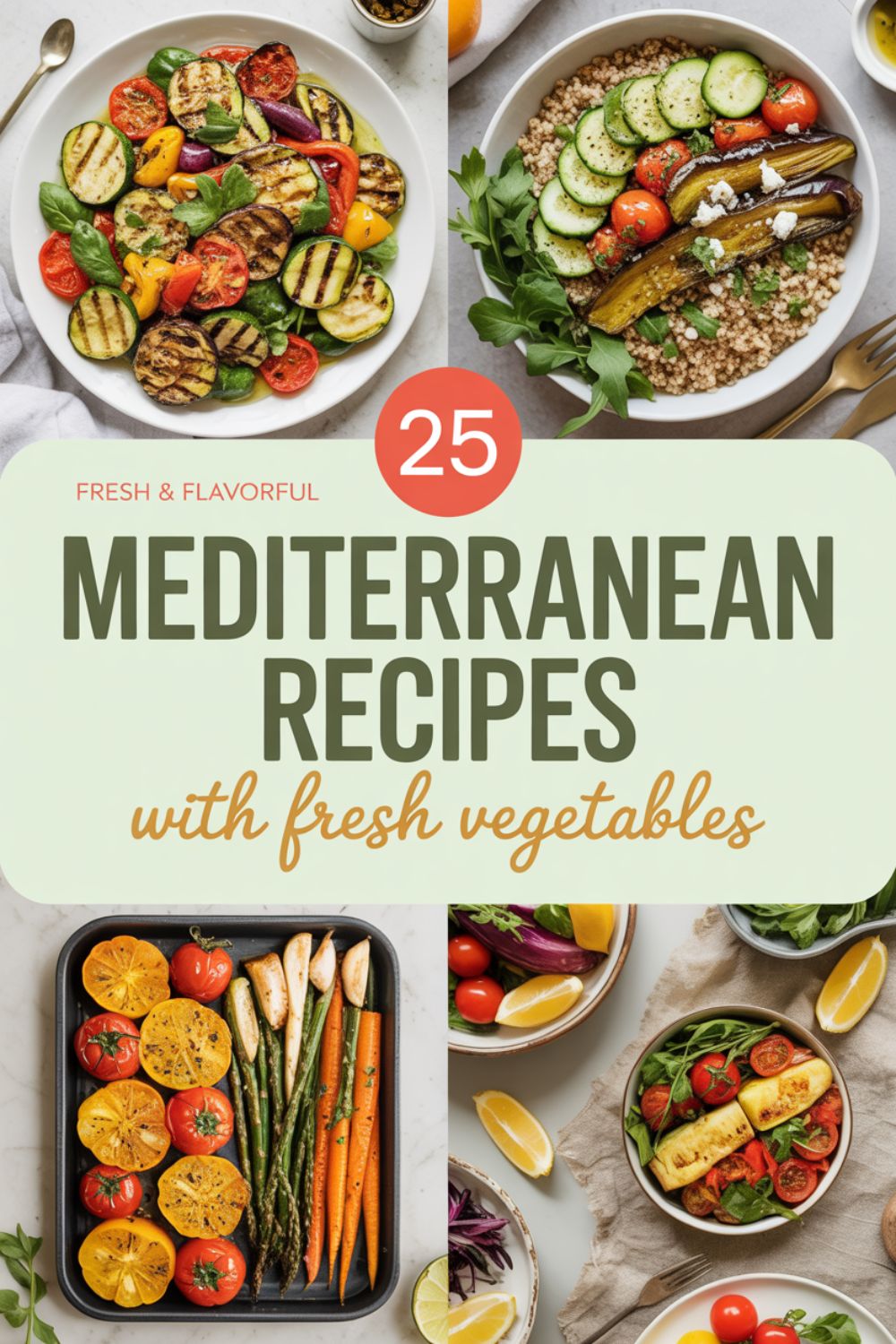
25 Mediterranean Recipes with Fresh Vegetables
Bold flavors, simple techniques, and produce that actually tastes like something. Let’s cook.
Let me be straight with you: I used to think Mediterranean cooking was just hummus and olive oil drizzled on everything. Then I actually started making these dishes from scratch, with real vegetables I could smell from across the kitchen, and something clicked. There’s a reason people have been eating this way for thousands of years along the coastlines of Greece, Turkey, Italy, and Lebanon. It works. The food is deeply satisfying, the ingredients are honest, and the whole thing somehow manages to feel both effortless and impressive at the same time.
This collection pulls together 25 Mediterranean recipes built around fresh vegetables as the hero of the plate. Not as a side note. Not as garnish. As the actual point. Whether you’re a full-time omnivore or quietly going plant-forward, these recipes will earn a permanent spot in your rotation. I promise the eggplant alone will convert someone at your table.
Why Fresh Vegetables Are the Star of the Mediterranean Table
Here’s the thing most people miss about Mediterranean cooking: it was never meant to be a “diet.” It’s just how people cooked when they lived near markets that had tomatoes still warm from the sun and eggplant that didn’t travel 2,000 miles to reach them. Fresh vegetables in this cuisine carry actual flavor, not just texture, and the cooking techniques are specifically designed to amplify that.
Roasting concentrates sugars. Braising with olive oil and herbs creates a kind of low-key magic where the liquid and fat emulsify into something almost buttery. Raw preparations like salads dressed with good lemon and salt let ingredients speak for themselves. The whole approach is surprisingly forgiving once you understand the rhythm of it.
According to Harvard Health’s guide to the Mediterranean diet, people who closely follow this eating pattern have up to a 23% lower risk of dying from any cause over a 25-year period. That’s a staggering number, and most researchers trace it back to the abundance of plant foods, healthy fats, and whole ingredients that define the cuisine. Knowing that, a big bowl of roasted zucchini with chickpeas suddenly feels like both lunch and healthcare.
If you’re looking to build an actual framework around this style of eating rather than just cooking individual recipes, the 7-day Mediterranean anti-inflammation meal plan is a great starting point. It structures the week around exactly these kinds of vegetable-forward dishes.
The Essential Mediterranean Vegetables You Need in Your Kitchen
Before we get to the recipes, let’s talk about the cast of characters. Mediterranean cooking leans hard on a core group of vegetables that show up again and again because they’re genuinely versatile, store well, and respond beautifully to heat and acid.
The Foundation Vegetables
Eggplant is arguably the most important one. It absorbs flavor like a sponge, chars magnificently over direct heat, and transforms into something almost creamy when roasted low and slow. Zucchini is its quieter cousin — less dramatic but equally useful, especially when sliced thin and cooked quickly in olive oil with garlic. Tomatoes, ideally the kind you find at a summer market that actually smell like tomatoes, form the backbone of dozens of sauces and braises.
Bell peppers, particularly the red and yellow ones, bring sweetness to any dish they join. Artichokes take more patience but reward it ten times over. Fennel is wildly underrated — raw it brings a bright anise crunch to salads, cooked it becomes mellow and almost sweet. And then there’s the holy trinity of aromatics: onion, garlic, and fresh herbs, which appear in virtually every recipe in this collection.
For more dish ideas built around these ingredients, the Mediterranean grain bowls collection does a fantastic job of pairing these vegetables with hearty bases like farro, freekeh, and bulgur.
25 Mediterranean Recipes with Fresh Vegetables
Alright, let’s get into it. These 25 recipes span every meal, every mood, and every level of cooking ambition. Some take 15 minutes. Some take an hour and are absolutely worth it. All of them showcase what fresh vegetables can do when you cook them the right way.
Salads & Raw Preparations (Recipes 1–5)
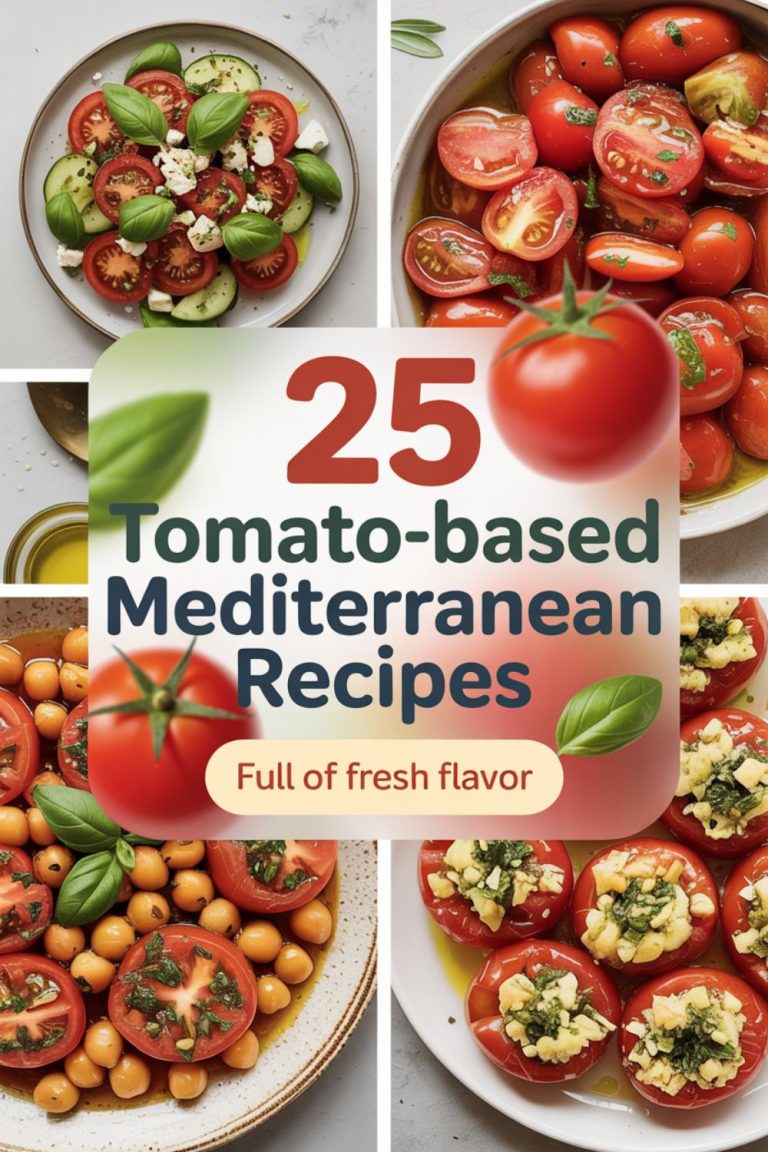
- Classic Greek Village Salad (Horiatiki) Chunky tomatoes, cucumber, red onion, kalamata olives, and a thick slab of feta — no lettuce, no apologies. The key is using genuinely ripe tomatoes and letting the whole thing sit for five minutes before serving so the juices come together into a dressing all on their own. Get Full Recipe
- Shaved Fennel and Orange Salad with Pistachios This one surprises people every time. Thinly shaved raw fennel tossed with citrus segments, toasted pistachios, and a honey-lemon dressing. It’s technically a salad but eats like something from a nice restaurant. Get Full Recipe
- Roasted Red Pepper and Walnut Muhammara A Syrian-inspired spread that belongs on every mezze table. Roasted red peppers blended with walnuts, pomegranate molasses, and a touch of cumin. Serve with warm pita or use it as a sauce over grilled vegetables. Get Full Recipe
- Turkish Shepherd’s Salad (Coban Salatasi) Finely diced tomatoes, cucumber, parsley, and green onion in a lemony olive oil dressing. It’s the Turkish equivalent of pico de gallo, but lighter and made for eating in large quantities alongside any main dish.
- Warm Lentil and Roasted Beet Salad Earthy French lentils, sweet roasted beets, crumbled goat cheese, and fresh mint. This one works as a side dish, a light lunch, or honestly just a snack eaten standing at the kitchen counter at 11pm. We don’t judge here.
Roasted & Oven Dishes (Recipes 6–11)
- Oven-Roasted Ratatouille (Tian Provencal) Thinly sliced zucchini, tomato, eggplant, and yellow squash arranged in overlapping circles over a herbed tomato base. Takes about 90 minutes to bake properly, but the visual payoff and the depth of flavor are genuinely worth clearing your schedule for. Get Full Recipe
- Roasted Cauliflower with Chermoula Whole roasted cauliflower florets finished with a North African herb sauce made from cilantro, parsley, garlic, cumin, and lemon. If you’ve been skeptical about cauliflower as a main event, this is the recipe that will change your mind.
- Greek Stuffed Peppers (Gemista) Bright red and yellow peppers filled with a herbed rice mixture, topped with a drizzle of olive oil, and baked until perfectly tender. This is comfort food with a bright, summery edge. Get Full Recipe
- Roasted Eggplant with Pomegranate and Tahini Halved eggplant roasted until deeply caramelized, then dressed with tahini, pomegranate seeds, and fresh herbs. It looks stunning on the table and takes less than 40 minutes from start to finish. The contrast between the bitter char and the sweet pomegranate is genuinely special.
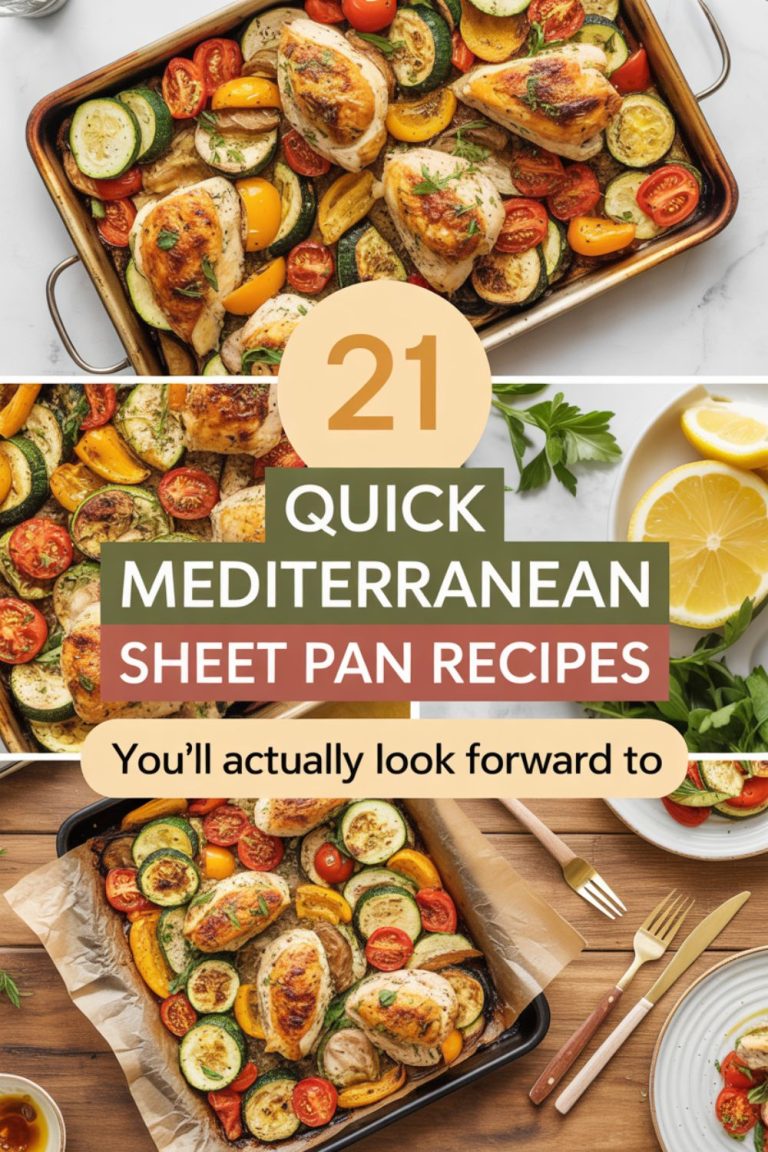
- Sheet Pan Za’atar Carrots and Chickpeas Earthy, slightly nutty, and perfectly crispy around the edges. Whole baby carrots and canned chickpeas tossed in olive oil and za’atar, roasted at high heat. This one is a weeknight hero. You can have it on the table in 30 minutes, and it pairs with literally anything. For more ideas like this, check out the quick Mediterranean sheet pan recipes collection.
- Baked Gigantes Plaki (Giant Beans in Tomato Sauce) Oversized white beans slow-baked in a thick, herb-forward tomato sauce. This Greek classic is proof that the simplest ingredients can produce something deeply satisfying. IMO, this is one of the most underrated dishes in the entire Mediterranean canon.
Stovetop & Braised Dishes (Recipes 12–17)
- Braised Artichokes with Lemon and Fresh Dill Quartered artichoke hearts cooked low and slow in olive oil, white wine, and a heap of fresh dill. This is one of those dishes that improves significantly the next day, making it ideal for meal prep. Get Full Recipe
- Shakshuka with Feta and Fresh Herbs Eggs poached directly in a spiced tomato and pepper sauce, finished with crumbled feta and torn fresh herbs. Technically it’s a breakfast dish, but honestly it works at any meal. You’ll need a good heavy skillet for this one — I use this enameled cast iron pan and it holds heat perfectly for the low simmer you need.
- Turkish Green Beans in Olive Oil (Zeytinyagli Fasulye) This dish is the definition of slow-cooked simplicity. Green beans, tomatoes, onion, and a generous pour of olive oil, cooked until the beans are completely tender and have absorbed the sweet tomato flavor. Serve at room temperature with good bread.
- Spanakopita-Style Braised Spinach with Eggs All the flavors of spanakopita — spinach, dill, feta, nutmeg — but without the phyllo work. Everything comes together in one pan, topped with eggs, and finished under the broiler. This one earns you easy weekend brunch credit.
- Lebanese Moussaka (Maghmour) Not the bechamel-layered Greek version, but the Lebanese plant-based version: eggplant, chickpeas, and tomatoes cooked together with warming spices into a thick, saucy stew. Serve warm or at room temperature with pita. Get Full Recipe
- Sauteed Zucchini with Mint and Feta This is the recipe I make when I have zucchini that needs to be used and zero motivation to do anything complicated. Golden-edged zucchini rounds in olive oil with garlic, torn fresh mint, and a scatter of feta. Done in 15 minutes. Tastes like summer.
Grain-Based & Hearty Mains (Recipes 18–22)
- Farro with Roasted Tomatoes, Arugula, and Parmesan Nutty, chewy farro tossed while still warm with slow-roasted tomatoes, peppery arugula, and shaved Parmesan. This is a grain salad that’s actually filling. FYI, farro has significantly more protein and fiber than white rice, which is why it’s a staple in Mediterranean diet meal plans. Get Full Recipe
- Bulgur Wheat with Roasted Eggplant and Pomegranate Tender bulgur as the base, topped with roasted eggplant, pine nuts, pomegranate seeds, and a tahini drizzle. It takes the best parts of a grain bowl and adds the textural complexity that makes eating genuinely enjoyable.
- Chickpea and Spinach Stew with Smoked Paprika A Spanish-influenced preparation that brings chickpeas and wilted spinach together in a deeply savory tomato broth seasoned with smoked paprika and cumin. One pot, one pan to wash, serious flavor. For anyone building a high-fiber week, this fits perfectly into the 14-day high-fiber Mediterranean plan for beginners.
- Orzo with Roasted Vegetables and Halloumi This one is practically a party trick. Orzo tossed with roasted zucchini, cherry tomatoes, and golden-seared halloumi cubes. The squeaky, salty halloumi against the tender pasta and soft vegetables is a texture combination that works every single time.
- White Bean and Kale Stew with Lemon and Rosemary Creamy cannellini beans and hearty kale in a fragrant broth bright with lemon and rosemary. This is the soup I make when someone says they don’t like soup. It’s closer to a stew, and it’s the kind of thing that tastes even better reheated the next morning with good sourdough toast alongside. My go-to pot for this is this wide Dutch oven — the low sides make stirring in the kale much easier than a tall stockpot.
Quick Sides & Dips (Recipes 23–25)
- Smoky Baba Ganoush Properly made baba ganoush starts with charring the eggplant directly over a gas flame until the skin blackens and the interior becomes completely smoky and soft. No shortcuts here. Blend it with tahini, lemon, and garlic. The depth of flavor you get from that char is irreplaceable. Get Full Recipe
- Roasted Beet and Walnut Dip The visual impact of this dip alone is enough to justify making it. Deep magenta, earthy, and slightly sweet, with a creamy walnut base that softens the beet’s intensity. Serve with crudites, pita chips, or just a spoon.
- Grilled Asparagus with Romesco Tender charred asparagus spears with a thick, smoky Catalonian romesco sauce made from roasted peppers, tomatoes, almonds, and sherry vinegar. It comes together in a blender in minutes. You’ll want to put this sauce on basically everything for the rest of the week.
Kitchen Tools & Resources That Make These Recipes Easier
Things I actually use — honest picks, no fluffYou genuinely don’t need much equipment to cook this way. But a few well-chosen tools make the whole process faster and more enjoyable, and a couple of digital resources save a lot of planning time. Here’s what I’d recommend to a friend:
Enameled Cast Iron Skillet
The workhorse of this entire recipe list. Even heat, goes from stovetop to oven, and somehow makes everything taste slightly better. I use this enameled cast iron skillet for shakshuka, braises, and anything that needs a proper sear.
Large Rimmed Sheet Pan (Half-Sheet)
Proper roasting needs space. Crowded vegetables steam instead of caramelize, and crowded vegetables are a tragedy. This heavy-gauge aluminum sheet pan gives your vegetables room to breathe and delivers the crispy edges you’re after.
High-Speed Blender
For smooth hummus, romesco, baba ganoush, and any tahini-based sauce. A regular blender works, but a high-speed blender gets the texture genuinely silky. Worth the investment if you cook this way regularly.
7-Day Anti-Inflammation Reset Plan
A week-long structured plan built around simple vegetable-forward meals. Perfect if you want to cook intentionally rather than improvise. Grab the 7-day anti-inflammation reset and have a full week mapped out.
30-Day Mediterranean Wellness Plan
For the long game. A month of structured meals, shopping guidance, and built-in variety so you don’t default to the same five dishes. The 30-day Mediterranean wellness plan is genuinely one of the most complete resources we offer.
Adjustable Mandoline Slicer
For the tian, the fennel salad, and anywhere else thin, even slices matter. Uniform thickness means everything cooks at the same rate. This adjustable mandoline has a good finger guard, which is the only feature that actually matters on a mandoline.
How to Actually Get the Flavors Right
You can follow a Mediterranean recipe precisely and still produce something flat and underwhelming. Usually the culprit is one of three things: not enough salt, not enough heat on the vegetables, or using inferior olive oil. Let’s fix all three.
Salt Early and Generously
Mediterranean cooking doesn’t shy away from salt. Salting vegetables before cooking — especially eggplant and zucchini — draws out moisture and concentrates flavor. Doing it early and giving the salt time to work (at least 20 minutes for eggplant slices) makes a real difference in the final texture and taste. Use a flaky sea salt when finishing dishes.
Use Good Olive Oil and Use a Lot of It
The olive oil in Mediterranean cooking isn’t an accent flavor. It’s a primary one. A finishing drizzle of decent extra virgin olive oil over a finished dish carries herb notes, peppery bitterness, and a richness that transforms even simple roasted vegetables. I keep two bottles: a mid-range one for cooking where I’m heating it, and a good single-origin one for finishing and dressings.
Harvard’s Nutrition Source points out that the combination of foods in the Mediterranean pattern — rather than any single ingredient — is what produces the health benefits. That’s worth remembering when you’re cooking: the goal is the whole plate, not optimizing any one element.
Finish with Acid
Almost every Mediterranean dish benefits from a squeeze of fresh lemon or a splash of good vinegar right before serving. Acid brightens flavors, cuts through richness, and brings a finished dish to life in a way that more salt or fat simply can’t. This is the trick that separates food that tastes “cooked” from food that actually tastes good.
What All These Vegetables Are Actually Doing for You
The nutritional case for vegetable-heavy Mediterranean cooking is genuinely compelling. Fresh vegetables provide fiber that feeds the beneficial bacteria in your gut, antioxidants that reduce cellular inflammation, and vitamins that your body runs on. When you cook them in olive oil, the fat actually helps your body absorb fat-soluble vitamins like A, D, E, and K more efficiently. So the drizzle of olive oil isn’t just flavor — it’s actually making the nutrients in those vegetables more bioavailable.
Eggplant specifically contains nasunin, an anthocyanin antioxidant found in the skin that researchers have studied for its potential to protect cell membranes. Tomatoes cooked in olive oil release significantly more lycopene — the compound linked to reduced cancer risk — than raw tomatoes. And leafy greens like spinach and kale, which show up throughout this collection, are among the most nutrient-dense foods on the planet per calorie.
The practical upshot is this: cooking this way isn’t deprivation. It’s abundance. A plate built around roasted eggplant with tahini, a handful of dressed greens, and good bread is simultaneously delicious and genuinely nourishing. That’s a combination that almost no other culinary tradition delivers as consistently.
Making These Recipes Work for a Real Week
The biggest obstacle to cooking this way consistently isn’t skill — it’s time. Or more precisely, the feeling that you don’t have time. The truth is that most of the 25 recipes in this collection take between 20 and 45 minutes, and several of them improve with sitting, meaning you can make them in advance and eat them over multiple days without any quality loss.
The recipes that keep best are the braised and roasted ones: the gigantes beans, the green beans in olive oil, the baba ganoush, the chickpea and spinach stew, and the bulgur with roasted eggplant all hold up beautifully in the refrigerator for 3 to 4 days. If you make two or three of them on a Sunday afternoon, you have the foundation for the entire week without any mid-week cooking stress.
The salads and fresh preparations are best made day-of, but even the chopping can be done ahead. Pre-cut the tomatoes, cucumber, and herbs for the Greek salad and store them separately. Dress it right before eating. Same logic applies to the shepherd’s salad and the farro dish — the components can live in the fridge and come together in five minutes when you need a meal.
For a more comprehensive approach to Mediterranean meal prepping, the 7-day Mediterranean high-fiber meal prep plan walks through exactly how to batch-cook a week’s worth of these recipes efficiently. It’s built specifically around the kind of cooking you can do in one Sunday session.
Frequently Asked Questions
What vegetables are most commonly used in Mediterranean cooking?
The core vegetables are eggplant, zucchini, tomatoes, bell peppers, spinach, artichokes, and fennel. Leafy greens like kale and Swiss chard also feature heavily in many regional variations, particularly in Greek and Turkish cooking. Fresh herbs — parsley, dill, mint, and basil — are used so liberally they’re practically vegetables in their own right.
Can I make Mediterranean vegetable recipes ahead of time?
Most of them, yes. Braised dishes, roasted vegetables, grain salads, and dips all improve with a day of rest in the refrigerator. Fresh salads are the exception — dress those right before serving. The gigantes beans, baba ganoush, and white bean stew are particularly good the next day once the flavors have had time to deepen.
Are these recipes suitable for a vegan or plant-based diet?
The majority of them are either fully vegan or easily adapted. The Greek salad and shakshuka include animal products (feta and eggs respectively), but both work without them. The rest of the collection — from the braised artichokes to the chickpea stew to the roasted eggplant — is entirely plant-based. For a curated list, the 21 vegan Mediterranean recipes collection is a solid resource.
What oil should I use for Mediterranean cooking?
Extra virgin olive oil for most applications — finishing, low-heat sauteing, and dressings. For very high-heat roasting above 425°F, a refined olive oil or avocado oil has a higher smoke point and won’t turn bitter. The key is to use a finishing-quality extra virgin for anything where you can actually taste the oil, and save the premium bottle for drizzling rather than deep-frying.
How do I make Mediterranean food flavorful without a lot of meat?
The answer is layered flavor-building: aromatics cooked properly at the start (onion, garlic, spices in hot oil), acid to brighten the finish (lemon, vinegar), good salt, and genuinely ripe seasonal vegetables. Umami depth comes from ingredients like tomato paste, olives, capers, and aged cheeses, even in small amounts. The tahini-based sauces and herb-forward dressings in this collection do a lot of heavy lifting flavor-wise without any meat required.
The Takeaway
These 25 recipes aren’t a meal plan. They’re not a diet protocol. They’re just a collection of genuinely good dishes that happen to be built around fresh vegetables cooked the way people in the Mediterranean have always cooked them — with patience, good fat, and an understanding that the ingredients themselves are the point.
Start with two or three recipes that sound good to you. Make the Greek salad this week. Try the shakshuka on Saturday morning. Roast some eggplant on Sunday and eat it with tahini and flatbread while it’s still warm. Once you start cooking this way, it becomes less about following recipes and more about understanding a vocabulary of flavors and techniques that you can apply to whatever vegetables are in season and whatever you have in the pantry.
That’s the part nobody tells you: Mediterranean cooking eventually becomes intuitive. And intuitive cooking is the most enjoyable kind.