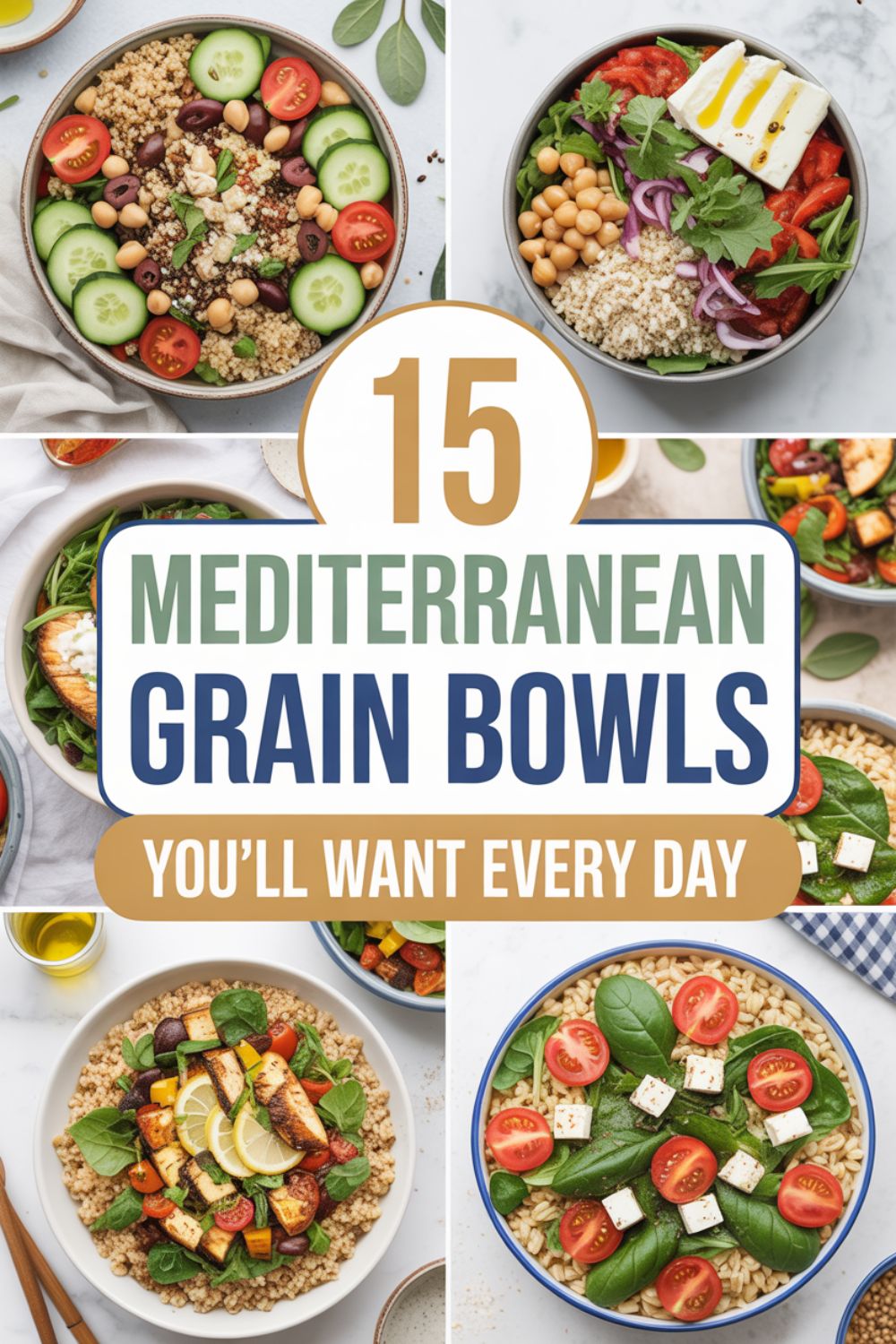
15 Mediterranean Grain Bowls You’ll Want Every Day
Look, I’m not here to tell you grain bowls are revolutionary. You’ve probably seen a hundred of them on Instagram, each one looking suspiciously perfect with their symmetrical toppings and drizzled tahini. But here’s the thing—Mediterranean grain bowls actually deserve the hype, and not just because they photograph well.
I started making these bowls about two years ago when I got tired of the same boring lunch rotation. Now? I legitimately crave them. There’s something about the combination of nutty whole grains, bright vegetables, creamy hummus, and tangy dressings that just works. Plus, research consistently shows that Mediterranean eating patterns can slash cardiovascular disease risk by up to 25% and support overall longevity.
These aren’t your basic grain bowl recipes where everything tastes like sad brown rice and chickpeas. We’re talking bold flavors, interesting textures, and meals that actually keep you full until dinner. Whether you’re meal prepping for the week or throwing together a quick lunch, these 15 bowls will become your new kitchen staples.
Why Mediterranean Grain Bowls Are Actually Worth Making
Before we dive into the recipes, let’s talk about why these bowls work so well. Mediterranean cuisine focuses on whole grains, vegetables, legumes, and healthy fats—basically the exact formula for meals that don’t leave you hungry an hour later or crashing mid-afternoon.
The whole grains provide complex carbohydrates and fiber that keep your blood sugar stable. According to Harvard’s Nutrition Source, whole grains contain the bran, germ, and endosperm—meaning you get all the B vitamins, iron, magnesium, and fiber that refined grains lose during processing. That fiber is key for keeping you satisfied and supporting healthy digestion.
Then you’ve got the vegetables, which bring vitamins, minerals, and antioxidants to the party. The healthy fats from olive oil, nuts, and sometimes a bit of feta help your body absorb those fat-soluble vitamins. And the protein from chickpeas, lentils, or a bit of grilled chicken turns this into an actual meal instead of just a salad pretending to be dinner.
The Base: Choosing Your Grains
Not all grains are created equal, and honestly, this is where a lot of people mess up their grain bowls. You want something with actual flavor and texture, not just a neutral base that turns mushy.
Quinoa
Yeah, I know quinoa became the poster child for “trying too hard” food culture around 2014, but hear me out. It’s actually a complete protein, meaning it has all nine essential amino acids your body needs. It cooks in 15 minutes, has a slightly nutty flavor, and holds up well in the fridge without turning into paste.
The trick is to rinse it first—otherwise you get this bitter, soapy taste from the natural coating. I use this fine-mesh strainer because regular colanders let the tiny grains escape.
Farro
Farro is my secret weapon for grain bowls that need to sit in the fridge for a few days. It stays chewy and doesn’t get waterlogged like some grains. The nutty, almost earthy flavor pairs perfectly with roasted vegetables and strong cheeses like feta.
Just make sure you buy whole grain farro, not the pearled version—you lose a lot of the fiber and nutrients in the pearling process.
Brown Rice
I almost didn’t include brown rice because it seems so obvious, but it’s actually perfect for Mediterranean bowls when you cook it right. The problem is most people either undercook it (crunchy and hard) or overcook it (mushy disaster).
This rice cooker has a specific brown rice setting that gets it perfect every time. No babysitting, no texture issues, just fluffy rice that actually tastes good.
If you’re looking for more ways to incorporate fiber-rich whole grains into your routine, you might want to check out this 14-day high-fiber Mediterranean plan for beginners—it’s got tons of meal ideas and makes the whole process way less overwhelming.
15 Mediterranean Grain Bowls That’ll Change Your Lunch Game
1. Classic Greek Bowl
This is where you start if you’re new to Mediterranean grain bowls. Quinoa base, cucumbers, tomatoes, red onion, Kalamata olives, chickpeas, and feta with a lemon-oregano dressing. Simple, fresh, and impossible to screw up.
The key is cutting everything roughly the same size so you get a bit of each ingredient in every bite. I dice my cucumbers and tomatoes into half-inch pieces—small enough to mix well but not so tiny they turn into mush.
2. Roasted Red Pepper and Hummus Bowl
Farro, roasted red peppers, hummus, cucumber, cherry tomatoes, and toasted pine nuts with a tahini drizzle. The roasted peppers add this sweet, smoky depth that makes the whole bowl feel more substantial.
I buy jarred roasted red peppers when I’m lazy, but roasting them yourself is genuinely worth it. Just char whole peppers under the broiler, steam them in a covered bowl for 10 minutes, then peel off the skin. These kitchen tongs make the whole process way less likely to result in burned fingers.
3. Lemon Herb Chicken Bowl
Brown rice, grilled lemon-herb chicken, roasted zucchini, cherry tomatoes, cucumber, and tzatziki. This is my go-to when I need actual protein and not just chickpeas (no shade to chickpeas, but sometimes you need more).
The chicken marinates in lemon juice, olive oil, garlic, and oregano for at least an hour. It’s worth the wait. The acidity from the lemon helps tenderize the meat and infuses way more flavor than just seasoning the surface.
4. Falafel and Tabbouleh Bowl
Quinoa, homemade or store-bought falafel, tabbouleh, hummus, and cucumber with tahini sauce. Yes, you can absolutely use frozen falafel—I do it all the time. Just bake them until they’re crispy on the outside.
The tabbouleh adds this fresh, bright element that cuts through the richness of the falafel and hummus. Traditional tabbouleh is mostly parsley with just a bit of bulgur, but I flip that ratio because I actually want to be full after eating.
5. Mediterranean Lentil Bowl
Brown rice, French green lentils, roasted eggplant, sun-dried tomatoes, arugula, and crumbled feta with balsamic dressing. The lentils add serious protein and fiber—about 18 grams of protein and 16 grams of fiber per cup.
French green lentils (also called Puy lentils) hold their shape better than regular brown lentils, which is crucial when you’re meal prepping. Nobody wants mushy lentil soup when they packed a grain bowl.
For more protein-packed Mediterranean meals that keep you satisfied, this 14-day high-protein anti-inflammatory plan has some really solid recipes.
6. Za’atar Roasted Vegetable Bowl
Farro, za’atar-roasted cauliflower and chickpeas, cucumber, tomatoes, and tahini dressing. Za’atar is this Middle Eastern spice blend with thyme, sumac, and sesame seeds—it makes everything taste like it came from an actual restaurant instead of your slightly chaotic kitchen.
Roast the cauliflower and chickpeas together on the same pan at 425°F for about 25 minutes. The chickpeas get crispy and addictive, like healthy chips you don’t feel guilty eating by the handful.
This half-sheet pan is the perfect size for roasting vegetables without overcrowding. Overcrowded vegetables steam instead of roast, and you lose that crispy, caramelized exterior everyone loves.
7. Greek Yogurt and Herb Bowl
Quinoa, Greek yogurt mixed with dill and mint, roasted beets, walnuts, cucumber, and honey drizzle. The creamy, herby yogurt acts like a lighter version of tzatziki and balances the earthiness of the beets.
I know beets are divisive, but roasted beets are completely different from the sad, canned ones your grandmother served at Easter. Wrap them in foil and roast at 400°F for about an hour until they’re tender. The skins slip right off.
8. Spiced Lamb and Grain Bowl
Brown rice, spiced ground lamb, roasted bell peppers, red onion, cucumber, and mint-yogurt sauce. The warm spices—cumin, coriander, cinnamon—make this feel special without requiring any actual cooking skills beyond browning ground meat.
If lamb isn’t your thing, ground turkey or beef works just as well with the same spice blend. The key is toasting the spices in the pan for 30 seconds before adding the meat so they bloom and release their oils.
9. White Bean and Arugula Bowl
Farro, white beans, arugula, roasted tomatoes, shaved Parmesan, and lemon vinaigrette. The peppery arugula and sharp Parmesan create this sophisticated flavor profile that makes it feel like you’re eating at a nice lunch spot instead of hunched over your desk.
Use cannellini beans or great northern beans—they’re creamier than chickpeas and almost buttery in texture. Rinse canned beans thoroughly to get rid of that weird, starchy liquid they’re packed in.
10. Harissa Cauliflower Bowl
Quinoa, harissa-roasted cauliflower, chickpeas, cucumber, mint, and yogurt sauce. Harissa is a North African chili paste that brings heat and depth without just tasting like generic spicy food.
If you can’t find harissa at your grocery store, this organic harissa paste is the real deal—not too spicy, good flavor, and it lasts forever in the fridge once you open it.
Speaking of anti-inflammatory ingredients like the ones in this bowl, you might want to explore this 7-day Mediterranean anti-inflammation meal plan for more ideas on building meals that actually help reduce inflammation.
11. Grilled Shrimp and Couscous Bowl
Whole wheat couscous, grilled shrimp, roasted red peppers, artichoke hearts, olives, and lemon-garlic dressing. Couscous technically isn’t a grain (it’s tiny pasta), but it works perfectly in grain bowls and cooks in literally five minutes.
The shrimp marinade is just olive oil, lemon juice, garlic, and red pepper flakes. Marinate for 15 minutes while you prep everything else, then grill for 2-3 minutes per side. Don’t overcook shrimp—the second they turn opaque, they’re done.
12. Eggplant and Tahini Bowl
Brown rice, roasted eggplant, cherry tomatoes, cucumber, chickpeas, and generous tahini drizzle. Eggplant gets this creamy, almost meaty texture when roasted properly, and it soaks up flavors like a sponge.
Salt your eggplant slices and let them sit for 20 minutes before roasting. This draws out moisture and prevents that spongy, watery texture nobody likes. This mandoline slicer makes uniform slices that cook evenly, though watch your fingers—those blades are no joke.
13. Pomegranate and Pistachio Bowl
Farro, pomegranate arils, toasted pistachios, roasted butternut squash, arugula, and honey-lemon dressing. This one is slightly fancier and perfect when you want something that looks impressive but requires minimal actual effort.
Buying pre-cut butternut squash is not cheating—it’s smart time management. Those things are a pain to peel and cube. Toast the pistachios yourself though; pre-toasted nuts get stale quickly and lose their crunch.
14. Tuna and Olive Bowl
Quinoa, olive oil-packed tuna, Kalamata olives, roasted bell peppers, red onion, and lemon-oregano dressing. This is basically a Mediterranean tuna salad that doesn’t need mayo and won’t make your lunch smell weird in the office.
Spring for the good tuna packed in olive oil, not water. The oil-packed stuff has better flavor and texture. These sustainable skipjack tuna tins are my go-to—caught responsibly and they actually taste like tuna instead of generic canned fish.
If you’re meal prepping several of these bowls at once, this 7-day Mediterranean high-fiber meal prep plan walks you through exactly how to batch cook efficiently without losing your mind.
15. Spinach and Feta Breakfast Bowl
Quinoa, sautéed spinach, soft-boiled egg, feta, cherry tomatoes, and everything bagel seasoning. Who says grain bowls are just for lunch? This one works for breakfast or brunch and keeps you full way longer than cereal or toast.
The soft-boiled egg is crucial—you want that runny yolk to mix with the quinoa and create a creamy sauce. Six minutes in boiling water, then straight into an ice bath. Perfect every time.
This egg timer changes color to show you exactly when your eggs are soft, medium, or hard-boiled. Sounds gimmicky but it’s actually super helpful when you’re juggling three other things on the stove.
Meal Prep Essentials Used in These Bowls
Look, you don’t need a ton of fancy equipment to make these bowls, but a few key items make the whole process way smoother. Here’s what actually gets used in my kitchen weekly:
Physical Products
Digital Products & Resources
Tips for Meal Prepping These Bowls
IMO, the biggest mistake people make with grain bowl meal prep is assembling everything on Sunday and wondering why it’s gross by Wednesday. Don’t do that. Here’s what actually works:
Cook components separately and store them in individual containers. Your grains go in one container, roasted vegetables in another, fresh vegetables in another, and dressings in small jars. Assemble each morning or the night before.
The grains and roasted vegetables will last 4-5 days in the fridge. Fresh vegetables start getting sad after 3 days. Herbs wilt quickly—add them right before eating, not during prep.
Keep your dressings separate until you’re ready to eat. Nobody wants soggy grain bowls. These 2-ounce dressing containers are perfect for portion control and they don’t leak in your bag.
For maximum efficiency and more structured meal prep guidance, this 14-day Mediterranean weight loss plan includes detailed shopping lists and prep schedules that actually make sense for real life.
Common Mistakes and How to Avoid Them
Underseasoning Your Grains
Plain grains are boring. Cook them in vegetable broth instead of water, or add a bay leaf and some garlic to the cooking liquid. Season with salt while they’re still hot. This isn’t optional—it’s the difference between a bowl you actually want to eat and one you choke down out of obligation to your meal prep efforts.
Skimping on Healthy Fats
I see this all the time with people trying to make “healthy” grain bowls and ending up with sad, dry food. You need fat for satiety and to absorb fat-soluble vitamins like A, D, E, and K. A tablespoon of good olive oil, a handful of nuts, or some feta cheese makes everything taste better and keeps you full longer.
Not Adding Enough Acid
Lemon juice, red wine vinegar, or a splash of balsamic wakes up all the other flavors in your bowl. Grains especially need acid to balance their inherent earthiness. Squeeze fresh lemon over your bowl right before eating—it makes a huge difference.
Adapting These Bowls for Different Diets
These bowls are pretty flexible, which is part of why they work so well for meal prep. Here’s how to adapt them:
Vegan: Skip the feta and yogurt-based sauces. Use tahini dressing, hummus, or a lemon-herb vinaigrette instead. Add extra chickpeas or white beans for protein. You might also like this 7-day Mediterranean vegan anti-inflammation plan for more plant-based ideas.
Gluten-free: Use quinoa, brown rice, or any other naturally gluten-free grain. Just double-check that your grains haven’t been processed in a facility that also handles wheat if you have celiac disease.
Low-carb: Replace the grain base with cauliflower rice or just use extra vegetables. You’ll want to up the protein and fat to compensate—add more chicken, fish, eggs, cheese, or nuts.
Higher protein: Double the protein source, add a soft-boiled egg, or throw in some extra chickpeas. Greek yogurt on the side also works well.
Making These Bowls More Interesting
Even the best grain bowl gets boring if you eat the exact same thing every day. Here’s how to keep things interesting without creating more work:
Rotate your grains. One week use quinoa, the next week farro, then brown rice. Same vegetables and toppings, different base—surprisingly effective at preventing flavor fatigue.
Change up your acid. Lemon juice one day, red wine vinegar the next, pomegranate molasses when you’re feeling fancy. Different acids create completely different flavor profiles even with the same ingredients.
Experiment with herbs and spices. Za’atar, sumac, cumin, fresh dill, mint, parsley—these make everything taste more complex without requiring additional cooking or prep work.
Add different textures. Toasted nuts, crispy chickpeas, fresh vegetables, creamy yogurt, chewy grains—every bowl should have at least three different textures to keep your brain engaged while eating.
The Real Talk About Mediterranean Grain Bowls
Look, these bowls aren’t magic. They won’t single-handedly transform your health or make you lose 20 pounds in a month. What they will do is give you easy, nutritious meals that actually taste good and don’t require you to be a trained chef.
The Mediterranean diet works because it’s based on whole foods, plenty of vegetables, healthy fats, and moderate portions of everything. It’s not restrictive or complicated. You eat real food, enjoy your meals, and don’t feel like you’re constantly depriving yourself.
These grain bowls fit perfectly into that philosophy. They’re satisfying, flavorful, and flexible enough to work with whatever ingredients you have or dietary restrictions you’re dealing with. Plus, according to research on Mediterranean dietary patterns, this way of eating is linked to better cardiovascular health, reduced inflammation, and improved metabolic function.
The key is consistency, not perfection. Make a few of these bowls each week. Figure out which ones you actually like. Adjust the ingredients to match your preferences. This isn’t about following a strict recipe—it’s about developing a sustainable way of eating that works for your actual life.
Frequently Asked Questions
How long do Mediterranean grain bowls last in the fridge?
Cooked grains and roasted vegetables will stay fresh for 4-5 days when stored in airtight containers. Fresh vegetables like cucumbers and tomatoes should be added within 2-3 days for best quality. Always store dressings separately and add them right before eating to prevent soggy bowls.
Can I freeze grain bowls for later?
You can freeze the grains and some roasted vegetables, but fresh vegetables, dairy, and leafy greens don’t freeze well. If you want to freeze components, stick to just the grains and maybe roasted eggplant or peppers. Thaw in the fridge overnight and add fresh components when you’re ready to eat.
What’s the best grain for meal prep bowls?
Farro holds up the best over several days without getting mushy or dry. Quinoa is a close second and has the advantage of being a complete protein. Brown rice works well too but can dry out a bit—just add a splash of water or broth when reheating.
Are grain bowls actually filling enough for a meal?
Yes, if you include enough protein, healthy fats, and fiber. A proper Mediterranean grain bowl should have at least 1 cup of cooked grain, a good protein source (chickpeas, chicken, fish, or eggs), plenty of vegetables, and healthy fats from olive oil, nuts, or cheese. This combination keeps you satisfied for 4-5 hours.
Do I need to use expensive ingredients for authentic Mediterranean flavors?
Not at all. The core ingredients—grains, vegetables, olive oil, lemon, garlic, herbs—are all affordable and available at regular grocery stores. Sure, specialty items like za’atar or harissa add extra flavor, but you can make delicious Mediterranean bowls with just basic pantry staples and fresh vegetables.
Final Thoughts
Mediterranean grain bowls are one of those rare things that manage to be healthy, delicious, and practical all at once. They work for meal prep, they adapt to whatever ingredients you have, and they don’t require you to spend your entire Sunday in the kitchen.
Start with one or two of these recipes that sound good to you. Cook a batch of grains, roast some vegetables, and see how you feel. You might be surprised at how quickly these bowls become part of your regular rotation.
The Mediterranean diet isn’t about perfection or following rigid rules. It’s about eating real food, enjoying your meals, and building sustainable habits that actually work for your life. These grain bowls are just one tool to help you do that—and honestly, they’re a pretty delicious tool to have in your kitchen arsenal.
Similar Posts
7-Day Mediterranean Meal Plan For Menopause Symptoms
Claude responded: 7-Day Mediterranean Meal Plan For Menopause Symptoms 7-Day Mediterranean Meal Plan For Menopause Symptoms It was a Tuesday morning and I was standing in my kitchen, puffy-faced, exhausted before the day even started,
7-Day Anti-Inflammation Plan for Busy Women
7-Day Anti-Inflammation Plan for Busy Women Your body is tired of fighting itself. That exhaustion you can’t shake, the joint pain that showed up uninvited, the brain fog that makes you forget why you walked into a room—these aren’t just signs of being busy. They’re your body’s way of screaming that chronic inflammation has moved…
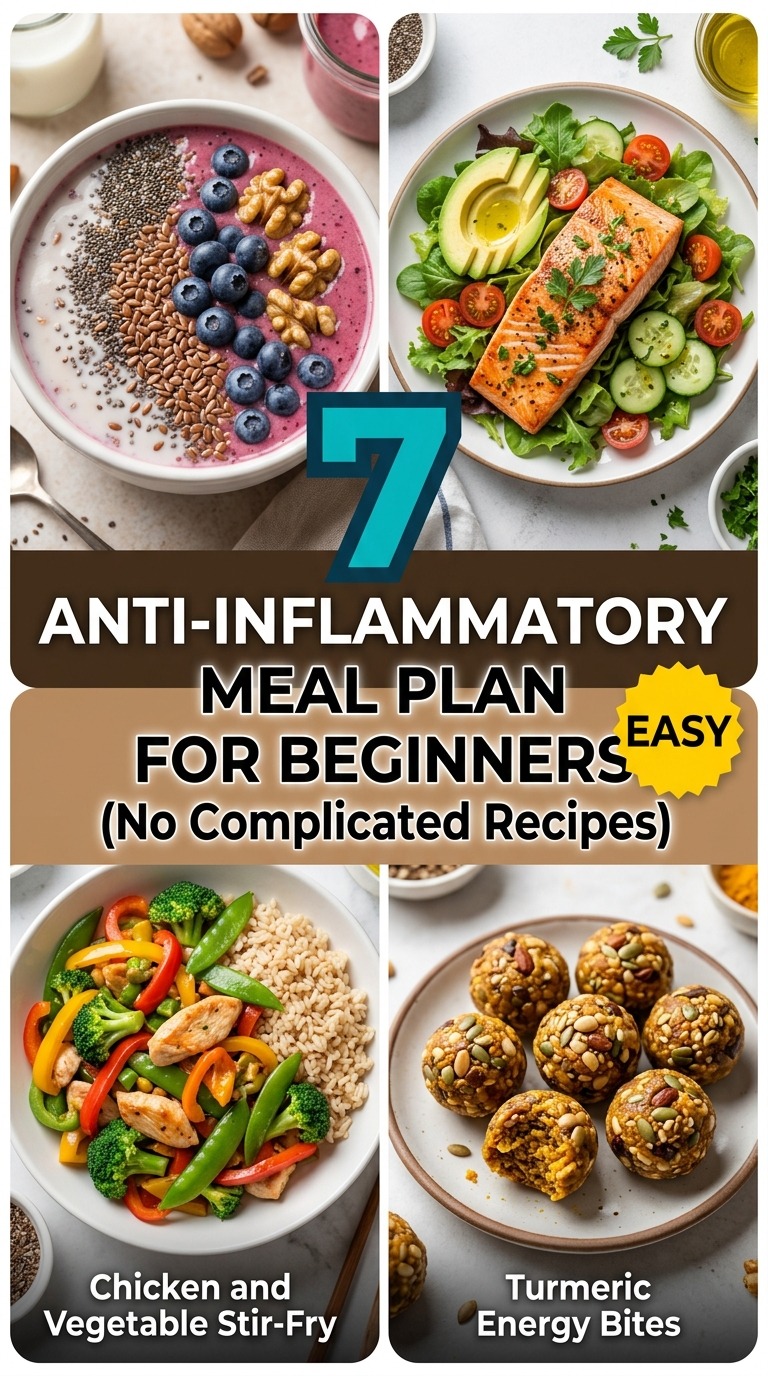
7-Day Anti-Inflammatory Meal Plan For Beginners (No Complicated Recipes)
Claude responded: 7-Day Anti-Inflammatory Meal Plan For Beginners (No Complicated Recipes) 7-Day Anti-Inflammatory Meal Plan For Beginners (No Complicated Recipes) It was a Tuesday afternoon, and I was standing in my kitchen eating cr
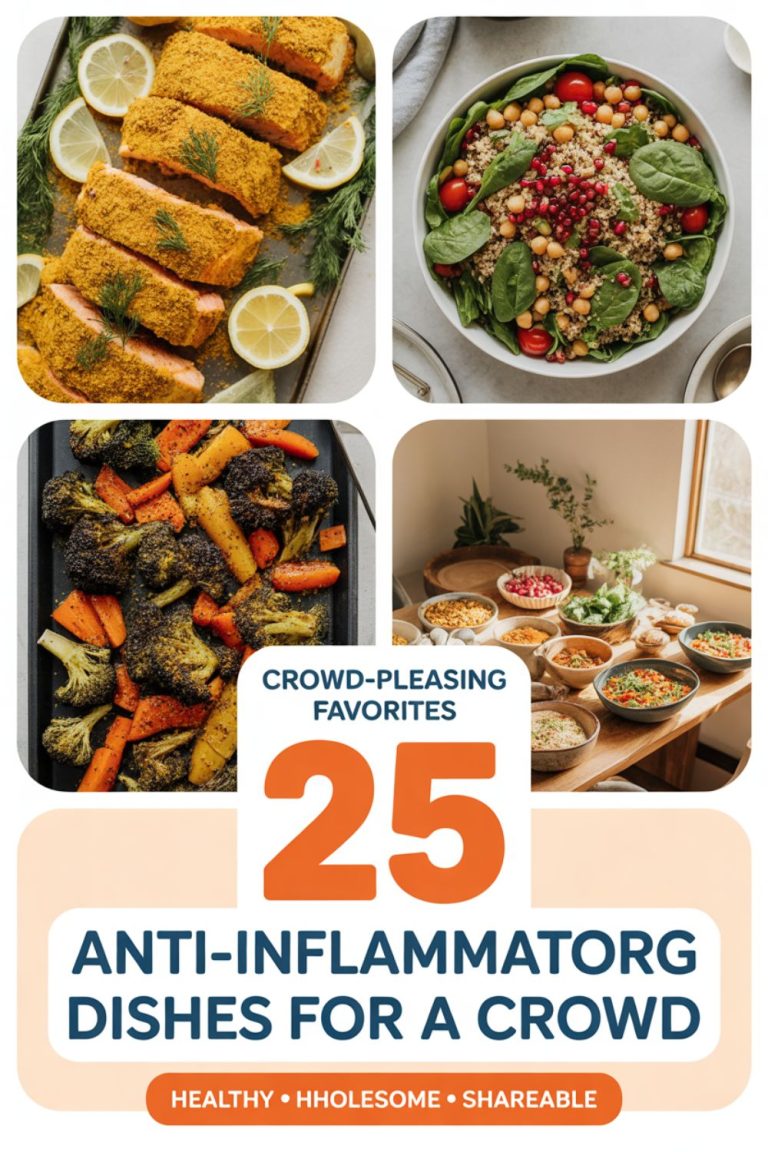
25 Anti-Inflammatory Dishes for a Crowd (That People Actually Fight Over)
25 Anti-Inflammatory Dishes for a Crowd | Pure and Plate Anti-Inflammatory Eating 25 Anti-Inflammatory Dishes for a Crowd (That People Actually Fight Over) Big table, big appetite, zero compromise on feeling good afterward. Here’s how to feed a crowd without setting inflammation on fire. 25 Recipes Crowd-Friendly Servings Meal-Prep Friendly Mediterranean-Inspired Here’s the thing nobody…
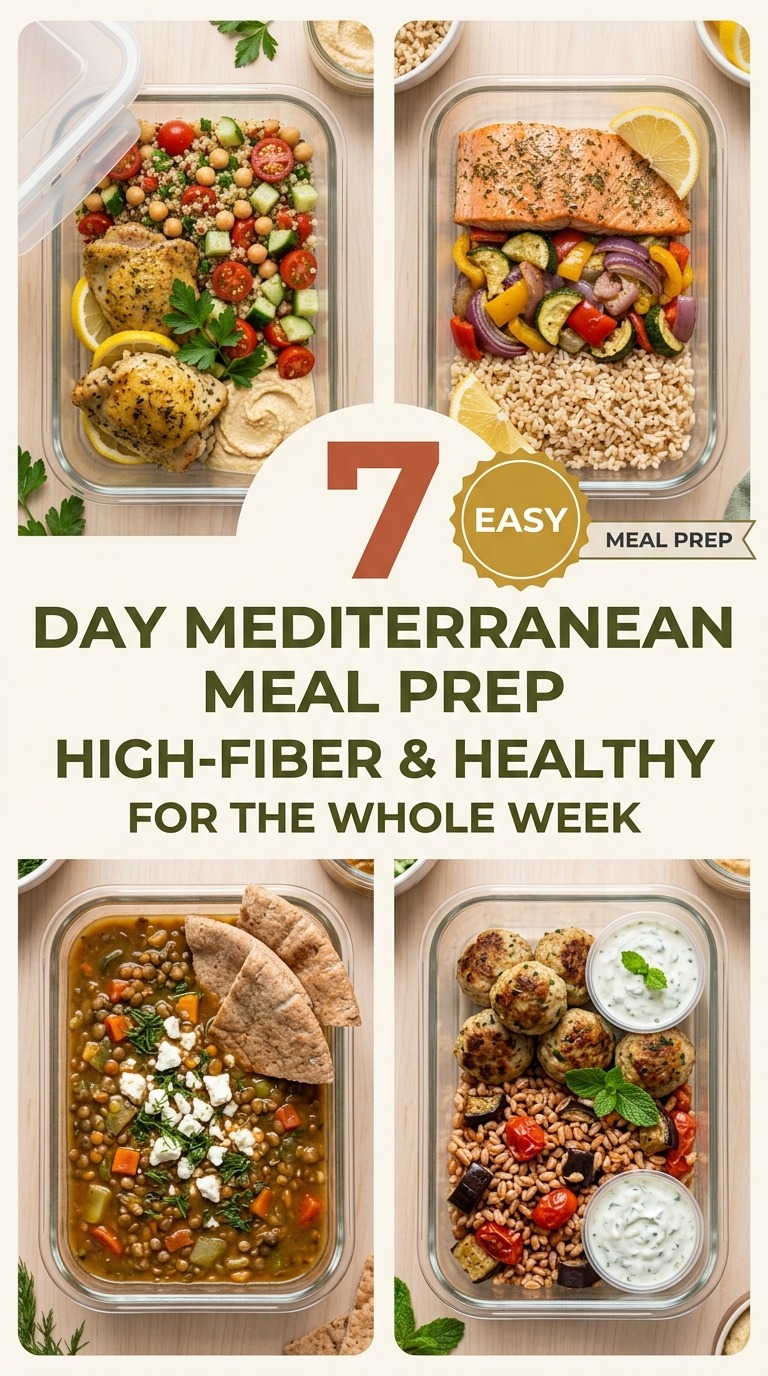
High-Fiber Mediterranean Meal Prep For The Whole Week
Claude responded: High-Fiber Mediterranean Meal Prep For The Whole Week High-Fiber Mediterranean Meal Prep For The Whole Week It was a Tuesday afternoon and I was sitting on the kitchen floor — not dramatically, I was looking for a po
23 Anti-Inflammatory Bowls for Summer Events
23 Anti-Inflammatory Bowls for Summer Events | Pure and Plate Summer Entertaining & Wellness 23 Anti-Inflammatory Bowls for Summer Events Summer 2025 ● 23 Recipes ● Crowd-Pleasing & Gut-Friendly Why Bowls Work So Well for Summer Gatherings Think about what makes summer food stressful: dishes that wilt in the heat, proteins that need to stay…