
25 Mediterranean Make-Ahead Recipes Perfect for Meal Prep
Look, I get it. You’re staring at another expensive takeout menu at 8 PM on a Tuesday, wondering where the week went and why you didn’t prep anything over the weekend. We’ve all been there, and honestly? It sucks. But here’s the thing about Mediterranean meal prep—it’s not just another diet trend that’ll leave you eating sad, flavorless chicken breast from a plastic container. It’s actually delicious food that happens to be ridiculously good for you.
The Mediterranean diet has been kicking around for centuries, and there’s a reason why people in Greece and Italy aren’t exactly struggling with their health. Research from Harvard’s School of Public Health shows this way of eating can reduce your risk of heart disease by up to 25% and lower your chances of premature death by 23%. Those aren’t just numbers on a page—that’s real life-changing stuff.
What makes Mediterranean meal prep work so well is that you’re loading up on things that actually taste good: olive oil, fresh herbs, colorful veggies, fish, legumes, and whole grains. Nothing gets boring when you’ve got flavor on your side. Plus, when you prep these recipes ahead of time, you’re not just saving yourself from another pizza delivery disaster—you’re setting up your entire week for success.

Why Mediterranean Meal Prep Actually Works
Most meal prep strategies fail because they’re built on deprivation and bland food that nobody wants to eat by day three. Mediterranean cooking flips that script entirely. You’re working with ingredients that have massive flavor profiles—think garlic, lemon, oregano, cumin, paprika. These aren’t just tasty additions; they’re packed with anti-inflammatory compounds that your body actually needs.
The beauty of this approach is that most Mediterranean dishes improve with time. That chickpea stew you made on Sunday? It’s going to taste even better on Wednesday after all those spices have had time to meld together. Same goes for grain salads, marinated vegetables, and most bean-based dishes. You’re not fighting against time here—you’re using it to your advantage.
According to research published in the Journal of Geriatric Cardiology, the Mediterranean diet’s benefits come from its anti-inflammatory properties and its ability to control weight and reduce oxidative stress. When you meal prep these dishes, you’re essentially creating a week’s worth of medicine that happens to taste incredible.
Pro Tip: Start your meal prep with the longest-cooking items first—whole grains like farro or brown rice, roasted vegetables, and any proteins. While those are going, you can chop vegetables and prep your quick-assembly items. This strategy cuts your total prep time nearly in half.
The 25 Mediterranean Recipes That’ll Change Your Meal Prep Game
Breakfast Winners (Recipes 1-5)
Let’s be real—breakfast is where most meal prep plans die a slow, boring death. Not with Mediterranean options. These recipes are designed to be grabbed straight from the fridge and either eaten cold or heated up in under two minutes.
Greek Yogurt Parfait Jars are your new best friend. Layer thick Greek yogurt with honey, walnuts, and fresh berries. The yogurt stays perfectly creamy for up to five days, and you can prep a whole week’s worth in about fifteen minutes. I use these wide-mouth mason jars because they’re the perfect size and you can eat directly from them without making a mess.
Mediterranean Egg Muffins are ridiculously versatile. Whisk together eggs with feta, sun-dried tomatoes, spinach, and olives, then bake them in a silicone muffin pan. They freeze beautifully and reheat in 45 seconds. I’ve been making these for two years and haven’t gotten sick of them yet.
Overnight Oats with Figs and Almonds might sound fancy, but they take about three minutes per jar to assemble. The oats soak up the almond milk overnight, and the figs add natural sweetness without any added sugar. If you want something that tastes like dessert but keeps you full until lunch, this is it.
Shakshuka-Inspired Frittata gives you all the flavors of traditional shakshuka without the morning cooking commitment. Get Full Recipe. Bake it once, slice it into portions, and you’ve got five breakfasts ready to go. The tomato sauce base keeps everything moist, even after a few days in the fridge.
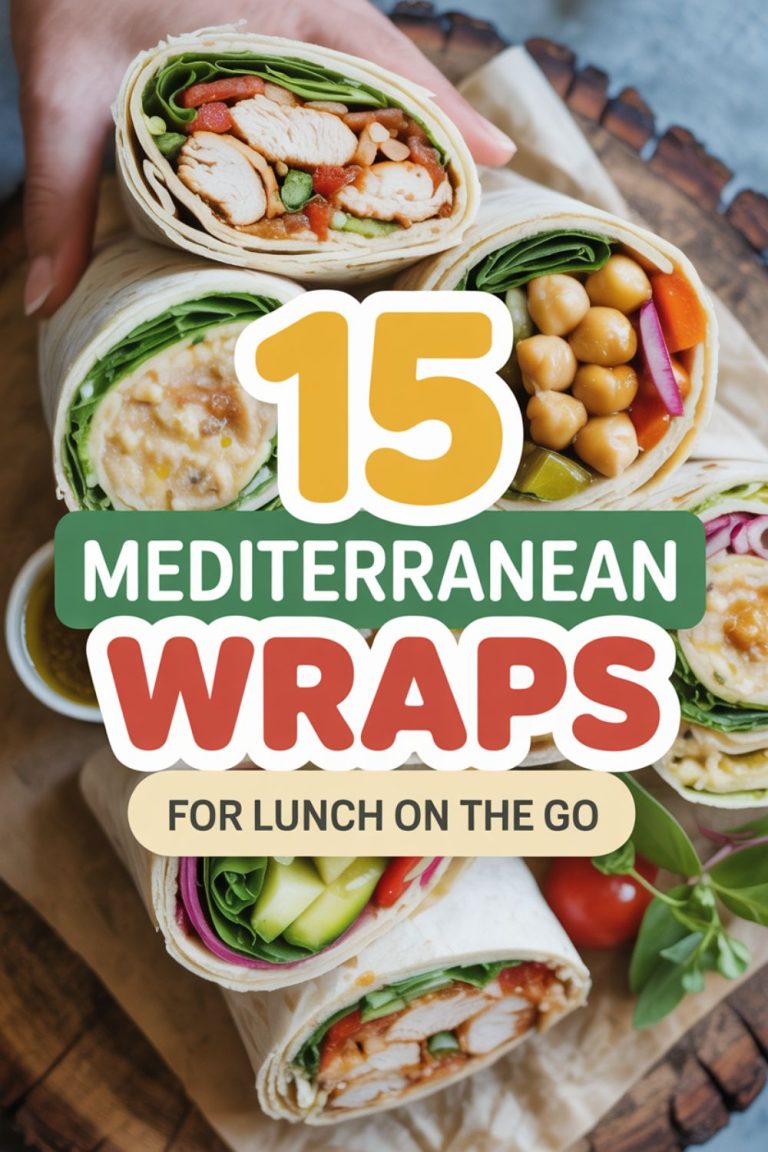
Herbed Feta and Veggie Breakfast Wraps can be assembled in bulk and wrapped in foil. I prep ten at a time using whole wheat tortillas, scrambled eggs, crumbled feta, and whatever vegetables I have lying around. They reheat perfectly and taste way better than anything you’ll grab at a drive-through.
Looking for more morning options that won’t leave you starving by 10 AM? Check out this 7-day Mediterranean high-fiber breakfast plan that’s specifically designed to keep your energy stable all morning.
Lunch Legends (Recipes 6-12)
Lunch is where Mediterranean meal prep really shines. These recipes are all about assembly and flavor layering, which means you can mix and match components throughout the week without getting bored.
Classic Greek Salad Bowls are dead simple but only if you prep them right. Keep your components separate—cucumbers, tomatoes, red onion, olives, and feta in one container, dressing in another. When you’re ready to eat, combine them. This prevents that sad, soggy salad situation that ruins so many meal prep attempts.
Lemon Herb Quinoa with Roasted Vegetables is my go-to when I need something filling that won’t make me want to nap at my desk. Get Full Recipe. The quinoa provides complete protein, and the roasted vegetables (I usually do zucchini, bell peppers, and eggplant) add fiber and tons of flavor. A squeeze of fresh lemon right before eating makes everything taste like you just made it.
Mediterranean Chickpea Salad is probably the most cost-effective lunch you can prep. Canned chickpeas, cucumber, tomatoes, red onion, parsley, and a simple lemon-olive oil dressing. The whole thing costs maybe five dollars and makes enough for four generous servings. I always make a double batch because it disappears fast.
Tabbouleh with White Beans adds extra protein to the traditional Middle Eastern favorite. The bulgur wheat holds up incredibly well in the fridge, and the white beans make it substantial enough to be a complete meal. Get Full Recipe.
Falafel Bowls with Tahini Sauce require a bit more upfront work, but holy hell are they worth it. Make the falafel on Sunday using this food processor to blend everything—it’s a game-changer. Store the baked falafel separately from your greens and tahini sauce, then assemble when ready to eat.
Lentil and Vegetable Soup is one of those miracle dishes that actually gets better every day. The lentils soften, the vegetables release their flavors, and after three days in the fridge, you’ve got something that tastes like it’s been simmering all day. Get Full Recipe.
Caprese Pasta Salad breaks the usual Mediterranean “rules” a bit, but it’s too good not to include. Use whole wheat pasta, fresh mozzarella, cherry tomatoes, and basil with a balsamic drizzle. It stays perfect for four days and can be eaten cold or at room temperature.
“I started meal prepping Mediterranean-style six months ago and honestly can’t believe how much better I feel. My inflammation markers dropped significantly, and I’ve lost 18 pounds without feeling like I’m on a diet. The variety keeps me from getting bored, and everything actually tastes good cold.” — Rachel M., community member
Dinner Dominators (Recipes 13-20)
Dinner is where meal prep either saves you or fails you. These recipes are designed to reheat beautifully and taste just as good on day four as they did on day one.
One-Pan Mediterranean Chicken and Vegetables is the lazy person’s dream meal. Toss chicken thighs, potatoes, bell peppers, and red onions on a large sheet pan, season with oregano, garlic, and lemon, then roast everything together. Divide it into containers and you’re done. The chicken thighs stay juicy even after reheating, which is a miracle in the meal prep world.
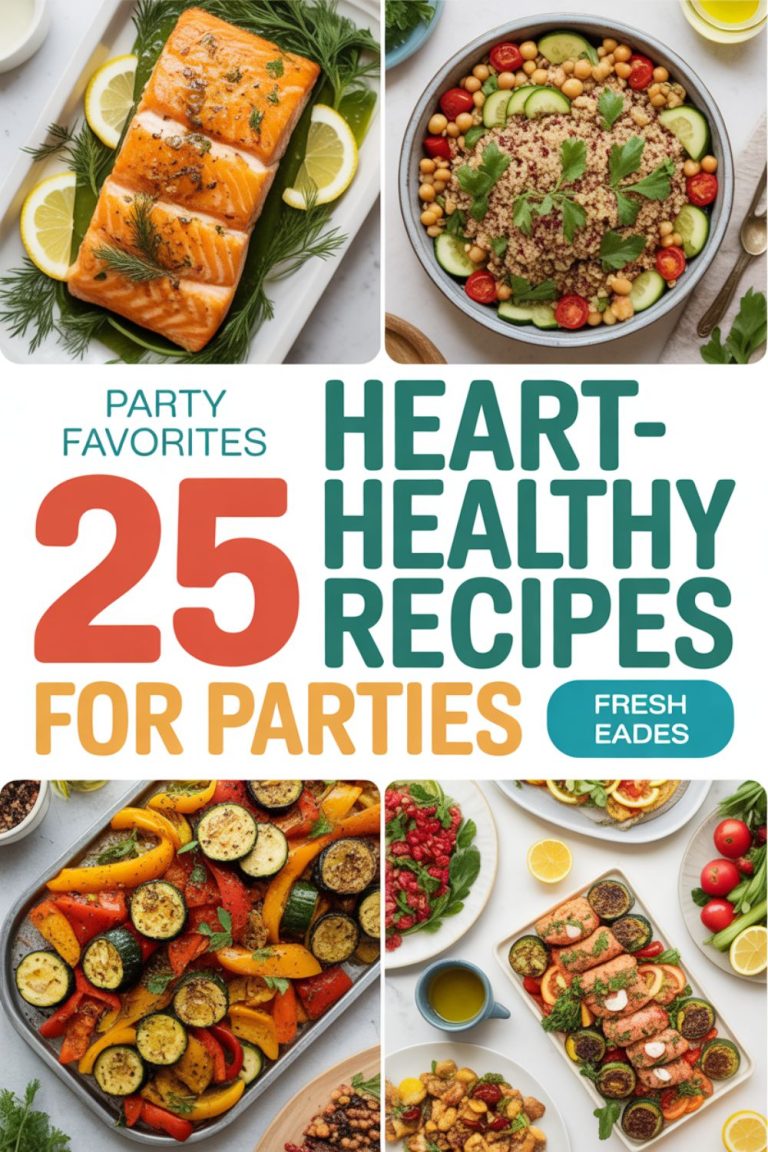
Baked Salmon with Herb Crust might seem fancy for meal prep, but it’s actually one of the easiest proteins to work with. Get Full Recipe. Season salmon fillets with a mixture of fresh herbs, lemon zest, and a tiny bit of breadcrumbs, then bake. It reheats in three minutes and stays moist if you don’t overcook it initially.
Turkish-Style Stuffed Peppers are filling, flavorful, and freeze like champions. I stuff mine with a mixture of rice, ground turkey, tomatoes, and spices, then bake them until tender. You can eat them fresh or freeze half for later in the month.
Moussaka-Inspired Casserole gives you all the comfort food vibes without the traditional time commitment. Layer eggplant, ground lamb or beef, tomato sauce, and a lighter version of béchamel in a casserole dish. It portions beautifully and reheats without getting watery. Get Full Recipe.
White Bean and Kale Stew is what I make when I need something hearty that won’t wreck my progress. The beans provide protein and fiber, the kale adds nutrients, and the tomato base brings everything together. Plus, it costs about eight dollars to make a huge pot that’ll feed you for days.
Mediterranean Meatballs in Tomato Sauce are crowd-pleasers that work for the whole family. I make mine with a combination of ground beef and lamb, season them with cumin, cinnamon, and fresh herbs, then simmer them in tomato sauce. They freeze perfectly and can be served over zucchini noodles, regular pasta, or just eaten straight from the container with a fork.
Eggplant and Chickpea Curry brings different flavor profiles into the Mediterranean mix. The curry spices complement the eggplant beautifully, and chickpeas make it substantial. It’s one of those dishes that you’ll crave by day three.
Baked Cod with Tomatoes and Olives is incredibly light but surprisingly filling. The fish stays flaky when reheated gently, and the tomato-olive mixture adds moisture and prevents that dry, cardboard texture that ruins most fish meal preps. Get Full Recipe.
If you’re looking for a complete system that takes the guesswork out of planning, this 14-day Mediterranean weight loss plan has everything mapped out with shopping lists and portion guides.
Quick Win: Double your dinner recipes and freeze half immediately. Future you will thank present you when you’ve got a ready-made meal waiting in the freezer for those inevitable chaotic weeks.
Snacks and Sides (Recipes 21-25)
Hummus Three Ways is easier than you think when you’ve got a high-powered blender. Classic, roasted red pepper, and lemon-herb versions all store for a week and pair with everything from vegetables to pita chips to using as a spread on sandwiches.
Marinated Artichoke Hearts and Olives are your secret weapon for when you need something salty and satisfying. Prep them on Sunday, and they’ll be perfectly marinated by Wednesday. They last two weeks in the fridge, making them the ultimate emergency snack.
Roasted Red Pepper and Walnut Dip (Muhammara) is less common than hummus but equally delicious. It’s got a slightly sweet, slightly smoky flavor that makes everything you dip in it taste better. Get Full Recipe.
Cucumber and Tomato Salad with Feta is the simplest side dish that somehow makes every meal better. The key is salting your cucumbers and letting them drain for 20 minutes before mixing—this prevents watery, sad vegetables.
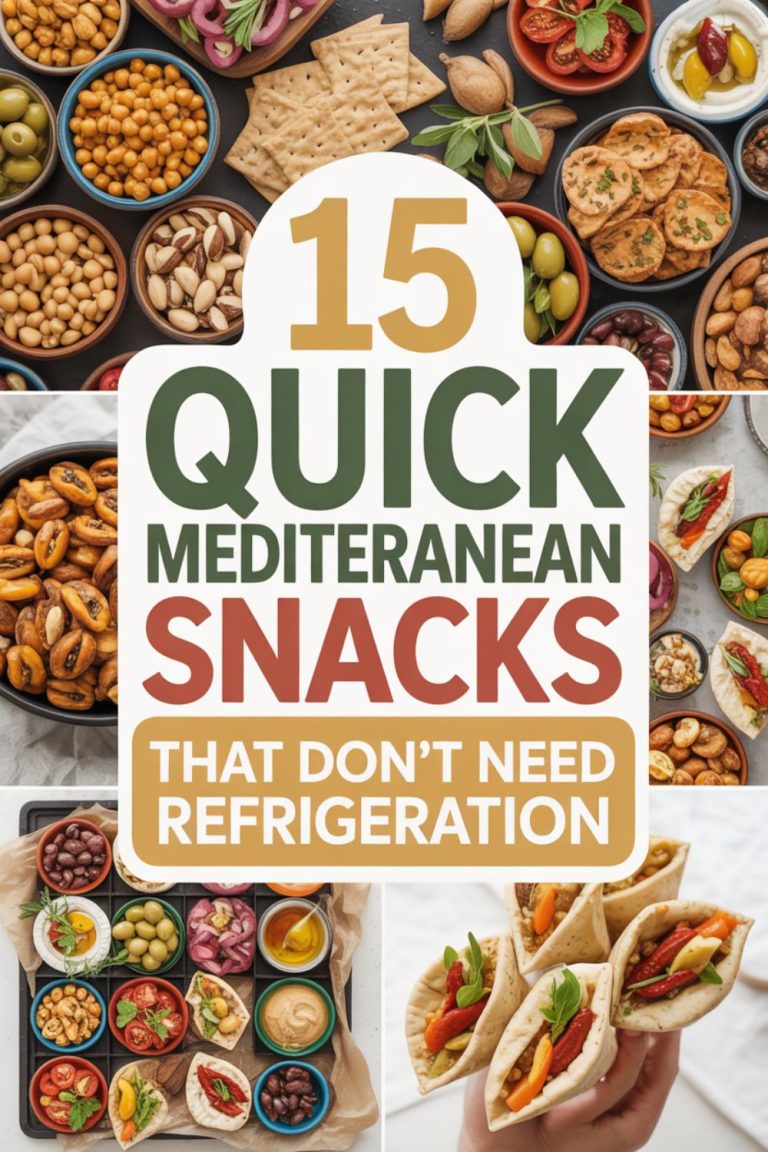
Garlic and Herb Roasted Chickpeas scratch that crunchy, salty snack itch without the guilt. Toss chickpeas with olive oil and spices, roast them until crispy using parchment paper to prevent sticking, and store in an airtight container. They stay crunchy for about three days.
For anyone dealing with inflammation issues (and honestly, who isn’t these days?), check out this 7-day Mediterranean anti-inflammation meal plan. It’s specifically designed to reduce inflammation while keeping your taste buds happy.
The Real Talk About Storage and Food Safety
Let’s get practical for a second because all the delicious recipes in the world don’t matter if your food goes bad or makes you sick. I learned this lesson the hard way after a questionable chicken situation that I don’t like to talk about.
The fridge is your friend for 3-4 days max. Anything longer than that and you’re playing Russian roulette with your digestive system. Harvard’s nutrition experts recommend refrigerating prepped meals within two hours of cooking and always reheating to at least 165°F.
Invest in quality storage containers. I’m not saying you need to spend a fortune, but those flimsy takeout containers aren’t doing you any favors. I use glass containers with snap-lock lids for everything. They’re microwave-safe, they don’t absorb odors, and you can actually see what’s inside without playing fridge roulette.
For the freezer, you’re looking at 2-3 months of safe storage for most cooked dishes. Label everything with the date—trust me, three weeks from now you won’t remember if that container is from last Sunday or last month. I use these freezer-safe labels that actually stick and don’t peel off in the cold.
Pro Tip: Freeze liquids like soups and stews in flat, freezer-safe bags instead of containers. They stack better, thaw faster, and take up way less space. Plus, you can break off portions if you don’t want to thaw the whole thing.
Meal Prep Essentials That Actually Matter
After three years of weekly meal prep, here’s what I actually use every single time. No fluff, no junk you’ll use once and forget about.
1. Glass Meal Prep Containers Set — These are non-negotiable. The snap-lock lids create an airtight seal, they’re dishwasher safe, and they don’t stain when you put tomato-based dishes in them. Get the variety pack with different sizes.
2. Quality Chef’s Knife — You’re going to be doing a lot of chopping. A sharp, well-balanced knife cuts your prep time by at least 30% and makes the whole process less miserable. Worth every penny.
3. Large Cutting Board with Juice Groove — Get one that’s big enough to actually work on. The juice groove catches all the liquid from tomatoes and cucumbers so you’re not creating a mess that spreads across your entire counter.
4. Mediterranean Diet Meal Prep Guide (Digital) — This comprehensive guide breaks down exactly which recipes work best for prep, storage times, and combination strategies. Saves hours of trial and error.
5. Weekly Meal Planning Template (Digital) — This printable template helps you map out your week, create shopping lists, and track what’s in your fridge. Sounds basic, but it’s the difference between success and forgetting what you prepped.
6. Mediterranean Spice Blend Collection (Digital Guide) — This guide teaches you how to make authentic spice blends that’ll transform basic ingredients into restaurant-quality dishes. Once you nail these, you’ll never buy pre-made seasoning packets again.
Making It Work in Real Life
Theory is great, but let’s talk about actually pulling this off when you’ve got a job, maybe kids, and a life that doesn’t revolve around meal prep. Sunday afternoon isn’t always available for a three-hour cooking marathon, and that’s fine.
I do my prep in two sessions: Sunday morning for the big stuff (grains, roasted vegetables, any slow-cooked proteins) and Wednesday evening for a quick refresh (fresh salads, any quick-cook proteins, restocking snacks). This prevents burnout and keeps things from getting boring.
Start with three recipes, not fifteen. Pick one breakfast, one lunch, one dinner option and nail those before adding more. The people who fail at meal prep are usually the ones who try to cook seventeen different things their first week and end up overwhelmed and never do it again.
Use your prep as ingredients, not just finished meals. Cook a big batch of quinoa, roast a pan of vegetables, and grill some chicken. During the week, you can mix and match these components into different meals. Monday might be a quinoa bowl with roasted vegetables and chicken. Wednesday could be a salad with the same chicken and vegetables. Same ingredients, different presentation, way less boring.
If you’re brand new to this whole Mediterranean eating thing and want a structured approach, this 14-day high-fiber Mediterranean plan for beginners is designed specifically for people who need extra guidance and don’t want to figure everything out themselves.
“I thought meal prep was going to be this huge time commitment, but once I got the hang of it, my Sunday prep sessions take maybe 90 minutes. During the week, I’m saving at least an hour every day not having to think about what to eat or cook from scratch. The math works out heavily in my favor.” — Marcus T., meal prep convert
The Mistakes Everyone Makes (And How to Avoid Them)
Mistake #1: Making everything on Sunday. Some foods don’t hold well for five days. Leafy salads get soggy. Crispy foods get mushy. Plan accordingly—prep your ingredients Sunday, but assemble things like salads the night before or morning of.
Mistake #2: Not seasoning properly. Flavors mellow in the fridge. What tastes perfectly seasoned fresh will taste bland after three days. Season a bit more aggressively than you think you should, especially with salt, acid (lemon juice or vinegar), and fresh herbs.
Mistake #3: Ignoring texture. Everything being the same temperature and consistency gets old fast. Include some raw vegetables, some roasted ones, crunchy nuts, creamy dressings. Variety in texture is what keeps meal prep from feeling like punishment.
Mistake #4: Forgetting about sauces and dressings. These make or break your meals. Always store them separately and add right before eating. A squeeze of fresh lemon, a drizzle of tahini, or a spoonful of tzatziki transforms reheated food into something that actually tastes fresh.
Mistake #5: Not planning for realistic portion sizes. Just because you prepped five containers doesn’t mean each one needs to feed you for an entire meal. Sometimes you’ll need a snack between meals. Plan for that instead of trying to make each portion massive and ending up uncomfortably full.
Want to combine Mediterranean eating with specific health goals? This 14-day Mediterranean high-protein anti-inflammatory plan is perfect for anyone trying to build muscle while reducing inflammation.
Why This Actually Matters for Your Health
Let’s be honest—if Mediterranean meal prep was just about convenience, you could order takeout and call it a day. The real magic happens in what this way of eating does for your body over time.
The Mediterranean diet isn’t about restriction. It’s about abundance—abundant vegetables, healthy fats, whole grains, legumes, and fish. When you prep these foods ahead of time, you’re making the healthy choice the easy choice. And easy is what sticks.
Clinical trials have shown that following a Mediterranean eating pattern reduces inflammation, improves cardiovascular health, helps with weight management, and may even protect against cognitive decline. These aren’t small benefits—we’re talking about fundamental improvements to your quality of life.
When you meal prep, you’re also avoiding the biggest dietary pitfall: decision fatigue. By the time you get home at 7 PM, you don’t want to think about what to make. If healthy food is already prepared and waiting, you’ll eat it. If it’s not, you’re ordering pizza. It’s that simple.
IMO, the mental health benefits of meal prep don’t get talked about enough. There’s something incredibly calming about opening your fridge and seeing a week’s worth of nourishing food ready to go. It removes one entire category of stress from your life.
For anyone juggling a crazy schedule and needing meals that are ready in minutes, this 7-day anti-inflammation plan for busy women is specifically designed around minimal cooking time with maximum health benefits.
Frequently Asked Questions
How long do Mediterranean meal prep dishes actually stay fresh?
Most cooked Mediterranean dishes will stay fresh in the refrigerator for 3-4 days when stored properly in airtight containers. Grain-based salads, roasted vegetables, and bean dishes often taste even better after a day or two as the flavors develop. For longer storage, most Mediterranean recipes freeze beautifully for 2-3 months—just make sure to cool everything completely before freezing and use freezer-safe containers.
Can I meal prep Mediterranean food if I’m trying to lose weight?
Absolutely. The Mediterranean diet is one of the few eating patterns that’s been proven effective for sustainable weight loss in multiple clinical studies. The key is portion control and focusing on the vegetables, legumes, and whole grains while using olive oil and nuts in moderation. Meal prepping actually helps with weight loss because you control exactly what goes into your food and aren’t tempted by last-minute unhealthy choices.
What’s the best way to reheat Mediterranean meal prep without drying everything out?
The microwave is fine for most dishes, but add a tablespoon of water or broth before reheating to create steam that keeps things moist. For grain bowls and salads, I usually eat them cold or at room temperature. Fish and chicken reheat best at 50% power for longer rather than full power for a short time. If you’re reheating in the oven, cover everything with foil and reheat at 325°F until warmed through.
Do I need expensive ingredients to do Mediterranean meal prep?
Not even close. The foundation of Mediterranean cooking is affordable staples: dried beans, lentils, canned tomatoes, whole grains, seasonal vegetables, and olive oil. Yes, good olive oil matters, but you can find decent quality at reasonable prices. The most “expensive” ingredients are usually the fish and seafood, but even those can be bought frozen or on sale. A week of Mediterranean meal prep typically costs less than eating out twice.
How do I keep my meal prep from getting boring?
The secret is prepping components, not just complete meals. If you cook quinoa, chicken, and roasted vegetables, you can make bowls, salads, wraps, or even add them to soup. Switch up your sauces and dressings—tzatziki one day, tahini sauce another, lemon-herb vinaigrette the next. Also, don’t eat the same thing every day. If you prep two different lunches and two different dinners, you can rotate them throughout the week for more variety.
Your Next Steps
Here’s the thing about Mediterranean meal prep: it’s not complicated, but it does require a decision. You’ve got to commit to trying it for at least two weeks before your brain stops fighting you and starts seeing it as normal.
Pick three recipes from this list. Go shopping this weekend. Spend two hours on Sunday prepping. That’s it. Don’t overthink it, don’t try to be perfect, just start.
The first week might feel weird because you’re building new habits. The second week gets easier. By week three, you’ll wonder how you ever lived without having ready-made healthy food in your fridge.
Mediterranean meal prep isn’t about following rules or being perfect. It’s about making delicious, nourishing food accessible to yourself throughout the week. It’s about not having to make decisions when you’re tired and hungry. It’s about actually enjoying what you eat while knowing it’s doing good things for your body.
Stop overthinking it and just start. Future you is going to be really grateful you did.