
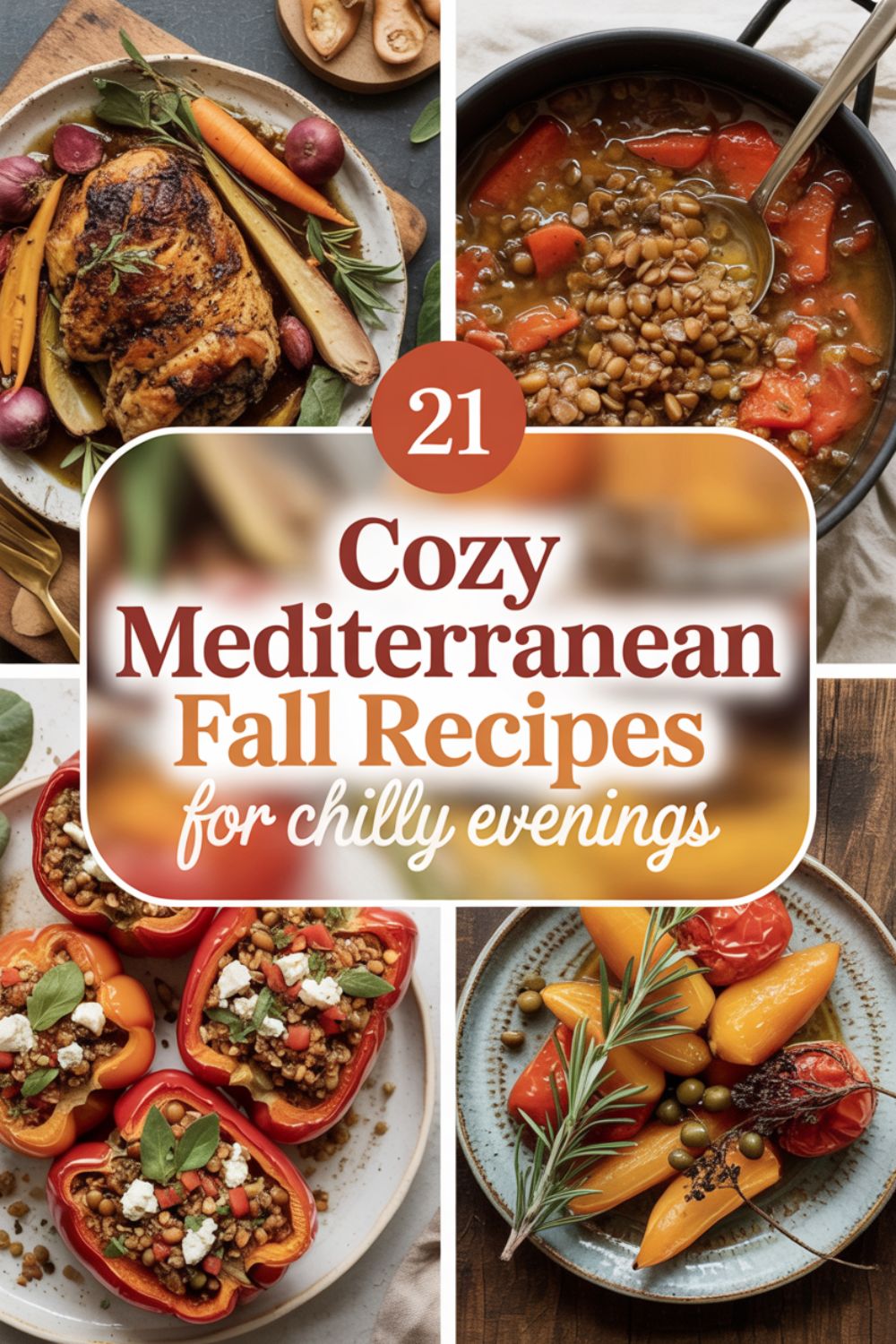
21 Cozy Mediterranean Fall Recipes for Chilly Evenings
Look, I’m going to be straight with you—when the temperature drops and the leaves start crunching under your feet, the last thing you want is another boring salad or the same old chicken recipe you’ve been making since forever. You want something that actually warms you from the inside out, something that makes your kitchen smell like heaven, and honestly, something that doesn’t require a culinary degree to pull off.
That’s where Mediterranean fall cooking comes in. I’ve spent the better part of this season testing recipes that combine the anti-inflammatory benefits of Mediterranean eating with those deep, cozy flavors we all crave when it gets chilly. Think roasted vegetables drizzled with olive oil, hearty lentil stews spiced with cumin and coriander, and warm grain bowls that actually keep you full.
The beauty of Mediterranean cooking in fall? You’re working with ingredients that are at their peak. Butternut squash, sweet potatoes, Brussels sprouts, pomegranates—these aren’t just trendy Instagram props. They’re packed with the exact nutrients your body needs as the days get shorter. Research from Mayo Clinic shows that this way of eating supports heart health and reduces inflammation, which is exactly what we need when cold and flu season hits.
Why Mediterranean Recipes Work So Well in Fall
Here’s something most people don’t realize: Mediterranean cuisine isn’t just about summer tomatoes and grilled fish. The countries around the Mediterranean Sea have actual winters (shocking, I know), and they’ve been making hearty cold-weather food for centuries.
The anti-inflammatory compounds in Mediterranean ingredients become even more important during fall and winter. According to research published in the National Institutes of Health, the combination of healthy fats from olive oil, antioxidants from colorful vegetables, and fiber from whole grains creates a powerful defense against inflammation. Your immune system is basically getting a promotion.
Plus, fall produce is ridiculously good for you. Sweet potatoes are loaded with beta-carotene, which your body converts to vitamin A. Pomegranates are bursting with polyphenols. Brussels sprouts and kale provide more vitamin K than you probably need in a week. When you combine these with traditional Mediterranean staples like chickpeas, lentils, and quality olive oil, you’re building meals that actually nourish you.
IMO, the biggest mistake people make with fall cooking is thinking everything needs butter and cream to taste good. Don’t get me wrong, I love both of those things, but Mediterranean cooking proves you can get incredible richness from tahini, olive oil, and nuts. A drizzle of good olive oil on roasted cauliflower? Better than any cheese sauce.
The Essential Fall Mediterranean Pantry
Before we get into the actual recipes, let’s talk about what you need on hand. I’m not about to tell you to buy seventeen specialty ingredients you’ll use once, but there are some non-negotiables that make fall Mediterranean cooking work.
Your Core Ingredients
Quality olive oil is first on the list, and I mean actually good olive oil, not the stuff that’s been sitting in a clear bottle under fluorescent lights for six months. You’ll use it for roasting, drizzling, and as the base for dressings. I keep this specific extra virgin olive oil by my stove because it has a high smoke point but still tastes incredible.
Next up: dried legumes and grains. Lentils, chickpeas, farro, bulgur wheat—these are your friends. They’re cheap, they last forever, and they turn simple vegetables into actual meals. If you’re someone who forgets to soak beans overnight (raises hand), I use this pressure cooker that cuts cooking time to basically nothing.
Spices and aromatics are where the magic happens. Cumin, coriander, smoked paprika, cinnamon, oregano, za’atar if you can find it. Fresh garlic, always. Lemons for brightness. These ingredients cost pennies per serving but transform everything they touch.
Speaking of building flavor foundations, if you’re looking to master the basics of Mediterranean cooking, check out this 7-day Mediterranean anti-inflammation meal plan that breaks down exactly how to stock your kitchen and plan your week. It’s particularly helpful if you’re just getting started.
Fall Produce Worth Getting Excited About
Every fall, I get unreasonably excited about the produce section. Butternut squash, delicata squash, kabocha squash—basically all the squash. Sweet potatoes in every shade from pale yellow to deep orange. Brussels sprouts still on the stalk if you’re feeling fancy.
Don’t sleep on cauliflower and broccoli either. When you roast them until they’re almost burnt (trust me on this), they develop this nutty, sweet flavor that’s absolutely addictive. Johns Hopkins research points out that cruciferous vegetables are particularly effective at reducing inflammation when paired with healthy fats—another win for that olive oil drizzle.
Pomegranates show up in fall and suddenly everything looks prettier and tastes better. Those little ruby seeds add brightness to grain bowls, salads, and roasted vegetable dishes. Yes, they’re annoying to deseed, but this pomegranate deseeder tool makes it way less painful.
Kitchen Tools That Actually Make Mediterranean Cooking Easier
Look, you don’t need a fancy kitchen to make these recipes, but a few specific tools really do make a difference. I’m not trying to sell you stuff you don’t need—these are things I actually use multiple times a week.
Physical Products
- Heavy-duty rimmed baking sheets (at least two)—for roasting vegetables without crowding them, which is key to getting that caramelization
- Large enameled Dutch oven—perfect for soups, stews, and braising. Mine goes from stovetop to oven and I use it at least four times a week
- Quality chef’s knife and cutting board—you’re going to be chopping a lot of vegetables, might as well make it pleasant
Digital Resources & Guides
- Mediterranean Meal Prep Guide—downloadable PDF with shopping lists and batch cooking strategies
- Seasonal Produce Calendar—helps you know what’s actually in season (spoiler: it’s cheaper and tastes better)
- Spice Blending Cheat Sheet—my go-to reference for creating Mediterranean spice combinations without a recipe
21 Mediterranean Recipes That’ll Get You Through Fall
Alright, let’s get to the good stuff. These recipes are organized by meal type because that’s how actual humans think about cooking. Each one emphasizes anti-inflammatory ingredients, uses seasonal fall produce, and honestly just tastes really damn good.
Breakfast and Brunch Recipes
1. Warm Spiced Oats with Caramelized Pears and Walnuts
Forget sad, plain oatmeal. This version cooks steel-cut oats in almond milk with cinnamon and cardamom, then tops them with pears you’ve caramelized in a tiny bit of olive oil (weird but amazing). Walnuts add omega-3s and that satisfying crunch. Get Full Recipe
2. Savory Chickpea Flour Pancakes with Roasted Vegetables
These are basically socca, the French-Mediterranean flatbread, but I make them pancake-sized for easy weekend breakfasts. Top with whatever roasted vegetables you have—I’m partial to cherry tomatoes and zucchini with fresh basil. Get Full Recipe
3. Greek Yogurt Bowl with Pomegranate, Honey, and Pistachios
This is almost embarrassingly simple, but the combination is perfect. Full-fat Greek yogurt (don’t @ me, you need the fat for satiety), fresh pomegranate seeds, a drizzle of good honey, and crushed pistachios. Five minutes, maximum effort. Get Full Recipe
For more breakfast inspiration that follows Mediterranean principles, this 7-day Mediterranean high-fiber breakfast plan offers additional options that’ll keep you full until lunch.
Soups and Stews
4. Red Lentil Soup with Cumin and Lemon
This Turkish-inspired soup takes about 30 minutes and uses ingredients you probably already have. The lemon at the end is crucial—it wakes everything up. I make this in my favorite Dutch oven and it feeds us for days. Get Full Recipe
5. Roasted Butternut Squash Soup with Tahini Swirl
Yes, butternut squash soup is everywhere in fall, but this version skips the cream entirely. Instead, tahini gives it richness and a subtle nutty flavor that’s way more interesting than the usual heavy-cream situation. Get Full Recipe
6. White Bean and Kale Stew with Rosemary
Italians have been making this (ribollita) forever, and they were onto something. It’s basically vegetables and beans getting cozy in a pot with olive oil and herbs. The kale wilts down and becomes sweet, the beans get creamy—it’s comfort food that happens to be incredibly good for you. Get Full Recipe
7. Moroccan Chickpea and Vegetable Tagine
This one-pot wonder uses warming spices like cinnamon, cumin, and ginger with chickpeas and whatever fall vegetables you have. The dried apricots in here might sound weird, but they add this incredible sweet-savory thing that works. Get Full Recipe
If you’re dealing with digestive issues or just want to support your gut health this fall, consider trying this 7-day gut-healing Mediterranean menu. It focuses on probiotic-rich foods and gentle, warming dishes similar to these soups and stews.
Main Dishes
8. Sheet Pan Chicken Thighs with Brussels Sprouts and Grapes
The grapes roast down into these sweet, jammy bursts that contrast perfectly with the crispy Brussels sprouts. Chicken thighs stay juicy even if you slightly overcook them (speaking from experience). Everything happens on one pan, which means minimal cleanup. Get Full Recipe
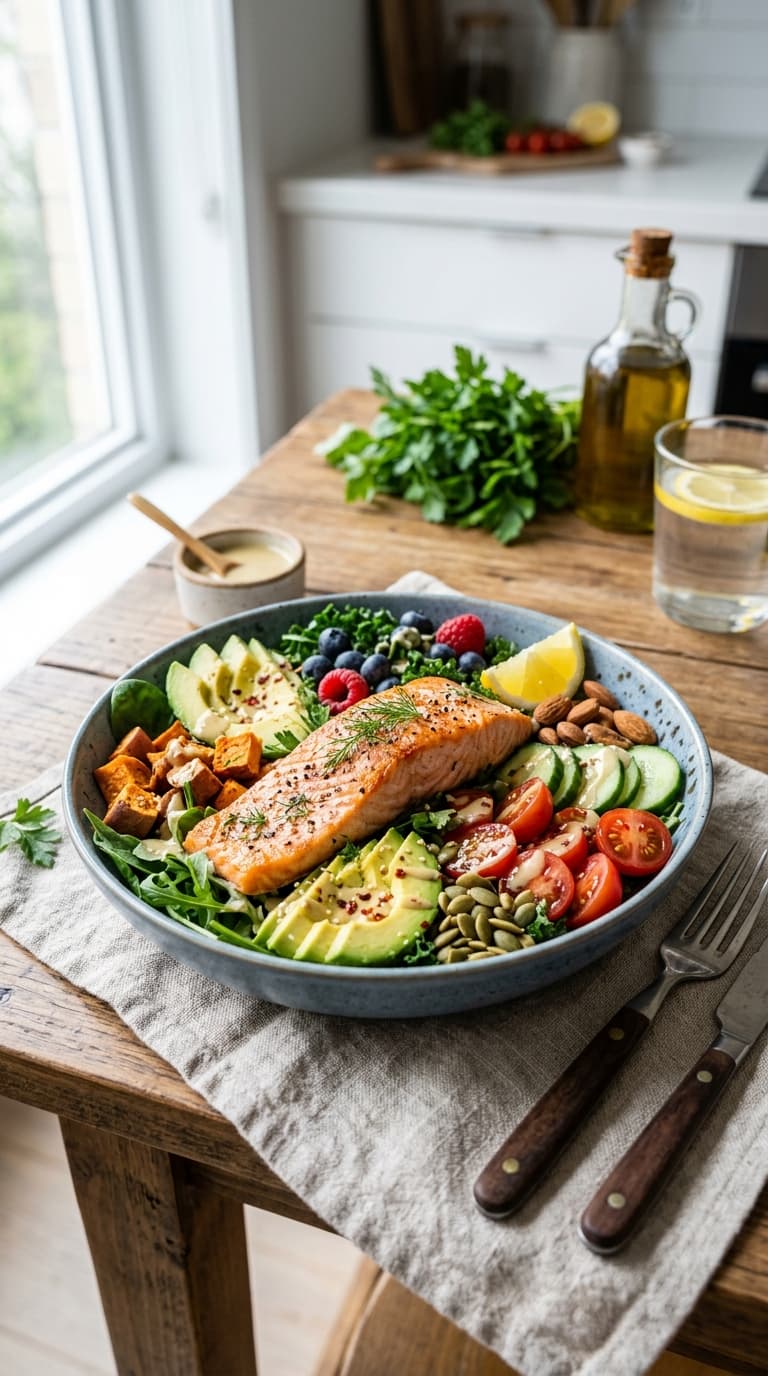
9. Baked Salmon with Pomegranate Glaze and Cauliflower Rice
The pomegranate molasses glaze on this salmon is sweet, tart, and slightly sticky in the best way. I pulse cauliflower in this food processor to make rice, then sauté it with garlic and olive oil. Simple and actually satisfying. Get Full Recipe
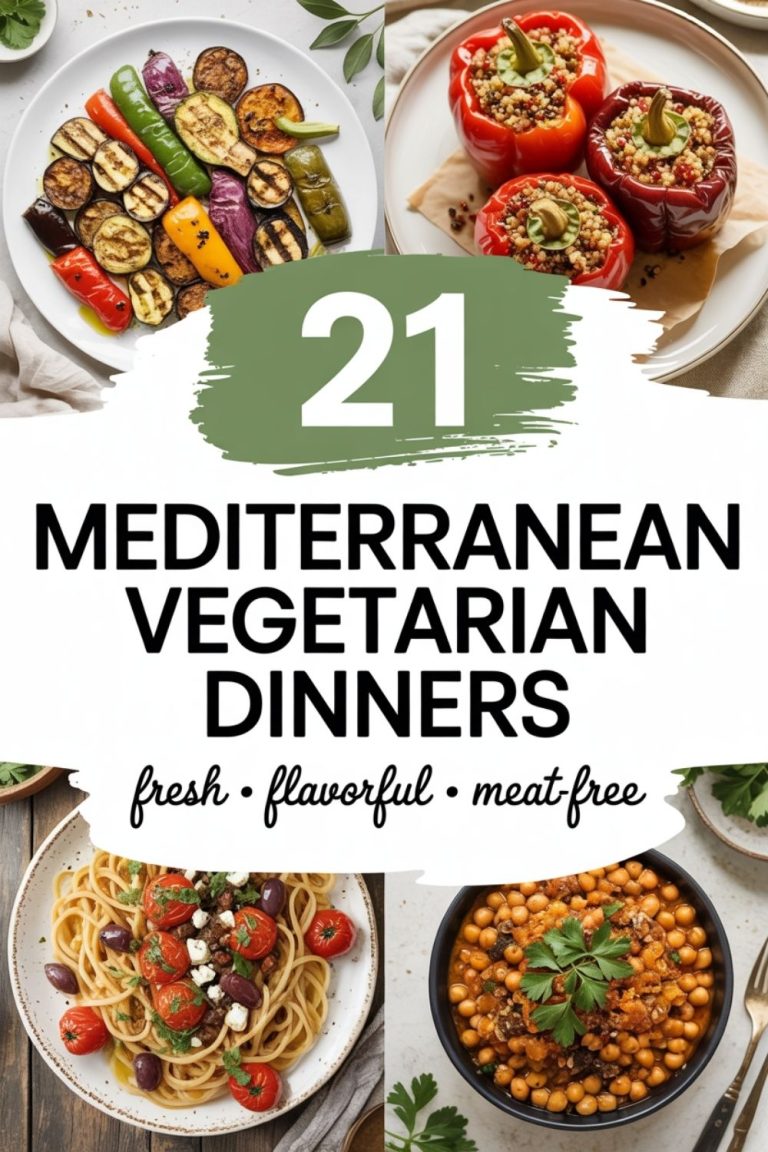
10. Stuffed Bell Peppers with Quinoa, Pine Nuts, and Raisins
These are based on a classic Greek recipe but adapted for fall with heartier peppers and warming spices. The combination of pine nuts and raisins gives you that sweet-savory thing Mediterranean cooking does so well. Get Full Recipe
11. Eggplant and Chickpea Curry with Coconut Milk
Okay, this one’s more Mediterranean-meets-Indian, but eggplant is huge in Mediterranean cooking and the spice profile works. The coconut milk makes it creamy without dairy, and the anti-inflammatory benefits of turmeric are well-documented. Get Full Recipe
12. Pan-Seared Cod with Olive Tapenade and Roasted Tomatoes
Cod is mild and affordable, which makes it perfect for weeknight cooking. The olive tapenade adds tons of flavor, and slow-roasting cherry tomatoes until they’re almost burnt makes them incredibly sweet. Get Full Recipe
For those following a higher protein approach while staying Mediterranean, this 14-day Mediterranean high-protein anti-inflammatory plan offers similar main dishes with detailed macros and prep instructions.
Vegetable Sides and Salads
13. Roasted Delicata Squash with Za’atar and Tahini
Delicata squash is the best squash because you can eat the skin, which means less work. Za’atar (a Middle Eastern spice blend) and tahini make this taste way more complex than the effort required. Get Full Recipe
14. Warm Lentil Salad with Roasted Beets and Goat Cheese
This is hearty enough to be a main dish if you’re not super hungry. The earthy beets and lentils work together, and a little goat cheese adds tanginess. According to Healthline, lentils are particularly effective at supporting stable blood sugar while providing anti-inflammatory benefits. Get Full Recipe
15. Shaved Brussels Sprout Salad with Lemon and Parmesan
Raw Brussels sprouts are a revelation when you shave them thin. This salad is crunchy, bright, and keeps well in the fridge for a few days. I use this mandoline slicer to get them paper-thin without losing a finger. Get Full Recipe
16. Roasted Cauliflower with Harissa and Preserved Lemon
Harissa (North African chili paste) brings heat and depth, while preserved lemon adds that funky, salty brightness you can’t get any other way. This is the side dish that makes people ask for the recipe. Get Full Recipe
If you’re trying to increase your fiber intake this fall (and you should be—it’s crucial for gut health and inflammation reduction), take a look at this 14-day high-fiber Mediterranean plan and this 7-day Mediterranean high-fiber meal prep plan. Both emphasize the kinds of vegetable-forward eating we’re talking about here.
Grain Bowls and One-Pot Meals
17. Farro Bowl with Roasted Sweet Potatoes, Chickpeas, and Tahini Dressing
Farro is chewy and nutty and way more interesting than rice. Combined with crispy roasted chickpeas and sweet potatoes, then drizzled with tahini dressing, this bowl covers all your bases—protein, fiber, healthy fats, and actual flavor. Get Full Recipe
18. One-Pot Orzo with Tomatoes, Spinach, and White Beans
This cooks entirely in one pot, which is basically weeknight magic. The orzo absorbs the tomato-y broth and gets creamy, the spinach wilts in at the last minute, and the white beans add protein. FYI, this reheats beautifully for lunch the next day. Get Full Recipe
19. Bulgur Pilaf with Caramelized Onions and Pomegranate
Bulgur wheat is criminally underused. It cooks in like 15 minutes and has this great texture. The caramelized onions take longer but they’re worth it—sweet, jammy, absolutely worth the time. Pomegranate seeds on top add freshness and color. Get Full Recipe
Lighter Options and Snacks
20. Muhammara (Red Pepper and Walnut Spread)
This Syrian dip is smoky from roasted red peppers, rich from walnuts, and has a subtle sweetness from pomegranate molasses. I make a big batch and eat it on everything—crackers, vegetables, straight from the spoon. Get Full Recipe
21. Spiced Roasted Chickpeas Three Ways
Crunchy roasted chickpeas are the snack that keeps on giving. I make them with three different spice combinations: smoky paprika and cumin, za’atar and lemon, and cinnamon-sugar for when I want something sweet. They’re cheaper than store-bought and taste infinitely better. Get Full Recipe
Making These Recipes Work for Your Life
Here’s the reality: you’re probably not going to make 21 new recipes this week. That’s fine. The point is to have options that fit different situations—quick weeknight dinners, weekend projects, meal prep staples, things you can make when friends come over.
I typically pick two or three recipes to make each week. Usually one soup or stew that’ll give me leftovers, one grain bowl situation for lunches, and one fancy-ish main dish for when I actually want to cook. The rest of the week? I remix leftovers, make simpler versions of these recipes, or honestly just eat yogurt with pomegranate seeds for dinner.
The anti-inflammatory benefits of eating this way don’t require perfection. They come from consistently choosing whole foods, getting a variety of colorful vegetables, including healthy fats, and not stressing about every single meal. Some nights you’ll make that beautiful roasted vegetable situation. Other nights you’ll microwave leftover lentil soup. Both are fine.
If you’re someone who thrives on structure and wants everything planned out, this 30-day Mediterranean wellness plan takes the guesswork out entirely. It includes shopping lists, prep schedules, and variations for dietary restrictions.
Tips for Actually Making This Sustainable
Batch cook your grains and legumes. On Sunday, I cook a big pot of lentils, some farro or bulgur, and roast a few sheet pans of vegetables. Suddenly, assembling a grain bowl on Tuesday night takes five minutes instead of an hour.
Keep your pantry stocked. When you have dried lentils, canned chickpeas, good olive oil, and basic spices on hand, you can make something decent even when the fridge looks sad. I use these airtight containers to store bulk grains and legumes—keeps them fresh and makes me feel like I have my life together.
Don’t overthink the shopping. Buy what’s on sale, what looks good, what’s in season. The beauty of Mediterranean cooking is its flexibility. Recipe calls for butternut squash but sweet potatoes are cheaper? Use sweet potatoes. Don’t have fresh herbs? Dried works fine. Ran out of tahini? Sub in almond butter.
Make extra for intentional leftovers. These recipes generally taste better the next day anyway. That red lentil soup? Even better on day two when the flavors have melded. The roasted vegetables? Perfect cold in a salad or reheated with eggs for breakfast.
For those dealing with specific health concerns, this 14-day anti-inflammatory eating plan for women addresses hormonal balance alongside inflammation reduction, which might be exactly what you need.
The Science Behind Why This Actually Works
I know I sound like a broken record about the anti-inflammatory thing, but it’s genuinely important. Chronic inflammation is linked to basically every disease we’re trying to avoid—heart disease, diabetes, arthritis, even depression.
Mediterranean eating addresses inflammation through multiple mechanisms. The omega-3 fatty acids in fish, walnuts, and flax seeds actively reduce inflammatory markers in your body. The polyphenols in olive oil, pomegranates, and red wine (in moderation, obviously) act as antioxidants. The fiber from whole grains, legumes, and vegetables feeds your gut bacteria, which play a huge role in regulating inflammation.
What’s cool is that you don’t need to eat perfectly to see benefits. Research shows that even partial adoption of Mediterranean eating patterns—like having fish twice a week, using olive oil as your primary fat, and eating more vegetables—can significantly reduce inflammatory markers. Every meal is an opportunity to choose foods that help rather than hurt.
Frequently Asked Questions
Can I meal prep these Mediterranean fall recipes?
Absolutely. Most of these recipes actually taste better the next day as flavors develop. Soups, stews, grain bowls, and roasted vegetables all reheat beautifully. I typically prep components on Sunday—cook grains, roast vegetables, make one or two soups—then assemble meals throughout the week. The key is storing components separately when possible so nothing gets soggy.
Do I need to buy expensive ingredients to eat Mediterranean in fall?
Not at all. The foundation of Mediterranean cooking is actually quite affordable—dried lentils and beans, seasonal vegetables, whole grains, and olive oil. Skip the fancy imported stuff when you’re starting out. Focus on what’s in season and on sale, buy spices in bulk, and use canned tomatoes and chickpeas without guilt. Quality olive oil is worth investing in, but you don’t need the $40 bottle.
Will these recipes help with inflammation if I have a chronic condition?
Many people report reduced inflammation symptoms when following Mediterranean eating patterns, and research supports this. However, everyone’s body responds differently, and these recipes aren’t medical treatment. If you have a diagnosed inflammatory condition, work with your healthcare provider to determine the best dietary approach for your specific situation. That said, the whole-food, anti-inflammatory ingredients in these recipes certainly can’t hurt.
How can I make these recipes work for picky eaters or kids?
Start with familiar flavors and textures, then gradually introduce new elements. The grain bowls work well because everyone can customize their own. Roasted vegetables often convert skeptics because the caramelization makes them sweeter. Involve kids in choosing recipes or helping with simple tasks like washing vegetables or measuring spices—they’re more likely to eat what they helped create.
What’s the difference between Mediterranean eating and just eating healthy?
Mediterranean eating emphasizes specific patterns backed by decades of research—primarily using olive oil as your main fat source, eating fish regularly, including lots of vegetables and whole grains, using herbs and spices liberally, and enjoying meals with others. It’s less restrictive than many “healthy” diets and focuses on what to add rather than what to eliminate. The combination of specific foods creates synergistic anti-inflammatory effects you might not get from just “eating healthy” in a general sense.
Final Thoughts
Look, fall cooking doesn’t have to be complicated or require hours in the kitchen. These Mediterranean recipes work because they’re built on simple techniques—roasting vegetables until they’re sweet and caramelized, building flavor with aromatics and spices instead of heavy sauces, letting quality ingredients speak for themselves.
The anti-inflammatory benefits are real, the flavors are legitimately good, and the flexibility means you can make these recipes fit your life instead of the other way around. Some nights you’ll have the energy to make that Moroccan tagine from scratch. Other nights, leftover lentil soup microwaved in a mug is perfectly acceptable dinner.
Start with one or two recipes that sound good to you. Get comfortable with those. Then branch out. Before you know it, you’ll be that person who just instinctively roasts vegetables with olive oil and cumin without needing a recipe, who keeps tahini in the fridge for impromptu dressings, who actually looks forward to cooking dinner because you know it’s going to taste good and make you feel good.
That’s the whole point, really—food that nourishes you in every sense of the word. Not just nutritionally, but in terms of flavor, satisfaction, and the simple pleasure of eating something delicious when it’s cold outside.