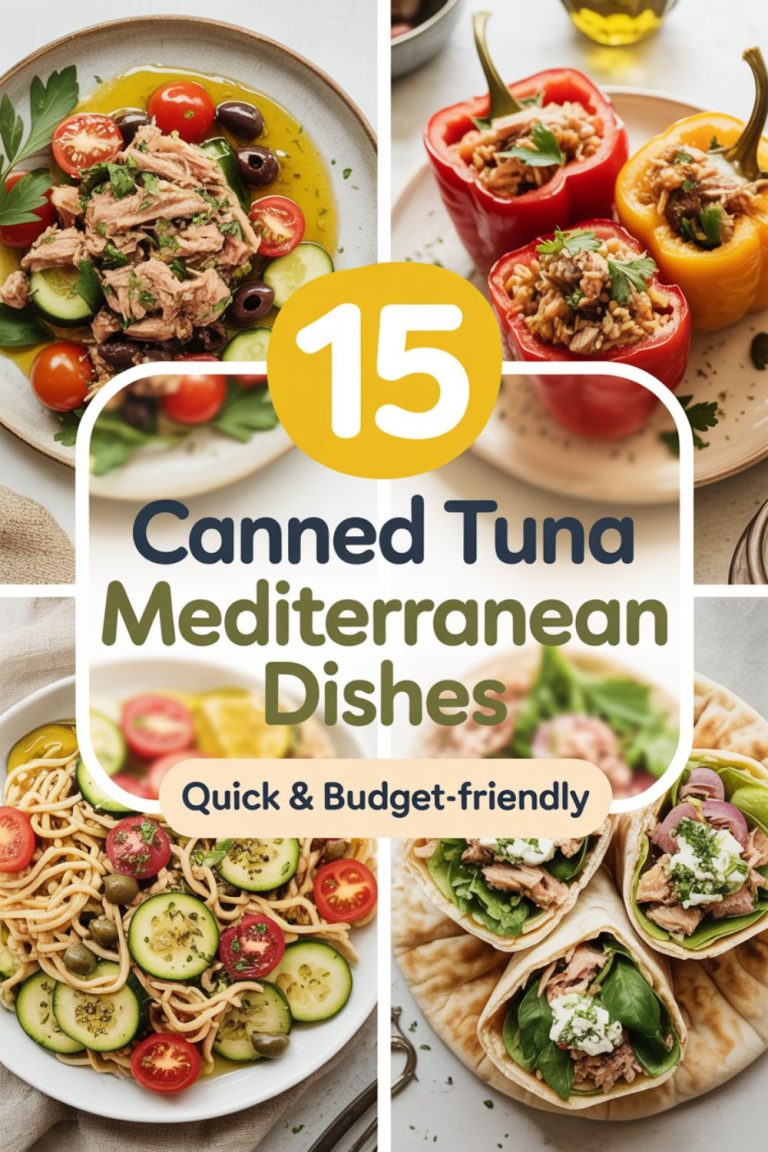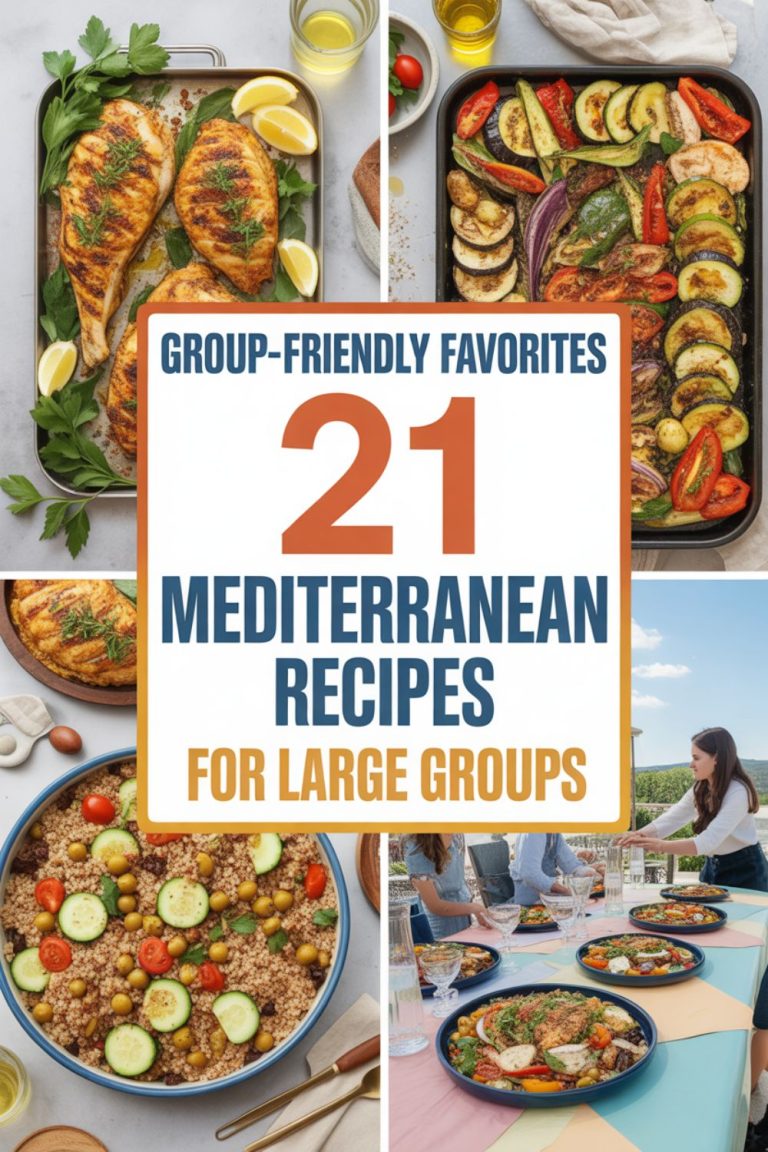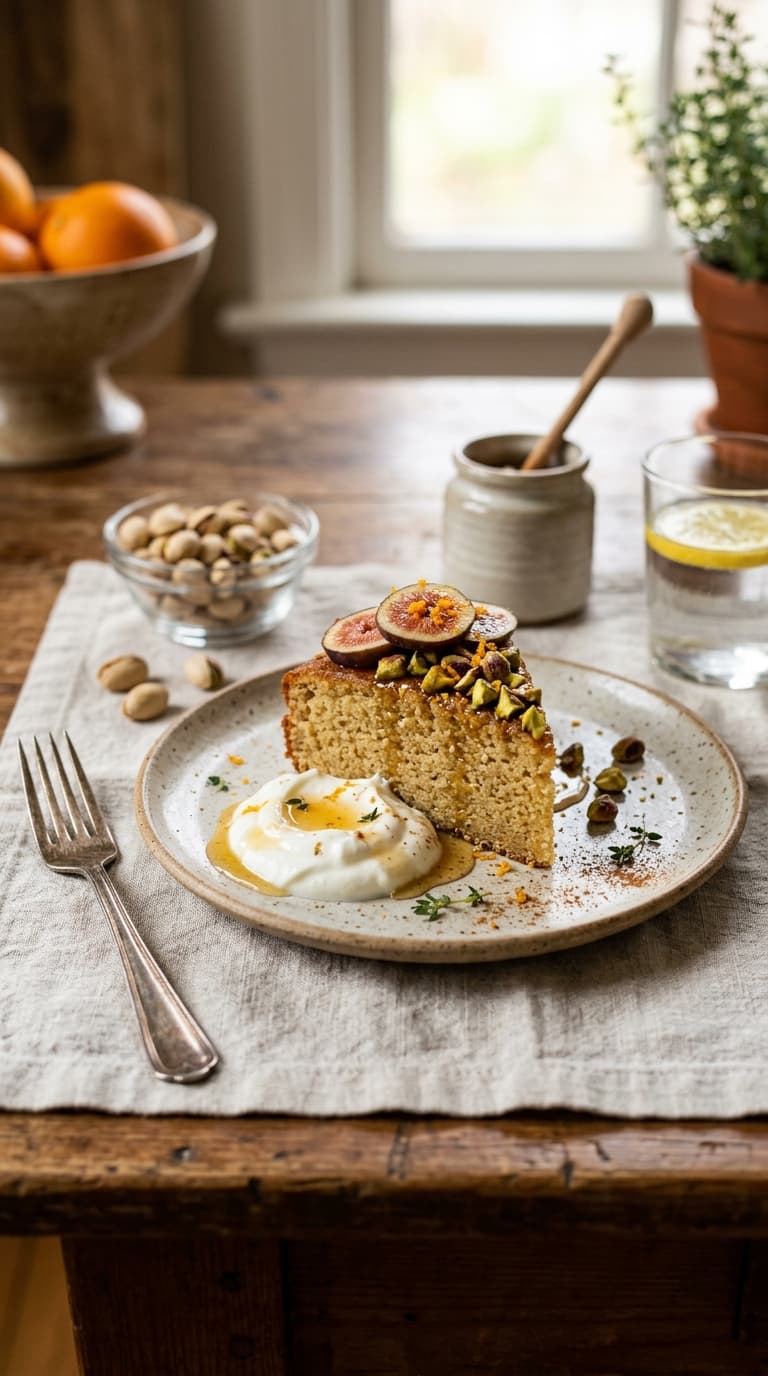

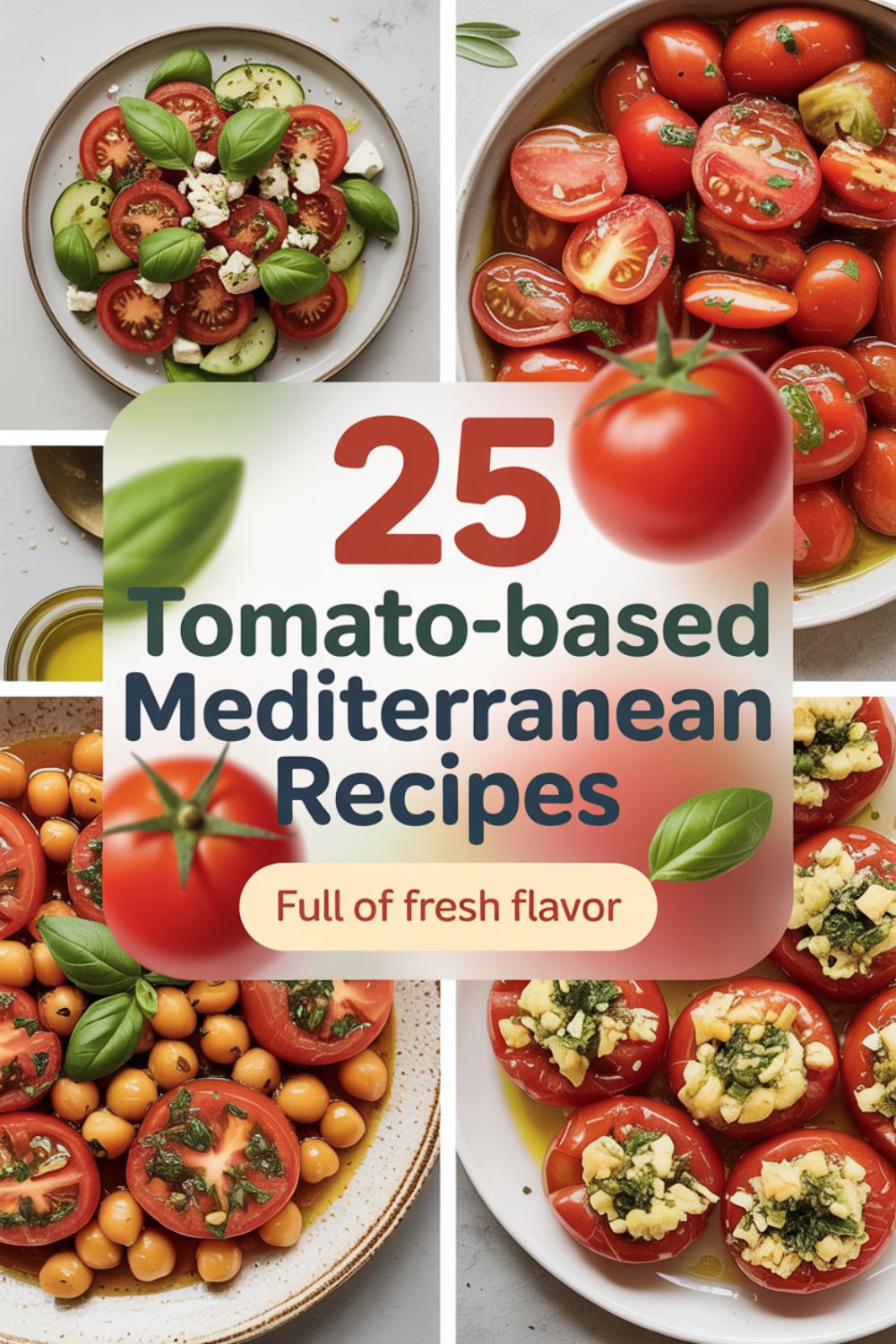
25 Tomato-Based Mediterranean Recipes Full of Fresh Flavor
Look, I’m not going to sugarcoat it—tomatoes are the unsung heroes of Mediterranean cooking. They’re versatile, packed with flavor, and honestly, they make just about everything taste better. Whether you’re tossing them into a salad, simmering them into a sauce, or roasting them until they’re caramelized and sweet, tomatoes bring that perfect balance of acidity and richness that Mediterranean cuisine is famous for.
You’ve probably heard about the Mediterranean diet’s impressive health benefits—reduced cardiovascular disease risk, better weight management, and increased longevity. But what you might not know is just how central tomatoes are to making this whole eating pattern work. They’re not just filler ingredients; they’re nutritional powerhouses loaded with lycopene, vitamins, and antioxidants that actually make a difference in how you feel.
So if you’re ready to shake up your meal routine with recipes that taste like you spent hours in the kitchen but really didn’t, stick around. I’m sharing 25 of my favorite tomato-based Mediterranean recipes that’ll have you wondering why you ever bothered with bland, boring dinners in the first place.

Why Tomatoes Deserve More Credit in Mediterranean Cooking
Here’s the thing about tomatoes—they’re criminally underrated. Sure, everyone knows they’re a staple in Mediterranean dishes, but most people don’t realize just how much nutritional bang you’re getting for your buck. Tomatoes are loaded with lycopene, a powerful antioxidant that’s been linked to reduced cancer risk, better heart health, and even improved skin protection. According to research on lycopene, this compound is incredibly effective at scavenging harmful free radicals in your body.
What makes lycopene even cooler? It actually becomes more bioavailable when tomatoes are cooked. So that simmering marinara sauce you’re making? It’s not just delicious—it’s legitimately boosting your nutrient absorption. IMO, that’s the kind of science-backed excuse we all need to eat more pasta.
Beyond lycopene, tomatoes bring vitamin C for immune support, potassium for heart health, and vitamin K for bone strength. They’re also ridiculously low in calories while being high in fiber and water content, which means they fill you up without weighing you down. For anyone trying to manage their weight while eating food that actually tastes good, tomatoes are your best friend.
The Mediterranean Philosophy: Fresh, Simple, Flavorful
Mediterranean cooking isn’t about fancy techniques or expensive ingredients. It’s about letting fresh, quality ingredients speak for themselves. Tomatoes fit this philosophy perfectly because they don’t need much—just good olive oil, a sprinkle of sea salt, maybe some fresh herbs, and you’re golden.
I use this ceramic olive oil dispenser in my kitchen because it makes drizzling the perfect amount ridiculously easy, plus it looks way better than keeping the bottle on the counter. Small things like this actually make cooking more enjoyable, which means you’re more likely to stick with healthier eating habits.
The beauty of Mediterranean tomato recipes is their adaptability. Got cherry tomatoes? Toss them with pasta. Have some beefsteak tomatoes that are past their prime? Roast them. Tomato paste sitting in your pantry? Make a quick shakshuka for breakfast. Nothing goes to waste, and everything tastes incredible.
If you’re looking for structured meal plans that incorporate tomato-heavy Mediterranean dishes, you might want to check out this 7-day anti-inflammation plan or this 14-day high-fiber Mediterranean plan. They’re both packed with practical recipes that actually fit into real life.
25 Tomato-Based Mediterranean Recipes You’ll Actually Make
Let’s get to the good stuff. These aren’t complicated restaurant-style dishes that require sixteen specialty ingredients you’ll use once. These are real, doable recipes that rely on tomatoes to bring flavor, nutrition, and that satisfying Mediterranean vibe to your table.
1. Classic Tomato Bruschetta
Start with the basics. Dice up fresh tomatoes, mix them with minced garlic, torn basil, olive oil, and a splash of balsamic. Toast some crusty bread (I use this cast iron grill pan for perfect char marks), rub it with raw garlic, and pile on the tomato mixture. Simple, classic, and always a crowd-pleaser.
2. Greek Tomato and Feta Salad
Chunk up ripe tomatoes, add cubed feta, Kalamata olives, red onion, cucumbers, and a heavy-handed pour of olive oil. Season with oregano and salt. This salad proves that fresh ingredients don’t need complicated preparation. Get Full Recipe.
3. Shakshuka (North African Tomato and Egg Dish)
Simmer tomatoes with bell peppers, onions, and warming spices like cumin and paprika until you have a thick sauce. Crack eggs directly into the mixture and let them poach. Serve with crusty bread for dipping. This dish works for breakfast, lunch, or dinner—versatility at its finest.
4. Italian Panzanella (Tomato Bread Salad)
Tear up stale bread, toss it with juicy tomatoes, cucumbers, red onion, and basil. Dress everything with olive oil and red wine vinegar. The bread soaks up all the tomato juices and dressing, creating this amazing texture that’s both crunchy and soft. Don’t sleep on this one.
5. Spanish Gazpacho
Blend ripe tomatoes with cucumber, bell pepper, garlic, olive oil, and sherry vinegar. Chill it completely before serving. This cold soup is legitimately refreshing on hot days, and it’s one of those recipes where using really good tomatoes makes all the difference. Get Full Recipe.
6. Caprese Salad with Heirloom Tomatoes
Layer thick slices of heirloom tomatoes with fresh mozzarella and basil leaves. Drizzle with your best olive oil and balsamic reduction. The quality of your ingredients is everything here—cheap tomatoes and rubbery mozzarella will give you a disappointing salad.
7. Slow-Roasted Tomatoes
Halve Roma or plum tomatoes, toss them with olive oil, garlic, thyme, salt, and pepper. Roast them low and slow (around 250°F for 3-4 hours) until they’re caramelized and intensely sweet. These are phenomenal on their own, but they also elevate pasta, sandwiches, or grain bowls. I always have a batch in my fridge.
8. Tomato and White Bean Stew
Sauté onions and garlic, add canned tomatoes, white beans, vegetable broth, and fresh rosemary. Let it simmer until everything’s tender and the flavors have melded. This stew is hearty, comforting, and ridiculously cheap to make. Plus, it’s packed with fiber and plant-based protein.
For more inspiration on incorporating beans and high-fiber ingredients into your meals, this 7-day Mediterranean high-fiber meal prep plan has some excellent options that complement tomato-based dishes perfectly.
9. Classic Marinara Sauce
You need a good marinara in your arsenal. Sauté garlic in olive oil, add crushed tomatoes, season with salt, pepper, and a pinch of sugar to balance the acidity. Let it simmer for at least 30 minutes. I make mine in a large enameled Dutch oven because it distributes heat evenly and doesn’t react with acidic tomatoes.
10. Greek Stuffed Tomatoes (Gemista)
Hollow out large tomatoes and stuff them with a mixture of rice, herbs, pine nuts, and sometimes ground meat. Bake until the tomatoes are tender and the filling is cooked through. The tomatoes release their juices while baking, flavoring the rice from the inside out. It’s genius, really.
11. Tomato Basil Soup
Roast tomatoes with garlic and onions until caramelized, then blend them with vegetable broth and fresh basil. Finish with a splash of cream or coconut milk for richness. This is comfort food that happens to be loaded with nutrients. Pair it with grilled cheese, and you’ve got the ultimate cozy meal.
12. Tomato and Olive Tapenade
Pulse sun-dried tomatoes, Kalamata olives, capers, garlic, and olive oil in a food processor until you have a chunky spread. Use it on crackers, sandwiches, or as a topping for grilled fish. The intense flavors pack a serious punch in small amounts.
13. Baked Feta with Tomatoes and Olives
Place a block of feta in a baking dish, surround it with cherry tomatoes, olives, garlic, and herbs. Drizzle everything with olive oil and bake until the feta is soft and the tomatoes have burst. Serve it with crusty bread for scooping. This dish went viral for good reason—it’s stupid easy and tastes incredible. Get Full Recipe.
14. Tomato and Chickpea Curry
Sauté onions, ginger, and garlic, then add curry spices like turmeric, cumin, and coriander. Stir in crushed tomatoes and cooked chickpeas. Let it simmer until thick and flavorful. Serve over rice or with naan. The Mediterranean meets South Asian flavors here, and it works beautifully.
15. Fresh Tomato Salsa
Dice tomatoes, red onion, jalapeño, and cilantro. Mix with lime juice and salt. This salsa is bright, fresh, and infinitely better than anything you’ll buy in a jar. I make mine in this glass mixing bowl set because they’re easy to clean and don’t absorb odors.
16. Tomato and Eggplant Caponata
Cube and sauté eggplant until golden, then add tomatoes, olives, capers, raisins, and a splash of vinegar. Cook until everything’s tender and the flavors have balanced out. This sweet-and-sour relish is perfect on toast, with grilled meats, or just eaten straight from the bowl.
17. Tomato and Zucchini Gratin
Layer sliced tomatoes and zucchini in a baking dish, season with herbs and garlic, top with breadcrumbs and Parmesan. Bake until golden and bubbly. This is summer in a dish—light, fresh, and satisfying without being heavy.
18. Sun-Dried Tomato Pesto
Blend sun-dried tomatoes, basil, pine nuts, Parmesan, and olive oil until smooth. This pesto has more depth than traditional basil pesto, and it’s phenomenal tossed with pasta, spread on sandwiches, or mixed into grain salads.
19. Tomato and Lentil Soup
Cook lentils with tomatoes, carrots, celery, and warming spices like cumin. This soup is hearty, filling, and packed with plant-based protein and fiber. It’s one of those recipes that tastes even better the next day after the flavors have had time to develop.
Speaking of lentils and fiber-rich Mediterranean meals, this 30-day high-fiber anti-inflammation program includes similar recipes that emphasize gut health and sustained energy throughout the day.
20. Tomato and Artichoke Paella
Sauté onions and garlic, add rice, vegetable broth, tomatoes, artichoke hearts, and saffron. Let it cook without stirring until the rice is tender and you get that crispy bottom layer (socarrat). This vegetarian paella is elegant enough for company but easy enough for a weeknight.
21. Tomato and Burrata Crostini
Top toasted bread with creamy burrata, sliced tomatoes, fresh basil, and a drizzle of balsamic glaze. The contrast between the crispy bread, creamy cheese, and juicy tomatoes is perfection. These make great appetizers or a light dinner when you can’t be bothered to cook.
22. Tomato and Spinach Orzo
Cook orzo pasta, then toss it with sautéed spinach, cherry tomatoes, garlic, lemon zest, and feta. This comes together in about 20 minutes and tastes like you tried way harder than you actually did. It’s my go-to when I need something fast but don’t want to compromise on flavor.
23. Tomato and Halloumi Skewers
Thread cherry tomatoes and cubes of halloumi onto skewers, brush with olive oil and oregano. Grill or broil until the cheese is golden and the tomatoes have started to blister. These skewers are fun, flavorful, and work great as appetizers or a light main course. Get Full Recipe.
24. Tomato and Herb Focaccia
Press halved cherry tomatoes into focaccia dough along with fresh rosemary and flaky salt. Drizzle generously with olive oil and bake until golden. The tomatoes release their juices into the bread, creating pockets of intense flavor. I bake mine on this half-sheet pan for perfectly even results.
25. Tomato and Chickpea Salad
Mix chickpeas with diced tomatoes, cucumbers, red onion, parsley, and a lemon-olive oil dressing. This salad is crunchy, refreshing, and packed with protein and fiber. It holds up well in the fridge for meal prep, and it actually tastes better after sitting for a few hours.
Kitchen Tools That Make Mediterranean Cooking Easier
Look, you don’t need a kitchen full of gadgets to make great Mediterranean food. But having a few quality tools genuinely makes the process more enjoyable and efficient. Here’s what I actually use and recommend:
Physical Products
- High-Quality Chef’s Knife – You’ll be chopping a lot of tomatoes, onions, and herbs. A sharp, well-balanced knife makes prep work faster and safer.
- Large Wooden Cutting Board – Get one that’s big enough to actually work on. Small cutting boards are frustrating and inefficient.
- Enameled Cast Iron Dutch Oven – Perfect for slow-simmering tomato sauces, stews, and braises. The heat distribution is unbeatable.
Digital Resources
- 7-Day Gut-Healing Mediterranean Menu – Focuses on gut-friendly ingredients including fermented foods and fiber-rich tomato dishes.
- 14-Day Anti-Inflammatory Eating Plan for Women – Specifically designed to reduce inflammation through strategic meal planning.
- 7-Day Anti-Inflammation Reset – Simple, achievable meals perfect for beginners or anyone looking to reset their eating habits.
The Real Benefits of Cooking with Tomatoes
Beyond just tasting amazing, tomatoes bring legitimate health benefits to your meals. The lycopene content in tomatoes has been studied extensively for its potential protective effects against cardiovascular disease and certain cancers. The anti-inflammatory and antioxidant properties of Mediterranean dietary patterns, with tomatoes playing a central role, have been documented in numerous clinical trials.
What makes tomatoes particularly interesting from a nutritional standpoint is their synergy with olive oil. Fat-soluble nutrients like lycopene are better absorbed when consumed with healthy fats, which is exactly what Mediterranean cooking naturally does. That drizzle of olive oil isn’t just for flavor—it’s helping your body actually use the nutrients in those tomatoes.
The fiber content in tomatoes, while not massive, still contributes to digestive health and helps regulate blood sugar. Combined with the low calorie density, tomatoes let you eat satisfying portions without overdoing calories. This is particularly useful if you’re following something like this 14-day Mediterranean weight loss plan, which emphasizes volume eating with nutrient-dense ingredients.
Making It Work in Real Life
Here’s what I’ve learned after cooking Mediterranean-style for years: meal prep is your friend. Roasting a big batch of tomatoes on Sunday means you have instant flavor bombs ready to go all week. Same with making a large pot of marinara sauce—it freezes beautifully and thaws in minutes.
I keep my pantry stocked with canned whole tomatoes (the good ones from San Marzano if I can find them), tomato paste, and sun-dried tomatoes. Fresh tomatoes are great when they’re in season, but having quality canned options means you can make these recipes year-round without compromise.
Don’t overthink the herbs situation either. Fresh basil and parsley are worth having on hand, but dried oregano, thyme, and rosemary work perfectly fine for most applications. The tomatoes are doing most of the heavy lifting flavor-wise anyway.
For those dealing with specific health concerns, there are specialized plans that work particularly well with tomato-heavy recipes. Check out this 7-day Mediterranean vegan anti-inflammation plan or this 14-day high-protein anti-inflammatory plan depending on your dietary needs.
Common Mistakes to Avoid
First mistake? Using mealy, flavorless tomatoes. If you’re making a fresh tomato salad or bruschetta in January, you’re setting yourself up for disappointment. Either use canned tomatoes or wait until summer when fresh tomatoes actually taste like something.
Second mistake is not seasoning enough. Tomatoes can handle a generous amount of salt, which brings out their natural sweetness and balances their acidity. Underseasoned tomato dishes taste flat and boring.
Third mistake is not using enough olive oil. I know it seems like a lot, but Mediterranean cooking relies on olive oil for both flavor and nutrition. FYI, that bottle of extra virgin olive oil you’re saving for “special occasions” should be used liberally. That’s what it’s for.
Fourth mistake is overcooking fresh tomatoes in salads and cold dishes. Cut them right before serving to maintain their texture and prevent them from getting mushy and watery.
Adapting These Recipes for Different Needs
Most of these recipes are naturally adaptable. Need more protein? Add grilled chicken, fish, or extra beans. Want more vegetables? Throw in whatever you have on hand—zucchini, eggplant, peppers all work beautifully with tomatoes.
For those following specialized eating patterns, these tomato recipes integrate well. If you’re focusing on gut health, the 7-day Mediterranean anti-bloat plan has excellent guidance on pairing tomato dishes with gut-friendly ingredients.
If you’re managing multiple health goals simultaneously, the 30-day Mediterranean wellness plan provides a comprehensive framework for incorporating diverse Mediterranean ingredients, including heavy tomato usage, into a sustainable eating pattern.
Budget-conscious? This 14-day high-fiber budget meal plan proves you don’t need expensive ingredients to eat well. Tomatoes, especially canned ones, are incredibly affordable and versatile.
Seasonal Considerations
Summer is obviously prime tomato season. Hit up farmers’ markets for heirloom varieties in wild colors—yellow, purple, striped. These are best eaten fresh with minimal cooking. Save your simple salads and bruschettas for when tomatoes are at peak ripeness.
Winter doesn’t mean you abandon tomato recipes entirely. This is when canned tomatoes shine. High-quality canned tomatoes are picked and processed at peak ripeness, which often means they’re actually better than winter “fresh” tomatoes that were picked green and shipped across the country.
Spring and fall are transition seasons. Cherry tomatoes tend to be reliable year-round, so recipes featuring them work whenever. Roasted tomato dishes also work well during these seasons when you want something warming but not too heavy.
Frequently Asked Questions
Are canned tomatoes as healthy as fresh tomatoes?
Actually, yes—and sometimes they’re even better. Canned tomatoes are processed at peak ripeness, which locks in nutrients. The canning process also increases lycopene bioavailability, making it easier for your body to absorb this beneficial antioxidant. Just watch out for added sodium in some brands.
How should I store fresh tomatoes to keep them flavorful?
Never refrigerate fresh tomatoes unless they’re already cut. Cold temperatures kill their flavor and turn the texture mealy. Keep them on your counter at room temperature, stem-side down, away from direct sunlight. They’ll stay fresh for about a week, depending on ripeness when purchased.
Can I freeze fresh tomatoes for later use?
Absolutely. Wash them, core them, and freeze whole on a baking sheet before transferring to freezer bags. When you need them, run frozen tomatoes under warm water and the skins slip right off. They’re perfect for sauces, soups, and stews where texture isn’t critical.
Why do some recipes call for adding sugar to tomato sauce?
Sugar balances the natural acidity of tomatoes, especially if you’re using canned tomatoes or cooking them for long periods. You don’t need much—just a pinch or teaspoon depending on the quantity. It rounds out the flavor without making the sauce taste sweet.
What’s the difference between tomato paste, sauce, and crushed tomatoes?
Tomato paste is concentrated and cooked down with most moisture removed—it adds deep flavor in small amounts. Tomato sauce is smooth and already seasoned, ready to use. Crushed tomatoes are just that—crushed with their juices, offering texture and freshness. They’re not interchangeable, but understanding their roles helps you choose the right one for each recipe.
Final Thoughts
Here’s the bottom line: tomatoes are the workhorse of Mediterranean cooking, and they deserve way more appreciation than they get. They’re nutritious, affordable, versatile, and when you use good ones prepared properly, they make everything taste better.
These 25 recipes prove that you don’t need complicated techniques or exotic ingredients to eat well. You just need fresh tomatoes (or quality canned ones), good olive oil, and a willingness to keep things simple. Mediterranean cooking has survived for thousands of years precisely because it works with what’s available and doesn’t overcomplicate things.
Start with one or two recipes that appeal to you most. Maybe it’s the shakshuka for a weekend breakfast or the simple marinara to have on hand for quick weeknight dinners. Build from there. Before you know it, you’ll have a repertoire of tomato-based Mediterranean dishes that become your go-to meals—the ones you make without thinking, the ones that feel like home.
And honestly? That’s what good food should be. Not stressful, not complicated, just delicious and nourishing. Tomatoes make that possible, which is exactly why they’re worth celebrating.