
7-Day Anti-Inflammation Plan For Better Sleep
7-Day Anti-Inflammation Plan For Better Sleep
You already know that feeling — you wake up after what should’ve been a full eight hours, and you still feel like you got hit by a truck. Groggy, stiff, unrested. And here’s the kicker: chronic inflammation might be the reason your sleep is garbage, and most people never make that connection.
I went down this rabbit hole a while back after struggling with restless nights for months. I tried the usual stuff — no screens before bed, a cooler room, chamomile tea. Some of it helped a little. But the real game-changer? Changing what I ate. Specifically, cutting out the foods that were quietly fueling inflammation in my body and replacing them with things that actually helped my system calm down by bedtime.
This 7-day plan is exactly what I wish someone had handed me back then. It’s practical, it’s doable, and yes — it works.
Why Inflammation Wrecks Your Sleep (And Vice Versa)
Before we jump into the plan, let’s talk about what’s actually happening in your body. Inflammation and sleep have a messy, codependent relationship. Poor sleep triggers more inflammation. More inflammation makes sleep worse. Round and round we go. :/
Chronic low-grade inflammation raises your levels of cytokines — little signaling proteins that your immune system uses. When cytokines are elevated at night, they mess with your body’s ability to drop into deep, restorative sleep stages. You stay in lighter sleep, wake up more often, and feel terrible in the morning.
The foods you eat directly influence those cytokine levels. Some foods crank them up. Others dial them way down. That’s the entire foundation of this plan.
What to Eat (And What to Ditch)
Let’s keep this simple. You don’t need a nutrition degree to follow this.
Foods that fight inflammation and support sleep:
- Fatty fish (salmon, sardines, mackerel) — loaded with omega-3s that reduce inflammatory markers
- Tart cherries — one of the only natural food sources of melatonin
- Leafy greens (spinach, kale, arugula) — packed with magnesium, which your body needs to relax muscles and calm your nervous system
- Walnuts — another surprising melatonin source, plus healthy fats
- Turmeric and ginger — anti-inflammatory powerhouses that belong in your kitchen permanently
- Olive oil — oleocanthal, a compound in extra virgin olive oil, works similarly to ibuprofen as an anti-inflammatory
- Berries — blueberries, strawberries, and raspberries are rich in antioxidants that fight oxidative stress
- Whole grains — help stabilize blood sugar overnight, preventing those 3am wake-ups
Foods to avoid during this week:
- Refined sugar and anything with high-fructose corn syrup
- Processed vegetable oils (canola, soybean, corn oil)
- Alcohol — yes, even that “relaxing” glass of wine before bed
- Ultra-processed snacks and fast food
- White bread, white pasta, and other refined carbs
If you’re looking for a deeper resource on anti-inflammatory eating, the 21 anti-inflammation foods to help you sleep list is genuinely one of my favorites to reference.
The 7-Day Plan Breakdown
Day 1 — Reset and Simplify
Start the week with a clean slate. Keep meals simple and focused on whole foods.
Breakfast: Overnight oats with blueberries, a handful of walnuts, and a drizzle of honey. Oats digest slowly, which means more stable blood sugar through the morning and night.
Lunch: A big leafy green salad with canned salmon, cherry tomatoes, cucumber, and olive oil dressing. If you need some inspiration for putting together a salad that doesn’t taste like sadness, check out these Mediterranean salads that actually taste amazing.
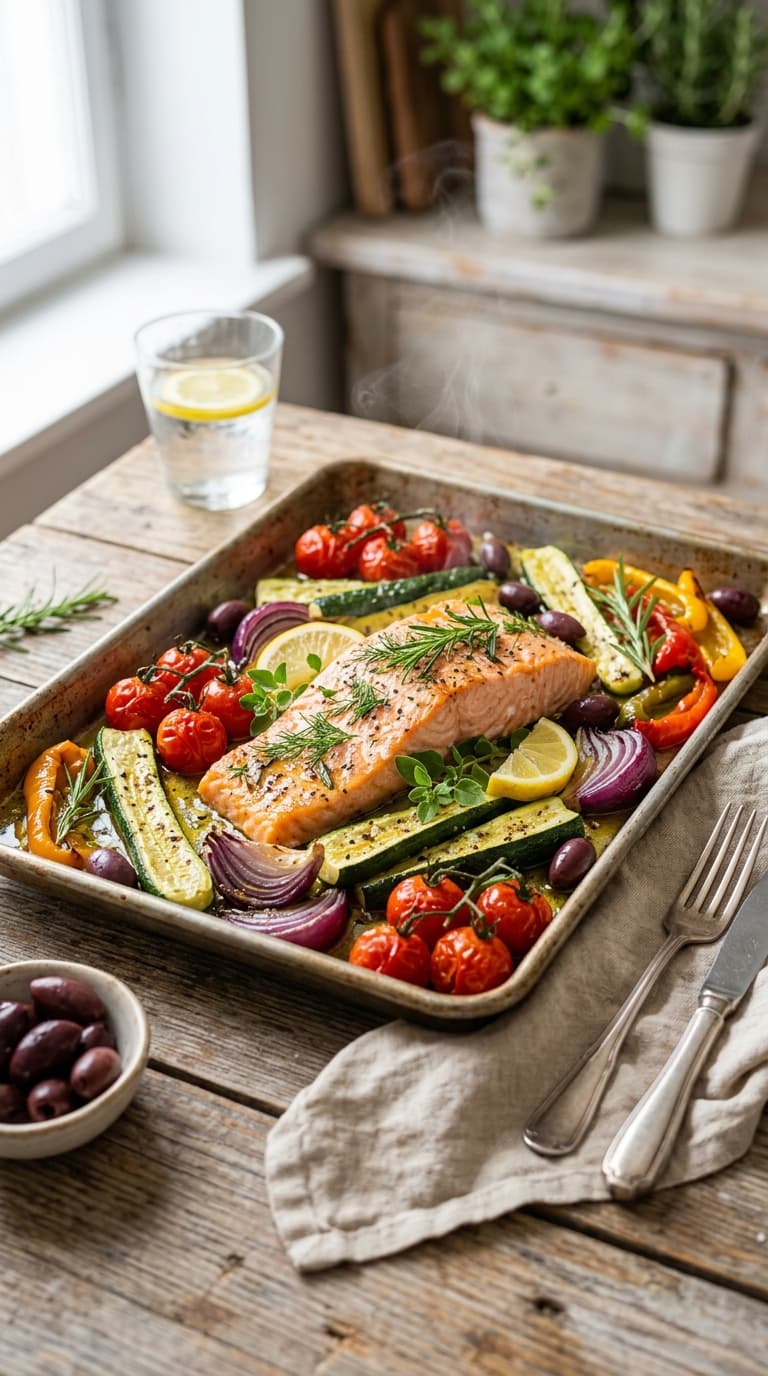
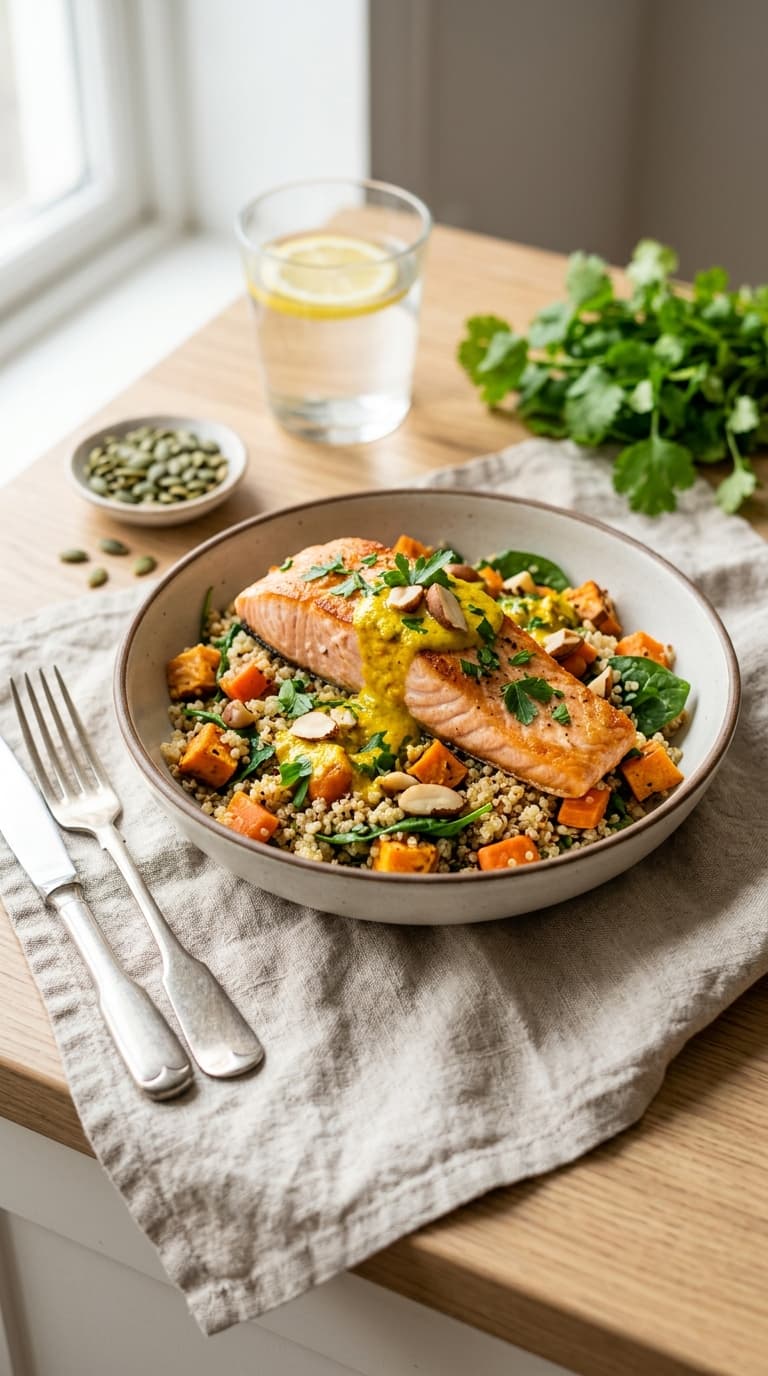
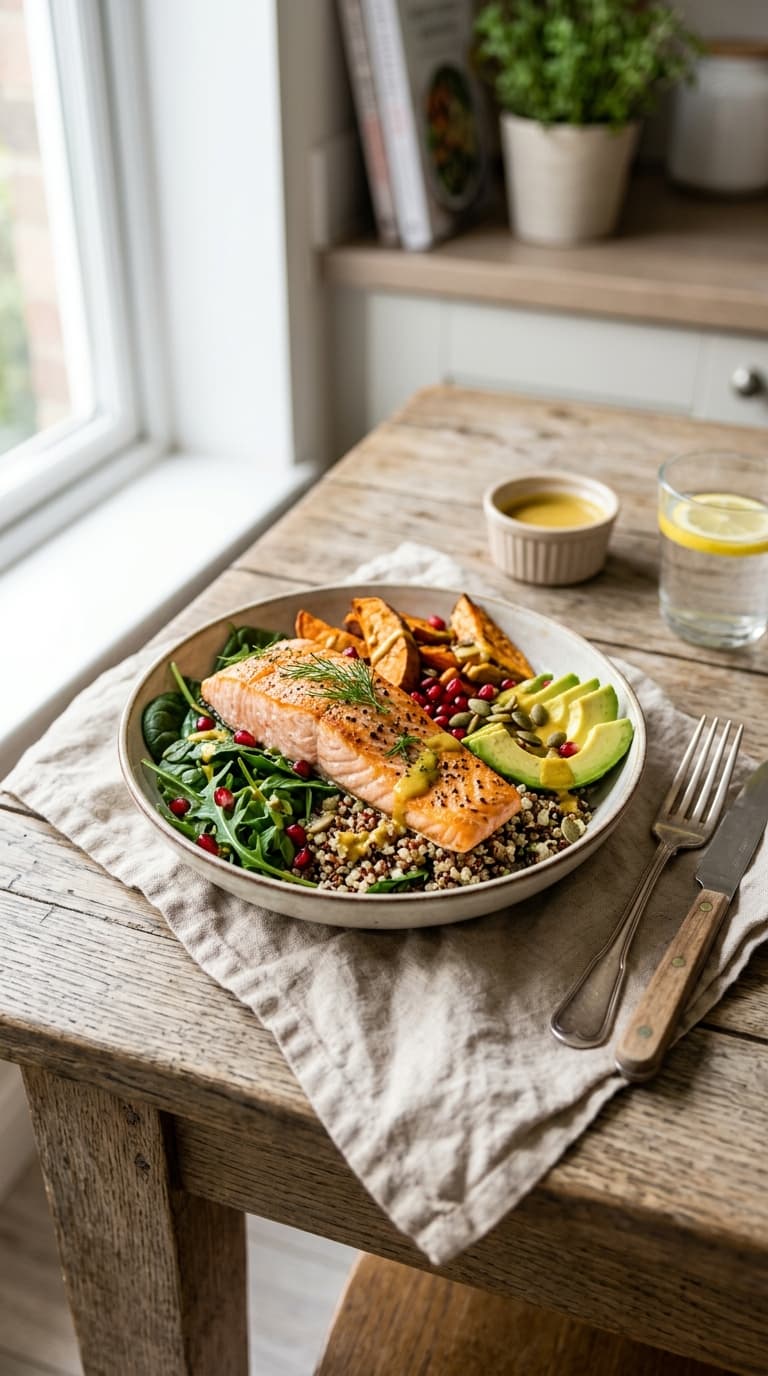
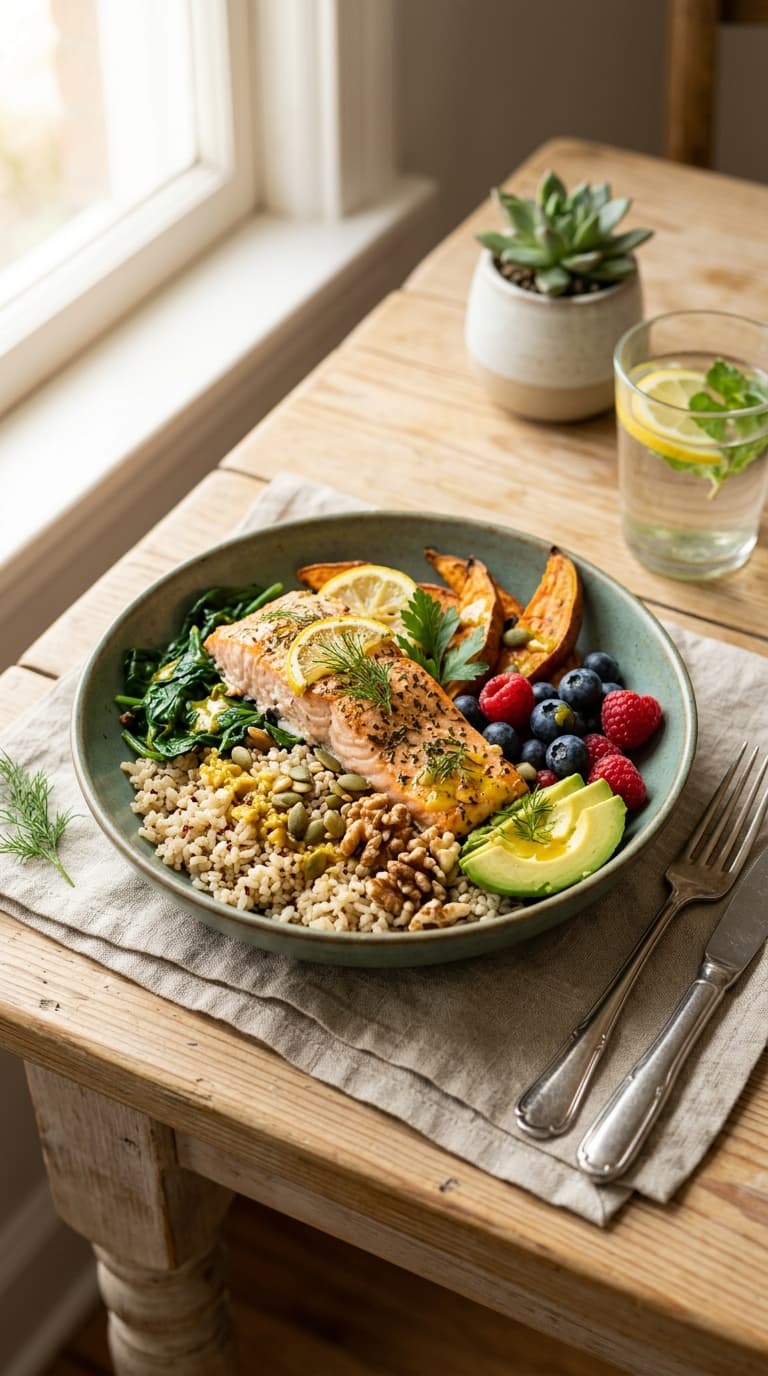
Dinner: Baked salmon with roasted sweet potato and steamed spinach. Simple, filling, and quietly doing a lot of heavy lifting for your sleep.
Evening ritual: A small bowl of tart cherries or a glass of tart cherry juice about an hour before bed.
Day 2 — Load Up on Omega-3s
Ever wondered why cultures that eat a lot of fish consistently report better sleep quality? Omega-3 fatty acids directly influence serotonin production, which your body converts into melatonin at night.
Breakfast: Greek yogurt with raspberries, chia seeds, and a sprinkle of ground flaxseed. Chia and flax are both excellent plant-based omega-3 sources.
Lunch: Sardines on whole grain toast with sliced avocado and lemon. Sardines sound weird until you try them — IMO, they’re massively underrated.
Dinner: A hearty lentil and vegetable soup with turmeric and ginger stirred in. Lentils give you a slow-digesting protein that keeps blood sugar steady overnight.
For a beautiful selection of gut-healing Mediterranean soups, that link has kept me fed for weeks.
Day 3 — Magnesium Focus
Magnesium deficiency is shockingly common and directly linked to insomnia. Your muscles literally can’t relax properly without enough of it. Most adults don’t get nearly enough.
Breakfast: Spinach and mushroom scrambled eggs with a slice of whole grain toast. Mushrooms are a surprisingly good magnesium source, and they add a savory depth that makes breakfast feel like an actual meal.
Lunch: A grain bowl with quinoa, roasted chickpeas, cucumber, parsley, and tahini dressing. Quinoa and chickpeas both deliver solid magnesium content.
Dinner: Baked mackerel with a side of sautéed dark leafy greens in olive oil and garlic. Keep it simple. Garlic is also a mild anti-inflammatory — bonus.
Day 4 — Midweek Anti-Inflammatory Reset
By day four, a lot of people hit a small wall. You might feel some cravings for processed stuff creeping in. Push through — this is where the plan really starts to work.
Breakfast: A turmeric golden milk smoothie with banana, almond milk, a pinch of black pepper (which activates turmeric’s active compound, curcumin), cinnamon, and a tablespoon of almond butter.
Lunch: Whole grain pita stuffed with grilled chicken, hummus, roasted red peppers, and arugula. For more ideas like this, these Mediterranean wraps and pita ideas are a weekday lifesaver.
Dinner: A warming bowl of lemon herb chicken with brown rice and a side salad. Tryptophan from chicken converts into serotonin and then melatonin — your sleep chemistry will thank you.
Evening drink: Warm chamomile or passionflower tea with a teaspoon of raw honey.
Day 5 — Plant-Based Power Day
Switching to a fully plant-based day mid-plan gives your digestive system a break and floods your body with fiber and antioxidants. Your gut microbiome plays a bigger role in sleep regulation than most people realize.
Breakfast: Acai bowl with mixed berries, banana, hemp seeds, and granola. Berries in particular are rich in anthocyanins — plant compounds that reduce inflammatory cytokines.
Lunch: A big Mediterranean-style chickpea salad with olives, sun-dried tomatoes, red onion, fresh herbs, and a lemon-olive oil dressing. Chickpeas are one of those ingredients that make clean eating genuinely satisfying. These Mediterranean chickpea recipes are worth bookmarking.
Dinner: Stuffed bell peppers with quinoa, black beans, corn, tomatoes, and lots of cumin and paprika. High in fiber, anti-inflammatory spices, and genuinely delicious.
Day 6 — Hormone Support
Sleep and hormones are tightly connected — especially for women. Cortisol, estrogen, progesterone, and melatonin all interact in ways that eating can either support or disrupt. If this is something you deal with regularly, the 14-day anti-inflammation hormone balancing plan goes much deeper into this topic.
Breakfast: Flaxseed and berry smoothie with Greek yogurt, spinach, and almond milk. Flaxseeds contain lignans that help balance estrogen levels.
Lunch: Baked cod over a bed of arugula with roasted cherry tomatoes and capers. Light, protein-rich, and loaded with anti-inflammatory omega-3s.
Dinner: Slow-cooked turmeric chicken thighs with roasted root vegetables. The slow cooking method breaks everything down in a way that’s much gentler on digestion — important for late-night meals.
Day 7 — Consolidate and Celebrate
FYI — you made it to day seven 🙂 Today is about locking in these habits so they actually stick beyond the week.
Breakfast: Avocado toast on sourdough with poached eggs and a sprinkle of chili flakes. Sourdough’s fermentation process makes it easier on blood sugar than regular bread.
Lunch: A large Mediterranean bowl with grilled salmon, farro, roasted vegetables, and tzatziki. Rich in probiotics, protein, and healthy fats — basically everything your body needs.
Dinner: Keep it light tonight. A simple miso soup with tofu, seaweed, and a side of brown rice. Miso is fermented, gut-friendly, and has a naturally calming effect.
Evening: Make yourself one of these anti-inflammation drinks you can make at home and genuinely congratulate yourself.
Practical Tips to Make the Week Work
The plan only works if you can actually follow it. Here’s what helps:
- Meal prep on Sunday. Cook a big batch of grains, roast a sheet pan of vegetables, and portion out snacks so you’re not making decisions at 6pm when you’re tired and hungry.
- Keep your pantry stocked. Olive oil, canned fish, dried lentils, canned chickpeas, whole grains, nuts, and dried herbs are your best friends this week.
- Eat dinner at least 2–3 hours before bed. Your core body temperature needs to drop to fall asleep, and digesting a big meal raises it.
- Hydrate throughout the day but slow down about an hour before bed so you’re not up every hour.
- Track how you feel each morning. Even just a quick note — “slept well,” “woke up twice,” “feel rested” — helps you see the patterns.
The Sleep Habits That Amplify Everything
The food is doing a lot of work, but sleep hygiene matters too. You can’t out-eat a chaotic bedtime routine.
- Keep a consistent sleep and wake time — even on weekends
- Make your room dark, cool (around 65–68°F), and quiet
- Avoid screens for at least 30 minutes before bed
- Try a short body scan meditation or gentle stretching
- Limit caffeine after 1pm — yes, even that afternoon espresso is disrupting your sleep architecture
The combination of anti-inflammatory eating and solid sleep habits creates a compounding effect. Week one, you notice small improvements. By week two, the difference is genuinely striking.
What Comes After Day 7
One week is a fantastic start, but inflammation doesn’t disappear overnight. Think of this as a proof of concept — seven days that show you exactly how much food affects your sleep.
After the week, I’d strongly suggest continuing with the 30-day anti-inflammation challenge to build real long-term habits. Or if you want a structured approach with more variety, the 14-day anti-inflammatory eating plan for women is beautifully put together and keeps things interesting.
The biggest mistake people make is treating this as a diet rather than a lifestyle shift. Once you experience consistently better sleep, going back to your old habits genuinely feels bad — and that’s a good thing. Your body starts communicating clearly.
Wrapping It Up
Here’s the bottom line: you don’t need expensive supplements, blackout curtains, or a fancy sleep tracker to sleep better. You might just need to take inflammation seriously.
This 7-day plan gives your body seven days of consistent anti-inflammatory fuel, targeted nutrients that support melatonin production, and stable blood sugar through the night. It’s not complicated. It’s not restrictive. It actually tastes good.
Start Sunday. Prep your groceries Saturday. And give yourself the gift of waking up actually rested for once. You’ll wonder why you didn’t do it sooner.