

14-Day Mediterranean Meal Plan For High Cholesterol
14-Day Mediterranean Meal Plan For High Cholesterol
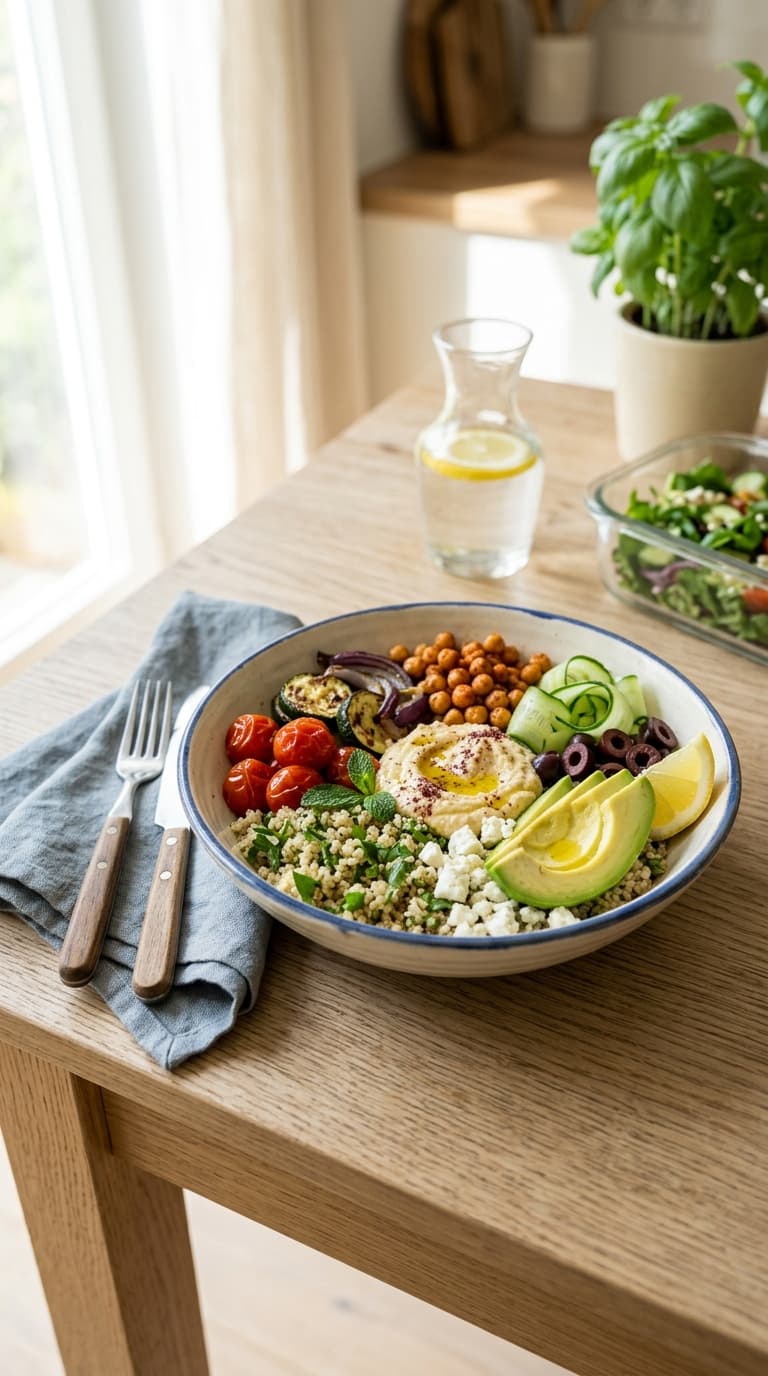
So your doctor just handed you that cholesterol report and gave you the look. You know the one. The “we need to talk about your diet” look. Been there. And honestly, the first thing most people do is Google “what can I even eat now?” — which leads to a rabbit hole of confusing charts, conflicting advice, and meal plans that look like they were designed for someone who genuinely enjoys eating plain boiled chicken. No thanks.
Here’s the good news: the Mediterranean diet is one of the most researched, most delicious, and most effective eating patterns for managing high cholesterol naturally. And no, you don’t have to give up flavor, satisfaction, or your will to live at dinner time. This 14-day Mediterranean meal plan for high cholesterol is going to change the way you think about heart-healthy eating — for real this time.
Why the Mediterranean Diet Works for High Cholesterol
Before we get into the actual meal plan, let’s talk about why this works. Because understanding the “why” makes it so much easier to stick with.
The Mediterranean diet naturally lowers LDL (bad) cholesterol while keeping or even raising HDL (good) cholesterol. It does this through a combination of healthy fats, high fiber, and anti-inflammatory foods. Extra virgin olive oil, fatty fish, legumes, nuts, and whole grains are all stars here.
The big villain in high cholesterol? Saturated fats and trans fats — found in processed foods, red meat, and fried everything. The Mediterranean approach swaps those out for monounsaturated fats from olive oil and omega-3 fatty acids from fish like salmon, sardines, and mackerel. Your arteries will genuinely thank you.
Studies consistently show that people following this eating pattern see meaningful reductions in total cholesterol and LDL within just a few weeks. Two weeks, to be exact — which is exactly what we’re working with here. 🙂
What to Stock Before You Start
You can’t build a great meal plan without the right pantry. Think of this as your foundation. If you keep these staples on hand, you’ll always have something heart-healthy to throw together.
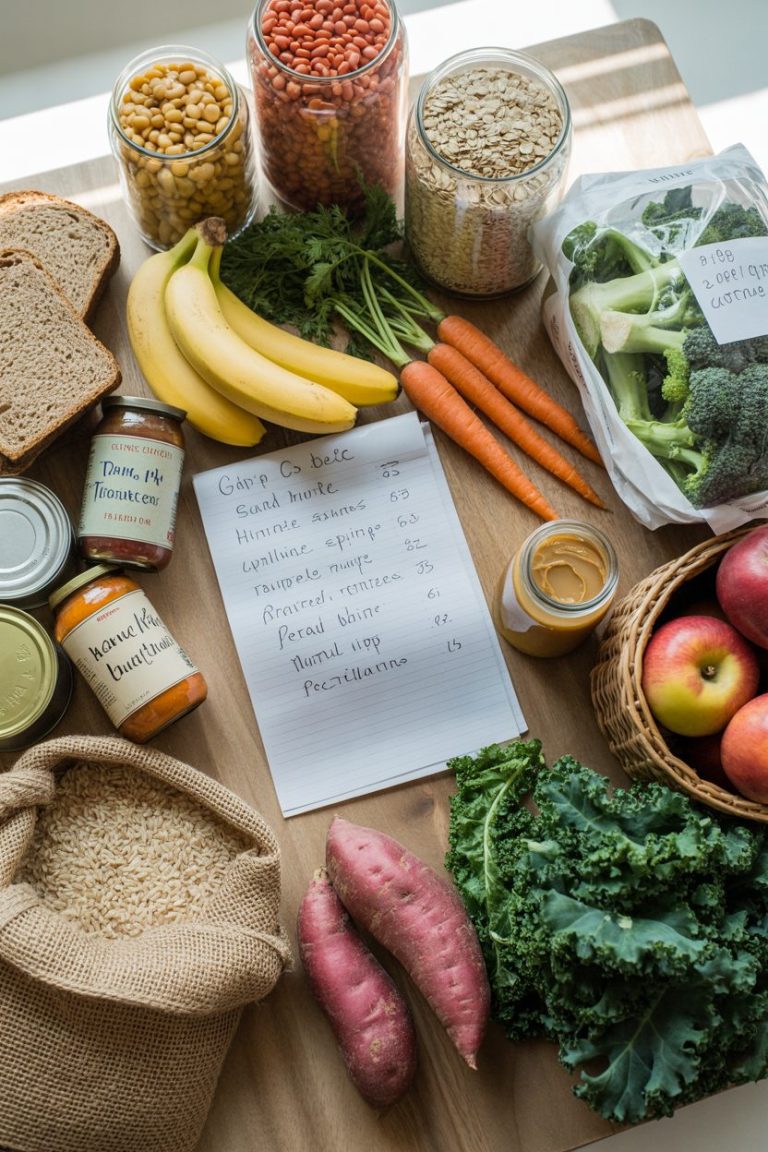
Pantry essentials:
- Extra virgin olive oil (buy a good one — it matters)
- Canned chickpeas, lentils, and white beans
- Whole grain pasta, brown rice, farro, and quinoa
- Canned tomatoes and tomato paste
- Walnuts, almonds, and flaxseeds
- Dried herbs: oregano, thyme, cumin, turmeric
Fridge and freezer:
- Salmon, sardines, mackerel, or tuna (fresh or canned)
- Greek yogurt (full-fat, unsweetened)
- Lots of leafy greens — spinach, arugula, kale
- Eggs (yes, they’re fine in moderation)
- Frozen edamame and peas
For a complete shopping guide, these 21 Mediterranean pantry staples are a great reference to bookmark right now.
The 14-Day Mediterranean Meal Plan for High Cholesterol
Let’s get into it. Each day follows a simple structure: breakfast, lunch, dinner, and one snack. Every meal is built around cholesterol-friendly ingredients — high fiber, healthy fats, and minimal saturated fat.
Week 1
Day 1
- Breakfast: Greek yogurt with walnuts, blueberries, and a drizzle of honey
- Lunch: Lentil soup with crusty whole grain bread
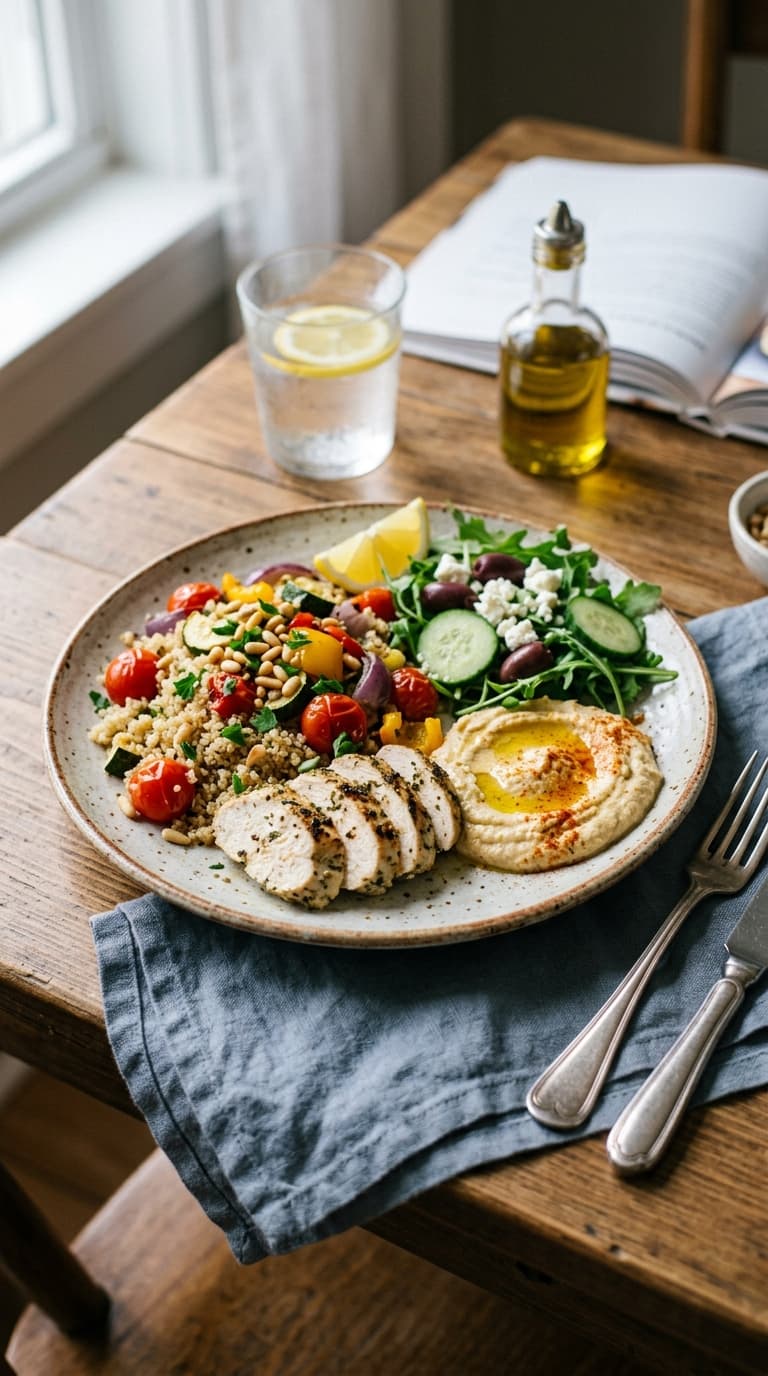
- Dinner: Baked salmon with roasted vegetables and quinoa
- Snack: Apple slices with almond butter
Day 2
- Breakfast: Oatmeal topped with ground flaxseed, sliced banana, and cinnamon
- Lunch: Chickpea and spinach salad with lemon-tahini dressing
- Dinner: Whole grain pasta with olive oil, garlic, cherry tomatoes, and sardines
- Snack: A small handful of mixed nuts
Day 3
- Breakfast: Two eggs scrambled with spinach, olive oil, and feta
- Lunch: Whole grain pita with hummus, cucumber, olives, and roasted red peppers
- Dinner: Baked mackerel with tabbouleh and steamed broccoli
- Snack: Carrot sticks with hummus
Day 4
- Breakfast: Smoothie with spinach, banana, flaxseed, Greek yogurt, and a splash of almond milk
- Lunch: White bean and vegetable soup
- Dinner: Grilled chicken with a big Mediterranean salad and farro
- Snack: Walnuts and a piece of dark chocolate (70%+)
Day 5
- Breakfast: Whole grain toast with smashed avocado and a poached egg
- Lunch: Tuna and white bean salad over arugula with lemon dressing
- Dinner: Lentil and vegetable stew with whole grain bread
- Snack: Greek yogurt with a sprinkle of chia seeds
Day 6
- Breakfast: Overnight oats with almond milk, walnuts, and mixed berries
- Lunch: Stuffed whole grain pita with falafel, lettuce, tomato, and tzatziki
- Dinner: Grilled salmon with roasted asparagus and brown rice
- Snack: Sliced bell peppers and hummus
Day 7
- Breakfast: Greek yogurt parfait with granola, pomegranate seeds, and almonds
- Lunch: Mediterranean chickpea bowl with cucumber, tomato, herbs, and olive oil
- Dinner: Baked cod with roasted cherry tomatoes, capers, olives, and quinoa
- Snack: A pear and a small handful of pistachios
Week 2
Day 8
- Breakfast: Oatmeal with sliced almonds, cinnamon, and stewed apples
- Lunch: Lentil and roasted vegetable wrap in a whole grain tortilla
- Dinner: Sardines on whole grain toast with a big green salad
- Snack: Celery with walnut butter
Day 9
- Breakfast: Scrambled eggs with tomatoes, fresh herbs, and a side of whole grain toast
- Lunch: Farro salad with roasted beets, walnuts, feta, and balsamic glaze
- Dinner: Grilled shrimp skewers with tzatziki, roasted eggplant, and brown rice
- Snack: Almonds and dried apricots
Day 10
- Breakfast: Smoothie bowl with banana, spinach, flaxseed, almond butter, and granola topping
- Lunch: White bean and kale soup with crusty whole grain bread
- Dinner: Baked Mediterranean chicken with olives, tomatoes, and capers over whole grain pasta
- Snack: Greek yogurt with honey and walnuts
Day 11
- Breakfast: Whole grain toast with olive oil, sliced tomatoes, and sea salt
- Lunch: Hummus grain bowl with roasted chickpeas, cucumber, red onion, and feta
- Dinner: Pan-seared salmon with sautéed spinach in garlic and olive oil, plus quinoa
- Snack: Fresh fruit salad with a squeeze of lemon
Day 12
- Breakfast: Overnight oats with chia seeds, blueberries, and a tablespoon of almond butter
- Lunch: Tuna-stuffed avocado with capers, lemon, and fresh dill
- Dinner: Vegetable and lentil curry with brown rice (yes, Mediterranean-adjacent — turmeric is your friend)
- Snack: Sliced cucumber with olive tapenade
Day 13
- Breakfast: Greek yogurt with flaxseed, kiwi, and walnuts
- Lunch: Mediterranean-style Mediterranean salad with chickpeas, quinoa, sun-dried tomatoes, and lemon herb dressing
- Dinner: Grilled mackerel with roasted sweet potatoes and steamed green beans
- Snack: A small handful of mixed nuts and an orange
Day 14
- Breakfast: Avocado toast on whole grain bread with smoked salmon and capers
- Lunch: Lentil and roasted red pepper soup with a side salad
- Dinner: Celebration dinner — baked sea bass with herbed quinoa, roasted vegetables drizzled in olive oil, and a glass of red wine if you’re so inclined
- Snack: Dark chocolate (70%+) and pistachios
Key Foods That Actively Lower Cholesterol
Not all Mediterranean foods pull equal weight when it comes to cholesterol. Some are real MVPs. Here’s what to prioritize throughout your 14 days:
Oats and whole grains — The beta-glucan fiber in oats literally traps LDL cholesterol and helps carry it out of the body. Start your day with oatmeal as often as you can.
Fatty fish — Salmon, mackerel, sardines, and tuna are loaded with omega-3 fatty acids that reduce triglycerides and raise HDL. Aim for at least 3–4 servings per week. Check out these omega-3-rich Mediterranean fish recipes for some serious inspiration.
Legumes — Chickpeas, lentils, and white beans are fiber powerhouses. They slow digestion, stabilize blood sugar, and help reduce LDL. IMO, lentils are the unsung hero of heart-healthy eating.
Nuts — Walnuts especially. Studies show that eating a small handful of walnuts daily can meaningfully reduce LDL. Don’t fear the fat here — it’s the good kind.
Extra virgin olive oil — This is your primary cooking fat now. It’s rich in oleocanthal, a natural anti-inflammatory compound, and its monounsaturated fats actively support heart health. These olive oil-based Mediterranean recipes show you just how versatile it is.
Flaxseeds — Tiny but mighty. Ground flaxseed adds soluble fiber and plant-based omega-3s to anything you sprinkle it on. Add it to smoothies, oatmeal, and yogurt daily.
Foods to Limit or Avoid Completely
Here’s where a little tough love comes in. Even on a Mediterranean diet, there are things you need to pull back on if high cholesterol is your main concern.
- Red and processed meats — Bacon, sausage, deli meats, and fatty cuts of beef raise LDL. Keep red meat to once a week max, if at all.
- Full-fat dairy in excess — A little feta or Greek yogurt? Fine. A daily block of cheddar? Not ideal.
- Refined carbohydrates — White bread, white rice, pastries, and sugary cereals spike blood sugar and can raise triglycerides.
- Fried foods — Even if they’re technically fried in olive oil, the process changes the fat profile. Roast, grill, bake, or sauté instead.
- Tropical oils — Coconut oil and palm oil are high in saturated fat. Stick with extra virgin olive oil.
Tips to Make This Plan Actually Stick
Look, the best meal plan is the one you’ll actually follow. So here are a few real-world tips that make a difference:
Meal prep on Sundays. Cook a big batch of grains (quinoa, farro, brown rice), roast a tray of vegetables, and prep two or three portions of legumes. Having these ready cuts your weeknight cooking time in half. These Mediterranean make-ahead recipes are perfect for this approach.
Keep smart snacks visible. A bowl of walnuts on the counter beats opening the pantry and staring at crackers. Out of sight, out of mind works both ways.
Don’t skip the olive oil. A lot of people nervously cut all fat when they get a high cholesterol diagnosis — which is the wrong move. Healthy fats are essential. Drizzle generously.
Drink water and herbal teas. Hydration supports every metabolic process, and green tea in particular has compounds that may mildly reduce LDL. It’s an easy win.
Track how you feel, not just numbers. Energy levels, sleep quality, and digestion often improve within the first week. That momentum keeps you going before your next blood test.
If you want to pair this with an anti-inflammatory approach for even bigger benefits, the 14-day anti-inflammatory eating plan for women complements this plan beautifully.
What About Exercise and Lifestyle?
Let’s be real — diet alone does a lot, but combining it with some movement is where the real magic happens. You don’t need to run marathons. A 30-minute brisk walk most days is genuinely enough to raise HDL and support cardiovascular health.
Stress management matters too. Chronic stress raises cortisol, which can negatively affect cholesterol levels. Sleep, social connection, and even just slowing down at mealtimes are all part of the Mediterranean lifestyle — not just the food.
Wrapping It Up
Two weeks of Mediterranean eating won’t magically make high cholesterol disappear forever, but it absolutely sets the foundation for long-term heart health — and most people feel noticeably better within days. More energy, better digestion, fewer afternoon crashes. It’s not a punishment; it’s genuinely one of the most enjoyable ways to eat.
Stick with the fatty fish, lean into the olive oil, pile on the legumes, and make fiber your best friend. If you want to keep the momentum going beyond these 14 days, check out the 30-day Mediterranean wellness plan — it’s the natural next step.
Your cholesterol panel isn’t your destiny. It’s just data. And with the right food on your plate, you have more control over those numbers than you might think. Now go make some lentil soup. 🙂