

7-Day Anti-Inflammation Meal Plan For Gut Healing
7-Day Anti-Inflammation Meal Plan For Gut Healing
Your gut has been trying to tell you something. Maybe it’s the bloating after every meal, the brain fog that hits by 2pm, or that low-grade fatigue you’ve just accepted as “normal.” Spoiler: it’s not normal. Chronic inflammation is sneaky — it doesn’t always show up as pain. Sometimes it just makes you feel… off. I know because I’ve been there, and the thing that actually helped me wasn’t a fancy supplement or a detox tea. It was changing what I put on my plate, consistently, for one week at a time.
This 7-day anti-inflammation meal plan for gut healing is exactly what it sounds like — practical, doable, and genuinely delicious. No weird ingredients you can’t pronounce, no meals that take two hours to prep. Just real food that works with your body instead of against it.
Why Inflammation Wrecks Your Gut (And Why Food Is the Fix)
Here’s the thing about gut inflammation — most people don’t connect their digestive issues to what they’re eating three times a day. They blame stress, genetics, or bad luck. And yeah, those play a role. But food? Food is the lever you can actually pull.
Chronic gut inflammation happens when your intestinal lining gets irritated repeatedly. Processed foods, refined sugar, seed oils, and alcohol are the usual suspects. Over time, your gut barrier weakens, your microbiome gets thrown off balance, and suddenly everything feels like a problem.
The good news? The right anti-inflammatory foods can start shifting things in as little as a week. We’re talking omega-3s from fatty fish, polyphenols from colorful vegetables, prebiotics from fiber-rich legumes, and probiotics from fermented foods. These aren’t trendy buzzwords — they’re actual mechanisms your gut responds to.
If you want a longer roadmap after this week, check out the 30-day anti-inflammation challenge — it builds beautifully on everything you’ll start here.
The Ground Rules Before You Start
Before we get to the daily meals, let’s set some expectations. This plan works best when you follow a few simple principles.
Foods to embrace:
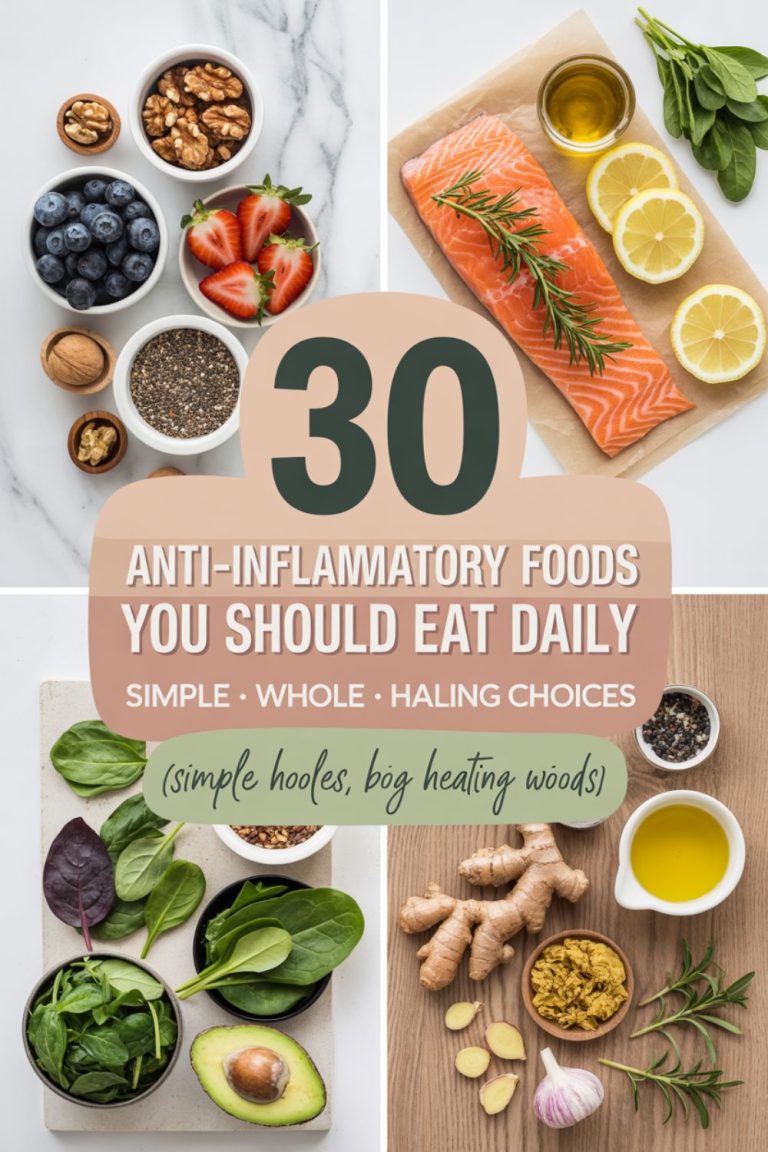
- Fatty fish (salmon, sardines, mackerel)
- Leafy greens (spinach, kale, arugula)
- Berries (blueberries, strawberries, raspberries)
- Extra virgin olive oil — your new best friend
- Legumes (lentils, chickpeas, black beans)
- Fermented foods (yogurt, kefir, sauerkraut, kimchi)
- Whole grains (quinoa, brown rice, oats)
- Nuts and seeds (walnuts, flaxseed, chia)
Foods to ditch for 7 days:
- Refined sugar and white flour products
- Processed snacks and fast food
- Alcohol (yes, even wine — sorry :/)
- Vegetable oils high in omega-6 (canola, soybean, corn oil)
- Artificial sweeteners
IMO, the hardest one is cutting back on sugar. Your cravings will peak around day 2 or 3, but push through — that’s when the real healing starts.
Day 1: Reset and Rebuild
Breakfast
Start with something warm and grounding. Golden turmeric oatmeal with walnuts, blueberries, and a drizzle of honey. Oats feed your beneficial gut bacteria, walnuts provide anti-inflammatory omega-3s, and turmeric’s curcumin is one of the most researched anti-inflammatory compounds on the planet.
Lunch
A big lentil and spinach soup with garlic, cumin, and a squeeze of lemon. Lentils are fantastic for gut health — they’re packed with prebiotic fiber that your gut bacteria absolutely love. Pair it with a slice of sourdough (the fermentation process makes it easier to digest than regular bread).
Dinner
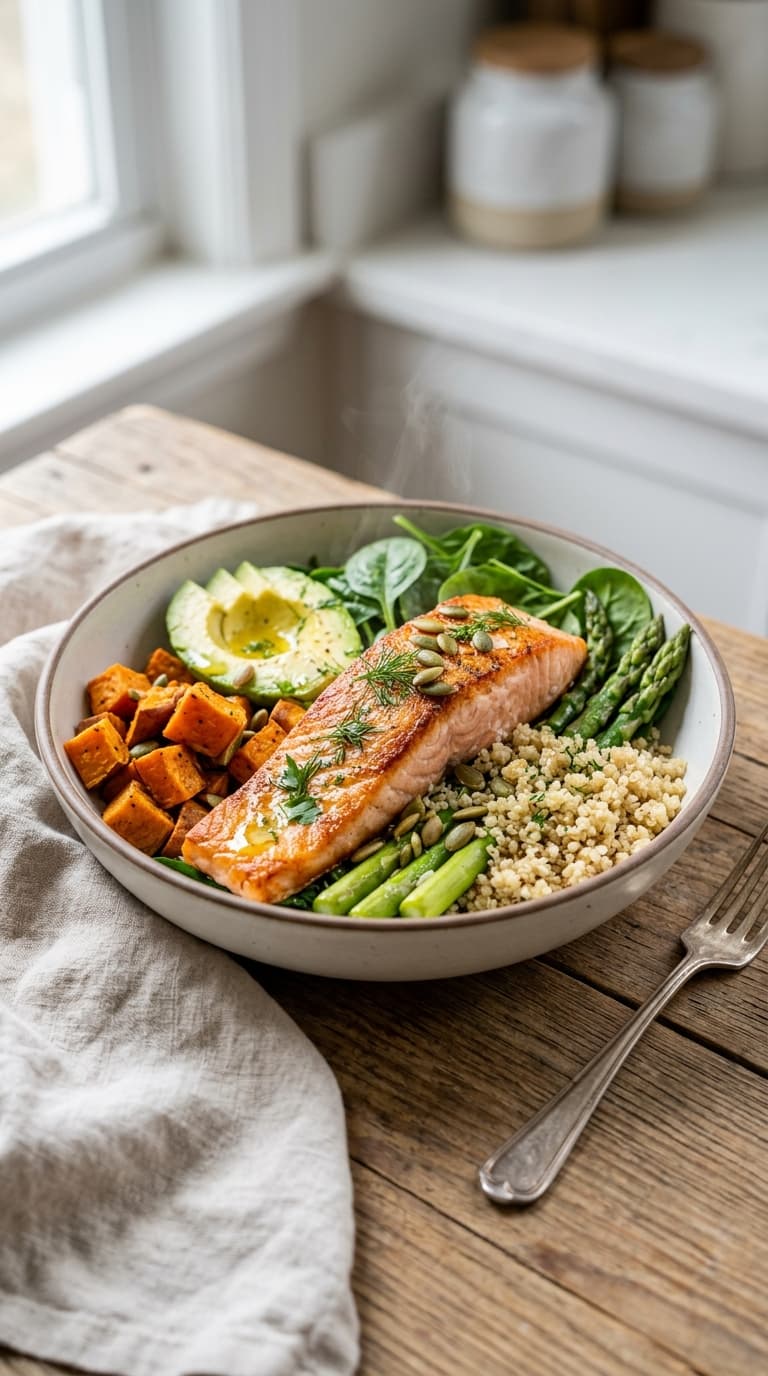
Baked salmon with roasted sweet potato and steamed broccoli. Simple, filling, and incredibly effective. Salmon delivers EPA and DHA — the omega-3s that directly lower inflammatory markers in the gut lining.
Snack
A small bowl of plain Greek yogurt with a handful of raspberries. The live cultures in yogurt are incredible for gut microbiome diversity.
Day 2: Build the Momentum
Breakfast
Chia seed pudding made with almond milk, topped with kiwi and a tablespoon of flaxseed. Chia seeds are basically tiny anti-inflammation powerhouses — fiber, omega-3s, and antioxidants in one tiny package. Ever wondered why so many gut healing protocols start here? This is why.
Lunch
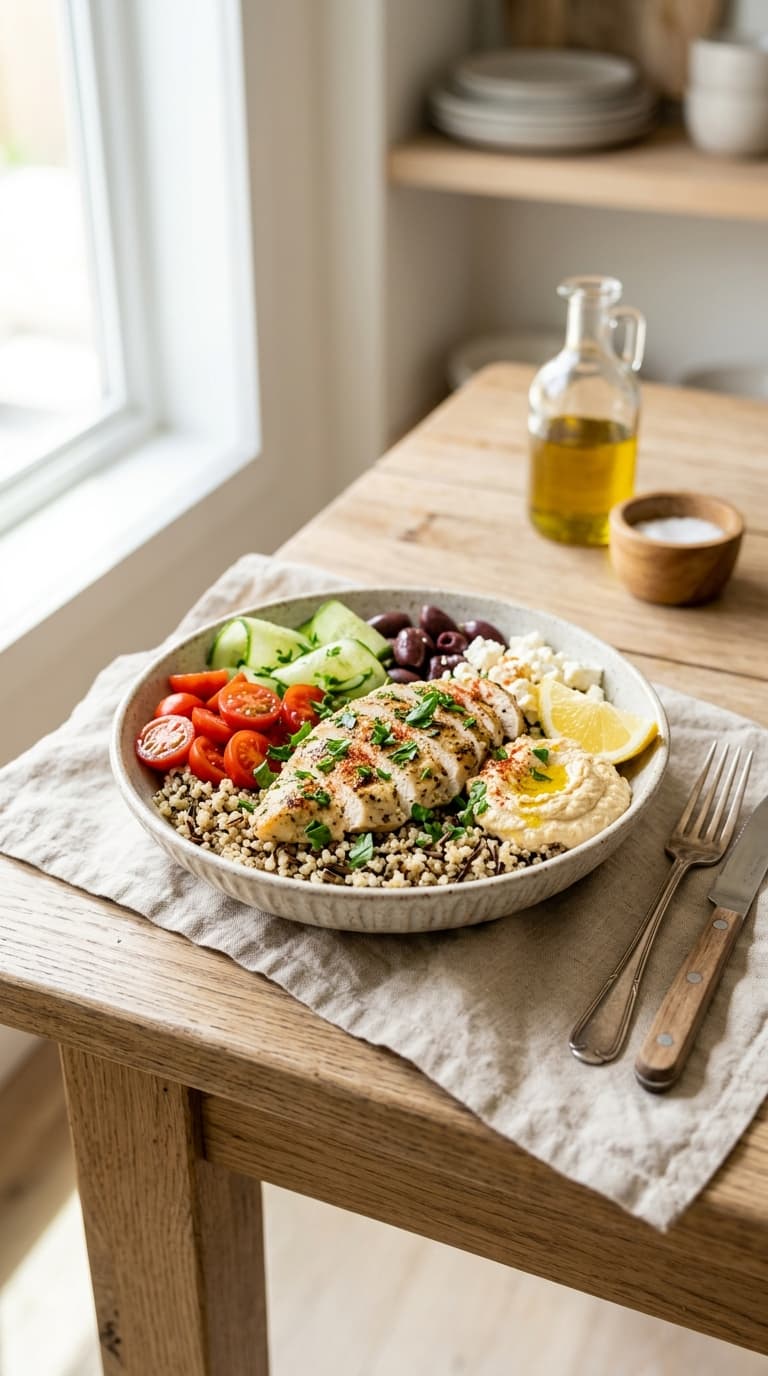
Mediterranean chickpea salad with cucumber, cherry tomatoes, red onion, olives, feta, and a generous pour of extra virgin olive oil. If you love chickpeas as much as I do, you’ll want to bookmark this collection of 25 Mediterranean chickpea recipes for later — total game changers.
Dinner
Turkey and vegetable stir-fry with ginger, garlic, bok choy, and brown rice. Ginger and garlic aren’t just flavor — they’re both clinically studied for reducing gut inflammation and supporting digestive function.
Snack
A small handful of walnuts and an apple. Boring? Maybe. Effective? Absolutely.
Day 3: The Tough Middle (Stick With It)
Day 3 is usually the hardest. Your body is adjusting, cravings might spike, and you might feel a bit sluggish. That’s normal — your gut microbiome is literally shifting. Don’t bail now.
Breakfast
Smoothie bowl with frozen spinach, banana, almond butter, flaxseed, and coconut milk, topped with granola and fresh berries. It looks fancy but takes about 5 minutes. If you want more ideas like this, anti-inflammatory smoothie meal plans are worth exploring for variety.
Lunch
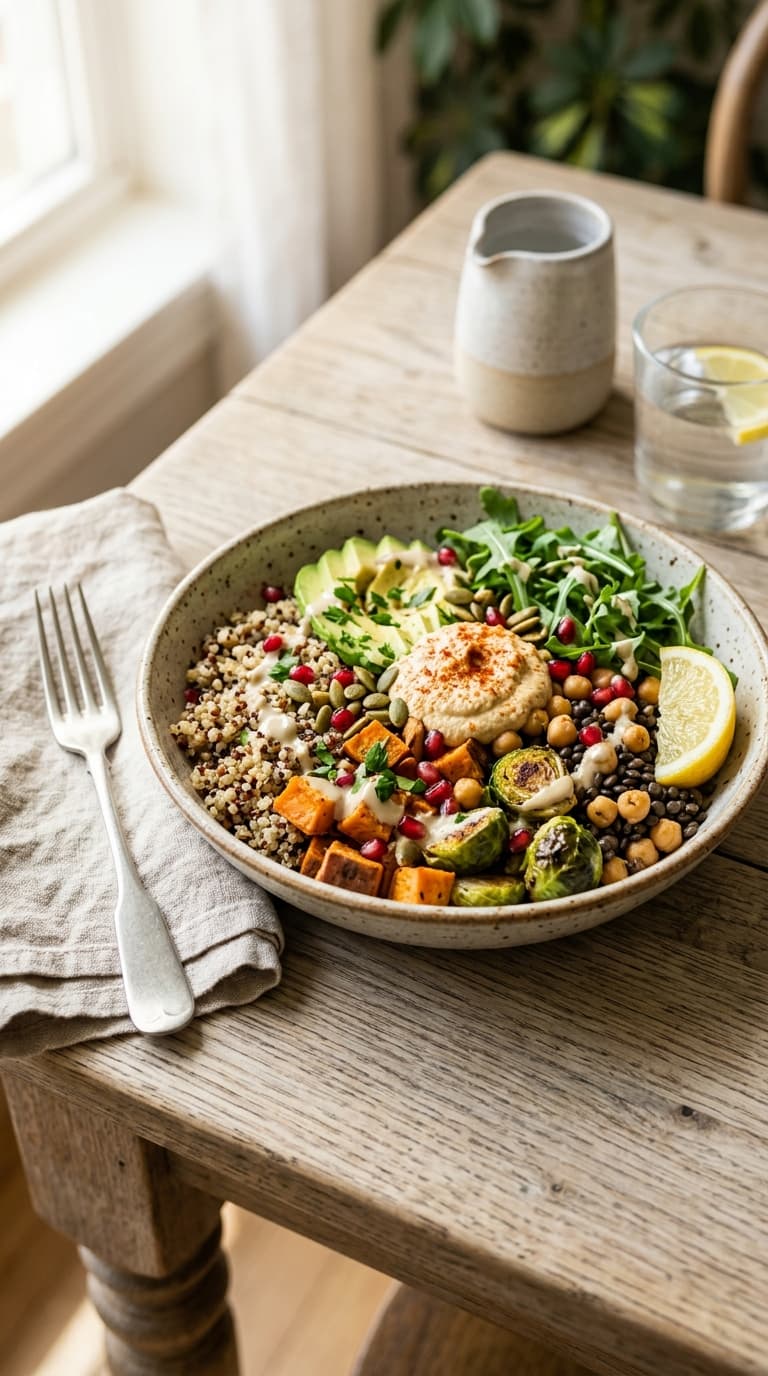
Quinoa bowl with roasted vegetables (bell peppers, zucchini, eggplant), hummus, and a tahini drizzle. Quinoa is a complete protein and a gut-friendly grain — it’s easily digestible and high in anti-inflammatory flavonoids.
Dinner
Sardine pasta with whole wheat pasta, garlic, capers, cherry tomatoes, and olive oil. I know sardines get a bad reputation, but they’re genuinely one of the most nutrient-dense anti-inflammatory foods available. Give them a chance. FYI — you’ll barely taste “fishy” when they’re cooked with garlic and capers like this.
Snack
Sliced cucumber with hummus. Crunchy, satisfying, and easy to prep ahead.
Day 4: You’re Halfway There
By day 4, most people start noticing small shifts — less bloating, better energy in the morning, clearer skin. Your gut is responding. Keep it going.
Breakfast
Avocado toast on sourdough with a poached egg, red pepper flakes, and a side of sauerkraut. The sauerkraut is key here — those live bacteria are doing serious work for your gut lining. Don’t skip it.
Lunch
Roasted beet and lentil salad with arugula, goat cheese, pumpkin seeds, and a lemon-olive oil dressing. Beets contain betaine, which supports liver detox and reduces systemic inflammation. They also make your salad look unreasonably beautiful, which is a bonus.
Dinner
Baked cod with garlic, lemon, and herbs, served with steamed asparagus and brown rice. Asparagus is a prebiotic — it feeds the good bacteria in your colon and supports a healthy gut environment.
Snack
Plain kefir (drink it straight or blend with frozen berries). Kefir contains more probiotic strains than yogurt and is especially useful for people with sensitive digestive systems.
Day 5: Anti-Inflammation, Full Throttle
Breakfast
Overnight oats with chia seeds, almond milk, cinnamon, and sliced banana. Prep this the night before — because mornings are hard enough without also cooking. Cinnamon is a sneaky anti-inflammatory ingredient that also helps stabilize blood sugar, which reduces inflammation indirectly.
Lunch
Homemade lentil soup — yes, again, because lentils are that good for your gut. This time try a red lentil version with coconut milk, curry powder, and ginger. Gut-healing Mediterranean soups are a whole category worth exploring when you want variety.
Dinner
Sheet pan salmon and vegetables — salmon fillets, cherry tomatoes, asparagus, and red onion all roasted together at 400°F. One pan, minimum effort, maximum gut-healing power. The olive oil and garlic you drizzle over everything add even more anti-inflammatory compounds to the mix.
Snack
A small bowl of mixed berries — blueberries, blackberries, strawberries. These are among the highest antioxidant foods you can eat, and anti-inflammatory drinks and snacks made from them are worth adding to your daily routine long-term.
Day 6: Variety Keeps You Going
Breakfast
Shakshuka — eggs poached in a spiced tomato and pepper sauce. It sounds fancy, but it’s just tomatoes, garlic, cumin, paprika, and eggs in one pan. Tomatoes are rich in lycopene, a potent anti-inflammatory antioxidant that works especially well when cooked in olive oil.
Lunch
Whole grain pita with grilled chicken, tzatziki, cucumber, and tomatoes. Tzatziki made with Greek yogurt adds a probiotic element to this satisfying meal. If you enjoy this kind of Mediterranean eating, quick Mediterranean wraps for lunch offer tons of similar ideas.
Dinner
Black bean and sweet potato tacos on corn tortillas with shredded cabbage, avocado, lime, and a dollop of plain yogurt instead of sour cream. Plant-based, fiber-rich, and genuinely delicious.
Snack
A small square of dark chocolate (85% or higher) with a few almonds. Yes, dark chocolate is anti-inflammatory. You’re welcome. 🙂
Day 7: Celebrate and Cement the Habits
You made it. Day 7 is about making everything feel celebratory so you actually want to continue.
Breakfast
Mediterranean breakfast bowl with quinoa, soft-boiled eggs, cherry tomatoes, cucumber, olives, and feta. It’s colorful, filling, and basically everything good about this week on one plate.
Lunch
Big salmon and grain salad with farro or bulgur, roasted vegetables, herbs, and a lemon-tahini dressing. Think of this as a victory lap for your gut. You’ve spent seven days feeding it exactly what it needed.
Dinner
Roasted lamb or chicken thighs with garlic, rosemary, lemon, and a side of roasted root vegetables. A proper end-of-week dinner that feels like a reward. Use plenty of olive oil — it’s one of the most powerful anti-inflammatory foods in the Mediterranean diet.
Snack
Herbal tea — chamomile or ginger — with a small handful of walnuts. Let your gut wind down gently.
What To Expect After 7 Days
Here’s the honest truth: one week won’t fix years of gut damage. But it will absolutely start the process. Most people report reduced bloating by day 4 or 5, better energy levels by day 6, and noticeably clearer skin by the end of the week. Sleep often improves too — and that’s not a coincidence. Gut health and sleep quality are directly connected.
If you want to keep the momentum going, a 14-day anti-inflammatory eating plan builds on exactly what you’ve started here. Or if you’re ready to go deeper, the 30-day high-fiber anti-inflammation program takes a comprehensive, long-term approach to healing.
The key habits to carry forward:
- Extra virgin olive oil as your primary cooking fat
- Fatty fish at least 2-3 times per week
- Fermented foods daily — even just a spoonful of sauerkraut counts
- Minimizing processed sugar as much as possible
- Eating a wide variety of plants — aim for 30 different plant foods per week
Meal Prep Tips To Make This Plan Actually Work
Let’s be real — the biggest reason people abandon healthy eating plans isn’t willpower. It’s inconvenience. So let’s remove the friction.
- Batch cook grains on Sunday. Make a big pot of quinoa and brown rice. It lasts all week and saves you 20 minutes a day.
- Pre-chop vegetables. Spend 30 minutes on Sunday prepping your veggies so they’re grab-and-go all week.
- Make soups in big batches. Lentil soup freezes beautifully. Make double and freeze half.
- Keep anti-inflammatory snacks visible. Walnuts in a bowl on the counter, berries at eye level in the fridge.
For more structured prep ideas, easy Mediterranean meal prep plans are genuinely useful — especially if you’re juggling a busy schedule.
Final Thoughts
Your gut isn’t asking for perfection. It’s asking for consistency. Seven days of intentional eating genuinely moves the needle — not because it’s magic, but because you’re giving your digestive system a break from inflammatory foods and flooding it with nutrients that actually support healing.
The Mediterranean-style anti-inflammatory approach isn’t a trend — it’s backed by decades of research and centuries of real-world results. And the best part? The food is actually good. You’re not suffering through flavorless meals or counting calories. You’re eating salmon, chickpeas, olive oil, dark chocolate, and Greek yogurt.
If that sounds like deprivation to you, I’d love to know what you’re eating currently 🙂
Start Monday. Or start today. Your gut’s been patient — but it’s ready for a change.