
20 High-Fiber Snacks Kids Will Actually Eat
20 High-Fiber Snacks Kids Will Actually Eat (No Bribery Required)
Let’s be honest — getting kids to eat anything remotely healthy sometimes feels like negotiating a peace treaty. You put something nutritious on the table, and suddenly they’ve developed a mysterious aversion to all food that isn’t beige and crispy. Sound familiar? 🙂
Here’s the good news: high-fiber snacks for kids don’t have to be a battle. Fiber keeps little tummies full, supports healthy digestion, and helps maintain steady energy levels throughout the day. And yes, there are actually options kids will reach for willingly — no sneaky disguises needed (well, maybe a few).
I’ve rounded up 20 genuinely kid-approved, fiber-packed snacks that work in the real world. Let’s get into it.
Why Fiber Actually Matters for Kids
Before we get to the snack list, let’s talk about why you should care about fiber in the first place. Kids aged 2–18 need roughly 14–31 grams of fiber per day, depending on their age — and most of them aren’t coming close to that.
Fiber does a few really important things:
- Keeps digestion moving smoothly (goodbye, cranky constipated toddler)
- Feeds the good bacteria in the gut
- Helps kids feel full longer, which means fewer “I’m huuuungry” complaints 20 minutes after a meal
- Supports stable blood sugar, which = more even moods and energy
If you’re already working on building a gut-friendly, anti-inflammatory routine for your family, pairing these snacks with a solid meal plan framework makes a huge difference. A 7-day gut healing Mediterranean menu is honestly a great place to start building those healthy habits across the whole day, not just snack time.
The 20 High-Fiber Snacks Kids Will Actually Eat
1. Apple Slices with Almond Butter
Classic for a reason. One medium apple packs about 4.5 grams of fiber, and pairing it with almond butter adds healthy fat and protein to keep kids satisfied. The combo is sweet, creamy, and feels like a treat — which is exactly what we’re going for here.
Slice the apple into fun shapes if your kid is at that age. Does it make a difference nutritionally? No. Does it absolutely work? Yes.
2. Popcorn (Air-Popped)
FYI, popcorn is actually a whole grain. Three cups of air-popped popcorn delivers around 3.5 grams of fiber and basically zero guilt. Season it lightly with a little sea salt or cinnamon sugar, and kids go wild for it.
Skip the butter-drenched movie version and go for the air-popped kind at home. It’s crunchy, fun to eat, and genuinely filling.
3. Hummus with Veggie Sticks
Chickpeas are a fiber powerhouse, and two tablespoons of hummus contain about 1–2 grams of fiber on their own. Pair it with carrots, cucumber slices, or bell pepper strips and you’ve doubled the fiber count while making it colorful and dippable.
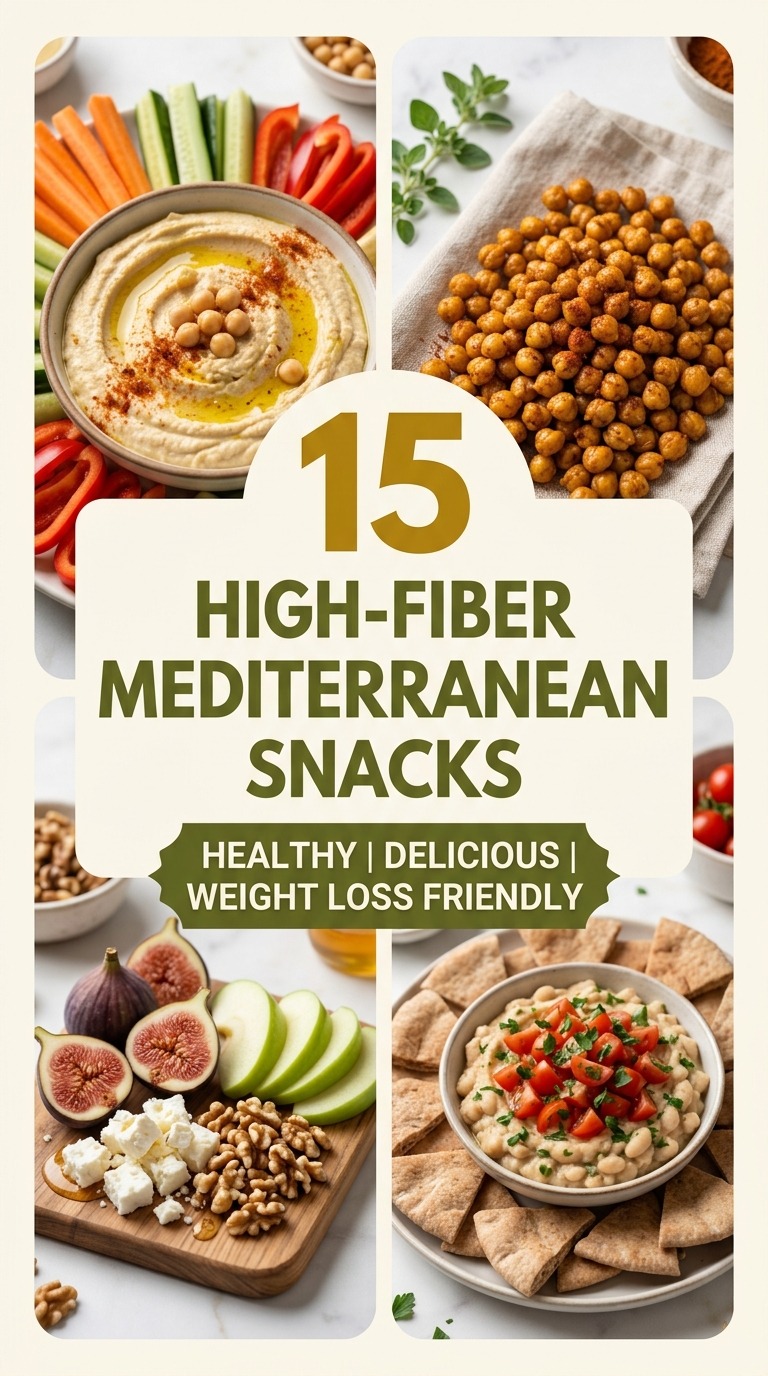
Kids love dipping things. It’s basically a universal truth. If you want more chickpea inspiration beyond hummus, these Mediterranean chickpea recipes are genuinely fun to browse for family-friendly ideas.
4. Edamame
If you haven’t introduced your kids to edamame yet, now’s the time. Half a cup of shelled edamame has around 4 grams of fiber plus a solid hit of plant-based protein. Lightly salted and served warm or chilled — kids love popping them out of the pods themselves.
It’s interactive, it’s nutritious, and it doubles as entertainment for approximately four minutes. Worth it.
5. Pear Slices
Pears are actually higher in fiber than apples — one medium pear has about 5.5 grams. They’re sweet, soft, and easy for smaller kids to chew. Pair with a little Greek yogurt for dipping and you’ve got a solid afternoon snack.
6. Whole Grain Crackers with Avocado
Mashed avocado on whole grain crackers is one of those snacks that feels fancy but takes about 90 seconds to make. Avocados are loaded with fiber (around 3 grams per half), and whole grain crackers add another gram or two depending on the brand.
Add a tiny pinch of sea salt or a squeeze of lemon. Done.
7. Banana with Peanut Butter
One medium banana has about 3 grams of fiber and is the easiest grab-and-go snack on the planet. Spread some peanut butter on top (or let kids dip banana slices — again, dipping is magic) and you’ve got something filling and energizing.
This one is a staple in our house on busy afternoons when nobody has time for anything elaborate.
8. Berries with Greek Yogurt
Raspberries are the unsung heroes of the fruit world — one cup packs 8 grams of fiber, which is genuinely impressive. Mix them into Greek yogurt with a drizzle of honey, and kids think they’re getting dessert.
Blueberries, strawberries, and blackberries all work here too. Layered in a small cup, this becomes a “parfait” — and apparently everything sounds more exciting when it has a French name. :/
If you love the idea of building high-fiber breakfasts into your family’s routine, this yogurt-berry combo translates seamlessly to mornings too.
9. Roasted Chickpeas
Crunchy, salty, and weirdly addictive — roasted chickpeas have around 6 grams of fiber per half cup. You can make them at home in the oven with olive oil and a sprinkle of your kid’s favorite seasoning (smoked paprika is a hit), or grab a store-bought version.
They’ve replaced chips in our snack rotation, and honestly, nobody’s complaining.
10. Sweet Potato Rounds
Slice sweet potatoes into rounds, roast with a little olive oil and cinnamon, and watch kids devour them like they’re cookies. One medium sweet potato has about 4 grams of fiber, plus beta-carotene and a naturally sweet flavor that kids gravitate toward.
Make a batch on the weekend and keep them in the fridge for the week. They reheat fast and taste great cold too.
11. Oat Energy Balls
These no-bake snack balls are a lifesaver for busy families. Rolled oats, nut butter, honey, and mix-ins like flaxseed or mini chocolate chips — combine, roll into balls, refrigerate. Done.
One serving (about 2 balls) typically delivers 3–4 grams of fiber depending on your mix-ins. Kids can even help make them, which means they’re 10x more likely to actually eat them. Parenting hack, right there.
12. Chia Pudding
Two tablespoons of chia seeds contain a whopping 10 grams of fiber — making chia pudding one of the most fiber-dense snacks you can make. Mix chia seeds with milk (dairy or non-dairy), a little vanilla, and sweetener of choice. Let it sit overnight and top with fruit.
Yes, the texture is a little unusual. Some kids love it immediately; others need a few tries. Blend it smooth if your kid is texture-sensitive.
13. Whole Grain Mini Muffins
Homemade muffins made with whole wheat flour, oats, and fruit (banana, blueberry, or zucchini) are genuinely high-fiber options that kids think are treats. Each muffin can easily hit 3–4 grams of fiber depending on your recipe.
Batch-bake on Sunday and freeze. Pull one or two out as needed — they thaw quickly at room temperature or in 30 seconds in the microwave.
14. Corn on the Cob (or Frozen Corn)
One ear of corn has about 2 grams of fiber, and let’s be real — most kids will eat corn without any persuasion. A small cup of warm frozen corn with a tiny bit of butter and salt is a perfectly legitimate snack, and way more nutritious than a bag of puffed something-or-other.
15. Lentil Crackers or Dip
The snack food market has come a long way, and lentil-based crackers are now widely available and surprisingly tasty. Look for brands with 3+ grams of fiber per serving and minimal added ingredients.
Alternatively, a simple red lentil dip (cooked lentils blended with lemon and garlic) makes a great hummus alternative. Pair with veggies or crackers for a filling snack that sneaks in serious nutrition. Lentils are one of those ingredients that deserve way more credit — these Mediterranean lentil recipes show just how versatile they are for the whole family.
16. Sliced Kiwi
One kiwi has about 2 grams of fiber, plus a huge dose of vitamin C and a tangy-sweet flavor most kids enjoy. Slice it in half and hand kids a spoon to scoop it out — making food interactive always boosts the chances of it actually getting eaten.
17. Whole Grain Toast with Nut Butter and Banana
Simple, fast, and hits multiple fiber sources at once. Whole grain bread + nut butter + banana slices = roughly 5–6 grams of fiber in one snack. Add a drizzle of honey if your kid wants it sweeter.
This is the snack equivalent of a reliable old friend. Not flashy, always comes through.
18. Trail Mix with Nuts, Seeds, and Dried Fruit
Almonds, sunflower seeds, pumpkin seeds, and dried apricots or raisins all contribute meaningfully to fiber intake. A small handful of trail mix (about ¼ cup) can deliver 3–4 grams of fiber depending on the mix.
Make your own at home so you control the sugar content — store-bought versions often sneak in more sweetness than necessary. Keep individual portions in small bags for easy grab-and-go snacking.
19. Guacamole with Whole Grain Chips
Avocado-based guac is creamy, delicious, and fiber-rich. Pair it with whole grain tortilla chips for a snack that clocks in at 4–5 grams of fiber without feeling remotely “healthy” to a skeptical kid.
Mash avocado with a little lime juice, salt, and maybe some diced tomato. That’s it. Kids don’t need the fancy restaurant version.
20. Frozen Fruit Bars (Homemade)
Blend high-fiber fruits like mango, raspberry, and banana together, pour into popsicle molds, and freeze. These homemade fruit bars are pure fruit — no added sugar, no weird ingredients, and a surprisingly solid fiber hit from the whole fruit used.
Kids think they’re having a treat (because they are), and you feel good about what you’re handing them. Everybody wins.
Tips for Actually Getting Kids to Eat These Snacks
Even the best snack ideas flop if the presentation’s off. A few things that consistently work:
- Let kids choose: Offer two options and let them pick. Autonomy = buy-in.
- Make it fun: Use small cups, fun plates, or skewer fruit onto toothpicks.
- Involve them in prep: Kids who help make food are much more likely to eat it.
- Don’t make a big deal about it being healthy: The moment you announce something is “good for you,” a certain type of kid immediately suspects it will taste terrible.
- Pair new foods with familiar favorites: Introduce a new high-fiber item alongside something they already love.
If you’re building out a fuller family eating rhythm beyond snacks, a 14-day Mediterranean family meal plan is one of the most practical resources I’ve come across for making healthy eating feel manageable — not like a punishment.
Building a High-Fiber Habit Over Time
One snack swap won’t revolutionize your kid’s gut health overnight. The goal is consistency — slowly replacing low-fiber processed options with whole-food alternatives that kids genuinely enjoy. If you’re also trying to reduce inflammation across the whole family’s diet, weaving in anti-inflammatory snack and meal options alongside these high-fiber picks makes the whole approach more powerful.
IMO, the best strategy is to make high-fiber foods the default option at snack time rather than something you have to think hard about. Stock the fridge and pantry with the right ingredients, and half the work is already done.
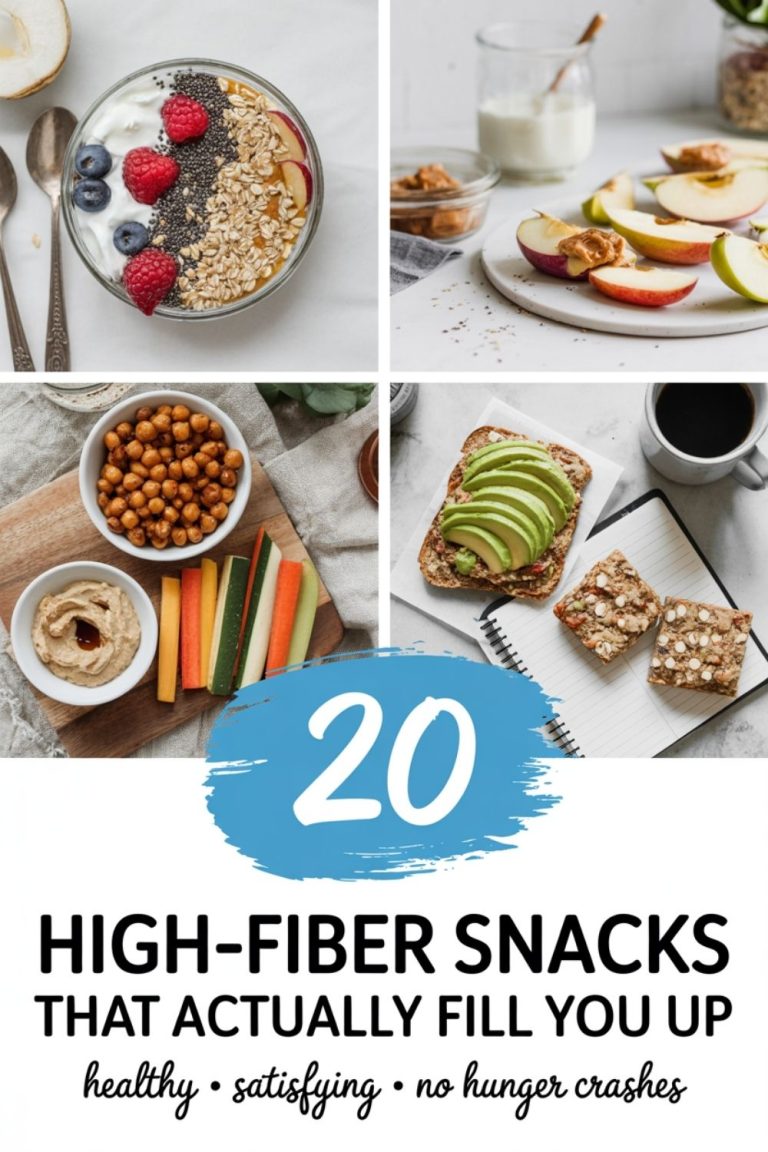
For days when you want snacks that also double as genuinely filling mini-meals, these high-fiber snacks that actually fill you up are worth bookmarking — they work just as well for adults as they do for kids.
Final Thoughts
Getting kids to eat well doesn’t have to be a daily negotiation. The snacks on this list are genuinely tasty, require minimal prep, and deliver real nutritional value — specifically the fiber that most kids are seriously lacking.
Start with two or three options your kid is most likely to accept. Build from there. And give yourself some credit for paying attention to this stuff at all — most kids’ snack drawers are a nutritional wasteland, so the fact that you’re here already puts you ahead of the curve.
Now go make some chia pudding. Or don’t. The edamame is honestly easier. 🙂