25 Anti-Inflammatory Easter Dinner Ideas That Actually Taste Like a Celebration
Overhead flat-lay shot of a rustic Easter dinner spread on a weathered linen tablecloth in soft, warm natural window light. The table holds a large platter of roasted salmon with bright green herb chimichurri drizzled over the top, a ceramic bowl of vibrant tabbouleh with bursts of red tomato and fresh parsley, a wooden board with sliced roasted lamb leg surrounded by sprigs of fresh rosemary and lemon wedges, and a small glass pitcher of golden turmeric dressing. Scattered around the spread are pastel spring flowers, fresh lemon halves, and a few whole uncracked walnuts. Warm golden-hour tones, food blog editorial aesthetic, styled for Pinterest, photographed with a slight diagonal composition, shallow depth of field on the centerpiece salmon platter.
Easter dinner has a bit of a reputation, and not always a good one. Between the sugar-glazed hams, the cream-laden potato casseroles, and desserts that basically dare your immune system to fight back, it is very easy to spend Easter Sunday feeling like you need a recovery day by Monday morning. Sound familiar?
Here is the thing, though. Easter actually falls at the perfect time of year to serve food that is both genuinely celebratory and seriously nourishing. Spring vegetables are coming into their own, lamb and salmon are practically made for this holiday, and the whole vibe of new beginnings lines up pretty naturally with eating in a way that makes your body feel renewed rather than regretful.
These 25 anti-inflammatory Easter dinner ideas are built around ingredients that do real work in your body. We are talking about omega-3-rich fish, colorful vegetables packed with polyphenols, legumes, olive oil, fresh herbs, and whole grains. Every single idea here is festive enough for a table full of guests while being grounded in the kind of eating pattern that research consistently links to lower markers of chronic inflammation. According to Harvard Medical School, building a diet around whole, minimally processed foods like fruits, vegetables, fatty fish, and olive oil may meaningfully help combat chronic, low-grade inflammation. Let us put that to work on your Easter table.
Why Easter Is Actually the Perfect Holiday for Anti-Inflammatory Eating
Think about the ingredients that define a classic Easter menu. Lamb, salmon, fresh herbs, spring greens, radishes, peas, asparagus, lemon. Almost all of those are already powerhouse anti-inflammatory foods in their own right, and most of them are at peak freshness in spring. You are not working against the holiday, you are just steering it slightly in a better direction.
Lamb, for example, is rich in zinc and conjugated linoleic acid, both of which support immune regulation. Salmon delivers long-chain omega-3 fatty acids like EPA and DHA, which Healthline notes are among the most well-studied natural anti-inflammatory compounds available through diet. Fresh herbs like rosemary, thyme, and mint contain rosmarinic acid and other plant compounds with documented anti-inflammatory activity. Easter’s traditional ingredient list basically reads like a functional nutrition shopping guide.
The real shift happens in how you prepare and combine these ingredients. Swapping a butter-heavy sauce for an olive oil herb drizzle, choosing roasted asparagus over cream-laden green bean casserole, serving a turmeric-spiced lentil soup as a starter instead of a bread-heavy spread — these are not sacrifices. They are upgrades that keep the celebration intact while removing the post-dinner regret.
Marinate your lamb or salmon the night before in olive oil, garlic, lemon, and rosemary. You will cut your day-of cooking time in half and the flavor depth will make guests think you spent far more time than you actually did.
The Main Dishes: Show-Stopping Anti-Inflammatory Centerpieces
1. Herb-Crusted Roasted Leg of Lamb with Olive Oil and Garlic
Lamb is Easter’s most iconic protein, and honestly it deserves the spotlight. A simple herb crust made from fresh rosemary, thyme, garlic, lemon zest, and plenty of high-quality extra virgin olive oil does more for a leg of lamb than any cream or butter sauce ever could. Roast it low and slow, let it rest, and slice it at the table. It is the kind of dish that gets a quiet gasp when it comes out.
2. Whole Roasted Salmon with Turmeric-Tahini Drizzle
A whole roasted salmon on a platter is genuinely one of the most impressive things you can put on a table, and it takes far less effort than it looks. The turmeric in the tahini drizzle is not just decorative, curcumin, turmeric’s active compound, is one of the most studied natural anti-inflammatories we have. Pair it with wild-caught salmon and you have assembled two heavy hitters on the same plate. Browse more omega-3-rich fish dinner ideas here.
3. Lemon-Herb Roasted Chicken Thighs with Spring Vegetables
Not everyone at the Easter table wants lamb, and that is completely fine. Skin-on chicken thighs roasted in a cast-iron pan with lemon, garlic, white wine, artichokes, and peas give you something crowd-friendly with very little effort. The drippings become a natural pan sauce you can spoon right over the vegetables. Get Full Recipe
4. Wild-Caught Cod Baked in Parchment with Capers and Cherry Tomatoes
Baking in parchment locks in moisture without adding any fat beyond a drizzle of olive oil. Capers bring a sharp brininess that cuts through the sweetness of roasted cherry tomatoes, and the whole thing takes about 25 minutes. It is endlessly adaptable, genuinely light, and anti-inflammatory from every angle.
5. Slow-Cooked Lamb Shoulder with Pomegranate and Walnuts
Pomegranate is loaded with punicalagins and anthocyanins, plant compounds with potent antioxidant properties. Walnuts contribute plant-based omega-3s in the form of alpha-linolenic acid. Combine both with a braised lamb shoulder cooked until it falls apart, and you have a dish that practically writes its own press release. Use a good-quality Dutch oven for this one — the even heat distribution makes a real difference in the final texture.
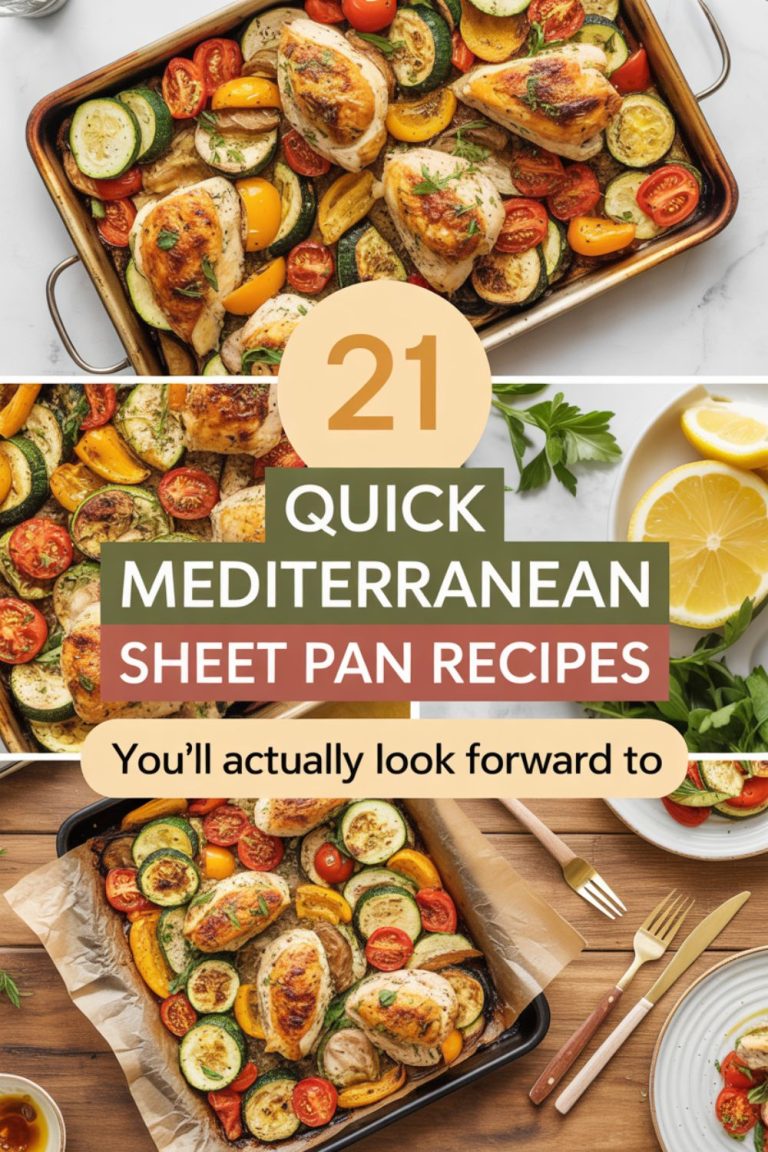
If these centerpieces are speaking your language, you will want to check out these Mediterranean chicken dinners for tonight, this round-up of Mediterranean fish and seafood recipes, or these crowd-pleasing sheet pan chicken and veggie meals that could not be easier to prep for a crowd.
Spring Sides That Deserve Their Own Applause
6. Roasted Asparagus with Lemon Zest and Toasted Almonds
Asparagus is an underrated anti-inflammatory superstar. It is rich in vitamin K, folate, and chromium, a trace mineral that supports blood sugar regulation. Roast it at high heat until the tips get slightly crispy, hit it with lemon zest and a handful of toasted almonds, and serve it while it is still warm. Done.
7. Shaved Fennel and Citrus Salad with Fresh Mint
Fennel contains anethole, a compound shown to have anti-inflammatory and antifungal properties. Combined with blood orange or cara cara segments, fresh mint, and a simple olive oil and lemon dressing, this salad is everything a spring side should be. Use a mandoline slicer to get fennel thin enough to really shine.
8. Roasted Beet and Arugula Salad with Walnuts and Goat Cheese
Beets get their deep color from betalains, pigments that double as anti-inflammatory compounds. Pair them with peppery arugula, bitter walnuts, and a small crumble of goat cheese (which is easier to digest than cow’s milk cheese for many people), and you have a salad that looks like it came from a restaurant. More fresh Mediterranean salads worth bookmarking are here.
9. Braised White Beans with Sage and Garlic
White beans are one of the best sources of plant-based protein and prebiotic fiber available, both of which contribute to a healthier gut microbiome and lower systemic inflammation. Braised slowly with fresh sage leaves, olive oil, and whole garlic cloves until they are creamy but still holding their shape, they are the kind of side dish that people eat and say, “Wait, what is in this?” in the best possible way.
10. Quinoa Tabbouleh with Pomegranate Seeds
Traditional tabbouleh uses bulgur wheat, which is fine, but swapping in quinoa makes it gluten-free and adds a complete protein profile. Load it generously with fresh parsley, mint, tomatoes, cucumber, lemon juice, and olive oil. Finish with a scatter of pomegranate seeds for color and a tartness that makes every bite interesting.
11. Roasted Cauliflower Steaks with Harissa and Fresh Herbs
Cauliflower cut into thick steaks and roasted at high heat becomes something genuinely meaty and satisfying. Harissa paste, made from roasted red peppers and chilies, brings capsaicin to the party, a compound known for its anti-inflammatory and metabolism-supporting properties. This dish is unexpectedly impressive as both a side and a main for vegetarian guests.
Roast two or three vegetable sides at the same time on separate sheet pans at 425 degrees F. You get multiple finished sides in one oven cycle and your kitchen stays manageable instead of chaotic.
Starters and Soups That Set the Right Tone
12. Golden Turmeric Lentil Soup with Coconut Milk
Turmeric, black pepper, lentils, and coconut milk come together in a soup that is both warming and deeply nourishing. The black pepper here matters, piperine, its active compound, dramatically increases curcumin absorption from turmeric. Serve this in small cups as a starter and people will ask for the recipe before the main course even arrives. Get Full Recipe
For more warming bowl inspiration, the Mediterranean soups and stews collection is worth saving for later.
13. Baba Ganoush with Roasted Garlic and Za’atar
Eggplant is rich in nasunin, an anthocyanin antioxidant found specifically in the purple skin. When you roast and blend it with tahini, lemon, and roasted garlic, you get a starter dip that is miles better than anything you can buy in a container. Za’atar sprinkled on top adds thyme, sesame, and sumac, all of which bring their own anti-inflammatory phytonutrients.
14. Sardine and White Bean Crostini on Seeded Whole Grain Toast
Sardines are wildly underrated. They are one of the richest sources of omega-3 fatty acids in the entire food supply, plus they are sustainable, affordable, and genuinely delicious when prepared properly. Mashed with white beans, lemon, fresh parsley, and good olive oil and spread on toasted seeded whole grain bread, they become an elegant, conversation-starting starter. FYI, if sardines feel intimidating, start with smoked ones for a gentler introduction.
15. Spring Pea and Mint Soup with Coconut Yogurt
This one is vibrant green, silky smooth, and cold-or-warm versatile. Peas bring plant-based protein and fiber. Mint supports digestion. A swirl of coconut yogurt on top adds creaminess without any dairy, which matters for guests dealing with lactose sensitivities. It is a soup that looks like spring actually tastes.
I made the lentil soup and shaved fennel salad for our Easter gathering last year and it completely changed how my family thinks about holiday cooking. My sister-in-law, who usually skips vegetable sides entirely, had two servings of everything. Zero leftovers and zero food comas.
Grain Bowls, Stuffed Vegetables, and Crowd-Friendly Mains
16. Stuffed Bell Peppers with Ground Turkey, Brown Rice, and Fresh Herbs
Bell peppers are one of the highest-vitamin-C vegetables available, and vitamin C works as both an antioxidant and a direct anti-inflammatory agent. Stuff them with a savory filling of ground turkey, cooked brown rice, tomatoes, garlic, cumin, and fresh parsley, then bake until the peppers are tender and the filling is fragrant. These scale beautifully for a crowd and reheat well, which is a serious advantage on Easter morning when kitchen chaos is peaking.
17. Farro and Roasted Vegetable Bowl with Lemon-Herb Dressing
Farro is an ancient grain that has resisted the nutritional downgrade that modern wheat underwent over decades of selective breeding. It is high in fiber, magnesium, and zinc, and has a pleasantly chewy texture that holds up beautifully under roasted vegetables and a bright herb dressing. Pile it with roasted zucchini, cherry tomatoes, red onion, and kalamata olives, then drizzle liberally with a lemon-parsley-olive oil dressing. More Mediterranean grain bowl ideas are worth exploring here.
18. Spiced Lamb Kofta with Cucumber Tzatziki and Whole Wheat Pita
Ground lamb mixed with onion, cumin, coriander, fresh parsley, and a little cinnamon becomes these compelling little patties that grill or bake brilliantly. Serve them alongside a cooling cucumber tzatziki made with Greek yogurt, fresh dill, and garlic. This is the kind of dish that works equally well as a plated main or a build-your-own station, both approaches go over well with mixed-age crowds.
19. One-Pan Baked Chicken with Olives, Artichokes, and White Wine
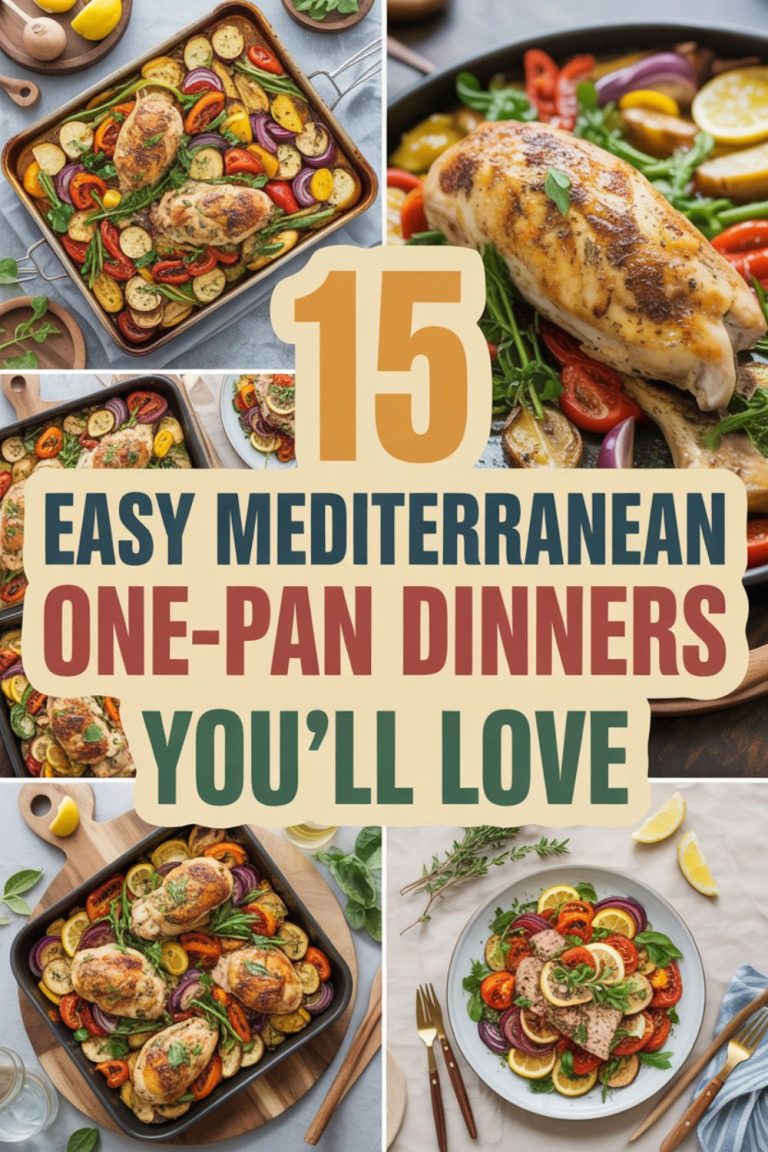
One-pan anything is a gift on a holiday. This chicken braises itself in a combination of white wine, olive oil, briny olives, artichoke hearts, cherry tomatoes, and fresh thyme until the sauce is reduced and intensely flavored. Olives are a significant source of oleocanthal, a natural compound with anti-inflammatory properties comparable to ibuprofen according to some researchers, which is one of those facts that makes you feel very smart at dinner parties. These easy one-pan Mediterranean dinners will also make your life much easier.
20. Roasted Eggplant and Chickpea Casserole with Tomato and Harissa
This is the vegetarian main that carnivores will also eat, which is a rare and valuable thing. Eggplant and chickpeas, both excellent anti-inflammatory ingredients in their own right, roast together in a spiced tomato sauce until everything is jammy and deeply savory. It is even better the next day, making it a strong candidate for make-ahead prep. Get Full Recipe
If you want to take this Easter approach and extend it into a full eating rhythm, the 7-day Mediterranean anti-inflammation meal plan is a great starting point, and the 14-day anti-inflammatory eating plan takes things a step further for those who want a structured longer-term approach.
Kitchen Tools That Make Anti-Inflammatory Cooking Easier
I am not one to push a bunch of gear on people, but these are the things I genuinely reach for when cooking for a group. The physical ones handle the heavy lifting, and the digital ones handle the thinking.
Enameled Cast-Iron Dutch Oven (5.5 qt)
Worth every inch of cabinet space. Braises, soups, stews, braised beans — this handles all of it with the kind of even heat that a regular pot just cannot replicate.
Y-Peeler with Mandoline Attachment
Thin-shaved fennel and radish are completely different vegetables compared to their chunky versions. A mandoline gets you there in about 90 seconds without requiring any real knife skill.
Heavy-Gauge Rimmed Sheet Pan (2-pack)
If you are roasting vegetables for a crowd, thin flimsy pans are your enemy. Heavy-gauge pans give you actual caramelization instead of sad steamed vegetables.
30-Day Anti-Inflammation Challenge PDF
A fully structured plan that takes the guesswork out of eating this way daily, not just on Easter. Printable format makes it genuinely usable on a busy week.
7-Day Gut-Healing Mediterranean Menu
Perfect for the post-Easter reset. Gut health and inflammation are tightly connected, and this plan addresses both at once without making you feel like you are on a diet.
14-Day High-Protein Anti-Inflammatory Plan
For those who want more structured protein targets alongside the anti-inflammatory focus. Great for anyone who trains or simply wants to feel fuller, longer.
Desserts That Will Not Undo All Your Good Work
21. Dark Chocolate Bark with Pistachios, Orange Zest, and Sea Salt
Dark chocolate, specifically 70 percent cacao or higher, is genuinely anti-inflammatory. Flavanols in cacao support endothelial function and reduce oxidative stress markers. Combined with pistachios, which contain anti-inflammatory plant sterols, and bright orange zest, this bark requires about 15 minutes of active work and zero baking. Use a good parchment paper-lined baking sheet and let it set in the fridge until firm.
22. Poached Pears in Red Wine with Star Anise and Cinnamon
Pears poached in red wine absorb resveratrol from the wine and anthocyanins from the peel as they cook. Star anise and cinnamon both have well-documented anti-inflammatory properties at meaningful doses. This dessert looks genuinely elegant, can be made entirely the day before, and costs almost nothing. It is one of those IMO underrated desserts that deserves a comeback on the holiday table.
23. Olive Oil Citrus Cake with Greek Yogurt Frosting
Olive oil cakes are moister than butter cakes, keep longer, and bring genuinely anti-inflammatory monounsaturated fats to a dessert course. Use a good cold-pressed extra virgin olive oil here and the flavor will be present but not aggressive. The Greek yogurt frosting is lighter than buttercream and adds a pleasant tartness that balances the sweet citrus zest in the cake. Mediterranean desserts with olive oil and honey are genuinely worth exploring.
24. Fresh Berry Pavlova with Coconut Whipped Cream
Yes, pavlova is mostly meringue. But the strawberries, blueberries, and raspberries piled on top deliver a serious dose of anthocyanins and ellagic acid, plant compounds linked to reduced inflammatory markers. The coconut whipped cream keeps it dairy-free for sensitive guests and brings a subtle sweetness that works beautifully with tart fresh berries.
25. Cardamom and Honey Poached Figs with Ricotta
Figs are naturally sweet, high in prebiotic fiber, and rich in polyphenols. Poached briefly in honey, cardamom, and a splash of balsamic, they become deeply jammy and aromatic. Spoon them over whole milk ricotta and finish with crushed walnuts for crunch. This dessert takes about 12 minutes and manages to look like you planned it for days.
Make both desserts the day before. The chocolate bark sets in the fridge overnight, the poached fruit improves with time, and you free up your Easter morning completely for things that actually require same-day attention.
The olive oil citrus cake was my turning point. I had always assumed that an anti-inflammatory Easter would mean something sad and virtuous. This cake converted my entire family. My mom actually called me the following week to get the recipe, which has honestly never happened before.
Building the Full Easter Menu: How to Put It Together
You do not need all 25 dishes. What you need is a logical structure. Here is a simple framework that works for four to twelve guests without driving you to exhaustion.
- Starter course (choose 2): Golden turmeric lentil soup, baba ganoush with seeded crackers, sardine and white bean crostini, or the spring pea and mint soup
- Main course (choose 1–2): Herb-crusted leg of lamb plus whole roasted salmon if you have a larger crowd needing variety
- Sides (choose 3–4): Roasted asparagus, quinoa tabbouleh, braised white beans, shaved fennel salad
- Dessert (choose 1–2): Dark chocolate bark for something easy, olive oil citrus cake if you want a proper showstopper
This structure gives you color, texture, protein, fiber, and healthy fats at every stage of the meal. It also means the table looks genuinely abundant without you having to pull off 12 different dishes simultaneously, which nobody needs on a holiday Sunday. For a full structured approach to eating this way beyond Easter, the 30-day Mediterranean wellness plan is one of the best resources I know.
Frequently Asked Questions
Can an anti-inflammatory Easter dinner still satisfy guests who are not eating for health reasons?
Absolutely. The dishes in this list are built on bold flavors, satisfying textures, and beautiful presentation. Herb-crusted lamb, dark chocolate bark, and olive oil cake are not health food in the self-denying sense, they are genuinely delicious food that happens to be good for you. Most guests will not register the “anti-inflammatory” angle at all, they will just notice that everything tastes great and they do not feel heavy afterward.
What are the most important anti-inflammatory ingredients to build an Easter menu around?
Olive oil, fatty fish like salmon and sardines, turmeric with black pepper, dark leafy greens, colorful vegetables, legumes, whole grains, and fresh herbs are the core players. Berries, dark chocolate, and walnuts are strong supporting characters. Building your menu around these ingredients naturally crowds out the more inflammatory options like processed meats and refined carbohydrates.
Is lamb a good anti-inflammatory protein choice for Easter?
Lamb is a strong choice. It is a rich source of zinc, which plays a direct role in immune regulation and inflammatory response, and it contains conjugated linoleic acid, a fatty acid with anti-inflammatory properties. Grass-fed lamb tends to have a more favorable omega-6 to omega-3 ratio than grain-fed, so sourcing matters when possible.
Can I make most of these Easter dishes ahead of time?
Many of these dishes are actually better made ahead. Braised dishes like the lamb shoulder and the eggplant chickpea casserole develop deeper flavor overnight in the fridge. Both dessert options, the chocolate bark and the poached pears, are best made the day before. The tabbouleh, braised beans, and soups all hold well and can be made up to two days ahead. Your day-of prep can be limited to the centerpiece roast and finishing the salads.
Are there good anti-inflammatory Easter options for vegetarian or vegan guests?
Several of these dishes are naturally plant-based or easily adapted. The eggplant chickpea casserole, stuffed bell peppers with quinoa, farro grain bowl, roasted cauliflower steaks, braised white beans, and spring pea soup are all strong vegetarian options. Swap the Greek yogurt in the tzatziki for a plant-based version and most of these become vegan-friendly too. For a complete plant-based approach, the 7-day Mediterranean vegan anti-inflammation plan lays out a full week of ideas.
The Takeaway
Easter dinner does not have to be a choice between festive and feeling good. These 25 anti-inflammatory ideas prove that the two coexist very naturally when you start with quality ingredients, lean into spring’s produce, and trust that olive oil, fresh herbs, fatty fish, and good spices can create a table that genuinely impresses.
You do not need to overhaul everything at once. Pick a centerpiece from this list, add two or three sides, and see how the meal lands. My bet is that by the time the dark chocolate bark comes out, nobody at your table will be thinking about what was not there. They will just be asking when you are cooking again.
Start with one dish, build from there, and enjoy the process. That, more than any single ingredient, is what anti-inflammatory eating actually looks like in practice.