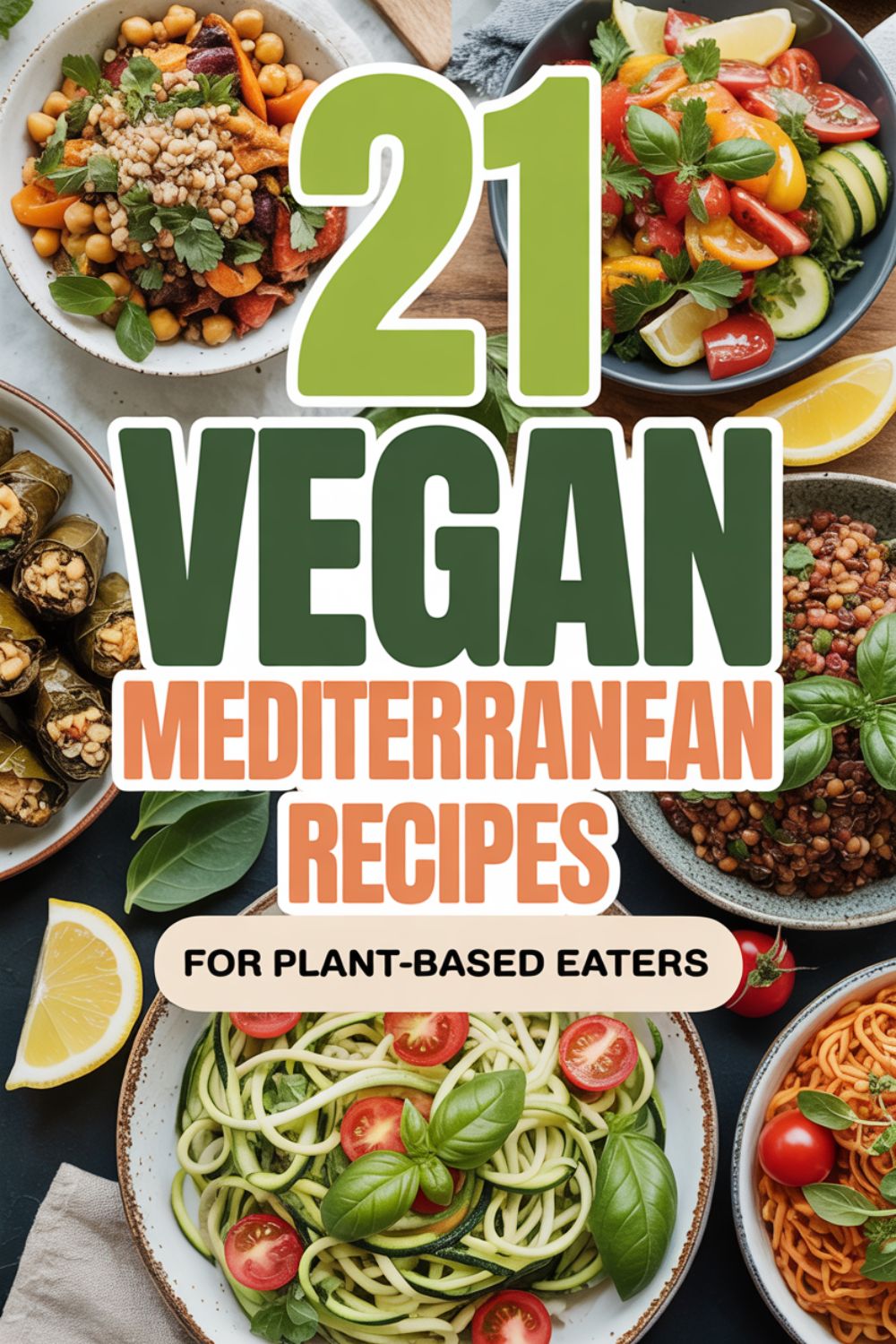
21 Vegan Mediterranean Recipes for Plant-Based Eaters
Look, I’m going to level with you right from the start. If you think going vegan means giving up the sun-soaked flavors of Mediterranean cooking, you’re dead wrong. And honestly? A vegan Mediterranean diet might just be the smartest food decision you make this year.
I stumbled into this style of eating almost by accident three years ago, thinking I’d miss the feta and fish terribly. Turns out, when you load up on lemony chickpeas, herb-roasted vegetables, and creamy tahini sauces, you don’t really notice what’s missing. What you do notice is how ridiculously good you feel.
The Mediterranean diet has been praised by nutritionists for decades, but here’s what most people don’t realize: it’s already heavily plant-based. We’re talking abundant vegetables, whole grains, legumes, nuts, and olive oil as the foundation. Taking it fully vegan just means swapping out the occasional fish or cheese for more of those plants we should be eating anyway.
Why Vegan Mediterranean Eating Actually Works
Here’s the thing about this combination that makes it brilliant: you’re getting the heart-healthy benefits of both approaches. Research comparing vegan and Mediterranean diets shows both improve cardiovascular health, but the vegan version edges ahead for weight loss and cholesterol reduction.
A study published in the journal Nutrition, Metabolism and Cardiovascular Diseases found that switching from a traditional Mediterranean diet to a vegan version improved lipid profiles and blood pressure in healthy, active men. We’re talking measurable improvements in just four weeks. That’s faster than most diets show any results at all.
But beyond the science, it’s just practical. Mediterranean cooking techniques—roasting, grilling, simple seasoning with herbs—translate beautifully to plant-based ingredients. You’re not trying to fake anything or create weird substitutes. You’re just cooking vegetables the way people have been cooking them in Greece and Italy for centuries.
The Building Blocks You Need
Before we dive into specific recipes, let’s talk about what makes these dishes tick. The flavor profile of Mediterranean cooking relies on a few key elements that happen to be completely vegan-friendly.
Healthy Fats Done Right
Extra virgin olive oil is your best friend here. I’m talking the good stuff—not the cheap, flavorless kind that’s been sitting in a clear bottle under fluorescent lights. You want oil that smells grassy and peppery, the kind that makes you want to dip bread in it straight from the bottle.
For everyday cooking, I keep a large tin of quality olive oil on my counter. It’s worth the investment because you’ll use it for everything—roasting vegetables, making dressings, finishing dishes. The flavor difference is night and day.
Don’t sleep on tahini either. This sesame paste brings richness and a nutty depth that can replace dairy-based creaminess in countless dishes. I use this organic tahini for everything from hummus to salad dressings to drizzling over roasted vegetables.
Pro Tip: Keep your olive oil away from heat and light to preserve its flavor and nutrients. I store mine in a cool cabinet, not next to the stove where most people keep it.
Protein That Actually Satisfies
Legumes are the protein powerhouse of Mediterranean vegan cooking. Chickpeas, lentils, white beans, fava beans—they’re all fair game and incredibly versatile. The beauty of legumes is they absorb flavors beautifully while providing that satisfying, stick-to-your-ribs quality.
I always have dried chickpeas and green lentils in my pantry. Sure, canned works in a pinch, but cooking them from scratch gives you better texture and lets you control the sodium. Plus, it’s way cheaper.
When comparing protein sources, legumes offer something unique. Unlike the saturated fat in animal products, beans provide fiber, folate, and resistant starch that actually feeds your gut bacteria. It’s protein that does double duty for your health.
21 Recipes That’ll Change Your Mind About Vegan Food
Breakfast and Brunch
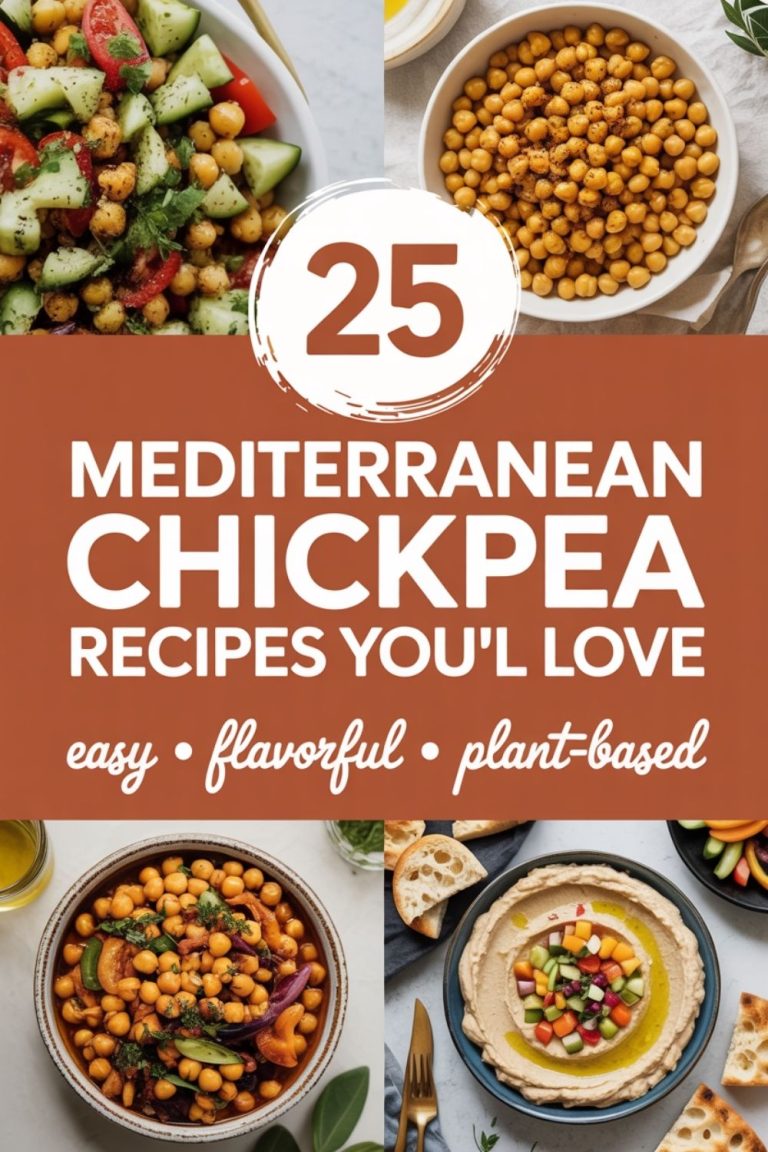
1. Shakshuka with Chickpeas – Forget the eggs. This version uses chickpeas simmered in a spiced tomato sauce with peppers and onions. Just as satisfying, actually more filling, and you can make a huge batch for the week. Get Full Recipe
2. Mediterranean Breakfast Bowl – Think of this as your answer to boring oatmeal. Quinoa as the base, topped with roasted tomatoes, sautéed spinach, olives, and a generous drizzle of tahini. It sounds weird until you try it, then you’ll wonder why you ever ate cereal. Get Full Recipe
3. Greek-Style Tofu Scramble – Crumbled tofu seasoned with oregano, garlic, and nutritional yeast, mixed with tomatoes, spinach, and kalamata olives. I was skeptical about tofu scrambles until I tried this version. The Mediterranean spices make all the difference.
If you’re looking for more morning inspiration, this 7-day Mediterranean high-fiber breakfast plan has become my go-to resource. The variety keeps things interesting, and I’ve never felt sluggish mid-morning since following it.
Soups and Salads
4. Lemon Lentil Soup – This is comfort food that happens to be healthy. Red lentils cook down into a creamy texture, brightened with lemon juice and fresh herbs. I make a pot every Sunday and eat it for lunch all week. Never gets old.
5. Fattoush Salad – Crispy pita chips tossed with cucumbers, tomatoes, radishes, and a tangy sumac dressing. The textural contrast is addictive. I use this salad spinner to get my greens perfectly dry—soggy salad is a crime.
6. White Bean and Kale Soup – Tuscan-inspired and deeply savory. The beans break down slightly to thicken the broth, and the kale adds that slight bitterness that balances everything out. Get Full Recipe
7. Watermelon and Mint Salad – Sounds simple because it is. Cubed watermelon, fresh mint, a squeeze of lime, and a sprinkle of sea salt. Perfect for summer when you can’t deal with anything heavy.
Quick Win: Make a big batch of lemon-herb dressing on Sunday and keep it in a jar. Instant upgrade for any grain bowl or salad throughout the week.
Main Dishes That Don’t Feel Like “Health Food”
8. Stuffed Bell Peppers – Filled with herb-scented rice, pine nuts, currants, and fresh dill. These are the kind of thing you’d find in a Greek grandmother’s kitchen, and they’re better at room temperature, which makes them perfect for meal prep.
9. Eggplant Moussaka – Layers of roasted eggplant, spiced lentils, and a cashew-based béchamel. This one takes some time, but it’s absolutely worth it for special occasions. I roast the eggplant on these silicone baking mats—no oil needed, and cleanup is stupid easy.
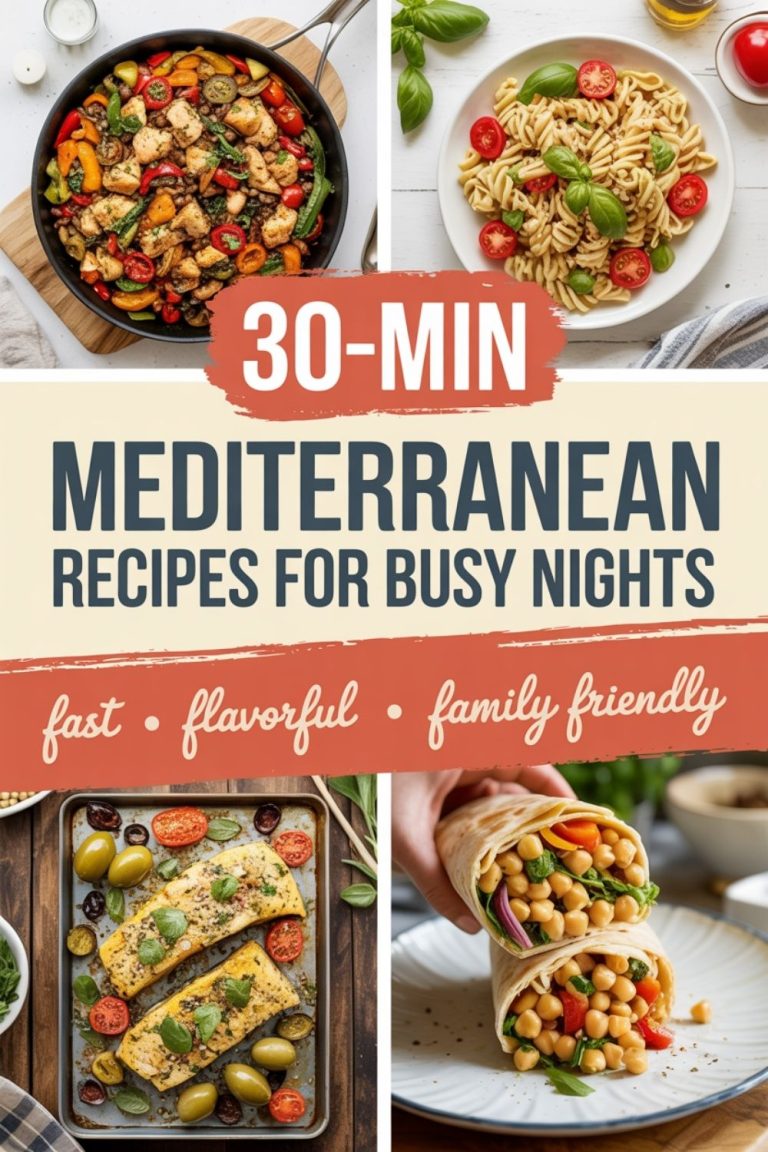
10. Chickpea and Spinach Stew – Honestly one of my most-made recipes. Chickpeas, fresh spinach, tomatoes, and warm spices like cumin and coriander. Serve it over bulgur or quinoa. Done in 30 minutes.
11. Cauliflower Steaks with Chimichurri – Thick-cut cauliflower roasted until the edges are crispy and caramelized, topped with a vibrant herb sauce. This is the dish that converts skeptics. Get Full Recipe
12. Vegan Paella – Saffron-scented rice loaded with artichokes, bell peppers, peas, and white beans. The socarrat (crispy bottom layer) is the best part. For this, you really need a proper paella pan. Regular pans just don’t give you that crucial crust.
Speaking of complete meals, I’ve found that following structured plans really helps during busy weeks. This 14-day Mediterranean family meal plan has been a lifesaver when I’m juggling work deadlines and don’t have time to think about what’s for dinner.
Sides and Smaller Plates
13. Roasted Carrots with Harissa – Sweet carrots get a spicy kick from harissa paste and a cooling dollop of tahini yogurt. The contrast is perfection.
14. Gigantes Plaki – Giant white beans baked in tomato sauce. They’re creamy, slightly sweet from the tomatoes, and ridiculously satisfying. You can find the beans at most Mediterranean markets or order these quality gigantes beans online.
15. Spanakopita-Inspired Phyllo Triangles – Spinach, dill, and tofu ricotta wrapped in crispy phyllo dough. These freeze beautifully, which means you can have impressive appetizers ready to go anytime.
16. Muhammara – A Syrian dip made from roasted red peppers, walnuts, and pomegranate molasses. It’s smoky, slightly sweet, tangy, and completely addictive with pita or vegetable sticks. Get Full Recipe
17. Za’atar Roasted Vegetables – Whatever vegetables you have on hand—zucchini, eggplant, tomatoes, onions—tossed with za’atar and olive oil, then roasted until caramelized. I buy my za’atar from this Middle Eastern spice shop because supermarket versions are usually stale and flavorless.
Grain Bowls and One-Pot Wonders
18. Mediterranean Quinoa Bowl – Quinoa, roasted chickpeas, cucumber, tomatoes, kalamata olives, and a lemon-tahini dressing. This is my default lunch when I need something fast and filling.
19. One-Pot Lemon Orzo – Orzo cooked in vegetable broth with white beans, spinach, and tons of lemon. Everything cooks together, the orzo absorbs all the flavors, and you only dirty one pot. That’s a win in my book.
20. Farro Salad with Roasted Vegetables – Nutty farro mixed with whatever roasted vegetables you’re into, dried cranberries, and toasted almonds. The chewiness of farro is so satisfying, and it holds up to dressing without getting mushy.
For those serious about meal planning, I can’t recommend enough checking out this 7-day anti-inflammatory meal plan. It takes the guesswork out and focuses on ingredients that actively reduce inflammation.
Sweet Endings
21. Almond and Orange Cake – Ground almonds, fresh orange juice and zest, olive oil instead of butter. It’s moist, aromatic, and not overly sweet. This is the kind of dessert you can justify eating for breakfast. I bake mine in this springform pan for easy release and perfect presentation.
The Omega-3 Question Everyone Asks
Okay, let’s address the elephant in the room. People love to ask about omega-3s when you mention not eating fish. It’s a valid concern, but here’s the truth: you can absolutely get enough omega-3s from plant sources.
According to the Physicians Committee for Responsible Medicine, plant foods like walnuts, flaxseeds, chia seeds, and hemp seeds provide alpha-linolenic acid (ALA), which your body can convert to EPA and DHA—the omega-3s typically found in fish.
I keep ground flaxseed in my freezer and add a tablespoon to my morning smoothie or oatmeal. You can also take algae-based DHA supplements if you want to be extra sure you’re covered. The algae is where fish get their omega-3s anyway, so you’re just cutting out the middleman.
One tablespoon of ground flaxseed provides about 2.4 grams of omega-3s, which is more than enough to meet daily recommendations. Mix it into baked goods, sprinkle it on salads, or stir it into soups. Just make sure it’s ground—whole flaxseeds pass through your system without being digested.
Pro Tip: Buy whole flaxseeds and grind them yourself in a coffee grinder dedicated to spices. Pre-ground loses nutrients over time, but whole seeds stay fresh for months.
Getting Your Kitchen Ready
You don’t need a ton of special equipment, but a few key tools make Mediterranean cooking so much easier. Here’s what I actually use regularly, not what looks pretty hanging on a wall.
Essential Tools for Mediterranean Cooking
These are the items that actually earn their space in my kitchen:
- Heavy-duty roasting pan – You’ll be roasting vegetables constantly. Get one that can handle high heat and won’t warp.
- Good quality chef’s knife – Chopping fresh vegetables is half the work. A sharp knife makes it pleasant instead of a chore.
- Large wooden cutting board – Big enough for all your prep work. I learned the hard way that tiny cutting boards are frustrating.
Digital Resources That Changed My Cooking
Beyond physical tools, these guides have been worth every penny:
- 30-Day Mediterranean Wellness Plan – Comprehensive meal planning with shopping lists and prep guides
- 14-Day High-Fiber Beginner Plan – Perfect if you’re just starting out and need structure
- Vegan Anti-Inflammation Week – Specifically designed for plant-based Mediterranean eating
Making It Work in Real Life
Here’s where theory meets practice. You can have all the recipes in the world, but if you don’t have a system, you’ll end up ordering takeout by Wednesday. Trust me, I’ve been there.
Batch Cooking is Your Friend
I cook grains, beans, and roasted vegetables in large batches on Sunday. That’s it. Those three categories give me building blocks for the entire week. Cooked quinoa becomes the base for grain bowls. Roasted vegetables get tossed into salads or served as sides. Beans go into soups, stews, or get mashed into spreads.
For batch cooking, you really want these glass meal prep containers. They’re airtight, microwave-safe, and you can see what’s inside without opening them. Complete game-changer for staying organized.
The 7-day meal prep plan breaks down exactly how to batch cook efficiently without spending your entire Sunday in the kitchen. I followed it for a month and the habits stuck.
Don’t Overthink Breakfast
Breakfast doesn’t have to be elaborate. Overnight oats with chia seeds, cinnamon, and fresh fruit. Toast with almond butter and sliced banana. Smoothie with frozen berries, spinach, and ground flaxseed. These take five minutes and fuel you properly.
I blend my smoothies in this high-speed blender that actually pulverizes leafy greens instead of leaving chunks. Worth every penny for consistent morning smoothies.
Keep It Simple
Mediterranean cooking isn’t about complexity. It’s about good ingredients treated simply. Tomatoes at their peak just need salt, olive oil, and basil. Roasted vegetables need nothing but heat and time. A chickpea stew doesn’t require 20 spices—garlic, cumin, paprika, and lemon do the job beautifully.
When you’re too tired to cook anything elaborate, remember that a simple meal of hummus, olives, whole grain pita, and raw vegetables is perfectly valid and nutritionally complete. Sometimes the best meal is the one you’ll actually make instead of ordering pizza.
If you’re dealing with inflammation issues, this anti-inflammatory eating plan focuses specifically on reducing inflammation through Mediterranean-style eating. The recipes are realistic and actually taste good.
The Benefits You’ll Actually Notice
Let me be real about what changed for me after switching to a vegan Mediterranean diet. I’m not going to promise you’ll lose 50 pounds or cure every ailment—that’s not how nutrition works. But there are tangible benefits I noticed within weeks.
My energy levels stabilized. No more mid-afternoon crash that had me reaching for coffee or sugar. The fiber and complex carbs from all those vegetables, legumes, and whole grains provide sustained energy instead of spikes and crashes.
Digestion improved significantly. FYI, this is something most people don’t talk about, but when you’re eating 30-40 grams of fiber daily from vegetables, beans, and whole grains, your digestive system just works better. Everything moves more smoothly, if you know what I mean.
The inflammation in my joints decreased noticeably. I didn’t even realize how much background pain I’d been carrying until it was gone. Studies back this up—plant-based Mediterranean diets reduce inflammatory markers throughout the body.
Weight management became effortless. I’m not saying I lost a ton of weight, but I stopped gaining weight despite eating until I was satisfied. The combination of fiber-rich foods and healthy fats keeps you full longer, so you’re not constantly thinking about your next meal.
For targeted health goals, check out this 30-day high-fiber program that combines Mediterranean principles with specific anti-inflammatory foods.
Common Mistakes to Avoid
I made every rookie mistake when I started, so let me save you some frustration.
Going Too Low-Fat
The Mediterranean diet is not low-fat. It’s healthy-fat. You need olive oil, nuts, seeds, and avocados. These fats help you absorb fat-soluble vitamins from all those vegetables you’re eating. Plus, they make food taste good and keep you satisfied.
I see people making sad, dry salads with no dressing because they’re afraid of fat. Stop it. Make a proper vinaigrette with quality olive oil and use it liberally. Your body will thank you.
Not Eating Enough Protein
Beans and lentils should be in every meal, or at least most meals. Don’t just eat vegetables and grains and wonder why you’re hungry an hour later. A serving of chickpeas has about 15 grams of protein. A cup of cooked lentils has 18 grams. That’s substantial.
The high-protein Mediterranean plan shows you exactly how to hit protein targets without relying on processed vegan meat substitutes.
Buying Prepared Hummus When You Should Make Your Own
Okay, this isn’t a mistake exactly, but homemade hummus is so much better and cheaper. Takes five minutes in a food processor. Chickpeas, tahini, lemon juice, garlic, salt. Done. Store-bought often has preservatives and too much oil.
Forgetting About Herbs
Fresh herbs transform dishes from okay to outstanding. Parsley, basil, mint, dill, cilantro—these aren’t optional garnishes. They’re integral to the flavor profile. I keep them in water on my counter like flowers. They last longer and you’re more likely to use them.
Reader Win: Maria from our community started meal prepping with these principles and dropped two dress sizes in three months without counting a single calorie. She says the key was having healthy food ready to eat when hunger hit.
Eating Out and Social Situations
Mediterranean restaurants are actually great for vegan eating. Most have vegetable-forward mezze platters—hummus, baba ganoush, tabbouleh, stuffed grape leaves, falafel. Just confirm they don’t add butter or yogurt to anything.
At non-Mediterranean restaurants, you can usually cobble together a decent meal from sides. Steamed vegetables, rice pilaf, roasted potatoes, side salad with oil and vinegar. It’s not always exciting, but it works.
For social situations at other people’s homes, I usually bring a substantial dish I can eat. Nobody minds an extra side dish, and then I know I’ll have something filling available. My go-to is a big quinoa salad with vegetables and herbs—feeds a crowd and travels well.
Your Quick-Start Shopping List
Walking into the grocery store without a plan is how you end up buying random ingredients that don’t go together. Here’s what to stock first:
Pantry staples: Extra virgin olive oil, dried chickpeas, lentils (green and red), canned tomatoes, tahini, various beans, whole grain pasta, quinoa, bulgur, vegetable broth, kalamata olives, capers.
Spices and herbs: Cumin, coriander, paprika (sweet and smoked), oregano, thyme, za’atar, sumac, cinnamon, bay leaves. Start with these and add others as recipes call for them.
Fresh produce: Whatever’s in season, but prioritize tomatoes, cucumbers, bell peppers, eggplant, zucchini, leafy greens, fresh herbs, lemons, garlic, onions.
Freezer items: Frozen spinach, peas, artichoke hearts, edamame. These are lifesavers when you need vegetables fast.
The budget-friendly meal plan includes shopping lists organized by store section, which honestly made my grocery trips so much faster.
Frequently Asked Questions
Can I get enough protein on a vegan Mediterranean diet?
Absolutely. Legumes like chickpeas, lentils, and beans are protein powerhouses—a cup of cooked lentils has 18 grams of protein. Combined with whole grains, nuts, and seeds throughout the day, hitting your protein targets is straightforward. The key is including protein-rich foods in every meal rather than relying on one source.
Is this diet expensive to follow?
It can actually be quite budget-friendly. Dried beans, lentils, and grains are among the cheapest foods available. Fresh vegetables cost less when you buy what’s in season, and you’re not spending money on expensive meat or fish. Quality olive oil is an investment, but you use it sparingly and it lasts for months.
What about vitamin B12?
B12 is the one nutrient you cannot get from plant foods, so supplementation is essential for anyone following a vegan diet. Most plant milks and nutritional yeast are fortified with B12, but taking a dedicated supplement ensures you’re covered. This isn’t a weakness of the diet—it’s just biochemistry.
How long does meal prep actually take?
With practice, about 2-3 hours on Sunday gives you prepared components for the week. You’re not cooking complete meals—you’re cooking grains, beans, and roasted vegetables that you’ll mix and match. The first few times take longer, but once you develop a system, it becomes quick and automatic.
Can kids eat this way?
Kids can thrive on a vegan Mediterranean diet with attention to nutrient density. The variety of colors, textures, and flavors actually helps kids develop broader palates. Just make sure they’re getting enough calories and essential nutrients like B12, iron, and calcium through fortified foods or age-appropriate supplements.
The Bottom Line
Look, I could write another thousand words about the nutritional minutiae and cite more studies, but here’s what actually matters: this way of eating is sustainable, enjoyable, and makes you feel good. Those three things are more important than any specific health claim.
You’re eating food that humans have thrived on for thousands of years. You’re not restricting entire food groups or counting points or measuring portions obsessively. You’re just eating vegetables, beans, whole grains, and healthy fats in their most delicious forms.
Start with a few recipes that sound good to you. Maybe try the chickpea and spinach stew because it’s easy and forgiving. Or the lemon lentil soup because soup is always comforting. Don’t try to overhaul your entire diet overnight. That’s how people burn out and give up.
Add one or two Mediterranean-inspired meals to your week. See how you feel. Notice if your energy improves, if your digestion gets better, if you feel more satisfied after meals. Then add a few more recipes. Build momentum gradually rather than trying to be perfect immediately.
The beauty of this approach is there’s no finish line. It’s not a 30-day challenge you complete and then go back to how you ate before. It’s just a better way to feed yourself that happens to align with both your health goals and your taste preferences. Once you realize that roasted vegetables with olive oil and lemon taste better than most things you could order at a restaurant, the choice becomes obvious.
Give it an honest try for a few weeks. Your body will tell you if it’s working. And honestly? I think you’re going to be pretty happy with the results.