21 Dairy-Free Mediterranean Dishes for Brunch
Fresh, vibrant, completely satisfying — no cheese, no cream, no compromise.
You know that feeling when you show up to brunch and half the table is lactose intolerant, the other half is casually dairy-free, and somehow the menu is nothing but quiche and yogurt parfaits? Yeah. Been there. That is precisely why this list exists.
Mediterranean food was practically made for this situation. Think about it: the whole framework is built around olive oil, fresh vegetables, legumes, herbs, and seafood. Dairy was always more of a supporting character than the lead. When you strip it out entirely, you are not losing anything — you are just leaning harder into what already makes this cuisine so impossibly good.
These 21 dairy-free Mediterranean brunch dishes cover every corner of the table. Savory spreads, egg dishes cooked in spiced tomato sauce, grain bowls piled with roasted vegetables, mezze platters that look like you spent hours but took maybe 30 minutes. All of them are naturally dairy-free — no awkward substitutions, no coconut cream hacks unless it actually makes sense.
If you have been looking for a full week of dairy-free Mediterranean eating beyond just brunch, the 7-Day Mediterranean High-Fiber Breakfast Plan is worth bookmarking alongside this one.
Why Mediterranean Brunch and Dairy-Free Are a Natural Match
Here is something most people do not realize: the most iconic dishes in Mediterranean brunch culture never had dairy in them to begin with. Hummus is chickpeas and tahini. Shakshuka is tomatoes and eggs. Falafel is ground chickpeas and herbs. Tabbouleh is parsley and bulgur. The dairy-free version of Mediterranean brunch is just… Mediterranean brunch.
The reason dairy snuck into so many brunch menus is largely a Western influence. When Mediterranean food got reinterpreted through a European lens, feta crumbles appeared everywhere, labneh became a shorthand for “Mediterranean,” and yogurt showed up in sauces that were originally tahini-based. All delicious, but completely optional.
According to research published in the National Institutes of Health (PMC), the traditional Mediterranean diet as eaten in southern Italy and Greece historically consumed very little dairy — mostly small amounts of local cheese. The backbone was always olive oil, legumes, vegetables, and whole grains. That is your free pass to cook every single dish on this list and call it completely authentic.
The other thing working in your favor? Olive oil is one of the best dairy replacements in the world. It does the richness. It does the mouthfeel. It coats everything in that glossy, silky way that butter would in a different cuisine. Pair that with good tahini and a squeeze of lemon, and you have a flavor base that makes cream cheese genuinely forgettable.
Keep a jar of cold-pressed extra-virgin olive oil specifically for finishing dishes — drizzle it raw over finished bowls and spreads right before serving. The flavor difference compared to cooking oil is significant, and it does the job of cream or butter at the table without any substitution awkwardness.
The 21 Dishes: Your Complete Dairy-Free Mediterranean Brunch Lineup
This is not a theoretical list. These are dishes that actually work on a brunch table — together, in sequence, or as a rotating weekend rotation. A few are dead simple. A couple take a bit more effort. All of them are worth it.
The Savory Stars Worth Making Every Weekend
Shakshuka: The One That Converts Everyone
If you only make one dish from this entire list, make shakshuka. It is the kind of recipe that seems too simple to be that good — tomatoes, spices, eggs, heat — and then you taste it and suddenly understand why it has been a North African and Middle Eastern breakfast staple for centuries. The eggs poach right in the sauce, which means every bite is saucy, rich, and deeply spiced without a drop of dairy involved.
A proper harissa adds heat and a complex smoky depth that most people assume comes from some secret ingredient. It does not. It is just good chili paste. Keep a jar of quality harissa paste in your pantry and shakshuka goes from weekday scramble to weekend showpiece in the time it takes to toast pita. Get Full Recipe
Green Shakshuka: The Plot Twist
Once you have made the classic red version a dozen times, green shakshuka will completely rearrange your expectations. Wilted spinach and leeks replace the tomato base, the eggs sink into something gentler and more herbaceous, and za’atar brings that earthy, sesame-forward finish that is hard to describe but impossible to stop eating. It is technically the same technique as regular shakshuka but feels like an entirely different dish.
This is also the version that photographs beautifully — that deep green base with bright yellow yolks is practically made for brunch table photos, not that you asked.
Baked Eggs in Spiced Chickpea Stew
Think of this as shakshuka’s slightly heartier cousin. The chickpeas add protein and bulk that turns what would otherwise be a light dish into something genuinely filling. Smoked paprika, cumin, and a little cinnamon give the stew that warm, layered spice profile that makes Mediterranean food so comforting without being heavy. It is one of those dishes where the leftovers, if there are any, taste even better the next day.
Speaking of egg and vegetable brunch dishes, you will find plenty of Mediterranean morning inspiration in the 21 Mediterranean Breakfast Bowls for a Healthy Morning. Or if you want to take the brunch spread a step further, the full collection of 30 Mediterranean Breakfast Recipes has everything from quick weekday plates to proper weekend productions.
Spreads, Dips, and Mezze That Do All the Heavy Lifting
Here is something nobody tells you about hosting a Mediterranean brunch: the spreads and dips are doing 70 percent of the work. You put three or four bowls on the table — hummus, baba ganoush, muhammara — add some warm pita and crudites, and suddenly your table looks abundantly, effortlessly generous. IMO, this is the greatest trick in casual entertaining.
Hummus Beyond the Basic
Store-bought hummus is fine. Homemade hummus is a different food. The key differences are using dried chickpeas that you cook yourself (or at least a quality canned brand), a good amount of tahini, and cold water blended in at the end to make it almost fluffy. Roasted red pepper, black garlic, and sun-dried tomato are all excellent add-ins that give you something to offer alongside the classic.
A high-powered blender makes achieving that impossibly smooth hummus texture significantly easier than a standard food processor, especially for larger batches.
Baba Ganoush: Smoke is Everything
The secret to exceptional baba ganoush is charring the eggplant directly over a gas flame or under an extremely hot broiler until the skin is genuinely blackened and the inside is completely collapsed. That smoke is the flavor. Without it, you just have mashed eggplant with tahini, which is fine but not what you are going for. A small kitchen blowtorch works surprisingly well if you do not have a gas stove and want that char without running your oven all morning.
Muhammara: The One Guests Always Ask About
Roasted red pepper and walnut dip is criminally underrated on the international dip circuit. It is sweet, smoky, nutty, faintly spiced with Aleppo pepper, and has a texture somewhere between a spread and a sauce. It also happens to be naturally vegan and dairy-free without any substitutions. Put this one on the table and watch how quickly the bowl empties compared to everything else.
Prep all your dips and spreads the night before brunch — hummus, baba ganoush, and muhammara all taste better after a night in the fridge. Day-of, you just warm the pita and arrange the table. You will look extraordinarily organized for minimum effort.
Grain Bowls and Salads That Are Actually Brunch Food
There is a version of you that shows up to brunch and genuinely wants something light but not sad. That person needs grain bowls and salads that are designed for the meal, not just borrowed from the lunch menu. The difference is in the composition — brunch-friendly grain bowls should feel generous, have some element of warmth, and work alongside eggs or protein without feeling like a side dish.
Mediterranean Farro Bowl with Roasted Vegetables
Farro has better texture, nuttiness, and staying power than most grains people default to. Roasted cherry tomatoes, zucchini, and red onion become almost jammy in a hot oven, and when you pile them over farro with a generous drizzle of olive oil and a handful of fresh herbs, you get something that feels genuinely complete. A tahini lemon drizzle replaces any cheese component you might have reached for.
If you want to build this into a full week of eating, the 7-Day Mediterranean Anti-Inflammation Meal Plan maps out exactly how to rotate grain bowls like this into a complete eating structure without repeating yourself all week.
Fattoush: The Salad That Eats Like a Meal
Fattoush is what happens when leftover pita bread gets transformed into something genuinely exciting. The bread is toasted or fried until it is crispy, then broken over a salad of cucumber, tomato, radish, and fresh herbs in a bright lemon and sumac dressing. Sumac is doing serious work here — it is tart, fruity, and deeply savory all at once, and it is the ingredient that makes fattoush taste nothing like a regular salad.
Moroccan-Spiced Carrot Salad
This one earns its place on the brunch table by being both visually striking and genuinely delicious cold. Roasted or steamed carrots get tossed in a dressing built on cumin, coriander, harissa, lemon, and olive oil. The result is warm-spiced, slightly sweet, and deeply savory. It is the kind of dish you make for the first time and immediately want to bring to every social gathering for the next six months.
Getting Your Protein Right Without Any Dairy Crutches
One of the most common concerns people raise about dairy-free eating is protein — specifically, that removing dairy leaves a gap. This is a legitimate concern for some eating patterns, but the Mediterranean framework has never relied heavily on dairy for protein. Legumes, eggs, fish, and nuts carry the load beautifully.
Olive Oil Poached Salmon
Poaching salmon low and slow in olive oil produces a texture that is unlike anything you get from pan-searing or baking. The fish stays impossibly silky, takes on a gentle richness from the oil, and stays moist even when served at room temperature on a brunch spread. Serve it over a simple green salad with capers, red onion, and a lemon tahini drizzle and you have the most elegant thing on the table.
For more ideas built around salmon specifically, the 25 Mediterranean Meals with Salmon and Olive Oil goes deep on the combination and includes several brunch-adjacent preparations.
Crispy Falafel: Egg-Free Option for the Fully Vegan Table
Good falafel requires a few things: dried chickpeas that have been soaked but not cooked (canned chickpeas make falafel that falls apart), fresh herbs, and hot oil. The result should be green inside, crispy outside, and fragrant with cumin, coriander, and parsley. A proper deep fry thermometer helps you hit and maintain the right temperature without guessing — the difference between 325F and 375F is the difference between pale and soggy versus golden and shatteringly crisp. Get Full Recipe
Chickpea Scramble for the Plant-Based Corner
This one is specifically for anyone at the table who is not eating eggs. Chickpeas scrambled with turmeric, black salt (which genuinely smells like eggs), spinach, and a handful of cherry tomatoes deliver something that satisfies the warm, savory egg role on the brunch table without any actual eggs. FYI, black salt is the single ingredient that makes plant-based egg dishes actually taste like egg dishes. Worth tracking down.
If you are building a completely plant-based Mediterranean brunch, the 21 Vegan Mediterranean Recipes for Plant-Based Eaters is the most comprehensive resource on this site for exactly that kind of table. It overlaps nicely with this dairy-free list and gives you even more options to rotate through.
The Sweet Side: Dairy-Free Doesn’t Mean Dessert-Free
Mediterranean cuisine has been making dairy-free sweets since long before it was a dietary preference. Olive oil cakes, honey-soaked pastries, fruit-forward desserts — these have always been the foundation of a Mediterranean sweet table, and most of them never required butter or cream.
Olive Oil Orange Cake
This is the recipe that converts skeptics. Olive oil in cake sounds like an aggressive choice until you taste the result — moist, fragrant, with a citrusy brightness that no butter-based cake achieves. The key is using good olive oil (mild and fruity, not intensely peppery) and the zest of both the orange and lemon. Serve it at room temperature dusted with powdered sugar and that is genuinely all it needs.
Tahini Banana Smoothie Bowl
This lands in the sweet category while also being legitimately filling. Frozen banana blended with tahini, a little honey, and ice creates a thick, creamy base that mimics yogurt without any dairy involvement. Top it with sliced fresh fruit, a sprinkle of toasted sesame seeds, and a drizzle of pomegranate molasses and you have something that feels indulgent while being nutritionally coherent. A high-speed blender with a tamper makes thick smoothie bowls genuinely easy rather than a test of your motor’s patience.
The 15 Mediterranean Smoothies and Shakes for a Healthy Start has more ideas in this direction if the smoothie bowl becomes a household staple, which it tends to.
Kitchen Tools & Resources That Make These Recipes Easier
A friend-to-friend, no-pressure collection of things that actually see regular use in a Mediterranean kitchen.
Cast Iron Skillet (10-inch)
The only pan you need for shakshuka, frittata, and sauteed vegetables. Retains heat evenly, goes from stovetop to oven, and lasts indefinitely if you treat it reasonably.
High-Speed Blender
For silky hummus, smoothie bowls, and blended soups. The texture difference between a standard and high-speed blender is dramatic enough to justify the investment if you make dips regularly.
Rimmed Baking Sheet Set
Roasted vegetables, baked falafel, olive oil cake — a quality rimmed baking sheet with good heat distribution is the most-used piece of equipment in any Mediterranean kitchen by a wide margin.
7-Day Anti-Inflammation Meal Plan (PDF)
A printable week-by-week plan that maps Mediterranean eating into a real schedule. Useful for structuring brunch recipes into a broader eating pattern.
14-Day Mediterranean Weight Loss Plan
Structured guide for transitioning into Mediterranean eating with daily meal ideas, shopping lists, and prep strategies — includes multiple dairy-free meal days.
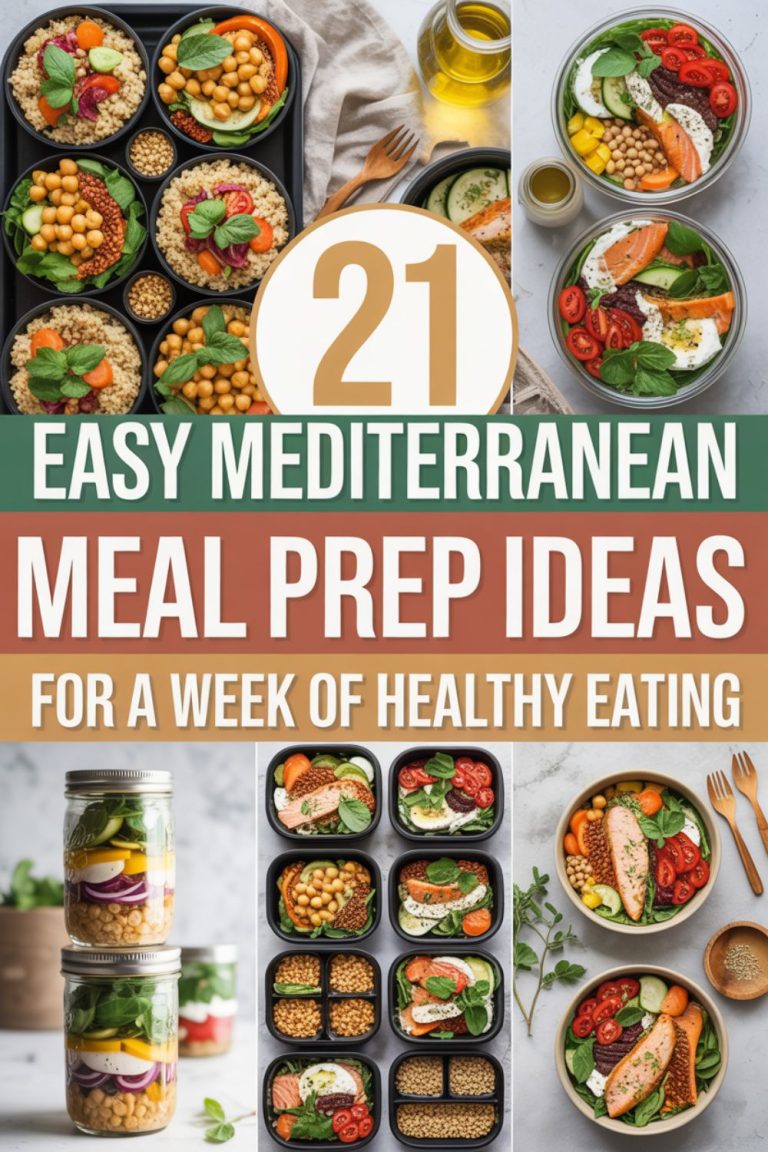
21 Easy Mediterranean Meal Prep Ideas
A practical guide to batch-cooking Mediterranean basics so that assembling brunch (and everything else) becomes a 10-minute exercise rather than a full morning project.
How to Actually Build a Dairy-Free Mediterranean Brunch Table
The temptation when making any of these dishes individually is to serve them individually. Resist this. Mediterranean food is fundamentally communal — it is designed to live on the table together, to be eaten in combination, to create variety within each bite. Three to four dishes served simultaneously is infinitely more satisfying than one perfect dish served alone.
A practical structure: one egg-based dish (shakshuka or frittata), two to three cold spreads (hummus, baba ganoush, muhammara), one grain or salad (farro bowl or fattoush), warm bread, and one sweet item. That covers every appetite and dietary combination at the table without requiring you to cook six completely separate things.
According to the American Heart Association, the Mediterranean dietary pattern consistently ranks as one of the most beneficial eating approaches for heart health and overall wellness, largely because of its emphasis on plant-based foods, olive oil, and the kind of varied, whole-ingredient cooking these brunch dishes represent.
Serve everything at room temperature except the shakshuka. Mediterranean spreads, salads, and grain dishes are designed to be eaten this way and actually taste better without refrigerator chill. It also means you can set the table 30 minutes before guests arrive and not spend the morning at the stove.
Timing Your Prep Like a Professional
Night before: make all your dips and spreads, cook your grains, marinate anything that needs time. Morning of: roast your vegetables, cook your egg dishes, warm your bread. Assembly takes maybe 15 minutes when the components are ready. This is the approach that makes a table of seven dishes feel entirely manageable rather than completely unhinged.
For a full roadmap of this approach across an entire week, the 7-Day Mediterranean Clean Eating Plan builds this kind of prep strategy into a structured weekly format that removes the daily decision-making entirely.
Frequently Asked Questions
Can you really do Mediterranean brunch without any dairy at all?
Absolutely. The most iconic Mediterranean brunch dishes — shakshuka, hummus, falafel, baba ganoush, tabbouleh — were never dairy-based to begin with. Olive oil, tahini, and legumes provide the richness and protein that dairy might supply in other cuisines. You genuinely are not removing something essential; you are just cooking the way the original recipes were designed.
What replaces cheese in a Mediterranean brunch spread?
Baba ganoush and muhammara do the heavy lifting where cheese might otherwise go — they are rich, savory, and complex in a way that makes a cheese board feel less necessary. Marinated olives, stuffed grape leaves, and a good olive oil drizzle over everything else round out the table beautifully. If you miss the creaminess specifically, whipped tahini (blended with lemon and ice water until fluffy) is the closest thing to a creamy spread in a dairy-free Mediterranean pantry.
Are Mediterranean brunch dishes suitable for a fully vegan table?
Many of them are vegan already — all the dips and spreads, the grain bowls, the salads, the falafel, and the chickpea scramble. The egg dishes (shakshuka, frittata) are the main exception. A table with shakshuka alongside a chickpea scramble covers both egg-eating and fully vegan guests without requiring two entirely different menus.
How far in advance can I prep Mediterranean brunch dishes?
Most of the cold items — hummus, baba ganoush, muhammara, grain salads, tabbouleh — keep well in the refrigerator for two to three days and actually improve overnight as flavors develop. The egg dishes are best made day-of but come together in 20 to 30 minutes once your other components are prepped. Falafel can be formed the night before and fried the morning of.
What are the best dairy-free Mediterranean brunch options for a crowd?
The mezze format scales beautifully — triple the quantity of your dips, make a large farro bowl, and have two pans of shakshuka going simultaneously. A large shakshuka feeds four to six people from one pan, hummus quantities scale linearly, and grain bowls can be assembled station-style where guests build their own. It is genuinely one of the most crowd-friendly brunch formats available precisely because so much of it is room temperature and self-service.
Just Cook the Food
The thing about Mediterranean food is that it rewards you proportionally to how much effort you put into the ingredients rather than the technique. You do not need to master anything complicated. You need to use good olive oil, fresh herbs, properly toasted spices, and give the food room to taste like itself.
None of the 21 dishes on this list require dairy to be complete. They were not built around it in the first place. What they were built around — olive oil, legumes, vegetables, herbs, and a genuine respect for simplicity — is what makes them so consistently satisfying regardless of who is at the table or what they are and are not eating.
Pick three dishes for this weekend. Make them properly. See how the table feels. That is all the argument these recipes need.