
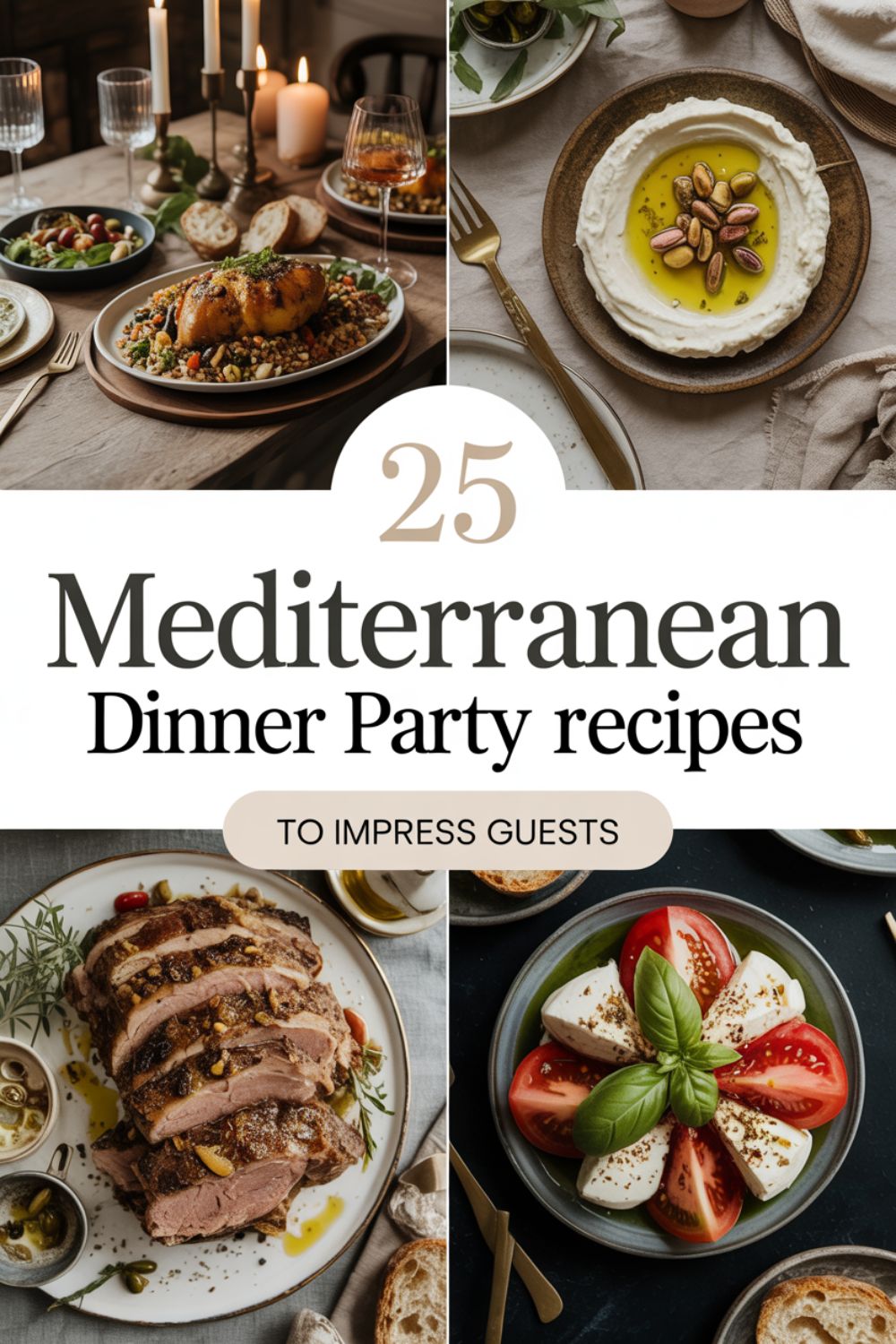
25 Mediterranean Dinner Party Recipes to Impress Guests
Look, I’m going to be straight with you—throwing a dinner party can feel like juggling flaming torches while riding a unicycle. You want to wow your guests, but you also don’t want to spend three days in the kitchen or max out your credit card on fancy ingredients. That’s where Mediterranean recipes swoop in like the hero you didn’t know you needed.
Mediterranean cooking has this magical ability to make even the simplest ingredients taste like they came from a five-star restaurant. We’re talking about bright flavors, fresh herbs, quality olive oil, and dishes that actually make people put down their phones and pay attention to what’s on their plates. Plus, research from Harvard’s School of Public Health shows that Mediterranean eating patterns are linked to better heart health and reduced inflammation—so you’re basically serving up longevity along with dinner.
I’ve been cooking Mediterranean-style for years now, and here’s what I’ve learned: these recipes don’t require you to be a classically trained chef. Most of them come together with straightforward techniques and ingredients you can find at any decent grocery store. The secret is in the quality of what you use—especially that olive oil—and not being afraid to be generous with the lemon, garlic, and fresh herbs.
Why Mediterranean Food Works for Dinner Parties
Here’s the thing about Mediterranean cuisine—it’s designed for sharing. Most of these cultures have been doing family-style dining for centuries, so the whole concept of passing plates around a table is baked into the DNA of the food. That makes it perfect for entertaining.
Another bonus? A lot of Mediterranean dishes actually taste better when made ahead. Marinated vegetables, slow-braised meats, herb-infused oils—these flavors develop and deepen over time. That means you can do most of your cooking the day before and actually enjoy your own party instead of being chained to the stove while everyone else has fun.
The anti-inflammatory properties of Mediterranean ingredients come from the combination of olive oil’s polyphenols, omega-3 fatty acids from fish, and antioxidants from colorful vegetables. It’s not just one magic ingredient—it’s how they all work together.
Pro Tip: Make your own spice blends the weekend before your party. Mix up some za’atar, dukkah, or a simple herb blend with dried oregano, thyme, and crushed red pepper. Store them in small glass jars and they’ll stay fresh for weeks.
The Foundation: Quality Ingredients Matter
I’m not going to tell you to spend fifty bucks on a tiny bottle of aged balsamic, but I will say this: the quality of your olive oil makes or breaks Mediterranean cooking. You don’t need the most expensive bottle, but you do need actual extra virgin olive oil—not that pale, flavorless stuff that’s been sitting in a clear bottle on a sunlit shelf for months.
When shopping for olive oil, look for bottles that list a harvest date and are stored in dark glass or tin. The oil should smell fresh and slightly peppery, maybe even make you cough a little when you taste it straight. That throat-tickle sensation? That’s oleocanthal, a polyphenol compound that acts similarly to ibuprofen with natural anti-inflammatory effects.
I keep two types of olive oil in my kitchen: a robust, peppery one for finishing dishes and drizzling over completed plates, and a milder one for cooking. You can get away with using a good quality everyday extra virgin olive oil for most recipes, then splurge a bit on a finishing oil that really shines.
Other Must-Have Ingredients
Beyond olive oil, stock up on these Mediterranean essentials:
- Fresh lemons – Not bottled juice. Ever. The fresh stuff is brighter and more complex.
- Good quality sea salt – I use flaky sea salt for finishing and regular sea salt for cooking.
- Fresh herbs – Parsley, mint, dill, oregano, and thyme show up constantly in Mediterranean cooking.
- Garlic – Buy whole heads and peel as needed. Pre-minced garlic in jars tastes nothing like the real thing.
- Tahini – Essential for hummus and dressings. Store it in the fridge after opening.
- Greek yogurt – Full-fat, plain, and preferably Greek or Lebanese style for the best texture.
If you’re getting serious about Mediterranean cooking, there are some seriously helpful resources in the 14-day Mediterranean family meal plan that break down ingredient lists and shopping strategies.
Appetizers and Mezze That Set the Tone
Mediterranean appetizers—or mezze—are where you get to show off without actually working that hard. These small plates are meant to be abundant, colorful, and varied. The beauty is that most can be prepared hours (or even days) ahead.
1. Classic Hummus with Za’atar Oil
Forget the store-bought tubs. Homemade hummus takes about five minutes in a food processor and tastes exponentially better. The trick is using dried chickpeas that you cook yourself—they’re creamier than canned—and adding ice-cold water while blending to create that silky texture.
Top it with a swirl of good olive oil infused with za’atar, some whole chickpeas, and a sprinkle of sumac. Serve with warm pita that you’ve brushed with garlic-infused olive oil and toasted until golden. Get Full Recipe.
2. Whipped Feta with Honey and Pistachios
This is my secret weapon appetizer. Take good quality feta, blend it with cream cheese and a splash of olive oil until it’s fluffy, then spread it on a plate and drizzle with honey. Top with crushed pistachios and a few cracks of black pepper. It’s salty, sweet, creamy, and crunchy all at once. Serve it with crispy pita chips or crudités.
3. Stuffed Grape Leaves (Dolmas)
These little packages are Labor-intensive if you’re rolling them yourself, but absolutely worth it. The filling is typically rice, fresh dill, mint, pine nuts, and currants, all seasoned with lemon juice and olive oil. They can be made up to three days ahead and served at room temperature.
If you’re short on time, jarred grape leaves work perfectly fine—just drain them well and pat dry before filling. I use this small offset spatula to spread the filling evenly before rolling.
Quick Win: Can’t find grape leaves? Use large Swiss chard or cabbage leaves instead. Blanch them for 30 seconds, then proceed with your favorite filling. Works like a charm.
4. Baba Ganoush
If you’ve only had the sad, grayish baba ganoush from the grocery store, you’re in for a revelation. Real baba ganoush starts with eggplants that you char directly over a gas flame or under the broiler until the skin is completely blackened and the flesh is soft and smoky.
Peel off the charred skin, blend the flesh with tahini, lemon, garlic, and olive oil, then let it sit for at least an hour so the flavors meld. The smokiness is what makes it special—don’t skip the charring step.
5. Spanakopita Triangles
These Greek spinach and feta pastries are always a hit. Working with phyllo dough can be intimidating, but here’s the secret: keep it covered with a damp towel while you work, brush each layer generously with melted butter or olive oil, and don’t stress about perfection. A few tears here and there won’t matter once they’re baked and golden.
You can assemble these completely, freeze them unbaked, then pop them straight from freezer to oven when guests arrive. That’s my kind of dinner party prep.
Show-Stopping Main Dishes
This is where you bring out the big guns. Mediterranean mains often feature whole fish, slow-roasted lamb, or vegetable-forward dishes that look impressive but don’t require constant attention.
6. Whole Roasted Fish with Lemon and Herbs
A whole fish presented on a platter is dinner party drama at its finest. The actual cooking is ridiculously simple: stuff the cavity with lemon slices, fresh herbs, and garlic, drizzle with olive oil, season generously, and roast at high heat for about 25 minutes.
Branzino, sea bass, or red snapper all work beautifully. Ask your fishmonger to scale and gut the fish for you—no need to get fancy with filleting at home. I serve this with a ceramic fish platter that makes the presentation even more special.
7. Lamb Kleftiko
This Greek dish involves marinating lamb shoulder in lemon, garlic, and oregano, then wrapping it in parchment paper and slow-roasting it until it’s fall-apart tender. The parchment creates a steamy environment that keeps the meat incredibly moist.
The best part? You can prep this entirely the night before, refrigerate it wrapped, then just pop it in the oven a few hours before dinner. The house smells amazing, and you barely lift a finger. For meal planning strategies that incorporate similar make-ahead proteins, check out the 7-day Mediterranean anti-inflammation meal plan.
8. Moroccan Chicken Tagine
Tagines are basically Moroccan stews—intensely flavored, aromatic, and forgiving. This version has chicken thighs, preserved lemons, olives, and a blend of warm spices like cumin, coriander, and cinnamon. It simmers low and slow, filling your kitchen with the most incredible smell.
If you don’t own an actual tagine pot (I didn’t for years), a heavy Dutch oven works perfectly. Serve it over couscous or with crusty bread for sopping up the sauce. Get Full Recipe.
9. Shakshuka with Feta
Shakshuka is technically a breakfast dish, but I serve it for dinner all the time and no one complains. It’s eggs poached in a spicy tomato sauce with peppers, onions, and warm spices. The addition of crumbled feta takes it to another level.
Make the sauce ahead of time, then reheat it and crack in the eggs about ten minutes before you’re ready to serve. Bring the whole skillet to the table and let people serve themselves with hunks of bread.
10. Moussaka
Greek moussaka is like lasagna’s sophisticated Mediterranean cousin. Layers of eggplant, spiced meat sauce, and creamy béchamel baked until golden. It’s rich, it’s indulgent, and it’s absolutely worth the effort for a special dinner party.
The key to great moussaka is salting and draining the eggplant slices first to remove bitterness, then either grilling or broiling them instead of frying. It cuts down on the oil and gives you better texture. This is another make-ahead champion—assemble it the day before and bake it off when needed.
Looking for more anti-inflammatory dinner options that work with this approach? The 14-day anti-inflammatory eating plan for women has some great complementary recipes.
11. Grilled Lamb Chops with Mint Chimichurri
Lamb chops are expensive but incredibly fast to cook, making them perfect for entertaining. A simple marinade of olive oil, lemon, garlic, and rosemary is all you need. Grill them for about three minutes per side for medium-rare.
The mint chimichurri—fresh mint, parsley, garlic, red wine vinegar, and olive oil—adds brightness and cuts through the richness of the lamb. I mix up the chimichurri in my mini food processor in about thirty seconds.
12. Seafood Paella
Paella is one of those dishes that looks incredibly complicated but is actually quite straightforward once you understand the technique. The key is getting that socarrat—the crispy, caramelized rice on the bottom of the pan.
Use a proper paella pan if you have one (the wide, shallow shape is important), good quality saffron, and a mix of seafood like shrimp, mussels, and squid. Don’t stir it once the rice goes in—that’s what creates the prized crust on the bottom.
Kitchen Tools That Make Mediterranean Cooking Easier
After years of making these recipes, I’ve learned which tools actually earn their keep. Here’s what I reach for constantly:
Physical Products:
- Large Mortar and Pestle – For crushing garlic, making spice pastes, and pounding fresh herbs. The flavor you get from hand-crushed ingredients beats a food processor.
- Enameled Cast Iron Dutch Oven – Essential for tagines, braises, and slow-cooked dishes. Holds heat beautifully and goes from stovetop to oven.
- Microplane Zester – For getting every last bit of lemon zest and garlic flavor. The fine grate makes a huge difference in texture.
Digital Resources:
- Mediterranean Meal Planning Template – Spreadsheet that helps you organize shopping lists and prep schedules for dinner parties.
- Spice Blend Recipe Collection – Digital PDF with ratios for za’atar, baharat, ras el hanout, and other essential blends.
- Wine Pairing Guide for Mediterranean Food – Takes the guesswork out of choosing wines that complement your menu.
Vegetable Dishes That Steal the Show
Mediterranean cultures understand something that many American cooks miss: vegetables don’t have to play second fiddle to meat. These dishes celebrate vegetables as the main event, with bold flavors and satisfying textures that even dedicated carnivores will devour.
13. Roasted Cauliflower with Tahini and Pomegranate
Cauliflower gets a bad rap, but roasted until deeply caramelized and dressed with tahini sauce, fresh herbs, and jewel-like pomegranate seeds, it becomes something special. I cut the cauliflower into thick steaks, brush them with olive oil and za’atar, then roast at high heat until charred and tender.
The tahini sauce is just tahini whisked with lemon juice, water, and a pinch of salt until it’s pourable. Drizzle it over the warm cauliflower and finish with pomegranate seeds, toasted pine nuts, and torn mint leaves. Get Full Recipe.
14. Imam Bayildi (Turkish Stuffed Eggplant)
The name translates to “the imam fainted,” supposedly because the dish was so delicious. Eggplants are halved, roasted until soft, then filled with a tomato and onion mixture that’s been slowly cooked until jammy and sweet. Serve it at room temperature with crusty bread.
15. Greek-Style Green Beans (Fasolakia)
These aren’t your average steamed green beans. They’re braised with tomatoes, garlic, and olive oil until they’re incredibly tender and the sauce is thick and rich. It’s the kind of dish that improves after sitting for a day, making it perfect for dinner party prep.
Some people add potatoes to bulk it up, which I fully support. The whole thing gets finished with a squeeze of lemon and a sprinkle of fresh dill.
16. Gemista (Stuffed Tomatoes and Peppers)
Hollowed-out tomatoes and bell peppers get filled with a mixture of rice, herbs, and sometimes ground meat, then baked until everything is tender and slightly caramelized. The tomato “lids” are placed back on top before baking—it’s adorable and delicious.
I like making these entirely vegetarian with lots of fresh mint, dill, and pine nuts in the filling. Serve them warm or at room temperature with a dollop of Greek yogurt.
Sides and Salads Worth Making
Mediterranean salads aren’t wimpy affairs with iceberg lettuce and ranch dressing. They’re substantial, flavor-packed combinations that could easily be meals on their own.
17. Fattoush
This Lebanese salad is built around crispy pieces of toasted pita bread mixed with cucumbers, tomatoes, radishes, and tons of fresh herbs. The dressing is lemony and tart with a hint of sumac, a Middle Eastern spice that adds a unique sourness.
The key is adding the pita just before serving so it stays crunchy. I make extra pita chips using this mini convection oven and keep them on hand for snacking.
18. Horiatiki (Greek Village Salad)
The original Greek salad has no lettuce—just ripe tomatoes, cucumbers, red onions, kalamata olives, and big chunks of feta, all dressed with olive oil, oregano, and sometimes a splash of red wine vinegar. The tomatoes need to be truly ripe and flavorful for this to work.
I like serving this family-style in a large shallow bowl so everyone can see the beautiful colors. Don’t skimp on the feta—it’s basically a main ingredient, not a garnish.
19. Tabbouleh
Real tabbouleh is mostly parsley with a little bulgur wheat, not the other way around. Tons of finely chopped parsley and mint, tomatoes, green onions, and just enough bulgur to give it body. The dressing is simple: lemon juice, olive oil, salt.
Let it sit for at least thirty minutes before serving so the bulgur absorbs the dressing and softens. This is another make-ahead winner that travels well if you’re bringing a dish to someone else’s party.
20. Roasted Beets with Labneh and Pistachios
Beets get the full Mediterranean treatment here—roasted until tender, then served over tangy labneh (strained yogurt) with crushed pistachios, olive oil, and fresh dill. The contrast of earthy beets, creamy labneh, and crunchy nuts is perfection.
You can make labneh at home by straining Greek yogurt through cheesecloth overnight, or buy it pre-made. Either works beautifully.
For more high-fiber vegetable dishes that complement these flavors, the 7-day Mediterranean high-fiber meal prep plan has some excellent options.
21. Lemon Potatoes (Patates Lemonates)
These Greek lemon potatoes are criminally underrated. Potatoes are cut into wedges, tossed with tons of lemon juice, olive oil, garlic, and oregano, then roasted until they’re crispy outside and creamy inside. The lemon juice evaporates during cooking, leaving behind concentrated citrus flavor.
I make these in a large rimmed baking sheet so the potatoes have room to crisp up properly. Overcrowding = steaming instead of roasting, and nobody wants that.
Desserts That Feel Special
Mediterranean desserts often feature honey, nuts, and citrus instead of tons of butter and refined sugar. They tend to be less sweet than American desserts but no less satisfying.
22. Baklava
Layers of buttery phyllo dough with spiced nuts and honey syrup—baklava is a project, but it’s so worth it. The trick is keeping your phyllo dough from drying out (damp towel, always), being generous with the butter between layers, and cutting the baklava before baking so the syrup can penetrate.
I use a mix of walnuts and pistachios for the filling, along with cinnamon and a touch of cardamom. The honey syrup goes on after baking while everything is still hot. Let it sit overnight before serving so it can fully absorb all that sweet, sticky goodness.
23. Galaktoboureko
This Greek custard pie might be my favorite Mediterranean dessert. It’s semolina custard baked between layers of crispy phyllo, then soaked in lemon-scented syrup. It sounds heavy, but it’s actually quite light and refreshing.
The custard needs to cool completely before you add the hot syrup—this is crucial for getting the right texture. Serve it at room temperature with strong coffee.
24. Panna Cotta with Orange and Cardamom
Panna cotta is Italian, so it definitely counts as Mediterranean. This version is infused with orange zest and cardamom, giving it an exotic edge that feels special without being weird. The beauty of panna cotta is that it’s almost impossible to mess up, and you make it entirely ahead of time.
I set mine in individual ramekins, then unmold them onto plates and serve with fresh berries or a drizzle of honey. So elegant, so little effort.
25. Honey-Soaked Semolina Cake (Revani)
This Turkish cake is made with semolina flour, which gives it a slightly grainy texture that’s incredibly satisfying. After baking, it gets drenched in a honey-lemon syrup that soaks in and makes it impossibly moist.
I top mine with sliced almonds before baking and serve it with unsweetened whipped cream to balance the sweetness. It keeps well for days, actually improving as it sits and absorbs more syrup. Get Full Recipe.
Pro Tip: Make your honey syrup while the cake is baking, then let it cool completely. Pouring cold syrup over hot cake (or vice versa) helps it absorb better without getting soggy.
Putting It All Together: Menu Planning Strategy
Here’s where I see people get overwhelmed—they try to make everything fresh the day of the party and end up stressed and sweaty instead of enjoying themselves. Don’t do that. Mediterranean food is incredibly forgiving about timing.
Three days before: Make any dips (hummus, baba ganoush), desserts that need to set, and marinate any proteins that benefit from long marinades.
Two days before: Prep vegetables, make salad components (but don’t dress them), cook any grains or legumes you’ll need.
One day before: Assemble dishes that need to be baked the day of (like moussaka or spanakopita), make dressings and sauces, set your table.
Day of: Finish cooking hot dishes, dress salads, warm bread, put everything out.
For more detailed Mediterranean meal planning approaches, the 30-day Mediterranean wellness plan breaks down timing and prep strategies that work beautifully for entertaining.
The goal is to have most things done ahead so you can spend the actual party time with your guests, not frantically whisking something over the stove. Speaking of which, if you’re looking to make Mediterranean eating a regular thing beyond just dinner parties, resources like the 14-day Mediterranean weight loss plan and 7-day gut healing Mediterranean menu provide structured approaches that make it sustainable.
Wine and Beverage Pairings
Mediterranean food loves wine, and fortunately, the regions that created this cuisine also produce some incredible bottles. You don’t need to break the bank—there are fantastic options at every price point.
For seafood dishes, look for crisp white wines from Greece (Assyrtiko is phenomenal), Southern Italy (Vermentino or Falanghina), or the south of France. These wines have the acidity to match lemon-heavy dishes and the mineral quality that complements fish.
For lamb and richer meat dishes, try robust reds from Lebanon (look for wines from the Bekaa Valley), Southern France (Côtes du Rhône), or Greece (Xinomavro). These wines can stand up to bold flavors and heavy spices.
Don’t forget about rosé—dry rosés from Provence are perfect with Mediterranean food, especially in warm weather. They work with everything from grilled fish to vegetable dishes to lamb.
Keep a bottle of raki, ouzo, or arak on hand for adventurous guests. These anise-flavored spirits are traditional throughout the Mediterranean and make excellent aperitifs when mixed with cold water (they turn milky white, which is cool to watch).
And seriously, research from Johns Hopkins confirms that moderate wine consumption as part of a Mediterranean eating pattern contributes to the overall health benefits—just keep it to a glass or two with meals.
Frequently Asked Questions
Can I make Mediterranean food on a budget?
Absolutely. The foundation of Mediterranean cooking is simple ingredients—beans, grains, seasonal vegetables, olive oil. The expensive stuff like seafood and lamb can be reserved for special occasions. Focus on vegetable-forward dishes, use canned chickpeas and beans, buy whole chickens instead of individual cuts, and choose seasonal produce. The 14-day high-fiber budget meal plan has specific strategies for keeping costs down while eating well.
How far ahead can I prep Mediterranean dishes?
Most Mediterranean dishes actually improve with time. Dips and spreads last 3-5 days refrigerated. Marinated vegetables keep for a week. Braised meats can be made 2 days ahead and reheated. Salads can be prepped (but not dressed) a day ahead. Desserts like baklava and semolina cake are best made at least a day before serving so the syrups can fully absorb.
What if my guests don’t eat meat or seafood?
Mediterranean cuisine is incredibly plant-forward, so you’re in luck. Dishes like stuffed vegetables, mezze spreads, grain salads, roasted vegetables with tahini, and bean-based dishes are all naturally vegetarian. Many can be made vegan by skipping cheese or using plant-based alternatives. The variety in Mediterranean cooking means no one feels like they’re missing out.
Do I really need to use fresh herbs, or will dried work?
For finishing and raw applications, fresh herbs are non-negotiable—they provide brightness and complexity that dried herbs can’t match. However, for longer-cooked dishes like braises and stews, dried oregano, thyme, and bay leaves work beautifully. As a general rule, use three times as much fresh herbs as you would dried since they’re less concentrated.
How do I keep phyllo dough from drying out while I work with it?
Phyllo is temperamental but manageable. Thaw it in the refrigerator overnight (never at room temperature or in the microwave). Once opened, keep the stack covered with a barely damp kitchen towel at all times, only removing one sheet at a time. Work quickly but don’t stress—even if a few sheets tear, you can patch them with melted butter and keep going. The layers will hide any imperfections.
Final Thoughts: Making It Your Own
The beautiful thing about Mediterranean cooking is that it’s not precious or rigid. These cuisines developed over centuries with home cooks using what was available, adjusting to seasons, making do with simple ingredients. That spirit of flexibility and practicality is part of what makes this food so approachable.
You don’t need to follow recipes to the letter. Swap herbs based on what you have or what you like. Use chicken if lamb is too expensive. Make the vegetarian version if that’s your preference. Add more garlic (always add more garlic). The core principles—good olive oil, fresh ingredients, bright acidity, generous herbs—those stay constant. Everything else is negotiable.
I’ve thrown dozens of Mediterranean-themed dinner parties over the years, and what I’ve learned is that people remember the whole experience more than individual dishes. They remember the abundance of the table, the variety of flavors, the ease of family-style service, the way the meal felt generous and welcoming without being fussy.
That’s the magic of Mediterranean hospitality. The food is incredible, sure, but it’s really about creating an atmosphere where people feel taken care of, where the meal becomes an event worth lingering over, where good food facilitates good conversation and connection.
So pick a few recipes that sound good, make a plan, do your prep, and then actually enjoy your own party. Your guests will have a better time if you’re relaxed and present instead of stressed and hiding in the kitchen. Trust the food—it’s designed to be forgiving and delicious even if everything doesn’t go exactly according to plan.
And if something does go wrong? Pour more wine, put out more bread, and laugh about it. That’s the Mediterranean way.