19 Anti-Inflammatory Salads with Olive Oil Dressing
Big flavors, serious health benefits, and a dressing so good you’ll want to put it on everything.
Let’s be honest: most “healthy salad” content on the internet is one sad handful of spinach topped with grilled chicken and a packet of fat-free ranch. That’s not what we’re doing here. These 19 anti-inflammatory salads use extra-virgin olive oil dressing as the centerpiece—because it’s not just a condiment, it’s actually medicine in a bottle (more on that in a second).
I started building this list after spending a few months leaning heavily into Mediterranean-style eating to calm some stubborn joint inflammation. What I found was that the salads I kept coming back to all had something in common: a generous drizzle of good olive oil, a hit of acid (lemon or vinegar), and at least one or two ingredients that punch hard in the anti-inflammatory department. No complicated techniques, no expensive superfoods with names you can’t pronounce.
Whether you’re following a 7-day anti-inflammation reset or just trying to eat better without making your weeknights miserable, these salads fit right in. Let’s get into it.
Overhead flat-lay shot of a large shallow ceramic bowl filled with a vibrant anti-inflammatory salad: deep green kale and baby arugula, halved cherry tomatoes in red and orange, thin-sliced cucumber, Kalamata olives, crumbled feta, roasted chickpeas, and a generous drizzle of golden extra-virgin olive oil catching the light. A small glass pitcher of olive oil lemon dressing sits to the upper left, with a halved lemon, fresh thyme sprigs, and a wooden serving spoon casually placed beside the bowl. Natural window light from the left side creates soft shadows. Surface is a weathered white wood table. Warm, rustic, and inviting—styled for a clean-eating Mediterranean food blog. Color palette: deep greens, warm golds, terracotta reds, cream white.
Why Olive Oil Dressing Is the Whole Point
Here’s something a lot of salad recipes gloss over: the dressing isn’t just flavor. When you’re eating for reduced inflammation, the fat you use to dress your salad actually determines how well your body absorbs the fat-soluble vitamins and antioxidants in the vegetables. Using a low-fat dressing on a bowl of spinach and tomatoes is basically leaving half the nutrition on the table.
Extra-virgin olive oil is rich in oleocanthal, a polyphenol compound that researchers have compared to ibuprofen in its ability to inhibit inflammatory enzymes. According to Harvard Health research on olive oil and longevity, people who consumed more than half a tablespoon of olive oil daily over 28 years showed a 19% lower risk of all-cause mortality—including lower risks of dying from cardiovascular disease, cancer, and neurodegenerative disease. That’s a dressing doing some serious work.
The key is going extra-virgin and cold-pressed. Regular refined olive oil loses most of its polyphenols during processing. EVOO keeps them intact, which is why that robust, slightly peppery bite you get at the back of your throat when you taste a good one is actually a sign of high oleocanthal content. If it doesn’t make you cough just a little, it might not be doing much.
Use a good EVOO for dressings raw, and save your cheaper olive oil for cooking. Heat above 375°F starts degrading the polyphenols—the very compounds doing the anti-inflammatory heavy lifting.
The Core Anti-Inflammatory Salad Formula
Before I list out all 19 salads, it’s worth knowing the template that makes these work. Every salad in this collection follows a loose structure, and once you understand it, you can improvise endlessly.
The Base
Start with dark leafy greens—kale, arugula, spinach, or a mix. These are loaded with vitamins K and C, folate, and magnesium. Arugula has a natural peppery bite that plays beautifully with the grassiness of good olive oil.
The Inflammation Fighters
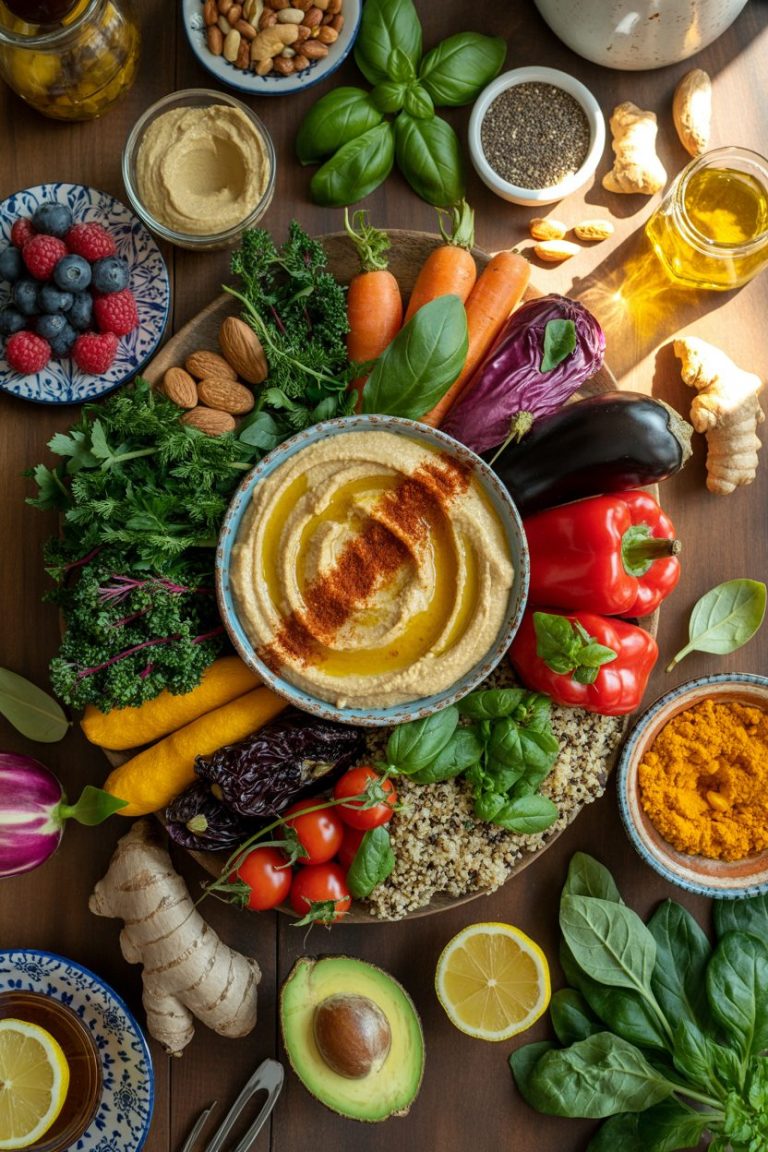
Add at least two of these: turmeric, ginger, walnuts, berries, beets, or fatty fish. Each of these has documented anti-inflammatory effects through different mechanisms—omega-3s, polyphenols, curcuminoids, and so on. Layering them creates a more complete effect than relying on just one.
The Dressing
The base is always extra-virgin olive oil plus an acid—lemon juice is the most versatile, but apple cider vinegar and red wine vinegar both work well. Add Dijon mustard as an emulsifier, a small amount of honey or maple syrup to balance, and whatever herbs and garlic you’re working with. That’s it. Five ingredients, infinite salads.
The 19 Anti-Inflammatory Salads
1. Classic Greek Salad with Lemon-Herb EVOO Dressing
Cucumber, tomato, red onion, Kalamata olives, and feta, dressed with lemon juice, dried oregano, and a very generous pour of extra-virgin olive oil. This is the baseline. If you’ve never made your own dressing, start here—it’s essentially foolproof. The combination of olives and olive oil gives you a double hit of polyphenols that work synergistically to reduce oxidative stress. Get Full Recipe
2. Kale and Beet Salad with Walnut-Olive Oil Dressing
Beets are one of the most underrated anti-inflammatory vegetables out there—they’re loaded with betalains, a class of pigment with measurable anti-inflammatory and antioxidant activity. Paired with massaged kale, toasted walnuts, and a dressing built on walnut oil blended with EVOO and apple cider vinegar, this salad tastes like fall and does excellent things for your C-reactive protein levels. Get Full Recipe
3. Mediterranean Chickpea Salad
Roasted chickpeas, sun-dried tomatoes, cucumber, parsley, and a heavy-handed lemon-olive oil dressing. Chickpeas bring fiber and plant protein while the olive oil carries it all together. If you’re building Mediterranean chickpea recipes into a weekly rotation, this one is your starting point—it keeps well in the fridge for three days and gets better overnight.
4. Arugula, Strawberry, and Walnut Salad
Sounds a little fancy, tastes even better. Arugula’s bitterness cuts through the sweet strawberries beautifully, and the walnuts bring the crunch plus a solid dose of alpha-linolenic acid (ALA), a plant-based omega-3 fat. Dress it with a simple balsamic-olive oil vinaigrette and add shaved parmesan if you’re not going dairy-free. Get Full Recipe
5. Turmeric Roasted Cauliflower Salad
Roast cauliflower florets with olive oil, turmeric, cumin, and black pepper (the piperine in black pepper increases curcumin absorption by up to 2000%, FYI). Serve over arugula with pickled red onion and a tahini-olive oil dressing. This one is substantial enough to be a full meal.
6. Spinach, Avocado, and Pumpkin Seed Salad
Baby spinach is one of the richest sources of vitamin K in the leafy green category—essential for regulating inflammatory responses. Avocado adds monounsaturated fats similar in structure to those in olive oil, which means the anti-inflammatory benefits stack. A simple olive oil and lime dressing finishes it off. Get Full Recipe
7. Nicoise-Style Tuna Salad with Dijon-Olive Oil Dressing
Tuna, green beans, olives, boiled eggs, tomatoes, and capers over butter lettuce—dressed with a classic Dijon-lemon-olive oil vinaigrette. The wild-caught tuna here brings the EPA and DHA omega-3s your body uses directly (unlike the ALA from walnuts, which still needs conversion). This is the kind of salad that feels like a proper lunch.
8. Lentil and Roasted Red Pepper Salad
Cooked French green lentils, roasted red peppers, shallots, fresh parsley, and a red wine vinegar and EVOO dressing. Lentils are a fantastic anti-inflammatory powerhouse—high fiber, high folate, low glycemic index. Mediterranean lentil dishes like this one also happen to be stupidly affordable, which is never a bad thing.
Maya from our community swapped her usual lunch routine for three of these salads per week over two months. She told us her energy levels stabilized, her afternoon crashes disappeared, and she lost 11 pounds without counting a single calorie.
— Community Member, Pure & Plate9. Quinoa Tabbouleh with Olive Oil and Lemon
Traditional tabbouleh uses bulgur wheat, but swapping in quinoa makes this gluten-free and higher in complete protein. The real star here is the olive oil and lemon dressing, which you add generously—this is not a dish where you want to be shy with the fat. Flat-leaf parsley is loaded with apigenin, a flavonoid with notable anti-inflammatory effects. Get Full Recipe
10. Cucumber and Mint Salad with Apple Cider Vinegar Dressing
Light, cool, and deeply refreshing. Thin-sliced cucumber, fresh mint, red onion, and a dressing of EVOO, apple cider vinegar, and a touch of raw honey. This one doubles as a side dish for anything from the grill. Apple cider vinegar with the “mother” contains acetic acid and beneficial bacteria that support gut microbiome diversity—a key factor in systemic inflammation management.
11. Roasted Sweet Potato and Black Bean Salad
Cubed sweet potato roasted in olive oil with paprika and garlic, served over spinach with black beans, red onion, and cilantro. The dressing here is a simple lime-olive oil situation. Sweet potato contains beta-carotene, which converts to vitamin A and plays a direct role in regulating immune responses that drive inflammation.
12. Caprese with Anti-Inflammatory Herb Oil
Classic caprese—fresh mozzarella, ripe tomatoes, fresh basil—elevated with an herb-infused olive oil made from blending EVOO with fresh basil, garlic, and a pinch of dried chili flakes. Tomatoes contribute lycopene, a carotenoid with strong anti-inflammatory and antioxidant properties, especially when consumed with fat (olive oil handles that).
Batch your olive oil dressing at the start of the week in a small mason jar. A base of 3:1 EVOO to lemon juice, one clove of garlic, one teaspoon of Dijon, and a pinch of salt keeps in the fridge for up to 7 days and works on literally every salad in this list.
13. Arugula and Smoked Salmon Salad
Smoked salmon, capers, thinly shaved fennel, red onion, and lemon-dill olive oil dressing over a bed of arugula. Salmon is one of the most concentrated dietary sources of EPA and DHA omega-3 fatty acids—the form your body uses directly to produce anti-inflammatory compounds called resolvins and protectins. For more ideas in this direction, the Mediterranean salmon and olive oil collection is worth bookmarking.
14. Fennel, Orange, and Olive Salad
Thin-sliced fresh fennel, blood orange or navel orange segments, Castelvetrano olives, and fresh mint, dressed with EVOO and a tiny bit of white wine vinegar. The fennel provides anethole, a compound shown in studies to inhibit NF-kB, a key regulator of inflammatory gene expression. IMO, this is the most underrated salad on this entire list. Get Full Recipe
15. White Bean and Sun-Dried Tomato Salad
Cannellini beans, sun-dried tomatoes in olive oil, basil, garlic, and lemon-olive oil dressing. Beans are one of the highest-fiber foods available, and dietary fiber feeds the beneficial gut bacteria that produce butyrate—a short-chain fatty acid that directly reduces intestinal inflammation. This salad is also great served slightly warm.
16. Herbed Farro Salad with Roasted Tomatoes
Farro, slow-roasted cherry tomatoes, fresh herbs (parsley, basil, mint), arugula, and a simple sherry vinegar-olive oil dressing. Farro has a lower glycemic index than most grains and is significantly higher in fiber and protein—two factors that matter for sustained blood sugar balance, which in turn reduces inflammatory insulin spikes throughout the day. Get Full Recipe
17. Watermelon and Feta Salad with Mint-EVOO Dressing
This one surprises people. Watermelon’s sweetness against the saltiness of feta, the brightness of mint, and the richness of good olive oil is genuinely one of the most satisfying summer combinations. Watermelon is one of the best dietary sources of citrulline and lycopene—both compounds that support cardiovascular health and reduce exercise-related muscle inflammation.
18. Roasted Carrot and Chickpea Salad with Cumin Dressing
Roasted carrots, crispy chickpeas, shredded kale, raisins, and a cumin-lemon-olive oil dressing. The cumin here isn’t just flavor—it contains thymoquinone and other bioactive compounds with documented anti-inflammatory and antioxidant effects. This one is a particular crowd-pleaser for meal prep; it holds up beautifully for three to four days.
19. Mediterranean Salmon and Olive Salad
Flaked baked or canned salmon, Kalamata olives, artichoke hearts, roasted red pepper, capers, and a generous olive oil and lemon dressing over mixed greens. This is the salad I make when I want something that genuinely feels like it took effort but takes about 12 minutes. The combination of salmon and olive oil creates a remarkable synergy of omega-3s and polyphenols that both work on the same inflammatory pathways. See the full collection of Mediterranean fish and seafood recipes packed with omega-3 goodness for more inspiration. Get Full Recipe
Kitchen Tools and Resources That Make These Salads Easier
You don’t need a fancy setup to make great salads, but a few solid tools genuinely change the experience. Here’s what I actually use and recommend—plus a couple of digital resources I keep going back to.
Dry greens properly and your dressing actually sticks. This wide-bowl spinner handles a full head of kale without the drama.
A leak-proof dressing shaker with measurement lines is the single best way to batch your olive oil dressing for the week. No more sad drizzle-and-hope.
Everything is easier when you’re not wrestling with a dull blade. A good 8-inch chef’s knife makes quick work of every vegetable in this collection. Non-negotiable.
If you’re ready to be more structured about this, the 30-day anti-inflammation challenge PDF maps out exactly what to eat and when, with shopping lists included.
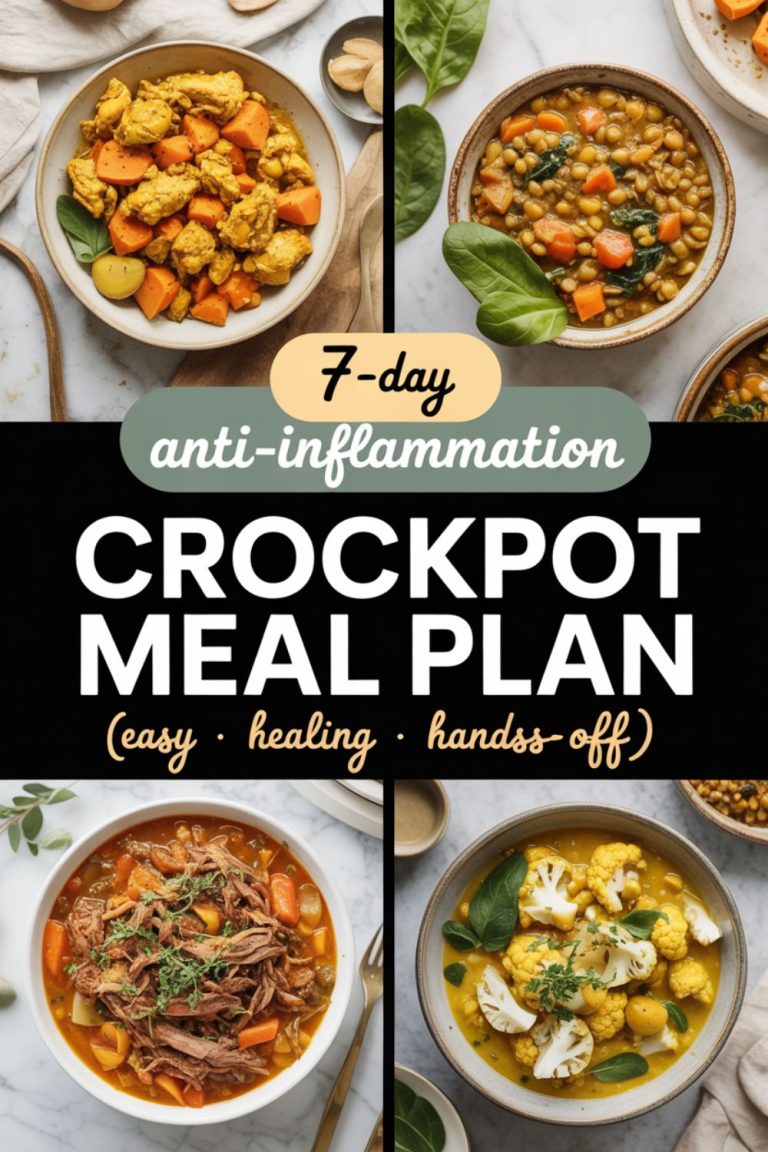
The 7-day Mediterranean anti-inflammation meal plan (printable PDF) is a no-brainer if you want all the planning done for you.
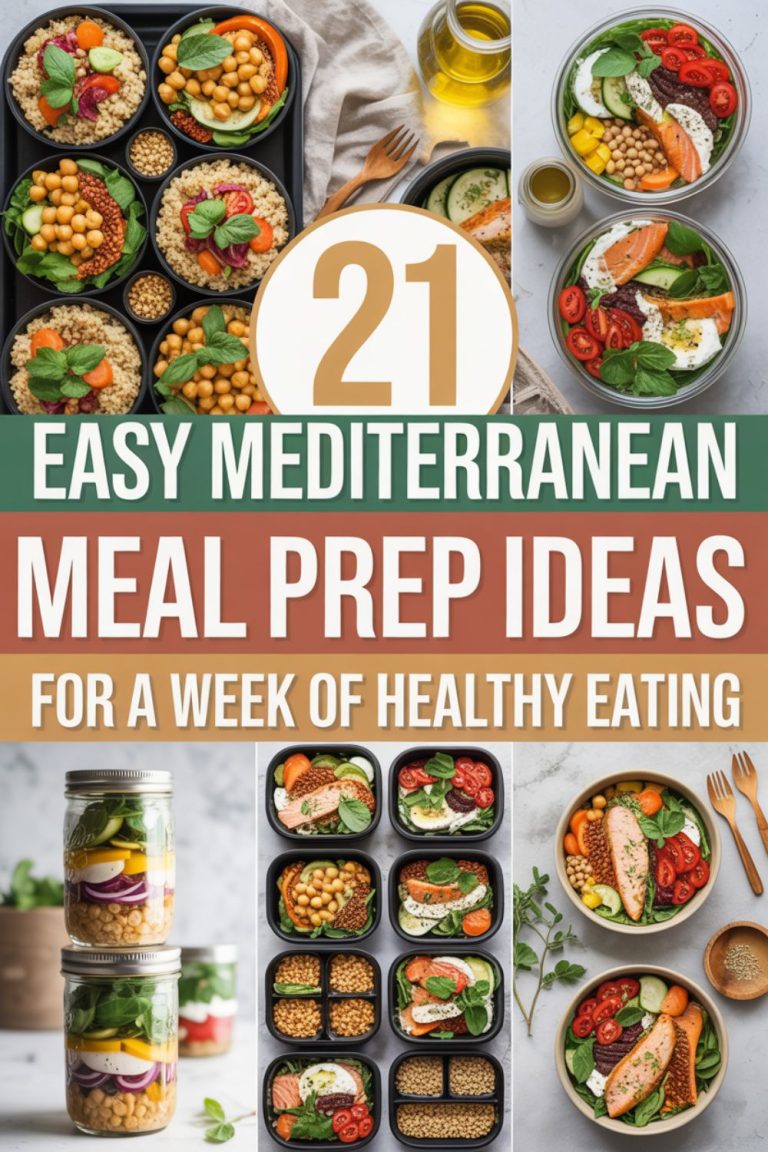
Check out the 21 easy Mediterranean meal prep ideas for a full week of make-ahead meals built around the same anti-inflammatory principles.
Also worth noting: I dress most of these salads straight from a small ceramic olive oil pourer with a no-drip spout—it sounds trivial but it genuinely changes how much oil you use (in a good way). And if you’re roasting vegetables for any of these, a rimmed half-sheet baking pan with good surface area is the difference between roasted and steamed. You’ll thank yourself.
Building a Complete Anti-Inflammatory Eating Approach
Salads are a great starting point, but the research is clear that consistent patterns matter more than individual meals. The Mediterranean dietary pattern works because it layers multiple anti-inflammatory food groups together over time—olive oil, fatty fish, legumes, vegetables, whole grains, and herbs—not because any single ingredient is magic.
If you’re managing a condition like arthritis, autoimmune disease, or metabolic syndrome, it’s worth reading what Harvard Medical School writes about the broader context of olive oil in an anti-inflammatory diet—the short version being that olive oil works best as part of an overall eating pattern, not as a standalone remedy.
That said, starting with salads is about as low-friction an entry point as you’ll find. No special cooking techniques, no hard-to-source ingredients. Just good produce, quality olive oil, and five minutes with a lemon and a knife.
Rachel, a busy nurse and mom of two, started making three of these salads every Sunday as part of her meal prep. After six weeks, she said her joint stiffness in the mornings went from a seven to a three. Her words: “I didn’t change anything else. Just started eating more of these.”
— Rachel T., Community MemberMassage raw kale with a small pour of olive oil and a pinch of sea salt for two to three minutes before adding other ingredients. The mechanical action breaks down the tough cell walls, making the kale more digestible and significantly more pleasant to eat.
Olive Oil Dressing Variations Worth Knowing
Once you’ve got the base formula down (olive oil + acid + emulsifier + seasoning), you can run through variations without thinking. Here are the ones I return to most often:
- Classic Lemon-Garlic: EVOO, fresh lemon juice, minced garlic, Dijon, salt, and pepper. Works on literally everything.
- Red Wine Vinegar and Herb: EVOO, red wine vinegar, dried oregano, dried thyme, garlic powder, and a pinch of sugar. Great on heartier greens like kale and farro.
- Apple Cider Vinegar and Honey: EVOO, ACV with the mother, raw honey, Dijon, salt. Softer and slightly sweet, excellent on arugula and berry salads.
- Tahini-Lemon: EVOO, tahini, lemon, garlic, water to thin. Technically a different category but plays beautifully on roasted vegetable salads.
- Balsamic Reduction: Good-quality balsamic vinegar reduced by half, mixed with EVOO. Takes ten minutes and makes any salad feel like restaurant food.
All of these keep in a sealed jar in the fridge for five to seven days. Making a batch on Sunday is one of those small habits that makes the entire rest of the week easier. You’ve heard this before. It’s still true.
Frequently Asked Questions
What type of olive oil is best for anti-inflammatory salad dressings?
Extra-virgin olive oil (EVOO) is the clear choice here. It’s the least processed type, which means it retains the highest levels of polyphenols—particularly oleocanthal and oleacein—that are responsible for its anti-inflammatory effects. Look for cold-pressed EVOO with a harvest date on the label, and use it within 18 months of that date for maximum potency.
Can I make these salads ahead of time?
Most of the components—grains, beans, roasted vegetables—can absolutely be prepped days in advance. The trick is to keep the dressing separate until you’re ready to eat, and to store delicate greens and any cut fruit separately. Heartier salads like the lentil, farro, and chickpea versions actually improve overnight as the dressing has time to absorb. Check out the 7-day Mediterranean meal prep plan for a full structure around this.
Are these salads filling enough for a full meal?
Several of them absolutely are—particularly the ones built on a base of legumes, grains, or protein like salmon or tuna. If you’re using a lighter green base, adding a handful of chickpeas, some hard-boiled eggs, or a scoop of white beans brings the staying power up considerably. The olive oil itself also contributes to satiety since fat signals fullness more reliably than most other macronutrients.
How much olive oil should I use in a salad dressing?
The standard ratio is 3 parts olive oil to 1 part acid (lemon juice or vinegar). For a single-serving salad, that typically means about 2 tablespoons of olive oil and just over 2 teaspoons of acid. Don’t be afraid of the quantity—this is exactly the type of fat your body needs, and skimping on it reduces both flavor and the nutritional value of the whole salad.
What are the best anti-inflammatory ingredients to add to salads?
Beyond olive oil, the heavy hitters are: fatty fish (salmon, sardines, mackerel), walnuts, turmeric, ginger, beets, berries, dark leafy greens, garlic, and cruciferous vegetables like broccoli and arugula. Each of these works through different biological mechanisms, so mixing and matching them in the same salad creates broader anti-inflammatory coverage than relying on just one. For a more structured approach, the 14-day anti-inflammation hormone balancing plan builds these ingredients into a coherent daily structure.
The Takeaway
Anti-inflammatory eating doesn’t require a complete lifestyle overhaul or a fridge full of ingredients you’ve never heard of. It starts with a bowl of dark greens, a handful of something crunchy or protein-rich, and a dressing built on real extra-virgin olive oil. Repeat that a few times a week, rotate through these 19 salads, and you’ll feel the difference before you finish the month.
The olive oil dressing is not optional and it is not just for flavor. It’s the part that makes the whole thing work nutritionally. Use the good stuff, use enough of it, and let it do its job. Your body—and honestly your taste buds—will catch on quickly.
Start with the one that sounds most appealing today. Come back for another next week. That’s genuinely all there is to it.